
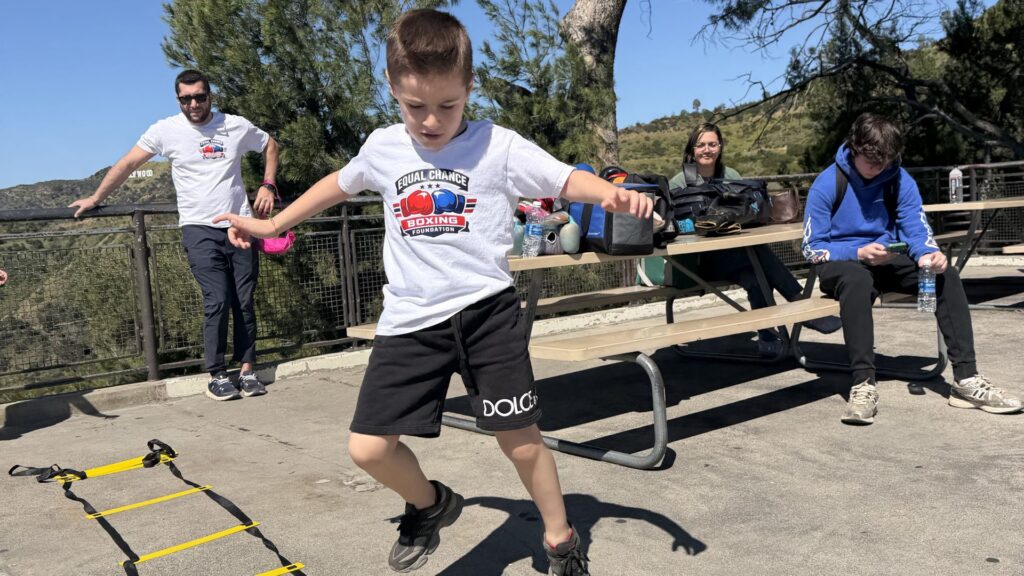
Talent is easy to notice. A teenager moves well, learns fast, hits hard, runs quickly, speaks with confidence, or shows natural leadership. Adults see that spark and say, “This kid has something.” But in youth development, talent is only the beginning. Without access, that spark can fade before it ever has the chance to grow.
In Los Angeles, many young people have talent. They have energy, creativity, strength, intelligence, courage, and potential. What they do not always have is a safe place to train, a mentor who stays consistent, a program their family can afford, transportation that works, equipment that fits, or adults who know how to guide them without judging them. The difference between a teenager who grows and a teenager who drifts is not always ability. Very often, it is access.
That is why youth development in Los Angeles must be about more than identifying the most gifted kids. It must be about creating real pathways for young people who may never get noticed simply because their families cannot pay for private coaching, competitive teams, summer programs, or expensive afterschool activities. A child should not need money, perfect circumstances, or a polished background before someone decides they are worth investing in.

Talent Needs Structure Before It Can Become Growth
Talent can open a door, but structure teaches a young person how to walk through it. A teenager may be naturally athletic, but if no one teaches them discipline, consistency, patience, and respect, natural ability can become unstable. They may start strong and quit when things become difficult. They may rely on confidence instead of work. They may hear praise early and never learn how to handle correction.
This is where youth programs matter. A strong program does not simply celebrate talent. It gives talent a routine. It teaches a young person how to show up when they are tired, how to listen when they are being corrected, how to keep working when progress slows down, and how to respect the process even when they are not the best person in the room.
For teenagers, this structure is especially important because motivation alone is not reliable. A teen may feel inspired one week and completely disconnected the next. They may want success but not yet understand repetition. They may want respect but not yet know how to earn it through behavior. A safe, consistent youth program helps turn emotion into habit. It teaches that growth is not built by mood. It is built by returning to the work.
In boxing, this lesson is clear. A young person may have speed or power, but boxing quickly reveals whether they can listen, breathe, stay balanced, control their emotions, and respect instruction. Without those qualities, talent does not carry them very far. That is one reason the Youth Boxing Program at Equal Chance Boxing Foundation is not just about athletic training. It is about giving young people a structured beginning where discipline, safety, mentorship, and consistency matter more than raw ability.
[ecbf_donate_banner_1]
Access Is Often the Missing Piece
When people talk about youth success, they often focus on personal effort. Effort matters, but effort alone does not solve every barrier. A young person can be willing to work and still have no place to train. A parent can want the best for their child and still be unable to afford monthly program fees. A teenager can have strong potential and still be overlooked because no one has created a pathway for them.
Access includes many things that are easy to take for granted. It includes affordable or free programming, safe facilities, trained coaches, proper equipment, transportation support, flexible scheduling, welcoming staff, and a culture where beginners are not embarrassed for starting from zero. It also includes emotional access — the feeling that a young person belongs in the room, even if they are not already confident, athletic, or experienced.
For families in Los Angeles and LA County, this matters deeply. Some children grow up with access to private lessons, club teams, tutoring, wellness programs, and summer camps. Other children have just as much potential, but their families are forced to choose between bills and activities. The result is not a lack of talent. It is a lack of opportunity.
A youth sports nonprofit can help close that gap. When a program removes cost as the main barrier, it tells a young person that their future is not less important because their family has fewer resources. It also tells parents that they do not have to carry the full burden alone. That message can be powerful, especially for families who have spent years watching opportunity feel just out of reach.

Why Los Angeles Needs Community-Based Youth Development
Los Angeles is a city of possibility, but it is also a city of separation. Two teenagers can live in the same county and experience completely different levels of access. One may have safe transportation, supportive school programs, stable housing, and multiple extracurricular options. Another may have talent and ambition but no consistent adult guidance outside the home, no safe afterschool environment, and no affordable place to develop their gifts.
This is why community-based youth development is so important. Programs that are rooted in the community understand that young people need more than inspiration. They need places to go, people to trust, and routines that can survive beyond a single event or motivational speech. A strong community program becomes part of a young person’s week. It becomes a place where their name is known, their absence is noticed, and their effort is expected.
For many teenagers, belonging is not automatic. They may feel invisible at school, disconnected at home, or overwhelmed by the pressure of social media. A good community sports program gives them a different kind of identity. They are not just a student with grades, a kid with problems, or a teen with attitude. They become someone in training. Someone learning. Someone expected to grow.
This is the deeper purpose behind Community Training. Community training is not only about physical activity. It is about building a healthier environment around young people, especially those who may not have easy access to organized sports or consistent mentorship. When training is connected to community, the impact can reach families, schools, neighborhoods, and local supporters.
Safe Training Gives Young People Room to Start
One of the biggest mistakes adults can make is assuming that young people will step into opportunity confidently when it appears. Many do not. Some teens are embarrassed because they are beginners. Some feel out of shape. Some worry they will be judged. Some act careless because they are afraid of failing. Others have been told so many times what they are doing wrong that they no longer believe adults are there to help.
A safe youth program understands this. It creates room for the first step. It does not shame a child for not knowing. It does not treat a beginner like a burden. It does not confuse discipline with humiliation. Instead, it gives clear instruction, respectful correction, and a path forward.
In boxing, safety is not only about equipment. It is also about culture. A responsible coach teaches that boxing is not street fighting, not bullying, and not a way to prove dominance. It is a controlled sport built on rules, patience, defense, timing, and respect. Young people learn that power must be guided. They learn that anger without control creates mistakes. They learn that listening is part of strength.
That kind of safe environment can be especially valuable for teens who carry frustration, pressure, or restlessness. Boxing may help many young people feel more grounded because it gives them movement, routine, mentorship, and a positive outlet for energy. At the same time, youth boxing is not a substitute for professional medical or mental health care when a child needs it. A responsible program should never promise to cure anxiety, depression, trauma, ADHD, or behavioral challenges. It should offer support honestly: through structure, coaching, discipline, and community.
Mentorship Turns Access Into Direction
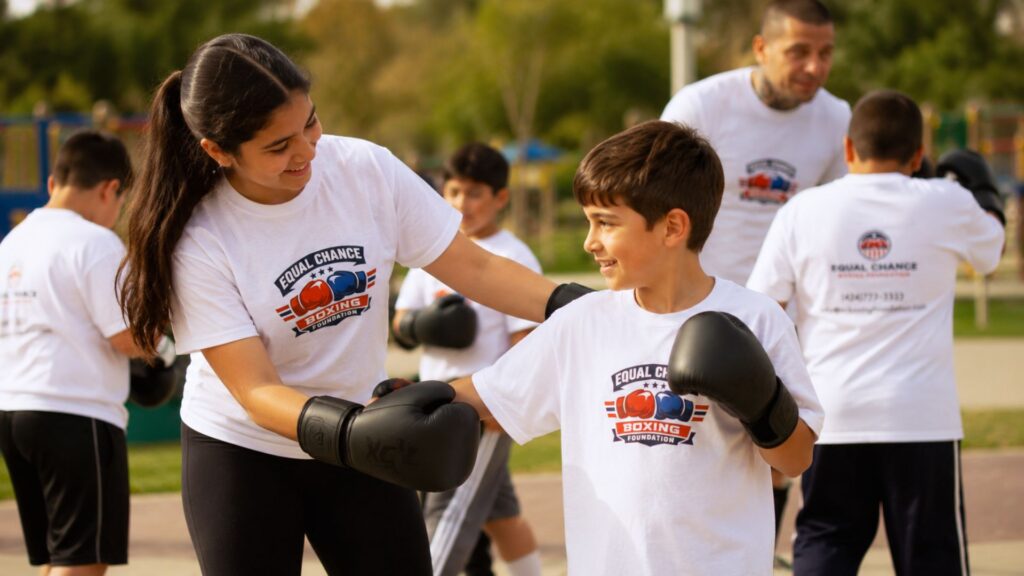
Access opens the door, but mentorship helps a young person understand what to do once they walk in. A teenager may enter a program because it is free, nearby, or recommended by a parent. They may stay because someone begins to guide them. That guidance is where youth development becomes personal.
A good mentor sees more than athletic ability. They notice attitude, effort, frustration, fear, and small improvements. They correct disrespect before it becomes a habit. They push a teen who gives up too quickly. They also know when a young person needs encouragement more than criticism. This balance is difficult, and it is one of the reasons youth programs need adults who understand both discipline and compassion.
For many teenagers, a coach’s words land differently than a lecture at home. In the middle of training, advice becomes practical. “Breathe” is not just emotional advice; it is necessary to finish the drill. “Slow down” is not just a life lesson; it is how the movement becomes cleaner. “Keep your hands up” is not only about boxing; it is about awareness, responsibility, and staying prepared.
This is why access without mentorship is incomplete. A free program that only fills time may help for an hour. A free program with mentorship can begin to shape how a young person sees effort, correction, discipline, and responsibility. That deeper relationship is what helps young people carry lessons beyond the gym.
Talent Without Access Can Become Frustration
When a young person has potential but no pathway, talent can become frustration. They may feel that they are capable of more, but they do not know where to take that feeling. They may compare themselves to peers who have more support. They may stop trying because trying without opportunity feels painful. Over time, that frustration can turn into anger, withdrawal, or the belief that success is for other people.
This is one of the quiet problems in youth development. The most visible children often receive more attention, while the overlooked children are expected to motivate themselves without the same tools. But many young people do not need someone to discover that they are already polished. They need someone to help them become disciplined before they are polished.
Access matters because it reaches young people earlier. It creates the chance to begin before talent is refined. It gives a teenager permission to be a beginner. It says, “You do not have to arrive perfect to be worth coaching.”
This matters for low-income youth sports programs in Los Angeles because financial barriers can hide ability. A child may never become confident in a sport they never had the chance to try. A teen may never build discipline in a gym they could not afford to enter. When access expands, hidden potential has a place to show itself.
Afterschool Structure Can Change the Direction of a Week
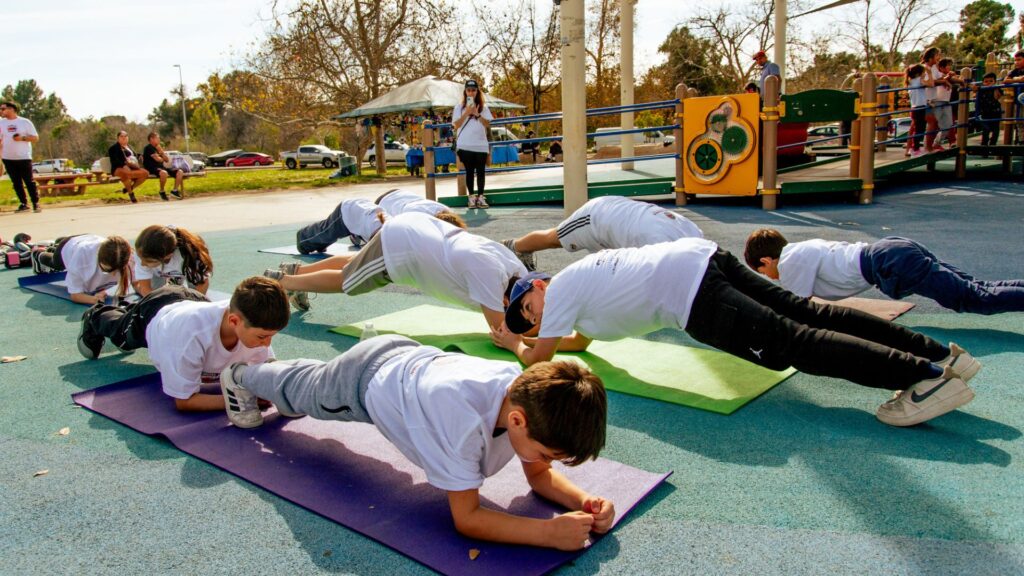
The hours after school matter. They can become hours of rest, growth, connection, and activity, or they can become hours of isolation, boredom, scrolling, and drifting. For many families, this time is difficult because parents may still be working, transportation may be limited, and safe activities may not be easy to find.
A structured afterschool program can change the shape of a teenager’s week. Instead of going from school into empty time, a teen has somewhere to be. Instead of carrying stress alone, they enter a supervised space. Instead of spending the afternoon disconnected, they move, listen, train, and interact with peers and mentors.
This structure does not need to be dramatic to matter. A regular schedule, a coach who expects attendance, and a room full of positive effort can slowly change a young person’s habits. They may begin to sleep better after training days. They may become more aware of what they eat before practice. They may learn to manage time because arriving late affects the group. They may begin to understand that commitment is something practiced, not something a person magically has.
Programs like the Summer & Afterschool Mentorship Camp are important because they recognize that youth development cannot depend only on school hours. Young people need support during the gaps — after school, during long breaks, and in seasons when families are stretched thin. Access to structured mentorship during those times can help teens stay connected, active, and guided.
Donors and Sponsors Help Build the Pathway
When donors support youth development, they are not simply funding activities. They are helping build the pathway between potential and opportunity. They are helping remove the practical barriers that often stop families before a child can even begin. Equipment, coaching, facility space, outreach, transportation support, and program organization all require resources, even when families are not asked to pay.
This is why giving to Equal Chance Boxing Foundation is about more than buying gloves or keeping lights on. It is about helping create access for young people who may have the willingness to work but not the resources to start. It is about making sure a child’s future is not limited by the cost of entry.
Corporate partners also have a meaningful role to play. A business that supports youth development is investing in more than a nonprofit program. It is investing in the health of the community around it. Through Corporate Sponsorship, companies can help provide the structure, mentorship, and safe training environments that many young people need but cannot access alone.
The return on that support is not measured only in athletic success. It is seen in teenagers who stay connected, families who feel supported, and communities that choose to invest in young people before they are in crisis.
[ecbf_donate_banner_4]
and the Lesson of the Long Path
In boxing, talent can get attention, but discipline builds a career. ’s example can be understood through that lens. His story should not be reduced to easy inspiration or the idea that success comes quickly. Boxing at a serious level requires routine, sacrifice, correction, losses, recovery, and the humility to keep learning.
For young people, that message is valuable because it is honest. Many teens live in a culture that celebrates quick results. They see highlights, success stories, and polished moments, but they do not always see the repetition behind them. A coach can use boxing to show a different truth: improvement is built through ordinary work repeated over time.
This matters in youth development because most young people do not need fantasy. They need a realistic path. They need to understand that talent may make someone noticeable, but discipline makes them dependable. They need to see that mistakes do not end the process. They need adults who can tell them the truth without making them feel hopeless.
That kind of mentorship can help a teenager reframe failure. A hard training day is not proof that they are weak. A correction is not rejection. A loss is not the end of growth. The long path teaches patience, and patience is one of the most important lessons young people can learn.
Access Creates Belonging Before Achievement
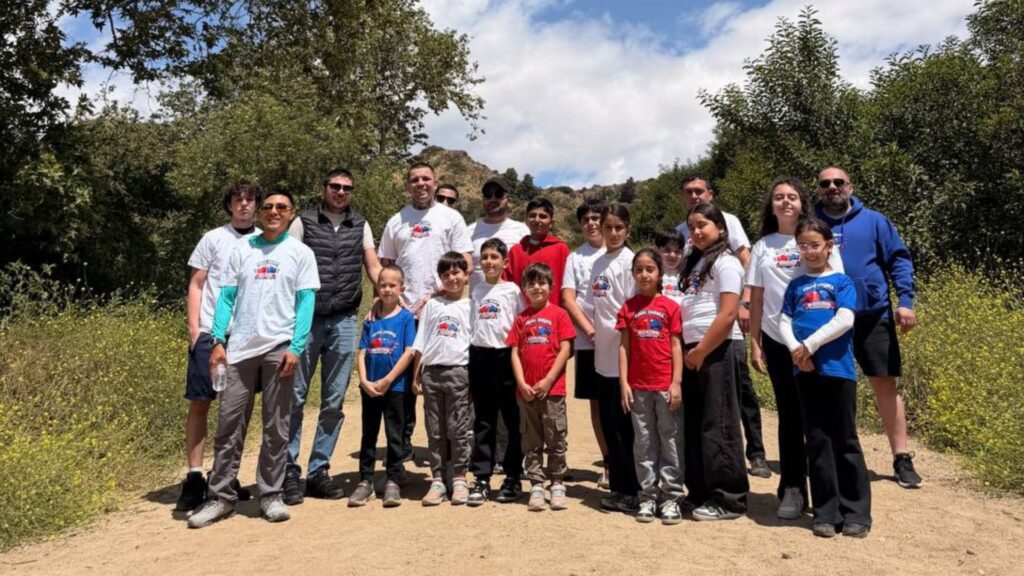
One of the most important things a youth program can give a teenager is belonging before achievement. Too often, young people feel that they must prove they are special before they receive support. They must already be talented, already disciplined, already confident, already successful. But many young people need support precisely because they are not there yet.
Access says, “You can begin here.” It allows a teenager to enter before they have mastered anything. It gives them a place to be corrected, encouraged, challenged, and included while they are still developing. This is not lowering standards. It is creating the conditions where standards can actually be taught.
Belonging does not mean a program becomes soft. A healthy youth program still expects effort, respect, listening, and consistency. But it does not require a young person to earn basic dignity before they receive guidance. It treats the child as worth investing in from the first day.
This is especially important in Los Angeles, where social and economic differences can make some young people feel that certain opportunities are not meant for them. Community-based access pushes back against that message. It tells youth that their potential matters even before it is fully visible.
The Future of Youth Development Depends on Opportunity
If Los Angeles wants stronger youth outcomes, access must be part of the conversation. Talent alone will never be enough because talent does not exist in a vacuum. It grows or fades depending on the environment around it. A teenager with potential needs structure, mentorship, safety, routine, encouragement, and a community willing to stay involved.
Equal Chance Boxing Foundation’s work matters because it focuses on that environment. The foundation is not simply looking for the most talented young athletes. It is helping create a space where young people can build discipline, confidence, respect, and consistency through safe boxing training and mentorship.
For parents, this means their child does not have to be naturally gifted to begin. They simply need a safe first step. For donors, it means their support can remove barriers that talent cannot remove on its own. For community partners, it means youth development becomes a shared responsibility, not something left only to families who can afford it.
Talent is beautiful when it appears. But access is what gives talent a chance to become growth. And for many young people in Los Angeles, that chance can make all the difference.

Step Into the Ring. Let’s Build Our Community Together.
For Parents: Reclaim Your Teenager’s Future
Stop relying on fleeting motivation and give your teenager the gift of true discipline. Leave the financial stress behind — Equal Chance Boxing Foundation provides access to structured youth boxing, mentorship, coaching, and a safe environment where young people can begin rebuilding confidence one step at a time.
Take the first step toward their mental and physical growth.
ENROLL IN OUR YOUTH BOXING PROGRAM TODAY
For Supporters: Fund a Life-Saving Mentor
These programs remain accessible because people choose to stand in the corner of young people who need structure, guidance, and opportunity. When you support low-income youth sports programs, you are not simply funding equipment — you are helping provide the mentorship, discipline, and consistency that many children cannot access on their own.
Be the steady hand in their corner.
DONATE TO THE EQUAL CHANCE BOXING FOUNDATION
For Community Partners: Take the Mentorship Beyond the Gym
Community impact grows when local leaders, businesses, and families work together. Through outreach, community training, and sponsorship support, Equal Chance Boxing Foundation helps bring coaching, structure, and encouragement closer to the youth who need it most.
LEARN ABOUT CORPORATE SPONSORSHIP
Questions?
We’ve got answers.
While talent might win a boxing match, access changes a life. At the Equal Chance Boxing Foundation, the goal isn’t just to breed future Olympians—it’s to develop resilient, confident youth. By making the program entirely free, we ensure that every teen in Los Angeles, regardless of their natural athletic ability or financial background, has the opportunity to learn discipline, respect, and emotional regulation.
In a sprawling and expensive city like Los Angeles, youth who lack access to structured, affordable after-school programs are often left vulnerable to negative street influences and isolation. When financial barriers prevent participation in sports, kids miss out on crucial mentorship, character-building, and the safe, supportive community they desperately need during their formative years.
Mentors like view a lack of experience not as a deficit, but as a blank canvas. They welcome beginners with zero athletic background and focus entirely on their work ethic, punctuality, and willingness to learn. By rewarding effort and character over raw punching power, they build the self-esteem of teens who might have otherwise felt they weren’t “good enough” for traditional competitive sports.
When access is guaranteed, sports become a powerful vehicle for universal youth development. Teens who participate learn accountability, teamwork, and how to overcome failure—skills that directly translate to better academic performance and future career success. Providing this free access creates a ripple effect, building a healthier, more resilient, and deeply connected Los Angeles community.