
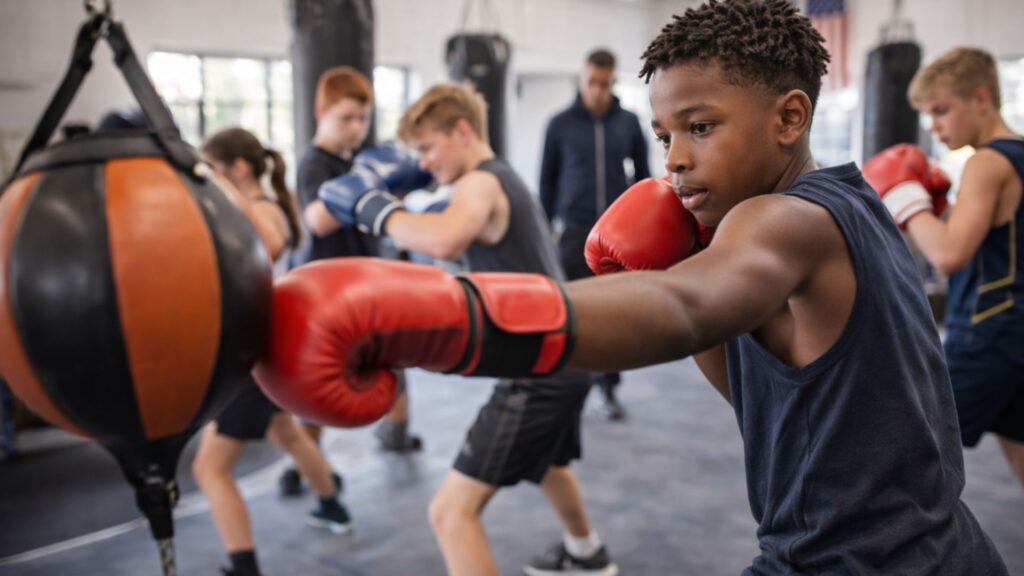
For many teenagers in Los Angeles, staying active is not only about fitness. It is about having somewhere to go, someone to listen to, and a reason to stay connected when life starts pulling them in different directions. A teen who looks distracted, unmotivated, angry, quiet, or glued to a phone may not always need another lecture. Sometimes they need a place where their energy can move, where adults expect something from them, and where they can feel part of something real.
Community sports can offer that kind of place. Not because sports magically solve every problem, and not because every child needs to become an athlete, but because structured physical activity gives young people something they often lack: rhythm, belonging, accountability, and healthy pressure. When a teenager joins a safe program with coaches, peers, routines, and expectations, the week begins to look different. There is practice to attend. There are people who notice when they show up. There is progress that can be felt in the body, not just talked about.
In Los Angeles and LA County, where families face very different realities depending on neighborhood, income, transportation, school support, and access to safe programs, community sports can become much more than an afterschool activity. They can become a bridge between a young person and the kind of structure that helps them stay grounded.
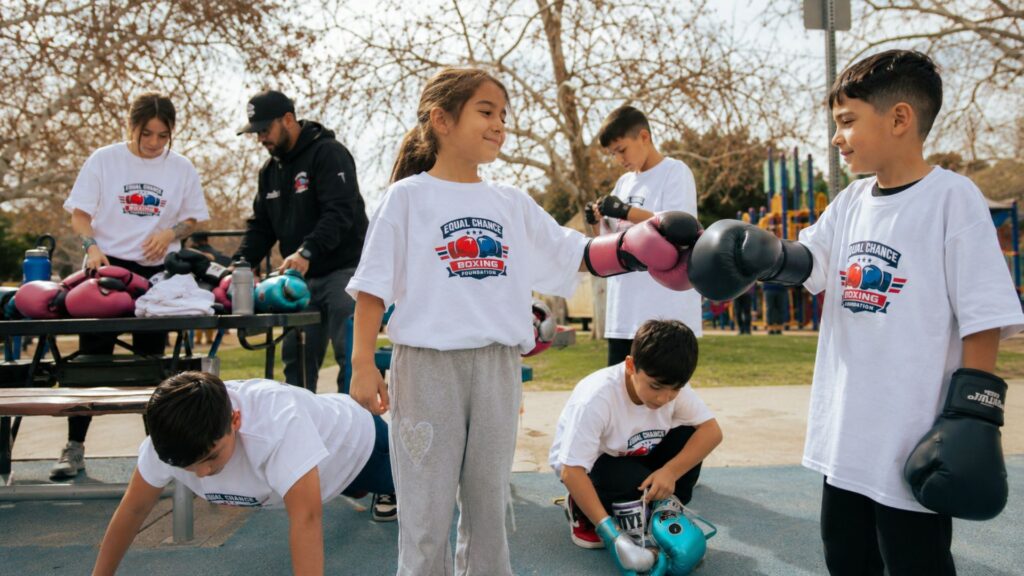
Why Teens Need More Than “Something to Do”
When adults say that teenagers need something to do, they are usually right, but the phrase can sound too small for what young people actually need. Teens do not simply need to be kept busy. They need meaningful environments that help them feel seen, challenged, and included. A random activity may fill an hour, but a strong community program can begin to shape habits.
Many teens are carrying more than they show. Some are dealing with pressure at school. Some feel invisible at home or overwhelmed by expectations. Some are lonely even when they are surrounded by people online. Some do not know how to explain their frustration, so it comes out as attitude, silence, or lack of motivation. Others have energy but no healthy place to put it.
Community sports give that energy a direction. A gym, field, court, or training space creates a different kind of structure than a classroom or a living room. The teen is not just being told to focus; they are being asked to move, listen, repeat, adjust, and try again. That kind of learning can reach a young person in a way that words alone often cannot.
This is one reason programs like the Youth Boxing Program matter. Boxing, when taught responsibly, is not about fighting or aggression. It is about discipline, timing, respect, emotional control, and learning how to stay calm while working hard. For a teenager who feels restless or disconnected, that kind of training can become a powerful anchor.
Connection Is Built Through Showing Up
Teenagers may not always say they want connection, but most of them need it deeply. They need peers who are trying to improve. They need adults who are consistent. They need spaces where they can be corrected without being humiliated and encouraged without being treated like they are fragile.
Community sports create connection through repetition. A teen shows up once, then again, then again. At first, they may stand quietly in the back or act like they do not care. Over time, if the environment is healthy, they begin to recognize familiar faces. They learn the coach’s expectations. They understand the rhythm of practice. They become part of the room.
That kind of belonging is not always dramatic. It may look simple from the outside: a coach remembering a teen’s name, another student helping them with a drill, a group warming up together, someone asking why they missed last week. But for a young person who feels disconnected, these small moments can matter.
Connection does not happen only through talking. Sometimes it happens through shared effort. Two teens who might never start a conversation at school may begin to respect each other after struggling through the same conditioning drill. A quiet student may feel more confident after learning a movement and helping someone newer. A young person who usually avoids attention may begin to stand taller when they realize they are improving.
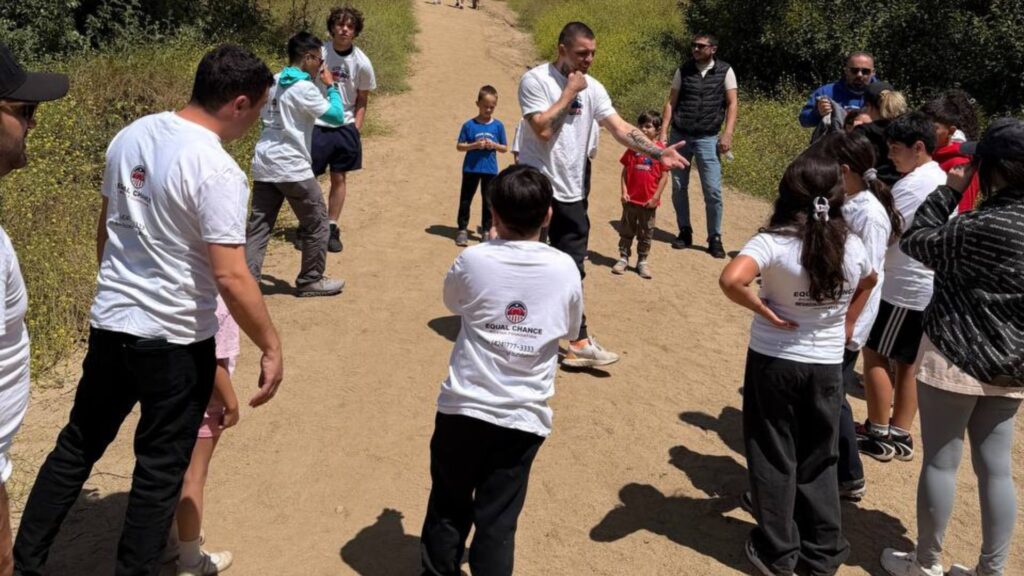
Physical Activity Helps Teens Reconnect With Their Own Bodies
Many teens spend long hours sitting, scrolling, watching, reacting, and comparing themselves to others. Their minds are constantly stimulated, but their bodies may not get enough movement, challenge, or healthy fatigue. Over time, that imbalance can affect mood, confidence, energy, sleep habits, and motivation.
Community sports bring young people back into their bodies. They breathe harder. They sweat. They feel coordination improve. They notice when they are stronger than last month or more focused than last week. This physical feedback is important because it is real. A teen does not have to imagine progress; they can feel it.
In boxing, for example, a young person learns that small details matter. Foot placement matters. Breathing matters. Balance matters. Listening matters. If they rush, they lose control. If they stay patient, the movement becomes cleaner. These lessons are physical, but they also teach something deeper about self-control.
Youth sports should never be presented as a replacement for professional medical or mental health care when a child needs it. But movement, routine, mentorship, and community can support many young people by helping them feel more grounded and less isolated. A responsible program does not promise to cure anxiety, depression, trauma, or behavioral challenges. Instead, it offers structure, care, and a healthier place for teens to practice discipline and connection.
The Role of Coaches as Mentors
A coach can become one of the most important adult voices in a teenager’s life. Not because a coach replaces a parent, teacher, counselor, or family member, but because coaching reaches young people in a direct and practical way. A coach sees effort. A coach notices body language. A coach can correct behavior in the moment and connect discipline to action.
For many teens, advice sounds different when it comes during training. “Keep your hands up” is about boxing, but it is also about awareness. “Breathe” is about the drill, but it is also about control. “Do it again” is about repetition, but it is also about resilience. “Respect your partner” is about safety, but it is also about character.
Good mentors do not shame teenagers for struggling. They understand that growth takes time. They know when to push and when to slow down. They know that a teen who seems careless may actually be afraid of failing, and a teen who acts tough may be trying to hide insecurity. The best coaches hold high standards without cruelty.
This is where community sports become different from casual recreation. A strong program is not only asking teens to move. It is helping them learn how to handle correction, pressure, frustration, and responsibility. Those lessons can follow them back into school, home, friendships, and future work.
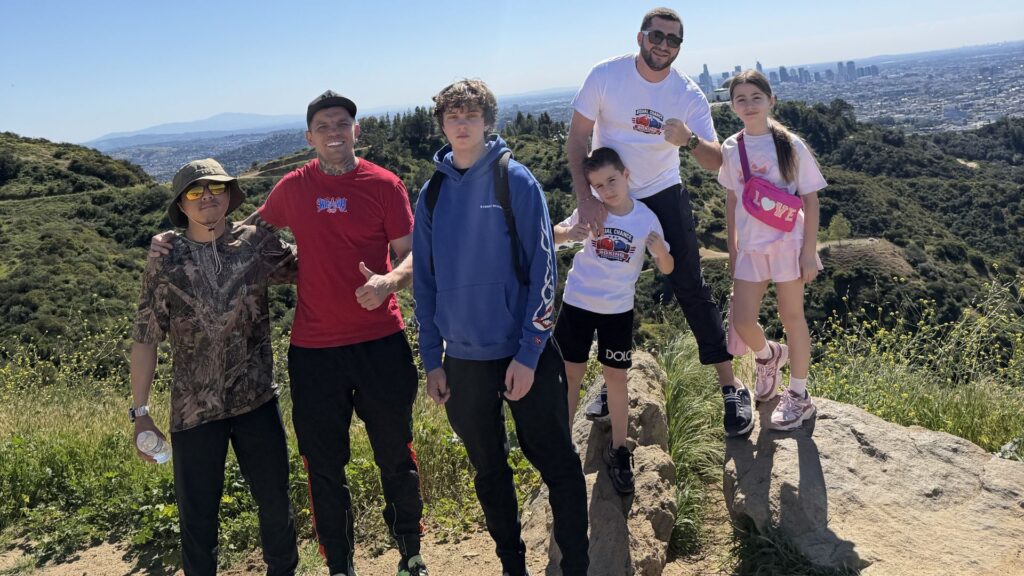
Community Sports Can Pull Teens Away From Isolation
Isolation does not always look like being alone. A teenager can be surrounded by people and still feel disconnected. They can have social media, group chats, online games, and constant notifications, but still lack real belonging. Digital connection can be constant while emotional connection remains thin.
Community sports create a different kind of presence. A teen has to be in the room. They have to hear instructions, respond to the coach, move with others, and take part in something that cannot be fully replaced by a screen. The experience is immediate. The effort is shared. The progress is visible.
For parents, this can be one of the biggest values of a youth program. It gives teens a reason to leave the house and enter a healthier environment. It places them around peers who are also working, learning, and being held accountable. It reduces empty time, which can be especially important after school, during weekends, and throughout the summer.
Programs connected to Community Training can help make this kind of support more accessible. When training is rooted in the community, it becomes easier for families to see sports not as a luxury, but as part of a healthier support system for youth.
Why Access Matters in Los Angeles
Los Angeles is full of talent, culture, and opportunity, but access is not equal. Some families can afford private coaching, competitive teams, transportation, equipment, and summer programs. Other families have children who are just as capable, but the cost of participation becomes a wall.
For a teenager, that wall can feel personal. They may not say it out loud, but they know when certain opportunities are not for them. They know when money decides who gets to participate. They know when their family is doing its best but still cannot cover extra programs.
That is why low-income youth sports programs matter. They do not simply provide free activity. They protect opportunity. They tell a young person that their growth is not less important because their family has fewer resources. They tell parents that support is possible without financial pressure.
Free and nonprofit programs also reduce the shame around starting. A teen should not need expensive gear to walk through the door. A parent should not have to choose between bills and a positive afterschool activity. When donors and sponsors help keep programs accessible, they are helping remove one of the first barriers between a young person and a better environment.
Supporting Equal Chance Boxing Foundation means helping build the kind of structure many families cannot access on their own. The visible support may look like gloves, wraps, training space, or coaching time, but the deeper support is consistency. It is a place to go, a mentor to listen, and a reason to keep coming back.
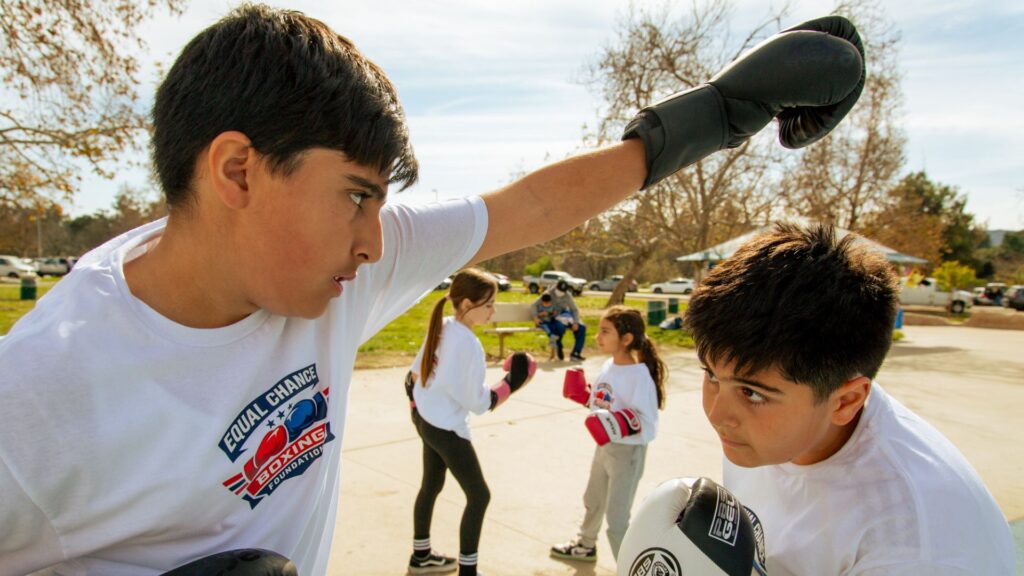
Afterschool Hours Can Shape a Teen’s Direction
The hours after school are important. For many families, they are also difficult. Parents may still be working. Teens may be tired, bored, stressed, or unsupervised. A few empty hours every day can quietly shape habits, friendships, routines, and choices.
This does not mean every teenager is at risk simply because they have free time. But young people do better when their time includes structure and positive connection. Afterschool sports give teens something steady to return to. They create a rhythm between school, home, and community. They also give parents a sense that their child is spending time in a supervised environment with adults who care.
Summer can create the same challenge on a larger scale. Without school structure, some teens lose routine completely. Sleep schedules drift. Screen time increases. Motivation drops. A strong summer or afterschool mentorship program can help protect continuity during those gaps.
The Summer & Afterschool Mentorship Camp connects this idea directly to youth development. Programs like this recognize that children and teens need more than occasional inspiration. They need regular support, safe activity, mentorship, and a structure that keeps them engaged when school is not enough.
A Safe Sports Environment Teaches Respect
Not every sports environment is automatically healthy. Parents and community leaders should be honest about that. A program can be active but still chaotic. It can be competitive but still harmful. It can keep kids busy without helping them grow.
A safe community sports program teaches respect as part of the culture. Teens learn to respect coaches, teammates, equipment, rules, and themselves. They learn that strength is not the same as intimidation. They learn that discipline is not punishment. They learn that effort matters even when no one is cheering.
In boxing, this lesson is especially important because the sport involves power. A responsible coach makes it clear that boxing is not street fighting. It is not a tool for bullying or proving dominance. It is a controlled discipline built on rules, patience, defense, and humility. The young person learns not only how to move, but when not to move. They learn that control is part of strength.
This message can be powerful for teens who feel pressure to act tough. Many young people are surrounded by messages that confuse respect with fear. A healthy program teaches something better: real respect is earned through consistency, self-control, effort, and how you treat others.
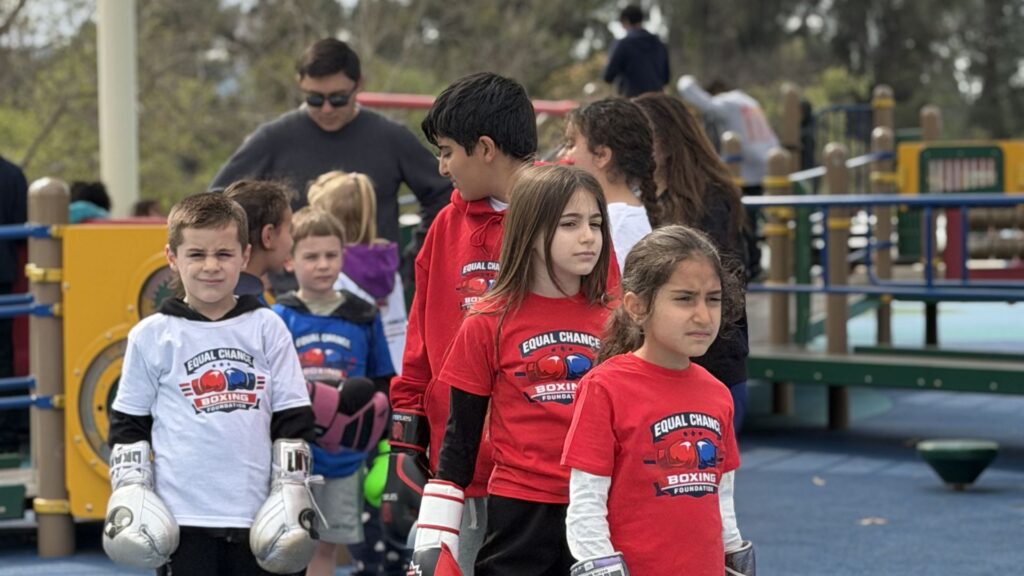
Sports Give Teens a Different Way to Experience Progress
School progress can feel slow or frustrating for many teens. Personal growth can feel even harder to measure. But sports give young people a visible, physical way to understand improvement. A teen who could barely finish a warm-up may later complete the whole session. A student who could not coordinate a movement may suddenly feel it click. A young person who used to quit quickly may start pushing through discomfort.
These moments matter because they build evidence. The teen begins to see, “I can improve if I keep practicing.” That belief can become important outside the gym. It can change how they approach school, relationships, responsibilities, and setbacks.
Community sports also teach that progress is not always loud. Sometimes growth looks like coming back after a bad day. Sometimes it looks like apologizing after disrespect. Sometimes it looks like listening the first time instead of the fifth. Sometimes it looks like choosing practice over another empty afternoon.
Parents often look for big changes, but the early signs are usually smaller. A teen may become more willing to talk after training. They may sleep better on practice days. They may start caring about what they eat before class. They may show more patience with younger siblings. None of these changes should be exaggerated or promised as guaranteed outcomes, but they are the kinds of gradual shifts many parents hope to see when a child enters a healthier routine.
The Community Benefits Too
When teens stay connected and active, the benefit does not stop with the individual child. Families feel it. Schools may feel it. Neighborhoods feel it. A young person who has structure is less likely to drift through the week without direction. A teen who feels seen by mentors may be more open to correction. A child who belongs to a positive group may be less desperate to find belonging in unhealthy places.
This is why community sports deserve support from more than just parents. Local businesses, churches, schools, civic leaders, and donors all have a role to play. Youth development is not something families should have to carry alone. Communities become stronger when they help build safe spaces for young people before problems become crises.
For corporate partners, supporting youth sports is a practical investment in the next generation. It helps fund access, coaching, equipment, outreach, mentorship, and community-based programming. Through Corporate Sponsorship, businesses can stand behind programs that give teens healthier places to grow and families more support.
A sponsor is not only helping keep a gym open. They are helping keep a young person connected to something positive.
Why Stories of Hope Matter
Teenagers need examples. Not perfect stories, not fake success stories, and not promises that everything becomes easy. They need real examples of people who stayed with the work, learned from mistakes, and kept going even when progress was slow.
That is why community stories matter. They remind families, donors, and young people that change often starts quietly. A teen who shows up once may become a teen who returns every week. A child who feels unsure may begin to trust the coach. A family that felt alone may begin to feel supported by a broader community.
Programs such as Champions of Hope help frame this kind of impact in a human way. The point is not to turn young people into inspirational slogans. The point is to recognize that hope becomes stronger when it is supported by action, structure, mentorship, and people who care enough to stay involved.
’s role can also be understood in this way. His example is not about presenting success as easy or glamorous. Boxing at a serious level requires discipline over talent, routine over mood, respect for coaching, and the ability to learn from losses. For teens, that lesson can be more valuable than any promise of quick achievement. It shows them that growth is built through work, not shortcuts.
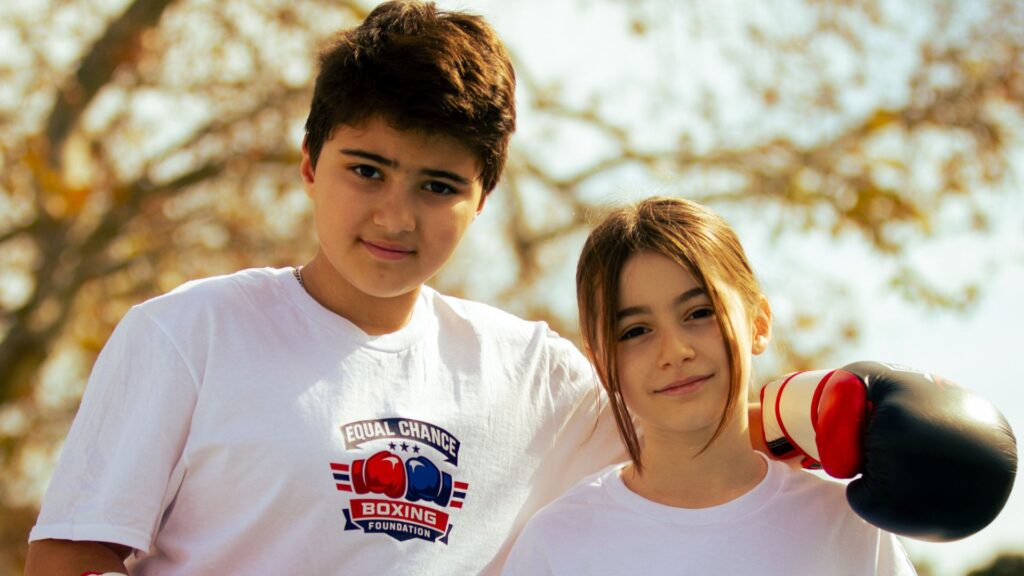
Community Sports Are Not a Luxury
For many families, youth sports are treated like an extra. Something nice if there is time, money, transportation, and energy left over. But for teens who need connection, structure, and positive guidance, community sports can be much more important than an optional activity.
They can be a place where a young person learns to show up. A place where they practice respect. A place where they build confidence through effort. A place where adults know their name. A place where their energy is not judged, but directed.
Los Angeles teens need more places like that. They need programs that understand the realities of families, the pressure of the streets, the pull of screens, the cost of equipment, the challenge of afterschool hours, and the importance of mentorship. They need communities that do not wait until a young person is in trouble before offering support.
Community sports cannot solve every problem. But they can create conditions where young people are less isolated, more active, better guided, and more connected to people who want to see them grow.
That is a powerful beginning.
Step Into the Ring. Let’s Build Our Community Together.
For Parents: Reclaim Your Teenager’s Future
Stop relying on fleeting motivation and give your teenager the gift of true discipline. Leave the financial stress behind — Equal Chance Boxing Foundation provides access to structured youth boxing, mentorship, coaching, and a safe environment where young people can begin rebuilding confidence one step at a time.
Take the first step toward their mental and physical growth.
ENROLL IN OUR YOUTH BOXING PROGRAM TODAY
For Supporters: Fund a Life-Saving Mentor
These programs remain accessible because people choose to stand in the corner of young people who need structure, guidance, and opportunity. When you support low-income youth sports programs, you are not simply funding equipment — you are helping provide the mentorship, discipline, and consistency that many children cannot access on their own.
Be the steady hand in their corner.
DONATE TO THE EQUAL CHANCE BOXING FOUNDATION
For Community Partners: Take the Mentorship Beyond the Gym
Community impact grows when local leaders, businesses, and families work together. Through outreach, community training, and sponsorship support, Equal Chance Boxing Foundation helps bring coaching, structure, and encouragement closer to the youth who need it most.
LEARN ABOUT CORPORATE SPONSORSHIP
Questions?
We’ve got answers.
In a sprawling city like Los Angeles, teens can easily feel isolated. Community sports programs like the Equal Chance Boxing Foundation bring together youth from various neighborhoods, breaking down social and cultural barriers. Training side-by-side creates an immediate, shared bond, giving teens a positive peer group and a strong sense of belonging that extends far beyond the gym walls.
Unlike traditional team sports that might leave less experienced kids sitting on the bench, boxing is highly inclusive and individualized. Every teen is engaged in rigorous, full-body conditioning, regardless of their starting fitness level. The dynamic nature of the workouts—incorporating heavy bags, footwork, and core drills—keeps teens consistently challenged and motivated to stay active.
Regular, structured physical activity is a powerful tool for emotional regulation. The intense focus required in boxing allows teens to constructively channel the anxiety and daily stresses of growing up in LA. Mentors like help them transform physical exhaustion into mental clarity, leading to improved mood, better sleep, and heightened self-esteem.
To truly keep a community active, the programs must be accessible to everyone. ECBF eliminates the high costs typically associated with youth sports in Los Angeles by providing completely free training sessions and gear. This commitment ensures that every teen, regardless of their family’s financial situation, has the opportunity to stay connected, active, and supported.