
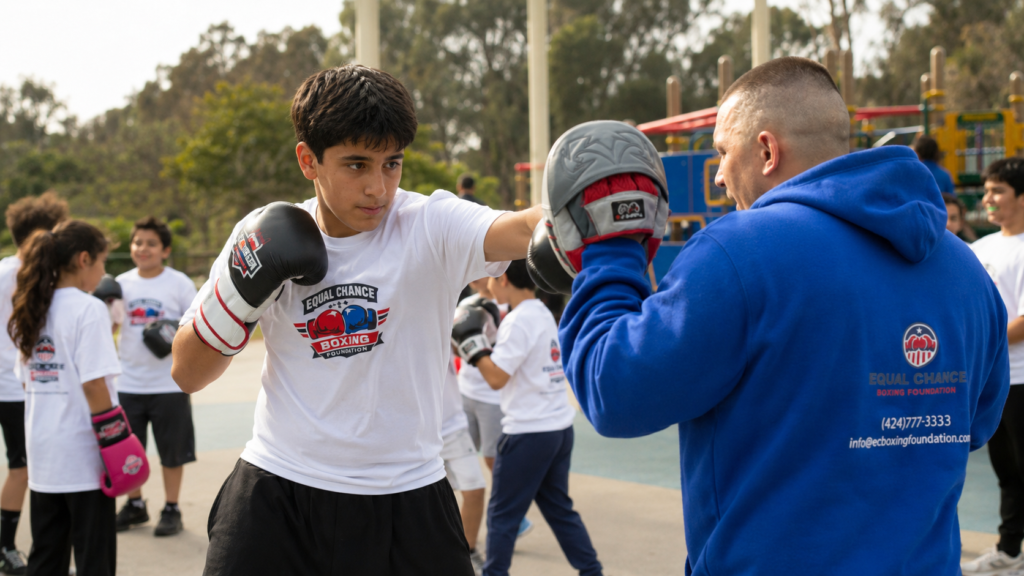
Trust is not something a nonprofit can claim with a nice logo, a few good photos, or the right words on a website. Trust is built slowly, through consistency, transparency, safety, and the way an organization treats young people when no camera is watching. For parents, especially parents searching for support in Los Angeles, the decision to place a child in a youth sports program is deeply personal. They are not only asking, “Is this program available?” They are asking, “Will my child be safe here? Will they be respected here? Will the adults in this room guide them well?”
A local youth sports nonprofit carries a serious responsibility because it often serves families who are looking for more than recreation. Some parents are worried about afterschool hours, screen time, isolation, street pressure, low confidence, anger, poor discipline, or a child who seems to be drifting. Some families want sports but cannot afford private training or expensive club programs. Some teenagers need a place where their energy can be directed instead of judged. In that kind of situation, a nonprofit cannot simply offer activity. It has to offer structure, care, accountability, and a safe environment where young people can begin to grow.
A trustworthy organization understands that youth development is not about finding only the most talented kids. It is about creating access for children and teenagers who may never get a chance unless someone removes the first barrier. It is about giving young people a place to show up before they feel confident, before they know the rules, before they have the right equipment, and before anyone has labeled them a success story. Real trust begins when a nonprofit treats every child as worth guiding from the first day.

Trust Begins With Safety, Not Promises
Parents should be cautious of any youth program that makes big promises before explaining how it protects children. Safety is the foundation of trust. Without it, everything else becomes decoration. A strong nonprofit should be able to explain how classes are supervised, how beginners are introduced to training, how coaches handle conflict, how equipment is used, and how the program creates clear expectations for behavior.
In youth boxing, this matters even more because the sport can be misunderstood. Boxing should never be presented to children as aggression, intimidation, or street fighting. When taught responsibly, boxing is a discipline built on control, timing, respect, listening, defense, patience, and emotional awareness. A trustworthy program makes that clear from the beginning. It teaches young people that strength without control is not strength at all, and that boxing skills belong in a supervised training environment, not in school hallways, not at home, and not on the street.
Parents should feel comfortable asking direct questions. They should not be made to feel difficult for wanting to understand the program. A trustworthy nonprofit welcomes questions because it knows parents are placing something precious in its care. The organization should be able to explain whether sparring is part of the program, when contact is introduced, how protective gear is handled, and how coaches respond when a student is acting unsafely or disrespectfully. Clear answers build trust. Vague answers create concern.
Safety is also emotional. A child can be physically safe but still feel humiliated, ignored, or shamed. A good youth sports nonprofit challenges young people without breaking them down. It corrects behavior without mocking the child. It teaches discipline without cruelty. It gives young people a clear standard, but it also gives them a path to meet that standard. That balance is what parents should look for first.
A Trustworthy Nonprofit Has a Clear Purpose Beyond Keeping Kids Busy
Many programs can keep children active for an hour. Fewer programs know what they are trying to build in a young person over time. A local youth sports nonprofit worth trusting should have a purpose that goes deeper than attendance numbers or busy schedules. It should understand that young people need structure, mentorship, consistency, and a sense of belonging, not just drills and exercise.
This is especially important for teenagers. A teen may walk into a gym with attitude, silence, nervousness, or frustration. On the surface, adults may see laziness or disrespect. But often there is more underneath. The teen may feel embarrassed, disconnected, overwhelmed, insecure, or unsure how to ask for help. A strong program does not excuse poor behavior, but it also does not reduce the child to that behavior. It gives direction.
That is why sports can become powerful when they are connected to mentorship. Training creates moments where life lessons become physical and practical. A coach tells a student to breathe, and that instruction is about more than finishing a drill. A coach tells a student to slow down, and that lesson is about more than footwork. A coach tells a student to respect their partner, and that standard reaches beyond the gym. In the right environment, sports become a language young people can understand because they feel the lesson in their own body.
Equal Chance Boxing Foundation’s Youth Boxing Program reflects this deeper purpose by connecting boxing instruction with mentorship, discipline, and safe youth development. The point is not only to teach a young person how to throw a punch. The point is to help them learn how to listen, reset, stay consistent, handle correction, and respect themselves and others.
The Adults in the Room Matter Most
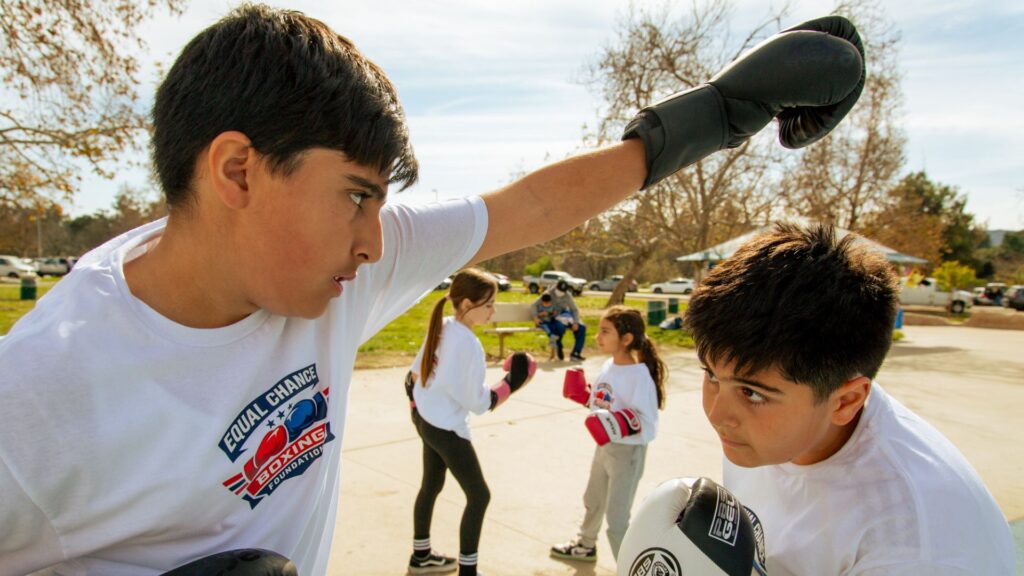
A nonprofit is only as trustworthy as the adults who represent it. Buildings, equipment, branding, and mission statements can all help, but young people are shaped by people. Parents should pay close attention to how coaches, staff, and volunteers speak to children. Do they treat young people with respect? Do they notice when a child is confused? Do they correct unsafe behavior quickly? Do they hold standards without humiliating students?
The right adult can become a steady voice in a teenager’s life. Not a replacement for parents, teachers, counselors, or family, but another healthy influence. For some young people, that voice may make a real difference because it comes through action rather than lectures. A coach does not have to give a long speech about discipline if the training itself teaches the lesson every day. Show up. Warm up. Listen. Try. Get corrected. Try again. Come back next time.
Trustworthy coaches understand that young people develop at different speeds. One child may need confidence. Another may need humility. One teen may need to be pushed harder because they quit too quickly. Another may need patience because they shut down when corrected. A good mentor can tell the difference. That kind of wisdom cannot be replaced by enthusiasm alone.
Parents should also look for consistency among adults. If one coach teaches respect but another allows chaos, the program will confuse children. If staff speak kindly to parents but harshly shame kids during training, trust breaks down. A healthy nonprofit has a culture that is visible across the whole organization. The same values should show up in the way staff communicate, the way classes are run, the way discipline is handled, and the way families are treated.
Transparency Is a Sign of Respect for Families
Families should not have to guess how a youth nonprofit operates. A trustworthy organization is transparent about its programs, expectations, costs, support, and limitations. It explains what it can offer and what it cannot promise. It does not use emotional language to pressure parents or donors. It does not exaggerate outcomes. It does not present sports as a cure for every challenge a child may face.
This is especially important when a program speaks about stress, anger, confidence, anxiety, behavior, or emotional struggles. Sports, movement, mentorship, and routine can support many young people by helping them feel more grounded and connected. But youth boxing or any youth sport is not a substitute for professional medical or mental health care when a child needs it. A responsible nonprofit is honest about that. It can say that training may support structure, self-control, confidence, and connection, but it should not claim to cure anxiety, depression, trauma, ADHD, or behavioral disorders.
Transparency also matters in funding. Donors and corporate sponsors should understand where their support goes and why it matters. Families should understand whether programs are free, low-cost, donor-supported, or connected to specific eligibility requirements. A nonprofit does not need to be perfect, but it should be clear. Trust grows when people feel respected enough to receive honest information.
When supporters give through Donate, they are not simply helping purchase equipment. They are helping sustain access, coaching, safe training environments, and mentorship for young people who may not otherwise be able to participate. A trustworthy nonprofit helps donors understand that connection without turning children into marketing material or using hardship as a sales tactic.
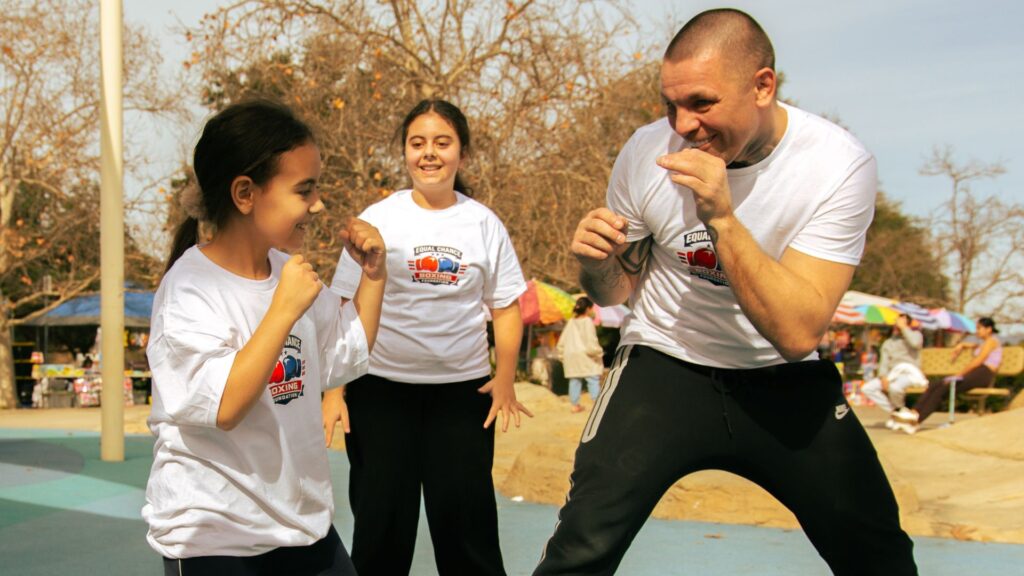
Access Should Be Treated as Part of the Mission
A local youth sports nonprofit exists because access is not equal. If every family could easily afford safe, high-quality youth programs, private coaching, equipment, transportation, and summer activities, the need would look different. But in Los Angeles and LA County, many families face real barriers. A child may have energy, talent, and potential, but no affordable program nearby. A parent may want help but feel blocked by cost, work schedules, transportation, or uncertainty about whether their child will be welcomed.
A trustworthy nonprofit does not treat access as a side issue. It treats access as central to the mission. That means the organization thinks carefully about how families start, what equipment is needed, how beginners are supported, how programs are communicated, and how financial barriers are reduced. It also means the nonprofit understands that a child should not have to already look like an athlete to deserve support.
Access is not only about money. It is also about emotional entry. Some teens are afraid to walk into a gym because they think they will be judged. Some children have never been part of a structured sport and do not know what to expect. Some parents worry that their child will be embarrassed for being new, out of shape, shy, or behind. A trusted nonprofit makes the first step feel possible. It welcomes beginners without lowering standards.
This is where low-income youth sports programs can have a deep impact. They remove the pressure that says opportunity belongs only to families who can pay. They create a space where young people can begin before they have confidence, before they have gear, before they have discipline fully formed. That beginning can matter more than people realize.
Community Connection Makes the Work Stronger
A nonprofit should not feel disconnected from the people it serves. The best local youth sports organizations are rooted in community. They understand the families, schools, neighborhoods, local pressures, and real barriers around them. They know that youth development does not happen in isolation. A child’s growth is shaped by home, school, peers, mentors, transportation, finances, safety, and the places available after school.
Community connection means the nonprofit does not only open a door and wait. It builds relationships. It listens to parents. It works to make training more accessible. It creates outreach. It sees local businesses and supporters as part of the larger support system around youth. It understands that the gym is not separate from the neighborhood; it is part of the neighborhood’s answer.
Programs connected to Community Training are important because they bring this idea forward. Community training is not only about exercise. It is about creating shared responsibility around young people. When families, coaches, volunteers, donors, and local partners work together, a child receives more than a class. They receive a stronger network.
This matters because many parents feel like they are carrying everything alone. They are trying to guide their child, manage work, handle school concerns, limit screen time, protect against negative influences, and keep hope alive. A trusted nonprofit does not replace the parent, but it can stand beside the family. It can become one of the steady places where the young person receives healthy expectations and support.
A Trustworthy Program Measures Growth in More Than Wins
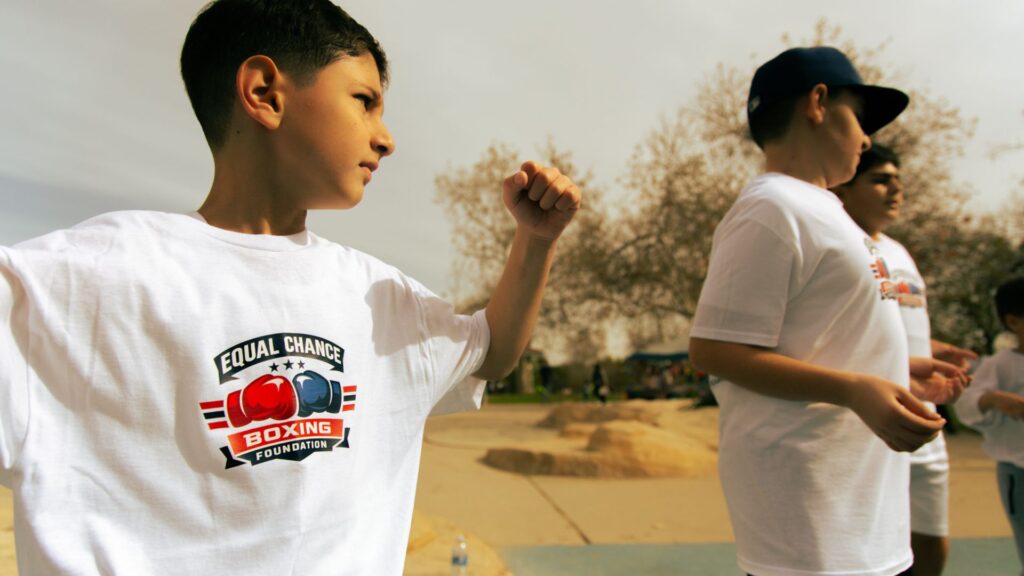
Youth sports can become unhealthy when winning becomes the only thing that matters. Competition can be valuable, but children and teenagers need a broader definition of growth. A local youth sports nonprofit worth trusting should care about discipline, confidence, attendance, effort, respect, emotional control, and the ability to keep going after mistakes.
Not every child in a boxing program will become a competitive fighter. Not every teenager will have extraordinary athletic talent. That does not mean the program has failed. For some young people, success may mean learning to show up consistently. For others, it may mean becoming more patient, more respectful, more physically active, or more open to correction. A child who once avoided challenges may start trying. A teen who once reacted with anger may begin to pause. A beginner who felt embarrassed may begin to stand taller.
These changes are not always dramatic, and no responsible nonprofit should promise guaranteed transformation. But gradual growth matters. Parents often notice it first in small ways: a child becomes calmer after training, takes more responsibility for their gear, listens a little longer, or begins to talk about goals. These signs may seem ordinary, but they are often the beginning of deeper development.
Ivan Redkach’s example can be useful here because boxing at a serious level is not a story of easy success. It is built through discipline, routine, correction, losses, recovery, and respect for coaching. Young people need examples like that because they live in a culture that often celebrates quick results. A trusted program teaches them a more honest lesson: talent may get attention, but consistency builds character.
Afterschool and Summer Support Reveal the Depth of a Program
A nonprofit’s value often becomes clearest during the hours when families need support most. Afterschool time can be difficult for many parents. Work may not be finished, transportation may be complicated, and teenagers may have several empty hours with little structure. Summer can create the same issue on a larger scale. Without routine, many young people drift into isolation, too much screen time, poor sleep habits, or negative environments.
A trustworthy youth sports nonprofit understands these gaps. It does not treat afterschool and summer programming as extra decoration. It sees them as important parts of youth development. When a teen has somewhere safe to go after school, someone expecting them, and something meaningful to work on, the entire week can begin to change.
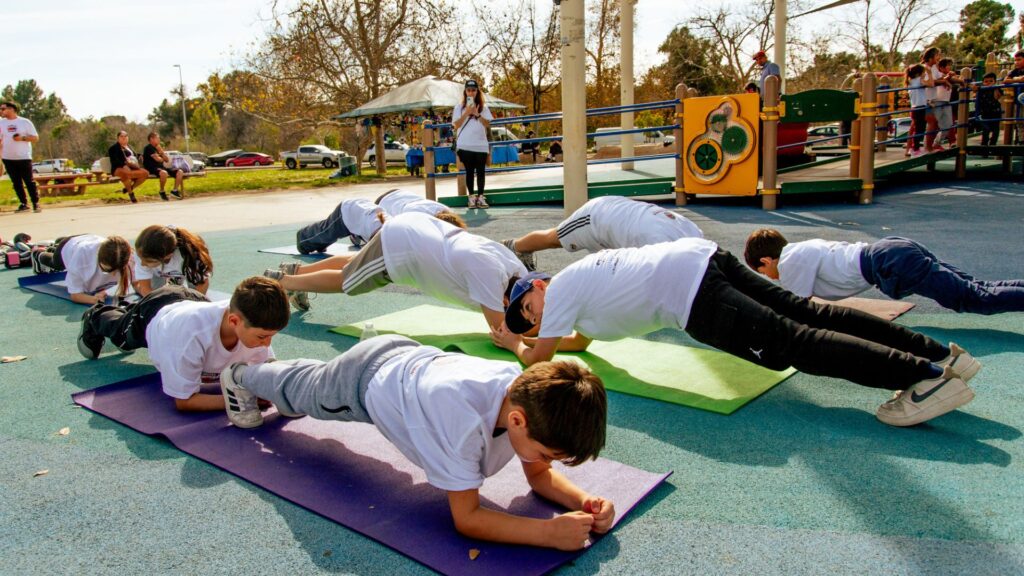
The Summer & Afterschool Mentorship Camp is an example of how structured support can meet families during those critical times. A program like this recognizes that young people need more than occasional inspiration. They need routine, mentorship, physical activity, positive peers, and adults who continue showing up.
Parents should look for nonprofits that understand time. Not just class time, but life time. What happens to a teen between school and dinner? What happens during summer break? What happens when motivation fades? What happens when a young person misses a week and needs help returning? Programs that think about these questions are usually taking youth development seriously.
Donors Should Look for Mission, Integrity, and Practical Impact
A local youth sports nonprofit must earn the trust of donors and sponsors as well as families. Supporters want to know that their giving is connected to real work, not just emotional messaging. They want to know that the organization has a clear mission, serves young people responsibly, and understands the difference between short-term attention and long-term impact.
A trustworthy nonprofit does not reduce children to sad stories in order to raise money. It speaks about need honestly, but it also protects dignity. It helps supporters understand that the goal is not pity. The goal is opportunity. Donors are not simply “helping poor kids play sports.” They are helping build the structure around young people that makes growth possible: coaching, safe space, equipment, mentorship, access, outreach, and consistency.
Corporate partners should look for the same integrity. Through Corporate Sponsors, businesses can support youth development in a way that benefits the broader community. The right partnership is not only about visibility for a company. It is about shared responsibility. It says that local businesses have a role in helping young people stay connected, active, guided, and hopeful.
Practical impact matters. A trusted nonprofit should be able to explain how support helps families, how programs reduce barriers, and how young people benefit from consistent access. The strongest organizations make donors feel connected to the mission without turning the mission into a performance.
Trust Is Built by Consistency Over Time
The most important sign of trust may be consistency. A nonprofit worth trusting does not only show up when there is an event, a fundraiser, or a public moment. It shows up in the ordinary weeks, when a student is tired, when attendance is uneven, when a parent has questions, when a coach needs to repeat the same lesson again, and when growth is slow.
Consistency is powerful for young people because many of them have experienced the opposite. Programs may come and go. Adults may make promises and disappear. Motivation may rise and fall. A steady program teaches something different through repetition. The gym opens. The coach is there. The standards remain. The student is expected. The work continues.
This kind of reliability can help rebuild trust in a teenager who has learned not to expect much from adults. It can also support parents who feel tired from trying to keep their child moving in the right direction alone. A consistent nonprofit becomes one of the stable points in a family’s week.
Trust also grows when the organization remains humble. No nonprofit can solve every problem. No sports program can fix every challenge in a child’s life. A trustworthy organization understands its role clearly. It offers safe training, mentorship, discipline, community, and access. It works alongside families rather than pretending to replace them. It invites support without exaggerating what it can do.
What Parents Should Feel When They Walk In
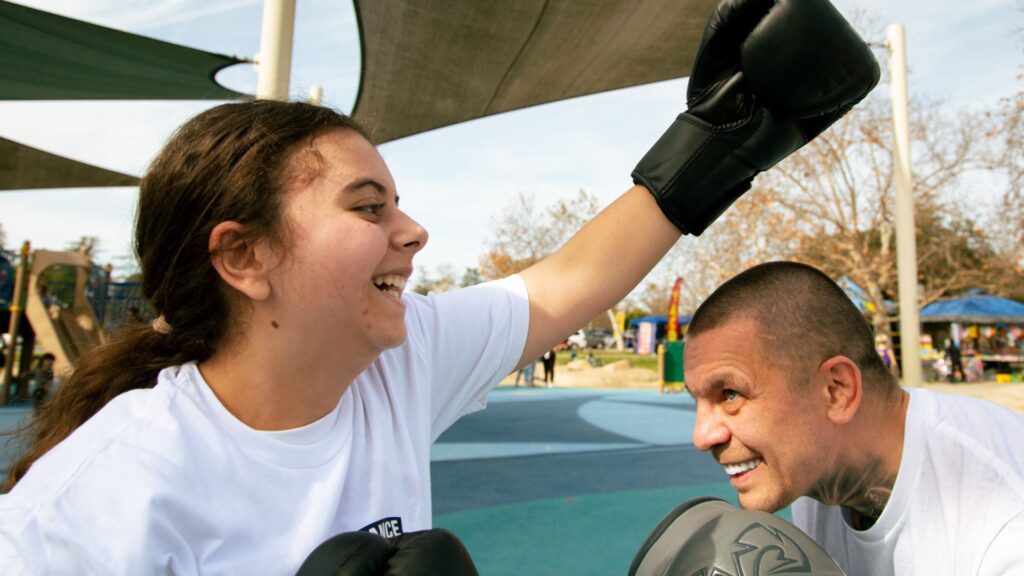
When parents walk into a youth sports nonprofit, they should feel more than excitement. They should feel steadiness. The room may be energetic, loud, and active, but it should not feel careless. The children may be challenged, but not humiliated. The coaches may be firm, but not cruel. Beginners may be nervous, but they should not be ignored.
Parents should feel that the organization respects both the child and the family. They should be able to ask questions. They should understand the program’s purpose. They should see signs of structure, supervision, and care. They should hear language that teaches responsibility rather than aggression. They should sense that the adults in the room know youth development is serious work.
A child should feel that they are allowed to begin. They should not need to be the best, the strongest, the most confident, or the most naturally athletic. They should feel that if they listen, work, and return, there is a place for them. That feeling of belonging before achievement is one of the most meaningful gifts a youth nonprofit can provide.
For a parent, trust often comes from watching small moments. A coach notices a student struggling. A teen is corrected respectfully. A beginner is shown where to stand. Older students follow rules. The room has order. The organization does what it says it does. These details matter because they reveal culture.
A Nonprofit Worth Trusting Helps Young People Become Stronger in Life
The deepest purpose of a youth sports nonprofit is not simply to create better athletes. It is to help young people become stronger in life. Sports can teach this when they are guided well. Boxing can teach discipline, patience, respect, emotional control, humility, and courage. But these lessons do not happen automatically. They require adults who know how to connect training to character.
A trusted nonprofit understands that a teenager’s future is shaped by repeated messages. You are expected to show up. You are capable of learning. Your energy can be controlled. Your mistakes can be corrected. Your background does not disqualify you. Your effort matters. Your community has not given up on you.
These messages become stronger when they are supported by real programs, not just words. A child hears them through the schedule, the coach, the training, the correction, the equipment, the donor support, the community partnerships, and the simple fact that someone created a space for them to grow.
That is what makes a local youth sports nonprofit worth trusting. Not perfection. Not slogans. Not emotional marketing. Trust comes from safe structure, consistent mentorship, honest communication, accessible programs, and a community willing to invest in young people before they are in crisis.
For families in Los Angeles, that kind of trust is not small. It can be the difference between a child feeling left out and a child finding a place to begin. It can be the difference between talent going unnoticed and potential receiving direction. It can be the difference between a teenager drifting through empty hours and a teenager learning how to show up, work, listen, and return.
A nonprofit worth trusting does not simply open a door. It keeps that door open with purpose.

Step Into the Ring. Let’s Build Our Community Together.
For Parents: Reclaim Your Teenager’s Future
Stop relying on fleeting motivation and give your teenager the gift of true discipline. Leave the financial stress behind — Equal Chance Boxing Foundation provides access to structured youth boxing, mentorship, coaching, and a safe environment where young people can begin rebuilding confidence one step at a time.
Take the first step toward their mental and physical growth.
ENROLL IN OUR YOUTH BOXING PROGRAM TODAY
For Supporters: Fund a Life-Saving Mentor
These programs remain accessible because people choose to stand in the corner of young people who need structure, guidance, and opportunity. When you support low-income youth sports programs, you are not simply funding equipment — you are helping provide the mentorship, discipline, and consistency that many children cannot access on their own.
Be the steady hand in their corner.
DONATE TO THE EQUAL CHANCE BOXING FOUNDATION
For Community Partners: Take the Mentorship Beyond the Gym
Community impact grows when local leaders, businesses, and families work together. Through outreach, community training, and sponsorship support, Equal Chance Boxing Foundation helps bring coaching, structure, and encouragement closer to the youth who need it most.
LEARN ABOUT CORPORATE SPONSORSHIP
Questions?
We’ve got answers.
A trustworthy nonprofit is transparent about its mission and prioritizes the well-being of the youth over winning trophies or making a profit. Organizations like the Equal Chance Boxing Foundation clearly demonstrate this by offering completely free programs, removing financial barriers for families, and focusing heavily on life skills—such as discipline and emotional regulation—rather than just athletic competition.
True credibility lies in who is guiding the youth. A reliable nonprofit employs mentors who are consistently present, patient, and deeply invested in the kids’ personal lives. When coaches like Ivan Redkach use their professional platforms to teach respect and accountability in an ego-free environment, it proves the organization is dedicated to building character, not just athletes.
In many highly competitive youth sports, toxic environments can quickly develop, prioritizing the best players while marginalizing others. A trustworthy program actively enforces an ego-free culture where every teen is valued equally, regardless of their starting skill level. This ensures that vulnerable or less experienced youth feel safe enough to make mistakes, learn, and grow without the fear of judgment.
A dependable nonprofit doesn’t operate in a vacuum; it acts as a central hub for the neighborhood. When an organization actively engages families, partners with local businesses, and hosts inclusive community events, it shows a long-term commitment to the area. This open, collaborative approach ensures accountability and proves the foundation is deeply rooted in the community’s overall success.