
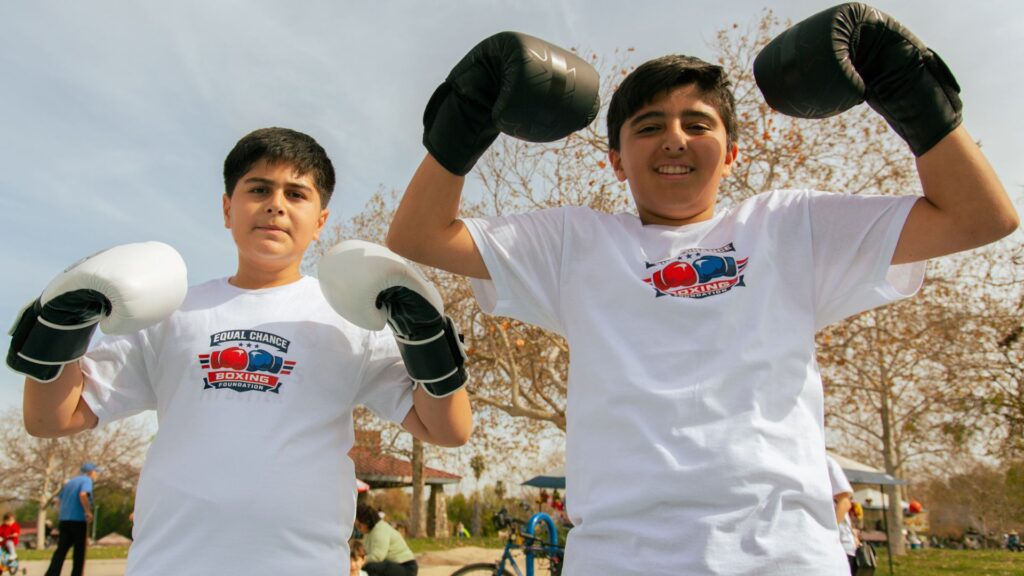
When parents visit a youth boxing program for the first time, they naturally look at the visible signs of safety. They notice the condition of the gloves, the padding around the training area, the cleanliness of the equipment, and whether protective gear is available. These details matter. A responsible program should maintain its space, use appropriate equipment, and explain how young participants are protected during every activity. Yet equipment alone cannot create a safe environment. The deeper foundation of safety is the culture established by the adults who lead the program and reinforced by every person who enters the room.
Culture determines whether children are encouraged to report pain or pressured to hide it. It determines whether beginners are introduced patiently or expected to prove their toughness. It shapes how coaches respond to mistakes, how experienced participants treat newcomers, and whether parents are welcomed as partners. The newest gloves cannot protect a child from humiliation, careless supervision, or a coach who treats fear as weakness. Safety begins with what a program believes, what it expects, and what adults consistently model.
Equipment Supports Safety, but People Create It
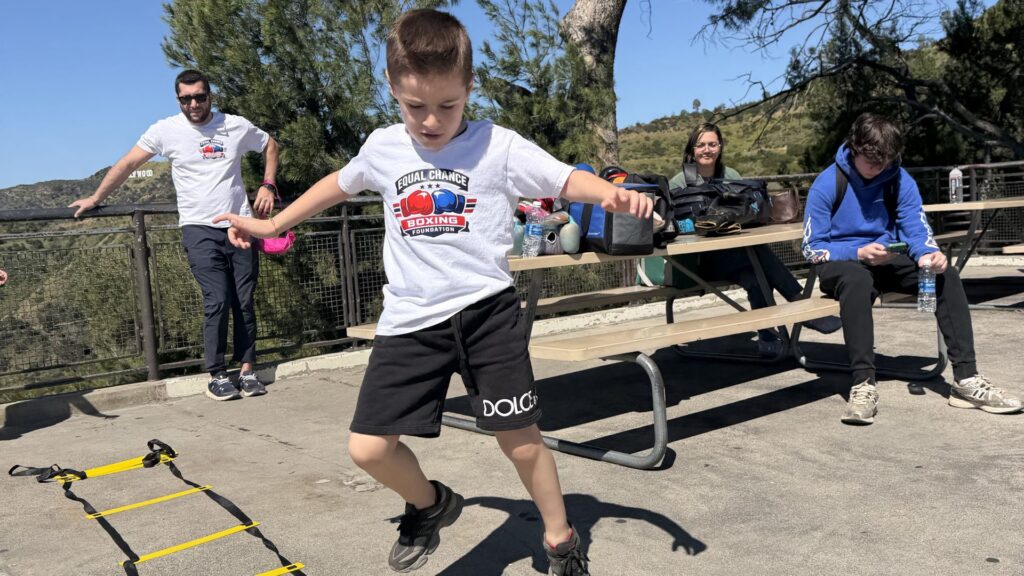
Quality equipment is an important part of responsible youth boxing. Gloves should fit appropriately, training tools should be maintained, the floor should be clear of unnecessary hazards, and children should receive instruction before using unfamiliar equipment. Protective gear should never be treated as optional when the activity requires it. However, every piece of equipment depends on a person using it correctly and a coach supervising that use.
A child can wear properly fitted gloves and still be placed in an unsafe situation if the coach ignores differences in age, size, experience, or emotional readiness. A padded training area does not help if students are allowed to rush through drills without listening. Headgear does not replace careful matching, technical preparation, and close supervision. Equipment reduces certain risks, but culture determines whether those risks are understood and managed responsibly.
Parents should therefore look beyond what the gym owns and ask how the program behaves. Do coaches explain why safety rules exist? Are students corrected when they use equipment carelessly? Can a child stop and ask a question without being embarrassed? Are beginners supervised closely? These answers reveal more about safety than an impressive collection of gear.
In a strong youth program, equipment is part of a larger system. The coach provides instruction, the student follows the rules, the program maintains the space, and families understand what their children will be doing. Safety becomes a shared responsibility rather than something placed entirely on the equipment.
Safe Culture Begins With the Way Beginners Are Welcomed
The first visit can tell parents a great deal about a boxing program. A child entering the gym for the first time may feel uncertain about the noise, movement, unfamiliar equipment, and presence of more experienced participants. Some young people openly admit they are nervous. Others hide discomfort behind jokes, silence, refusal, or an attitude suggesting that they do not care.
A safe culture recognizes that nervousness is normal. It does not force a beginner to prove courage through contact or exhaustion. The child should receive a clear introduction to the space, the basic rules, and the structure of the session. Coaches should explain where the young participant should stand, what equipment may be used, and what the first exercise will involve.
The goal is not to remove every challenge. Boxing requires attention, physical effort, patience, and willingness to continue after mistakes. The difference is that a safe program prepares the child for those challenges instead of using confusion or fear as a teaching method. The beginner is given a manageable first step and a clear understanding that learning takes time.
Through the foundation’s Youth Boxing Program, young people can begin in an environment where structure, mentorship, and responsible instruction are connected. A child does not need to arrive experienced or naturally confident. The first responsibilities are to listen, respect the space, and remain willing to learn.
The Language Coaches Use Shapes the Entire Room
Culture is often revealed through language. Coaches can be firm, direct, and demanding without insulting a young person. A responsible coach corrects the action rather than attacking the student’s character. Instead of saying that a child is weak, lazy, or careless, the coach can identify what needs to change: reset the stance, slow down, listen to the instruction, protect the training partner, or finish the drill with control.
This distinction matters because young people are still developing their understanding of themselves. When adults repeatedly use negative labels, students may begin defending those labels rather than changing their behavior. Specific correction offers a practical next step. It communicates that the mistake is real, but also correctable.
A safe culture does not confuse humiliation with discipline. Public embarrassment may create temporary obedience, but it can also make children afraid to ask questions, report discomfort, or admit confusion. When students believe that honesty will be punished, safety becomes weaker even if the equipment is excellent.
Firm coaching should remain connected to learning. A child may be required to repeat a drill, listen again, or take responsibility for careless behavior. The consequence should help the student understand the relationship between their choices, the safety of the group, and the quality of their training.
Young Athletes Must Be Allowed to Speak Up
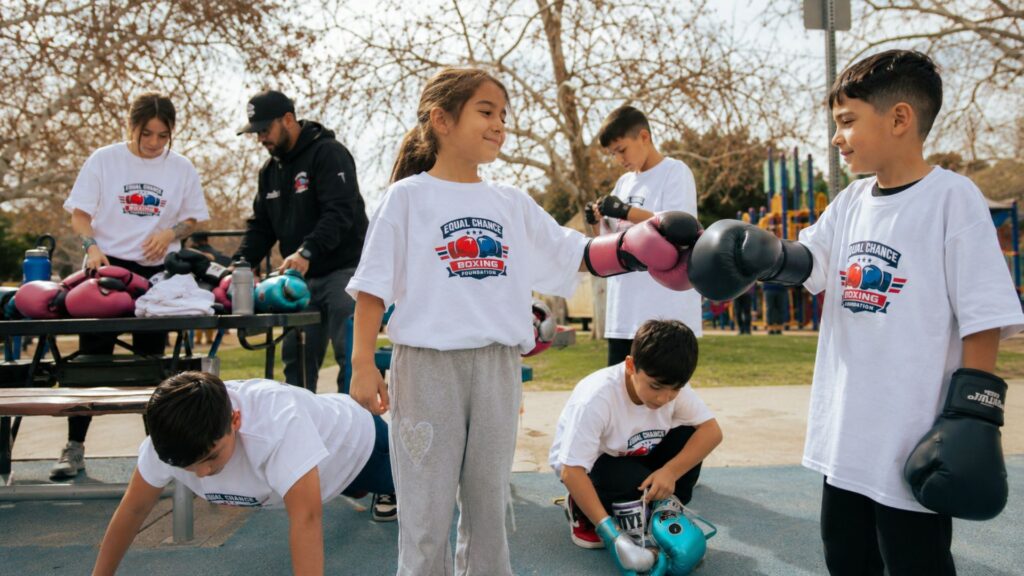
One of the strongest signs of a safe youth boxing culture is that children can report pain, fear, dizziness, confusion, or discomfort without being mocked. Young athletes sometimes remain silent because they want approval from the coach or do not want peers to think they are weak. A responsible program works against that pressure by making communication part of the safety routine.
Coaches should explain the difference between ordinary effort and a concern that needs attention. Training can be tiring, and learning new movements can feel uncomfortable. However, a child should never be expected to hide significant pain or unusual symptoms. When a participant speaks up, the coach should respond calmly, assess the situation within the limits of their role, and contact the family when necessary.
This does not mean that every difficult moment ends the session. Coaches can help young people work through frustration, nervousness, and normal fatigue. The key is that adults listen before deciding what the child needs. The student learns that courage includes honesty and that responsible athletes pay attention to their bodies.
Parents should be cautious when a program treats every complaint as an excuse. A culture that praises silence can encourage children to hide information that adults need in order to keep them safe. Equipment can only protect young athletes when the people around them are willing to notice and respond.
[ecbf_donate_banner_1]
Safety Requires Coaches to Respect Developmental Differences
Children and teenagers should not be treated as smaller versions of adult athletes. Their physical development, emotional maturity, attention span, and ability to understand risk can vary widely. A safe youth program recognizes these differences and adjusts instruction accordingly.
A younger child may need shorter explanations, more demonstrations, and frequent reminders about personal space. A teenager may understand instructions quickly but struggle with emotional control or the pressure to impress peers. A beginner may need time to learn balance before working at speed. An experienced participant may need more advanced challenges while still being expected to protect less experienced students.
Programs become unsafe when every participant is pushed through the same activity without regard for readiness. The presence of gloves and padding does not make a drill appropriate. Coaches must consider whether the student understands the movement, can follow safety instructions, and has developed enough control to participate responsibly.
This is especially important when contact is involved. Readiness should not be measured only by attendance or enthusiasm. Technical control, defensive understanding, emotional maturity, size, experience, and the ability to listen all matter. A safe culture allows coaches to delay contact when the participant is not ready, even if the child is eager or a parent expects faster progress.
Sparring Should Never Be a Test of Belonging
Parents often have questions about sparring because it is one of the clearest areas where culture matters more than equipment. A child may be wearing gloves, mouth protection, and headgear, but those items do not make sparring safe by themselves. The quality of supervision, the matching of participants, the pace of the exchange, and the emotional behavior of everyone involved are equally important.
A responsible program does not use sparring to determine whether a young person is tough enough to belong. Beginners can develop footwork, conditioning, balance, defensive movement, bag work, and mitt skills without immediate contact. Sparring should be introduced only when the participant has sufficient preparation and when the program can explain exactly how safety is managed.
Young athletes should be matched carefully. A significant difference in size, experience, power, or emotional control can create unnecessary risk. Coaches must supervise closely and stop the activity when control is lost. Participants should understand that the goal is learning, not punishing or dominating another person.
A culture that celebrates uncontrolled aggression can make even well-equipped sparring unsafe. A culture that values restraint, communication, and technical learning creates better conditions for responsible participation. Parents have every right to ask whether sparring is required, how readiness is determined, and what happens when a child does not want to participate.
Safe Boxing Culture Teaches Control, Not Fighting
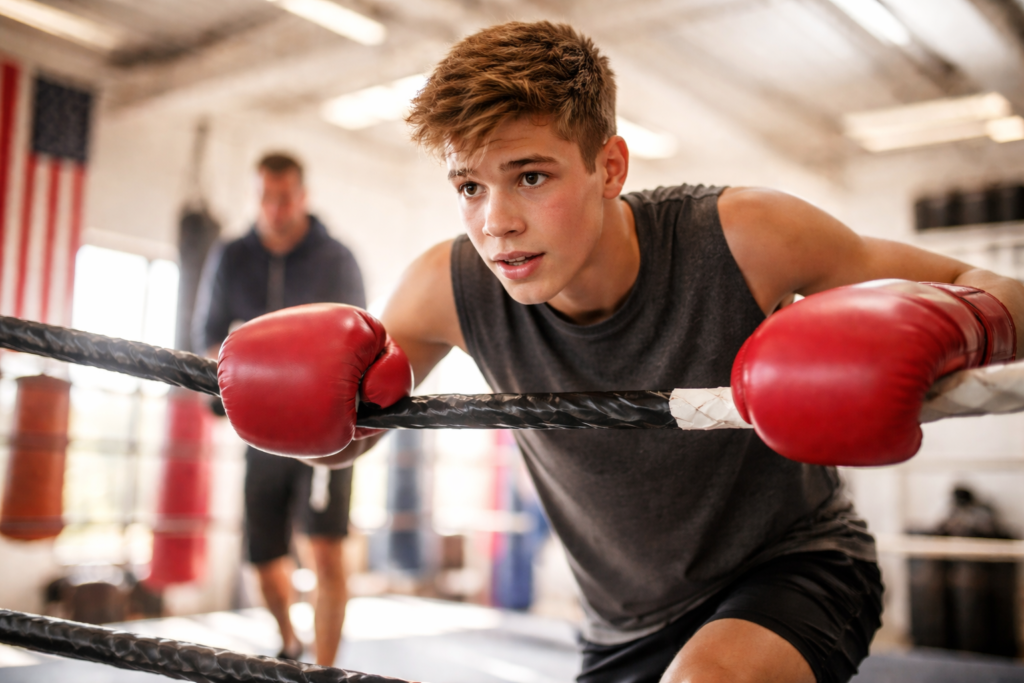
A responsible youth boxing program should clearly separate the sport from fighting at school, at home, or in the community. Children need to understand that boxing skills belong inside supervised training with rules, boundaries, and respect for others. The ability to throw a punch does not create permission to use it during ordinary conflict.
This lesson should be visible in the way coaches speak and behave. If adults glorify aggression, intimidation, or domination, young participants may begin to misunderstand what the sport represents. When coaches emphasize balance, defense, patience, and emotional control, students learn that power must be managed.
Boxing often reveals that anger does not improve performance. A frustrated student may rush, tighten the body, lose balance, and stop listening. The coach can use that moment to teach that control creates better technique. The child begins to experience discipline as a practical skill rather than a punishment imposed by adults.
For young people carrying strong emotions, structured movement can offer a positive outlet. Training may help them feel more grounded and give energy a healthier direction. However, the goal is never to encourage uncontrolled release. The purpose is to teach that strong feelings can be acknowledged without allowing those feelings to control every action.
Experienced Students Help Protect or Damage the Culture
Coaches are not the only people who shape the training environment. Experienced participants influence how beginners feel and how safety rules are understood. A strong program teaches older or more advanced students that experience creates responsibility.
A beginner should not be mocked for moving slowly, becoming tired, or asking basic questions. Experienced students should understand that everyone once entered the gym without knowing the stance, footwork, or rules. When advanced participants demonstrate patience and respect, they make the environment safer and more welcoming.
The opposite is also true. If talented athletes are allowed to intimidate others, ignore instructions, or use excessive force because they win competitions, the program communicates that achievement matters more than character. This weakens the entire culture. Younger participants learn that rules are flexible for people with status.
A safe organization applies standards consistently. Skill does not excuse disrespect. Competitive success does not allow someone to endanger another participant. Coaches should correct harmful behavior regardless of who is responsible.
This consistency helps young people understand that belonging comes with accountability. They are supported by the community, but they are also expected to protect the experience of others.
Parents Should Be Treated as Partners in Safety
A safe youth boxing program does not treat reasonable parental questions as interference. Parents should be able to ask who supervises training, how injuries are handled, what equipment is required, whether contact is involved, and how behavior concerns are communicated.
There may be practical reasons why parents cannot stand beside the training area or speak with coaches during active instruction. Those boundaries can help maintain focus and safety. However, the program should still provide a clear way for families to receive information and raise concerns.
Parents also contribute valuable knowledge. They may know that a child has a previous injury, becomes overwhelmed in unfamiliar groups, or responds better to certain forms of communication. Coaches do not need every detail of a family’s life, but relevant information can help them support the participant responsibly.
The relationship should remain balanced. Parents should allow qualified coaches to lead technical instruction, while coaches should respect the family’s role in the child’s life. When both sides communicate clearly, the young athlete receives a stronger and more consistent message about safety.
Programs such as Community Training can help extend this culture by bringing families, coaches, volunteers, and local partners into the same network of responsibility. Safety becomes stronger when several people understand the mission and reinforce the same standards.
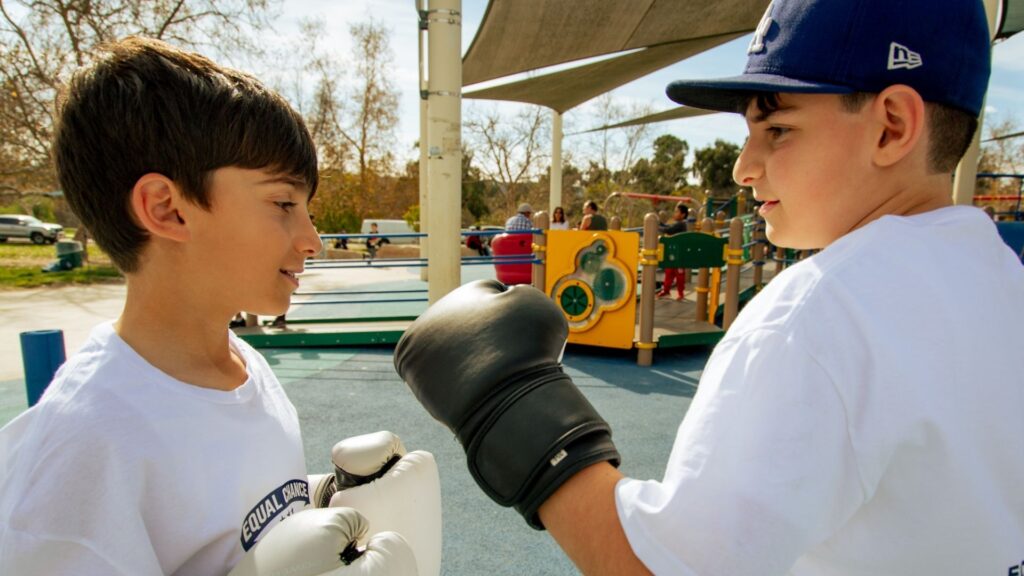
Mentorship Makes Safety Personal
Rules are necessary, but young people are more likely to follow them when they trust the adults delivering them. Mentorship gives safety a personal dimension. A coach who knows the participant can notice when behavior changes, when a teenager is unusually withdrawn, or when a student who normally trains confidently suddenly seems uncomfortable.
A mentor does not need to solve every personal problem. Coaches are not substitutes for parents, doctors, or mental health professionals. Their role is to provide consistent guidance within the program, communicate concerns appropriately, and model responsible behavior.
Professional boxer can help young participants understand that serious training depends on routine, respect for coaching, and control. The important lesson is not that every child should become a professional fighter. It is that progress requires patience and that strength without responsibility is incomplete.
Mentorship also means remaining present after mistakes. A child may arrive unprepared, lose focus, or behave disrespectfully. The coach should address the behavior, but one difficult day should not automatically remove the student’s place in the community. Young people learn accountability when adults maintain standards while continuing to believe improvement is possible.
[ecbf_donate_banner_4]
Volunteers and Supporters Also Influence Safety
The culture of a youth program is not created only during training. Volunteers, administrators, donors, and community partners all help determine whether the program can operate consistently and responsibly. Training areas must be prepared, equipment must be maintained, schedules must be communicated, and families need a reliable way to ask questions.
Volunteers may help organize equipment, welcome families, support events, or assist with practical responsibilities. Their behavior matters. A child should experience the same respect and care from everyone representing the organization, not only from the head coach.
Donors who support Equal Chance Boxing Foundation help fund more than physical equipment. Their contributions can support coaching, supervision, safe training space, community outreach, program organization, and accessible opportunities for families. These resources help create the conditions in which a responsible culture can continue.
Corporate partners can also contribute through sponsorship opportunities. Meaningful sponsorship helps programs remain dependable rather than appearing only for isolated events. Safety and mentorship grow through consistency, and consistency requires sustained community support.
Cleanliness and Maintenance Reflect the Culture
Although equipment cannot create safety alone, the way a program maintains its equipment reveals its attitude toward responsibility. Gloves, wraps, pads, floors, and shared spaces should be treated with care. Young participants should be taught how to use equipment correctly and how to leave the space ready for others.
Cleanliness should not be presented as someone else’s invisible responsibility. Coaches and volunteers may manage most maintenance, but children can still learn age-appropriate habits. They can return equipment to the correct place, avoid careless use, and understand why personal items should be cleaned.
This teaches that safety is not only something adults provide. Young participants are members of the environment and their actions affect others. Responsibility becomes practical: respect the equipment, protect the training partner, listen to instructions, and report concerns.
A program that ignores damaged equipment, disorder, or repeated carelessness may also be ignoring deeper cultural problems. Maintenance is one visible expression of whether the organization takes its responsibilities seriously.
Warning Signs of an Unsafe Culture
Parents should pay attention when coaches mock beginners, dismiss pain, pressure children into contact, or use fear as the primary form of discipline. These behaviors cannot be corrected by purchasing better equipment.
Another warning sign is inconsistency. If safety rules apply to beginners but not to talented athletes, the program is communicating that status matters more than responsibility. If one coach stops unsafe behavior while another ignores it, young participants receive a confusing message.
Secrecy should also cause concern. Parents may not need to observe every minute of every session, but they should be able to receive clear information about supervision, contact, discipline, injuries, and communication. A program should not suggest that responsible questions show a lack of trust.
Children’s behavior can also provide information. Ordinary fatigue and nervousness are common, especially for beginners. Persistent fear, humiliation, unexplained injuries, or strong anxiety connected to a particular adult should be taken seriously.
Parents do not need to assume the worst after one difficult session, but they should listen, observe, and ask direct questions. Safety depends on communication, and concerns are easier to address when adults do not ignore them.
Positive Signs of a Strong Safety Culture
A strong youth boxing environment usually feels organized, calm, and purposeful. Coaches know who is present. Beginners receive clear instructions. Young participants understand where to stand, what equipment to use, and what is expected before the activity begins.
Respect is visible in every direction. Students respect coaches and training partners, while adults also respect students. Corrections are specific rather than personal. Children can ask questions. Experienced participants protect the learning environment rather than dominate it.
The program values consistency, control, and effort—not only speed, power, or competition results. A young person who listens carefully and trains responsibly receives attention even if they are not the most naturally talented athlete.
Parents should also notice what happens after a mistake. Is the student given a clear way to recover? Does the coach remain composed? Does the group continue treating the young person with dignity? These moments often reveal the real culture more clearly than a prepared demonstration.
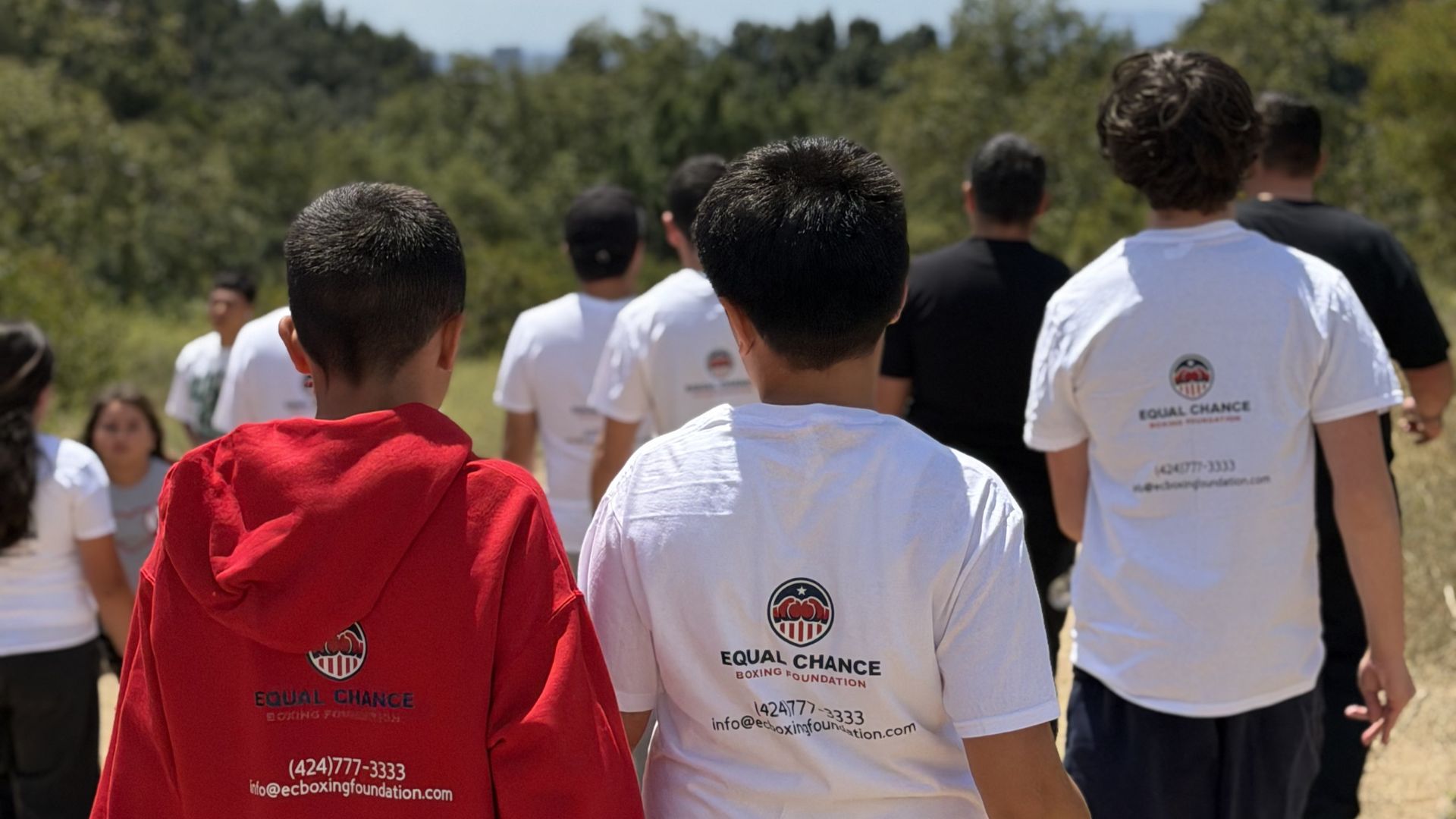
Safety Includes Understanding the Limits of Boxing
Structured youth boxing, mentorship, movement, and community connection can support confidence, discipline, and emotional regulation. Training may help a young person feel more grounded and provide a productive place to direct energy. However, boxing is not a substitute for professional medical or mental health care when that support is needed.
A responsible program should never claim that sports cure anxiety, depression, trauma, ADHD, or behavioral disorders. Coaches can notice changes, listen appropriately, communicate with families, and encourage responsible support. They should also understand when a concern goes beyond the role of a sports mentor.
If a young person shows severe emotional distress, talks about self-harm, experiences major changes in behavior, or creates an immediate safety concern, families should seek qualified professional help. The healthiest support system may include parents, teachers, coaches, medical professionals, mental health professionals, and community organizations.
Recognizing limits is part of a safe culture. Strong programs do not pretend to have every answer. They focus on what they can provide responsibly and respect the work of other professionals.
Culture Is What Remains When No One Is Performing for Visitors
Any program can appear organized during a scheduled tour. The true culture is visible on an ordinary day when a beginner becomes frustrated, an experienced student ignores a rule, or a child reports discomfort. Safety is revealed through the choices adults make in those moments.
Does the coach slow down and explain? Is harmful behavior corrected even when the participant is talented? Does the child receive support without escaping accountability? Are parents informed when something important happens? These decisions define the environment.
Equipment remains important. Children deserve clean, appropriate, and well-maintained training tools. But equipment cannot decide how a young person is treated. It cannot establish boundaries, communicate with families, or stop a student from using unnecessary force. People must do those things.
That is why safety in youth boxing starts with culture. It starts with adults who take responsibility, young participants who are taught to respect one another, families who are welcomed into communication, and supporters who help maintain a dependable program. Equipment strengthens that system, but culture gives it direction.
Step Into the Ring. Let’s Build Our Community Together.
For Parents: Choose a Culture That Protects and Guides Your Child
Do not judge a youth boxing program only by the equipment you can see. Look at how coaches welcome beginners, respond to mistakes, supervise training, and communicate with families. Your child deserves an environment where discipline and safety work together.
ENROLL IN OUR YOUTH BOXING PROGRAM TODAY
For Supporters: Help Keep Safe Mentorship Accessible
Responsible youth programs require dependable coaches, maintained equipment, safe training space, supervision, outreach, and consistent community support. Your contribution helps create the complete environment around every young athlete.
DONATE TO THE EQUAL CHANCE BOXING FOUNDATION
For Community Partners: Strengthen Safety Beyond the Gym
Businesses and community organizations can help expand access to structured youth sports, responsible mentorship, and safe community programming throughout Los Angeles.
LEARN ABOUT CORPORATE SPONSORSHIP
Questions About Safety Culture?
What parents should look for beyond equipment.
Equipment can reduce certain physical risks, but it cannot replace responsible supervision, age-appropriate instruction, careful matching, clear communication, or respectful coaching. Gloves and protective gear only work as part of a larger safety system. The adults leading the program must make responsible decisions and create a culture where young people can report concerns without being embarrassed.
One of the clearest signs is consistency. Coaches apply safety rules to every participant, including talented and experienced athletes. They welcome questions, correct mistakes without humiliation, stop unsafe behavior quickly, and communicate with families. Children understand that reporting pain or discomfort is responsible rather than weak.
No. Young people can learn stance, footwork, defense, conditioning, bag work, and mitt work without immediate sparring. Contact should only be introduced when the participant has appropriate technical control, defensive understanding, emotional readiness, and the ability to follow safety instructions. A child should never be pressured into sparring simply to prove toughness or belonging.
Warning signs include coaches mocking beginners, dismissing pain, pressuring children into contact, allowing talented athletes to ignore rules, using humiliation as discipline, or refusing to explain safety procedures to parents. Persistent fear, unexplained injuries, secrecy, or anxiety connected to a specific adult should also be taken seriously and discussed directly.