
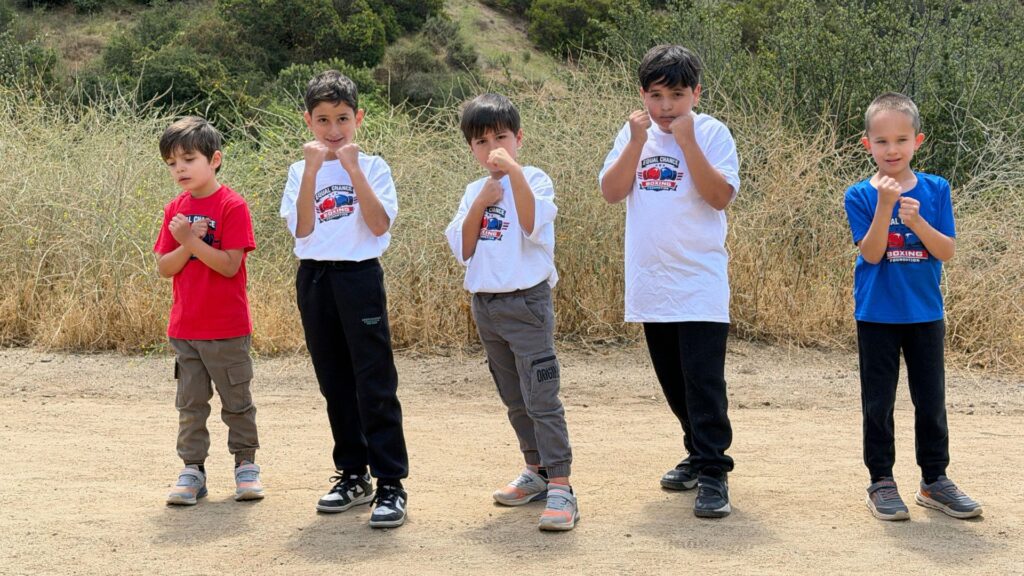
A week inside Equal Chance Boxing Foundation is not defined by one dramatic moment. It is built through preparation, repetition, conversations, physical effort, and the dependable presence of people who continue showing up for young athletes. Visitors may first notice the gloves, punching bags, footwork drills, and children learning how to move with balance and control. Inside the program, however, boxing is only one part of a larger structure designed to support discipline, mentorship, confidence, and community connection.
Every training day contributes something different. One session may focus on basic stance, coordination, and breathing. Another may challenge a teenager to continue working after frustration appears. A coach may spend several minutes correcting one movement, while a volunteer prepares equipment or welcomes a family visiting for the first time. Parents organize transportation and schedules, supporters help keep opportunities accessible, and community partners strengthen the environment surrounding the young people. The week becomes meaningful because all of these efforts work together.
The Week Begins Before the First Training Session
For coaches and organizers, a productive week begins with preparation. The training area must be ready, equipment needs to be checked, schedules must be communicated, and the different needs of the group should be considered. Young participants do not all arrive at the same starting point. Some may be completely new to boxing, while others already understand basic movement and conditioning. Some are excited to participate, while others may feel nervous, distracted, or uncertain about whether they belong.
A mentorship-based program prepares for these differences rather than expecting every child to respond in exactly the same way. Coaches consider how instructions will be presented, which movements are appropriate for beginners, and how more experienced participants can remain challenged without making new students feel invisible. Good preparation helps each session feel organized while still allowing coaches to respond to the people standing in front of them.
Families also begin preparing before the young athlete enters the gym. Parents may need to coordinate transportation, schoolwork, meals, clothing, and equipment alongside other family responsibilities. A teenager may need reminders about sleep, water, or arrival time. These responsibilities may appear ordinary, but they form part of the structure that makes consistent participation possible.
The purpose is not to create a perfect routine in which nothing ever goes wrong. Equipment will occasionally be forgotten, transportation may be delayed, and motivation can change from one day to the next. The value of structure is that it gives families and young people a dependable process to return to. When preparation becomes familiar, the child spends less energy wondering what will happen and more energy learning how to participate.
Opening the Door to Beginners
The beginning of the week may include a child or teenager walking into the training environment for the first time. That first visit can carry more emotion than adults realize. A young person may worry about being less athletic than the other participants, making an obvious mistake, or failing to understand the coach’s instructions. Some children show nervousness openly. Others hide it behind jokes, silence, refusal, or an attitude suggesting that they do not care.
A safe program does not expect a beginner to prove toughness. The first responsibility is much simpler: enter the space, listen, learn the basic rules, and attempt the first movement. Coaches can reduce fear by explaining where the student should stand, how the session is organized, and what will be expected. Clear information creates stability, especially for a young person who is already uncertain.
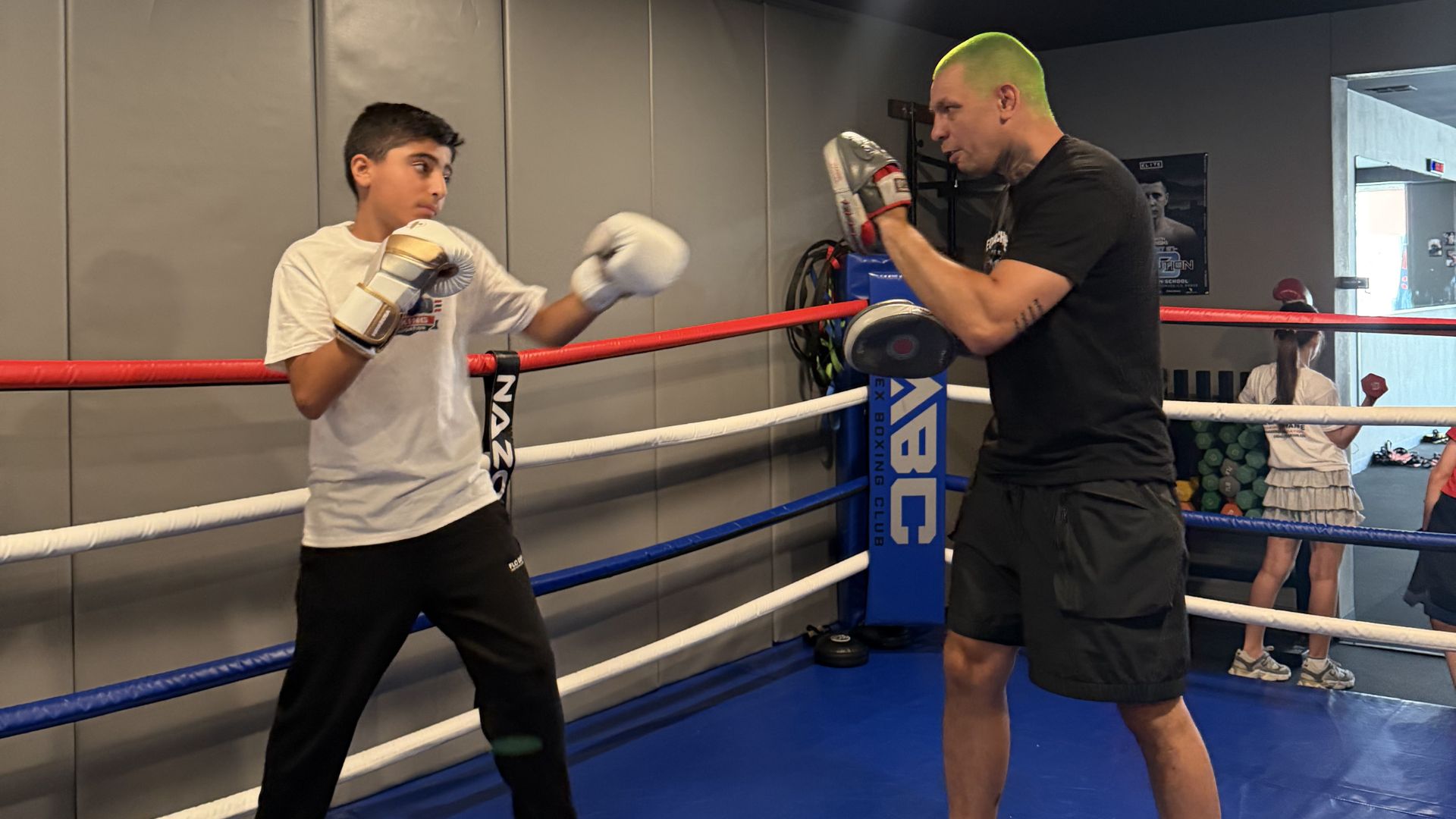
Beginner instruction often starts with stance, hand position, balance, breathing, and movement. These fundamentals may appear simple from the outside, but they require attention and repetition. A child who wants to move quickly may have to learn patience. A teenager who becomes frustrated by mistakes may need to slow down and try again. The lesson is not only about boxing technique. It is also about remaining present when something feels unfamiliar or uncomfortable.
Through the foundation’s Youth Boxing Program, young people can begin without being expected to arrive as experienced athletes. The program provides a structured place where listening, effort, safety, and respect matter from the first session. Progress begins with manageable actions, and the young participant is given time to understand that being a beginner is not a weakness.
Training Turns Instructions Into Experience
As the week continues, training gives young athletes an opportunity to practice lessons that are often difficult to learn through conversation alone. Adults can explain the importance of patience, but boxing allows a teenager to feel what happens when they rush. A coach can talk about emotional control, but the student experiences the difference between moving with attention and moving while frustrated. Physical activity makes abstract ideas immediate.
A participant quickly learns that strength cannot replace balance, timing, or listening. Throwing harder does not automatically create better technique. Anger can tighten the body and make movement less controlled. Ignoring instructions can create risk for the student and for others. Boxing provides honest feedback, and the coach helps the young athlete understand that feedback without turning every mistake into a personal failure.
During one part of a session, the group may work on footwork and coordination. During another, participants may practice on bags or mitts under supervision. Conditioning can challenge endurance, but it also teaches pacing and persistence. The structure creates a clear sequence that young people can follow: prepare, warm up, listen, practice, recover, and return.
Responsible youth boxing is not about encouraging children to fight at school, at home, or in the community. The sport belongs inside a supervised environment with rules and clear boundaries. Young people learn that physical ability must be controlled and that strength creates responsibility. The goal is not to increase aggression but to help participants manage energy, frustration, fear, and pressure more carefully.
[ecbf_donate_banner_1]
Coaches Provide More Than Technical Instruction
Technical knowledge is important, but a youth coach also shapes the emotional culture of the training space. Young people watch how the coach responds when someone makes a mistake, arrives unprepared, becomes discouraged, or struggles to follow directions. These responses communicate what the program truly values.
A mentorship-based coach corrects behavior without attacking the young person’s character. Instead of describing a student as lazy or careless, the coach identifies the action that must change. The participant may be asked to reset the stance, complete the round with proper form, listen to the instruction again, or use the equipment responsibly. Specific correction gives the student a practical next step.
Professional boxer can demonstrate why consistent preparation matters. The lesson young people receive is not that every participant must pursue a professional boxing career. It is that serious progress requires repetition, respect for coaching, recovery after setbacks, and a willingness to continue learning. Professional experience becomes valuable when it is translated into guidance that a child or teenager can understand and apply.
A coach may also notice qualities that are difficult to see in other settings. A teenager who appears unmotivated at home may work carefully when the task is clear and physical. A child who struggles with long explanations may respond well to a brief demonstration followed by practice. A participant who rarely speaks may begin communicating more confidently after becoming familiar with the group. Mentorship helps adults recognize these strengths without removing expectations.
Midweek Progress Is Often Quiet
Parents may hope that joining a structured program will create an immediate transformation. In reality, meaningful progress often appears through small changes that are easy to overlook. A child begins preparing a water bottle without being reminded. A teenager arrives on time twice in the same week. A student accepts correction without becoming defensive. Someone who previously stopped during difficult conditioning completes the round at a controlled pace.
These moments may not look impressive from the outside, but they provide the young person with evidence that improvement is possible. Confidence becomes more believable when it grows from experience. A teenager may not trust a general statement such as “You can do anything,” but they may trust the fact that they completed a drill that seemed impossible several weeks earlier.
Real confidence is not the belief that every task will be easy. It is the growing understanding that difficulty can be approached, divided into smaller steps, and worked through with support. Boxing offers repeated opportunities to experience this process. The participant makes a mistake, receives feedback, tries again, and feels the difference.
The week may include difficult sessions as well. A young athlete can arrive tired, distracted, or frustrated. Progress does not require pretending those feelings do not exist. The routine offers a next step even on an imperfect day. The student prepares, joins the warm-up, listens, and begins. Learning that emotions do not have to control every decision can become one of the most important lessons of the program.
Mentorship Continues Between the Drills
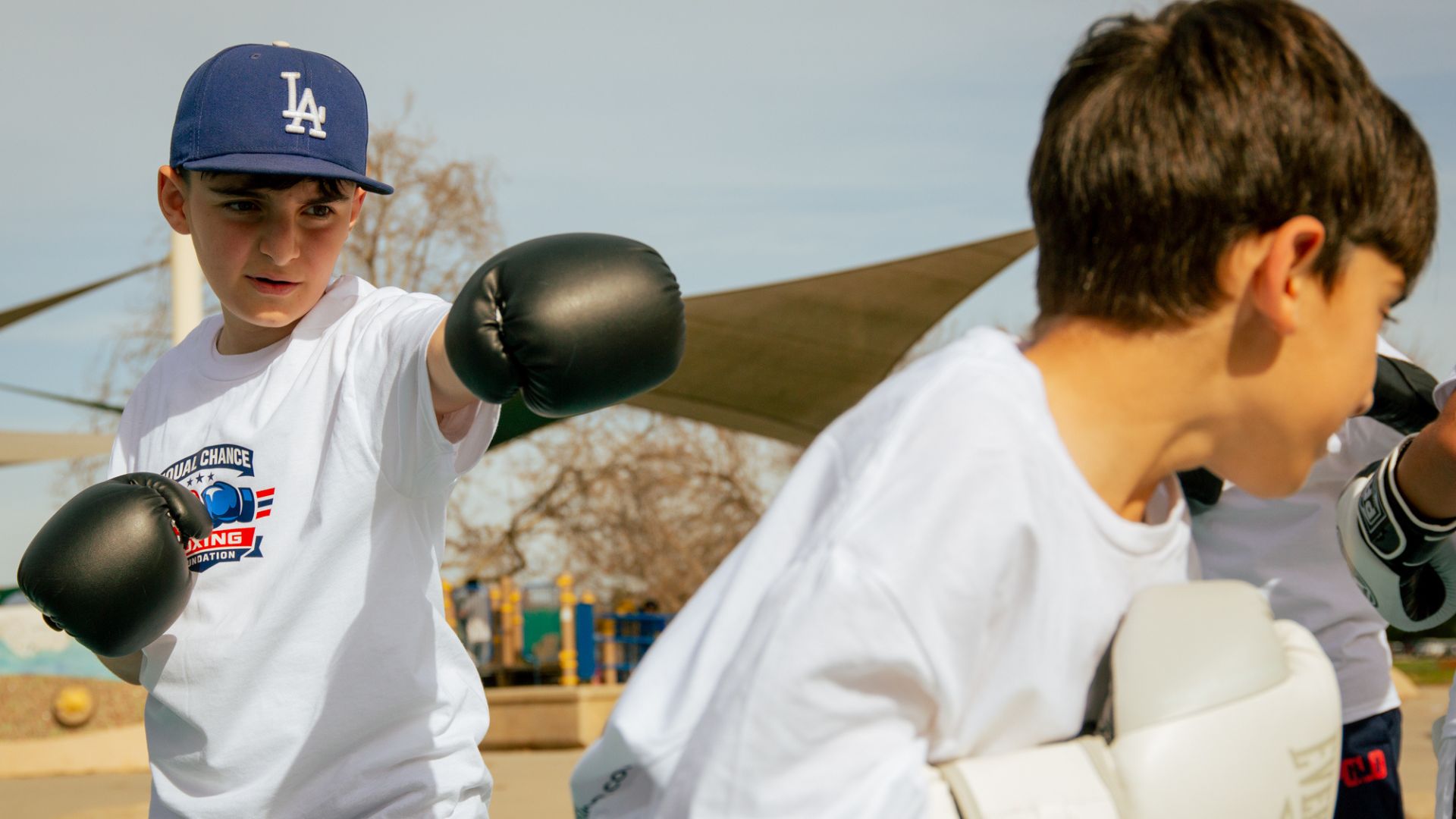
Mentorship does not exist only when a coach delivers a serious speech. It often develops during ordinary moments between drills, before a session begins, or while equipment is being put away. A coach may ask how school is going, remind a participant about punctuality, or notice that a teenager is unusually quiet. These brief interactions can become meaningful because they happen inside a relationship built through consistency.
Young people learn whether adults are dependable by watching what happens over time. Does the coach remain calm after a difficult session? Is the beginner still noticed after the excitement of enrollment has passed? Are standards applied fairly to both talented athletes and students who need more time? Trust grows when the answers remain consistent.
A mentor does not remove consequences or excuse disrespectful behavior. The value of mentorship comes from maintaining expectations while continuing to believe the young person can improve. A participant may be corrected firmly and still understand that they remain welcome in the program. This balance communicates two important messages at once: you belong here, and your choices matter.
Through the foundation’s Summer and Afterschool Mentorship Camp, young people can experience this kind of repeated structure during hours when families often need additional support. One motivational conversation may be remembered briefly, but consistent contact with responsible adults gives teenagers more opportunities to practice what they are learning.
Families Carry the Routine Beyond the Gym
Parents and caregivers perform some of the most important work behind every week of training. They coordinate schedules, provide transportation, help prepare equipment, and encourage attendance when motivation falls. Their contribution may not be visible during the session, but it often determines whether the young person can participate consistently.
A child may enjoy the first class and then resist returning when the exercises become harder. A teenager may claim the program is boring because being a beginner feels uncomfortable. Families sometimes have to provide calm firmness without turning every training day into an argument. Helping the young person continue long enough to experience progress can be an important form of support.
Parents do not need to become coaches at home. The family’s role is to support the routine, not to repeat every technical correction. Home should remain a place where the young athlete can rest, feel accepted, and speak honestly about the experience. A simple question about what was difficult or what the child learned may be more useful than a detailed evaluation of performance.
Communication between families and coaches also matters. Parents may know that a child becomes overwhelmed in unfamiliar groups, responds better to short instructions, or is recovering from a previous difficulty. Coaches may notice concentration, confidence, or responsibility developing during training before those changes become visible at home. When both sides communicate respectfully, the young person receives stronger and more consistent support.
Volunteers Help the Week Run Smoothly
Youth programs require more than a coach and a training plan. Equipment must be prepared, spaces need to remain organized, families may need guidance, and events require practical support. Volunteers often perform the work that allows the public parts of the program to feel welcoming and complete.
A volunteer may help arrange equipment, support registration, prepare food for a community event, assist families, or handle responsibilities before and after training. These actions may not receive the same attention as coaching, but they directly influence the experience of young participants.
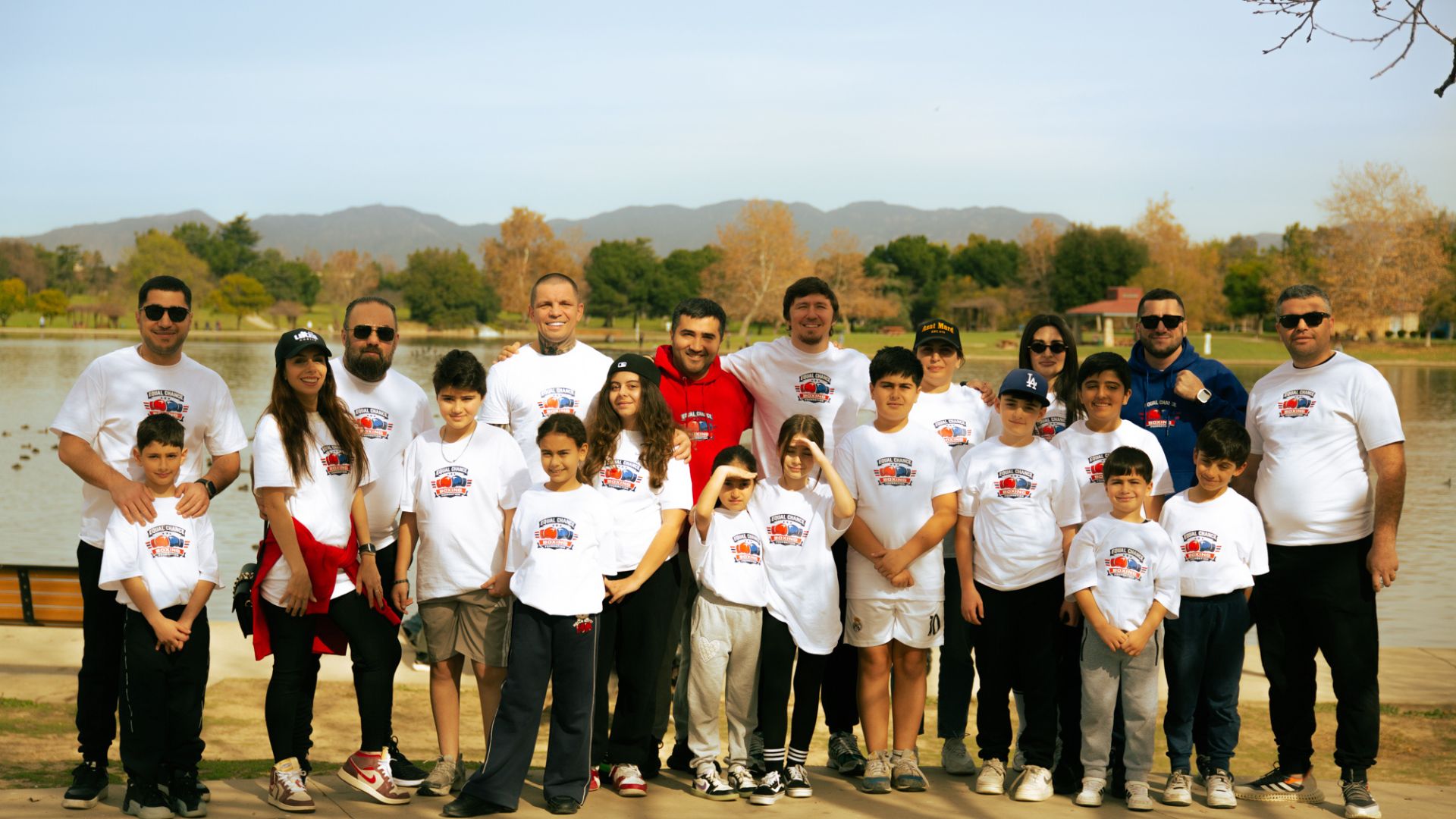
Volunteers also model something important for young people: community is built through action. A person does not need to be a professional athlete to make a meaningful contribution. Time, reliability, patience, and practical care all matter. When children see adults helping without demanding recognition, they receive another example of responsibility.
The foundation’s Community Training becomes stronger when coaches, volunteers, families, and local partners contribute in different ways. No single person can provide every form of support a young person may need. A strong program is created when several people understand their roles and work toward the same purpose.
[ecbf_donate_banner_4]
Community Activities Expand the Meaning of the Program
A week inside Equal Chance Boxing Foundation is not always limited to the training floor. Community activities allow young people to experience service, connection, and mentorship in different environments. These events can introduce new families to the foundation, create positive memories, and help children understand that boxing is part of a larger commitment to community.
A young person may first meet a coach during an open training session, a family event, or another form of outreach. A parent who is uncertain about joining a program may feel more comfortable after seeing how adults interact with children in a community setting. Trust often begins through ordinary contact rather than formal promises.
Community work also helps young athletes see that discipline is not only personal. The habits they practice in training—respect, preparation, patience, and responsibility—can influence how they participate outside the gym. A teenager who learns to support a new student may later become more willing to help at an event. A child who once needed encouragement may eventually be able to offer it to someone else.
The program does not need to turn every participant into a public leader. The goal is to help young people recognize that they are members of a community and that their behavior affects others. Belonging includes receiving support, but it also includes learning how to contribute.
Supporters Make Consistency Possible
Families may see the visible training session, but many resources are required to keep that session available. Coaches must be present and prepared. Equipment must be maintained. Training space, supervision, scheduling, outreach, and program coordination must continue from week to week.
Donors who support Equal Chance Boxing Foundation help provide more than gloves or one hour of activity. They help maintain the environment in which mentorship can develop over time. A child may attend without owning expensive equipment. A program can remain available long enough for trust to grow. A coach can continue providing instruction after the excitement of one event has passed.
Corporate partners can also strengthen accessible youth programming through sponsorship opportunities. Their support helps connect local businesses with the needs of families, young athletes, and community organizations. Youth development is not only a private responsibility for parents. It is a shared investment in the future of the community.
The impact of support is often visible in ordinary moments. A beginner receives equipment. A coach has enough time and resources to supervise responsibly. A community event includes young people who might otherwise be excluded by cost. These moments may not appear dramatic, but they are what allow the program to remain dependable.
Young Participants Shape the Program Too
Children and teenagers are not passive recipients of support. Their choices influence the culture of the group. A participant who listens carefully helps the session remain focused. An experienced student who welcomes a beginner reduces fear. A teenager who takes responsibility after a mistake shows others that discipline does not require perfection.
As young athletes grow, they can be given age-appropriate opportunities to contribute. A student may help organize equipment, demonstrate a simple movement, or encourage someone who is struggling. These responsibilities should never replace adult supervision, but they help young people understand that they are valuable members of the program.
A strong youth program does not divide the room into talented athletes and everyone else. Every participant can contribute through effort, consistency, respect, and willingness to learn. Competition may become meaningful for some young athletes, but it should not be the only measure of progress.
Stories shared through Champions of Hope reflect how many different people can stand beside young athletes. Coaches, families, volunteers, donors, partners, and participants all influence the environment. The program becomes stronger when each person understands that their actions matter.
The End of the Week Is Also Preparation for the Next One
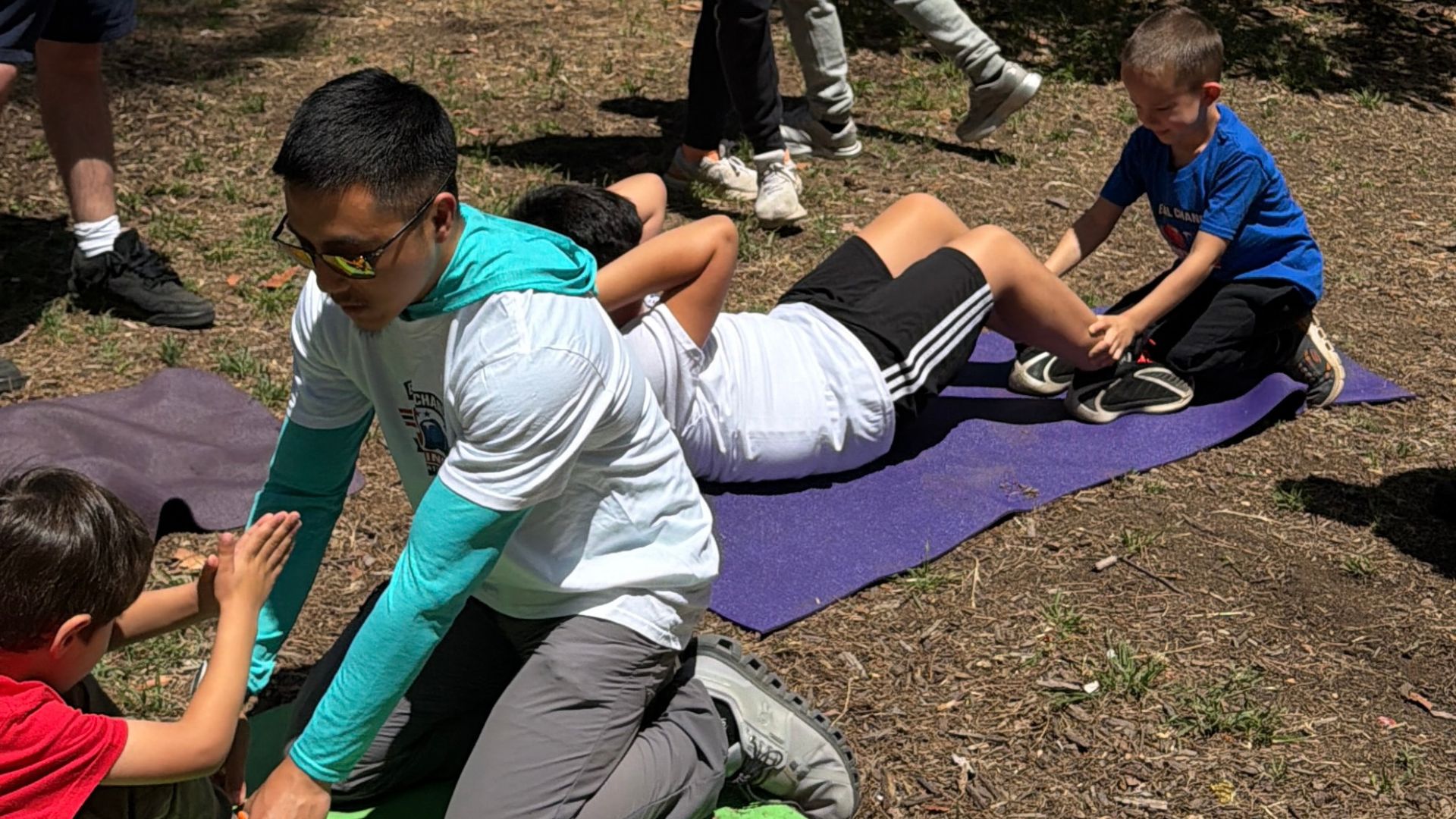
The final training session of the week is not a finish line. It is another opportunity to review progress, recover, and prepare to return. Young athletes may think about what improved, what remained difficult, and what they need to practice next. Coaches may adjust future sessions based on how the group responded.
Families can support reflection without turning it into a performance review. Instead of asking whether the child was the best in the class, a parent might ask what correction helped, what drill felt difficult, or what the coach wants the student to remember. These questions place attention on learning rather than comparison.
Equipment must also be cleaned, aired out, and prepared. The body needs food, water, sleep, and recovery. These simple habits teach young participants that training does not begin and end with the visible exercise. Preparation and recovery are part of discipline.
The week may not end with a dramatic transformation. A child may still be nervous. A teenager may still struggle with consistency. But perhaps the participant returned after wanting to quit, listened more carefully, or completed one task with greater control. Youth development is often built through these gradual changes.
Boxing Can Support a Young Person, but It Is Not a Substitute for Professional Care
Structured sports, mentorship, movement, and community connection can help many young people feel more grounded and engaged. Boxing may support confidence, routine, emotional regulation, and a healthier use of energy. However, youth boxing is not a substitute for professional medical or mental health care when that support is needed.
Coaches and mentors should understand the limits of their roles. They can notice changes, listen appropriately, communicate concerns to families, and provide dependable structure. They should not claim that boxing cures anxiety, depression, trauma, ADHD, or behavioral disorders.
The healthiest support system may include parents, teachers, coaches, medical professionals, mental health professionals, volunteers, and community organizations. Each person may see a different part of the young person’s life. The goal is not for one program to become everything. The goal is for the child to have several responsible people and resources around them.
A Week Is Made of People Who Keep Showing Up
At the end of the week, the most important part of the program is not one perfect drill or one powerful speech. It is the fact that people showed up again. Coaches prepared the sessions. Young participants entered the room and tried. Families made attendance possible. Volunteers handled practical responsibilities. Donors and sponsors helped keep opportunities accessible. Community partners extended the mission beyond the gym.
This repeated presence creates the conditions for trust. A teenager begins to understand that the coach will still be there after a difficult session. A parent sees that their child is being corrected without being humiliated. A beginner discovers that mistakes do not remove their place in the group. A supporter sees that a contribution is connected to an ongoing system rather than one isolated event.
That is what a week inside Equal Chance Boxing Foundation represents. It is not simply a schedule of workouts. It is a living network of training, mentorship, responsibility, and community. Boxing provides the structure, but people give that structure meaning.
Step Into the Ring. Let’s Build Our Community Together.
For Parents: Give Your Child a Community That Shows Up
Young people need more than occasional motivation. They need safe training, dependable routines, responsible mentors, and a community that remains present through both progress and difficult days.
ENROLL IN OUR YOUTH BOXING PROGRAM TODAY
For Supporters: Help Keep Mentorship Accessible
Your support helps provide coaching, equipment, safe training space, community outreach, and the consistency young people need to build trust and responsibility.
DONATE TO THE EQUAL CHANCE BOXING FOUNDATION
For Community Partners: Take Mentorship Beyond the Gym
Businesses, organizations, and local leaders can help expand access to structured youth sports, afterschool mentorship, and community-based development throughout Los Angeles.
LEARN ABOUT CORPORATE SPONSORSHIP
Questions About a Week Inside the Program?
How training, mentorship, and community work together.
A typical week may include structured boxing instruction, physical conditioning, basic technique, mentorship, preparation, recovery, and communication with families. Community activities and outreach may also support the larger mission. The exact schedule can vary, but each part of the program is designed to reinforce safety, responsibility, consistency, and positive participation.
No. A responsible youth boxing program should introduce beginners gradually through stance, movement, balance, breathing, safety rules, and basic coordination. Young participants are not expected to arrive as experienced athletes. Their first responsibilities are to listen, follow instructions, respect the training space, and remain willing to learn.
Mentorship often appears through consistent, everyday interactions rather than one major speech. Coaches notice effort, provide specific correction, reinforce standards, ask appropriate questions, and continue supporting young people after difficult sessions. Trust develops because responsible adults remain present and dependable from one week to the next.
Families help young participants attend consistently and prepare for training. Volunteers support equipment, events, organization, and community activities. Donors and sponsors help provide coaching, safe spaces, equipment, outreach, and accessible opportunities. Together, these contributions create the support system behind every visible training session.