
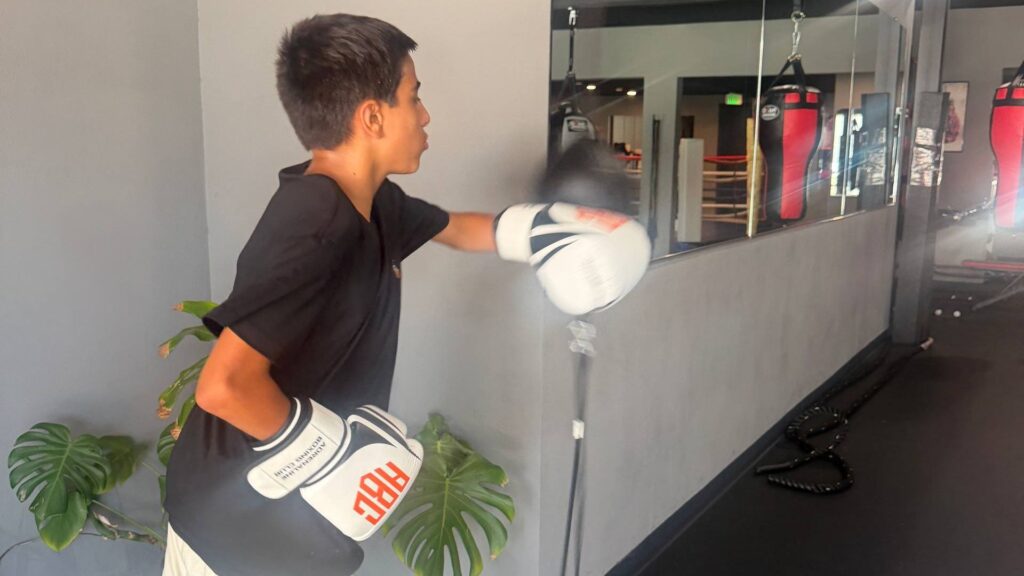
A strong coach challenges young people. They ask for attention, consistency, effort, and responsibility even when a participant feels tired or frustrated. They do not remove every difficult moment, because healthy challenge is part of learning. At the same time, a responsible coach understands that children and teenagers are still developing physically and emotionally. The coach’s job is not to prove authority, create fear, or push every athlete beyond reasonable limits. The goal is to help the young person improve safely while preserving trust, dignity, and a sense of belonging.
For parents, the difference between coaching and pressure is not always obvious. A child may return from training tired, disappointed, or uncomfortable after being corrected. That does not automatically mean the coach did something wrong. Learning a sport requires effort, and young athletes sometimes resist expectations that are appropriate for them. However, not every demanding environment is healthy. Pressure becomes harmful when fear replaces instruction, humiliation replaces correction, or winning becomes more important than the child’s safety and development.
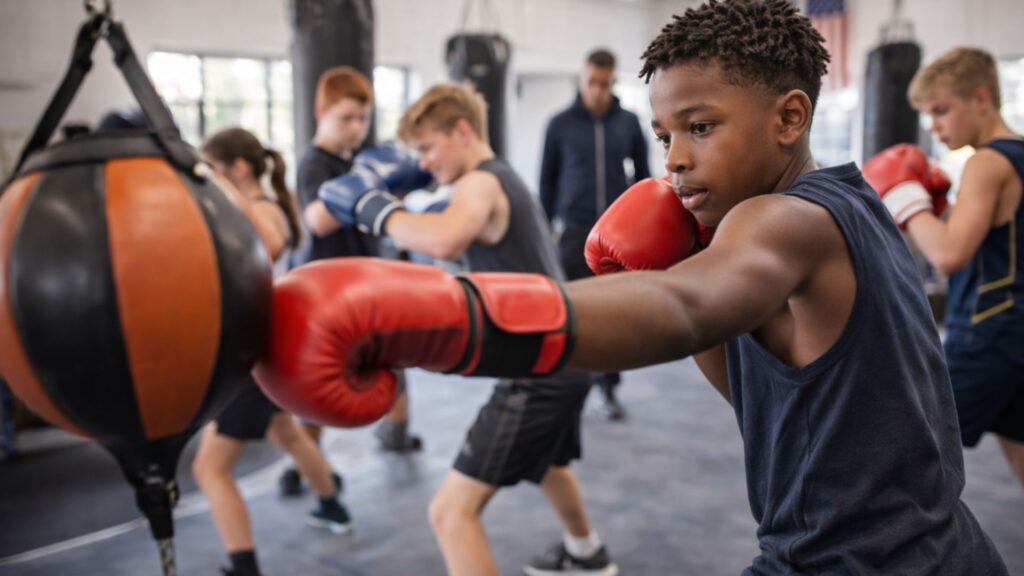
Parents should not judge a program only by whether training feels easy or difficult. The more useful question is what the difficulty is teaching. Healthy coaching helps a young person understand what must improve and gives them a practical way to work on it. Harmful pressure leaves the child feeling that their value depends on performance, obedience, or the coach’s approval. One approach builds responsibility over time. The other may create fear, secrecy, or a desire to avoid the program entirely.
Coaching Creates a Clear Path Forward
Responsible coaching is specific. When a young athlete makes a mistake, the coach identifies the action that needs attention. They may ask the participant to reset their stance, slow down, listen to the instruction again, protect a training partner, or complete the drill with better control. The young person understands what happened and what they can do next.
Pressure is often vague and personal. Instead of correcting the movement, an adult may label the child as lazy, weak, careless, or uncommitted. These statements do not teach a skill. They attack the young person’s identity and may cause the child to defend themselves rather than focus on improvement.
A healthy coach can be direct. They do not need to soften every correction or pretend that poor effort is acceptable. The difference is that the correction remains connected to behavior, safety, and learning. The coach communicates, “This action needs to change,” rather than, “There is something wrong with you.”
This distinction matters because children and teenagers are still forming their understanding of themselves. When a respected adult repeatedly uses negative labels, a young person may begin believing those labels or acting in ways that confirm them. Specific feedback gives the participant control over the next step. It shows that mistakes are real but correctable.
Through the foundation’s Youth Boxing Program, structured training can help young people experience correction as part of learning. The participant is expected to listen, respect safety rules, and make an honest effort. At the same time, being a beginner or struggling with a movement does not remove their place in the program.
Healthy Challenge Has a Purpose
Coaching becomes demanding because development requires effort. A young athlete may need to repeat a movement many times, complete a conditioning round after motivation fades, or listen carefully when they would rather rush. These challenges can support discipline because they connect effort with a meaningful goal.
Healthy challenge has a reason that the coach can explain. A warm-up prepares the body and attention. Repetition builds coordination. Controlled conditioning develops endurance. Safety rules protect the participant and the people around them. The student may not enjoy every part of training, but the work has a clear connection to learning.
Pressure becomes unhealthy when intensity is used mainly to demonstrate the adult’s authority or test whether a child deserves to belong. A young participant should not be exhausted, frightened, or humiliated simply to prove toughness. The coach’s responsibility is to develop the student, not to create a dramatic display of discipline.
Parents can ask what a difficult activity is designed to teach. A responsible coach should be able to explain how the work fits the participant’s age, experience, and current development. The answer does not need to be complicated, but it should show that the challenge is intentional rather than careless.
Coaching Builds Trust Before Increasing Demands
Young athletes are more willing to accept difficult feedback when they trust the adult giving it. Trust does not mean the coach becomes a friend who removes every standard. It means the participant believes the coach is paying attention, applying rules fairly, and acting in the student’s best interest.
A mentorship-based coach learns how the young person responds to challenge. One student may need a short demonstration before trying again. Another may need a firmer reminder to stop rushing. A nervous beginner may need time to become familiar with the space, while an experienced teenager may be ready for greater responsibility. The standards remain clear, but the path toward meeting them can differ.
Pressure often ignores these differences. Every participant is expected to respond the same way, and resistance is treated as weakness or disrespect. This can be especially harmful for beginners who are still learning the rules, movements, and culture of the gym.
Trust grows through consistency. The coach maintains the same safety expectations on ordinary days, not only when parents are watching. Talented athletes are not allowed to ignore rules. Beginners receive attention even when they are not naturally athletic. A child who makes a mistake is corrected and given a real opportunity to recover.
Pressure Makes Approval Feel Conditional
Young athletes naturally care about a coach’s approval. A few honest words from a respected adult can strengthen confidence because the praise follows real effort. Problems begin when children feel that approval is available only when they perform well, win, ignore discomfort, or obey without question.
A coach may be disappointed with a student’s effort and still treat the young person with dignity. The participant should understand that the behavior or performance needs improvement, but that one unsuccessful session does not erase the relationship. This stability allows the child to face mistakes without believing they have lost their place.
Harmful pressure creates the opposite experience. The coach becomes warm when the child succeeds and rejecting when the child struggles. The young athlete may begin hiding mistakes, injuries, fear, or exhaustion because honesty threatens the approval they depend on.
This environment can appear highly disciplined from the outside. Participants may remain quiet and obey immediately, but silence does not always mean trust. Sometimes it means young people are afraid of embarrassment or punishment. A healthy program should produce respect without requiring children to hide important information.
[ecbf_donate_banner_1]
A Responsible Coach Allows Young Athletes to Speak
Children and teenagers should be able to ask questions, admit confusion, and report pain or discomfort. This does not mean they control the entire session or avoid every difficult task. It means communication is treated as part of responsible training.
A coach can listen to the participant and still decide that the young person is capable of continuing. Ordinary fatigue, nervousness, and frustration are part of learning. However, the adult should first understand what the student is experiencing rather than automatically dismissing every concern as an excuse.
Pressure discourages communication. A participant may hear that speaking up proves weakness or disloyalty. Over time, children can learn to hide important information to avoid being mocked. This makes the environment less safe because coaches cannot respond to concerns they do not know about.
Parents should pay attention to how the program talks about discomfort. Does the coach help young athletes understand the difference between normal effort and a possible injury? Can the child request clarification without being embarrassed? Does the program contact families when something significant happens? These practices reveal whether communication is truly valued.
Coaching Teaches Responsibility Without Using Shame
Children need accountability. A student who uses equipment carelessly, ignores safety instructions, or treats another participant disrespectfully should be corrected. Removing all consequences would not prepare young people for sports, school, work, or community life.
The difference lies in how accountability is delivered. Healthy coaching connects the consequence to the behavior. A participant may need to stop, listen again, repair the situation, or demonstrate that they understand the rule. The young person learns why the behavior matters and what responsible participation looks like.
Shame communicates something different. It turns one mistake into a public judgment about the child. The student may be insulted in front of peers, compared negatively with others, or made to feel that they are a burden to the group. These methods may create immediate compliance, but they can weaken trust and make the young person afraid to take healthy risks in learning.
A coach can be firm without becoming cruel. The participant should leave the correction understanding what needs to change, not believing they are incapable of change.
Parents Should Consider What Happens After a Mistake
One of the clearest ways to distinguish coaching from pressure is to observe what happens after a young athlete makes a mistake. Does the coach provide a correction and another opportunity, or does the mistake follow the child through the rest of the session?
Healthy coaching treats mistakes as part of development. The participant may face a consequence, but the path back into the activity remains visible. They can reset, show better judgment, and continue learning. The coach does not pretend the mistake never happened, but also does not use it to define the young person.
Pressure often keeps the child trapped in the failure. The coach may repeatedly mention the mistake, withdraw attention, or compare the participant with someone who performed better. The student learns that errors are dangerous because they threaten belonging and approval.
This can affect how a young person trains. Instead of experimenting, asking questions, or attempting a difficult skill, they may choose the safest possible behavior to avoid embarrassment. Athletic learning becomes limited because the child is focused on protecting themselves from the adult rather than understanding the sport.
Tone Matters, but Tone Is Not the Only Measure
Parents may assume that loud coaching is harmful and quiet coaching is safe, but tone alone does not provide the full answer. Some coaches communicate loudly because the training space is active and instructions need to be heard. A direct voice can also help stop unsafe behavior quickly.
The more important question is what the coach is saying and why. A loud instruction such as “Stop, reset, and protect your partner” may be appropriate. A calm but manipulative statement that tells a child they are disappointing everyone can still create unhealthy pressure.
Parents should look at the pattern rather than one moment. Does the coach use direct communication to improve safety and understanding? Are instructions followed by explanation when needed? Does the participant receive another opportunity? Or is the adult regularly using fear, guilt, or personal attacks to control the group?
Young athletes can also react differently to tone. Some respond well to energetic instruction, while others become overwhelmed. A skilled coach notices the individual without allowing every participant to dictate the session. Adaptability is part of responsible mentorship.
Comparison Can Motivate or Damage
Sports naturally involve comparison. Young athletes see who moves faster, completes more rounds, or learns a technique quickly. Competition can encourage effort when it is managed responsibly. However, constant comparison can also create pressure that damages confidence and team culture.
Healthy coaching may use another participant as an example of a movement or work habit without suggesting that one child has greater value. The focus remains on learning. A coach might say, “Watch how the feet remain balanced,” rather than, “Why can’t you be more like this student?”
Pressure turns comparison into shame. A child is repeatedly measured against a sibling, teammate, or naturally talented athlete. Their own progress becomes invisible because success is defined only by whether they outperform someone else.
Young people develop at different speeds. One participant may have strong coordination but limited endurance. Another may need more time physically but show excellent listening and consistency. A mentorship-based program notices these differences and measures progress from the student’s starting point.
The foundation’s Community Training can reinforce the idea that sports should create connection rather than a hierarchy in which only the strongest participants matter. Young people can challenge themselves while also learning to respect and support others.
Boxing Should Teach Control, Not Obedience Through Fear
Responsible boxing requires discipline because physical skills must be used carefully. Young athletes need to follow instructions, protect training partners, manage distance, and keep boxing inside the supervised environment. These rules are essential.
However, discipline should help the participant understand control rather than demand blind obedience. A young person should know why certain behavior is unsafe. They should understand that power creates responsibility and that anger can damage judgment, balance, and technique.
Pressure may produce obedience without understanding. The child follows the rule only because they fear the coach. When the adult is absent, the lesson may disappear. Healthy coaching aims for internal responsibility. The young athlete gradually follows the standard because they understand how their behavior affects themselves and others.
This is especially important when teaching children that boxing is not the same as fighting. Skills learned during supervised training should never be used to intimidate others or settle ordinary conflicts. A strong coach does not glorify aggression. They demonstrate that control is a greater sign of strength.
Sparring Reveals a Program’s Real Priorities
Sparring is one area where the difference between coaching and pressure becomes especially important. Protective equipment is necessary, but it cannot replace careful preparation, matching, supervision, and emotional readiness.
A responsible coach introduces contact only when the participant has sufficient technical control, defensive understanding, and ability to follow instructions. Young athletes should be matched according to relevant factors such as size, experience, skill, and temperament. The coach monitors the activity closely and stops it when control is lost.
Pressure treats sparring as a test of toughness or belonging. A beginner may be told that refusing contact proves weakness. A child may be placed with a more experienced participant because another partner is needed. Fear may be dismissed instead of understood.
Young people can learn many valuable boxing skills without immediate sparring. Footwork, bag work, mitt work, conditioning, balance, and defensive movement all provide meaningful development. Contact should serve learning, not become a ritual through which children must prove their worth.
Professional Experience Should Be Translated Into Youth-Appropriate Guidance
A coach’s athletic history can bring valuable knowledge, but professional experience alone does not guarantee effective youth coaching. Children and teenagers need instruction that matches their age, ability, and emotional development.
Professional boxer can offer young participants an example of discipline, routine, respect for coaching, and persistence after setbacks. The value is not in asking children to train like professional fighters. It is in translating long-term experience into lessons they can use at their own level.
Young athletes can learn that progress requires repetition and that one difficult result does not define an entire path. They can see that confidence is built through preparation rather than pretending fear does not exist. They can understand that listening to a coach is part of development, while still knowing that responsible training respects safety and appropriate boundaries.
Pressure often copies adult performance culture without considering whether it belongs in a youth setting. A child should not carry the expectations of a professional athlete. The program must remain focused on development rather than using children to demonstrate the reputation of the coach or organization.
Parents Should Listen to the Child Without Accepting Every Interpretation
Children do not always describe training situations accurately. A coach who sets an appropriate boundary may be described as unfair. A teenager who did not want to complete a difficult drill may say the adult was pressuring them. Parents should listen seriously without reaching an immediate conclusion in either direction.
The goal is to gather context. What happened before the correction? What exactly did the coach say? Was the child physically unsafe, publicly humiliated, or simply uncomfortable because the expectation was difficult? Has the concern happened once or become a repeated pattern?
Parents can also speak with the coach. A responsible program should be able to explain the purpose of the activity and how the situation was handled. The conversation does not need to become an accusation. Clear communication helps families understand whether the issue involved healthy challenge, a misunderstanding, or behavior that must be addressed.
At the same time, parents should not dismiss a young person’s concern simply because sports are supposed to be difficult. Persistent fear, humiliation, secrecy, unexplained injuries, or anxiety connected to a specific adult deserves attention. Children need to know that their families will listen.
[ecbf_donate_banner_4]
Families Should Not Add Unnecessary Pressure After Training
Pressure does not always come from the coach. Parents can unintentionally make sports more stressful by evaluating every session, comparing the child with others, or treating visible performance as the only sign of progress.
A young athlete may leave training physically tired and emotionally full. Immediate questions about whether they won, impressed the coach, or performed better than another participant can make the session feel like an examination. The child may stop speaking honestly because every answer leads to another evaluation.
More helpful questions focus on learning. Parents can ask what the child practiced, what felt difficult, which correction helped, or what they want to improve next. These questions allow the young person to reflect without having to defend their value.
Families can also recognize small changes. Preparing equipment independently, returning after a difficult session, listening more carefully, and treating other participants with respect are meaningful forms of progress. The goal is not to remove ambition. It is to ensure that ambition does not replace the relationship with the child.
The Summer and Afterschool Mentorship Camp reflects the value of repeated structure and support. Young people develop through consistent opportunities, not through constant demands for immediate results.
Healthy Coaching Leaves Room for Recovery
Training creates physical and emotional demands. Young athletes need appropriate rest, hydration, food, and time to recover. A responsible coach understands that recovery supports future effort rather than proving weakness.
Pressure often encourages children to ignore fatigue, pain, or burnout in order to demonstrate commitment. Young athletes may receive the message that taking a break means they are not serious enough. This can create an unhealthy relationship with sport and with their own bodies.
A coach can still expect consistency. Missing every difficult session or stopping at the first sign of ordinary fatigue will limit progress. The difference is that decisions are made thoughtfully rather than through shame. The coach considers what the participant is experiencing and what is appropriate for their age and current condition.
Parents should also observe how the child feels over time. Ordinary tiredness after training is normal. Constant fear, emotional exhaustion, loss of interest in activities the child once enjoyed, or ongoing physical concerns may signal that the environment or schedule needs attention.
Coaching Supports Mental and Emotional Growth Without Making Medical Promises
Structured youth sports can help children practice routine, emotional control, persistence, and social connection. Training may help some young people feel more grounded and give strong energy a healthier direction.
However, boxing is not a substitute for professional medical or mental health care when that care is needed. A responsible coach should not claim that pressure, toughness, or athletic discipline can cure anxiety, depression, ADHD, trauma, or behavioral disorders.
Coaches can notice changes, listen appropriately, communicate with families, and provide structure within the program. They should also understand the limits of their role. When a young person shows severe emotional distress, talks about self-harm, experiences major behavioral changes, or creates an immediate safety concern, qualified professional support may be necessary.
Recognizing limits is part of responsible coaching. Pressure pretends that every problem can be solved by trying harder. Mentorship understands that young people sometimes need different forms of support from different adults.
Donors and Sponsors Help Create Conditions for Responsible Coaching
High-quality youth coaching requires time, preparation, supervision, safe space, maintained equipment, communication, and program organization. When resources are limited, coaches may be responsible for groups that are too large or may lack the support necessary to give young participants appropriate attention.
People who donate to Equal Chance Boxing Foundation help support more than one workout. Their contributions can strengthen the system surrounding each session, including coaching, equipment, outreach, accessible participation, and the consistency required for mentorship to develop.
Corporate partners can also contribute through sponsorship opportunities. Sustainable support helps programs focus on responsible youth development rather than creating pressure to produce quick, visible results for attention or funding.
When a program has a dependable community around it, young people are more likely to receive patient instruction and repeated opportunities. Supporters help create an environment where development can remain the priority.
The Best Coaching Combines Standards With Belonging
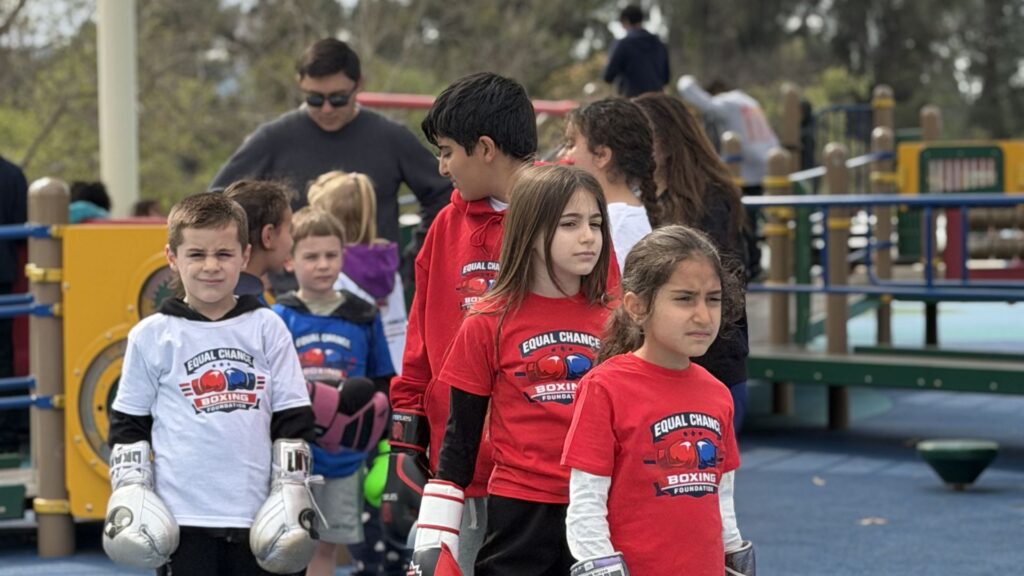
Young people need to know that expectations are real. They also need to know that mistakes, slow progress, or one difficult day will not automatically remove their place in the program.
Healthy coaching communicates two messages at the same time: “You belong here,” and “Your choices matter.” Belonging without standards can become disorder. Standards without belonging can become fear. Responsible mentorship holds both together.
A child may be corrected firmly and still feel respected. A teenager may be asked to complete difficult work and still know that the coach cares about their safety. A beginner may struggle publicly and still receive another opportunity. These experiences teach discipline without making dignity conditional.
Pressure communicates a different message: “You belong only when you meet my expectations.” This can produce short-term effort, but the young person may be motivated mainly by fear of rejection. When the pressure becomes too great or the approval disappears, participation often collapses.
The strongest programs help young athletes gradually take ownership of their development. The coach provides structure, but the student begins understanding why preparation, effort, safety, and respect matter.
Parents Should Look at the Pattern, Not One Difficult Moment
Every healthy coach will have moments when a child feels disappointed, frustrated, or corrected more firmly than they prefer. Sports include challenge, and not every uncomfortable feeling indicates harm.
The difference between coaching and pressure becomes clearer over time. Does the child understand what the coach wants them to improve? Are safety rules consistent? Can the participant ask questions? Are mistakes followed by another opportunity? Does the coach recognize effort and gradual progress?
Parents should also ask whether the young person is developing a healthier relationship with challenge. Are they becoming more willing to prepare, listen, recover, and try again? Or are they increasingly afraid of failure, hiding concerns, and believing that their value depends on performance?
A strong program does not need to promise perfection. Coaches are human and may sometimes communicate poorly. What matters is whether concerns can be discussed, whether adults take responsibility, and whether the culture consistently protects youth development.
Coaching Helps Young People Grow; Pressure Makes Them Perform for Approval
The central difference is not whether training is easy or demanding. It is whether the young person is being guided toward greater responsibility or controlled through fear and conditional approval.
Coaching creates clarity. The participant understands the standard and the next step. Pressure creates confusion about personal value. Coaching respects developmental differences. Pressure demands the same response from everyone. Coaching challenges the child while protecting dignity. Pressure treats humiliation as motivation.
Parents do not need to protect children from every difficult feeling. Young people need opportunities to struggle, receive correction, and continue. They also need adults who understand that development cannot be forced through fear.
Equal Chance Boxing Foundation seeks to connect youth boxing with mentorship, structure, safety, and community support. The purpose is not merely to make young participants perform. It is to help them build habits and confidence they can carry beyond one training session.
Step Into the Ring. Let’s Build Our Community Together.
For Parents: Choose Guidance That Challenges Without Breaking Trust
Young people need clear standards, responsible correction, and opportunities to work through difficulty. They also deserve coaches who protect their dignity, listen to concerns, and understand that progress takes time.
ENROLL IN OUR YOUTH BOXING PROGRAM TODAY
For Supporters: Help Keep Responsible Mentorship Accessible
Your contribution helps provide coaching, supervision, safe training space, equipment, outreach, and the consistency required to build trust with young people and families.
DONATE TO THE EQUAL CHANCE BOXING FOUNDATION
For Community Partners: Support Youth Development Without Harmful Pressure
Businesses and community organizations can help expand access to structured youth sports, afterschool mentorship, and responsible coaching throughout Los Angeles.
LEARN ABOUT CORPORATE SPONSORSHIP
Questions About Coaching and Pressure?
What parents should watch for in youth sports.
Appropriate challenge has a clear purpose and gives the young athlete a practical next step. The coach explains or demonstrates what needs improvement, maintains safety, and allows the participant another opportunity to try. The child may feel tired or frustrated, but they should understand what they are learning and should not feel that their personal value depends on performing perfectly.
No. Coaches sometimes need to communicate firmly or loudly in an active training environment, especially when stopping unsafe behavior. Parents should focus on the content and pattern of communication. Firm coaching corrects actions, explains expectations, and protects dignity. Harmful pressure relies on insults, humiliation, fear, guilt, or attacks on the child’s character.
Parents should listen carefully and ask what happened before reaching a conclusion. They can ask what the coach said, whether the child felt unsafe or humiliated, and whether the concern is part of a repeated pattern. Speaking directly with the coach can provide additional context. Persistent fear, secrecy, unexplained injuries, or pressure to ignore pain should always be taken seriously.
Mentorship combines high standards with stable support. The young person understands that their choices matter, but also knows that one mistake or difficult session will not erase their place in the program. Harmful pressure makes acceptance feel conditional on performance, obedience, winning, or hiding discomfort. Mentorship helps young people grow, while pressure makes them perform mainly to avoid rejection.