
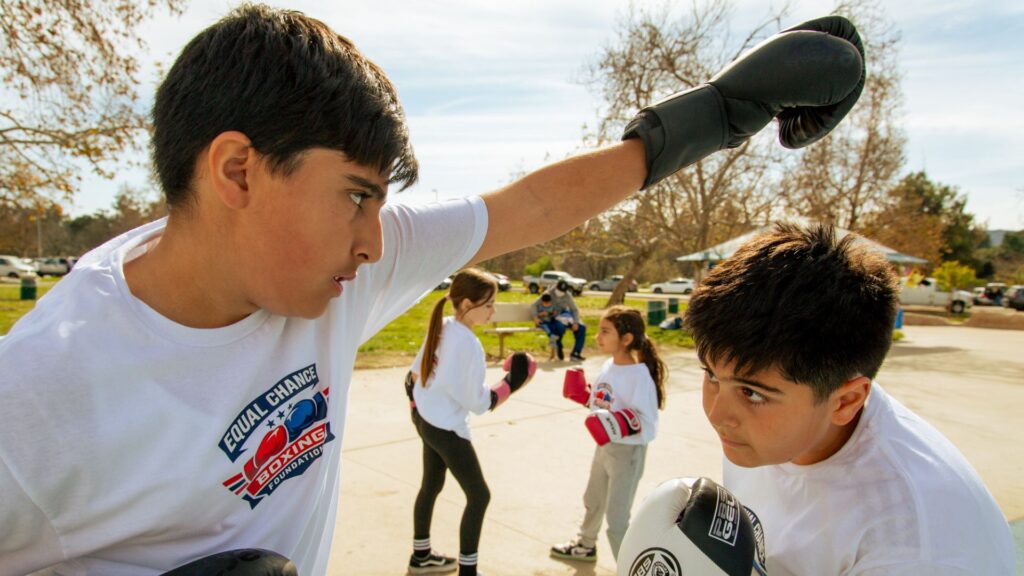
Opportunity does not reach every young person the same way. In some families, children grow up with access to private lessons, sports clubs, summer camps, tutoring, transportation, safe recreation, and adults who have the time and resources to guide every step. In other families, a child may have the same energy, talent, courage, and potential, but fewer doors open around them. The difference is not always desire. It is not always discipline. Many times, the difference is access.
That is why free youth programs matter so deeply in communities where opportunity is uneven. They are not simply “free activities” to fill time. At their best, they are bridges. They connect young people to structure, mentorship, movement, positive peers, and adults who expect them to grow. They give families support when the cost of sports, afterschool programs, equipment, and transportation would otherwise make participation impossible. They tell a child, often without a long speech, that their future is not less important because their family has fewer resources.
For a teenager, access can change the meaning of a week. It can turn empty after-school hours into training time. It can turn restlessness into disciplined movement. It can turn isolation into community. It can give a young person a place where their name is remembered, their effort is noticed, and their mistakes are corrected without shame. In Los Angeles and across LA County, where families can live close to opportunity and still feel far from it, free youth programs can become one of the most practical ways a community chooses to stand beside its young people.
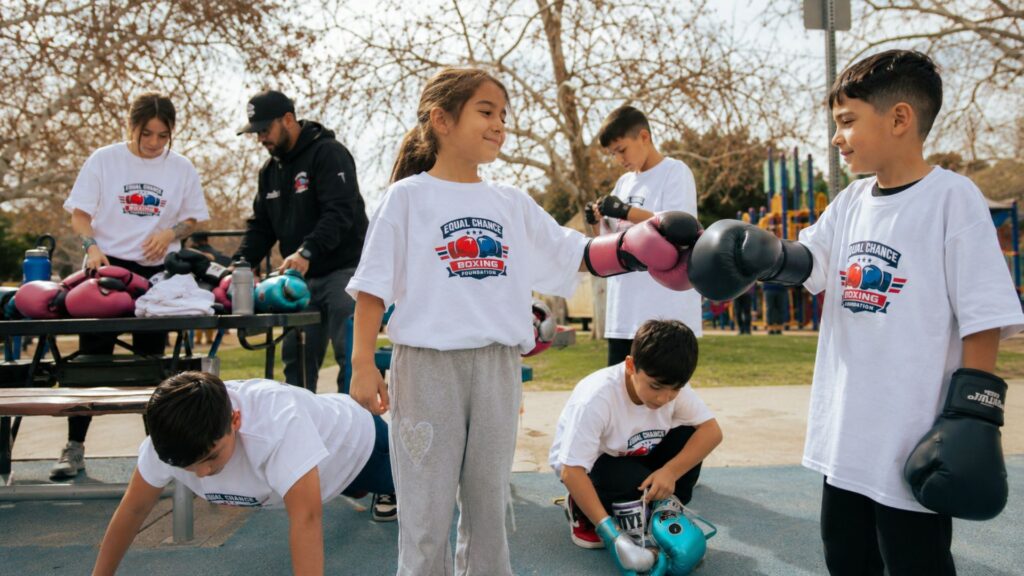
Uneven Opportunity Is Not the Same as Uneven Potential
One of the most damaging assumptions adults can make is believing that the young people who succeed are always the ones who wanted it most. Effort matters, but effort does not happen in a vacuum. A child who has transportation, equipment, stable routines, safe spaces, and adults who can pay for development has a very different starting line from a child who has talent but no clear path. When opportunity is uneven, potential often remains hidden.
A teenager may be naturally athletic but never join a team because the fees are too high. A child may need mentorship but have no structured program nearby. A young person may have discipline inside them, but no one has ever taught them how to practice it. A family may want help, but every option they find comes with a cost they cannot carry. In these situations, the problem is not lack of potential. The problem is that potential has no place to grow.
Free youth programs push back against that unfairness. They create a first step where there may not have been one. They allow young people to begin before they are polished, before they have the right gear, before they are confident, and before anyone has decided they are “worth investing in.” That matters because youth development should not be reserved only for children whose families can afford access. A community becomes stronger when it recognizes potential before it becomes visible.
This is one of the reasons programs like the Youth Boxing Program are important. A young person does not need to arrive as an athlete to begin. They can arrive unsure, restless, shy, frustrated, or inexperienced. The program’s value is not only in teaching boxing skills, but in offering a structured environment where discipline, respect, routine, and mentorship can begin to take root.
[ecbf_donate_banner_1]
Free Does Not Mean Less Valuable
There is a quiet misconception that if something is free, it must be less serious or less valuable. For youth development, the opposite can be true. A free program may be the most valuable resource a family receives because it removes the first barrier between a young person and a healthier path. It allows a teenager to show up without the shame of not being able to pay. It allows parents to say yes without choosing between their child’s growth and the household budget.
But free should never mean careless. A strong free youth program still needs structure, safety, trained adults, clear expectations, and respect for families. Young people deserve quality whether a program is paid, sponsored, nonprofit, or donor-supported. In fact, when a program serves youth who already face barriers, the responsibility becomes even greater. The program must not only open the door; it must make sure what happens inside that door is worthy of trust.
Parents should be able to see that trust in the environment. They should see adults who are present and attentive. They should see beginners welcomed, not ignored. They should see discipline taught with firmness but not cruelty. They should see that young people are challenged without being humiliated. They should feel that the program understands the difference between keeping kids busy and helping them grow.
For donors and supporters, this is also important to understand. When someone supports a free youth program, they are not simply funding “something nice for kids to do.” They are helping create access to structure. They are helping make it possible for a child to be guided, corrected, encouraged, and expected to return. That kind of support can be far more meaningful than it looks from the outside.
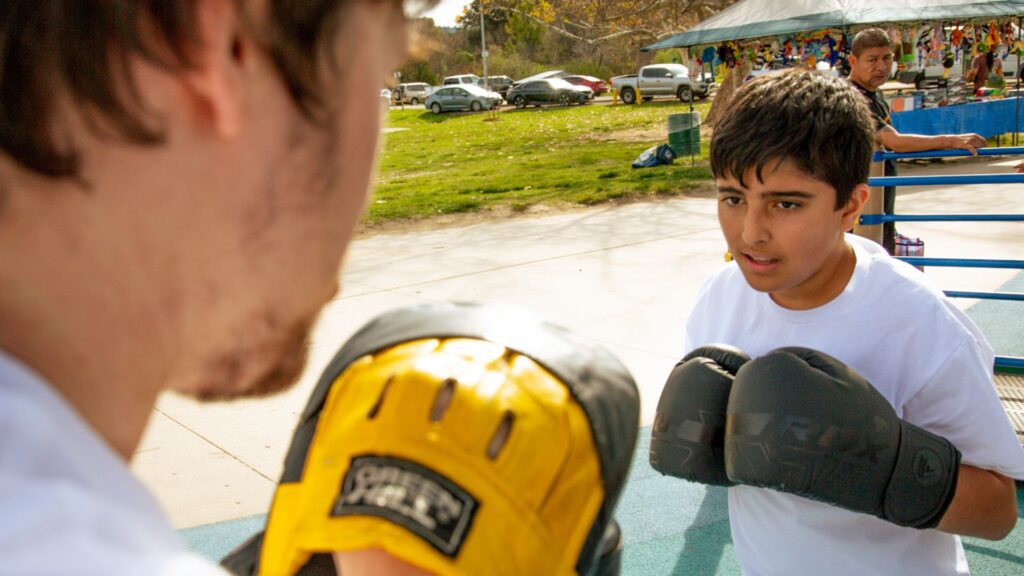
Access Gives Young People a Place to Start
Many young people do not need a perfect opportunity. They need a place to start. They need a first room, a first coach, a first routine, a first experience of being taken seriously. Without that first step, talent can remain invisible and motivation can fade into frustration. A teenager who never gets access may start to believe that growth is for other people.
This is especially true for young people who feel embarrassed about beginning. Some teens do not want to try something new because they are afraid of looking weak or inexperienced. Some children avoid sports because they feel out of shape. Others have been corrected harshly in the past and now protect themselves by acting like they do not care. A healthy free program gives those young people a way in. It does not demand confidence before offering support.
In boxing, the first step is often very simple. A young person learns where to stand, how to listen, how to move their feet, how to breathe, and how to control their hands. Those first lessons may look basic, but they are the beginning of something deeper. They teach patience. They teach awareness. They teach that progress starts with repetition, not talent alone.
A free program matters because it allows that beginning to happen without money deciding who belongs. It says that a young person’s first chance should not depend on whether their family can afford private coaching or expensive sports programs. It says that a teenager who is willing to show up deserves a place where showing up can mean something.
Structure Helps Turn Energy Into Direction
Many teenagers have energy but no direction. That energy may come out as restlessness, anger, distraction, risk-taking, or hours spent behind a screen. Adults may see the behavior and become frustrated, but the deeper question is often, “Where is this young person supposed to put all of this energy?” If there is no safe outlet, no structured routine, and no positive environment, energy can turn against the teen.
Free youth programs can help by creating structure around that energy. A good program does not shame a young person for being energetic, emotional, or restless. It gives that energy a place to move. It teaches that movement can be disciplined. It teaches that effort can be repeated. It teaches that strength means very little without self-control.
Boxing makes this lesson especially clear. Boxing is not street fighting. It is not aggression for its own sake. When taught responsibly, boxing is a discipline built on timing, balance, defense, listening, respect, and emotional control. A young person quickly learns that anger does not make them better. Rushing does not make them stronger. Losing focus creates mistakes. The body teaches what words alone may not.
That kind of training can be meaningful for teens who feel pressure, frustration, or uncertainty. Movement, mentorship, routine, and community may help many young people feel more grounded and connected. At the same time, a responsible youth program should never claim that boxing or sports replace professional medical or mental health care when a child needs it. A free youth program can be part of a support system, but it should be honest about its role: structure, guidance, activity, discipline, and community.

Mentorship Is What Makes Access Personal
Access opens the door, but mentorship gives the program its heart. A young person may enter because the program is free, nearby, or recommended by a parent. They may stay because an adult begins to notice them. That relationship is often where real youth development begins.
A mentor sees more than performance. A good coach notices attitude, effort, hesitation, anger, fear, and small progress. They notice when a teenager is unusually quiet or when a child is pretending not to care. They know that some young people need encouragement while others need stronger boundaries. They understand that correction should guide the child, not embarrass them.
This is why afterschool mentorship is so important. Many teenagers do not respond well to lectures, but they may respond to a coach who corrects them in the middle of training. “Breathe” becomes a lesson in control. “Try again” becomes a lesson in resilience. “Respect your partner” becomes a lesson in character. “Come back tomorrow” becomes a lesson in consistency.
The Summer & Afterschool Mentorship Camp reflects the importance of this kind of support. Young people need guidance during the hours and seasons when school alone is not enough. They need safe places where adults are paying attention, where activity has purpose, and where the expectation is not perfection but steady growth.
Free Youth Programs Help Families Breathe
Parents often carry more pressure than children realize. A parent may see that their teen needs structure, but every program costs money. They may want their child in a safer environment after school, but transportation is difficult. They may worry about screen time, motivation, behavior, loneliness, or the influence of peers, but not know where to turn. When every solution requires money, the parent can feel stuck.
A free youth program gives families room to breathe. It creates an option that does not begin with financial stress. It allows a parent to say, “Let’s try,” without fearing another bill. It gives the family a practical resource, not just advice. For many households, that difference matters. Encouragement is good, but access is better.
This support should not be framed as charity in a way that makes families feel small. The goal is dignity. A free program says that children deserve opportunities because they are children, not because their families can prove enough hardship. It recognizes that communities are stronger when young people are supported before problems become crises.
When people give through Donate, they help protect that dignity. Their support helps cover the hidden costs that families might not be able to carry alone: equipment, coaching time, safe space, outreach, program structure, and consistency. The visible result may be a class, a pair of gloves, or a training session. The deeper result is a family that no longer has to face every barrier by itself.
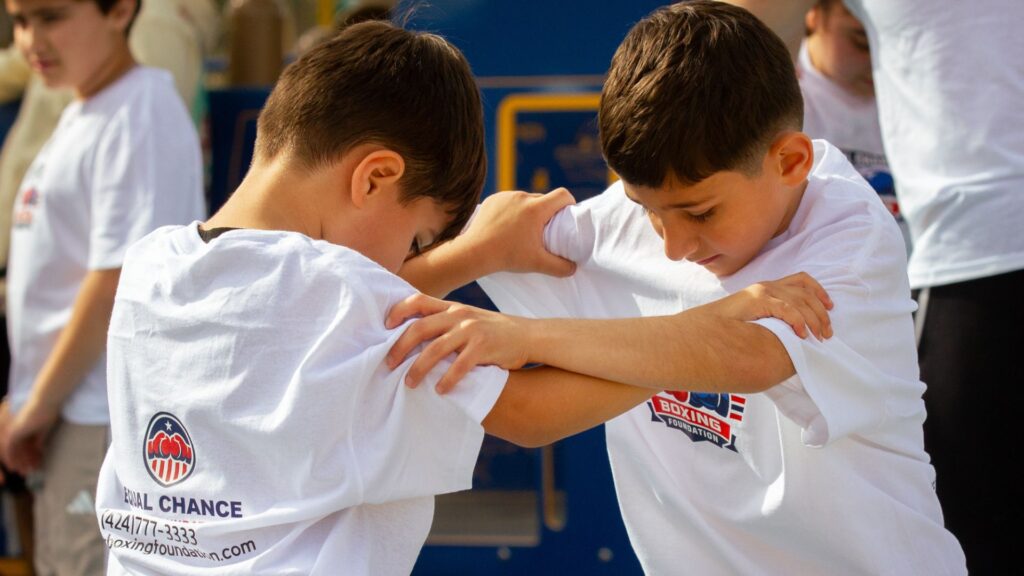
Community-Based Programs Build Belonging
Young people need belonging, but not all belonging is healthy. A teen who feels disconnected will look for connection somewhere. If a community does not create positive spaces, young people may find identity in places that do not guide them well. Free youth programs can offer a healthier kind of belonging, one built around effort, respect, routine, and shared growth.
Community sports are powerful because they create connection through action. Teens train together, struggle through drills together, learn from coaches together, and slowly become familiar with the people around them. A young person who might never start a conversation in a classroom may feel connected after working beside someone in training. A shy student may become more confident when they realize they are improving. A teen who feels invisible may begin to feel seen because the coach knows their name and notices their absence.
This is one reason Community Training is so important. Community training recognizes that youth development does not happen only inside one class. It grows through relationships between families, coaches, volunteers, supporters, and local partners. It helps create a network around young people so they are not left to navigate everything alone.
In communities where opportunity is uneven, belonging can be a form of protection. It gives young people a positive group to return to. It helps reduce isolation. It creates a place where standards are shared and progress is noticed. That kind of belonging cannot be bought with a single event. It has to be built through consistent access.
Uneven Opportunity Affects Confidence
When young people repeatedly see that certain opportunities are not available to them, it can affect how they see themselves. They may not say it out loud, but they notice who gets private coaching, who joins paid programs, who has gear, who gets rides, who attends camps, and who seems to have adults opening doors for them. Over time, unequal access can quietly become a message: this is not for you.
Free youth programs interrupt that message. They tell young people that opportunity is not only for those who can pay first. They give teens the chance to participate before insecurity becomes a permanent barrier. They allow a child to discover ability, discipline, and confidence through experience, not through comparison.
Confidence built through a program is different from empty praise. It comes from doing something difficult and returning to it. It comes from being corrected and realizing that correction is not rejection. It comes from finishing a workout that once felt impossible. It comes from a coach saying, “You are improving,” and the young person knowing it is true because they can feel the change.
A free program cannot guarantee confidence for every child, and it should not pretend to. But it can create conditions where confidence becomes possible. It can remove the first barriers, surround youth with healthier expectations, and give them a place to earn progress in a way that feels real.
Safe Programs Teach Discipline Without Shame
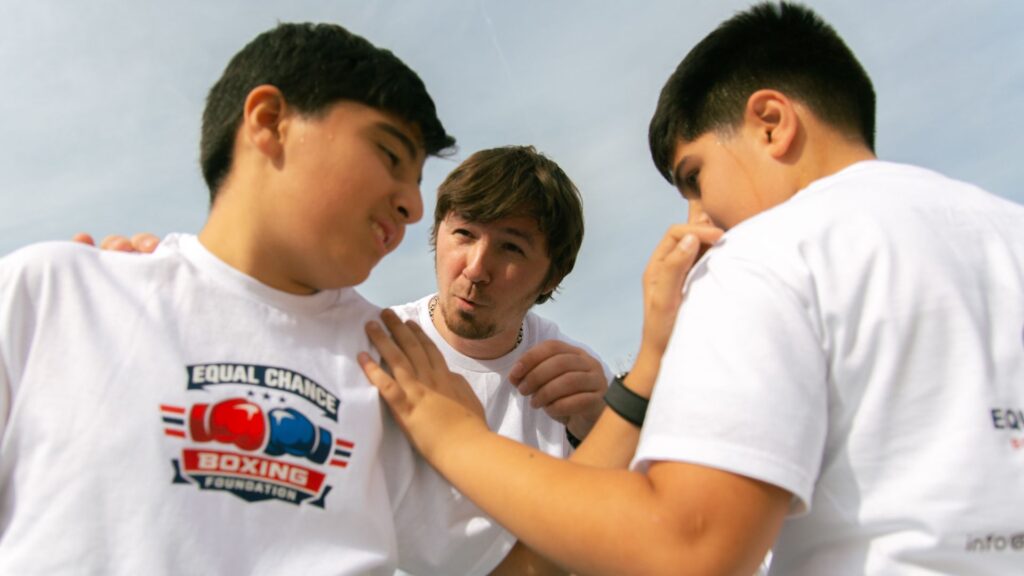
Some people hear the word discipline and think of punishment. But for youth development, discipline should mean something healthier. Discipline is the ability to return to what matters even when motivation fades. It is learning how to listen, practice, manage frustration, respect others, and keep going after mistakes. It is not humiliation. It is not fear. It is not adults using harshness to control children.
A free youth program worth trusting teaches discipline with dignity. It holds young people accountable, but it does not shame them for being young. It corrects behavior, but it does not label the child as a problem. It teaches standards, but it also teaches how to meet those standards step by step.
This is essential in communities where many young people already carry pressure. A teen may be dealing with family stress, financial instability, school frustration, peer pressure, or emotional heaviness they do not know how to explain. If a program adds shame to that burden, it may push them away. If it provides structure with respect, it may help them stay long enough to grow.
Boxing can teach this kind of discipline very clearly. A young person learns that every movement has a purpose. They learn that shortcuts show up quickly. They learn that control matters more than anger. They learn that respect is not optional. These lessons become valuable because they are practiced physically, repeatedly, and under guidance.
Donors and Sponsors Help Turn Concern Into Access
Many people care about young people in theory. They want teens to stay safe, active, and connected. They want families to have support. They want communities to be stronger. But concern becomes meaningful when it turns into access. Free youth programs require resources, and those resources come from people and organizations willing to stand behind the work.
Donors help make sure a program can remain accessible. Corporate sponsors help turn community responsibility into practical support. Their contributions can help provide equipment, coaching, facilities, outreach, scholarships, and consistent programming. Without that support, many free programs would not exist or would not be able to serve the families who need them most.
Through Corporate Sponsors, local businesses can invest in youth development in a way that reaches beyond branding. Sponsorship is not only about visibility. It is about helping build the structure around young people that families cannot always build alone. It is about supporting safer afterschool hours, healthier routines, mentorship, and real access.
For supporters, the question is not only, “What does my donation buy?” The deeper question is, “What does my support make possible?” It may make it possible for a teen to begin training. It may make it possible for a family to say yes. It may make it possible for a coach to keep showing up. It may make it possible for a child who felt left out to finally belong somewhere positive.

The Long-Term Impact Is Built Through Consistency
A free youth program does not create impact because a child attends once. Impact grows through repetition. A teenager returns week after week. A coach repeats the same standards. A student learns the routine. A parent begins to trust the environment. A donor continues supporting the work. Over time, the program becomes part of the young person’s life, not just an activity they tried.
Consistency matters because many young people live with inconsistency. Programs may start and disappear. Adults may make promises they cannot keep. Motivation may rise and fall. A steady youth program teaches something different. It says, “The door is still open. The work is still here. You are still expected. You can return.”
That message can be powerful for teens who are used to giving up quickly or assuming that support will not last. The repeated presence of a safe program can help them practice trust. They begin to understand that growth is not one emotional moment. It is a pattern. It is showing up, struggling, correcting, improving, and returning again.
’s example can be understood through this same lens. Boxing at a serious level is not built on easy success or talent alone. It requires routine over mood, discipline over excuses, learning from losses, respect for coaching, and the patience to keep working after mistakes. Young people need that honest lesson. They do not need false promises that everything will be easy. They need to see that progress is built through the long path.
[ecbf_donate_banner_4]
Free Programs Help Communities Act Before Crisis
Communities often respond when a young person is already in trouble, already disconnected, already failing, already hurt, or already facing consequences. Free youth programs offer a better approach. They create support earlier. They give young people structure before empty time becomes harmful. They create mentorship before isolation becomes deeper. They offer belonging before negative influences become more attractive.
This does not mean every teen who joins a program was headed toward crisis. That kind of language can be unfair and overly dramatic. Many young people simply need positive development, movement, friendship, challenge, and encouragement. But it does mean communities should not wait until a family is desperate before offering support. Prevention is not only about avoiding problems. It is about building healthier conditions for growth.
A free youth program can become one of those healthier conditions. It gives young people supervised activity, positive adult relationships, and a reason to stay connected. It helps parents feel less alone. It gives donors and sponsors a practical way to invest in the future of the community. It creates a shared answer to a shared responsibility.
When opportunity is uneven, communities have a choice. They can accept that some children will have access and others will not, or they can build bridges. Free youth programs are one of those bridges.
Why This Work Matters for Los Angeles Families
Los Angeles is a city of talent, movement, creativity, and ambition. But it is also a city where opportunity can sit unevenly from one neighborhood to another, one school to another, and one family to another. For families trying to raise teenagers in that reality, free youth programs are not small extras. They can be part of the support system that helps a young person stay active, connected, and guided.
A parent may not be looking for a champion. They may simply be looking for a safe place where their child can grow. They may want their teen to be more disciplined, less isolated, more confident, more respectful, or more willing to work through difficulty. They may want an adult outside the home to reinforce the same values they are trying to teach. They may want their child to have access to something positive that the family could not otherwise afford.
This is where Equal Chance Boxing Foundation’s mission matters. The work is not only about boxing. It is about using boxing as a pathway into mentorship, discipline, community, and opportunity. It is about recognizing that young people need more than talent and more than motivation. They need access. They need adults who show up. They need places where growth is possible.
Free youth programs matter because they turn belief into action. It is easy to say every child deserves a chance. It is harder, and more meaningful, to build a program that makes that chance real.
Step Into the Ring. Let’s Build Our Community Together.
For Parents: Reclaim Your Teenager’s Future
Stop relying on fleeting motivation and give your teenager the gift of true discipline. Leave the financial stress behind — Equal Chance Boxing Foundation provides access to structured youth boxing, mentorship, coaching, and a safe environment where young people can begin rebuilding confidence one step at a time.
Take the first step toward their mental and physical growth.
ENROLL IN OUR YOUTH BOXING PROGRAM TODAY
For Supporters: Fund a Life-Saving Mentor
These programs remain accessible because people choose to stand in the corner of young people who need structure, guidance, and opportunity. When you support low-income youth sports programs, you are not simply funding equipment — you are helping provide the mentorship, discipline, and consistency that many children cannot access on their own.
Be the steady hand in their corner.
DONATE TO THE EQUAL CHANCE BOXING FOUNDATION
For Community Partners: Take the Mentorship Beyond the Gym
Community impact grows when local leaders, businesses, and families work together. Through outreach, community training, and sponsorship support, Equal Chance Boxing Foundation helps bring coaching, structure, and encouragement closer to the youth who need it most.
LEARN ABOUT CORPORATE SPONSORSHIP
Questions?
We’ve got answers.
In neighborhoods where economic disparities limit access to extracurriculars, free programs like the Equal Chance Boxing Foundation level the playing field. By entirely removing financial barriers, these programs ensure that a teenager’s potential for growth, mentorship, and physical fitness is determined by their dedication and effort, not their family’s income.
When opportunities are scarce, teens can easily feel forgotten or marginalized. Providing free, high-quality mentorship from dedicated figures like shows these youth that they are valued. This consistent, positive adult support builds essential life skills like emotional regulation and self-worth, which can dramatically alter a teen’s life trajectory.
When teens know their family isn’t struggling to pay for their gym time or equipment, they can fully immerse themselves in the training. An ego-free, completely funded environment allows them to drop their guard, focus purely on their personal development, and build authentic connections with their peers without feeling self-conscious about their financial background.
Investing in free youth programs pays dividends for the entire community. When teens from underserved areas are given a safe space to thrive, they develop into accountable, confident leaders. This disrupts cycles of negative street influence and creates a more unified, resilient community where success and opportunity are accessible to everyone.