
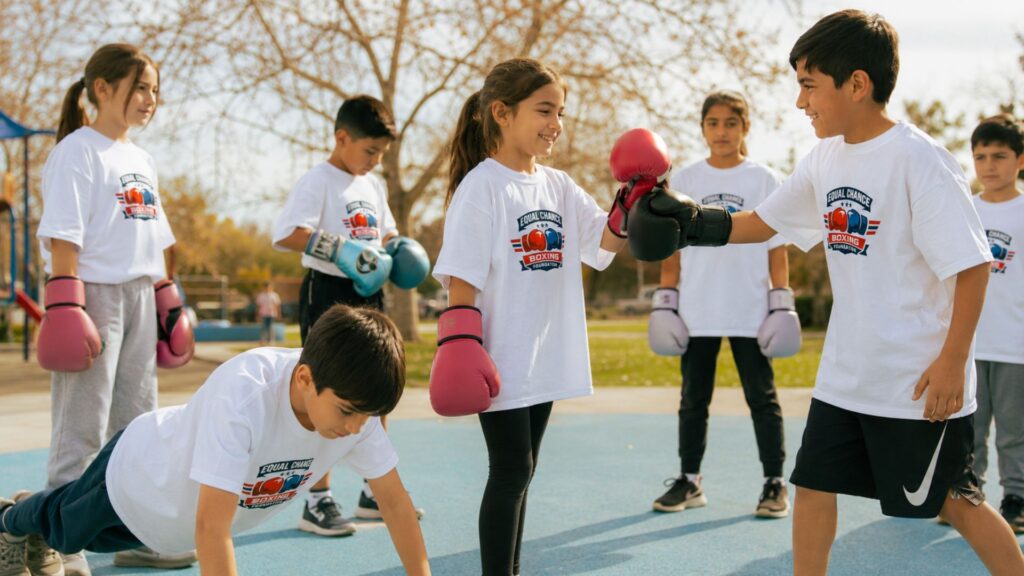
For many families in Los Angeles, the hours after school carry more weight than people realize. A teenager may leave campus at three o’clock, but the day is far from over. Parents may still be working, younger siblings may need attention, transportation may be complicated, and the teen may have several open hours with no clear structure. Those hours can become a place for rest, growth, movement, friendship, and mentorship. They can also become a place where isolation, boredom, screen time, frustration, and negative influences quietly take over.
When parents search for safe, free activities for teens after school in LA, they are often looking for more than a calendar of programs. They are looking for peace of mind. They want to know that their child has somewhere positive to go, that the adults in the room are trustworthy, that the environment is supervised, and that the activity will help their teenager become more confident, active, disciplined, and connected. The word “free” matters because many families cannot afford private sports, club teams, tutoring, or expensive youth programs. But “safe” matters even more because a free program should never mean a careless program.
A strong after-school activity does not need to be fancy to be meaningful. It needs to be consistent, respectful, structured, and built around real youth development. For teenagers, especially those who are tired, distracted, angry, insecure, isolated, or unsure where they belong, the right program can offer a different kind of environment. It can give them a routine when the day feels scattered, a mentor when they need guidance, and a positive place to put their energy when they do not know what to do with it.

Why After-School Hours Matter So Much for LA Teens
The after-school window is one of the most important parts of a teenager’s day because it sits between the structure of school and the responsibilities of home. For some teens, those hours are filled with sports, homework, family routines, or supervised programs. For others, they are empty. Empty time is not automatically dangerous, but when a young person has no direction, no trusted adults nearby, and no meaningful activity to return to, the week can begin to drift.
Los Angeles families know that the city offers opportunity, but access is not equal. Some parents can pay for private lessons, transportation, competitive leagues, camps, and enrichment programs. Other parents are working hard just to keep the household stable and cannot add another monthly fee. A teen may have talent, energy, and a real need for connection, but the family budget may close doors before the child ever gets to try. That is why free and low-cost youth programs matter so deeply. They do not simply fill time; they protect access.
For teens, the right after-school program can become a steady point in the week. They know where they are supposed to be. They know someone will notice whether they show up. They have a reason to leave the house, move their body, and be around people who expect effort from them. This kind of rhythm may sound simple, but for a young person who feels disconnected or unmotivated, it can become one of the first steps toward rebuilding discipline.
[ecbf_donate_banner_1]
Free Should Still Mean Safe, Organized, and Respectful
Parents should never feel that because a program is free, they have to accept lower standards. A free activity for teens should still be organized. It should still have responsible adults. It should still explain what happens during the program, how students are supervised, how behavior is handled, and what families can expect. When an organization serves youth, especially teenagers, structure is not optional. It is part of safety.
A safe program has a culture that parents can feel. The room may be energetic, loud, and active, but it should not feel chaotic. Teens may be challenged, but they should not be humiliated. Coaches or mentors may be firm, but they should not be cruel. The program should welcome beginners without lowering expectations. A teenager should be able to walk in unsure of themselves and still feel that there is a clear path to participate.
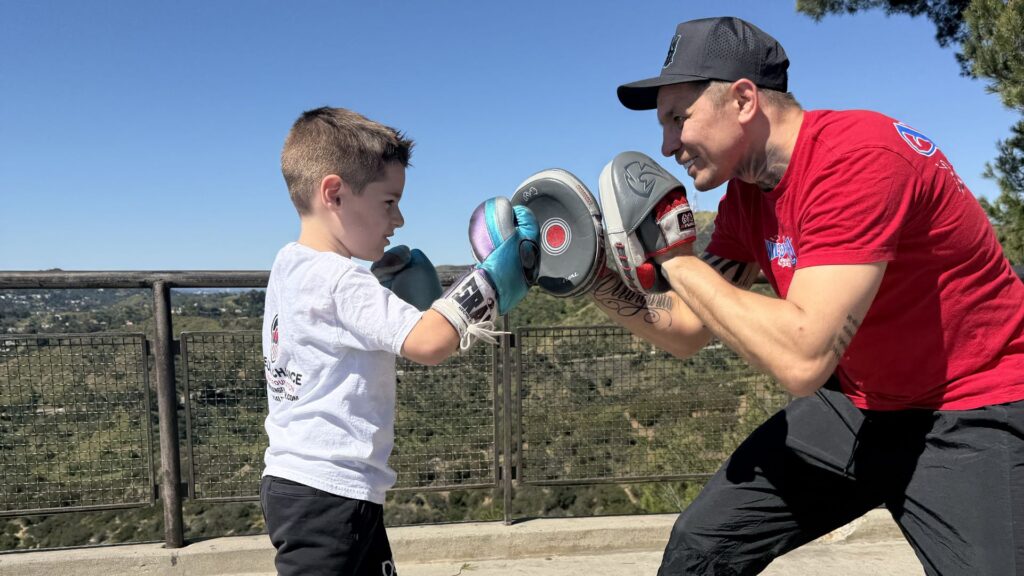
This is especially important in sports-based programs. Movement, training, and competition can be powerful tools for youth development, but only when adults guide them responsibly. A safe youth boxing program, for example, should not teach aggression or street fighting. When taught well, boxing is a discipline of control, listening, timing, respect, and self-awareness. It helps young people understand that strength without discipline is unstable and that power must be guided by responsibility.
That is the deeper purpose behind programs like the Youth Boxing Program at Equal Chance Boxing Foundation. The goal is not only to keep teens active after school. The goal is to help them practice discipline, respect, consistency, and emotional control in a supervised environment where mentors can guide them instead of judging them.
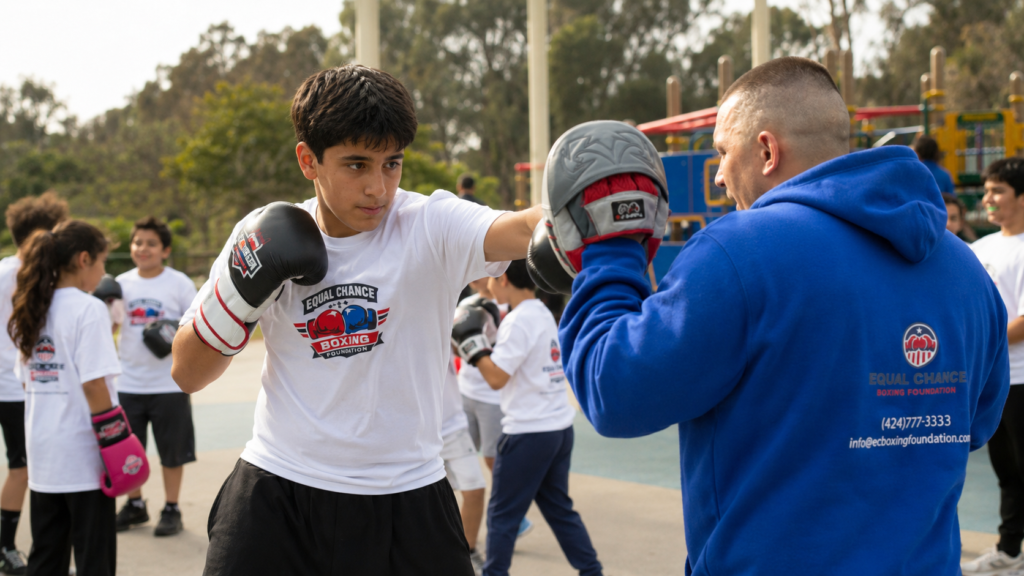
Parents Should Look for Adults Who Know How to Guide Teens
The most important part of any after-school program is not the building, the equipment, or even the activity itself. It is the adults in the room. Teenagers are shaped by the people who correct them, encourage them, challenge them, and notice when something changes. A safe program should have adults who understand that teens are not little children, but they are not adults either. They need respect, but they also need boundaries. They need freedom, but they also need direction.
A good mentor does not shame a teenager for struggling. Many teens carry frustration in ways adults can misread. A quiet teen may not be lazy; they may be overwhelmed. A teen with attitude may not be disrespectful at the core; they may be protecting themselves from embarrassment. A teen who acts like they do not care may be afraid to fail in front of others. The right adult can see beyond the surface without excusing bad behavior.
In a strong after-school environment, correction is clear and respectful. A coach can tell a student to try again without making them feel worthless. A mentor can address disrespect without turning it into a public humiliation. A program can hold young people to high standards while still making them feel that they belong. This balance is one of the strongest signs that a program is worth trusting.
For many teenagers, mentorship works best when it is connected to action. They may not respond to long speeches, but they may understand a lesson when it comes through training. “Breathe” becomes a lesson about control. “Slow down” becomes a lesson about patience. “Listen first” becomes a lesson about respect. “Come back tomorrow” becomes a lesson about consistency. These simple words, repeated in the right environment, can begin to shape how a young person responds to pressure outside the program too.
Safe Activities Should Help Teens Feel Connected, Not Just Busy
Keeping a teenager busy is not the same as helping them feel connected. A program can fill an afternoon and still leave a young person feeling invisible. The strongest youth activities create belonging. They give teens a place where their name is known, their effort is noticed, and their presence matters.
Connection is especially important because many teens experience isolation even when they are surrounded by people. Social media can create constant contact without real closeness. Group chats, videos, games, and scrolling can fill hours without helping a teen feel seen. After school, that isolation can deepen if a young person has nowhere meaningful to go and no one expecting them.
Community sports and mentorship programs can interrupt that isolation because they require presence. A teen has to show up in the room. They have to listen, move, respond, practice, and interact with people in real time. Over time, the routine creates relationships. A student recognizes the coach. The coach remembers the student. Other teens become familiar. The space begins to feel less intimidating and more like a place where growth is possible.
Programs connected to Community Training can help families see youth activities as part of a larger support system. When training is rooted in community, it is not only about exercise. It is about surrounding young people with positive expectations, safe relationships, and opportunities to belong to something healthier than isolation.
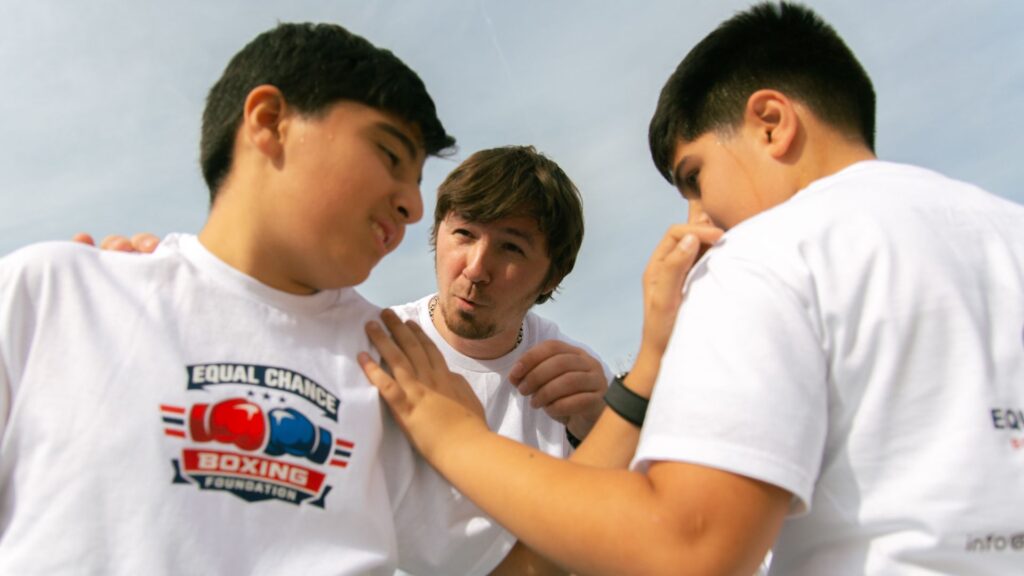
Families Need Programs That Understand Financial Pressure
For many LA families, cost is one of the biggest barriers to after-school activities. Even when parents want their child involved, the expenses can become overwhelming. Registration fees, uniforms, gloves, shoes, transportation, meals, and monthly payments can quietly turn a good opportunity into something unreachable. This is one reason free youth programs are so important, especially for families who already feel stretched.
A trustworthy free program does more than remove the fee. It removes the shame that often comes with not being able to afford access. A teenager should not feel that opportunity belongs only to families with extra money. A parent should not have to choose between a household bill and a safe activity for their child. When a nonprofit creates free or accessible programming, it sends a message that the child’s development matters regardless of income.
This does not mean free programs are free to operate. Coaches, facilities, equipment, insurance, outreach, transportation support, and program organization all require resources. Someone has to stand behind the work. When supporters give through Donate, they are helping sustain the structure that allows young people to participate without placing the full financial burden on families.
That support matters because the real gift is not only a pair of gloves, a training space, or a program hour. The deeper gift is access to consistency. A teen gets somewhere to go after school, a mentor to listen to, a routine to follow, and a community that believes their future is worth investing in.
A Good Program Gives Teens Structure Without Making Them Feel Trapped
Teenagers often resist structure when it feels like control for the sake of control. They may push back against rules, schedules, or adult expectations, especially if those expectations come with criticism. But the truth is that teens need structure, even when they do not know how to ask for it. They need routines that help them understand what to do next. They need boundaries that make the environment predictable. They need adults who are steady enough to keep the standard even when the teen’s mood changes.
A strong after-school activity gives structure in a way that feels purposeful. The teen arrives, checks in, prepares, listens, participates, receives correction, practices, and returns. Over time, this rhythm can become part of how they understand responsibility. They learn that showing up matters. They learn that progress is built by repetition. They learn that being corrected is not the same as being rejected.
In boxing and other community sports, structure becomes physical. A teen cannot fake balance. They cannot rush their breathing forever. They cannot improve without listening. They learn through movement that discipline is not just an idea adults talk about; it is something that affects how they perform, how they recover, and how they treat others.
This is why structured youth programs can be especially valuable after school. A teenager may be mentally tired from the classroom, but their body still needs movement and their mind still needs direction. A good program gives both without turning the afternoon into another lecture.
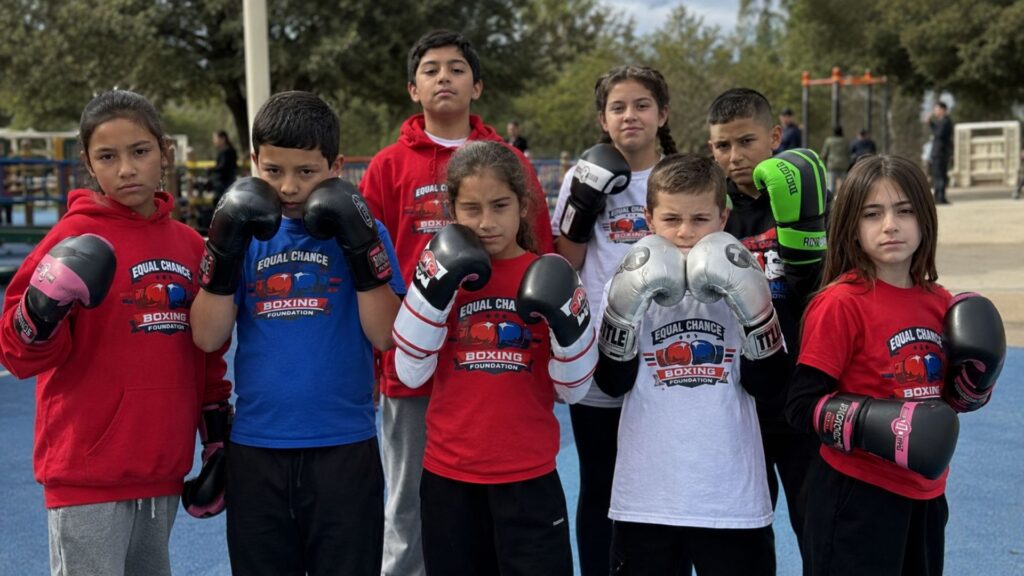
Safety Includes Emotional Safety and Dignity
When parents think about safety, they often think about supervision, location, equipment, and injury prevention. Those things matter. But emotional safety matters too. A teenager can be in a supervised space and still feel mocked, ignored, embarrassed, or disrespected. A program that humiliates kids may keep them busy, but it will not build trust.
A safe after-school program protects dignity. It allows a teen to begin without being good yet. It lets a young person make mistakes without being labeled a failure. It teaches respect in both directions: students respect coaches and peers, and adults respect the humanity of the students. This does not mean the program becomes soft. It means discipline is used to build, not to break.
Many teens already feel judged in other parts of life. They may be judged by grades, appearance, money, athletic ability, language, attitude, neighborhood, or family situation. A youth program should not add another layer of shame. It should create a different kind of space, one where the teen is challenged but not reduced to their worst moment.
For parents visiting a program, small details can reveal emotional safety. Notice whether adults use sarcasm to control students. Notice whether beginners are ignored. Notice whether stronger students are allowed to dominate weaker ones. Notice whether correction sounds like guidance or humiliation. These details show the culture of the program more clearly than any brochure can.
After-School Programs Can Support Emotional Regulation, But Should Not Overpromise
Many parents look for activities because their teen is struggling emotionally. They may see anger, anxiety, low confidence, withdrawal, restlessness, or a lack of motivation. Movement, routine, mentorship, and community can support many young people by helping them feel more grounded and less alone. A safe sports program can give a teen a healthy place to release energy, practice self-control, and experience positive pressure.
At the same time, a responsible organization should be honest. Youth sports, including boxing, are not a substitute for professional medical or mental health care when a child needs it. A program should not claim to cure anxiety, depression, ADHD, trauma, or behavioral disorders. Those kinds of promises are not only irresponsible; they can damage trust.
What a strong program can offer is structure. It can offer supervised movement, consistent adult guidance, peer connection, routine, and a place where a teenager can practice handling pressure. These supports can be meaningful, especially when they work alongside family support, school resources, and professional care when needed.
Parents should trust programs that speak carefully. Honest language is a sign of maturity. A nonprofit that knows its role clearly is more trustworthy than one that promises to solve everything.
Location Matters, But Trust Matters More
Los Angeles is large, and transportation can shape what is realistic for families. A program may be excellent, but if it is too far away, too difficult to reach after school, or too complicated for a working parent’s schedule, it may not be accessible. Families often need activities that are close enough to become consistent, not just interesting once.
Studio City, LA County, and the surrounding Los Angeles communities all have families looking for safe youth opportunities. But the best program is not always the nearest one, and the nearest one is not automatically the safest. Parents have to weigh location with trust. Is the program supervised? Does it communicate clearly? Are the adults respectful? Does the environment feel organized? Can the teen realistically attend often enough for the program to matter?
A local youth sports nonprofit has an advantage because it is rooted in a real community. It is not simply offering a one-time event or a short burst of activity. It can become part of a family’s weekly rhythm. The more consistent the access, the more likely the program is to help a teen build habits.
This is why after-school and community programs should not be treated as extra luxuries. For many families, they are part of the support system that helps young people stay connected, active, and guided during the hours when they need it most.
Afterschool Mentorship Is Different From Simple Recreation
Recreation is valuable. Teens need joy, movement, play, and relief from school pressure. But mentorship adds another layer. A mentored activity does not only ask, “Did the teen have something to do?” It asks, “Did the teen have someone guiding them while they did it?”
Afterschool mentorship can help teens process effort, frustration, correction, and growth. It gives adults the chance to notice patterns. A mentor may see when a student is losing motivation, when anger is getting in the way, or when a young person is starting to believe in themselves. These observations matter because they help the program respond to the person, not just the behavior.
The Summer & Afterschool Mentorship Camp reflects this deeper idea. Young people need support during the gaps when school is not enough and family schedules are stretched. A structured program can help turn after-school hours and seasonal breaks into time for movement, mentorship, discipline, and connection.
For parents, this means the best free activity may not be the one with the most exciting flyer. It may be the one where adults are paying attention. A teen may not remember every drill, game, or exercise, but they will remember whether someone expected them to grow.
Parents Can Learn a Lot From the First Visit
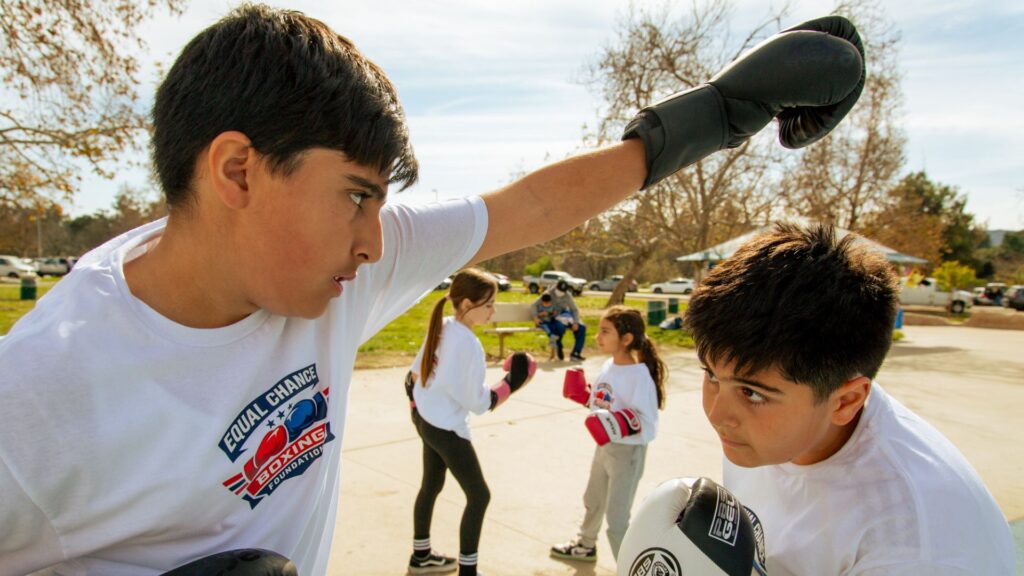
A first visit does not reveal everything, but it can reveal enough to help a parent decide whether to keep asking questions. When visiting a free after-school activity, parents should observe the room carefully. The program does not need to be perfect, but it should feel intentional. There should be a sense of order. Students should know who is leading. Adults should be active, present, and aware.
The way a program handles beginners matters. If a new teen walks in and no one explains what to do, that is a concern. If the program throws them into the middle without orientation, that may be unsafe. If the coach takes a moment to welcome them, explain expectations, and place them appropriately, that shows care.
Parents should also notice how the program handles behavior. Teenagers test boundaries. That is normal. The question is not whether every student behaves perfectly. The question is whether the adults know how to respond. A safe program addresses disrespect quickly and fairly. It does not ignore unsafe behavior, but it also does not turn every correction into a public punishment.
The first visit should leave a parent feeling that their teen will be challenged and protected at the same time. That balance is not easy, but it is essential.
Donors and Sponsors Help Keep Safe Options Open
Safe, free after-school activities require community support. Families may not pay the full cost, but the cost still exists. Coaches need time. Facilities need to stay open. Equipment needs to be maintained. Outreach needs to reach families who may not know help is available. Programs need planning, leadership, communication, and consistency.
This is where donors and sponsors become part of the safety system. Their support helps keep doors open for young people who need structured places to go after school. They help make sure that opportunity is not limited to families with extra income. They help create the conditions where mentorship can happen repeatedly, not just once.
For local businesses, Corporate Sponsors is not only a chance to support a nonprofit. It is a way to invest in the next generation of Los Angeles. When teens are active, connected, and guided, the benefit reaches beyond one family. Schools, neighborhoods, and communities all gain when young people have healthier places to spend their time.
A sponsor is not simply funding an activity. They are helping provide structure during hours that matter. They are helping create a safer bridge between school and home. They are helping make sure a teen has somewhere positive to return to.

The Best Free Activity Is One a Teen Can Keep Returning To
An activity does not change a teenager’s life because they attend once. Growth comes through repetition. The best after-school program is one a teen can keep returning to, week after week, until the routine becomes familiar and the relationships become real. Consistency is where trust grows.
A teen may not seem excited at first. They may act indifferent. They may complain about being tired. They may miss a class and need encouragement to return. That does not mean the program is failing. Many young people need time before they feel safe enough to fully participate. A strong program understands this and keeps the door open without lowering the standard.
Over time, repeated participation can teach lessons that a single event cannot. A teen learns that effort matters even when they are not in the mood. They learn that progress is slower than social media makes it seem. They learn that mistakes can be corrected. They learn that adults can be firm and still care. They learn that belonging is built by showing up.
That is why families should look for programs that are stable, not just exciting. A big event may inspire a teen for a day, but a steady program can help shape a season of life.
[ecbf_donate_banner_4]
and the Lesson of Consistent Work
In youth boxing, the example of can be meaningful when it is used honestly. His story should not be presented as a fantasy of easy success or instant transformation. Boxing at a serious level is built through routine, discipline, correction, losses, recovery, and respect for coaching. Those are the lessons young people need most.
Many teens see only finished results. They see highlights, success, confidence, and recognition. They do not always see the ordinary work behind those moments. A good coach can help them understand that growth is built in the repeated days when no one is cheering. It is built when a student returns after a hard practice, listens after a correction, and keeps working when progress feels slow.
This lesson is valuable for all teens, not only those who want to become athletes. Life will ask them to handle frustration, follow instructions, recover from mistakes, and keep going when motivation is weak. A safe after-school sports program gives them a place to practice those skills in a structured environment.
The message is simple but powerful: talent is not enough, mood is not enough, and one good day is not enough. What matters is the willingness to return to the work.
Safe, Free Activities Are Part of a Bigger Community Responsibility
Parents play a central role in guiding their children, but families should not have to carry the entire weight alone. Youth development is a community responsibility. Schools, nonprofits, coaches, donors, local businesses, churches, civic leaders, and neighbors all have a role in creating safer pathways for young people.
When teens have access to safe, free activities after school, the whole community benefits. Young people are less isolated. Families feel more supported. Positive adult relationships become easier to build. Empty hours become structured hours. A child who may have felt overlooked begins to feel expected.
This does not mean every problem disappears. No program can promise that. But safe activities create better conditions for growth. They give young people a place where their energy can move, their confidence can develop, and their choices can be shaped by healthier influences.
For LA families, finding the right program may take effort, but the search is worth it. The goal is not simply to keep a teenager occupied. The goal is to help them stay connected, active, and supported during a part of the day that can quietly shape who they become.
What Families Should Remember When Choosing a Program
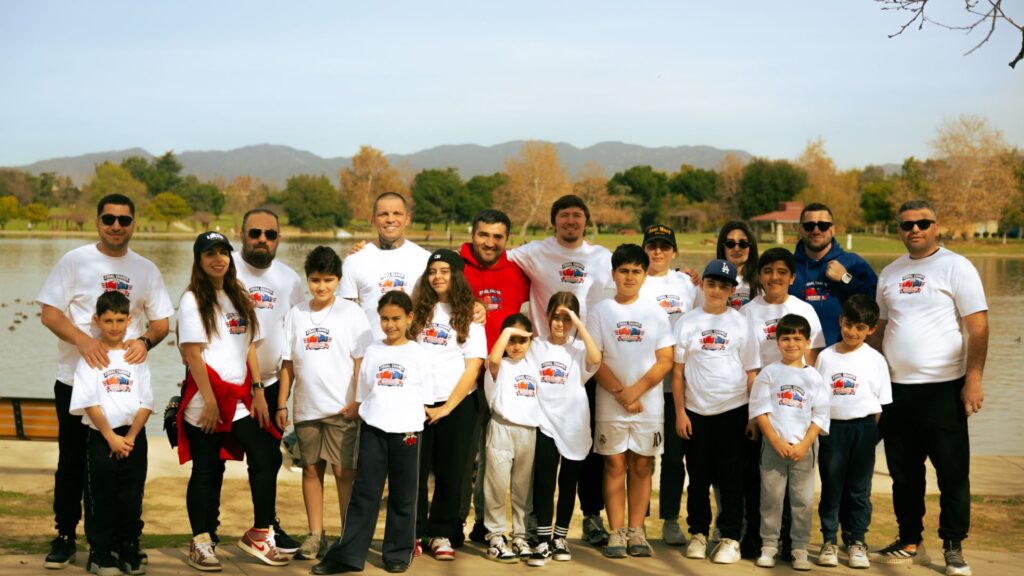
The safest free activity is not always the one with the most polished advertisement. It is the one where adults are present, expectations are clear, beginners are welcomed, families are respected, and teens are treated with dignity. Parents should trust what they observe. A healthy program usually feels steady. It may be energetic and demanding, but it should not feel careless.
Families should remember that a teenager does not need to be confident before starting. They do not need to already be athletic. They do not need to have everything figured out. The right program gives them a place to begin and a reason to return. It helps them experience discipline not as punishment, but as a path toward self-respect.
Safe, free after-school activities matter because they meet teenagers at a real point of need. They step into the hours when young people can either drift or grow. They offer mentorship where there may be silence, movement where there may be isolation, and structure where there may be uncertainty.
For families in Los Angeles, that kind of support is more than helpful. It can become one of the steady forces that helps a young person stay connected to themselves, to their community, and to a better future.
Step Into the Ring. Let’s Build Our Community Together.
For Parents: Reclaim Your Teenager’s Future
Stop relying on fleeting motivation and give your teenager the gift of true discipline. Leave the financial stress behind — Equal Chance Boxing Foundation provides access to structured youth boxing, mentorship, coaching, and a safe environment where young people can begin rebuilding confidence one step at a time.
Take the first step toward their mental and physical growth.
ENROLL IN OUR YOUTH BOXING PROGRAM TODAY
For Supporters: Fund a Life-Saving Mentor
These programs remain accessible because people choose to stand in the corner of young people who need structure, guidance, and opportunity. When you support low-income youth sports programs, you are not simply funding equipment — you are helping provide the mentorship, discipline, and consistency that many children cannot access on their own.
Be the steady hand in their corner.
DONATE TO THE EQUAL CHANCE BOXING FOUNDATION
For Community Partners: Take the Mentorship Beyond the Gym
Community impact grows when local leaders, businesses, and families work together. Through outreach, community training, and sponsorship support, Equal Chance Boxing Foundation helps bring coaching, structure, and encouragement closer to the youth who need it most.
LEARN ABOUT CORPORATE SPONSORSHIP
Questions?
We’ve got answers.
In a sprawling, expensive city like Los Angeles, many high-quality after-school programs come with steep registration fees, monthly dues, and equipment costs. This financial barrier can leave teens with limited options, making it difficult for families to find structured, supervised environments where their children can safely spend their afternoons.
Parents should look for programs that offer a highly structured environment, clear boundaries, and dedicated mentorship. Organizations like the Equal Chance Boxing Foundation prioritize these elements, creating an ego-free sanctuary where teens learn discipline, respect, and emotional regulation, rather than just providing unstructured playtime.
Boxing requires intense focus and physical exertion, which naturally channels a teenager’s excess energy and daily anxiety into positive growth. By attending a free program like ECBF, teens are engaged in rigorous, supervised training during the most vulnerable after-school hours, keeping them active, connected to peers, and away from negative neighborhood influences.
Families should always ask upfront about hidden costs like uniforms, specialized gear, or mandatory competition fees. A genuinely accessible program removes all financial hurdles. At the Equal Chance Boxing Foundation, everything from the professional coaching to the gloves and hand wraps is provided completely free of charge, ensuring every LA teen has an equal opportunity to thrive.