
When a teenager begins missing responsibilities, staying awake too late, losing interest in school, spending long hours behind a screen, or reacting angrily to ordinary questions, many parents respond in the most natural way they know: they talk. They explain why grades matter, why sleep matters, why respect matters, and why today’s choices can shape the future. These conversations usually come from love and concern. Parents are not trying to criticize their children for the sake of criticism. They are trying to protect them from mistakes, disappointment, and consequences that may become harder to correct later.
The difficulty begins when the same conversation happens again and again without producing lasting change. The parent speaks with increasing urgency, while the teenager listens less carefully, becomes defensive, or stops responding altogether. Both sides leave the conversation frustrated. The parent may feel ignored or disrespected, while the teenager may feel that every interaction has become another reminder of what they are doing wrong. At that point, the problem may not be a lack of advice. The teenager may already understand the message. What they lack is a dependable environment where they can practice the habits the parent is asking them to build.

The Difference Between Knowing and Doing
Most teenagers already know that they should complete their schoolwork, sleep at a reasonable time, limit harmful distractions, stay physically active, and treat people respectfully. They have heard these messages from parents, teachers, and other adults for years. The challenge is not always understanding what is right. The challenge is turning that understanding into repeated action, especially when motivation is low, emotions are strong, or no one is immediately holding them accountable.
A teenager may agree that a healthier routine would help and still struggle to organize the day. They may genuinely plan to complete an assignment but become distracted after opening their phone. They may promise to exercise but lose interest when the activity feels uncomfortable. They may want to control their temper but react before they have time to think. These struggles do not automatically mean the teenager is lazy or unwilling to improve. They may mean that the young person has not yet developed the structure required to make better choices consistently.
Structure helps because it reduces the number of decisions the teenager has to make in the moment. A regular schedule creates a clear starting point. A coach or mentor creates accountability outside the home. A training session creates a sequence: arrive, prepare, warm up, listen, practice, recover, and return. Instead of relying on a sudden burst of motivation, the teenager begins following a routine that continues even when the day feels difficult.
Structure Is Not the Same as Punishment
When parents hear that a teenager needs more structure, they may assume they need stricter rules, more restrictions, or stronger consequences. Healthy structure is not the same as controlling every part of a young person’s life. It is not constant surveillance, humiliation, or punishment. Structure is predictability. It gives the teenager a clear understanding of what is expected, when responsibilities should be completed, and what support is available when they struggle.
A structured environment communicates that standards matter, but it also gives the young person a practical way to meet those standards. It does not simply say, “Be more disciplined.” It creates a schedule where discipline must be practiced. It does not only say, “Learn to control yourself.” It places the teenager in situations where they must listen, pause, follow instructions, and continue after frustration. It does not demand perfection. It teaches the student how to recover from mistakes without abandoning the process.
Healthy physical discipline should also never be confused with physical punishment. In youth sports, discipline means learning how to manage energy, follow safety rules, respect other participants, and complete difficult work without losing control. The purpose is development, not fear. A trustworthy program can be demanding while still protecting the dignity of every child.
Signs Your Teen May Need More Structure
There is no single behavior that proves a teenager needs a structured program. Adolescence naturally includes changes in mood, sleep, communication, friendships, and independence. However, parents may begin to notice patterns that suggest the young person needs more than another serious conversation.
One common sign is that the teenager understands expectations but repeatedly fails to follow through. They may apologize sincerely, promise to change, and improve for a few days before returning to the same routine. This can happen because motivation is temporary. A teenager may feel inspired after a difficult conversation, but inspiration fades when the next distraction, conflict, or uncomfortable task appears. Structure provides support after the emotional moment has passed.
Another sign is that most conflict happens during unplanned hours. The time after school, long weekends, and summer breaks can become difficult when the teenager has no clear destination or responsibility. A young person may spend hours scrolling, gaming, sleeping at irregular times, or moving between unfinished tasks. None of these activities is automatically harmful, but when they become the entire routine, the teenager may gradually feel less energetic, less confident, and less capable of beginning anything challenging.
Parents may also notice that their teenager responds better to adults outside the family. A teen who argues about every request at home may listen carefully to a respected teacher, employer, coach, or mentor. This does not mean the parent has failed. Teenagers are developing independence, and they often benefit from hearing important values reinforced by adults who are not part of the emotional history of the household.
[ecbf_donate_banner_1]
Why Repeated Lectures Often Stop Working
Parents usually lecture because they are worried. They see a teenager losing focus, becoming isolated, or making choices that could create serious consequences. They want the young person to understand the urgency of the situation. But when the same message is repeated too often, the teenager may begin hearing only disappointment. Even thoughtful advice can feel like rejection when every conversation focuses on what is wrong.
A teen who already feels unsuccessful may become especially defensive. They may know that their grades are falling or that they are wasting too much time, but they may not know how to change. When an adult repeats the final goal—be responsible, get organized, stop making excuses—the distance between the teenager’s current behavior and the expected behavior can feel overwhelming. The young person may protect themselves by pretending not to care.

Structure offers a different kind of feedback. In a training environment, correction is usually immediate and specific. A coach does not need to describe the teenager as irresponsible or unfocused. The coach can say, “Reset your stance,” “Listen to the instruction,” or “Finish the round.” The student is given a clear action instead of a negative identity. They can try again immediately and experience the difference between the mistake and the correction.
This is one reason mentors can sometimes reach a teenager in ways that parents cannot. A mentor’s guidance is connected to a shared activity. The teenager can see why the instruction matters and what happens when it is ignored. The lesson becomes practical instead of personal.
Boxing Makes Discipline Visible
Boxing can be a powerful structured activity because it gives young people honest and immediate feedback. A teenager quickly learns that uncontrolled anger does not improve technique. Rushing does not create better balance. Physical strength cannot replace timing, attention, or patience. If the student stops listening, the movement becomes less effective. When the student breathes, resets, and follows instruction, improvement becomes easier to feel.
Responsible youth boxing is not about teaching teenagers to fight at school, at home, or on the street. Boxing is a controlled sport with rules, supervision, safety expectations, and respect for training partners. A trustworthy program teaches young people that strength must be managed and that boxing skills belong inside a structured training environment. The goal is not to encourage aggression. The goal is to help the teenager understand their energy and develop the control required to use it responsibly.
For a young person who is angry, restless, or easily frustrated, physical movement can provide a positive outlet. The teenager is not shamed for having strong energy. Instead, that energy is given direction. The young person learns that being powerful is not the same as being uncontrolled. They begin to experience discipline as something that improves performance rather than something adults use to punish them.
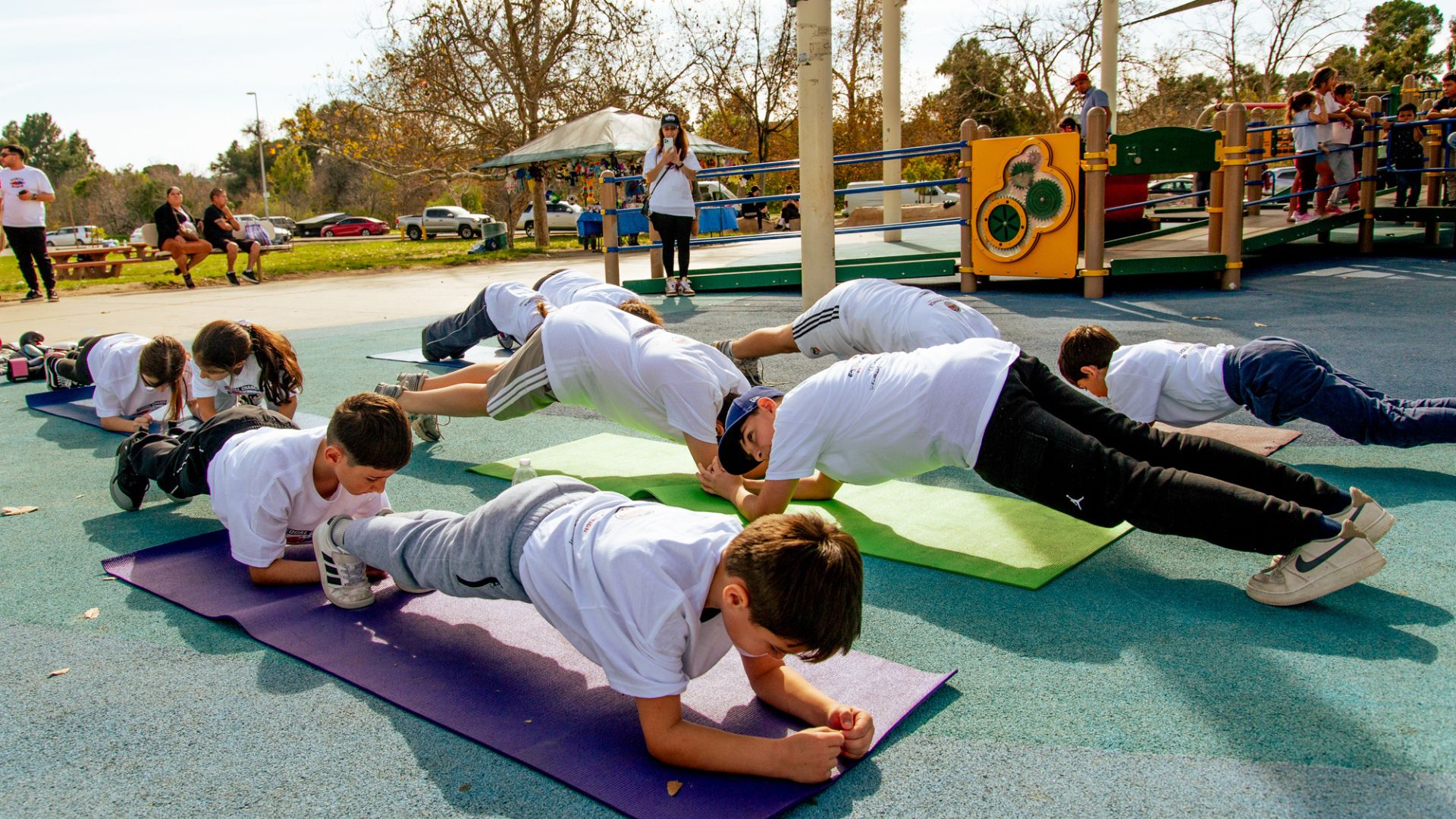
Equal Chance Boxing Foundation’s Youth Boxing Program gives young people access to structured training, coaching, and mentorship in a safer environment.
A teenager does not need to arrive confident, athletic, or experienced. The first responsibility is simply to show up, listen, and remain willing to learn. Progress begins with small actions: preparing for class, arriving on time, respecting the space, completing the warm-up, and trying again after correction.
A Mentor Can Reinforce What Parents Are Already Teaching
Teenagers do not stop needing adults when they begin seeking independence. They simply become more sensitive to the way guidance is delivered. Advice from a parent may carry years of emotion, previous disagreements, and unresolved tension. The same principle, communicated by a respected coach during training, may be easier for the teenager to accept.
A mentor is not a replacement for a parent. The mentor strengthens the values the family is already trying to build. When a coach expects punctuality, respect, effort, and honesty, the teenager experiences those expectations in another part of life. The message is no longer coming from one worried parent. It becomes part of a broader environment where responsible behavior has a clear purpose.
Mentors may also see strengths that are difficult to recognize at home. A teenager who appears unmotivated in the household may work hard when the task is specific and physical. A student who struggles to sit through long explanations may respond well to short instructions followed by immediate practice. A teen who seems withdrawn may become more engaged when they are given a meaningful role in a group.
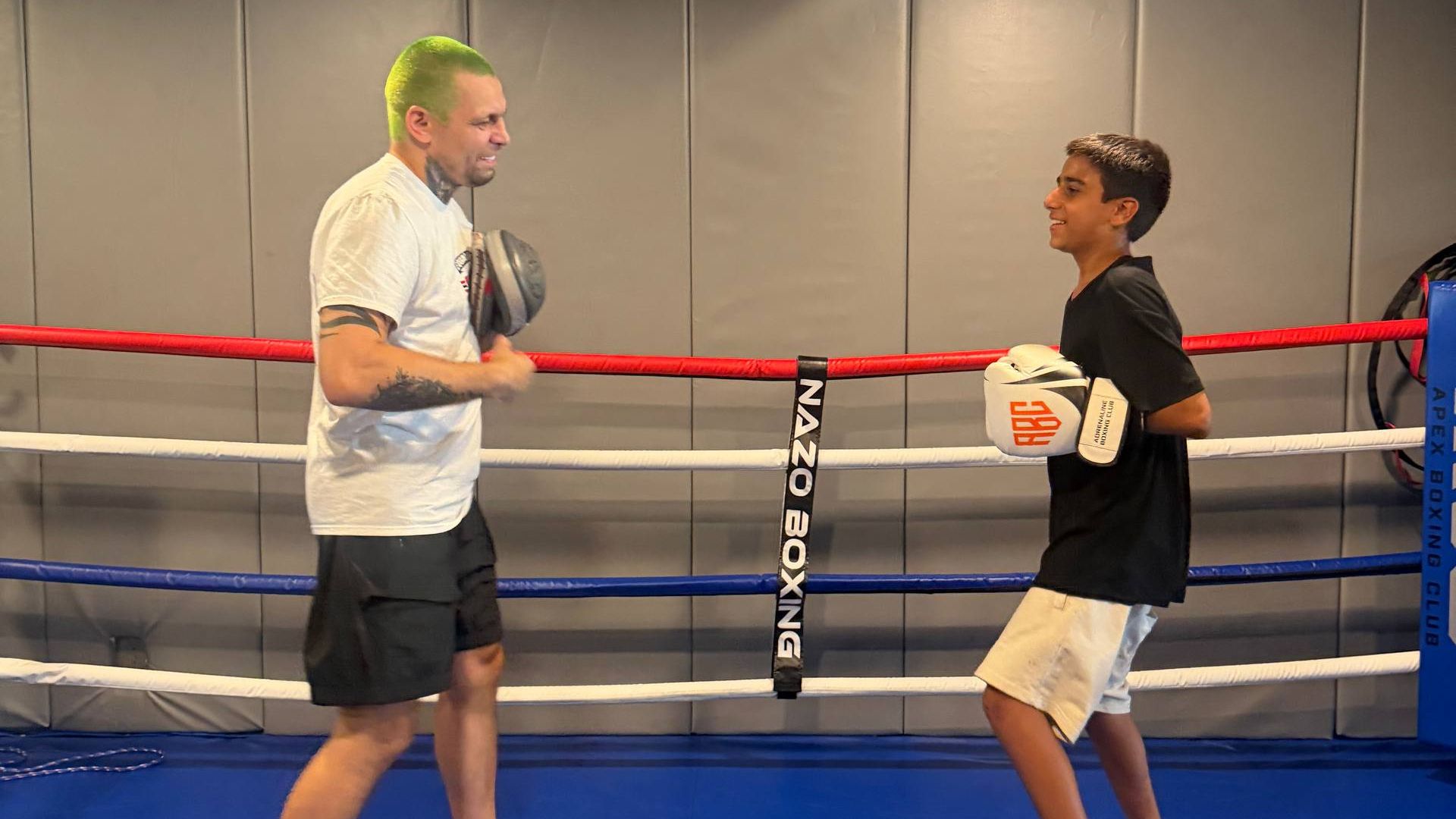
Professional boxer can offer young people an example of why routine matters more than mood. Serious boxing requires repetition, patience, respect for coaching, and the ability to continue after setbacks. The lesson is not that every child should become a professional boxer. The lesson is that progress is rarely created by one emotional promise. It grows through repeated effort and the willingness to return.

Structure Creates Small Wins That Build Real Confidence
Parents often hope for a major transformation. They want their teenager to become more organized, confident, respectful, healthy, and motivated. But meaningful youth development usually happens through smaller changes that accumulate over time.
A teenager begins arriving on time without being reminded. They prepare their equipment before leaving home. They complete a difficult warm-up even though they want to stop. They accept correction without immediately becoming defensive. They return to training after having a bad session. These moments may not appear dramatic, but they give the teenager evidence that change is possible.
This evidence is important because confidence built through effort is stronger than confidence based only on praise. A teenager may not believe a general statement such as, “You can do anything.” They may believe the fact that they completed a drill that seemed impossible several weeks earlier. They may trust a coach’s approval because it follows real work. The young person begins to see themselves as someone who can improve, not because an adult delivered another speech, but because they have experienced progress.
A good structured environment also allows teenagers to have difficult days without losing their place. The student may arrive tired, distracted, frustrated, or unmotivated. The routine still provides a next step: prepare, warm up, listen, begin. This teaches the teenager that emotions are real, but emotions do not have to make every decision.
Why Afterschool Hours Matter So Much
The hours after school often reveal how much structure a teenager has. School has ended, parents may still be working, and the evening routine has not begun. A teen may return home mentally tired but physically restless. Without a plan, several hours can disappear before homework, family responsibilities, or healthy movement begins.
A structured afterschool program gives those hours direction. The teenager has somewhere to be and someone who expects them to arrive. They must think about transportation, clothing, food, homework, and preparation. These practical responsibilities become part of learning how to organize a day. The program does not simply keep the teenager busy. It helps the young person practice planning.
The Summer and Afterschool Mentorship Camp offered through Equal Chance Boxing Foundation is designed around the importance of repeated support during the hours when many families need additional help.
Programs like this recognize that teenagers do not build consistency through occasional inspiration. They need repeated opportunities to practice responsibility, receive guidance, and participate in a community where their presence matters.
[ecbf_donate_banner_4]
Parents Can Support Structure Without Becoming the Coach
When a teenager joins a structured program, parents do not need to turn the home into another gym or classroom. They do not need to monitor every minute, correct every mistake, or ask for a complete report after every session. Home should remain a place where the young person can rest, reconnect, and feel accepted.
The parent’s role is to support the routine. This may include helping the teenager prepare for training, protecting the schedule from unnecessary conflicts, encouraging consistent attendance, and allowing the coach to handle appropriate training-related corrections. Parents can also ask questions that encourage reflection rather than defensiveness.
Instead of asking, “Why are you still behaving this way?” a parent might ask, “What was difficult in training today?” or “What did your coach ask you to practice?” These questions invite the teenager to describe the process. They also communicate interest without turning every conversation into an evaluation.
Parents should expect some resistance at the beginning. A teenager may complain, hesitate, or claim that the program is unnecessary. Starting something new can expose insecurity. The young person may fear looking weak, inexperienced, or uncoordinated in front of others. A respectful amount of parental firmness may be necessary to help the teenager attend long enough to understand what the environment actually offers.
At the same time, parents should pay attention to the quality of the program. Structure should never depend on humiliation, intimidation, or unsafe pressure. A strong coach can be firm without attacking a student’s dignity.

What a Healthy Youth Program Should Feel Like
A useful youth program should feel organized without feeling cold. The adults should know who is responsible for the group, how beginners are introduced, and how unsafe or disrespectful behavior is handled. Young people should understand the expectations, and parents should feel comfortable asking questions.
Parents should observe how coaches respond when a student makes a mistake. Does the coach provide a specific correction and allow another attempt, or does the coach embarrass the teenager? Are experienced participants expected to respect beginners? Is the training appropriate for the age and experience of the child? Does the program clearly teach that boxing is a sport of discipline rather than an excuse for aggression?
The answers to these questions reveal whether the environment is developing self-control or simply demanding obedience. A healthy program helps a teenager understand why the rules exist. Safety rules protect training partners. Punctuality shows respect for the group. Repetition develops skill. Listening prevents injury and helps the student improve.
Community Training programs can also help young people see that their development is supported by a wider network of coaches, families, volunteers, and local organizations.
This wider support matters because one exhausted parent should not have to carry every part of a teenager’s development alone. A strong community reinforces the values of responsibility, respect, and consistency in several different environments.
Structure Is Support, Not a Medical Treatment
Youth sports, mentorship, routine, and physical activity can support teenagers by giving them movement, connection, and a productive outlet for energy. Training may help a young person feel more grounded and may support the development of emotional regulation, responsibility, and confidence.
However, boxing is not a substitute for professional medical or mental health care when a teenager needs it. A responsible youth program should never claim that sports cure anxiety, depression, ADHD, trauma, or behavioral disorders.
When a young person shows severe emotional distress, talks about self-harm, becomes unusually withdrawn, experiences major changes in eating or sleeping, or behaves in a way that creates an immediate safety concern, the family should seek qualified professional support. Coaches and mentors can be valuable members of a support network, but they must understand the limits of their role.
The healthiest approach may include parents, teachers, coaches, medical professionals, and mental health professionals working around the same young person. Each adult may see a different part of the teenager’s life. A structured sports program can be one important part of that network by providing routine, movement, positive peer contact, and dependable mentorship.
Donors and Sponsors Help Keep Structure Accessible
Accessible youth programs require real resources. Training space, equipment, coaching, supervision, outreach, and program coordination all have costs, even when families are not asked to pay the full amount. Donors who support Equal Chance Boxing Foundation are not simply funding gloves or exercise sessions. They are helping create a dependable environment where a teenager can return week after week.
Corporate partners also play an important role. Through corporate sponsorship, local businesses can help provide afterschool activities, mentoring relationships, safe training, and consistent programming for young people who may otherwise have limited access.
The impact of this support often appears in ordinary moments. Equipment is available for a family that cannot afford it. A coach is present when a teenager arrives after a difficult day. A student is given another chance after making a mistake. A program remains open long enough for trust to develop. These moments are not always dramatic, but they are how structure becomes part of a young person’s life.
Look for Progress, Not an Overnight Transformation
When a teenager enters a structured program, parents may hope to see immediate changes at home. Sometimes there is an early burst of enthusiasm, but lasting development usually takes longer. The teenager may still argue, forget responsibilities, lose motivation, or have difficult days. A setback does not automatically mean that the program is failing.
The more useful question is whether the teenager is beginning to recover differently. Do they return after wanting to quit? Do they accept correction with less conflict? Do they prepare for training with fewer reminders? Do they show greater respect for the coach, the equipment, or other students? These are signs that the habits of the program may be moving beyond the training space.
Parents can help by noticing progress honestly without exaggerating it. A simple observation such as, “I noticed you got ready without being reminded,” can help the teenager recognize growth. The goal is not to turn every small improvement into another speech. The goal is to help the young person see that consistent effort is creating real results.
Sometimes Your Teen Does Not Need to Hear More — They Need Somewhere to Go
A teenager who seems lost may not need another explanation of why the future matters. They may need a place to go this afternoon. They may need an adult outside the family who expects them to arrive. They may need a physical challenge that interrupts several hours of passive screen time. They may need peers who are working toward something and a routine that continues when motivation disappears.
This is where structure becomes a form of care. It does not remove the parent’s voice. It gives that voice support. It does not eliminate responsibility. It creates a place where responsibility can be practiced. It does not promise that every problem will disappear. It gives the teenager a healthier way to respond when difficulties appear.
Equal Chance Boxing Foundation believes young people deserve access to environments where they are not shamed for beginning, but guided toward improvement. Through youth boxing, mentorship, community outreach, and afterschool programs, teenagers receive more than advice. They receive standards they can understand, routines they can enter, and adults who continue showing up.
Stories of supporters and community members standing beside young people can also be found through Champions of Hope.
A teenager may forget another long lecture, especially when emotions are high. But they are more likely to remember the coach who expected them to finish, the mentor who corrected them without humiliating them, and the moment they discovered that discipline was something they could build.
Step Into the Ring. Let’s Build Our Community Together.
For Parents: Reclaim Your Teenager’s Future
Stop relying only on fleeting motivation and repeated lectures. Give your teenager the opportunity to practice discipline inside a structured and supportive environment. Equal Chance Boxing Foundation provides access to youth boxing, mentorship, coaching, and a safe place where young people can begin building confidence one step at a time.
Take the first step toward their mental and physical growth.
ENROLL IN OUR YOUTH BOXING PROGRAM TODAY
For Supporters: Fund a Life-Saving Mentor
These programs remain accessible because people choose to stand in the corner of young people who need structure, guidance, and opportunity. When you support low-income youth sports programs, you are not simply funding equipment. You are helping provide the mentorship, discipline, and consistency that many children cannot access on their own.
Be the steady hand in their corner.
DONATE TO THE EQUAL CHANCE BOXING FOUNDATION
For Community Partners: Take the Mentorship Beyond the Gym
Community impact grows when local leaders, businesses, and families work together. Through outreach, community training, and sponsorship support, Equal Chance Boxing Foundation helps bring coaching, structure, and encouragement closer to the youth who need it most.
EXPLORE COMMUNITY TRAINING
LEARN ABOUT CORPORATE SPONSORSHIP
Questions About Teen Structure?
Clear answers for parents and families.
A teenager may need more structure when they understand what is expected but repeatedly struggle to turn that understanding into action. If the same conversations about sleep, school, responsibilities, respect, or screen time continue without lasting change, a regular program with clear expectations and supportive adults may be more useful than repeating the message. Structure gives the teenager a place to practice the habits the family has already discussed.
A responsible youth boxing program teaches control, safety, patience, and respect rather than aggression. Students learn that anger damages timing and that strength must be guided by discipline. Coaches should also make it clear that boxing belongs inside a supervised training environment and should never be used to intimidate people or resolve conflicts at school, at home, or in the community.
Nervousness is common when a teenager enters a new environment. Many young people protect themselves from embarrassment by saying they are not interested. A healthy beginner program should explain the rules, introduce basic movements patiently, and avoid pressuring new students to prove toughness. Parents can acknowledge the fear while still encouraging the teenager to attend enough sessions to understand what the program actually feels like.
Youth development does not follow one fixed timeline, and no program should promise an immediate transformation. Parents may first notice small changes, such as better preparation for training, more willingness to accept correction, improved attendance, or greater responsibility for equipment. These early habits can gradually influence life outside the gym when the teenager continues training and receives consistent support from both mentors and family.