
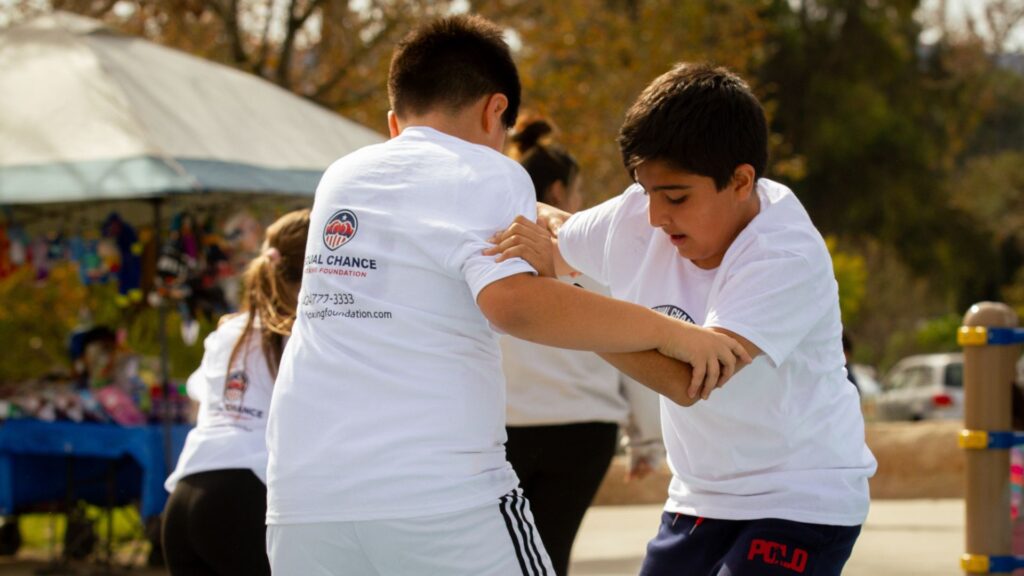
A successful youth boxing training day begins long before a child puts on gloves or steps into the gym. The quality of the session can be influenced by what happens the night before, how the young athlete eats and rests, whether the necessary equipment is prepared, and how the family approaches the training day emotionally. Preparation does not need to become complicated or stressful. It should create a dependable routine that helps the child arrive ready to listen, move safely, and learn.
For many young people, especially beginners, the greatest challenge is not performing a difficult combination. It is learning how to prepare consistently. A child may forget hand wraps, arrive hungry, stay awake too late, or become anxious because they do not know what to expect. Parents may feel rushed as they manage school, transportation, meals, and other family responsibilities. A structured routine reduces this pressure by turning preparation into a familiar process rather than a last-minute argument.
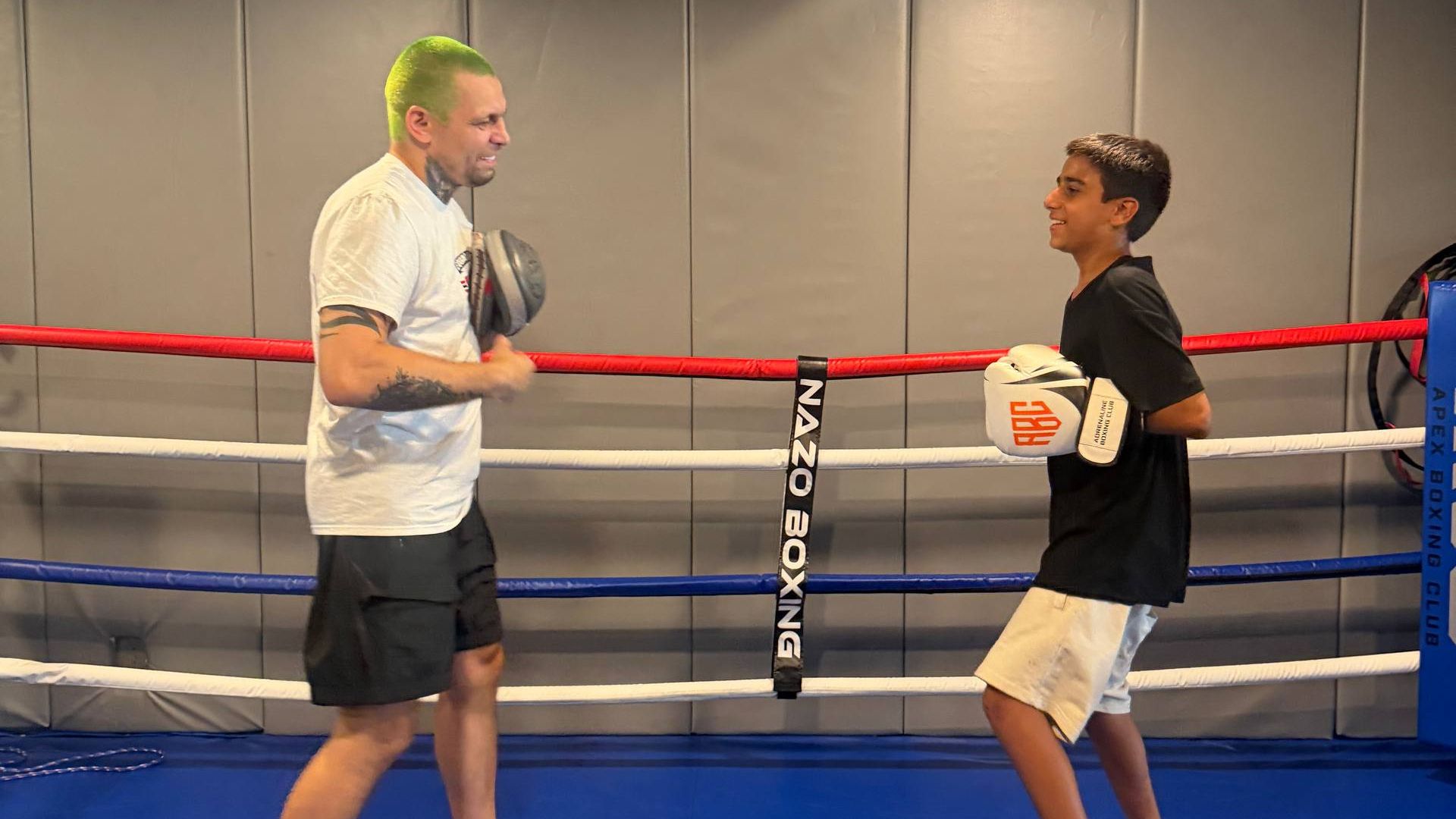
A training day should not feel like a test of toughness. It should be an opportunity to practice responsibility, physical discipline, listening, and gradual improvement. When children arrive prepared, coaches can spend more time teaching and less time solving preventable problems. The young athlete also begins to understand that progress in boxing is connected not only to what happens during the session, but also to the habits that support it.
Preparation Begins the Night Before
The evening before training is one of the most important parts of the process. A child who stays awake late, spends hours on a screen, or wakes up already exhausted may struggle to focus during instruction. Boxing requires coordination, balance, attention, and the ability to respond to corrections. When the body and mind are tired, even simple movements can feel frustrating.
Parents do not need to create a perfect bedtime routine, but they can help protect enough time for rest. The goal is not to lecture the child about sleep every evening. It is to create a predictable expectation around training days. The young athlete should understand that rest is part of preparation, just like gloves, hand wraps, and proper clothing.
The evening before training is also a good time to prepare equipment. Searching for one missing wrap five minutes before leaving can create tension that follows the family into the gym. When everything is placed in one bag ahead of time, the child can take greater responsibility for the process. Younger participants may need help at first, but over time they should gradually learn to check their own equipment.
Preparation can include reviewing the training time, confirming transportation, placing a water bottle near the bag, and choosing suitable clothing. These simple actions reduce unnecessary decisions on the day of the session. They also teach the child that being ready is part of respecting the coach, the group, and their own opportunity to train.
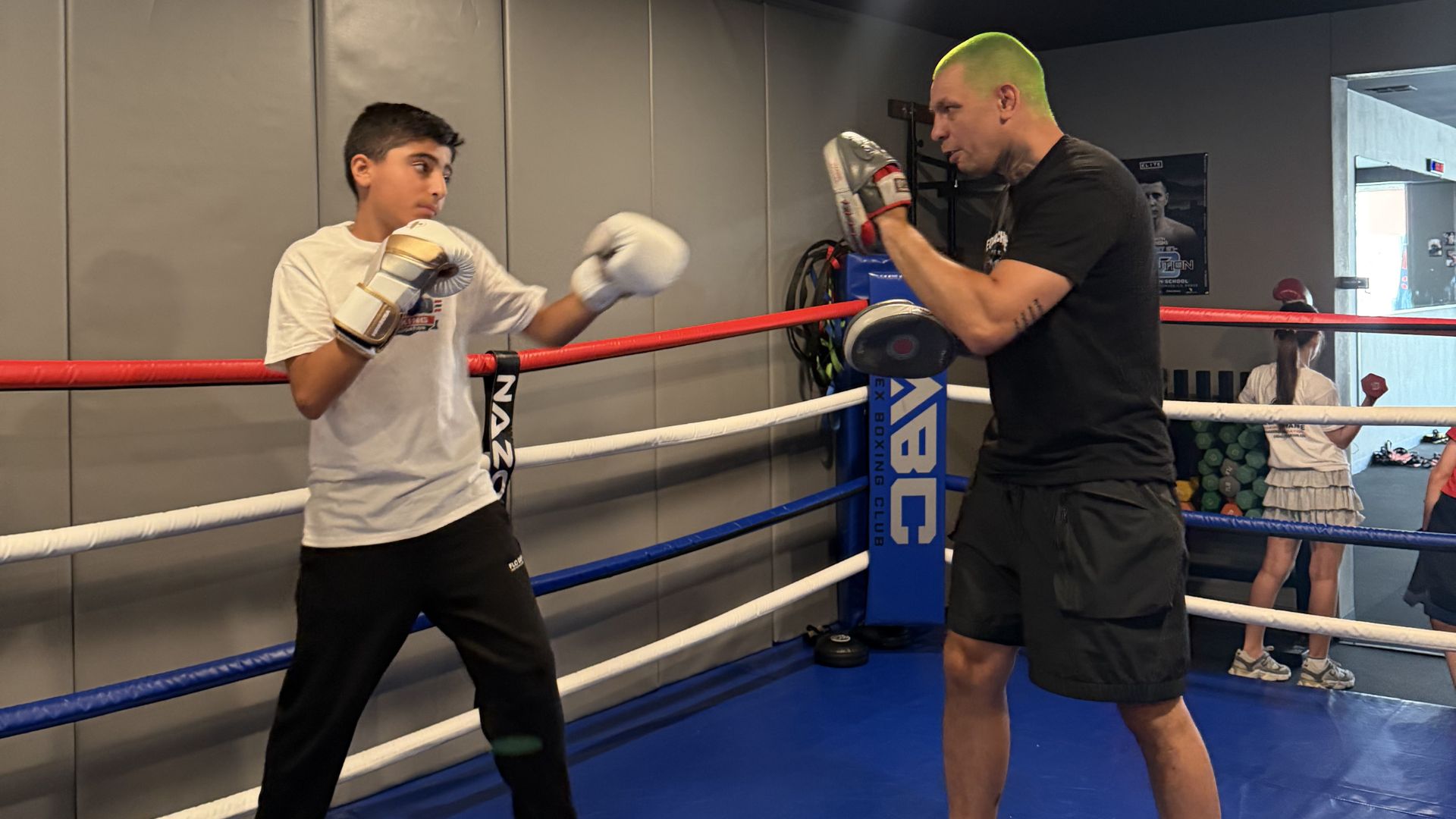
Rest Is Part of Training
Young athletes sometimes believe that training begins only when the coach starts the warm-up. In reality, the body prepares and recovers throughout the entire day. Rest affects concentration, reaction time, mood, and physical energy. A tired child may become distracted, frustrated, or more likely to ignore instructions, even when they normally behave responsibly.
Parents can help by treating sleep as part of the training routine rather than as a punishment or restriction. The message does not need to be, “Go to bed because I said so.” It can be, “Your body needs time to recover so you can train safely tomorrow.” This connects the expectation to something the child cares about.
Teenagers may resist bedtime routines because they want more independence. Giving them responsibility can be more effective than repeating the same lecture. A teenager can be asked to decide when they need to stop gaming, finish homework, and prepare for the next day. The standard remains clear, but the young person begins practicing how to manage their own time.
This type of preparation is one reason structured youth sports can influence life beyond the gym. The child begins to see how one decision affects the next. Staying awake late may make the warm-up harder. Forgetting equipment may limit participation. Arriving prepared usually creates a calmer and more productive experience. These lessons become real because the young athlete feels the consequences directly.
Food and Hydration Should Support the Session
A child should not arrive at boxing training extremely hungry, dehydrated, or uncomfortably full. The goal is not to create a professional athlete’s meal plan. Families simply need a practical approach that gives the child enough energy to participate safely.
A balanced meal earlier in the day and a light snack before training may help a young athlete feel more stable during the session. Heavy meals immediately before intense movement may cause discomfort, while skipping food entirely can leave the child tired or unable to concentrate. Families should consider the child’s individual needs, the time of the session, and any medical guidance they have received.
Water should also be part of the routine. The child should arrive with a filled bottle rather than expecting to solve hydration after the session begins. Coaches can provide breaks, but young athletes must also learn to take responsibility for basic preparation.
Parents should avoid using food as a reward or punishment connected to performance. The child does not need to earn hydration, a healthy meal, or recovery. Nutrition supports participation regardless of whether the athlete had an excellent session or struggled with every drill.
[ecbf_donate_banner_1]
The Training Bag Should Be Simple and Organized
A youth boxing bag does not need to contain expensive or advanced equipment. Beginners should follow the program’s guidance because requirements may differ depending on the child’s age, size, experience, and the type of training being offered.
The most common items include appropriate athletic clothing, clean indoor training shoes if required, a water bottle, hand wraps, and boxing gloves when the program asks families to provide them. Some organizations may offer shared equipment or loaner items, particularly for beginners and families facing financial barriers.
Parents should ask the coach before purchasing costly gear. Gloves that are too large, too small, or inappropriate for the activity may be uncomfortable or unsafe. The coach can explain what is actually necessary and what can wait until the child has participated long enough to understand the program.
The child should gradually take responsibility for checking the bag. At first, a parent may prepare everything. Later, the parent can ask the child to complete the check while providing a reminder. Eventually, the young athlete should be able to prepare independently. This gradual transfer of responsibility is part of mentorship and youth development.
Clothing Should Allow Safe Movement
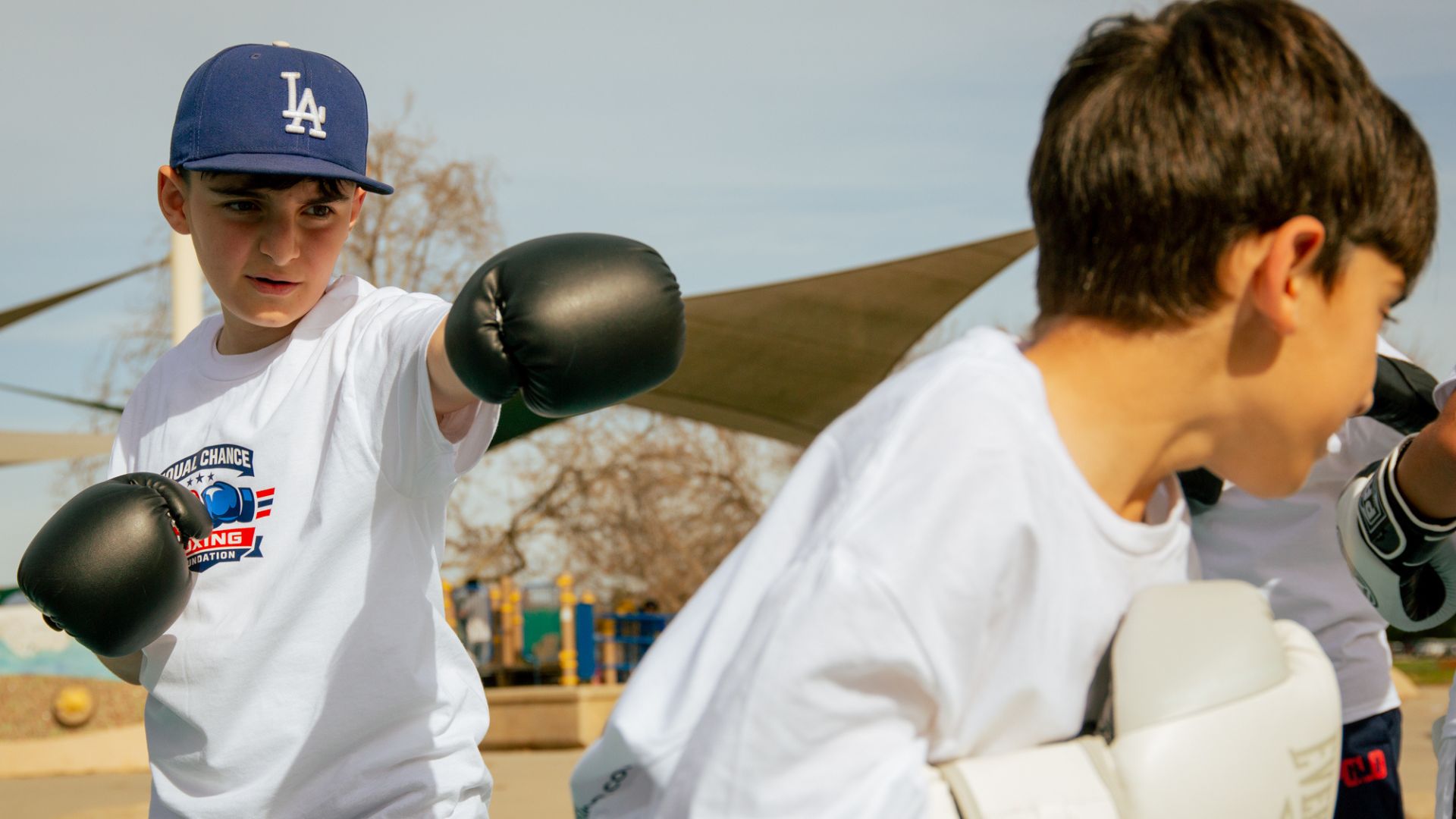
Young athletes should wear clothing that allows them to move comfortably without creating unnecessary hazards. Clothing should not be so loose that it catches on equipment, and it should not be so restrictive that the child cannot bend, rotate, or complete basic footwork.
Jewelry and unnecessary accessories should usually be removed before training. Long hair may need to be secured so it does not interfere with vision. The program should provide specific guidance based on the activities taking place during the session.
Clean clothing and equipment also matter. Boxing training involves close contact with shared spaces and equipment, even when sparring is not part of the session. Families should develop a simple routine for airing out gloves, washing clothing, and keeping wraps clean. This protects the child and shows respect for everyone sharing the gym.
A youth program should never shame a child because they do not own expensive athletic clothing. Safe, practical clothing is more important than brands or appearance. Accessible programs understand that children come from different financial circumstances and should not be made to feel inferior because of equipment.
Arriving on Time Is Part of Safety
Punctuality is often described as discipline, but in a boxing program it is also connected to safety. The beginning of the session may include important instructions, warm-up movements, and explanations of the day’s activities. A child who arrives late may miss information and enter the session before the body is properly prepared.
Parents should plan enough time for transportation, parking, and unexpected delays. This is not always easy, especially when families are managing work, school, and several children. The goal is consistency, not perfection. When delays happen, families should communicate with the program rather than allowing the child to enter without guidance.
Arriving a few minutes early can help nervous beginners. They have time to enter the space, greet the coach, prepare equipment, and observe what is happening. A rushed arrival may increase anxiety and make it harder for the child to focus.
The Youth Boxing Program at Equal Chance Boxing Foundation connects training with structure and mentorship. Arriving prepared and on time is part of learning how to participate responsibly in a shared environment.
Emotional Preparation Matters as Much as Equipment
A child can arrive with every piece of equipment and still feel unprepared emotionally. Beginners may worry about looking inexperienced, making mistakes, or being less physically capable than other participants. Teenagers may hide this nervousness by acting uninterested, joking excessively, or saying that the program is boring before they have truly experienced it.
Parents can help by acknowledging the feeling without making it larger. A simple statement such as, “It is normal to feel nervous when something is new,” can be more useful than a long motivational speech. The goal is not to promise that the session will be easy. It is to remind the young person that being a beginner is acceptable.
Parents should also avoid placing too much pressure on one session. The child does not need to prove talent, toughness, or long-term commitment on the first day. The first goal is to enter, listen, and participate safely. Confidence can grow later through repetition.
A mentorship-based coach understands that nervous behavior may have a reason. The coach should maintain clear expectations while giving the child a manageable next step. The student can be asked to learn the stance, complete the warm-up, or practice one basic movement. Small actions help the young person become part of the environment.

Parents Should Set Expectations Before Arriving
Training becomes easier when the child already understands the basic expectations. Parents can explain that the young athlete must listen to the coach, respect other participants, use equipment responsibly, and speak up if something hurts or feels unsafe.
This conversation should remain simple. A long lecture immediately before training may increase tension. The child does not need to hear every possible rule. The most important message is that the coach is responsible for the session, safety instructions must be followed, and respect is required in every direction.
Parents should also explain that correction is a normal part of training. A coach may adjust the child’s stance, ask them to repeat a drill, or point out a mistake. This does not mean the coach dislikes the child or believes they have failed. Correction is how technique develops.
At the same time, children should know that they can report inappropriate treatment. Respecting a coach does not mean remaining silent about pain, humiliation, unsafe pressure, or behavior that makes them uncomfortable. Healthy authority and personal safety should never be presented as opposites.
What a Young Athlete Should Expect During Warm-Up
The warm-up prepares the body and attention for the session. It may include light movement, coordination exercises, mobility work, footwork, jumping rope, or other activities selected by the coach. Beginners may find the warm-up surprisingly difficult because boxing uses the entire body and requires continuous attention.
Children should understand that struggling during the warm-up does not mean they are bad at boxing. Fitness develops gradually. The coach should provide age-appropriate instruction and monitor how participants respond.
Young athletes should focus on completing the movement correctly rather than trying to be the fastest person in the room. Rushing can reduce control and increase frustration. A good warm-up teaches the child to listen, pace themselves, and prepare for the technical work that follows.
Parents should not compare their child’s performance to more experienced participants. The young athlete may already feel uncertain, and comparison can make the gym feel like another place where they are being judged. Progress should be measured from the child’s own starting point.
Listening Is a Physical Skill in Boxing
Children may think listening is separate from athletic ability, but in boxing it directly affects movement and safety. A student who misses an instruction may perform the wrong drill, use equipment incorrectly, or move into another participant’s space.
Coaches often give short directions because the child must remember them while moving. Learning to stop, look, listen, and then begin is part of the sport. This can be especially valuable for young people who struggle with impulsive behavior or become distracted easily.
The goal is not to demand silent perfection. Children will make mistakes and lose focus. A strong coach redirects the student, repeats the instruction when necessary, and gives them another opportunity to complete the task.
Parents can support this lesson after training without turning it into criticism. Instead of asking whether the child was the best in class, they can ask what instruction was most difficult to remember or what correction helped the most. This places attention on learning rather than performance.
[ecbf_donate_banner_4]
Training Requires Control, Not Anger
Boxing may appear powerful and aggressive from the outside, but responsible training depends on control. Young athletes must learn to manage speed, force, distance, and emotion. Anger often makes technique worse because the student rushes, tightens the body, or stops listening.
A child should arrive understanding that the gym is not a place to release anger without limits. It is a place to learn how energy can be directed through rules, movement, and discipline. Hitting equipment harder is not always the goal. Proper balance, breathing, timing, and technique matter more.
Responsible youth boxing also teaches that skills belong inside supervised training. Children should never be encouraged to use boxing to intimidate others or resolve ordinary conflicts. Strength is demonstrated through control and responsibility.
Programs offering Community Training can reinforce these values by connecting physical activity with respect, mentorship, and community responsibility. The child learns that training is not only about individual performance. It also affects the safety and experience of everyone in the room.
Parents Should Know What Happens During the Session
Parents do not need to understand every drill, but they should have a general idea of how the program is organized. They can ask about the session length, warm-up, technical instruction, conditioning, contact policies, and how beginners are supervised.
Some sessions may focus on footwork and basic technique. Others may include bag work, mitt work, partner drills, or conditioning. Sparring should never be assumed simply because the activity is boxing. Parents should ask when contact is introduced, how readiness is evaluated, and whether participation is optional.
The program should be able to explain how children are grouped and how equipment is used. Clear communication builds trust and helps families prepare properly.
Parents should also understand that the child may not be able to describe every part of the session immediately afterward. Young athletes can be tired, emotionally full, or still processing the experience. Giving them a little time may lead to a more meaningful conversation later.
The Role of the Coach on Training Day
The coach creates the structure that allows the session to function. They prepare the plan, explain the drills, monitor safety, correct technique, and manage the culture of the room. In a mentorship-based program, the coach also notices how young people respond to challenge.
A responsible coach does not expect every participant to arrive with the same ability. They adjust instruction without removing standards. The child who struggles with coordination may need a slower demonstration. The teenager who rushes may need to focus on control. The student who becomes discouraged may need one clear task they can complete successfully.
Professional experience can be valuable when it is translated into responsible youth instruction. Can show young athletes that boxing is built through repetition, respect for coaching, preparation, and the ability to continue after setbacks. The lesson is not that every child should pursue professional competition. The lesson is that consistent preparation matters.
What Parents Can Do While Training Is Happening
Parents should understand the program’s expectations around observation. Some children feel supported when a parent watches, while others become more distracted or self-conscious. Programs may also limit where families can stand for safety and concentration.
Parents can support the coach by avoiding instructions from the side of the room. When a child receives different directions from a parent and coach at the same time, confusion increases. Unless there is a safety concern, technical correction should remain the coach’s responsibility during the session.
This does not mean parents should ignore what they see. They should pay attention to the culture, supervision, and treatment of participants. A healthy program welcomes responsible questions and communicates clearly with families.
Parents can also use training time to avoid creating pressure. The child does not need to see disappointment every time they struggle. Young athletes often learn more effectively when they feel that mistakes are expected and improvement is possible.
Recovery Begins When the Session Ends
The end of training is not the end of preparation. Recovery helps the body and mind process the work. The child may need water, food, clean clothing, rest, and time to talk about the experience.
Parents should expect ordinary fatigue, especially during the first weeks. However, they should also listen if the child reports significant pain, dizziness, unusual symptoms, or an injury. Young athletes should never be taught to hide physical concerns to appear tough.
Equipment should be removed from the bag and allowed to dry. Hand wraps and clothing should be washed. The water bottle should be cleaned and prepared for the next session. These small responsibilities help the child take ownership of participation.
Recovery can also include sleep and a calmer evening. The body needs time to adapt, and a child may feel both physically tired and emotionally energized after training. A consistent routine helps them return to balance.
The Conversation After Training Should Not Feel Like an Evaluation
Parents naturally want to know how the session went, but immediate questioning can sometimes feel like pressure. Asking whether the child won, performed well, or impressed the coach may suggest that the value of training depends on visible success.
More helpful questions focus on experience and learning. A parent might ask what the child practiced, what felt difficult, what they enjoyed, or what the coach asked them to remember. These questions allow the young athlete to describe the session without defending their performance.
If the child struggled, parents do not need to solve the problem immediately. They can listen and help the young person identify the next step. Perhaps the child needs more time to learn the stance, better preparation before leaving home, or a conversation with the coach about nervousness.
Praise should remain honest. A parent can notice that the child attended despite feeling nervous, listened carefully, or completed the session without exaggerating the result. Real encouragement helps the young person connect confidence to effort.
Consistency Is More Important Than One Perfect Day
Families should not expect every training day to go smoothly. Equipment will occasionally be forgotten. A child may arrive tired. Transportation may be delayed. Motivation may disappear. The purpose of structure is not to eliminate every mistake. It is to create a routine that makes it easier to recover.
A successful training day is not always the day when the child performs perfectly. It may be the day they attend despite wanting to stay home. It may be the day they accept a correction without becoming defensive. It may be the day they remember to prepare their own water bottle.
These small changes are how discipline develops. The young athlete begins with external support from parents and coaches, then gradually takes more responsibility. Preparation becomes something they understand and eventually manage for themselves.
The foundation’s Summer and Afterschool Mentorship Camp reflects the importance of repeated structure. Young people need more than occasional motivation. They need dependable opportunities to practice responsibility, movement, and positive participation.
Supporters Help Make Training Days Possible
A family may see only the session itself, but many people and resources are required to make that training day possible. Coaches must be present and prepared. Equipment must be available and maintained. The space must be safe. Communication, outreach, and program organization must continue between sessions.
Donors who support Equal Chance Boxing Foundation help provide more than gloves or one hour of activity. Their support contributes to the larger system that allows young people to return consistently and receive mentorship over time.
Corporate partners can also help sustain accessible programming through sponsorship opportunities. When businesses invest in safe youth sports, they help families access structured activities that may otherwise be limited by cost.
Preparation therefore belongs to the entire community. The child prepares the bag. The family prepares transportation and routine. The coach prepares the training. Volunteers and supporters help prepare the conditions that allow the program to exist.
A Prepared Child Does Not Need to Be a Perfect Child
Young people will forget things, become distracted, complain, and have difficult sessions. Preparation should never become another reason to shame them. The goal is to teach a process they can gradually understand and manage.
A child who forgets equipment can be helped to create a better routine. A teenager who arrives tired can learn how sleep affects performance. A young athlete who becomes nervous can be guided through the first steps. Each challenge becomes an opportunity to practice responsibility.
The strongest programs combine accountability with belonging. The child is expected to prepare and participate respectfully, but one mistake does not remove their place in the group. Coaches and parents correct the behavior while continuing to support the young person.
This balance helps training become more than physical activity. The child learns that preparation is a form of respect for themselves and others. They learn that discipline begins before the difficult moment. They learn that confidence grows when they keep showing up prepared to try again.
Step Into the Ring. Let’s Build Our Community Together.
For Parents: Help Your Child Build a Dependable Routine
A successful youth boxing experience begins with rest, preparation, clear expectations, and a safe environment. Your child does not need to arrive as an experienced athlete. They need the opportunity to learn gradually, receive responsible coaching, and practice showing up consistently.
ENROLL IN OUR YOUTH BOXING PROGRAM TODAY
For Supporters: Help Make Every Training Day Possible
Accessible youth training depends on safe equipment, dependable coaches, organized programming, and a community willing to support young people over time. Your contribution helps provide the structure behind every session.
DONATE TO THE EQUAL CHANCE BOXING FOUNDATION
For Community Partners: Extend Mentorship Beyond the Gym
Businesses and local organizations can help expand access to structured youth sports, community training, and afterschool mentorship throughout Los Angeles.
LEARN ABOUT CORPORATE SPONSORSHIP
Questions?
We’ve got answers.
Preparing for a training day at the Equal Chance Boxing Foundation starts long before the teens arrive. Volunteers and staff coordinate logistics, organize the training floor, and prepare the daily lesson plans. This meticulous planning ensures that the moment the youth walk in, they step into a highly structured, welcoming, and focused environment where they can leave outside distractions behind.
Safety is the absolute top priority. Before every session, coaches and volunteers conduct rigorous equipment checks. They inspect heavy bags, sanitize communal gear, check the ring ropes, and clear the floor of any hazards. This proactive approach guarantees an injury-free zone where youth can focus purely on learning technique and building stamina safely.
True mentorship requires deep emotional readiness. Coaches like take time before sessions to mentally shift their focus toward patience, empathy, and encouragement. They review the specific needs and progress of returning teens, ensuring they are prepared to offer not just physical instruction, but the personalized emotional support and life advice that vulnerable youth rely on.
Because ECBF is a completely free program, preparation includes making sure all necessary resources are readily accessible. Volunteers organize communal gear—such as clean hand wraps, gloves, and protective equipment—so that no teen ever feels left out or stressed about not having the right gear. This seamless preparation entirely removes financial barriers on training day.