
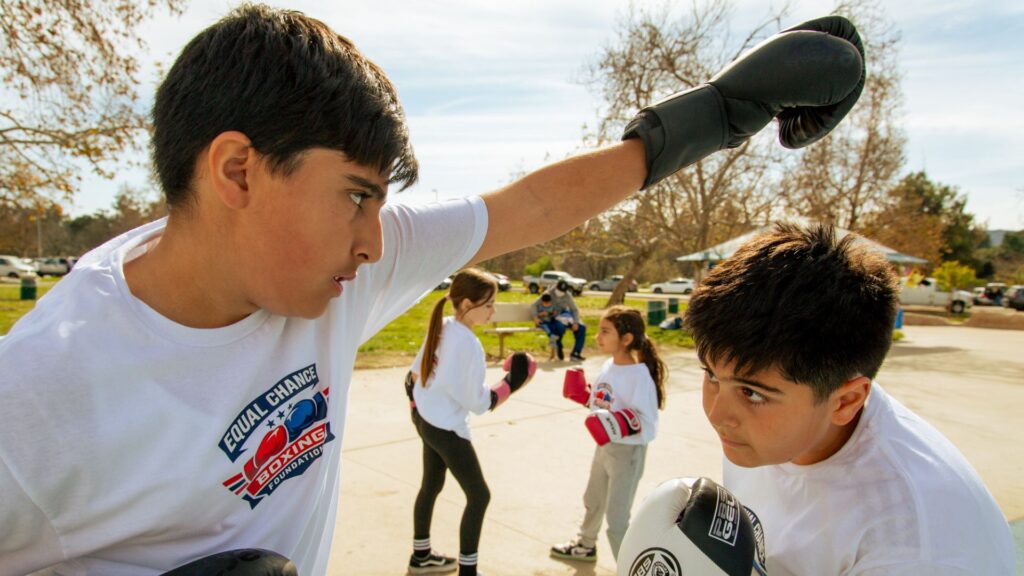
A youth sports program is often described through what people can see: the gloves, the training space, the drills, the events, and the young athletes learning new skills. Those visible parts matter, but they are only the surface. Behind every safe training session, every free community event, and every child who receives another opportunity is a network of people who make the work possible. Coaches prepare the environment and guide the young participants. Volunteers contribute time and practical support. Families help children continue even when motivation changes. Donors, sponsors, and community supporters provide resources that allow the program to remain accessible.
At Equal Chance Boxing Foundation, the program is not built around one person performing one role. It depends on relationships. A coach may introduce a child to boxing, but a parent helps that child arrive consistently. A volunteer may prepare equipment or support an event, while a donor helps cover the resources needed to offer it. A community partner may open a new door, and a young participant may eventually become an example for someone who is just beginning. The strength of the program comes from people choosing to stand in the same corner, even when their contributions look different.
A Youth Program Is Built Through Relationships
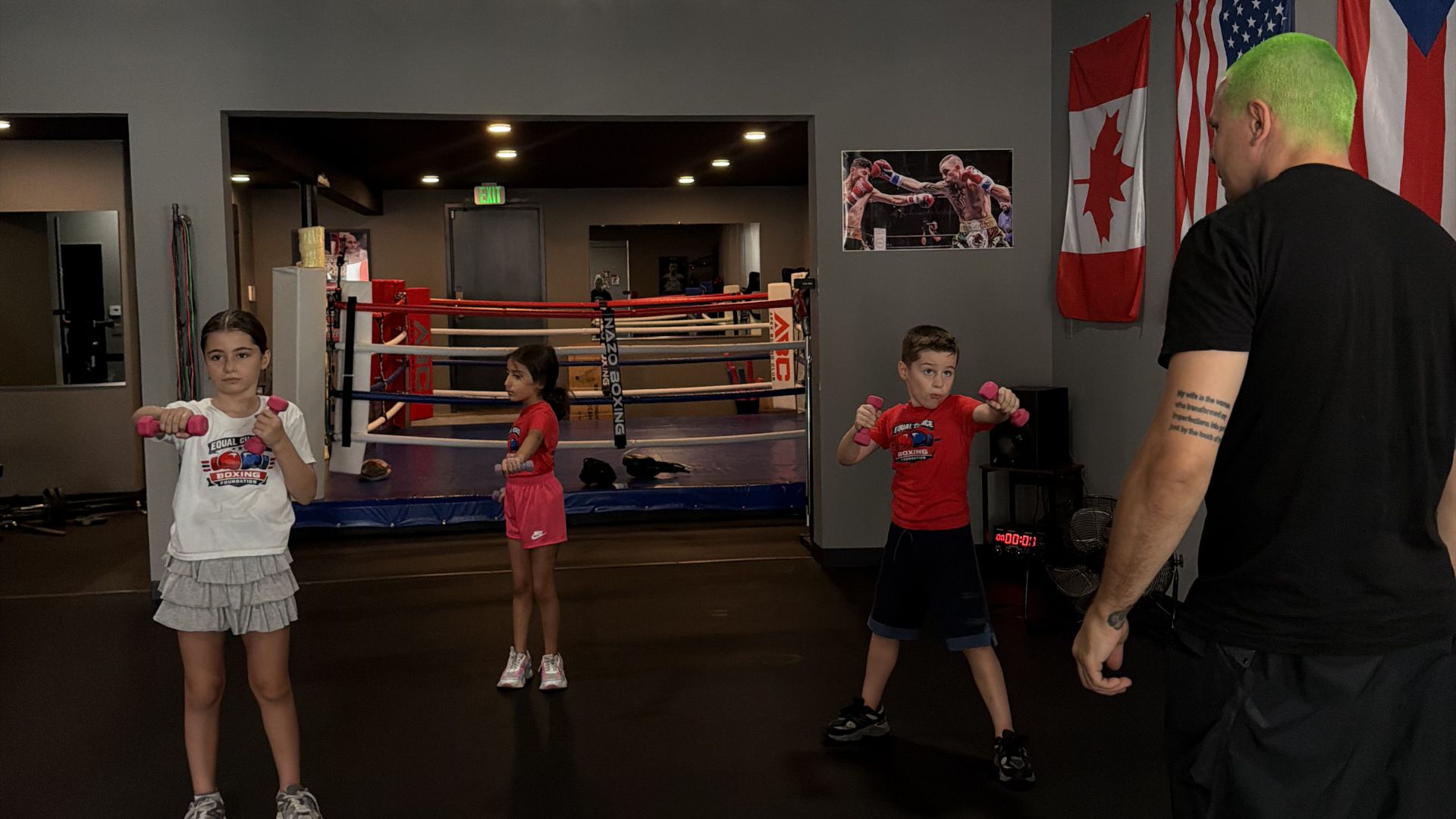
Children and teenagers rarely develop through instruction alone. They grow through repeated experiences with adults and peers who show them what responsibility, patience, respect, and consistency look like. A young person may hear an important message once, but the lesson becomes meaningful when it is reinforced by several people over time. The parent encourages attendance. The coach expects effort. The volunteer welcomes the child at an event. The supporter helps make sure the program is still available the following month.
This shared support is especially important for young people who may not have equal access to structured activities. A child can have energy, curiosity, and potential while still lacking transportation, equipment, consistent coaching, or a safe place to train. The purpose of an accessible youth sports nonprofit is not simply to identify talented athletes. It is to help create the conditions in which more young people can participate, learn, and feel that they belong.
The people behind the program help transform boxing from an individual sport into a community effort. A young athlete may perform the drill alone, but they are not truly developing alone. Someone prepared the training area, someone taught the technique, someone helped remove a financial barrier, and someone encouraged the student to return after a difficult day. Each contribution becomes part of the child’s experience, even when the child does not see every person involved.
Coaches Turn Activity Into Meaningful Structure
A coach does much more than demonstrate punches or organize conditioning. In a youth program, the coach helps define the culture of the room. Young participants learn what behavior is accepted by observing what the coach notices, corrects, and encourages. When coaches treat beginners with patience, enforce safety rules consistently, and show respect while maintaining clear standards, they teach lessons that reach far beyond athletic technique.
The best youth coaches understand that children arrive with different needs. One student may be energetic and confident but struggle to listen. Another may follow every instruction yet feel afraid of making mistakes. A teenager may appear uninterested when they are actually worried about looking inexperienced. Effective coaching requires the ability to recognize these differences without abandoning expectations. Every participant should be expected to respect the space, listen, and work honestly, but not every participant will need the same explanation or the same pace.
Specific correction is one of the most valuable tools a coach can offer. Instead of labeling a student as lazy, careless, or difficult, a responsible coach focuses on the action that can be improved. The student may be asked to reset the stance, slow the movement, complete the round, or listen to the instruction again. This approach helps young people understand that a mistake is something they can correct rather than proof that they do not belong.
Through the foundation’s Youth Boxing Program, coaching is connected to discipline, confidence, safe training, and mentorship. The goal is not to create fear or demand instant perfection. It is to give young people a structured environment where they can practice listening, effort, emotional control, and responsibility one session at a time.
Mentorship Develops Through Consistency
A mentor is not simply an adult who gives motivational advice. Real mentorship is built through repeated contact and dependable behavior. A young person learns whether an adult can be trusted by watching what happens over time. Does the coach remain patient after a difficult session? Does the volunteer remember the child’s name? Does the program continue welcoming beginners after the excitement of enrollment has passed? These ordinary moments create the foundation of trust.
Many teenagers do not immediately respond to guidance. Some test boundaries because they want to know whether adults will remain calm and consistent. Others avoid participation because they are afraid of failing. A mentor does not remove every consequence or excuse harmful behavior. Instead, the mentor keeps the standards clear while showing the young person that one mistake does not end the relationship.
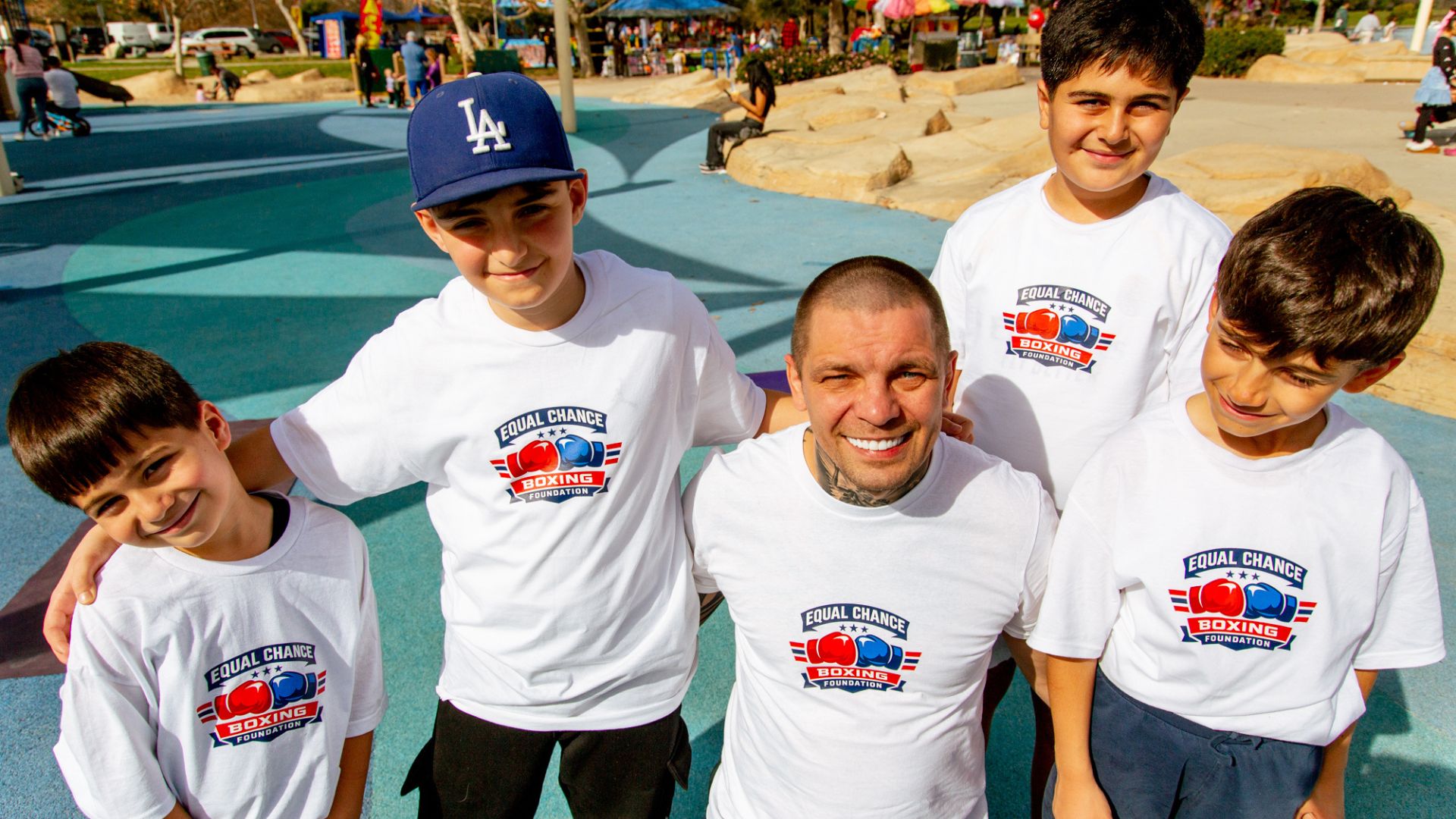
Professional boxer can represent this kind of discipline when he works with young people. The most valuable lesson is not that every child should become a professional athlete. It is that serious progress is built through routine, coaching, setbacks, repetition, and respect for the process. Young participants benefit when professional experience is translated into simple guidance they can use: listen, stay balanced, control your energy, respect the people around you, and continue after mistakes.
A mentorship-based program gives youth access to adults who model responsibility rather than simply talking about it. The child sees the coach arrive prepared. They see volunteers complete practical work without needing recognition. They see supporters invest in opportunities for people they may never personally meet. These examples help young people understand that community is built through action.
Volunteers Make the Mission Visible
Volunteers often perform the work that allows a program or event to feel organized, welcoming, and complete. Their contribution may include preparing a space, helping with equipment, supporting registration, serving food, assisting families, documenting an event, or handling the many small responsibilities that appear before and after the public activity.
This work may not always attract attention, but it has real value. A training session becomes safer when equipment is prepared correctly. A community event becomes warmer when families are welcomed and guided. A child feels noticed when an adult takes time to explain where to go or helps them participate without embarrassment. Volunteers help turn a mission statement into a lived experience.
Volunteering also sends an important message to young people. It shows that a community does not become stronger only through money or professional titles. Time, reliability, and practical care matter. A person who prepares food for families, helps organize a youth activity, or supports a coach during an event is demonstrating that service can be active and personal.
The foundation’s outreach and Community Training depend on this wider spirit of participation. Community work becomes stronger when people are willing to step outside their ordinary routines and help create opportunities for children and families. One volunteer may not solve every challenge, but their effort can make the program more accessible, organized, and human.
Families Carry the Program Beyond the Gym
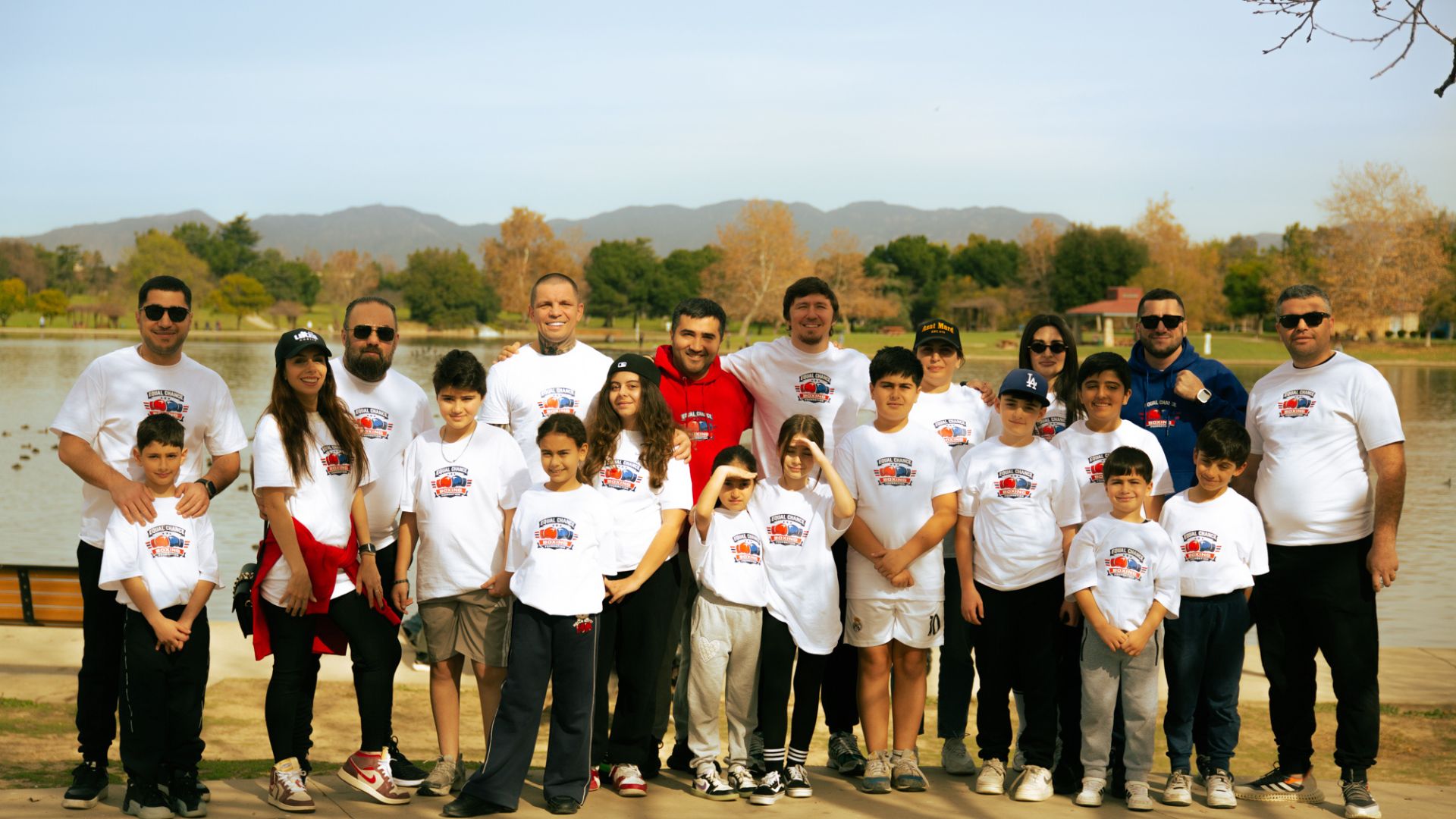
Parents and caregivers are among the most important people behind any youth program. Their role may be less visible during training, but it often determines whether a child can participate consistently. Families manage transportation, schedules, school responsibilities, meals, equipment, and the emotional resistance that can appear when a young person begins something difficult.
A child may feel excited during the first session and then lose motivation when training becomes physically demanding. A teenager may complain that the program is unnecessary because they are nervous about being a beginner. Parents often have to provide calm encouragement without turning every disagreement into a lecture. They help the young person continue long enough to experience progress.
Families also help coaches understand the child more fully. A parent may know that the student has difficulty with transitions, becomes overwhelmed in unfamiliar groups, or responds better to short instructions. Responsible communication between families and coaches can help create a safer and more effective experience without removing the young person’s responsibility to participate respectfully.
At the same time, parents should not be expected to become the coach at home. The family’s role is to support the routine, not to repeat every correction or evaluate every session. Home should remain a place where children can rest and feel accepted. A simple question about what the child learned may be more helpful than a long review of what they should have done better.
When families trust the program and the program respects families, the child receives a consistent message: your effort matters, your safety matters, and several adults are working together to help you grow.
Young People Also Shape the Culture
The children and teenagers in the program are not passive recipients of support. Their behavior influences the atmosphere around them. A young participant who listens carefully helps the group remain focused. An experienced student who welcomes a beginner helps reduce fear. A teenager who takes responsibility after a mistake shows others that discipline is not about never failing; it is about how a person responds.
A mentorship-based program gives young people opportunities to contribute as they develop. This does not mean placing adult responsibilities on children. It means helping them recognize that they can support the culture through respect, preparation, and encouragement. A student may help organize equipment, demonstrate a basic drill, or remind a newer participant that everyone begins without experience.
These moments are important because young people need to see themselves as valuable members of the community, not only as people receiving help. When a child understands that their behavior affects the group, responsibility becomes more meaningful. They begin to see that belonging includes both support and accountability.
The strongest youth programs do not divide participants into talented athletes and everyone else. Every young person can contribute through effort, consistency, respect, and willingness to learn. Competitive success may be meaningful for some students, but the program’s culture should recognize many forms of growth.
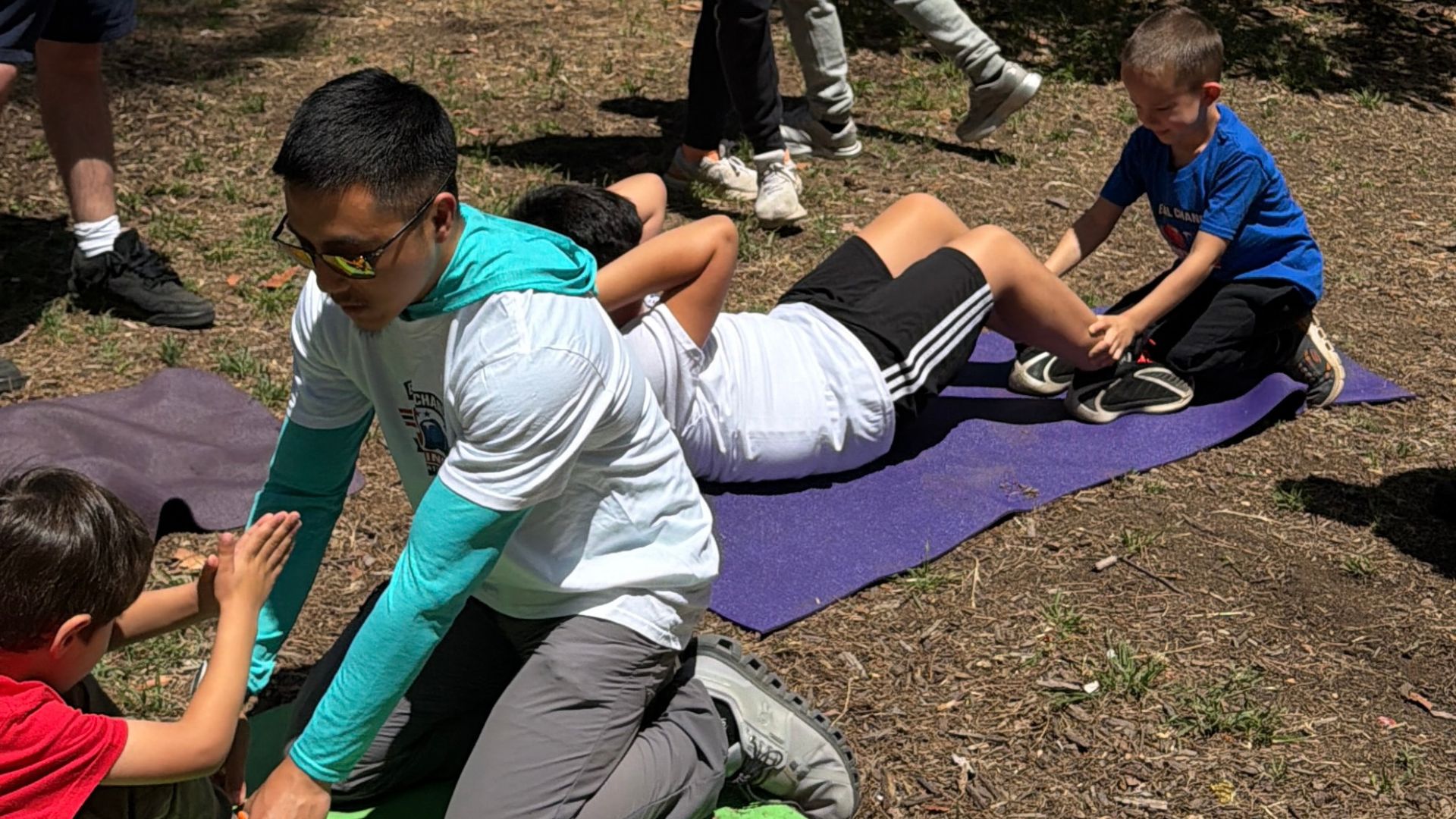
Donors Help Keep Opportunity Accessible
Free and low-cost youth programs require real resources. Training space, equipment, coaching, insurance, outreach, transportation support, events, and program coordination all have costs. When families are not asked to carry the full financial burden, donors help make up the difference.
A donor may never personally meet every child affected by their contribution, but the impact becomes visible through access. A young person can attend a session without owning expensive equipment. A coach can continue providing structured instruction. A community event can include food, activities, and practical support. A program can remain open long enough for trust and consistency to develop.
Supporting a youth sports nonprofit is not only about buying gloves or funding one training session. It is about helping build the environment around the child. The equipment matters, but so do the people who organize the program, supervise the training, communicate with families, and create repeated opportunities for participation.
People who choose to donate to Equal Chance Boxing Foundation become part of this network. Their support helps transform concern for young people into something practical: a place to train, a coach who is present, a mentor who can continue showing up, and an opportunity that does not depend entirely on a family’s income.
Corporate Sponsors Strengthen the Wider Community
Businesses and organizations can also play an important role in youth development. Corporate support can provide resources that are difficult for individual families or volunteers to supply alone. Sponsorship may help sustain programming, expand community outreach, support equipment needs, or make special events possible.
The most meaningful sponsorship is not only about placing a logo near an event. It is about recognizing that young people benefit when local institutions invest in safe activities, mentorship, and structured afterschool opportunities. Businesses are part of the same community as families, schools, coaches, and nonprofits. Supporting youth programs is one way to help strengthen the environment in which future employees, leaders, parents, and community members are growing.
Through Corporate Sponsorship, partners can help maintain access to programs that combine physical activity with responsibility and mentorship. Their participation communicates that youth development is not a private concern belonging only to parents. It is a shared community responsibility.
Sponsors also help create stability. A program may inspire a child during one event, but lasting impact requires the opportunity to return. Reliable support helps move the work from occasional moments into consistent programming.
Community Partners Open New Doors
No single nonprofit can meet every need alone. Community partners help connect families to spaces, services, events, and opportunities that may otherwise remain separate. A partner may provide a location, help reach new families, support transportation, contribute food, share professional expertise, or collaborate on an outreach activity.
These partnerships are valuable because youth development is connected to many parts of life. A child’s ability to participate may depend on transportation, family schedules, school demands, health needs, and access to safe community spaces. Collaboration allows organizations to respond more practically instead of assuming one program can solve every barrier.
Community events can also introduce families to mentorship in a less formal setting. A child who feels nervous about joining a boxing program may first meet coaches and volunteers during an outreach event. A parent may learn about available support through a community partner. Trust may begin through one positive interaction and grow into longer participation.
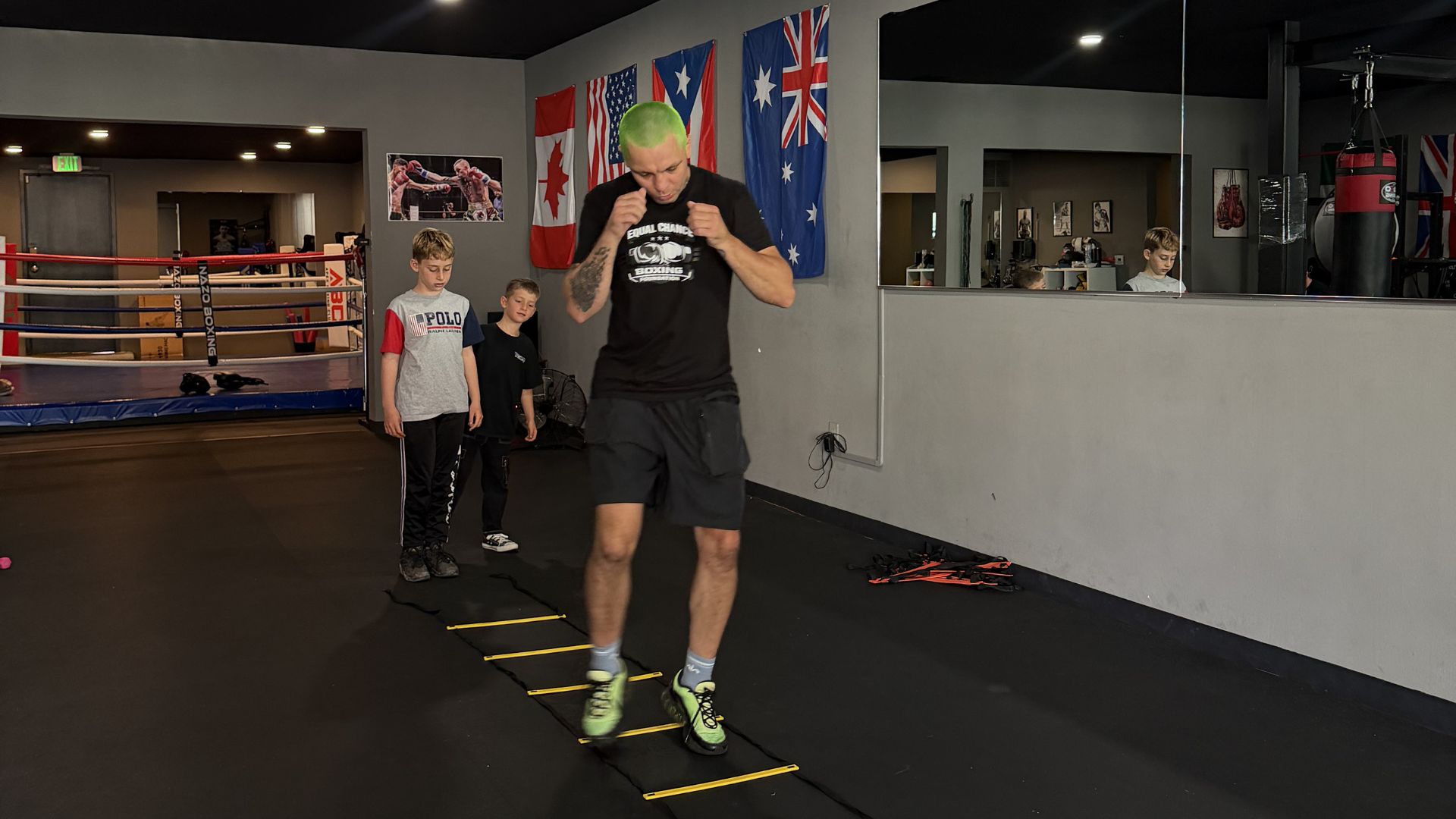
Stories shared through Champions of Hope reflect the importance of people who choose to support young lives in different ways. Some contribute professionally, others financially, and others through time and presence. Each role matters because a strong support system is built from several forms of commitment.
Support Staff and Organizers Create Stability
Many important responsibilities happen away from the training floor. Programs need scheduling, communication, registration, outreach, planning, documentation, equipment management, and coordination with families and partners. These tasks may not be visible to participants, but they create the stability that allows coaches to focus on training and mentorship.
Clear communication is part of safety. Families need accurate schedules, understandable expectations, and a reliable way to ask questions. Volunteers need instructions. Coaches need to know who is attending and whether relevant concerns have been communicated. Events need preparation before families arrive.
When this work is done well, the program feels calm and organized. Young people know what to expect. Parents feel respected. Coaches are better able to supervise the group. Problems can be addressed before they become larger.
The people performing these responsibilities help protect continuity. A program is not truly mentorship-based if everything depends on one person improvising from day to day. Strong organizations build systems that allow the mission to continue responsibly.
The Best Support Does Not Remove Every Challenge
The people behind a youth program are not there to make every activity easy. Young people need challenges in order to develop confidence, patience, and discipline. The role of the community is to make those challenges appropriate, supervised, and meaningful.
A coach may ask a student to complete a difficult round. A parent may insist on attending even when the teenager would rather stay home. A volunteer may remind a participant to follow the rules. A mentor may give honest feedback that is uncomfortable to hear. These actions can all be supportive when they are connected to safety, respect, and development.
Support is not the absence of standards. It is the presence of adults who maintain standards without abandoning the child. A young person should understand that they are welcome, but that their choices still matter. They can make mistakes and remain part of the community, but they are expected to learn from those mistakes.
This balance helps youth experience discipline as a form of care rather than rejection. Someone is paying attention. Someone expects more because they believe improvement is possible. Someone remains present while the young person practices becoming more responsible.
Mentorship Should Respect Its Limits
Coaches, volunteers, and supporters can provide meaningful structure, encouragement, and connection, but they cannot replace every form of professional support a child may need. Youth sports can help young people build routines, stay physically active, develop relationships, and practice emotional control. It should not be presented as a cure for anxiety, depression, trauma, ADHD, or behavioral disorders.
When a young person shows signs of serious emotional distress, experiences major changes in behavior, talks about self-harm, or creates an immediate safety concern, qualified medical or mental health support may be necessary. A responsible youth program understands the limits of coaching and communicates appropriately with families.
The healthiest support system may include parents, coaches, teachers, medical professionals, mental health professionals, volunteers, and community organizations. Each person sees a different part of the young person’s life. The goal is not for one adult to become everything. The goal is for the child to have a network of responsible people who understand their roles.
Every Contribution Helps Create a Place to Belong
A young person may first notice the coach, but the full program exists because many people contribute. Volunteers create warmth and organization. Families make attendance possible. Donors remove financial barriers. Sponsors support stability. Partners bring the mission into new spaces. Organizers connect the work behind the scenes.
Together, these people create more than a sports program. They create a place where children can be beginners without being shamed, where teenagers can receive correction without being rejected, and where families can see that they are not carrying every challenge alone.
The impact may appear slowly. A student begins arriving on time. A teenager becomes more willing to listen. A child helps a newer participant. A family begins trusting the program. A volunteer returns for another event. A supporter sees that their contribution is part of something continuing.
These ordinary signs reveal what the program is truly built from. It is not only the equipment or the activity. It is the relationships that make the activity safe, accessible, and meaningful.
Step Into the Ring. Let’s Build Our Community Together.
For Parents: Give Your Child a Community That Shows Up
Young people need more than occasional motivation. They need safe training, clear standards, dependable mentors, and a community that continues supporting them through both progress and difficult days.
Equal Chance Boxing Foundation provides structured youth boxing, mentorship, and opportunities for children and teenagers to develop confidence, responsibility, and discipline over time.
ENROLL IN OUR YOUTH BOXING PROGRAM TODAY
For Volunteers: Bring Your Time and Care to the Mission
Volunteers help turn community values into practical action. Your time can help create welcoming events, organized programs, and positive experiences for young people and families.
Every responsible contribution strengthens the network around local youth.
For Supporters: Help Keep Mentorship Accessible
Donor support helps provide coaching, equipment, safe training space, outreach, and the consistency young people need to build trust.
DONATE TO THE EQUAL CHANCE BOXING FOUNDATION
For Community Partners: Strengthen the Network Around Young People
Businesses and local organizations can help expand access to structured sports, mentorship, and community-based youth development.
LEARN ABOUT CORPORATE SPONSORSHIP
Questions?
We’ve got answers.
Coaches like serve as dedicated life mentors. They use the physical discipline of boxing to teach essential life skills such as emotional regulation, accountability, and mutual respect. Their role extends far beyond the mat, as they actively guide youth through daily challenges and provide a consistent, supportive presence that many teens lack.
Volunteers are the heartbeat of the Equal Chance Boxing Foundation. From coordinating community events and managing gym logistics to simply offering a welcoming smile to a nervous newcomer, they ensure the foundation runs smoothly. Their selfless dedication creates a safe, highly organized, and deeply caring environment where teens feel immediately valued.
Families are viewed as crucial partners in a teenager’s personal development. We maintain open lines of communication between coaches and parents to ensure that the core values of discipline and respect taught in the gym are reinforced at home. Families frequently attend training sessions and events, creating a unified support network that strengthens bonds across the broader community.
The generosity of local supporters, donors, and partnered businesses is exactly what makes our mission possible. Because we operate as a completely free program, this external backing directly funds the gym space, protective gear, and community events. Supporters ensure that no youth is ever turned away due to financial barriers, turning collective empathy into actionable, life-changing opportunity.