
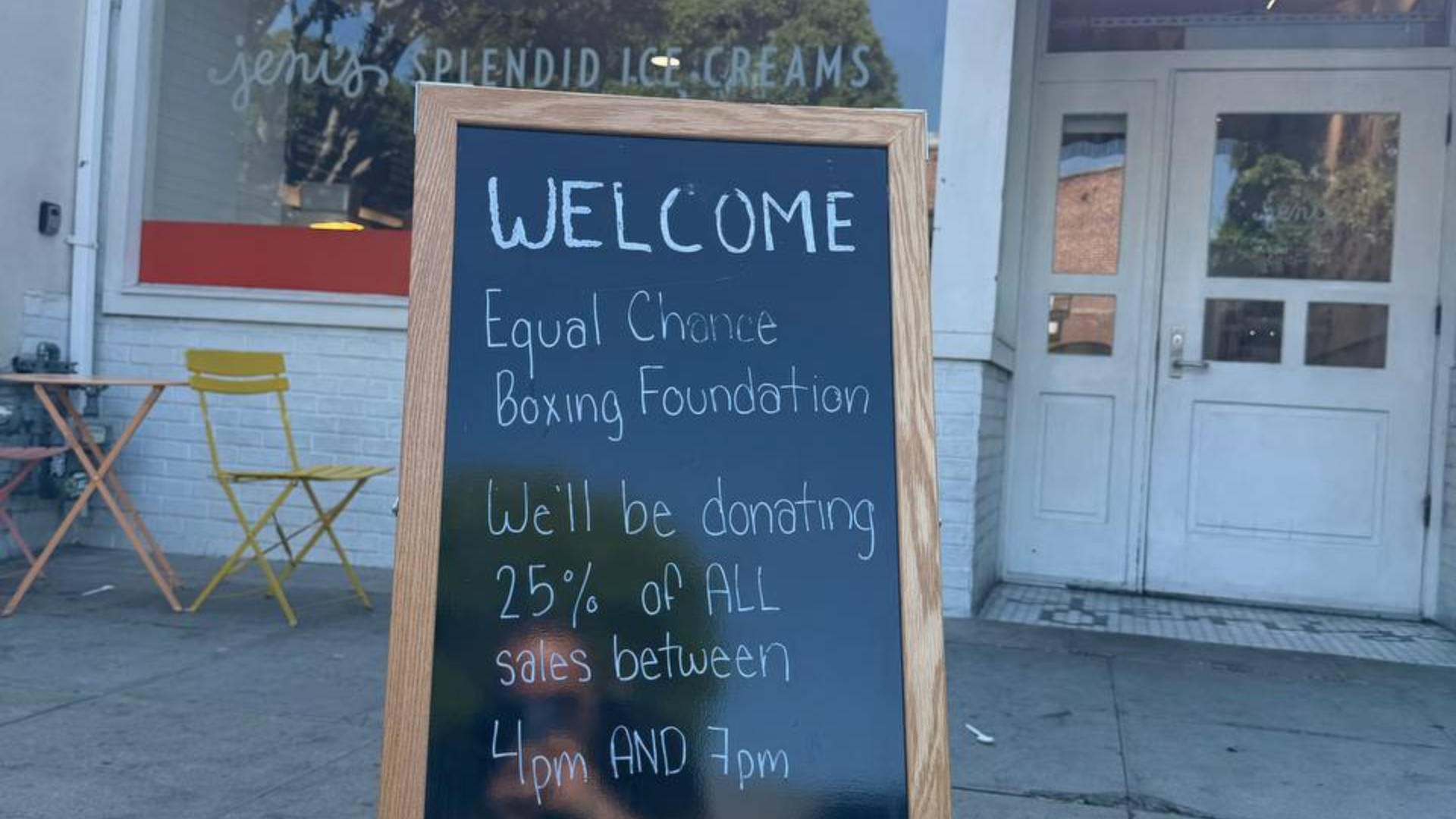
On Thursday, August 6, 2026, Equal Chance Boxing Foundation brought supporters, families, friends, and members of the Los Angeles community together for an Ice Cream Social Fundraiser at Jeni’s Splendid Ice Creams on Larchmont Boulevard. From 4:00 p.m. to 7:00 p.m., a simple summer visit for ice cream became an opportunity to support a larger mission focused on young people, mentorship, structured activities, and community involvement.
The event showed that supporting a youth nonprofit does not always require a formal gala, a large donation, or a complicated fundraising campaign. Sometimes community participation can begin in an everyday setting where families already feel comfortable. An ice cream shop provided exactly that kind of environment: relaxed, accessible, and welcoming to people who may already know Equal Chance Boxing Foundation as well as those discovering the organization for the first time.
During the designated fundraising period, a portion of qualifying in-store purchases supported Equal Chance Boxing Foundation. That connection gave an ordinary purchase a wider purpose. Families could spend time together, supporters could meet in a casual environment, and local residents could learn that an organization working with young people in Los Angeles was being supported through their participation.
A Community Fundraiser Built Around Something Simple
There is value in fundraising events that do not create distance between a nonprofit and the community it hopes to serve. Formal events can be important, but they are not the only way to build support. A neighborhood business can become a meeting point where people participate naturally, without feeling that they need a special invitation or previous connection to the organization.
That simplicity was one of the strengths of the Ice Cream Social Fundraiser. People did not need to understand boxing, know a coach personally, or have a child enrolled in a sports program to become part of the evening. They could visit with friends or family, enjoy ice cream, and at the same time contribute to a community organization working to create opportunities for young people.
For Equal Chance Boxing Foundation, that type of event fits naturally with a broader understanding of community support. The foundation’s work may be most visible during training sessions, but a youth program depends on much more than the time spent inside a gym. Families, volunteers, businesses, donors, organizers, and community partners all help create the conditions that allow structured programming to continue.
A fundraiser therefore becomes more than a financial transaction. It becomes an opportunity for people to see themselves as part of the network surrounding young participants. One person may eventually volunteer. Another may introduce a family to the program. Someone else may become a donor or business partner. Others may simply remember the organization and share its work with people who could benefit from learning about it.
From Boxing Training to a Neighborhood Gathering
At first glance, boxing and an ice cream fundraiser may seem unrelated. One is associated with discipline, movement, repetition, and physical effort, while the other creates a relaxed atmosphere centered on conversation and time together. Yet the connection becomes clear when the focus shifts from the activity itself to the community around it.
Youth sports do not exist separately from neighborhoods, schools, businesses, and families. A child may train for an hour, but the support surrounding that hour begins much earlier. Someone arranges transportation. Someone helps prepare equipment. Coaches organize the training. Volunteers help with events. Donors and community partners contribute resources that make access possible.
The Ice Cream Social Fundraiser brought those different parts of the community into the same story. People who might never enter a boxing gym had an opportunity to learn about the mission in a familiar Los Angeles setting. That matters because a nonprofit becomes stronger when its support is not limited only to people who already understand the sport.
A parent looking for structured activities may first hear about the foundation through a community event rather than a boxing advertisement. A local business owner may discover an opportunity for partnership through a fundraiser. A resident who simply supports youth development may decide that the mission is worth following. Community awareness often grows through these small points of contact.
Why Events Like This Matter for Youth Programs
A strong youth program requires consistency. One positive training session can create interest, but mentorship develops when young people are able to return. A coach needs time to understand a participant. A young athlete needs repeated opportunities to become comfortable with correction, routine, and responsibility. Families need enough consistency to build the program into their weekly lives.
That continuity requires resources. Training space, coaching, equipment, supervision, communication, outreach, and program organization all have costs. When a nonprofit works to keep opportunities accessible, community support becomes part of what makes repeated participation possible.
This is why fundraising should not be viewed only as paying for physical items. Equipment is important, but the deeper investment is in the system around the young person. A pair of gloves matters because there is a coach available to teach the child how to use them. A training space matters because the young athlete can return to the same environment and continue learning. Program organization matters because families need dependable schedules and communication.
People who support Equal Chance Boxing Foundation help strengthen this larger structure. Their participation can help sustain the environment in which young people receive not only physical activity but also mentorship, expectations, and a positive community.
[ecbf_donate_banner_1]
A Fundraiser Can Be the First Introduction to the Mission
One of the most useful things about holding a fundraiser in a public community space is that some visitors may encounter Equal Chance Boxing Foundation for the first time. They may notice the organization’s name, see information about the fundraiser, and begin asking what the foundation does.
That first question is important. Awareness is one of the first barriers any nonprofit must overcome. A program can provide meaningful opportunities, but families cannot participate if they do not know those opportunities exist. Community events create another path through which parents, supporters, and local residents can discover available programs.
Someone attending the fundraiser may later explore the foundation’s Youth Boxing Program. Another person may tell a friend with a teenager who needs a structured activity. A business owner may begin thinking about corporate support. A resident may decide to follow future events.
None of these possibilities needs to happen immediately for the fundraiser to be valuable. Community relationships often develop gradually. The first step may simply be becoming familiar with the name of the organization and understanding that its work is focused on young people.
Youth Development Requires More Than a Training Session
When people hear the phrase youth boxing program, it is easy to imagine gloves, punching bags, footwork, and conditioning. Those elements are part of training, but responsible youth boxing involves much more.
Young participants learn how to enter a structured environment and follow instructions. They practice controlling speed and force. They experience what happens when frustration causes them to rush and what changes when they slow down and listen. They learn that physical ability without control is not the same as discipline.
A coach can use boxing to make abstract lessons practical. Telling a teenager to be patient may feel like another lecture. Showing that better timing produces a cleaner movement gives the same idea an immediate purpose. Asking a child to repeat a drill after a mistake teaches that correction does not have to mean rejection.
This is one reason mentorship matters so much. A coach does more than demonstrate technique. Over time, the coach begins noticing how a young person responds to frustration, praise, correction, fatigue, and responsibility. The young athlete also learns whether the adult is dependable and fair.
These relationships cannot develop in one afternoon. They require repeated opportunities, and repeated opportunities depend on a community willing to help sustain them.
Families Are Part of the Program Even When They Are Not Training
Parents and caregivers contribute to youth programs in ways that are often invisible. They arrange transportation, manage schedules, prepare meals, help younger children organize equipment, and encourage teenagers to continue when the excitement of starting something new begins to fade.
Families also carry the emotional side of participation. A child may return frustrated after struggling with a drill. A teenager may suddenly decide that training is boring when the real problem is embarrassment about being a beginner. Parents have to listen, ask questions, and help determine whether their child is experiencing ordinary difficulty or something that deserves greater attention.
Community gatherings give families another way to connect with the organization beyond the training environment. That can strengthen trust because parents begin seeing the people and community surrounding the program, not only the activity itself.
A nonprofit becomes more meaningful when families understand that they are not simply paying attention to what happens during one class. They are joining a wider network of coaches, volunteers, supporters, and community partners who all contribute in different ways.
Local Businesses Can Become Meaningful Community Partners
A business does not need to operate a youth program to influence youth development. Local companies already occupy important spaces in a community. They employ residents, serve families, host gatherings, and maintain relationships with people who live nearby.
When a business partners with a nonprofit, it can use that existing community presence to create new opportunities for awareness and support. The Ice Cream Social Fundraiser is a good example. A familiar local destination became part of an evening connected to youth programming and mentorship.
This type of partnership makes nonprofit involvement feel less distant. Customers do not need to attend a specialized fundraising event. They can participate during an ordinary visit. At the same time, the nonprofit reaches people outside its usual audience.
For businesses interested in developing a longer-term relationship with the foundation, corporate sponsorship provides another way to contribute. Sustainable partnerships can support the stability that community-based youth programs require while showing that businesses recognize their role within the wider Los Angeles community.
Community Support Is Really Support for Consistency
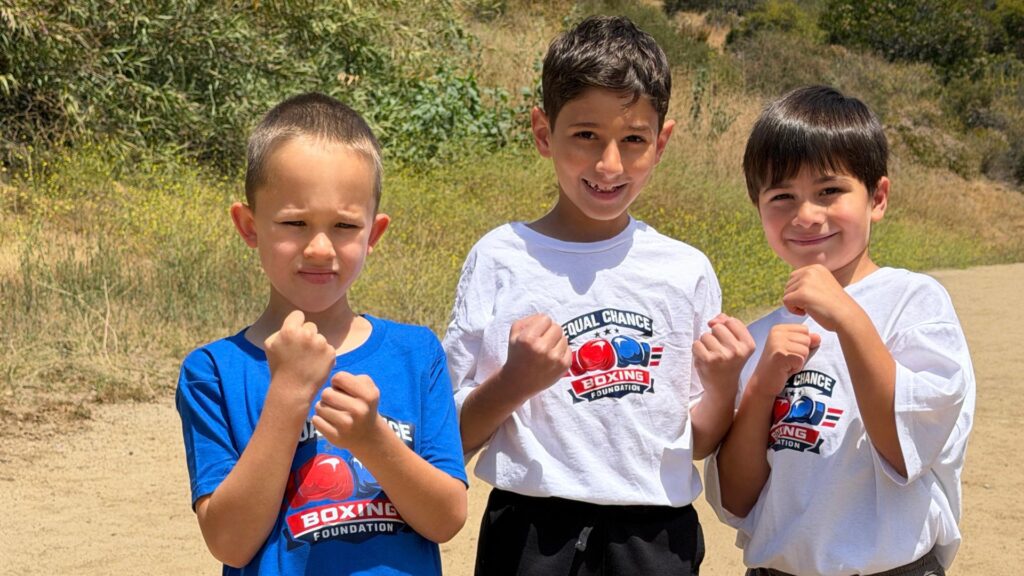
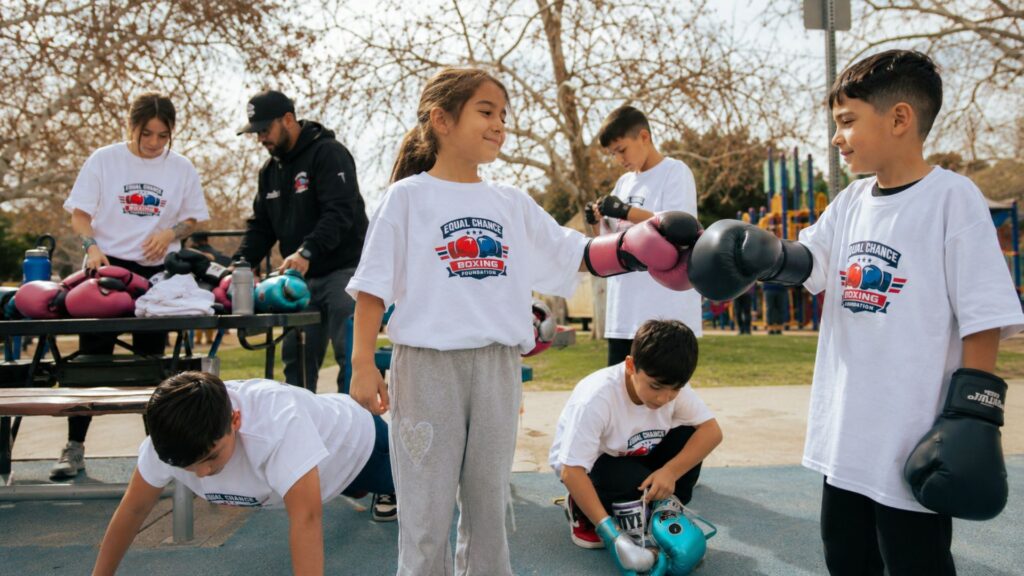
A photograph from a fundraiser captures one moment. Youth development happens through what comes after that moment. A child returns to training. A coach returns to teach. A parent continues providing transportation. Volunteers prepare another event. The program remains available.
Consistency is what allows trust to become real. During an initial training session, a young athlete may barely speak with the coach. After several weeks, the coach begins recognizing how that child reacts to difficult exercises or correction. The young person begins understanding that one bad day will not automatically remove their place in the program.
A teenager may gradually become more comfortable asking questions. A child may begin preparing equipment independently. Parents may notice that less negotiation is required before training because the activity has become part of the weekly routine.
None of these changes is dramatic by itself, but together they show why continuity matters. Community support gives programs the ability to provide enough time for these relationships and habits to develop.
[ecbf_donate_banner_4]
Accessible Programs Need More Than Good Intentions
Many young people can benefit from structured activities, but access is not equal for every family. Participation may be affected by equipment costs, transportation, schedules, program fees, and the availability of safe local options.
A child can be motivated and still face practical barriers. A parent can value sports and still struggle to add another expense to the household budget. A teenager can need a positive afterschool environment without having an obvious way to find one.
Community support helps reduce some of these barriers. It allows responsibility for opportunity to be shared rather than placed entirely on individual families. When supporters contribute to youth sports nonprofits, they help create more room for children to participate regardless of whether their families can independently absorb every cost.
This is especially important in Los Angeles, where young people can live within the same city while having very different access to structured recreation, mentorship, and safe afterschool opportunities. Programs become more meaningful when they are designed not only for talented athletes, but also for children who simply need a place to begin.
The Event Was About Participation as Much as Fundraising
The significance of an event like the Ice Cream Social Fundraiser is not measured only by what happened during those three hours. It also lies in the number of ways people were invited into the mission.
Someone could participate simply by attending. A family could learn about the foundation. A supporter could bring friends who had never heard of the organization. A local resident could discover that youth boxing programs exist nearby. A business relationship could inspire future community partnerships.
This kind of participation lowers the barrier between an organization and the people around it. Nonprofits become stronger when community members feel that involvement is possible at different levels. Not everyone can become a mentor, make a large donation, or volunteer every week. People still need ways to contribute.
A successful community event recognizes that support can begin in small ways and grow over time. The most important thing is creating an opportunity for people to become connected.
The Role of Boxing Is Structure, Not Aggression
Because Equal Chance Boxing Foundation uses boxing as part of its youth work, it is important to understand what responsible training is meant to teach. Boxing is not simply about hitting harder or becoming more aggressive.
The sport requires control. A participant must listen before moving, maintain balance, protect themselves and others, understand distance, and manage emotion under physical pressure. Anger can make technique worse. Rushing can damage balance. Ignoring instructions creates unnecessary risk.
This gives coaches a practical environment in which to teach discipline. A young person experiences what self-control feels like rather than only hearing adults talk about it.
For teenagers dealing with stress, frustration, restlessness, or a lack of routine, structured physical activity may provide a positive outlet and help them feel more grounded. However, youth boxing is not a substitute for professional medical or mental health care when that support is needed. Responsible programs should never claim that sports cure anxiety, depression, ADHD, trauma, or behavioral disorders.
The strength of boxing in a youth environment lies in its structure, repetition, mentorship, and the community around it.
Volunteers and Supporters Create the Environment Around the Coach
When young people attend training, they naturally see the coach first. Yet many people contribute to making that session possible.
Volunteers may help organize activities, prepare equipment, welcome families, support community events, or assist with practical responsibilities. Organizers communicate schedules and coordinate programming. Donors help provide resources. Businesses and partners can strengthen outreach and visibility.
Each role contributes to the stability of the program. A coach can provide mentorship only if the environment around that coach is functioning. Families need reliable information. Equipment needs to be available. Events require preparation. Community relationships need to be maintained.
The foundation’s Community Training reflects this broader approach. Youth development becomes stronger when responsibility is shared among several adults and organizations instead of depending entirely on one coach or one family.
A Neighborhood Event Can Strengthen Community Trust
Trust is especially important for organizations working with children and teenagers. Families want to understand who is involved, how young people are treated, and whether the program is genuinely connected to the community it serves.
Public events create opportunities for that trust to develop naturally. Parents can become familiar with the organization outside a formal enrollment process. Supporters can see the foundation interacting with the community. Local residents can recognize that the nonprofit is active beyond the walls of a gym.
This visibility does not replace responsible program policies, safe coaching, or clear communication with families. Those remain essential. But community presence gives people additional opportunities to understand what the organization stands for.
Over time, these interactions can make the foundation feel less like an unfamiliar institution and more like part of the local network surrounding children and families.
Small Community Events Can Support a Larger Mission
An ice cream fundraiser should be understood for what it was: a community event that created a simple opportunity to support Equal Chance Boxing Foundation. There is no need to make one afternoon sound larger than it was.
Its importance comes from how it connects to the larger mission. Youth programs depend on many individual actions. A coach dedicates time. A family keeps returning. A volunteer helps at an event. A donor contributes. A business provides a partnership opportunity. A supporter tells another person about the organization.
None of these actions alone creates the complete support system. Together, they make continued programming possible.
This is how sustainable community work grows. It is rarely built through one extraordinary event. It develops because people repeatedly decide that young people deserve safe places, responsible mentors, and opportunities to participate.
What Community Support Means for a Young Person
A child may never know the name of every donor or supporter who helped make a program available. They may never meet the business owner who hosted a fundraiser or the volunteer who helped organize an event.
What the young person experiences is the result.
The training space is available when they arrive. A coach is there. Equipment is ready. The program continues long enough for the child to become comfortable. The young athlete receives another opportunity after making a mistake. A family discovers an activity they might otherwise never have known existed.
This is why supporting a youth nonprofit is ultimately about people rather than objects. Equipment matters because people use it to teach. A facility matters because people build relationships inside it. Funding matters because it allows those relationships to continue.
The Ice Cream Social Fundraiser offered another way for the community to participate in creating those conditions.
Continuing the Connection After the Event
The fundraiser has ended, but the mission continues through youth training, mentorship, outreach, community participation, and the people who keep supporting those efforts.
Families who discover Equal Chance Boxing Foundation can explore opportunities for their children. Supporters can contribute directly to ongoing programming. Businesses can consider sponsorship or future partnerships. Community members can share the foundation’s work with people who may benefit from knowing about it.
The most useful next step will be different for every person. What matters is that the connection created by one community event does not need to disappear when the event is over.
Awareness can become participation. Participation can become support. Support can help create consistency. And consistency gives young people the time they need to build relationships, practice discipline, and experience a community that continues showing up.
Thank You to the Community Behind the Event
Equal Chance Boxing Foundation’s Ice Cream Social Fundraiser was made meaningful by the people who chose to participate and by the community partnership that created the opportunity.
Events like this remind us that supporting young people does not belong only to coaches or parents. Local businesses, volunteers, donors, families, and everyday community members can all play a role. Each contribution looks different, but together those contributions strengthen the environment surrounding youth programs.
The lasting story of the fundraiser is therefore not only about ice cream or one summer afternoon. It is about people choosing to connect something simple with something important: helping create opportunities for young people to find structure, mentorship, physical activity, and a community willing to stand in their corner.
Step Into the Ring. Let’s Build Our Community Together.
For Parents: Connect Your Child With Structured Youth Boxing
Young people do not need to arrive as experienced athletes. They need a safe environment, responsible coaching, clear expectations, and repeated opportunities to learn and grow.
ENROLL IN OUR YOUTH BOXING PROGRAM TODAY
For Supporters: Keep Youth Opportunities Accessible
Community fundraisers are one way to help, but support can continue throughout the year. Donations help strengthen coaching, equipment, training opportunities, outreach, and the support system surrounding young people.
DONATE TO THE EQUAL CHANCE BOXING FOUNDATION
For Community Partners: Help Strengthen the Network Around Local Youth
Businesses and organizations throughout Los Angeles can help expand the reach and stability of responsible youth sports and mentorship programs.
LEARN ABOUT CORPORATE SPONSORSHIP
Ice Cream Social Fundraiser FAQ
About the Equal Chance Boxing Foundation community fundraiser in Los Angeles.
The Equal Chance Boxing Foundation Ice Cream Social Fundraiser was held on Thursday, August 6, 2026, from 4:00 p.m. to 7:00 p.m. at Jeni’s Splendid Ice Creams on Larchmont Boulevard in Los Angeles.
During the designated fundraising period, a portion of qualifying in-store purchases supported Equal Chance Boxing Foundation. The event provided a simple way for community members to contribute while also helping increase awareness of the foundation’s youth programs and mission.
Community fundraisers help support the wider system behind youth programming, including coaching, equipment, safe training environments, outreach, organization, and continued access. They also introduce new families and supporters to the organization and create additional opportunities for local businesses and residents to become involved.
People can continue supporting the foundation through direct donations, participation in community activities, sharing youth programs with local families, volunteering when opportunities are available, or exploring corporate sponsorship. Continued community involvement helps strengthen structured youth boxing, mentorship, outreach, and accessible programming.