
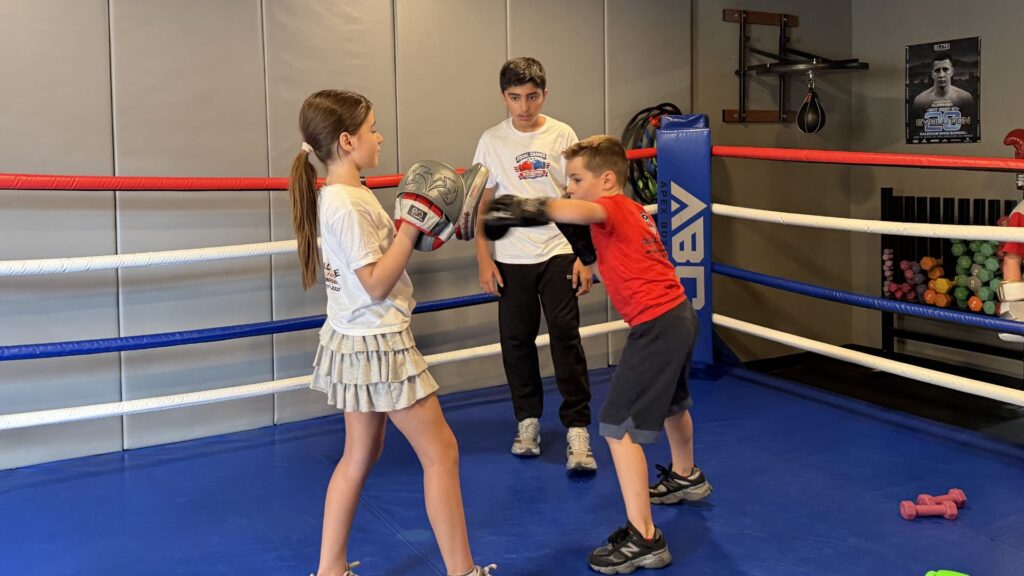
The first changes families notice in a youth boxing program are rarely dramatic. A child does not usually walk into one session uncertain, distracted, or frustrated and return home completely transformed. More often, progress appears through small details that are easy to miss unless parents know where to look. A young athlete begins preparing a water bottle without being reminded. A teenager who once resisted leaving home starts asking what time training begins. A child who became discouraged by every correction learns to pause, listen, and try the movement again.
These changes matter because they are signs of developing habits rather than temporary excitement. The first visit may be powered by curiosity, but returning week after week requires something deeper. The young person must learn how to prepare, arrive, participate, manage frustration, recover, and return even when motivation is lower than it was at the beginning. Families gradually see that the value of the program is not limited to the activity completed during one session. It is found in the routine growing around that session.
The First Weeks Are Usually About Becoming Comfortable
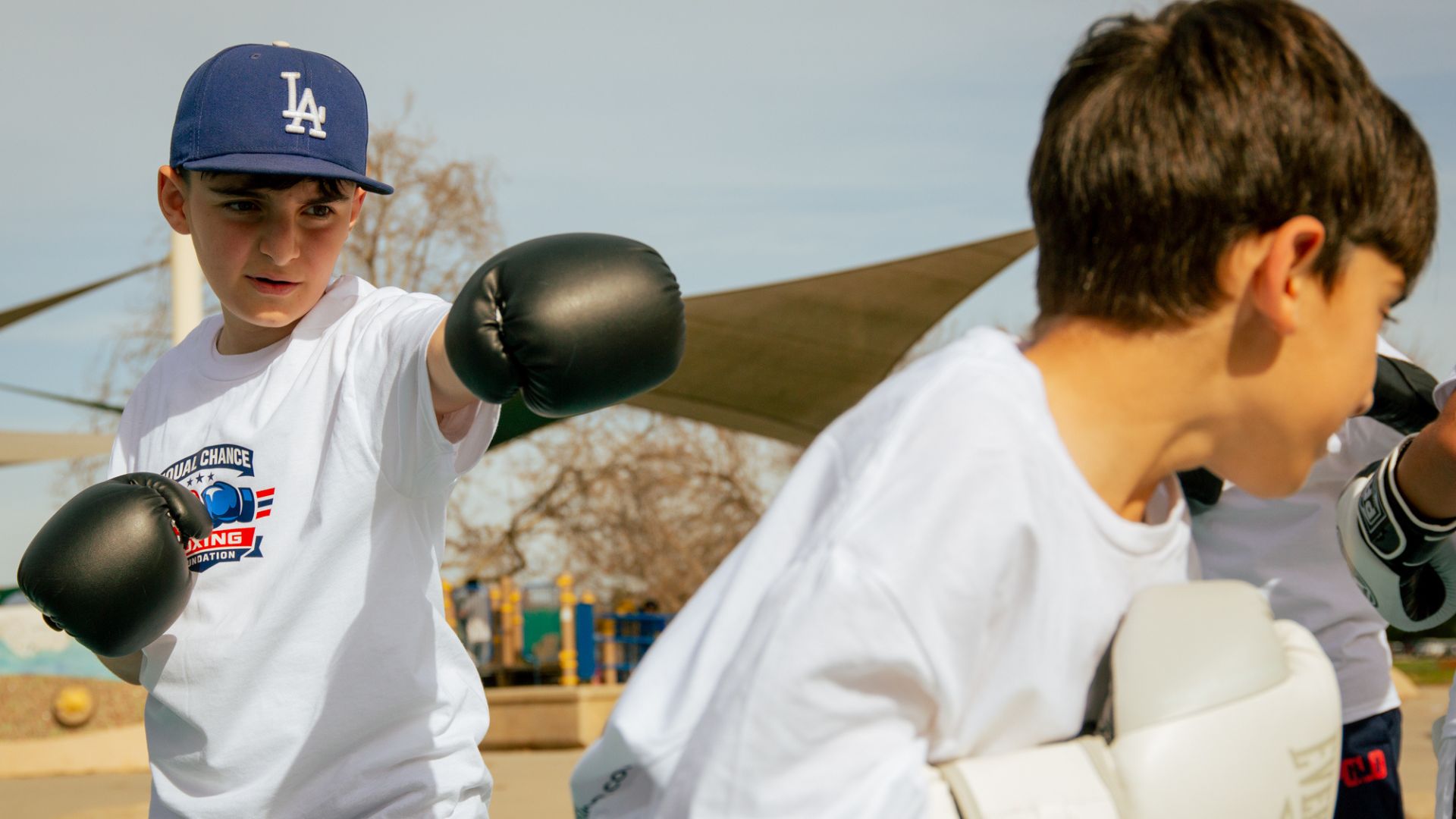
During the first few sessions, many children are still trying to understand the environment. The sounds, equipment, movements, and expectations may all feel unfamiliar. A beginner may worry about being slower than other participants, making an obvious mistake, or failing to understand the coach. Some young people express this nervousness directly. Others hide it behind jokes, silence, refusal, or an attitude suggesting that they are not interested.
Families may notice that the child talks very little about training at first. This does not necessarily mean the experience was negative. Young participants may need time to process what happened and decide whether they feel safe enough to become more involved. A parent may hear only a few details: the warm-up was difficult, the gloves felt strange, or another participant already knew what to do.
Returning allows the unfamiliar environment to become predictable. The child learns where to place personal belongings, how the session begins, who gives instructions, and what basic rules apply. The young athlete no longer spends the entire session trying to understand the room. More attention becomes available for listening, practicing, and connecting with the people around them.
Through the foundation’s Youth Boxing Program, beginners can enter without being expected to prove toughness or arrive with previous experience. The first responsibility is to show up, follow safety instructions, and remain willing to learn. Families often notice that confidence begins not with advanced technique, but with the simple comfort of knowing what to expect.
Parents Begin Hearing Less Resistance Before Training
At the beginning, preparation may create conflict. A child cannot find clothing, a teenager says they are too tired, or the family starts discussing whether attendance is really necessary. These moments are common when a routine has not yet become established.
As the weeks continue, families may notice that the arguments become shorter or less frequent. The young person may still complain occasionally, especially after a difficult school day, but they begin moving toward the routine instead of away from it. The training bag is prepared more quickly. Transportation becomes easier to organize. The child understands that the session is part of the week rather than a decision that must be renegotiated every time.
This change does not mean motivation remains high every day. In fact, one of the most valuable lessons young people can learn is that consistency does not depend on feeling excited. They discover that a difficult mood can exist alongside a responsible choice. A teenager can feel tired and still prepare. A child can feel nervous and still enter the gym. These experiences make discipline practical.
Parents often begin to see that fewer lectures are required because the routine itself is teaching the lesson. Instead of repeatedly explaining the importance of responsibility, the family has a specific place where responsibility must be practiced. The young person experiences the connection between preparation and participation.
The Child Starts Understanding Correction Differently
Beginners often take correction personally. When a coach adjusts the stance, asks the student to slow down, or points out a mistake, the young athlete may initially hear, “You are not good at this.” Some participants become defensive, while others withdraw or stop trying.
With repeated attendance, families may notice that the child talks about correction in a different way. Instead of saying only that the coach criticized them, the young person may explain what needs to improve. They may mention keeping the hands higher, breathing more steadily, or paying closer attention to balance.
This shift is important because it shows that the participant is beginning to separate the mistake from their identity. The problem is no longer, “I am bad at boxing.” It becomes, “This movement needs more practice.” That difference gives the young person a way forward.
A mentorship-based coach supports this process by making feedback specific. The student receives a clear correction and another opportunity to try. The goal is not to protect children from every uncomfortable feeling. It is to help them understand that discomfort can be part of learning without becoming humiliation.
[ecbf_donate_banner_1]
Families Notice That Confidence Becomes Quieter and More Real
Early confidence can sometimes look like excitement. A child talks constantly about boxing, wants new equipment immediately, or imagines mastering the sport within a few sessions. That enthusiasm can be positive, but it is not yet the same as confidence built through experience.
Week after week, a quieter form of confidence may begin to appear. The young athlete becomes less worried about making mistakes in front of others. They enter the training area without waiting for a parent to lead them. They begin preparing equipment with greater independence. They may speak to the coach more directly or ask a question they were previously afraid to ask.
This confidence grows because the child has evidence. They remember a drill that once felt impossible and now feels familiar. They know they can complete a warm-up that previously exhausted them. They have received correction, tried again, and felt improvement. These experiences are more convincing than general praise because they belong to the young person.
Parents may also notice changes in posture, eye contact, or willingness to speak. These details should not be exaggerated into promises of complete transformation. Every child develops differently. Still, gradual confidence can become visible when a young person repeatedly enters a structured environment and discovers that they are capable of learning.
The Training Bag Becomes a Lesson in Responsibility
One of the most ordinary changes families notice is also one of the most meaningful: the child begins taking greater responsibility for preparation. At first, the parent may pack everything, fill the water bottle, locate the wraps, and remind the young athlete what time to leave.
Over time, those responsibilities can gradually shift. The child begins checking the bag. The teenager remembers that clean clothing is needed. Equipment is removed and aired out after training instead of remaining forgotten. These habits may still require reminders, but the young person becomes more involved in the process.
This is where youth sports can support development beyond physical exercise. Responsibility is not taught only through speeches. It is practiced through repeatable tasks connected to something the young person values. Remembering equipment matters because forgetting it affects participation. Arriving late matters because the child may miss the warm-up or important instructions.
The purpose is not to punish every mistake. Children will forget things. The lesson comes from helping them understand what happened and create a better process for the next session. A checklist, a specific place for equipment, or a routine completed the night before can turn frustration into learning.
Parents See Their Child Recover More Quickly From Frustration
Boxing presents young people with frequent moments of difficulty. A movement does not work. The body becomes tired. Another participant learns faster. The coach asks for more attention. These experiences can be especially challenging for children who are used to avoiding activities when success is not immediate.
Families may not see frustration disappear, but they may notice that recovery becomes faster. A child who once remained upset for the rest of the session begins returning to the drill after a short pause. A teenager who wanted to quit after one difficult day attends again the following week.
This is an important form of progress. Emotional control does not mean never feeling disappointed, angry, or embarrassed. It means learning that those emotions do not have to decide what happens next. The young person begins to understand that they can reset, listen, and continue.
Responsible boxing makes this lesson physical. Anger often tightens the body and damages technique. Rushing reduces balance. Refusing feedback prevents improvement. When the participant calms down and follows the instruction, the difference can be felt immediately.
Families Notice That the Coach’s Voice Begins to Matter
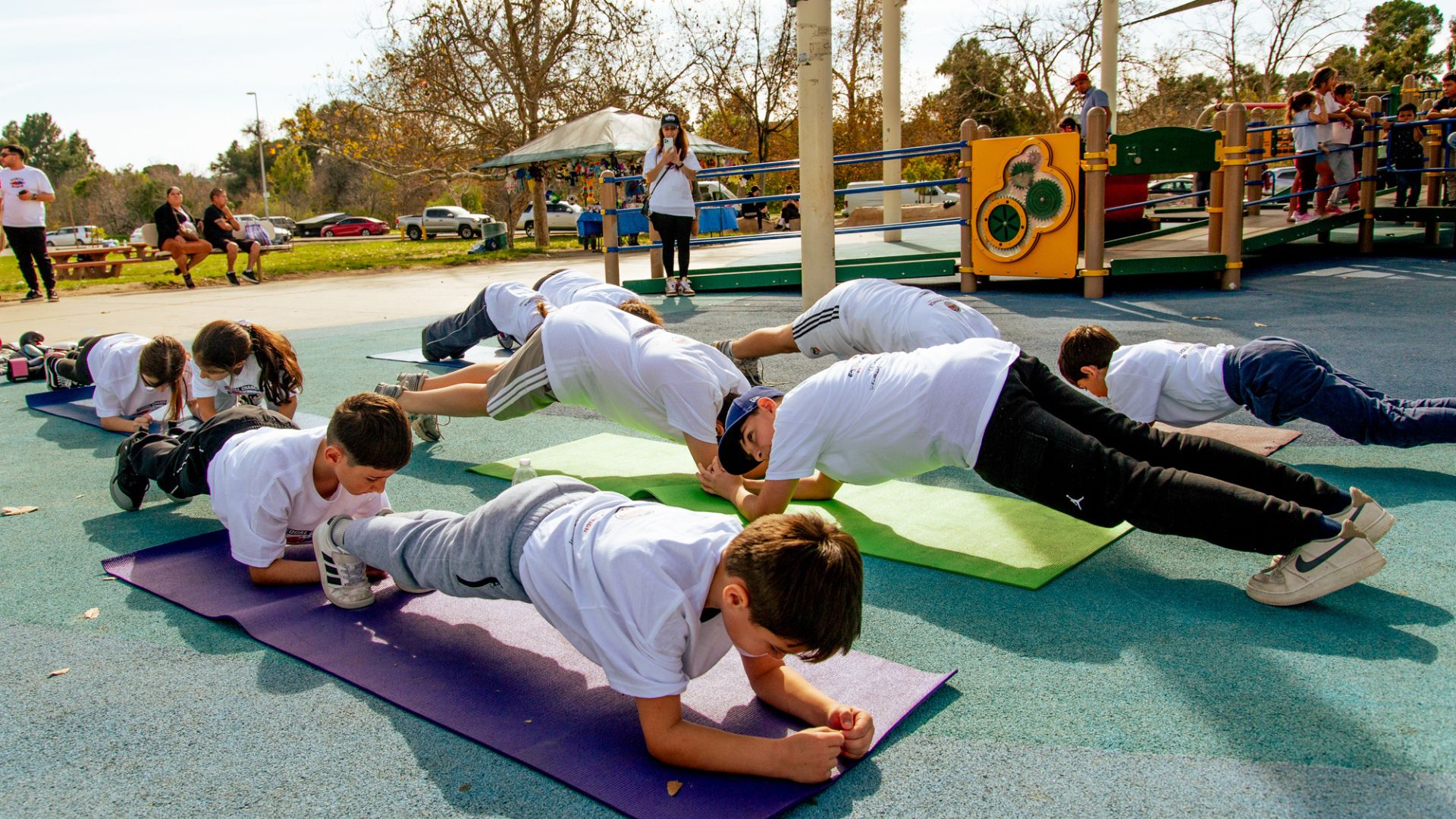
Parents are often the adults repeating messages about punctuality, effort, respect, and responsibility. When the same conversations happen frequently at home, teenagers may begin hearing them as background noise. A coach introduces another responsible adult who reinforces similar values inside a different environment.
Families may notice the child referring to something the coach said. The teenager may explain why arriving late affects the group or why proper rest matters before training. A child may take better care of equipment because the coach connected it to respect.
This does not mean the coach replaces the parent. The value comes from several adults reinforcing the same principles through different relationships. The parent provides stability and long-term care. The coach provides immediate instruction and accountability connected to the activity.
Professional boxer can help young participants understand that serious progress is built through preparation, repetition, and respect for coaching. The lesson is not that every child should become a professional athlete. It is that meaningful improvement takes time and that setbacks are part of a longer process.
Week after week, the young athlete sees that the coach continues showing up. This consistency creates trust. The participant learns that the adult will correct them after a mistake but will also be present during the next attempt.
Young Athletes Begin Seeing Other Participants Differently
During the first sessions, beginners may compare themselves constantly with others. They notice who is faster, stronger, more coordinated, or more comfortable. These comparisons can make the child feel that everyone else belongs more than they do.
Repeated attendance changes the group from a collection of strangers into a familiar community. The young athlete begins recognizing other participants, understanding their different abilities, and seeing that everyone has difficult moments. Someone who appeared naturally talented may still receive correction. A stronger participant may struggle with patience or endurance.
Families may hear new names at home. The child begins talking about someone who helped explain a drill or encouraged them during conditioning. These relationships do not need to become close friendships immediately to be meaningful. Familiarity itself can reduce isolation.
A strong program teaches experienced participants that skill creates responsibility. Beginners should not be mocked or intimidated. Young athletes learn that they influence the culture through how they treat others. A child who once needed support may eventually become the person offering it.
Parents Notice That Belonging Encourages Accountability
Belonging is sometimes misunderstood as an environment with no firm standards. In reality, young people often respond best when they know both that they are welcome and that their choices matter.
Week after week, the child learns the rules of the group. Listening protects safety. Punctuality respects the coach and other participants. Careless behavior with equipment affects everyone. Disrespect toward another student is not ignored.
The program supports the child, but the child is also expected to contribute to the environment. This balance helps accountability feel less like rejection. A young athlete can be corrected firmly and still understand that one mistake does not remove their place in the group.
Families may notice that the child becomes more willing to take responsibility. Instead of immediately blaming someone else, the young person may admit they were not listening or did not prepare properly. This change is rarely perfect or consistent, but even small moments can show that the program’s standards are becoming meaningful.
The foundation’s Community Training reinforces the idea that youth development grows stronger when coaches, families, volunteers, and community members support the same culture of respect and responsibility.
[ecbf_donate_banner_4]
Afterschool Hours Begin to Have More Direction
The hours after school can feel unstructured for many families. A teenager may return home mentally tired but physically restless. Without a dependable plan, time can disappear into screens, irregular sleep, unfinished responsibilities, or unhealthy social situations.
A regular training schedule gives part of the week a clear shape. The young person knows that certain afternoons have a destination. They need to consider homework, food, transportation, clothing, and arrival time. These practical decisions become part of learning how to organize a day.
Families may notice that the training schedule creates order around other responsibilities. The child begins completing homework earlier because training is later. A teenager becomes more aware of sleep because exhaustion affects performance. The program does not organize the young person’s entire life, but it provides an anchor.
The Summer and Afterschool Mentorship Camp reflects the importance of dependable structure during hours when families often need additional support. The value is not simply keeping young people busy. It is giving time a purpose connected to movement, mentorship, and community.
Parents Learn Not to Expect the Same Child After Every Session
One week, the young athlete may return home excited and talk about every detail. Another week, the same child may be tired, quiet, or frustrated. Families gradually learn that progress does not move in a straight line.
A difficult session does not automatically mean the program is failing. The child may have slept poorly, had a challenging day at school, or struggled with a new skill. The more important question is what happens afterward. Does the young person recover? Can they talk about what was difficult? Do they return the following week?
Parents can support this process by avoiding immediate performance reviews. Asking whether the child was the best, fastest, or strongest can make every session feel like an examination. Questions about what they practiced, what felt difficult, or which correction helped can create a more open conversation.
Families may also learn that silence is not always a problem. Some children need time before discussing an experience. A calm invitation to talk can be more effective than repeated questioning during the drive home.
The Family Routine Begins to Change Around Recovery
Consistent training also teaches families to pay attention to recovery. Young athletes need water, appropriate food, clean clothing, equipment care, and sufficient sleep. These habits support the next session and help children understand that training is not limited to the visible workout.
Parents may notice that the child begins recognizing how preparation affects performance. Staying awake too late makes concentration harder. Arriving without food can reduce energy. Leaving equipment unclean creates problems later.
These are practical lessons because the young person feels the results directly. Adults do not have to explain every consequence repeatedly. The training experience provides feedback.
Recovery should not become another source of pressure. Children do not need professional athlete routines, and families should consider individual health needs. The goal is a realistic pattern that supports participation and teaches care for the body.
What Families Notice Is Often More Important Than What Can Be Measured
Some progress can be measured through technique, conditioning, or attendance. Other changes are more difficult to place on a chart. A parent may notice that the child speaks more calmly after making a mistake. A teenager may begin asking for help instead of pretending not to care. A young participant may show greater patience with a sibling or become more comfortable entering unfamiliar situations.
Families should be careful not to claim that every positive change comes from boxing. Young people develop through many influences, including home, school, friendships, and maturity. Still, a structured sports program can become one important place where responsibility and confidence are practiced repeatedly.
The most meaningful progress may be the child’s changing relationship with difficulty. Instead of assuming that struggle means they should stop, the young person begins looking for the next step. Instead of hearing correction as rejection, they learn to use it as information.
These changes are gradual and imperfect. A teenager may show greater discipline in the gym while continuing to struggle at home. The habits need time and reinforcement before they transfer consistently. Parents can encourage the process by noticing progress without turning it into another demand.
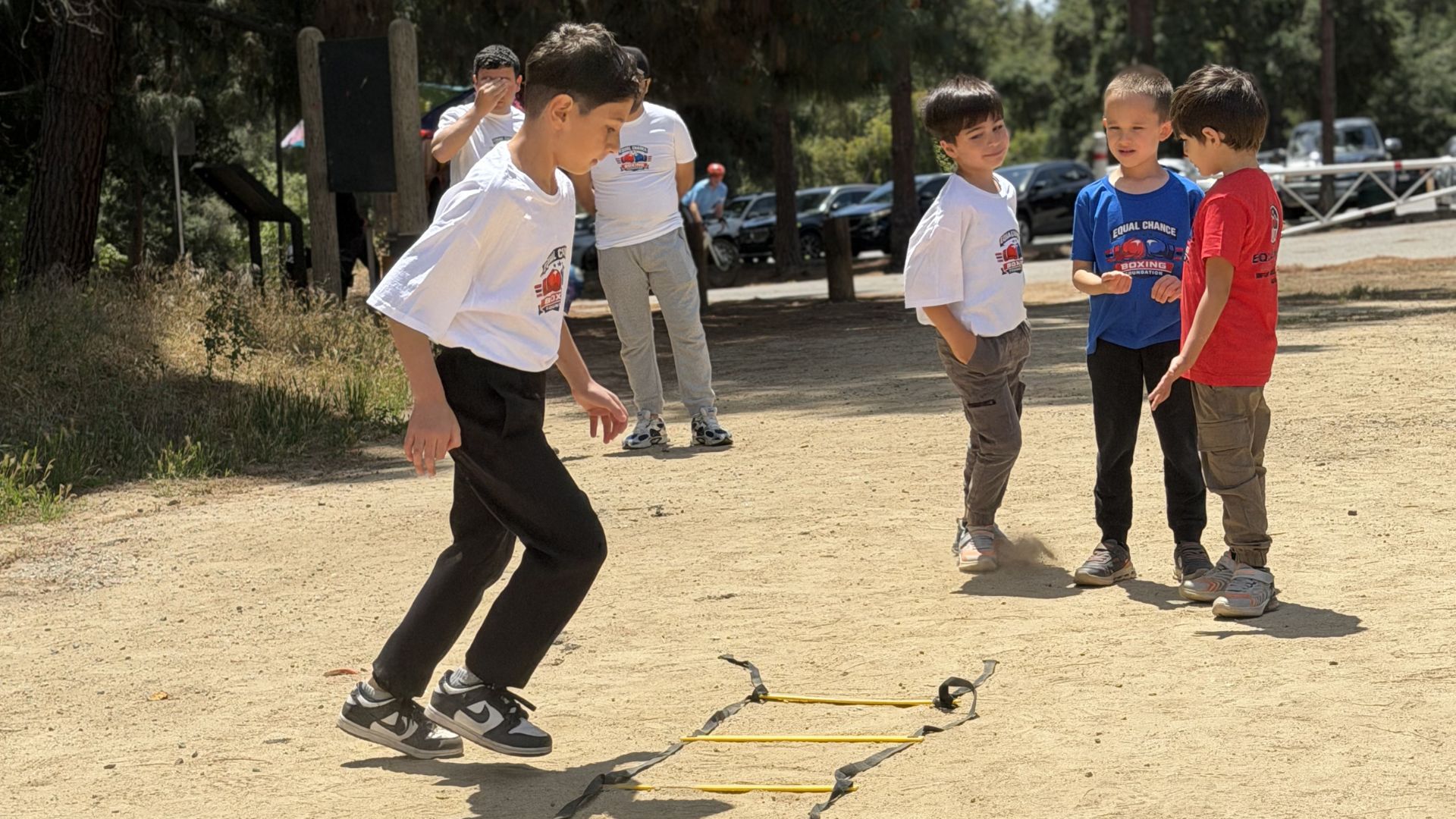
Consistent Attendance Helps Mentorship Become Real
One session can create a positive impression, but mentorship requires time. Coaches learn about young participants by seeing how they respond during different kinds of days. They notice who becomes quiet when frustrated, who rushes to impress others, and who needs extra time to understand an instruction.
The young person also learns about the coach. They see whether standards remain consistent, whether beginners receive respect, and whether the adult keeps supporting them after mistakes. Trust develops through repeated evidence.
A teenager may not immediately accept guidance from an unfamiliar adult. Some young people test boundaries or resist instruction because they want to know whether the relationship is dependable. A mentorship-based coach remains calm, maintains expectations, and gives the participant opportunities to improve.
This is why attendance matters beyond athletic development. Returning allows the relationship to move from introduction to trust. The coach’s words become more meaningful because the young person has seen that they are supported by consistent action.
Community Events Expand What Families See
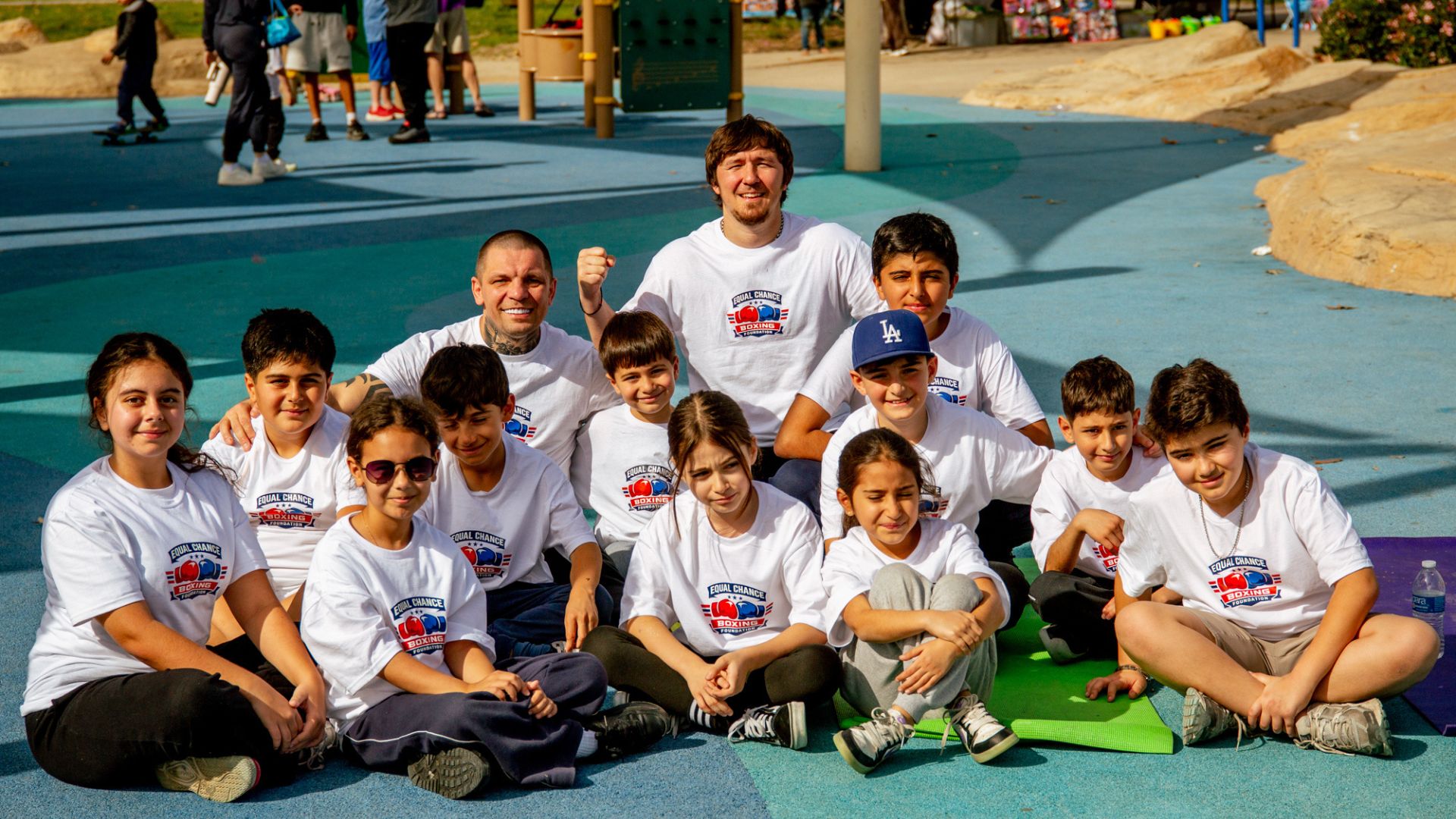
Families may first know Equal Chance Boxing Foundation through regular training, but community activities reveal that the mission extends beyond one class. Events, outreach, and service can connect participants with volunteers, supporters, and local organizations working toward the same goal.
A child begins seeing that adults contribute in different ways. Coaches provide instruction. Volunteers prepare spaces and support events. Donors help maintain access. Community partners help reach more families.
These experiences teach that a sports program is not built by one person. Young participants benefit from a network, and they can gradually become responsible members of that network.
Stories shared through Champions of Hope reflect the many people who choose to stand beside young athletes. Families returning week after week begin to recognize that their child is not simply attending an activity. They are entering a community shaped by shared responsibility.
Boxing Can Support Development but Cannot Replace Professional Care
Structured sports, physical activity, mentorship, and social connection can support confidence, routine, and emotional regulation. Some families may notice that a child appears more grounded or organized after becoming involved in regular training.
However, youth boxing is not a substitute for professional medical or mental health care when that support is needed. Responsible programs should never claim that boxing cures anxiety, depression, trauma, ADHD, or behavioral disorders.
Coaches can notice changes, communicate concerns, and provide dependable structure within the limits of their roles. If a young person shows serious emotional distress, talks about self-harm, experiences major behavioral changes, or creates an immediate safety concern, qualified professional support may be necessary.
A healthy support network can include families, coaches, teachers, medical professionals, mental health professionals, volunteers, and community organizations. No single program needs to become everything in order to make a meaningful contribution.
Donors and Sponsors Help Families Keep Returning
Consistent participation requires a program that remains consistently available. Training space, coaching, equipment, insurance, outreach, and program organization all require resources.
People who donate to Equal Chance Boxing Foundation help provide more than one class. Their support helps create the conditions in which families can return, young people can build relationships with coaches, and gradual progress can continue.
Corporate partners also strengthen access through sponsorship opportunities. Meaningful sponsorship helps programs remain dependable rather than appearing only for isolated events.
The deeper impact of this support may be visible in ordinary routines. A child has access to equipment. A coach remains present week after week. A family does not have to carry every cost alone. These forms of consistency allow mentorship and trust to develop.
Week After Week, Families Begin Seeing the Whole Support System
At first, parents may see only the boxing session. Over time, they begin recognizing the people and structure surrounding it. They see the coach preparing the group, volunteers supporting events, other families creating community, and donors helping maintain access.
They also begin seeing their child differently. The young person may still struggle, complain, or have inconsistent days, but the family has more evidence of what is possible. They have watched the child enter while nervous, receive correction, return after difficulty, and gradually take more responsibility.
The most valuable change may not be one dramatic result. It may be the developing expectation that the young person will keep showing up. The routine becomes familiar. The relationships become dependable. The child begins understanding that progress is not created by one perfect performance.
What families notice when they return week after week is a support system taking shape. Training provides the physical challenge, mentorship gives that challenge direction, and community helps keep the opportunity available. Young people are expected to work, but they are not expected to grow alone.
Step Into the Ring. Let’s Build Our Community Together.
For Parents: Give Progress Time to Become Visible
Your child does not need to arrive confident, experienced, or naturally athletic. They need a safe place to begin, dependable adults, and repeated opportunities to practice responsibility and resilience.
ENROLL IN OUR YOUTH BOXING PROGRAM TODAY
For Supporters: Help Families Return Week After Week
Your contribution helps provide coaching, equipment, safe training space, community outreach, and the consistency required for trust and mentorship to develop.
DONATE TO THE EQUAL CHANCE BOXING FOUNDATION
For Community Partners: Strengthen the Network Around Local Youth
Businesses and organizations can help expand access to structured youth sports, afterschool mentorship, and community-based opportunities throughout Los Angeles.
LEARN ABOUT CORPORATE SPONSORSHIP
Questions About Long-Term Progress?
What families may notice over time.
There is no fixed timeline, and responsible programs should not promise an immediate transformation. Families may first notice small changes such as easier preparation, more consistent attendance, greater willingness to accept correction, or faster recovery after frustration. Deeper habits usually develop through repeated participation and support over time.
Parents should listen and try to understand whether the child is experiencing normal frustration, an unsuitable activity, or a genuine safety concern. One difficult session does not necessarily mean the program is wrong, but persistent fear, humiliation, or unsafe treatment should be taken seriously. When the environment is safe, calm encouragement can help the child continue long enough to work through ordinary discomfort.
Mentorship develops through repeated contact. Coaches learn how a young person responds to challenge, and participants learn whether adults are dependable and fair. Returning week after week allows trust to grow beyond the first impression and gives the child repeated opportunities to practice responsibility, receive guidance, and recover after mistakes.
Families may notice greater independence in preparation, improved punctuality, more respectful communication, increased comfort with correction, better recovery after frustration, or a stronger sense of belonging. These changes are gradual and may not appear consistently at first, but they can show that the young person is practicing habits that extend beyond athletic performance.