

Ask most adults what a teenager needs and the answers tend to be large and abstract: confidence, direction, motivation, purpose. Ask a teenager what their week actually looks like, and the answer is usually much smaller and much more concrete. School, which is fixed. Home, which may or may not be. And then a wide, unshaped stretch of hours in between that gets filled with whatever happens to be available. For a lot of young people, that middle stretch is the least predictable part of their life, and it is the part that quietly shapes everything else.
Consistency sounds like a quality a person either has or lacks, something that comes from discipline or character. In practice, for a teenager, consistency is mostly a feature of their environment. A young person can only be consistent about something that is itself consistent. They cannot reliably attend a program that cancels half its sessions. They cannot build a relationship with a coach who changes every few months. They cannot develop a routine around a gym whose doors may or may not be open depending on how the funding looks this quarter. This is where donors enter a story that rarely gets told this way: what they are funding, more than anything else, is the steadiness of a young person’s week.
What an Unpredictable Week Does to a Young Person
Adults tend to underestimate how much energy young people spend managing uncertainty. A teenager whose schedule changes week to week has to keep re-deciding things that should be settled: whether to go, whether it is worth getting ready, whether their friend will be there, whether the thing they were working on last time will continue. Each of those small decisions is a place where it becomes easier to simply not go. Not because the teenager stopped caring, but because caring about something unreliable takes more effort than caring about something that is simply there.

There is also a quieter effect. When the things a young person counts on turn out to be negotiable, they learn to invest less in advance. They stop looking forward to things. They hedge. A teenager who has had several activities start strong and then quietly disappear often develops a kind of protective skepticism about new ones, and that skepticism is reasonable. It is a sensible response to a pattern they have actually observed. Programs that want to reach those young people are not just competing for their time; they are working against a history that taught them not to count on much.
None of this is a claim that unpredictability causes any specific outcome, and it would be irresponsible to suggest otherwise. Young people are shaped by far more than their calendars. But structure is one of the few variables a community can actually change, and a reliable weekly commitment is one of the more straightforward forms of support an adult world can offer a teenager who has not had much of it.
Consistency Is a Thing That Has to Be Paid For
Here is the part that is easy to miss: a program’s consistency is not a matter of good intentions. Every organization running youth programming wants to keep a steady schedule. Whether it can is largely a question of money, and specifically of how predictable that money is.
A program with reliable funding can commit to a calendar months ahead. It can tell a coach they have hours next season, which is the only way to keep an experienced coach. It can hold its training space on a standing basis instead of month to month. It can tell a family that sessions run on these days, at these times, through the end of the year, and mean it. A program whose funding arrives in unpredictable bursts cannot promise any of that honestly. It ends up planning in short horizons, keeping commitments provisional, and quietly absorbing the gap between what it wants to offer and what it can guarantee. The young people in that program experience the difference directly, even though they never see the budget behind it.

This is why the Youth Boxing Program treats schedule reliability as something to protect rather than something that simply happens. A session that runs when it said it would is a small promise kept, and for a teenager who has collected a number of broken ones, small promises kept are not small.
It helps to be concrete about what gets protected. Keeping a weekly schedule intact means the training space is secured in advance rather than booked whenever it happens to be available. It means enough coaches are scheduled that a single person’s illness does not cancel a session. It means equipment is replaced on a maintenance cycle rather than when something finally breaks mid-session. It means the program can absorb an ordinary bad month without passing that month along to families as a gap in the calendar. Every one of those is a cost, and together they are most of what the word “consistency” actually refers to when a program uses it.
The Part of Consistency That Families Carry
There is a second side to this that is easy to overlook from the outside. A teenager’s attendance is rarely only their own decision. Someone usually has to make it work: a parent arranging a ride, a grandparent adjusting their evening, an older sibling walking them over. A schedule that moves around does not only unsettle the young person; it lands on whoever is responsible for getting them there, and that person often has the least flexibility of anyone involved.
For a parent working an unpredictable shift, a fixed weekly time is the difference between a commitment they can plan around and one more thing that might fall apart. When a program’s times hold steady for months, families can build real arrangements around them — a standing ride with a neighbor, a shift swapped in advance, a sibling’s schedule set to match. Those arrangements take effort to set up and they are fragile, which is exactly why families stop making them for programs that change. Consistency, from a family’s point of view, is what makes their own planning worth doing.
Why the Same Coach on the Same Day Matters More Than It Sounds
Among all the things consistency buys, the most valuable may be the continuity of the adults in the room. A coach who has worked with the same group for a year knows which young person needs correction delivered quietly and which one does better hearing it in front of the group. They know who is likely to quit on a hard day and what to say in the thirty seconds before that happens. They notice when someone who is usually chatty has gone silent. None of this knowledge transfers in a handoff. It is built slowly, by being in the same room with the same people, week after week, and it disappears the moment turnover breaks the thread.
Keeping experienced coaches is almost entirely a funding question. Coaching is skilled work, and skilled people need to be paid predictably to stay. A program that can only offer uncertain hours will steadily lose its most experienced coaches to employers who can offer certainty, and the young people will feel that loss as a series of new faces who do not yet know them. When donors fund coaching consistently, what they are really preserving is the accumulated knowledge a coach holds about specific teenagers, which is the hardest thing in a youth program to rebuild.
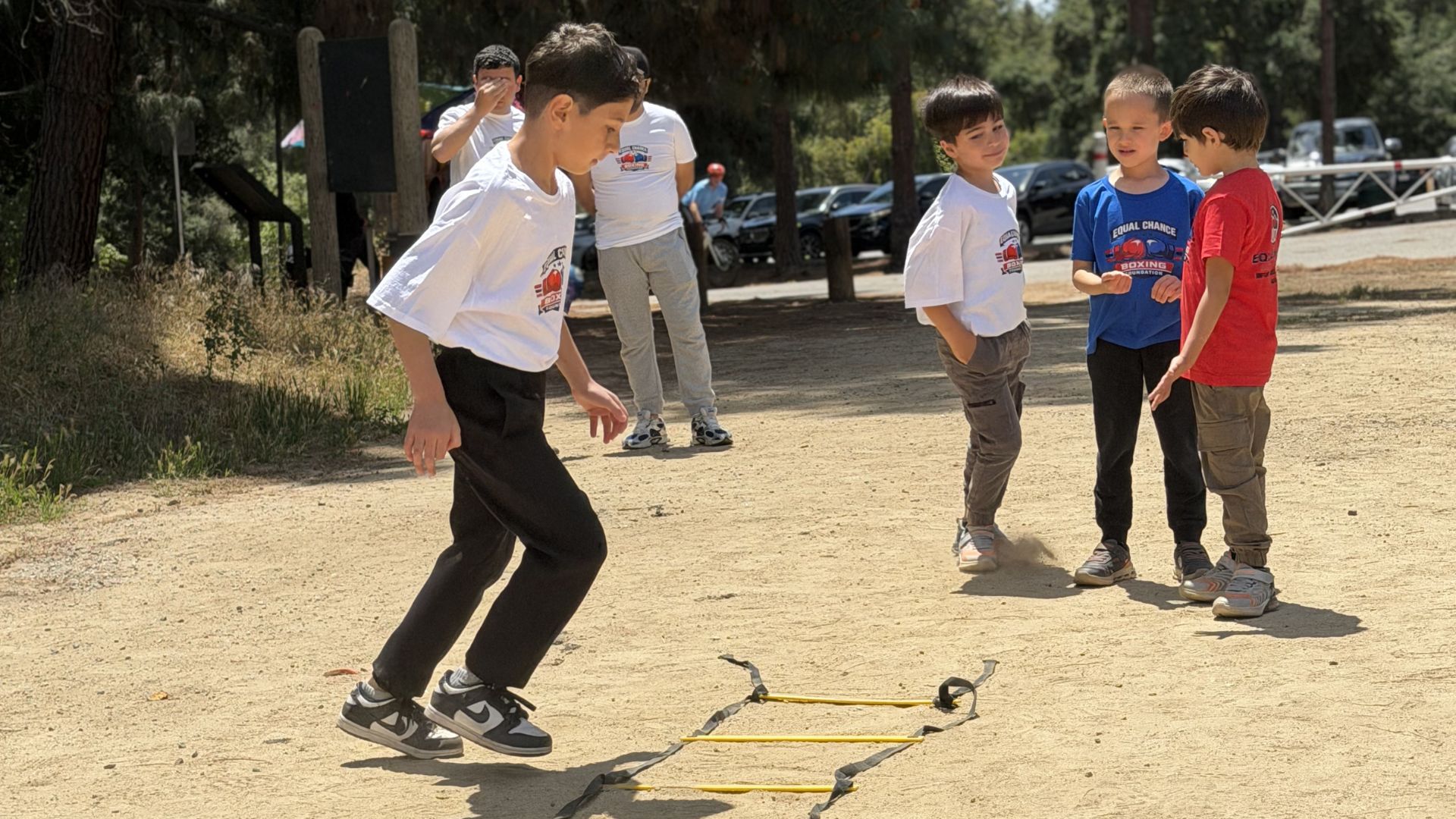
Young people read adult reliability closely, and often more accurately than adults expect. A coach who is simply there, every week, without needing to be impressive about it, communicates something a motivational speech cannot. The message is not that the teenager is special; it is that showing up is normal here, and that they are included in that normal.
What Teens Notice When a Program Keeps Its Word
Teenagers are frequently described as inattentive, which badly misreads them. They are extremely attentive to whether what adults say matches what adults do, in part because they have had a lot of practice at it. A program that says it opens at four and opens at four is making a claim that gets tested constantly and quietly. When the claim holds up for long enough, something shifts. The young person stops approaching the program as a question and starts treating it as a given.
That shift is where most of the real benefit of youth programming begins. A teenager who treats training as a given can start planning around it. They arrange their homework differently. They tell a friend they are busy on Tuesday. They begin to think of themselves as someone who trains, rather than someone who sometimes goes to a thing. Identity builds on repetition, and repetition requires something reliable to repeat.

It is worth being careful here about what structure can and cannot do. A dependable weekly routine, physical activity, and a positive adult presence can help some young people feel more grounded, and that is a reasonable thing to offer. It is not treatment, and it does not replace professional medical or mental health care when a young person needs it. A good program knows the difference, points families toward real help when that is what is called for, and stays honest about its own role: it is one steady thing in a week, not a solution to everything in it.
The Difference Between a Program That Survives and One That Plans
Nonprofits running on uncertain funding spend a surprising share of their effort on the question of whether they will continue. That effort is invisible to families, but it comes directly out of the work. Every hour spent managing a shortfall is an hour not spent on a young person. Every decision deferred because next quarter is unclear is a decision that shows up later as a gap in what the program can offer.
A program that can plan behaves differently in ways that are easy to observe. It starts seasons on time. It replaces worn equipment before it becomes a problem rather than after. It can accept a new group of participants without first calculating whether it can still afford them in March. It can run programs like the Summer & Afterschool Mentorship Camp as a standing part of the year rather than an annual question mark. Families notice the difference quickly, because planning ability is what allows a program to answer “will this still be here next year” with something better than hope.
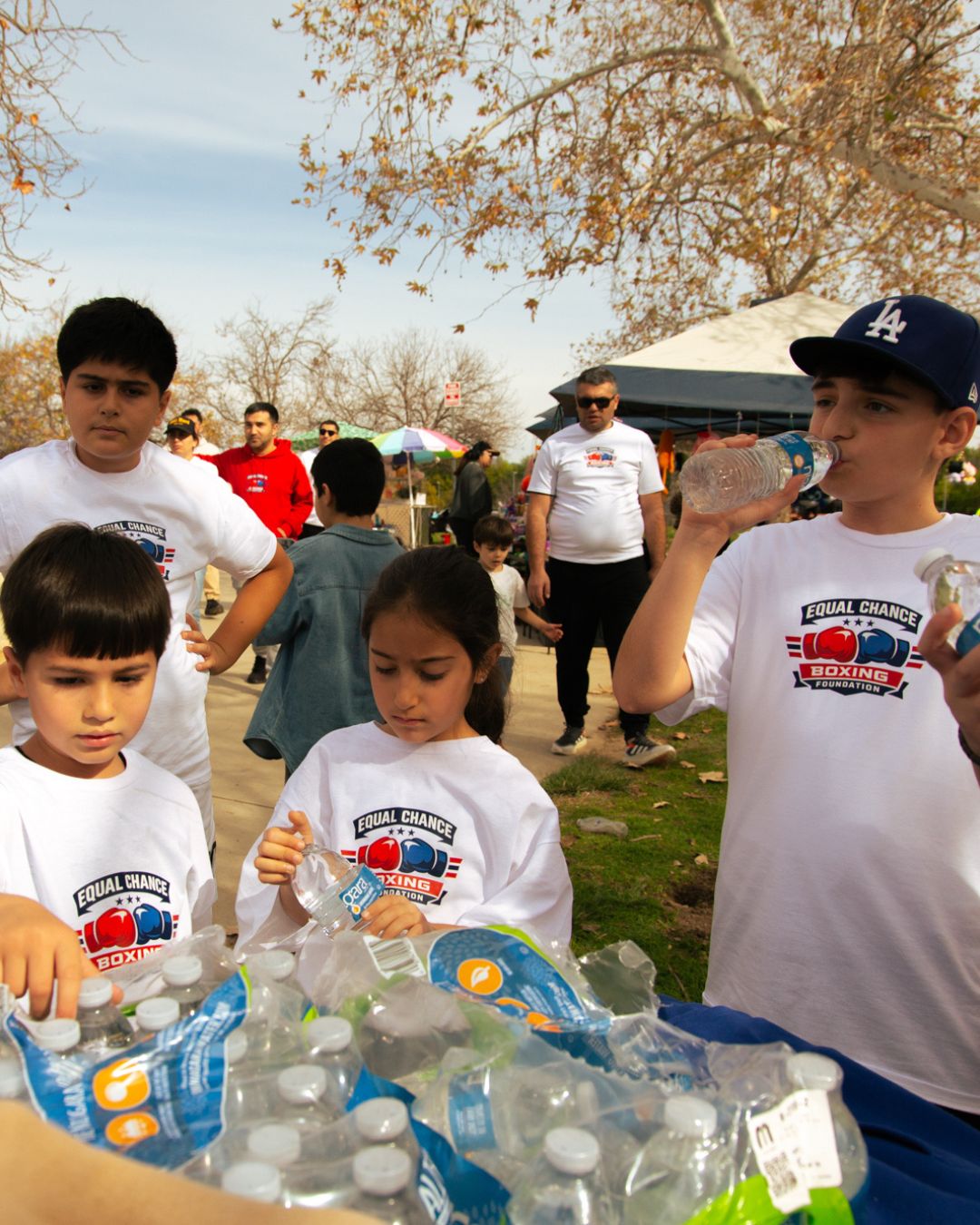
Donors who give regularly, rather than occasionally, are the ones who make planning possible. This is not a matter of amount. A modest contribution that arrives every month is worth more to a program’s stability than a larger one that arrives unpredictably, because it can be built into a plan. Predictable support converts directly into a predictable schedule, and a predictable schedule is the entire thing a teenager actually experiences.
What Consistency Looks Like Six Months In
It is worth being specific about what consistency produces, because the honest version is less dramatic than fundraising language usually suggests. A young person who has trained steadily for six months does not become a different person. What tends to happen is smaller and more durable than that.
They arrive more reliably, including on days they do not feel like it. They prepare more of their own gear without being asked. They take a correction without treating it as an insult, which is a genuine skill and takes time. They recover from a bad round faster than they used to, because they have had enough rounds to know that a bad one is not the end of anything. They ask more questions, which usually means they have stopped worrying about looking inexperienced. They begin to notice newer participants and occasionally help them, which is often the clearest sign that a young person feels they belong somewhere.

Not every young person follows that path, and some will train for months and show no visible change at all until something shifts much later, or never visibly at all. That is the honest picture, and a program worth supporting does not oversell it. But none of those changes are available to a teenager whose program keeps starting over. They are the product of time in a stable environment, which means they are the product, indirectly, of whatever made that environment stable.
Why Recurring Support Is the Most Useful Kind
If there is one practical point in all of this, it is that the form of a donation matters as much as its size. Programs are built out of commitments: a coach’s hours, a lease, a calendar published in advance. Commitments can only be made against income a program can reasonably expect. A recurring gift is income a program can expect. A one-time gift, however generous, mostly funds what has already been committed rather than extending what can be committed next.
Champions of Hope and ongoing Community Training partnerships work on this logic. So does every individual who sets up a modest monthly contribution and then more or less forgets about it. That forgotten monthly amount is, from the program’s side, one of the most useful things a supporter can provide, because it is the kind of money that can be turned into a promise.
The way to think about it is this: a donor is not buying a young person a session. They are buying the fact that the session will be there next week, and the week after, for long enough that a teenager can start to count on it. That is a less vivid thing to picture than a child receiving something. It is also, over the course of a year in a young person’s life, considerably more valuable.
Step Into the Ring. Let’s Build Our Community Together.
For Parents
If your teenager needs something dependable in their week, that is exactly what this program is built to provide: the same days, the same coaches, and a place that is open when it says it will be.
ENROLL IN OUR YOUTH BOXING PROGRAM TODAY
For Supporters
Recurring support is what turns funding into a schedule a young person can rely on. A modest monthly contribution helps keep coaching steady, doors open, and commitments to families keepable.
DONATE TO THE EQUAL CHANCE BOXING FOUNDATION
For Community Partners
Local businesses and organizations that commit to ongoing support help this program plan further ahead than a season at a time, which is what consistency actually requires.
LEARN ABOUT CORPORATE SPONSORSHIP
Frequently Asked Questions
What Supporters Ask About Funding a Teenager’s Routine
A young person can only build a routine around something that is itself reliable. When a program runs on the same days, with the same coaches, a teenager can plan around it and begin to treat it as a given rather than a question. That steadiness is what allows habits, relationships, and gradual progress to develop over months.
Predictable funding is what allows a program to make commitments it can keep: holding training space on a standing basis, offering coaches reliable hours, and publishing a calendar months in advance. When funding is uncertain, a program has to plan in short horizons, and young people experience that as cancelled sessions and changing faces.
Both are genuinely valuable, but recurring support does something a one-time gift cannot: it is income a program can count on, so it can be built into next season’s commitments. A modest amount arriving every month often does more for a program’s stability than a larger amount arriving unpredictably.
A dependable routine, physical activity, and a positive adult presence can help some young people feel more grounded, and a steady weekly commitment is a reasonable thing to offer. It is not a substitute for professional medical or mental health care when that is what a young person needs, and a responsible program is clear about that difference.