

The word “free” does a lot of quiet work in a sentence. When a parent hears that a youth boxing program is free, the word lands as relief: one less fee to find room for, one less form asking for a credit card, one less reason to say “maybe next season.” That relief is real, and it is exactly what a free program is supposed to deliver. But “free” describes the experience of the family walking through the door, not the economics of the program behind it. Somebody, somewhere, is covering what the family no longer has to, and understanding who that is and why it matters changes how a community thinks about the programs it says it values.
This is not an article about guilt, and it is not a plea dressed up as an explanation. It is an attempt to describe something most people never see clearly: what youth sports actually cost families when they are not free, what “free” has to include to mean anything, and what is quietly at stake when a community stops paying attention to how its free programs stay that way.
What Families Pay When Youth Sports Are Not Free
For many families, the cost of youth sports does not arrive as a single bill. It arrives in layers. There is the registration fee, which is the number most people think of first, but it is rarely the largest piece. After it come uniforms, then equipment that a child outgrows within a season or two, then the shoes that are specific to one sport and useless for anything else. In many organized leagues, there are tournament fees, travel costs, team photos, end-of-season banquets, and the steady background expense of getting a child to and from practice several times a week. Each piece is reasonable on its own. Together, they can turn a single child’s athletic interest into one of a household’s more significant recurring expenses.

Then there are the costs that never appear on any receipt. A parent who works an evening shift has to arrange coverage or rides. A family with three children has to decide whether one child’s activity is fair if the other two cannot have one. A household already managing rent, groceries, and a car payment has to weigh a new commitment against everything else competing for the same dollars. These are not abstract tradeoffs. They are the real reasons many children who would love a structured sport never get one, not because their families do not care, but because the full cost of participation simply does not fit.
None of this is a criticism of programs that charge fees. Running a youth sports program costs money, and many paid programs do excellent work. The point is simply that the total price of youth athletics, once every layer is counted, often lands well beyond what families in under-resourced neighborhoods can absorb, and that gap is exactly where free programs become essential rather than optional.
[ecbf_donate_banner_1]
“Free” Has to Mean the Whole Experience, Not Just the Entry Fee
A program can technically waive its registration fee and still be expensive to attend. If a child needs to buy their own gloves, wraps, and gear before the first session, the program is free in name only. If families have to cover the cost of every event, every trip, or every piece of equipment that wears out, the barrier has simply moved from the front door to somewhere further inside. Families notice this quickly, and many quietly drop out when the hidden costs start arriving, often without ever telling anyone why.
This is why a genuinely free program has to think about the entire experience of a child and family, not just the first form they fill out. At Equal Chance Boxing Foundation, the goal behind the Youth Boxing Program is that a family should not need to make a financial calculation at any point between deciding to come and continuing to come. Gear, coaching, a safe training space, and the structure around it are meant to be part of what is provided, so that the only question a family has to answer is whether their child wants to keep showing up.

That standard is harder to meet than it sounds, and it is worth being honest about why. Every hidden cost a program refuses to pass along to families is a cost the program has to cover some other way. “Free” in the full sense is not a pricing decision made once. It is a commitment that has to be renewed every month, every season, every time a pair of gloves wears through or a new group of kids arrives needing gear.
Free Should Never Mean Lesser
One of the quieter risks facing free programs is the assumption, sometimes held by the public and occasionally by the programs themselves, that free means basic. That a no-cost program is a kind of charity tier, offering a stripped-down version of what paying families receive somewhere else. This assumption does real damage, because children notice when they are being given less, and they draw conclusions about what they are worth from it.
A free program that takes its mission seriously has to hold itself to the same standards as any well-run paid program: qualified coaching, safe and well-maintained equipment, a clean and supervised training space, consistent scheduling, and genuine attention to each young person’s progress. Families who cannot afford fees deserve the same quality of experience as families who can. The child who trains for free should be coached with the same care, corrected with the same patience, and expected to meet the same standards of effort and respect as anyone else. Anything less turns access into a consolation prize, and young people can always tell the difference.
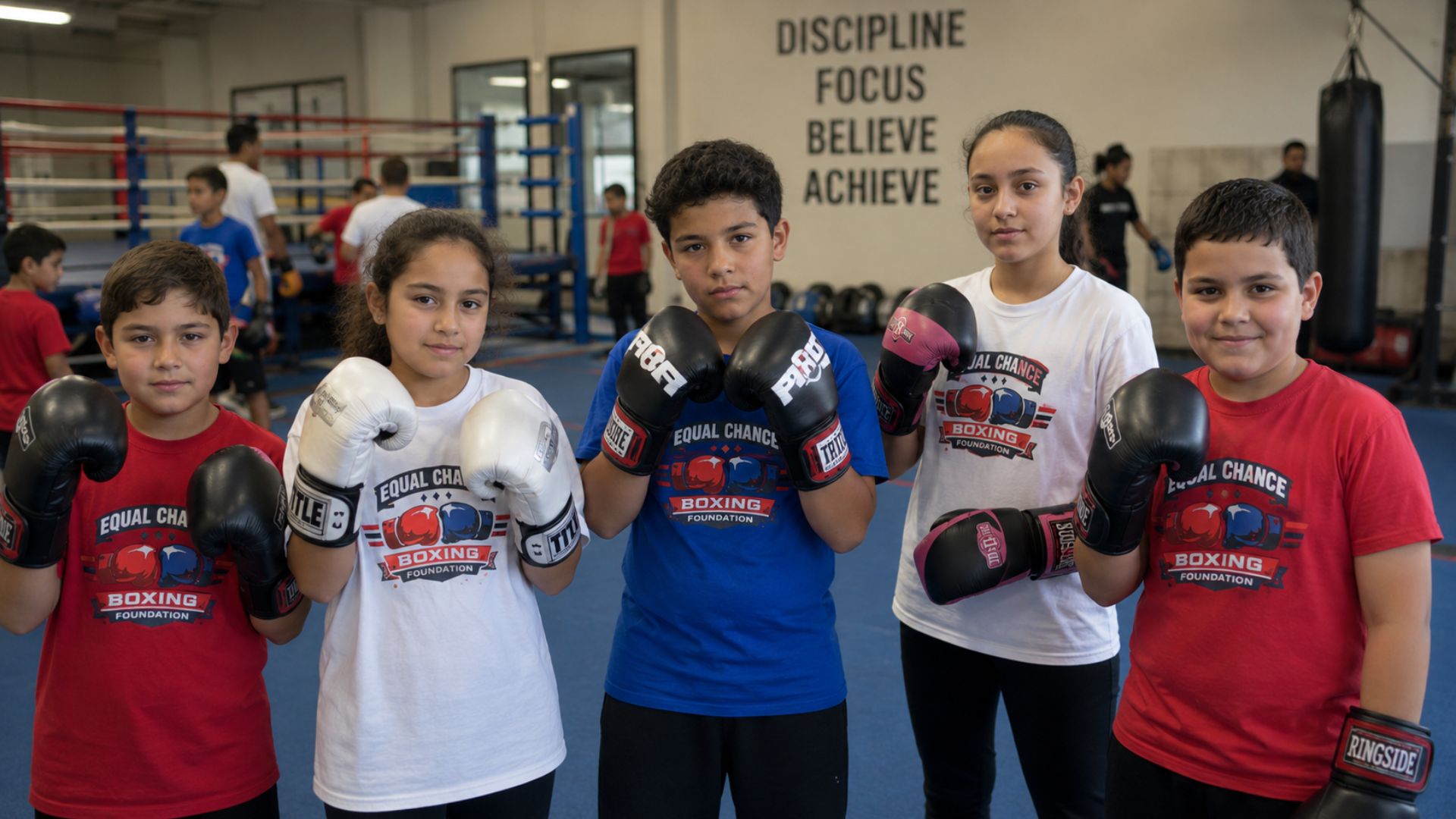
This is part of what makes free programming genuinely expensive to sustain. It is not only that the costs exist; it is that a free program cannot cut corners on quality to make the numbers work without undermining the very thing it was built to provide. The commitment to “free” and the commitment to “good” have to travel together, and both require steady support behind them.
Who Actually Pays When a Family Does Not
When a family does not pay for a child’s training, the cost does not disappear. It shifts. It is carried by individual donors who decide that a child’s access to structured activity is worth their support. It is carried by local businesses that contribute equipment, services, or funding. It is carried by community partners who share space, volunteers who give their time, and foundations that fund youth development work. Each of these supporters is, in a very practical sense, paying for something they will never directly use, so that a family they may never meet does not have to choose between their child’s opportunity and the rest of their budget.
There is something worth recognizing in that arrangement. It reflects a community deciding, collectively, that a child’s chance to train, belong, and grow should not depend entirely on what their parents can afford in a given month. Community Training and other forms of local partnership exist within that same logic: the idea that a neighborhood is stronger when opportunity is shared rather than sorted by income.
[ecbf_donate_banner_4]
It is also worth being clear about what this arrangement is not. It is not a transaction in which supporters are owed gratitude from the families they help, and it is not a story about rescuing anyone. Families who participate in free programs are not recipients of charity so much as members of a community that has chosen to invest in its young people. The most respectful free programs treat every family that way, and the most thoughtful supporters understand their role the same way.
What Happens When Free Programs Lose Their Footing
Because the costs of a free program are carried by supporters rather than families, those programs are vulnerable in a particular way. When support dips, the program cannot simply raise its prices to cover the gap. Its only options are to reduce what it offers, serve fewer children, or find new support quickly. Each of those choices has consequences for real families, and they tend to fall hardest on the children who have the fewest alternatives.
A program that has to cut sessions loses some of the consistency that makes it valuable in the first place. A program that has to cap enrollment ends up turning away exactly the families it was designed to welcome. A program that starts asking families to cover small costs here and there risks recreating the very barriers it was built to remove. None of these outcomes are dramatic in the moment, but over time they erode the reliability that families depend on, and reliability is one of the most important things a youth program can offer a young person whose life may already have too little of it.
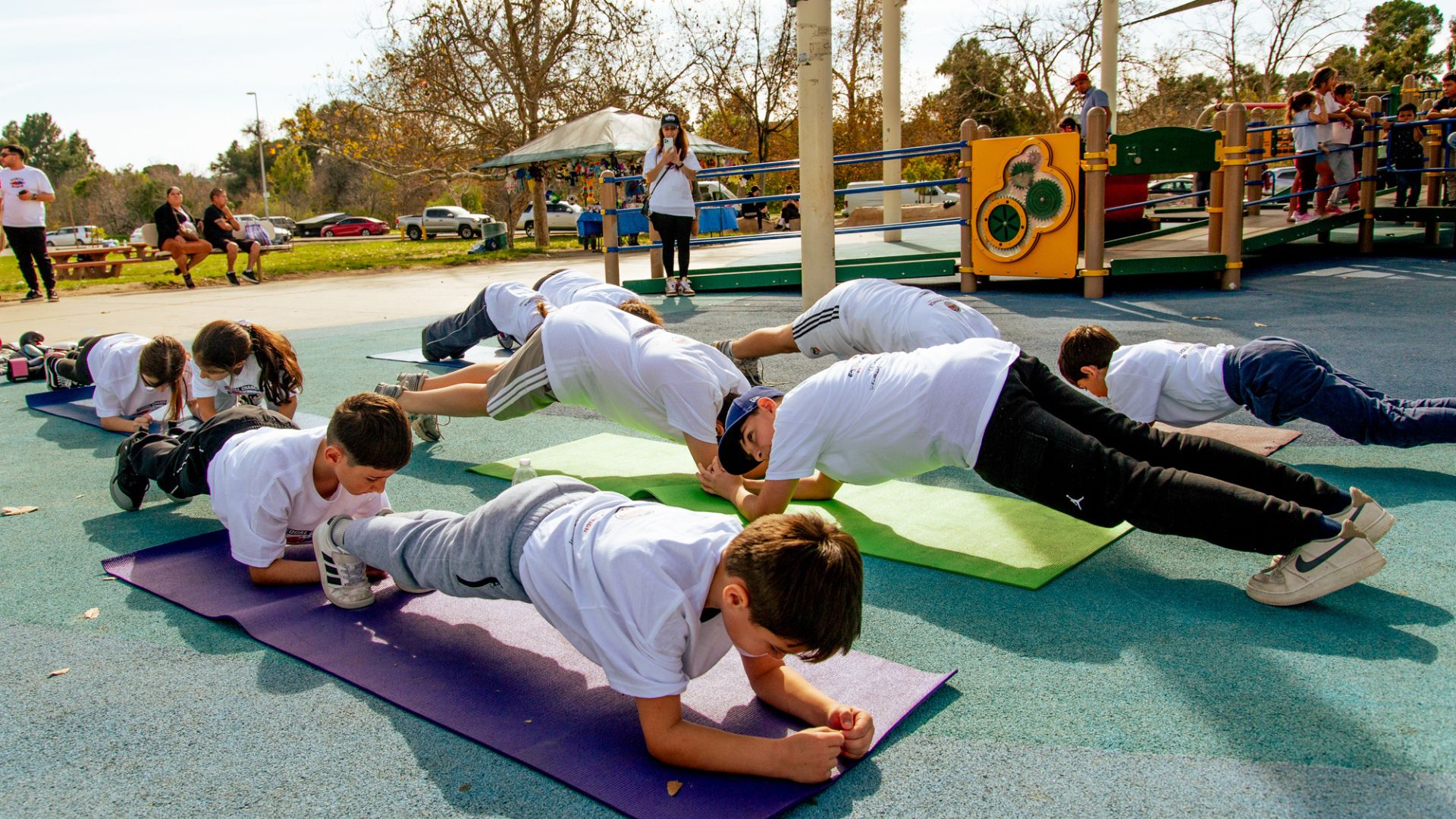
This is why sustained support matters more than occasional bursts of generosity. A program that can count on steady funding can plan ahead, keep its schedule consistent, maintain its standards, and say yes to new families with confidence. The Summer & Afterschool Mentorship Camp and year-round training both depend on that kind of predictability, because the young people they serve depend on it too.
The Value Families Receive Is Larger Than the Fee They Save
It would be easy to measure a free program’s value to a family by the dollars it saves them, but that figure badly understates what is actually being provided. A family whose child trains consistently in a well-run program receives structure in the hours after school, a positive adult presence in their child’s week, a safe place for physical activity, and a community of peers and coaches oriented toward growth. For a working parent, it can also mean a few hours of genuine peace of mind, knowing exactly where their child is and who they are with.
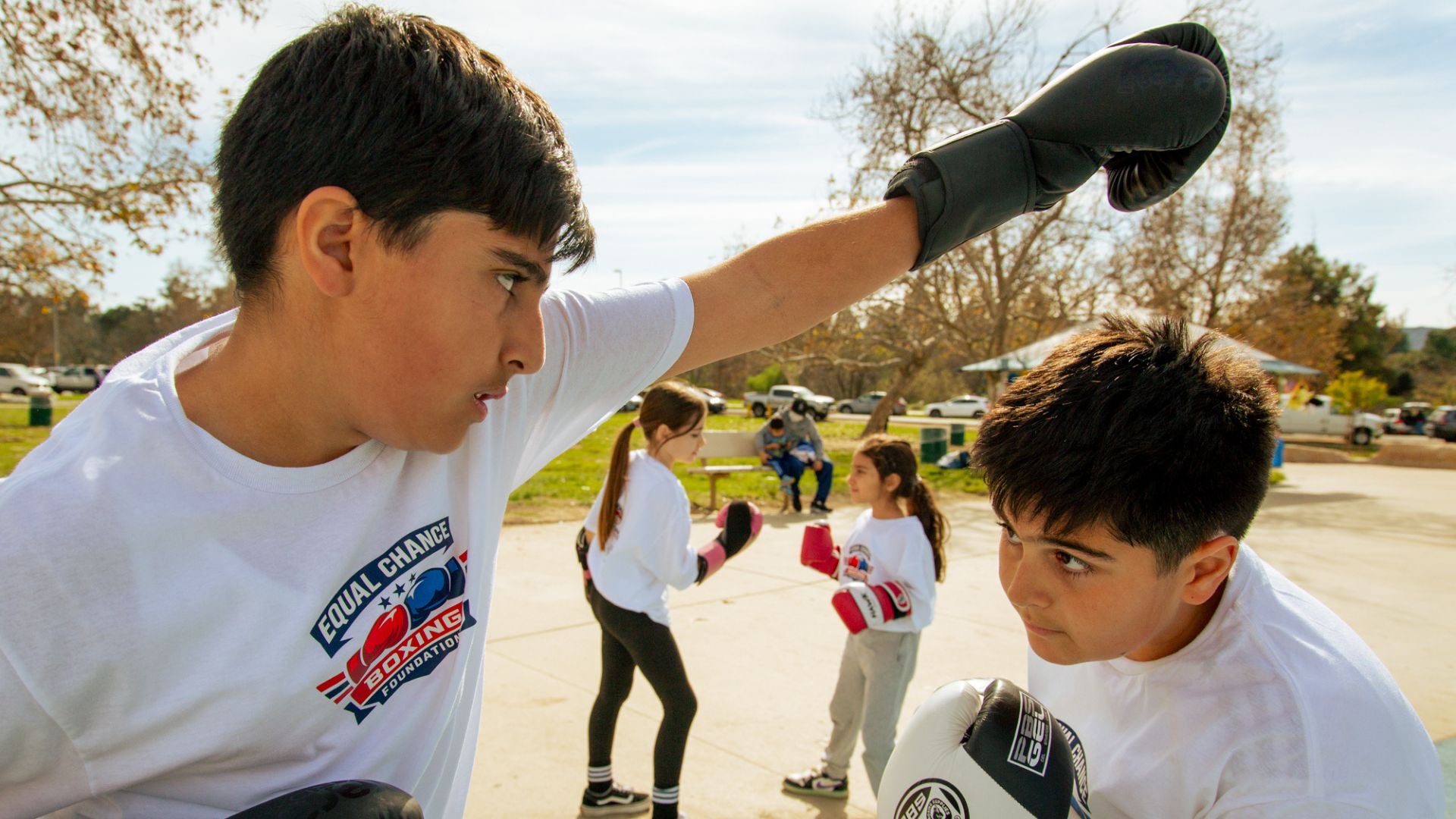
Some of that value shows up gradually and quietly: a teenager who prepares more independently for training, recovers from frustration a little faster, or begins to treat commitments more seriously. Some of it shows up in the family’s week, which becomes slightly more predictable and slightly less stretched. None of it fits neatly on a receipt, and none of it should be overstated. Youth boxing is not a solution to every challenge a family faces, and it does not replace the professional support some young people need. But as one stable, positive, cost-free part of a young person’s life, it carries a value that is much larger than the fee a family would otherwise have paid.
What Free Makes Possible That Fees Never Could
There is one more benefit of genuinely free programming that rarely gets discussed: it changes the emotional math of trying something new. When a family has paid for a season up front, a child who discovers after three sessions that the sport is not for them can feel like they have wasted their parents’ money. Some children push through out of guilt; others quit and carry a sense of failure about it. A free program removes that pressure. A young person can try training, find out honestly whether it fits, and either commit or move on without anyone feeling they have lost something they could not afford to lose.
Free programming also makes room for siblings to participate together, for a teenager to bring along a friend who has been curious, and for a family to say yes to a second child without having to choose between them. It allows a young person’s place in the gym to rest on their effort and attitude rather than on their family’s budget, which sends a powerful message about what actually matters. In a program where nobody paid to be there, everyone is there for the same reason, and that shared footing tends to make the room more welcoming for every young person who walks into it.
Keeping Free Programs Free Is a Community Decision
In the end, whether youth sports stay free for the families who need them most is not something any single program can decide alone. It is a decision a community makes, repeatedly, through the support it chooses to provide. Every donation, sponsorship, volunteer hour, and partnership is part of that decision. So is every conversation in which someone explains to a neighbor or colleague why a program like this one matters.
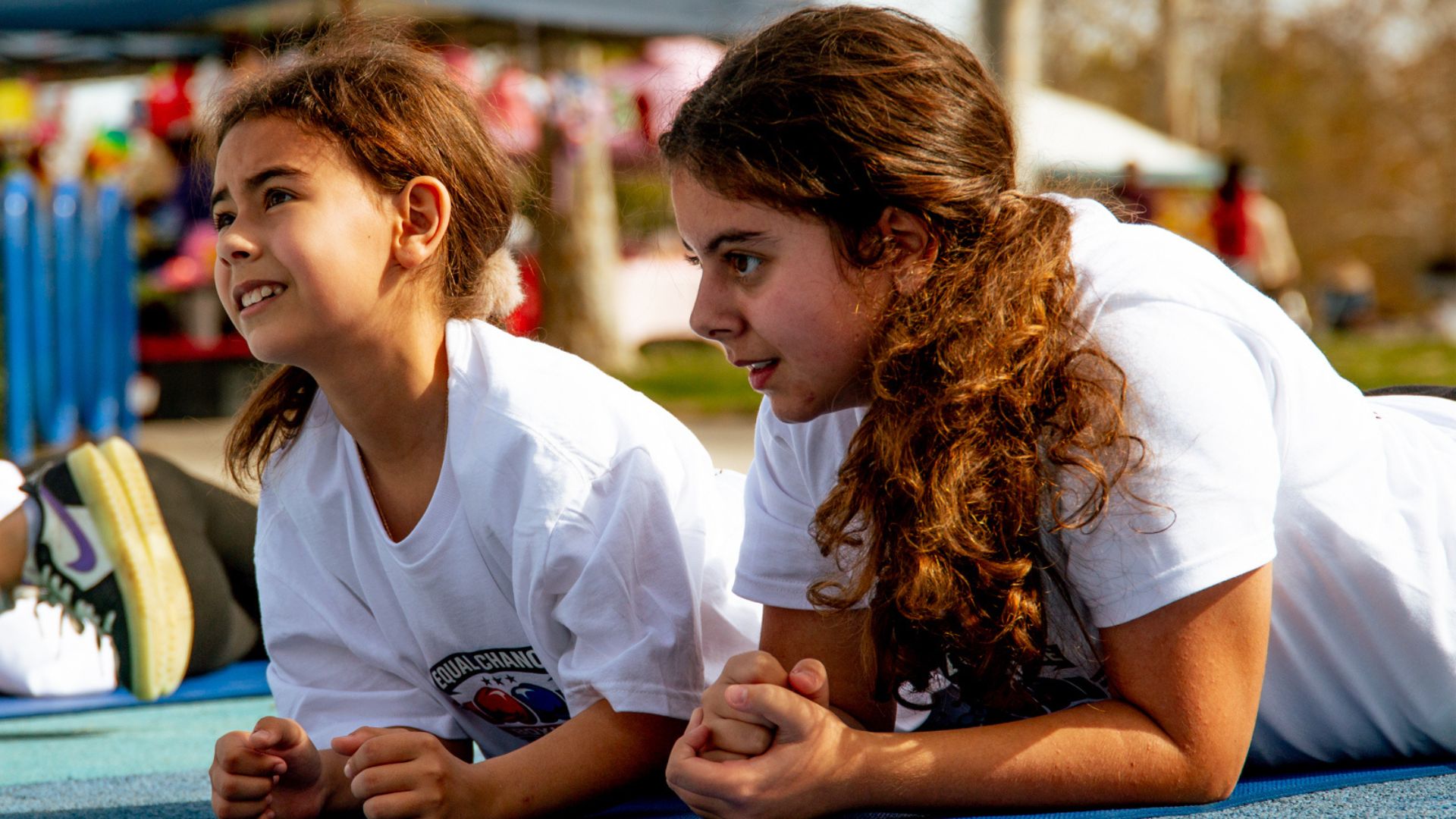
The real cost of keeping youth sports free is not hidden because anyone is trying to conceal it. It is hidden because it is spread across many people who each carry a part of it, so that no single family has to carry all of it alone. That is exactly how it should work. And it continues to work only as long as enough people understand what “free” really requires, and decide that the young people in their community are worth it.
Step Into the Ring. Let’s Build Our Community Together.
For Parents
If the cost of youth sports has kept your child on the sidelines, this program was built for your family. Training, gear, and coaching are provided so that the only decision you need to make is whether your child wants to keep coming back.
ENROLL IN OUR YOUTH BOXING PROGRAM TODAY
For Supporters
Your support is what keeps “free” meaning the whole experience, not just the entry fee. Donations help sustain coaching, safe training space, equipment, mentorship, and the consistent schedule families depend on.
DONATE TO THE EQUAL CHANCE BOXING FOUNDATION
For Community Partners
Local businesses and organizations help carry the real cost of free programming so that families do not have to. Partnerships of every size help keep this program accessible, reliable, and high quality.
LEARN ABOUT CORPORATE SPONSORSHIP
Frequently Asked Questions
What Families and Supporters Ask About Keeping Youth Sports Free
Equal Chance Boxing Foundation is supported by individual donors, local businesses, corporate sponsors, community partners, and volunteers. Their support covers coaching, equipment, training space, and the structure around the program, so families do not have to pay to participate.
The goal is that families should not need to make a financial calculation at any point to keep their child training. Gear, coaching, and a safe training environment are provided as part of the program, so cost does not become a reason a child stops coming.
It should, and that is the standard the program holds itself to. Qualified coaching, safe equipment, supervised training space, and consistent scheduling matter just as much in a free program. Free should describe the cost to families, never the quality of the experience.
Because a free program cannot raise prices when funding dips, steady support is what allows it to keep its schedule consistent, maintain its standards, and continue welcoming new families. Recurring contributions, at any level, help keep free programming reliable from season to season.