

When people talk about making a neighborhood safer for young people, the conversation usually jumps straight to large institutions: schools, city programs, policy. Those matter. But the thing a teenager actually moves through on an ordinary Tuesday is much smaller and more local than any of that. It is a specific set of blocks, a specific few hours, and a specific handful of places that are either open or closed, familiar or not. Local businesses sit directly inside that picture, often without realizing how much of it they already occupy.
This article is not about writing a check, though that is a real and useful thing to do. It is about the other contributions a local business is unusually well positioned to make, most of which cost very little and some of which cost nothing at all. A shop, a restaurant, a garage, or an office is already on the route a young person walks. It already has adults inside it who are there every day at predictable hours. Those two facts turn out to be most of what a safer path is made of.
What a “Safer Path” Actually Means in Practice
The phrase sounds abstract, so it helps to make it concrete. For a young person, a safer path has roughly four components, and none of them are complicated.
The first is time that is accounted for. Not supervised in a heavy-handed sense, but simply having somewhere to be, with people who notice whether you turn up. The second is a known route, meaning the walk or bus ride between places is familiar and passes somewhere a young person could stop if they needed to. The third is adults who recognize them. Not friends, necessarily, and not authority figures either, but people who know their face and would notice if something looked wrong. The fourth is somewhere open. A door that is unlocked during the hours a young person is actually out tends to matter more than a door that is impressive but closed by four.
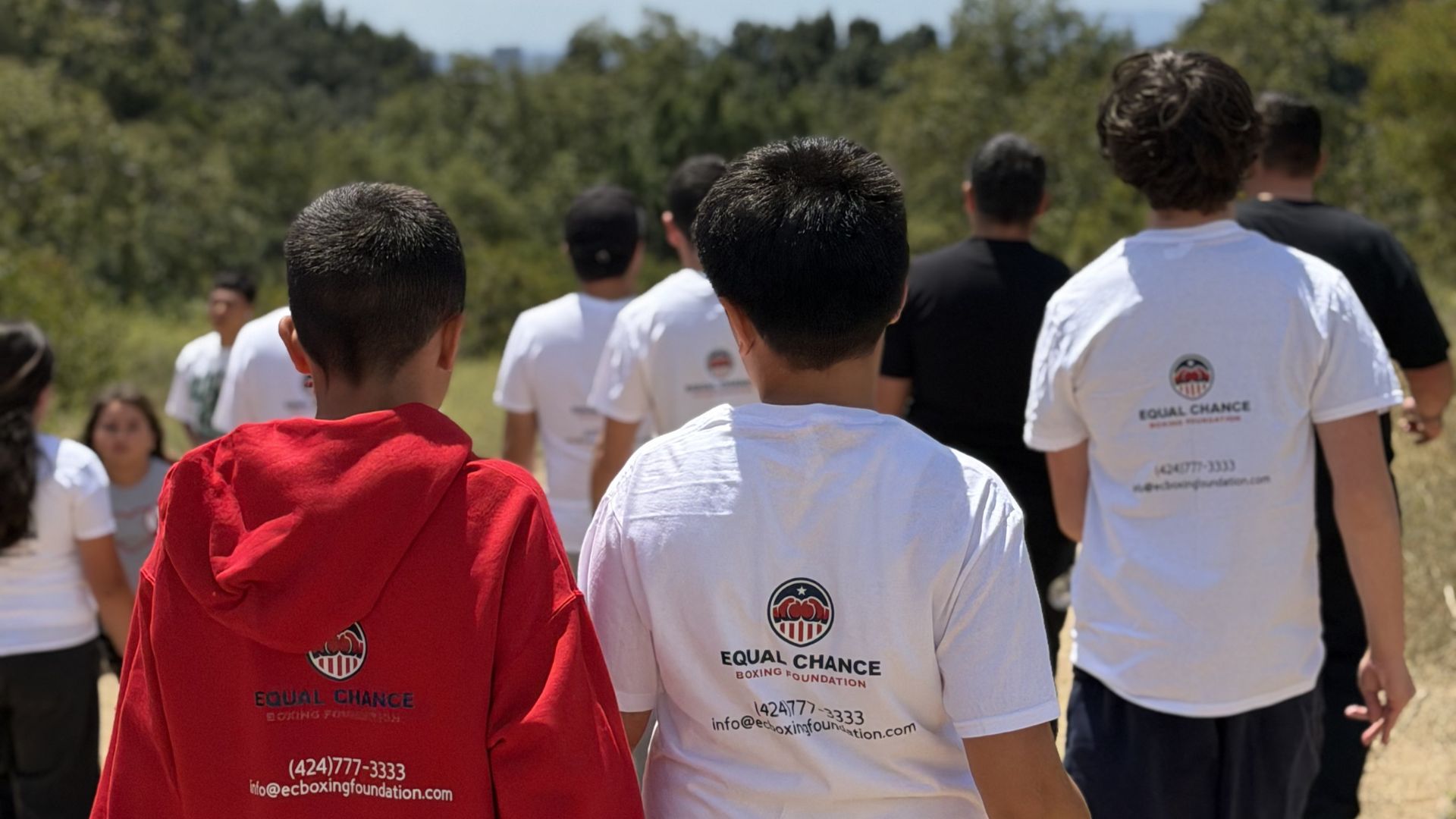
Youth programs like the Youth Boxing Program supply the first and the fourth directly: a place to be, during the hours when a young person would otherwise be unaccounted for. But programs cannot cover a whole neighborhood, and they are usually open for a couple of hours a day in one location. Businesses cover the rest of the map, and they are open far longer.
Framed that way, the gap becomes obvious. A program is a destination. A neighborhood is everything between destinations. A young person who has somewhere good to be four afternoons a week still spends the majority of their unstructured time somewhere else, and what that somewhere else is like is determined almost entirely by the ordinary commercial life of the area around them. That is not a problem a nonprofit can solve by expanding its hours. It is a problem solved, if at all, by the people who already occupy those blocks for their own reasons.
The Gap Between the Last Bell and the Front Door
Most of what communities worry about for young people happens in a fairly narrow window. School ends in the mid-afternoon. A working parent gets home in the early evening. In between sits a stretch of hours that is nobody’s assigned responsibility. For families with resources, that window gets filled with activities, lessons, or a parent with a flexible schedule. For families without, it tends to get filled with whatever is nearby and free, which may be good, neutral, or not.
That window is where a local business’s ordinary operating hours become quietly relevant. A business that is open from three to seven is open during exactly the stretch that matters. It does not have to do anything unusual to be useful during those hours; it mostly has to be aware that it is a fixed point on the map for young people passing by, and to behave accordingly.
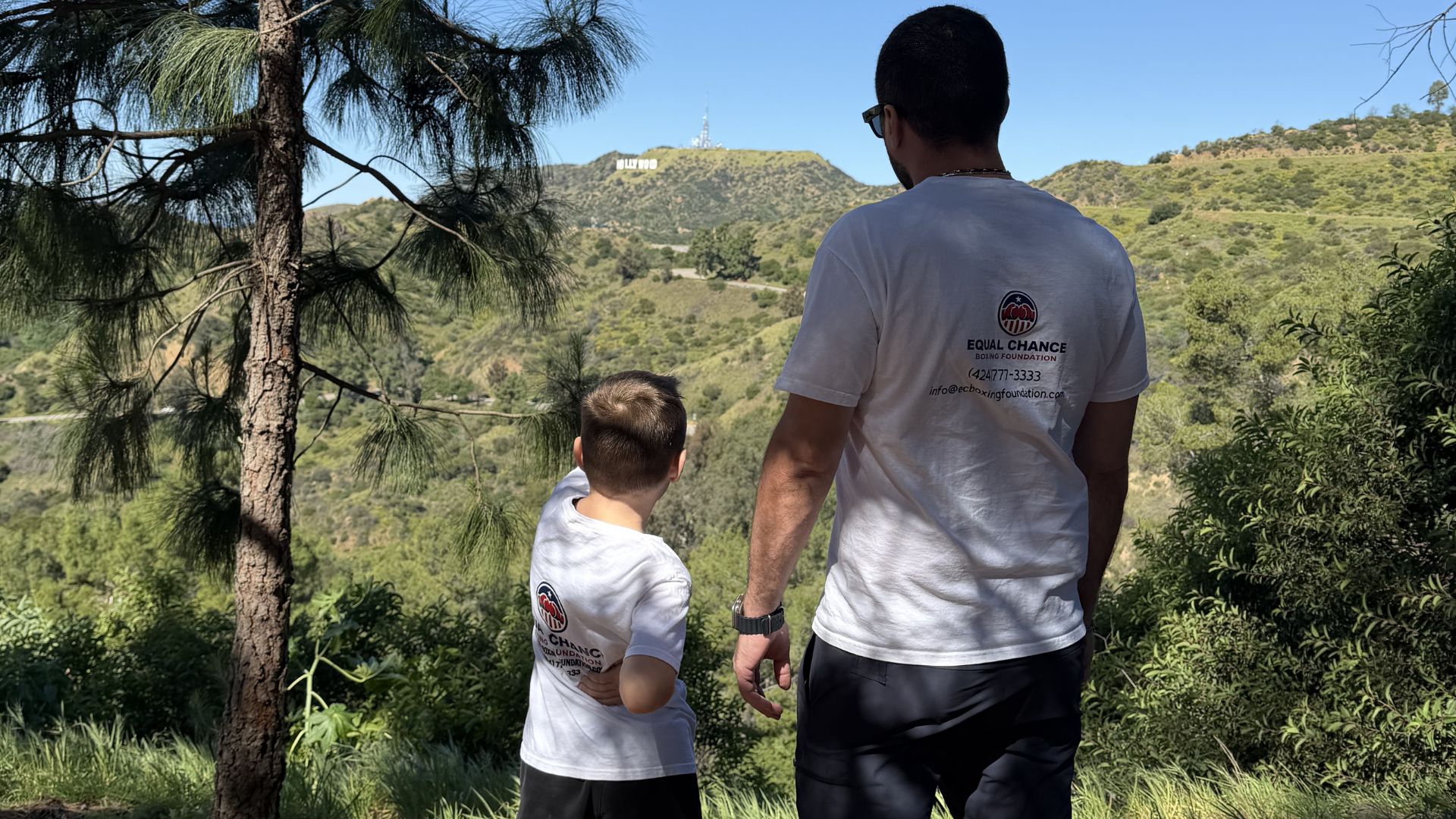
“Behaving accordingly” is less demanding than it sounds. It means staff who do not treat a teenager as a problem to be moved along by default. It means a storefront where a young person could reasonably step inside and ask to use a phone. It means noticing, over months, which kids come past regularly, and greeting them the way you would any other regular. None of that is a program. It is just a business being a known, steady presence on a block where young people walk, which is a role businesses occupy whether or not they take it up deliberately.
Businesses Are Already on the Route
This is the part that tends to surprise business owners: they are already part of the infrastructure. A young person walking home has a mental map of which places on that walk are fine, which are unwelcoming, and which they would avoid. That map gets built from small signals accumulated over time, and businesses are generating those signals constantly without meaning to.
A business that decides to be deliberately welcoming to young people is not adding a new function to the neighborhood. It is improving one it already performs. And because the effect compounds across a block, several businesses making the same small decision changes the character of an entire stretch of street in a way that no single institution can accomplish on its own.

It is worth saying plainly that this works both ways, and businesses have legitimate concerns to balance. A shop owner managing theft or disruption is not wrong to care about it. The distinction worth drawing is between responding to behavior and responding to age. A business that addresses a specific problem when it occurs, while treating young people in general as ordinary members of the public, ends up safer on both counts than one that treats every teenager as a risk to be preempted.
A First Job Is a Safety Measure Too
Among all the things a local business can offer a young person, a first job is probably the most underrated. A part-time position, a few hours of weekend work, or a short paid stint over the summer does several things at once that are hard to produce any other way.
It accounts for hours. It puts a young person in sustained contact with adults who are not their parents and not their teachers. It produces income that reduces the appeal of other ways of getting money. It builds the single most useful thing a young person can carry into their twenties, which is a reference from someone who watched them show up and do a job. For a teenager whose household has no professional network to draw on, that reference is worth considerably more than the wage.

Businesses often assume hiring a teenager is more complicated than it is, or that a young person without experience will not be worth the training time. Sometimes that is true. But a business that works with a youth program can hire with a lot more information than a cold application provides, because coaches and program staff know which young people are reliable, how they handle correction, and what they are ready for. That is a practical advantage, not a favor.
There is also a smaller version of this worth mentioning, because not every business can add payroll. A few hours of paid work for a specific task, a short seasonal stint, or shadowing someone for an afternoon all deliver a meaningful part of the benefit. So does the much simpler act of explaining to a young person how the work actually gets done: what the business does, how someone would get a job like that, what qualifications matter and which ones do not. Young people frequently have no idea how the ordinary jobs around them are obtained, and a straightforward ten-minute answer from someone who does the work is more useful than most career advice they will receive.
Ways to Help That Do Not Require a Donation
Plenty of local businesses want to support young people and conclude, reasonably, that they cannot afford to sponsor anything. The useful thing to know is how much of what programs actually need is not money.
Space is one. A room that sits empty on weekday afternoons can host a study hour or an overflow session. Transportation is another; a business with a van and a driver already making a route can sometimes solve a logistics problem that no amount of program funding fixes easily. Goods and services a business already produces are frequently more valuable than their cash equivalent: printing, food for an event, repairs, equipment maintenance, a sign, a website fix. So is expertise. An accountant, an electrician, or a mechanic donating a few hours of their actual profession contributes something a program would otherwise have to pay full price for.

Then there is the lowest-cost contribution of all, which is simply telling people. A business owner who mentions a free program to a customer who has been worrying about their teenager has done something genuinely useful, and it cost them a sentence. Families often do not know what exists in their own neighborhood, and word travels further through a shop counter than through a flyer. Community Training sessions and programs like the Summer & Afterschool Mentorship Camp reach the families they reach largely this way.
What Businesses Get Back, Stated Plainly
It is worth addressing the reciprocity question directly, because arrangements framed purely as charity tend not to last. A business that gets nothing from a relationship will eventually deprioritize it, and nobody should pretend otherwise.
The returns here are real but mostly indirect. A business known locally as a place that treats young people decently acquires a reputation among their parents, which in a neighborhood is a more durable form of marketing than most paid alternatives. A business that hires through a program gets candidates who have been observed over months by adults with no incentive to oversell them. A business whose staff have spent an afternoon helping at a session usually finds that its own team talks about the company differently afterward. And a business owner who knows the young people on their block by name deals with fewer problems than one who does not, for reasons that are fairly obvious once stated.
None of those are large enough to justify the relationship on their own, and a business should not expect them to be. But together they mean this is a two-way arrangement rather than a request, which is the only kind that tends to survive a few years.
Why Programs and Businesses Work Better Connected Than Parallel
Most neighborhoods already contain both halves of this: youth programs doing structured work with young people, and businesses occupying the surrounding hours and blocks. What is usually missing is any connection between them. The program does not know which businesses would hire a sixteen-year-old. The business does not know the program exists, or who to call. Both are operating on the same young people’s lives without coordinating.
Connecting them is not an elaborate undertaking. It usually starts with one conversation and one named contact on each side. A program that can tell a young person “go talk to the manager there, she knows about us” is offering something much more usable than general encouragement. A business that can call a coach and ask whether someone is ready for a few shifts is making a hiring decision with better information than usual.

Formal partnerships like Corporate Sponsors arrangements often grow out of exactly this kind of informal start. A business begins by doing one small thing, finds it straightforward, and expands from there. Very few of the strongest local partnerships began as a planned initiative; most began as somebody asking somebody else a direct question.
What This Looks Like Over a Year
It is worth being realistic about the scale of what any of this accomplishes. A business that becomes a friendly fixed point on a block does not transform a neighborhood. A business that hires two teenagers over a summer has affected two people’s lives, not a generation’s.
What accumulates is the number of those things in a given area. One welcoming storefront is a detail. Six of them on the same stretch, plus a program open four afternoons a week, plus two businesses that hire locally and a third that lends a room, begins to add up to something a young person can actually route their week through. That is roughly what a safer path is: not a single intervention, but enough ordinary, reliable points that the gaps between them get small.
No business can supply that alone, and no program can either. But both are already in position, which means the main thing standing between the current arrangement and a better one is usually just the fact that nobody has started the conversation.
Step Into the Ring. Let’s Build Our Community Together.
For Parents
If you are looking for somewhere dependable for your teenager during the afternoon hours, that is precisely what this program provides: a set schedule, consistent coaching, and a place that is open when it says it will be.
ENROLL IN OUR YOUTH BOXING PROGRAM TODAY
For Supporters
Donations keep training free, coaching consistent, and doors open during the hours young people most need somewhere to go. Support of any size helps hold that schedule in place.
DONATE TO THE EQUAL CHANCE BOXING FOUNDATION
For Community Partners
If your business is on the route young people take home, you are already part of this. Hiring, space, services, or simply passing the word along are all genuine contributions, and most of them start with one conversation.
LEARN ABOUT CORPORATE SPONSORSHIP
Frequently Asked Questions
What Local Business Owners Ask About Supporting Young People
Most of what helps costs little or nothing. Being a predictable, welcoming presence during after-school hours, passing word of a free program along to a customer, lending a room that sits empty on weekday afternoons, or donating a service you already provide are all genuinely useful. Many strong partnerships begin with one of these rather than with funding.
A first job accounts for hours in the afternoon, puts a young person in regular contact with adults outside school and home, provides income, and produces a work reference. For a teenager whose household has no professional network, that reference often matters more than the wage, and it is difficult to obtain any other way.
The useful distinction is between responding to behavior and responding to age. Addressing a specific problem when it happens is reasonable. Treating every young person as a risk in advance tends to make a block less safe rather than more, because it removes the ordinary adult recognition that helps young people feel accounted for.
Usually with one conversation and a named contact on each side. A program that knows which local businesses hire young people can point participants directly, and a business that can call a coach gets far better information than a cold application provides. Formal sponsorship, if it happens at all, tends to grow out of that informal start.