
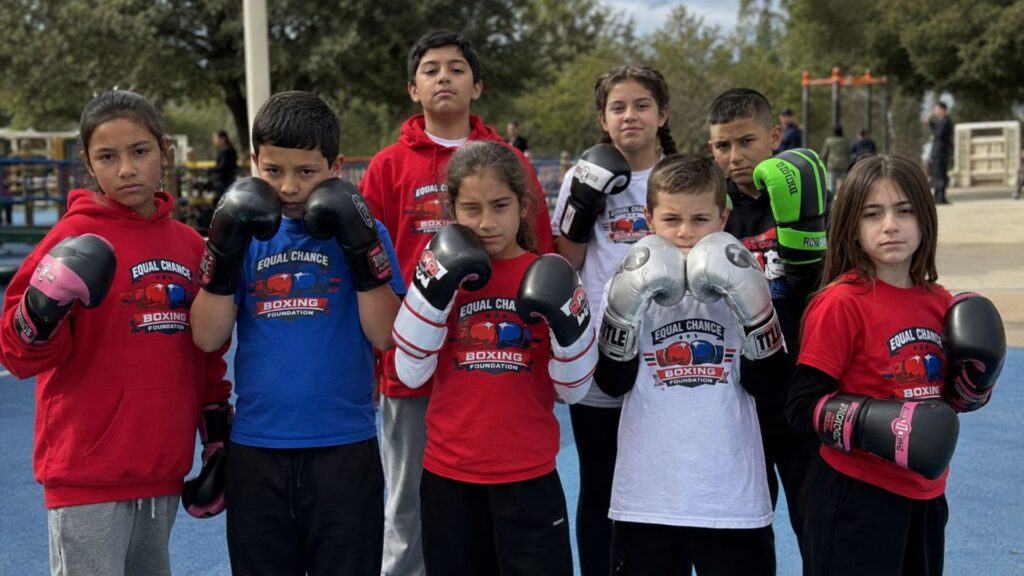
Families in East Los Angeles will soon have a new free after-school option for children and teenagers. Beginning Monday, November 16, 2026, Equal Chance Boxing Foundation will offer free non-contact boxing training at City Terrace Park for young people ages 6–18. The program is open to all skill levels, including children who have never tried boxing before, and training equipment will be provided so families do not need to purchase specialized gear before their child can participate.
Sessions will take place Monday through Friday from 4:00 PM to 5:00 PM at City Terrace Park, 1126 N Hazard Ave, Los Angeles, CA 90063. The current program period runs from November 16, 2026 through February 26, 2027. Parents and guardians who are interested can complete the Youth Interest Form, after which Equal Chance Boxing Foundation will contact the family about availability and the next steps.
The program was created around a simple idea: a young person should not need previous experience, expensive equipment, or proven athletic ability in order to receive an opportunity to begin. Non-contact boxing provides a structured way for children and teenagers to move, learn, practice, and become familiar with the discipline of training without requiring them to participate in contact competition. For some families, that may be exactly the kind of after-school environment they have been looking for.
Complete the Youth Interest Form to express interest in the City Terrace Park program.
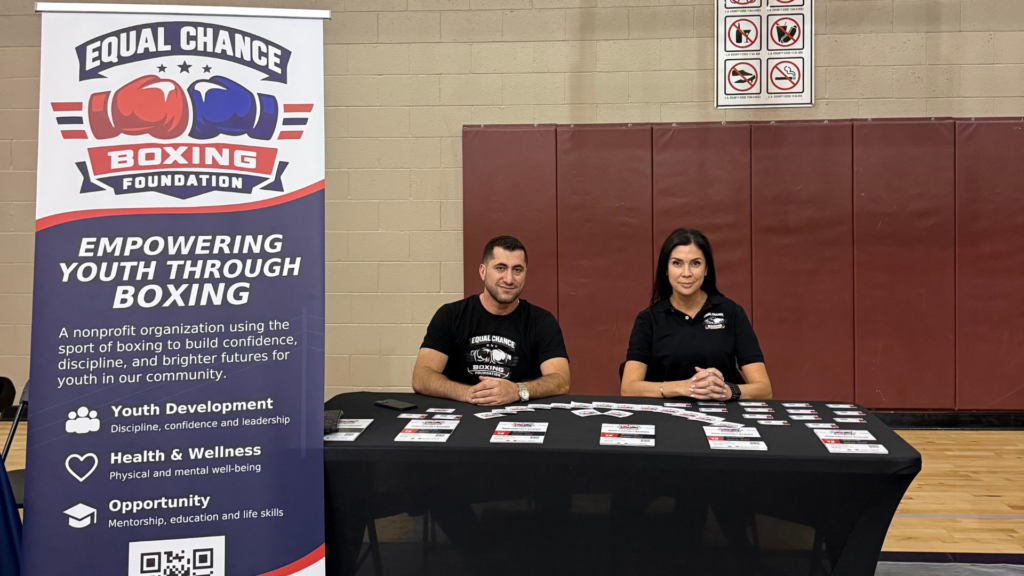
A Beginner-Friendly Introduction to Non-Contact Boxing
For parents who are unfamiliar with boxing, the word itself can create the wrong picture. Many people immediately think about professional fights, competition, or children being expected to hit one another. That is not the starting point of the City Terrace Park program. The emphasis is on non-contact boxing fundamentals, including footwork, movement drills, balance, coordination, listening, controlled technique, and learning how to follow a structured training session.
A beginner may spend a surprising amount of time learning how to stand correctly, move without losing balance, coordinate the hands and feet, and respond to instructions while the body is active. These skills require concentration, repetition, and patience long before contact with another participant would ever become relevant. For younger children especially, simply learning to move with control can be a meaningful challenge.
The advantage of this approach is that young people can experience the discipline and structure associated with boxing without being expected to arrive as experienced athletes. A child can make mistakes, receive a correction, try again, and gradually become more comfortable. The process allows participants to understand that improvement does not require perfection on the first attempt.
That is one of the reasons beginners are specifically welcome. The program is not asking families to find children who are already good at boxing. It is creating a place where young people can learn.
Why the First Opportunity Matters
Many children never discover whether they enjoy a sport because getting started requires too much commitment too early. A family may be asked to pay registration fees, purchase equipment, arrange transportation, and reorganize the weekly schedule before the child has even completed a first session. That can make trying something new feel like a financial decision rather than a simple opportunity to explore.
Equal Chance Boxing Foundation’s City Terrace Park program removes several of those initial barriers. The classes are free, training equipment is provided, and children do not need previous boxing experience. Parents can therefore consider whether the activity may be useful for their child without first having to invest in gear or prove that the child has athletic potential.
This is especially important because talent cannot always be identified before opportunity exists. A young person who looks uncertain during the first session may become one of the most consistent participants several weeks later. Another child may not be naturally coordinated at first but may discover that repetition and coaching make movement easier. Without an accessible first step, neither child gets the chance to find out.
Youth sports work best when children are allowed to begin before anyone knows exactly where the experience will lead. The first objective should be participation, learning, and familiarity. Everything else can develop from there.
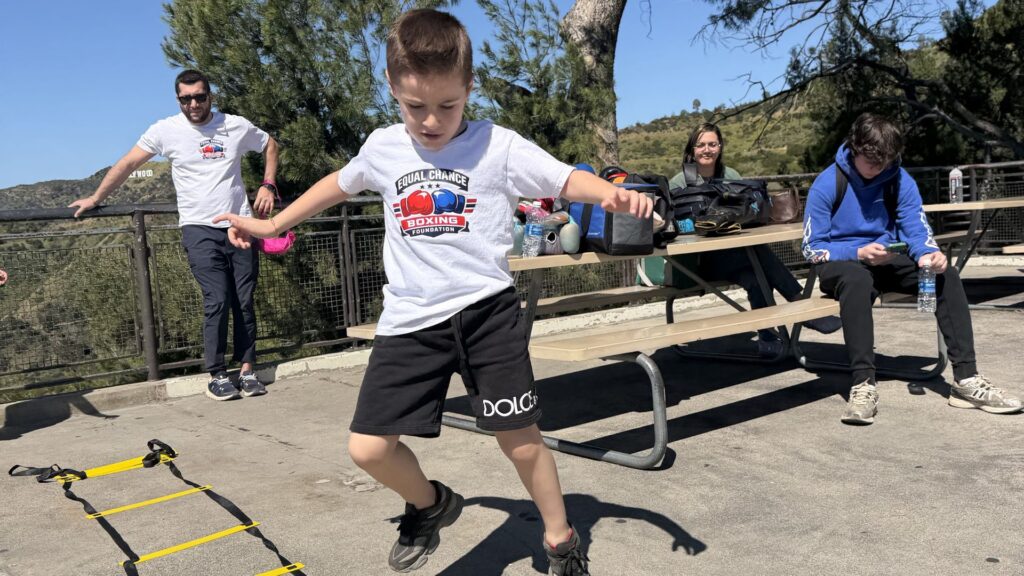
What Young People Will Practice
Non-contact boxing training gives coaches many ways to work with young participants without making the program about fighting. Footwork and movement drills require children to pay attention to where their body is positioned, how they move through space, and how balance changes when they rush. Repeating these movements teaches participants that control often matters more than speed.
A young person may also learn how to follow sequences of instructions while physically active. That sounds simple, but it requires concentration. The participant has to listen, remember what was demonstrated, coordinate the movement, notice what went wrong, and respond to feedback. As the drills become more familiar, participants can begin focusing on details they were not ready to notice during the first few sessions.
The training environment can also help young people practice patience. A movement may not feel natural immediately, and another participant may learn it faster. The coach’s role is not to remove every difficult feeling from that process, but to help the young person understand what to do next. A specific correction followed by another opportunity to try can turn frustration into a practical learning experience.
These lessons are not dramatic, and they should not be presented as instant transformation. They are simply part of what happens when young people return to a structured activity and repeatedly practice something that cannot be mastered in one afternoon.
Giving After-School Hours More Structure
The hours after school can be difficult for families to organize. Parents may still be working, children may have several hours before dinner, and teenagers may move between homework, phones, social media, friends, and other activities without a consistent routine. A scheduled after-school program does not solve every challenge, but it can give part of the day a clear purpose.
A 4:00 PM training session creates a specific commitment. The participant has to think about when to leave, what to bring, whether school responsibilities need to be completed earlier, and how to arrive ready for physical activity. These practical decisions gradually become part of participation rather than something separate from it.
For younger children, parents may initially handle most of the preparation. Over time, some of those responsibilities can begin shifting toward the child. A water bottle is remembered without a reminder. Athletic shoes are ready. The participant starts recognizing that arriving prepared makes training easier.
Teenagers can experience the same lesson in a more independent way. A structured commitment requires them to organize part of the afternoon around something that has a defined beginning and end. That can help make the week feel more predictable, particularly for young people who benefit from having a regular place to go after school.
The value is not simply that children are busy for an hour. Young people already have countless ways to fill time. What matters is that the hour has structure, expectations, coaching, and a reason to return.
Confidence Usually Develops After a Young Person Starts
Parents sometimes believe a child needs confidence before trying a new activity. In practice, confidence often grows because the child participates despite not feeling completely ready. A young person may walk into the first session uncertain, discover that beginners are expected, complete the training, and return the next day with slightly less anxiety about what will happen.
Over several sessions, the environment becomes more familiar. Participants learn where training begins, how coaches explain drills, what the basic expectations are, and how other young people behave during the session. As those questions disappear, the child can spend less energy understanding the room and more energy learning.
This is where confidence can begin becoming more realistic. Instead of depending on an adult saying, “You can do it,” the participant has personal evidence. A movement that felt impossible becomes manageable. A drill that required constant reminders becomes familiar. The young person asks a question they were previously embarrassed to ask.
Confidence developed through experience is often quieter than excitement. A participant may simply begin entering the training space without hesitation or become more comfortable receiving correction. Those changes can be easy to overlook because they do not happen all at once, but they are often more meaningful than a burst of enthusiasm after the first session.
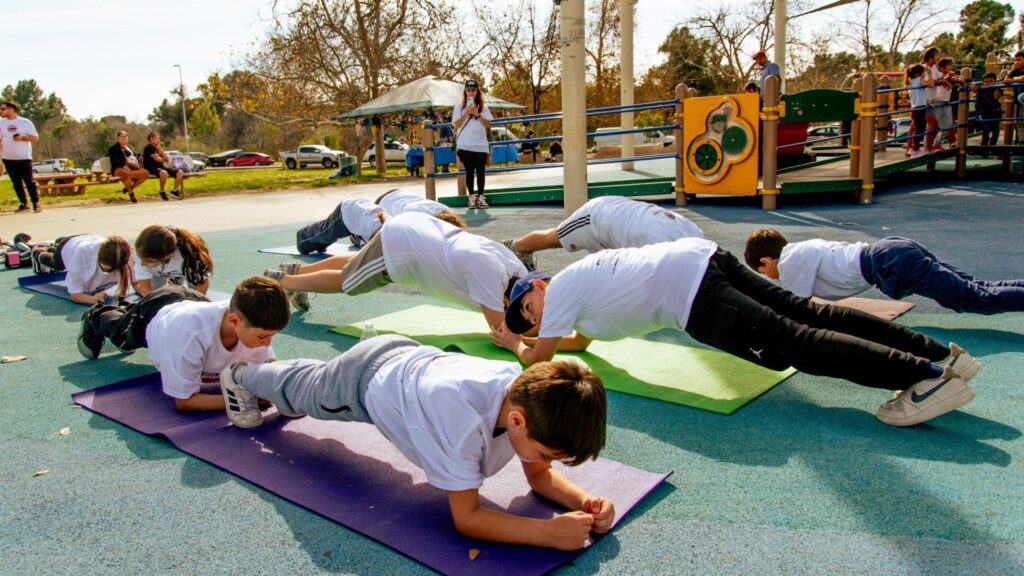
Why Free Equipment Is Important for Families
The true cost of youth athletics is rarely limited to one registration payment. Equipment, uniforms, shoes, transportation, event fees, and replacement gear can accumulate quickly. Even when a family can afford those expenses, parents may reasonably hesitate to spend money before knowing whether their child will enjoy the activity.
Providing training equipment reduces that uncertainty. A family can allow a child to experience non-contact boxing without first purchasing specialized gear. The decision becomes less about financial risk and more about whether the activity is a good fit.
This approach also makes the program more accessible to families who might otherwise exclude youth sports from consideration altogether. A parent should not have to assume that a program is unavailable simply because buying equipment is difficult at that moment.
Equal Chance Boxing Foundation cannot remove every barrier families face, but eliminating the initial cost of training and equipment is a practical way to make the first opportunity easier to reach.
Learning to Receive Coaching Is Part of the Experience
One of the most useful things young people can practice in sports is how to receive correction without treating it as rejection. Beginners often take feedback personally because they have not yet learned the difference between “this movement is incorrect” and “I am bad at this.”
A structured training environment gives coaches repeated opportunities to help participants understand that difference. A coach can identify a specific problem, explain what needs to change, and allow the young person to try again. The correction is connected to a task, not to the participant’s worth.
Over time, some young people become more comfortable with that process. They may begin asking what they need to improve instead of becoming defensive. They may learn that frustration after a mistake does not require leaving the activity or giving up on the session.
These habits are valuable inside training because improvement depends on feedback. They can also help young people become more comfortable with the general experience of learning something difficult. The lesson is not that mistakes should feel good. It is that mistakes can be useful when the next step is clear.
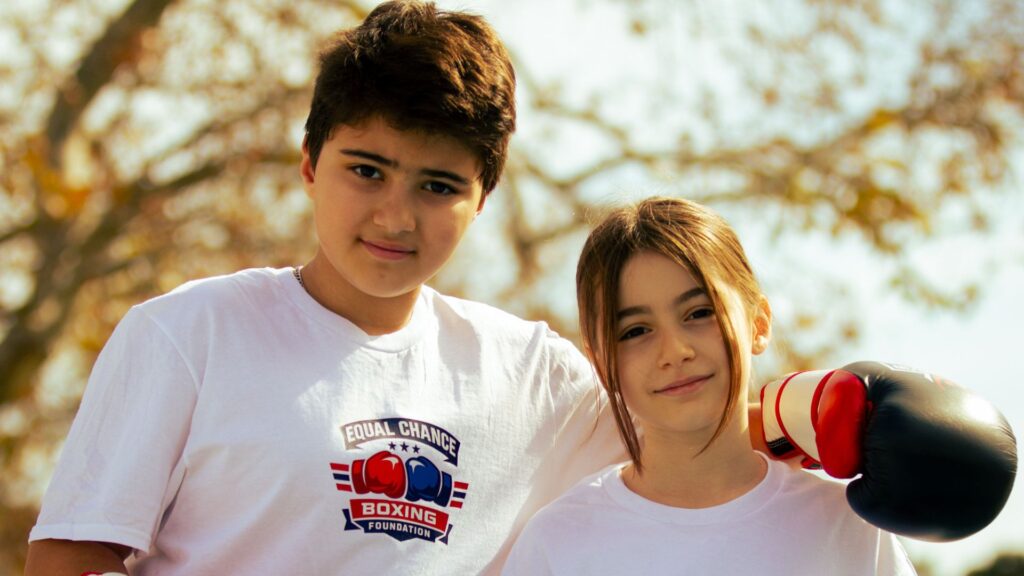
Consistency Allows Mentorship to Develop
One training session can introduce a child to a coach, but mentorship requires repeated contact. Coaches learn about young participants gradually. They notice who becomes quiet when frustrated, who rushes through instructions, who needs more time before trying something new, and who responds well to additional encouragement.
The participants are also learning about the adults around them. They notice whether the coach remains calm after a mistake, whether expectations are applied consistently, and whether beginners are treated respectfully. Those observations influence whether a young person begins trusting the environment.
This process cannot be rushed. Trust develops through evidence, and a regular Monday-through-Friday schedule creates opportunities for that evidence to accumulate. The child returns and sees the same standards. The coach continues paying attention. The relationship becomes less about an introduction and more about familiarity.
That is why Equal Chance Boxing Foundation views training as more than a collection of drills. The physical activity creates a reason for young people and responsible adults to keep meeting in a structured setting. Mentorship can grow inside that consistency.
Why City Terrace Park Is a Meaningful Location
A youth program becomes easier to use when it exists in a place families already recognize. City Terrace Park provides a community setting in East Los Angeles where parents can understand exactly where the program will take place rather than having to navigate an unfamiliar private facility elsewhere in the city.
Location influences more than convenience. For a child who is already nervous about trying something new, every unfamiliar detail can add to the hesitation. A familiar park removes at least one of those uncertainties.
It also helps keep the program connected to the broader community. Equal Chance Boxing Foundation does not want youth training to exist as an isolated activity separated from neighborhood life. Programs are stronger when parents, participants, community partners, and local organizations understand where they fit and how families can reach them.
The foundation’s Community Training reflects this approach. Youth development is not only about what happens during a drill. It also depends on whether young people have reliable places, supportive adults, and accessible opportunities within the communities where they actually live.
What Parents Should Expect During the First Weeks
The first few sessions are not the best time to expect dramatic changes. A child may initially be quiet because they are learning the environment. Another participant may come home excited and then feel less enthusiastic after encountering a difficult drill. A teenager may enjoy training but avoid talking about it because they do not want parents analyzing every detail.
All of these reactions can be normal. What matters more is whether the environment remains safe, structured, and respectful enough for the participant to return. Familiarity develops with repetition.
Parents can support that process by asking questions that focus on experience rather than performance. Asking what the child practiced, what felt difficult, or what became easier can create more useful conversations than immediately asking whether they were good at boxing.
A difficult session should not automatically be treated as failure. Learning often includes frustration. The important distinction is between ordinary difficulty and an environment that is unsafe, humiliating, or inappropriate. Young people should be challenged, but they should also be guided.
Over time, families may begin noticing small changes in how their child approaches training. Preparation may become easier, attendance may become more consistent, or the young person may become more comfortable communicating with coaches. These gradual developments are more realistic than promises of instant transformation.
Physical Activity Can Be Valuable Without Becoming a Medical Claim
Structured physical activity can give young people a positive outlet for energy and provide a predictable routine during the week. Some participants may feel more settled after movement, enjoy having a place to focus, or appreciate being part of a group with clear expectations.
Those benefits should be described responsibly. Non-contact boxing does not cure anxiety, depression, ADHD, trauma, behavioral disorders, or other medical or mental health conditions. It is not a substitute for therapy, medical treatment, counseling, or qualified professional support when those services are needed.
What a youth sports program can provide is a structured environment with physical activity, coaching, repetition, community, and adult mentorship. Those elements can be meaningful without being presented as treatment.
Keeping that distinction clear is important for parents and for youth organizations. Equal Chance Boxing Foundation’s responsibility is to provide the program well and to stay within the role of a community youth organization.
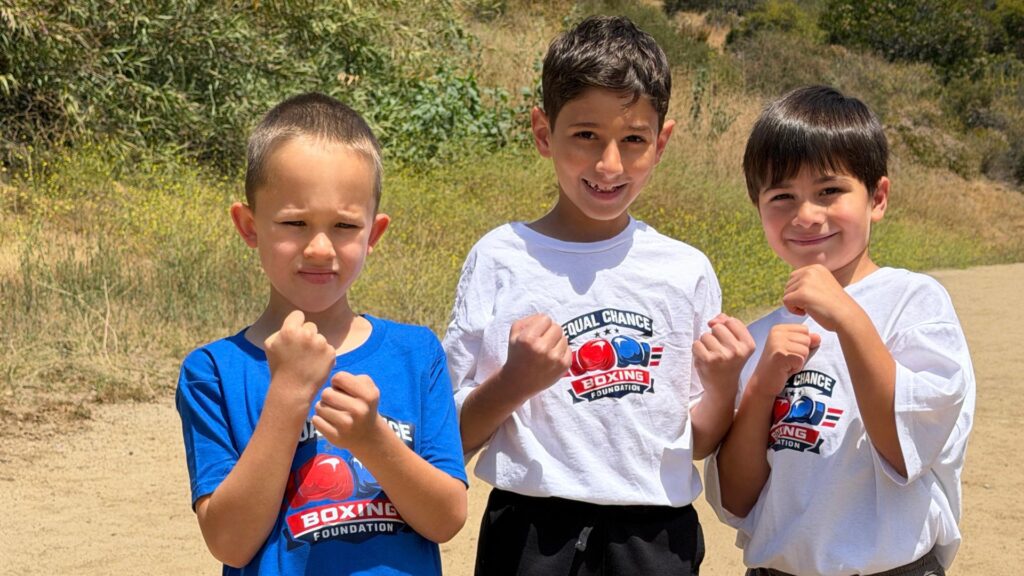
Removing Financial Pressure Can Help Families Say Yes
A free program changes the first conversation families have about participation. Instead of beginning with the cost, parents can begin with their child.
Is the young person interested? Would the schedule work? Could structured physical activity be useful? Does the child want to try something new after school?
Those are better questions than whether the family can justify purchasing equipment for an unfamiliar sport.
Access does not guarantee that every participant will remain in the program. Some young people will discover that boxing is not the activity for them, and that is also useful information. The purpose of removing the financial barrier is not to guarantee a particular outcome. It is to make sure cost does not prevent the young person from having a genuine first opportunity.
The broader principle is simple: youth sports should not belong only to families who can comfortably absorb the cost of experimentation. Children need opportunities to discover what fits them before talent, commitment, or long-term goals can be evaluated.
The Program Gives Families Time to Build a Routine
The current City Terrace Park program runs from November 16, 2026 through February 26, 2027. That period gives families enough time to experience something more meaningful than a one-day activity.
Routine develops gradually. During the first week, families may still be figuring out transportation and preparation. A few weeks later, training may begin feeling like a normal part of certain afternoons. Young people become more familiar with the coaches and with one another.
This is also when parents can begin evaluating participation more realistically. Instead of asking whether their child enjoyed a single session, they can observe whether the young person continues wanting to attend, becomes more independent about preparation, or talks differently about the challenges they encounter.
Not every week will be perfect. School demands change, families have scheduling difficulties, and children have good days and difficult ones. The value of a consistent program is that one imperfect session does not have to determine the entire experience.
There is another session and another opportunity to return.
What Progress May Look Like Over Time
Progress in a youth program is often easier to see in small behaviors than in dramatic outcomes. A young person may begin arriving with less hesitation. They may remember equipment or water more consistently. They may become more willing to ask a coach for clarification instead of pretending they understand.
Another participant may become better at recovering after frustration. A drill goes badly, they are disappointed, but the disappointment does not end the session. They pause, listen, and continue.
Some children may become more comfortable participating around others. A young person who initially stays quiet begins recognizing teammates and feeling more connected to the group.
None of these changes should automatically be attributed entirely to non-contact boxing. Children are developing through many influences at the same time. Still, a structured training environment provides a place where responsibility, patience, communication, and persistence can be practiced repeatedly.
That is a realistic way to think about youth development. The program provides conditions that can support growth. The young person does the growing.
How Parents Can Get Started
Parents and guardians interested in the free City Terrace Park program should complete Equal Chance Boxing Foundation’s Youth Interest Form. The form is available through the foundation’s Get Involved page and provides the organization with the information needed to follow up with families regarding availability and next steps.
Submitting the form is the beginning of the process rather than an automatic guarantee of enrollment. This allows the foundation to communicate directly with families and make sure parents receive current information before participation begins.
Families with questions can also contact Equal Chance Boxing Foundation at (424) 777-3333, (775) 577-7757, or info@ecboxingfoundation.org.
Participants do not need to purchase training equipment before attending. The program materials advise families to bring water and have children wear comfortable athletic shoes.
Parents ready to take the first step can complete the Youth Interest Form here.
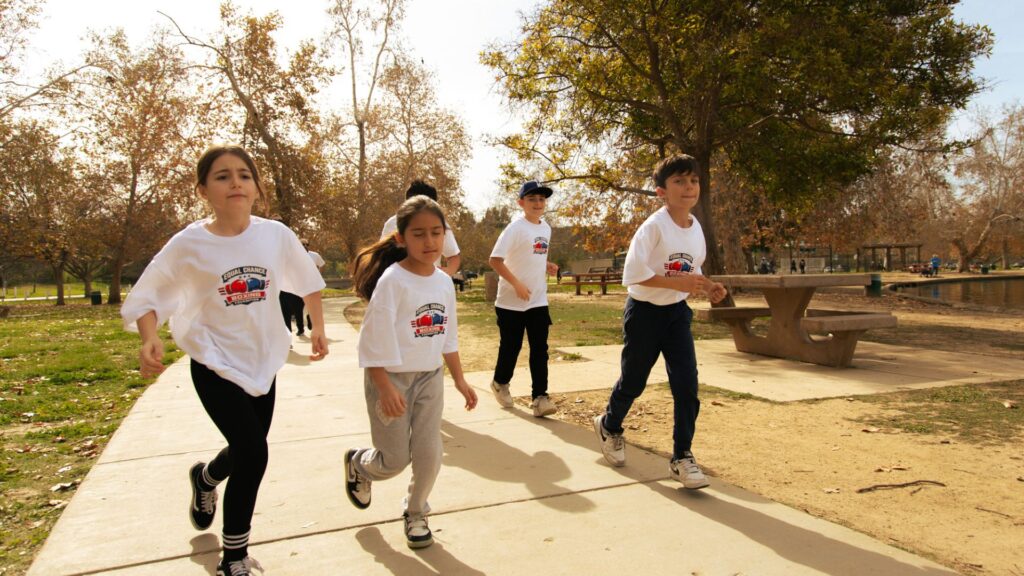
November 16 Is a Beginning, Not a Test
The first session on November 16 does not need to prove what a young person will become.
It only needs to provide a good place to begin.
A child can arrive nervous. A teenager can arrive uncertain. A beginner can make mistakes. None of those things mean the participant does not belong.
The purpose of a beginner-friendly youth program is to create enough structure for young people to learn what they are capable of through participation rather than requiring them to demonstrate ability before they are welcomed.
For families in City Terrace and surrounding East Los Angeles communities, Equal Chance Boxing Foundation wants this program to be a realistic opportunity: free classes, provided equipment, a local location, a consistent weekday schedule, and coaches prepared to work with young people at different starting points.
That is what the City Terrace Park program is designed to offer.
Step Into the Ring. Let’s Build Our Community Together.
For Parents
If you have been looking for a free, structured after-school activity for your child, the City Terrace Park program offers an opportunity to try non-contact boxing without previous experience or the cost of purchasing training equipment. Youth ages 6–18 are welcome, and beginners can start by learning the fundamentals at their own appropriate level. Parents can complete the Youth Interest Form to begin the process.
For Supporters
Keeping youth programming free requires coaching, equipment, community outreach, organization, and dependable support. Donations help Equal Chance Boxing Foundation maintain access so families can consider an opportunity based on what may benefit their child rather than whether they can afford the first step. You can support the foundation’s work here.
For Community Partners
Local businesses and community organizations can help youth opportunities reach families who might never discover them through advertising alone. Partnerships strengthen the network around children and make community-based programming more visible and accessible. Organizations interested in becoming involved can learn more about Community Training and Corporate Sponsorship.
Free Youth Non-Contact Boxing at City Terrace Park
What parents and guardians should know about the new after-school program.
Yes. Equal Chance Boxing Foundation is offering the after-school program free of charge, and training equipment is provided. Participants should bring water and wear comfortable athletic shoes.
Yes. The program welcomes youth ages 6–18 at all skill levels, including children and teenagers who have never tried boxing before. Coaches guide participants through non-contact boxing footwork, movement, and fundamental drills appropriate for beginners.
Training takes place at City Terrace Park, 1126 N Hazard Ave, Los Angeles, CA 90063. Sessions are scheduled Monday through Friday from 4:00 PM to 5:00 PM, with the current program period running from November 16, 2026 through February 26, 2027.
Parents and guardians can complete the Youth Interest Form through the Equal Chance Boxing Foundation Get Involved page. After the form is submitted, the foundation will contact the family regarding availability and next steps. Submission of the form does not automatically guarantee enrollment.