
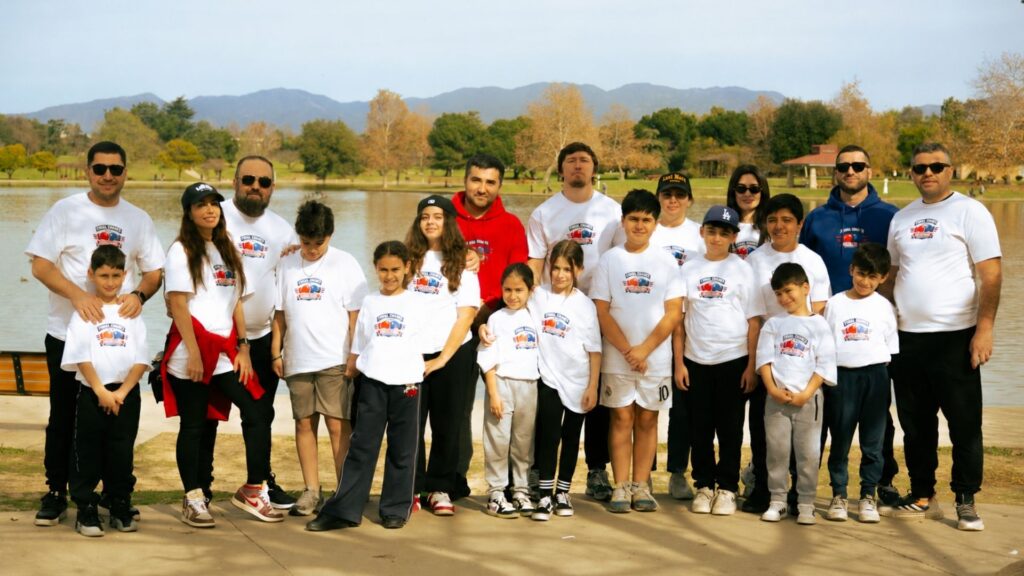
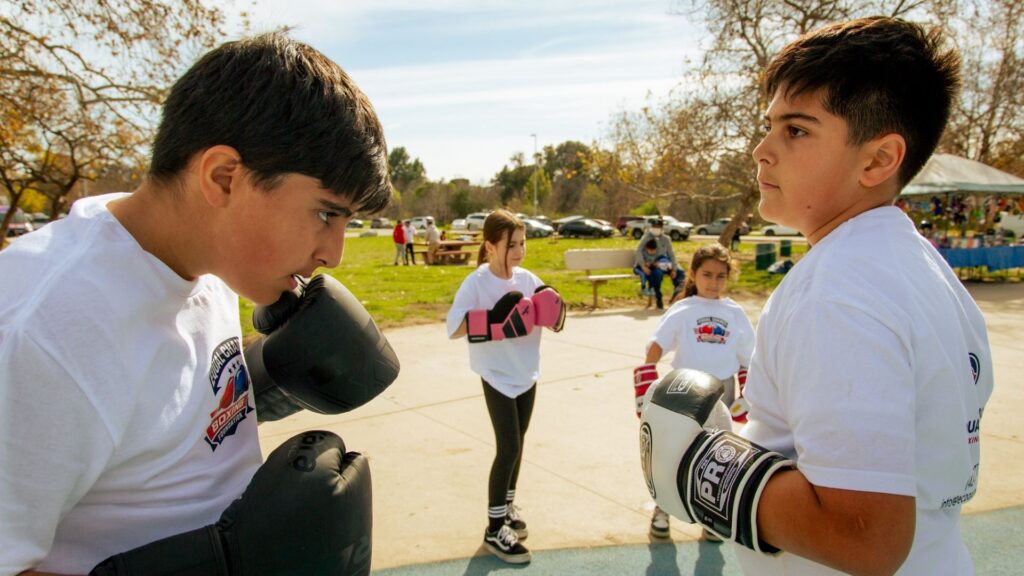
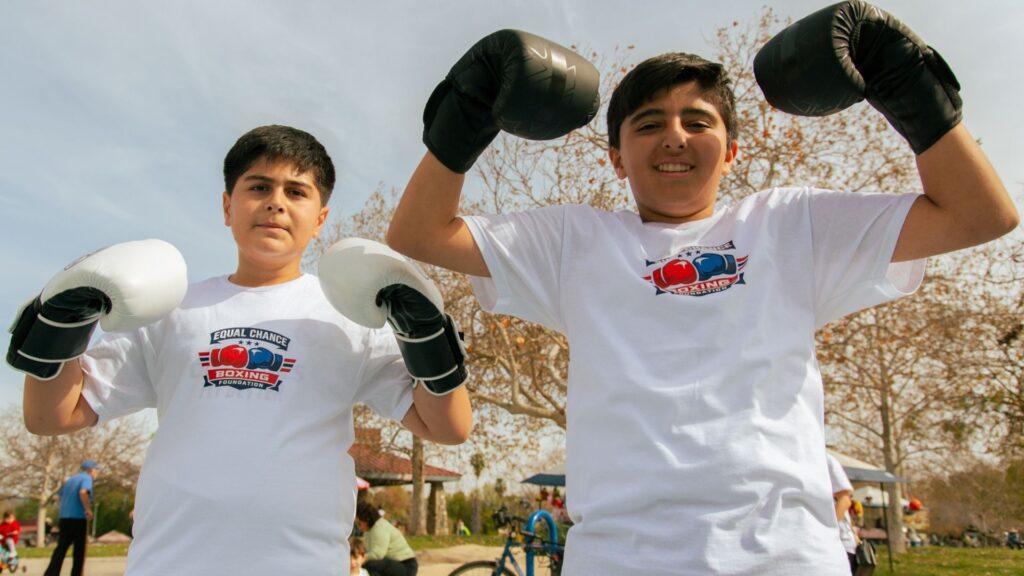
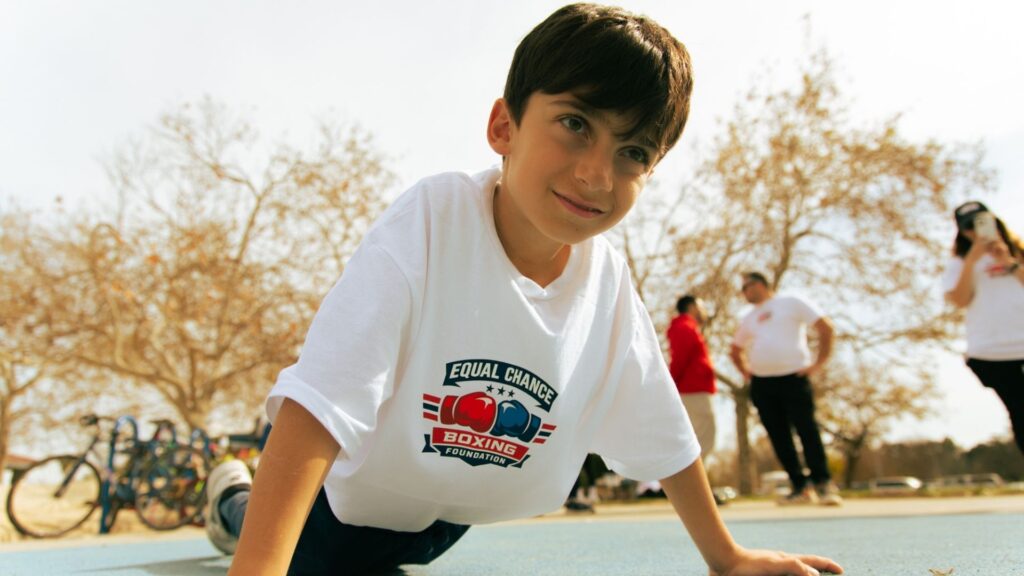
Last Saturday, the dynamic of our training changed. We moved from the controlled environment of the gym to the open space of the central park. This wasn’t a publicity stunt; it was a necessary evolution of our program. The Equal Chance Boxing Foundation hosted its first-ever open-air training session, bringing together a diverse group of youths, coaches, and community members.
When you train inside a gym, the walls can sometimes feel like a barrier to the outside world. By stepping outside, we removed that barrier. We allowed the community to see exactly what we do, how we operate, and most importantly, how the children respond to the discipline of boxing.
The turnout was significant. We saw our regular athletes, but we also welcomed new faces—kids who had never thrown a punch in their lives, drawn in by curiosity and the energy of the group. This post is a detailed breakdown of the day, the specific drills we ran, the psychological benefits of outdoor training, and the future of our program.
The Environment: Why Train Outdoors?
There is a scientific and practical reason for moving training sessions outside. It is not just about enjoying a sunny day; it is about challenging the athletes in a new environment.
1. Breaking the Monotony Routine is good for discipline, but bad for adaptability. By changing the surface from canvas to grass, and the lighting from fluorescent to natural sun, we force the young athletes to adapt. They have to be more conscious of their footing. They have to deal with distractions—people walking by, wind, noise. This builds a higher level of focus than training in a silent, closed room.
2. Vitamin D and Mental Health We work with youth who spend a significant amount of time indoors—in classrooms or in front of screens. Physical exertion under sunlight triggers the release of serotonin. We noticed an immediate difference in the mood of the group. The energy wasn’t just aggressive or focused; it was positive. The “grind” of training felt less like work and more like play, which is crucial for keeping kids engaged in sports long-term.
3. Community Visibility One of the biggest challenges for non-profits is transparency. People hear about “youth programs,” but they rarely see them in action. This open-air session served as a live demonstration. Parents could see the safety measures we employ. Passersby could see that we aren’t training brawlers; we are training athletes.
The Training Breakdown: Methodology over Mayhem
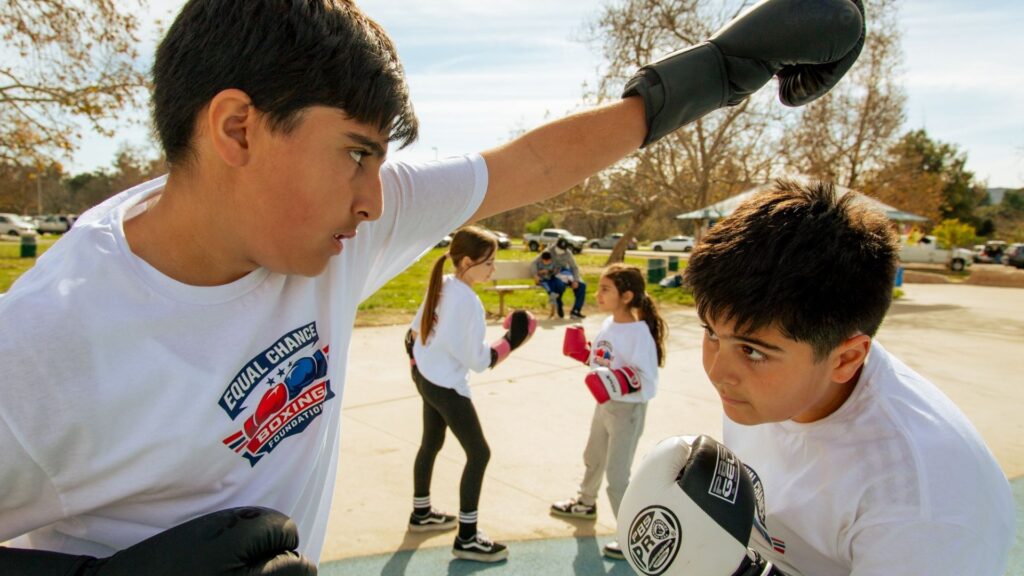
A common misconception about boxing is that it is chaotic. In reality, it is highly structured. For this open-air session, we focused on the fundamentals. Here is a look at the specific technical aspects we covered with the kids.
Phase 1: The Warm-Up and Mobility
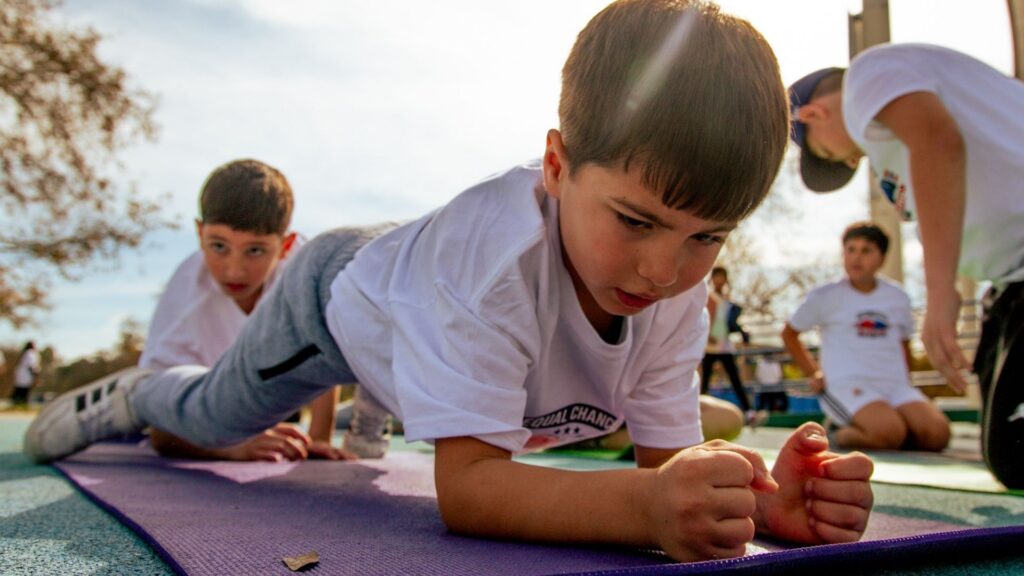
We didn’t start with punching. We started with movement. The coaches led the group through a series of calisthenics designed to wake up the nervous system.
- Joint Mobility: Neck, shoulders, hips, and ankles. Protecting growing bodies is our priority.
- Coordination Drills: Jumping jacks and high knees. These aren’t just for cardio; they teach rhythm. Boxing is rhythm. If a child can’t find a rhythm in a jumping jack, they will struggle with footwork.
[ecbf_corporate_banner]
Phase 2: The Stance and Footwork
Before anyone threw a glove, they had to learn how to stand. We spent a significant amount of time on the “Foundation Stance.”
- Balance: We taught the kids to distribute their weight. This has a psychological parallel—finding your center.
- Movement: Moving forward, backward, and laterally without crossing feet. This teaches spatial awareness. On the grass, this was challenging, requiring the kids to be light on their feet.
Phase 3: Technical Drills (Shadow Boxing)
This is where the discipline kicks in. Shadow boxing requires imagination and self-correction. The coaches moved through the lines, correcting elbow positions and chin tucks. We focused on the “Jab” and the “Cross”—the two most fundamental punches.
- The Lesson: We emphasized that power comes from the hips, not the arms. This is a physics lesson disguised as sport. It teaches efficiency over brute force.
Phase 4: Pad Work and Controlled Interaction
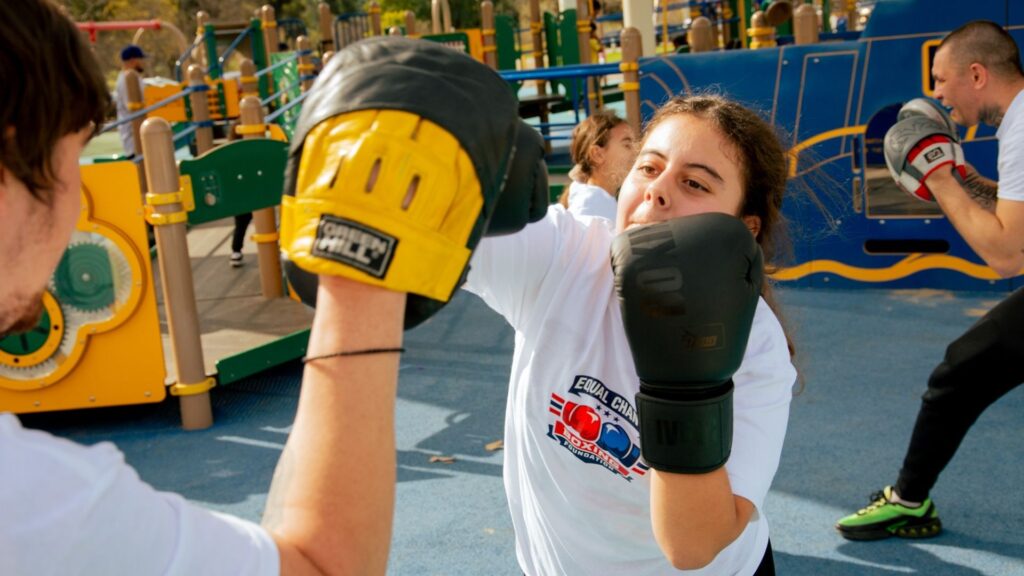
For the advanced kids, we introduced focus mitts. This fosters trust. The holder is just as responsible as the hitter. They have to communicate non-verbally and catch the punch safely. It turns an individual sport into a team exercise.
The Psychology of the “White T-Shirt”
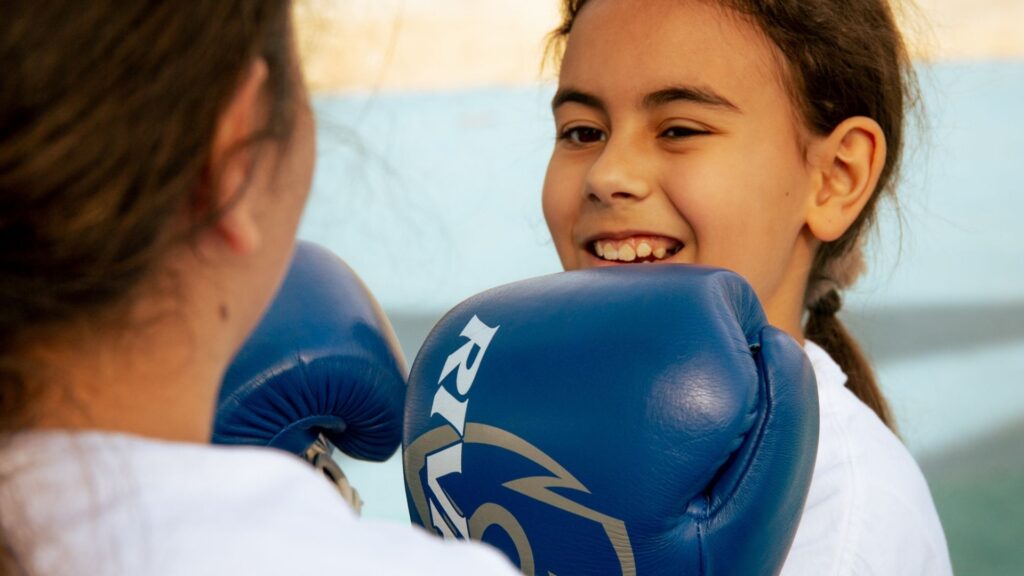
If you look at the photos from the event, you will see a sea of white t-shirts bearing the Equal Chance logo. This uniformity is intentional.
In many youth sports, gear can be a status symbol. Who has the expensive shoes? Who has the new jersey? In our program, we eliminate that hierarchy.
The Equalizer Effect When everyone wears the same white shirt, social and economic backgrounds disappear. The kid from a wealthy family looks exactly the same as the kid from a struggling family. The only thing that distinguishes them is their effort.
Identity and Belonging Putting on the shirt signals a shift in mindset. It tells the child, “I am part of a team. I have coaches who care about me. I have teammates who rely on me.” For at-risk youth, this sense of belonging is a powerful deterrent against negative peer pressure outside of the sport.
Mentorship: The Coach as a Role Model
The most critical asset we have isn’t our equipment; it’s our coaching staff. During the Saturday session, the role of the coach was on full display.
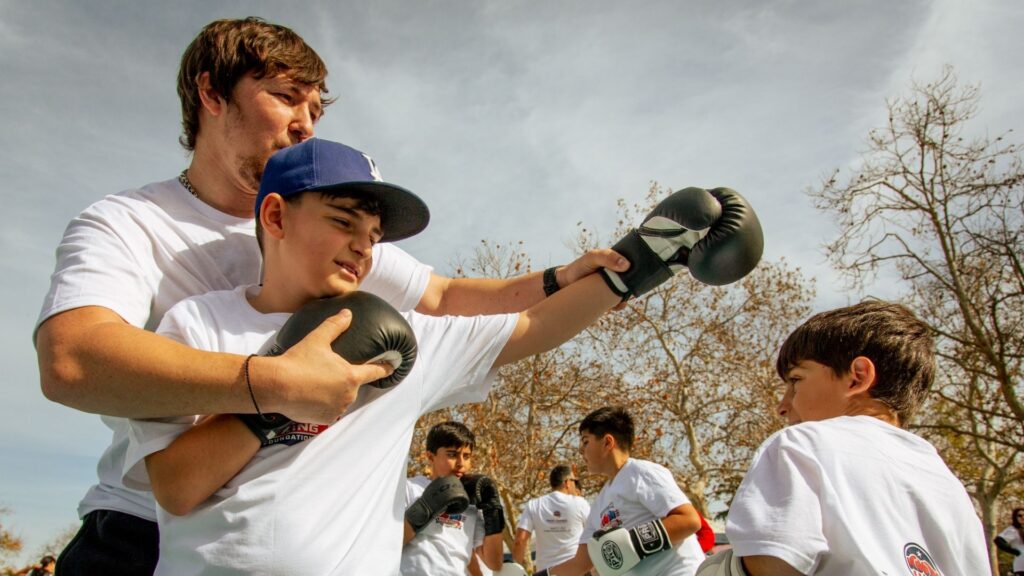
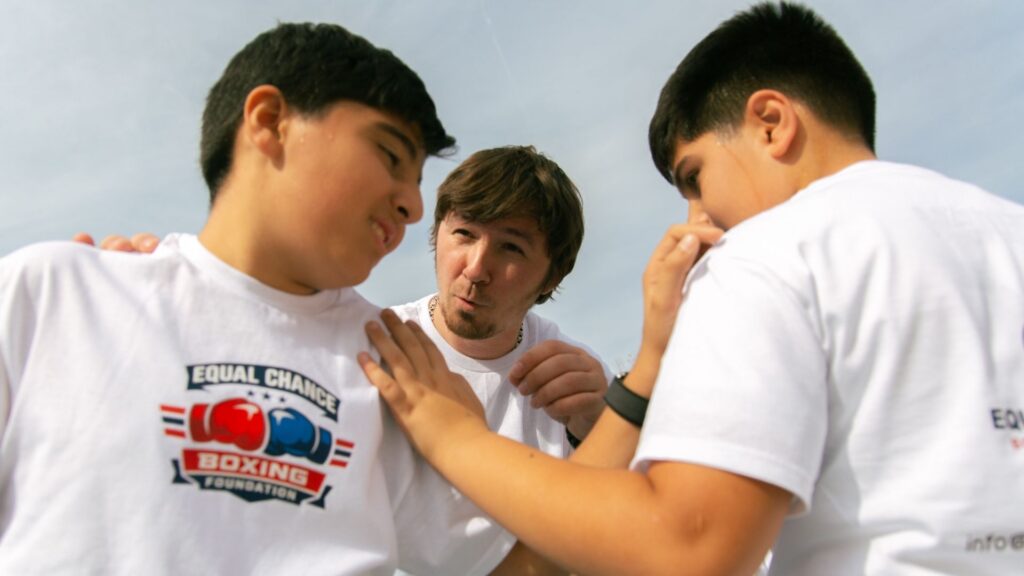
You didn’t see coaches screaming or berating the kids. You saw them kneeling to get to eye level with a six-year-old. You saw them physically demonstrating the moves. You saw them offering a high-five after a drill was completed correctly.
The “Ask, Don’t Command” Approach Our coaching philosophy is based on respect. We explain why we do a drill. When a child understands the purpose, they commit to the action. We saw teenagers who usually struggle with authority figures in school listening intently to our coaches because the respect was mutual.

The Challenges We Face
While the event was a success, it highlighted the logistical challenges of running a high-quality youth program for free.
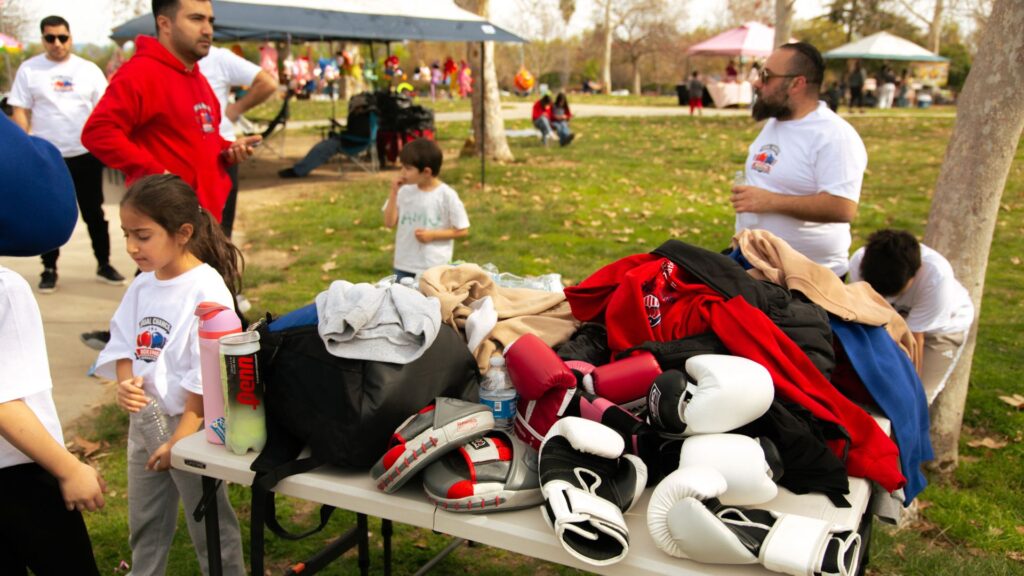
1. Equipment Wear and Tear Training on grass and outdoors accelerates the wear on equipment. Focus mitts get dirty; skipping ropes get scuffed on pavement; gloves absorb sweat and moisture. To maintain safety standards, this gear needs to be replaced regularly.
2. The Size Ratio We had a wide age range, from 6 to 18. A 16-year-old cannot wear the same gloves as a 6-year-old. We need a robust inventory of sizes to ensure that every child is protected. Hand wraps, specifically, are a consumable item that we go through rapidly.
3. Hydration and Nutrition Physical activity burns calories. We aim to provide water and basic nutrition (fruit/snacks) at these events because we know that for some of our participants, food insecurity is real.
The Roadmap: What Comes Next?
Saturday was just the launch. We have gathered feedback from the parents and the participants, and we are refining the program for the future.
Regular Outdoor Series We intend to make the “Park Takeover” a regular monthly event. It serves as a recruitment tool and a community touchpoint.
Advanced Technical Clinics For the older teens who showed promise, we are organizing more specialized clinics focusing on defensive maneuvers and ring strategy. This keeps the older demographic engaged and prevents them from “aging out” of the program.
Holistic Workshops We plan to integrate short talks into the rest periods of these training sessions. Topics will include nutrition, conflict resolution without violence, and basic first aid. We are building citizens, not just boxers.
A Call for pragmatic Support
We don’t need applause; we need resources to keep this engine running. The Equal Chance Boxing Foundation operates on a simple model: Access should not be determined by income.
[ecbf_donate_banner_4]
To maintain this standard, we rely on external funding. We are transparent about our needs. We aren’t asking for vague donations; we are asking for specific tools to do our job.
Where your contribution goes:
- $50 buys a high-quality pair of training gloves that will last a child for a year.
- $100 equips a coach with pads and a body protector, allowing them to train 20 kids a day.
- $200 covers the permit and hydration costs for an outdoor event like the one we just held.
Join the Corner If you believe that discipline, sport, and mentorship can change a child’s trajectory, then you are already part of our team. We invite you to formalize that partnership.
Help us keep the white t-shirts clean, the gloves safe, and the training free.
Thank you to everyone who stopped by the park, to the parents who trusted us with their children, and to the coaches who gave their Saturday to the cause. We are back in the gym on Monday. Work continues.
Questions?
We’ve got answers.
No, quite the opposite. While boxing is a combat sport, structured training teaches emotional control, discipline, and respect. Coaches emphasize that skills learned in the gym are strictly for the ring. For many at-risk youth, boxing provides a constructive outlet for aggression and frustration that might otherwise manifest as violence in the streets. It transforms impulsive anger into calculated focus and self-regulation.
Boxing is a powerful tool for mental well-being on two fronts: chemical and psychological. Physically, the intense cardiovascular workout releases endorphins, dopamine, and serotonin, which naturally combat stress and anxiety. Psychologically, boxing demands total concentration (the “flow state”), acting as a form of active meditation that clears the mind of daily worries. Additionally, the resilience built by pushing through fatigue and failure in the gym boosts self-esteem and confidence in everyday life.
Not at all. The vast majority of people who train in boxing gyms never compete in a sanctioned bout. You can reap almost all the benefits—physical fitness, mental focus, stress relief, and community connection—through “non-contact” training. This includes shadowboxing, bag work, mitt work with a coach, and conditioning drills. You can build the heart of a fighter without ever taking a punch.
Boxing is a low-cost sport to start, but the costs of gym memberships, proper safety gear (gloves, headgear, wraps), and travel for competitions can be a significant barrier for low-income families. Foundations and donations bridge this gap by funding scholarships, purchasing safe equipment, and maintaining facilities. Your support ensures that financial hardship doesn’t prevent a young person from accessing the mentorship and structure they need to build a better future.