

When outsiders look into a boxing gym, they often see the surface level of the sport. They see the sweat flying under harsh fluorescent lights, hear the rhythmic thud of gloves against heavy bags, and witness the intense, sometimes brutal, physical confrontation of sparring. It is easy to dismiss boxing as merely a display of aggression or a relic of a rougher time. However, to view boxing solely through the lens of violence is to miss the profound, transformative journey that occurs within the squared circle.
For generations, the “Sweet Science” has served as far more than a path to athletic glory or prize money. It has been a sanctuary, a school of hard knocks, and a crucible for character development. Boxing is often less about fighting an opponent in front of you and more about conquering the battles waging inside of you. It is a discipline that takes raw energy, frustration, and sometimes despair, and refines it into resilience, focus, and a structured path forward. For individuals facing significant life challenges, disadvantaged youth, or anyone seeking to reclaim control over their destiny, boxing offers a unique toolkit for building a stronger, more sustainable life outside the ring.
The Mental Canvas: Resilience and Emotional Regulation
The most significant battles a boxer faces are rarely physical; they are mental. The sport demands a level of psychological fortitude that few other activities require, and the lessons learned here are directly transferable to the challenges of everyday life.
[ecbf_donate_banner_1]
Learning to Weather the Storm
The most obvious metaphor in boxing is perhaps its most vital lesson: getting back up. In the ring, you will get hit. You will face setbacks, moments of doubt, and situations where the pressure feels insurmountable. A novice reacts with panic or anger when struck; a seasoned fighter reacts with calculation and acceptance.
Boxing teaches emotional recovery time. When life delivers a metaphorical uppercut—a job loss, a broken relationship, a personal failure—the untrained mind may spiral into victimhood or paralysis. The boxer’s mind, however, is trained to reset instantly. They learn that dwelling on the hit you just took only guarantees you will take another. This resilience, the ability to absorb impact and immediately focus on the next step, is a superpower in navigating the complexities of modern life. It transforms the perspective of failure from a final destination into a temporary stumble.
Finding Calm in the Chaos
We live in an era of unprecedented distraction. Anxiety and a lack of focus plague many people, preventing them from achieving their potential. Boxing is a powerful antidote to this fragmented state of mind.
When you are in the ring or even working the mitts with a coach, you cannot be thinking about your unpaid bills or your social media feed. A split second of lapsed concentration results in immediate physical feedback. This forces a state of radical presence, often described as a “flow state.” It is a form of high-intensity active meditation. For that hour in the gym, the noise of the outside world is silenced, replaced by the immediate demands of breath, distance, and timing. This ability to find calm in the center of chaos, to regulate one’s breathing and control adrenaline under duress, translates incredibly well to high-pressure situations in professional and personal environments.
Beyond the Ropes: Discipline and Self-Discovery
While the physical transformation of a boxer’s body is visible, the invisible transformation of their habits is where the real magic lies. Boxing is not a sport you can play casually; it demands a lifestyle.
The Ritual of Routine
Talent might get you in the door of a boxing gym, but only discipline will keep you there. The sport requires a grueling commitment to mundane, repetitive tasks. It’s the early morning roadwork, the countless hours jumping rope, the endless repetition of the same jab-cross combination until muscle memory takes over.
This adherence to structure is life-changing, especially for individuals who come from chaotic or unstructured backgrounds. The gym provides a framework. You learn that results are not immediate, but cumulative. This understanding of delayed gratification is essential for success in any long-term endeavor, whether it is pursuing higher education, building a career, or maintaining stable relationships. The discipline forged in the sweat of training becomes the foundation for a stable life outside the gym.
[ecbf_corporate_banner]
Unmasking the True Self through Confidence and Humility
There is a profound paradox at the heart of boxing: knowing how to fight often makes a person less likely to want to. The loud, aggressive posturing often seen in insecure individuals usually disappears once someone steps into a boxing gym.
Real confidence is quiet. Knowing what your body is capable of, knowing that you can endure physical stress and defend yourself, provides a deep sense of security that negates the need to prove toughness in the street or the boardroom. Furthermore, boxing is a humbling master. There is always someone faster, stronger, or more experienced. Every time ego gets in the way, the canvas is there to remind you of reality. This combination of high self-worth and genuine humility creates people who are assertive yet respectful, capable yet measured—qualities of true leaders.
The Corner: Community and Connection in an Isolated World
In a world that increasingly feels isolated despite digital connectivity, the boxing gym remains one of the few authentic community centers left. It is a great equalizer.
The Equalizer of the Gym
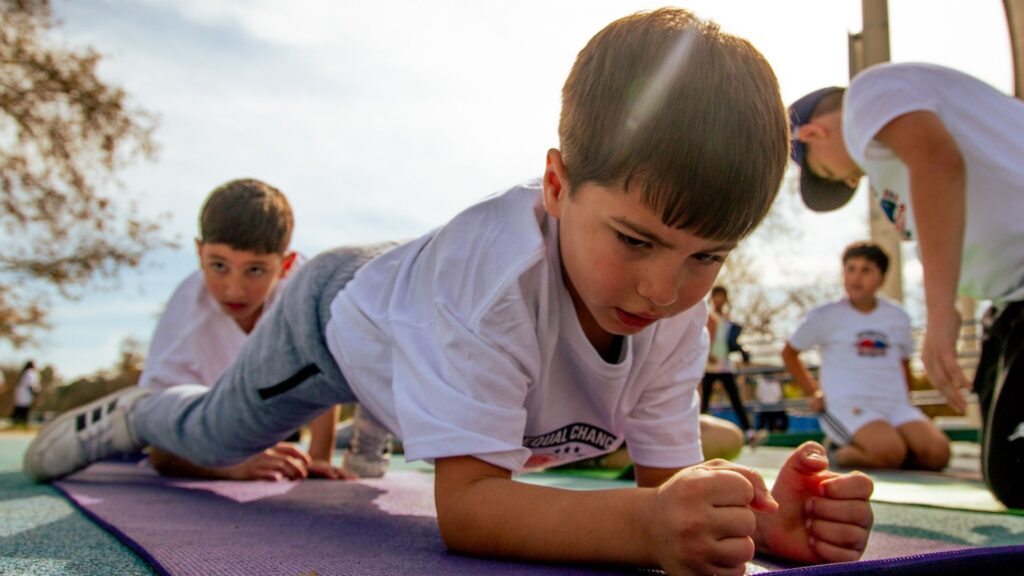
When you step through the ropes, your bank account, your job title, and your social status cease to matter. The only things that count are your effort, your heart, and your respect for the craft. In many boxing gyms, you will find CEOs training alongside blue-collar workers, college students sparring with individuals trying to leave street life behind.
This shared struggle breaks down social barriers that rarely dissolve in the outside world. You are judged solely on your actions in that moment. This environment fosters genuine connections based on mutual respect for the shared suffering of the training. For someone who feels marginalized or misunderstood by society, the gym becomes a place where they are seen for who they truly are and what they are willing to give.
Mentorship and Shared Struggle
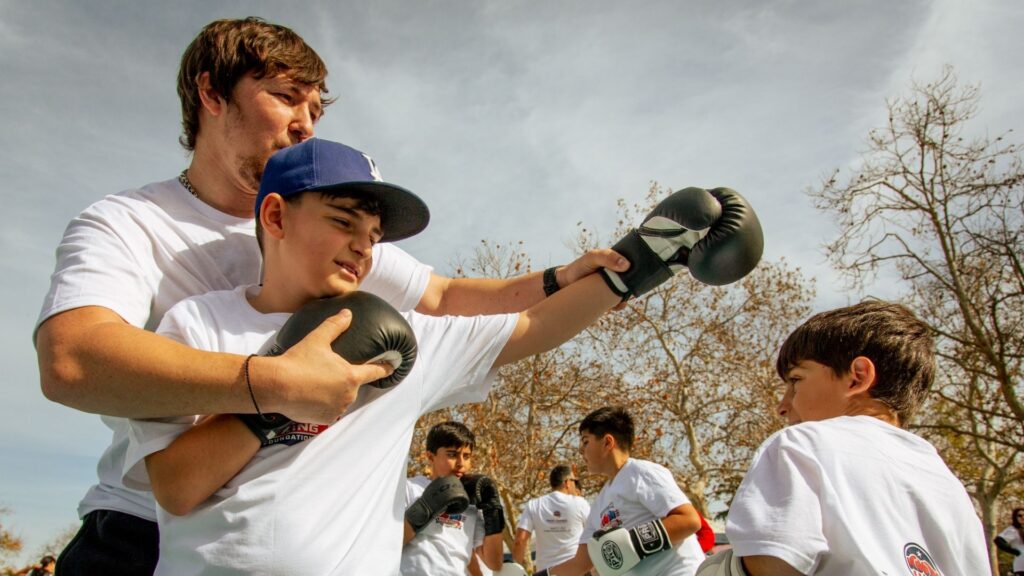
The relationship between a boxing coach and their fighter is one of the most potent forms of mentorship in sports. A good coach is part technician, part psychologist, and part parental figure. They see the potential in a person long before the person sees it in themselves.
For at-risk youth, this mentorship can be the deciding factor between a life of incarceration and a life of achievement. The coach provides the guardrails, the stern correction, and the unwavering belief that is often missing elsewhere. Furthermore, the camaraderie among fighters is intense. They push each other past their perceived limits, celebrating victories and offering support during losses. Knowing you have a “corner”—people who have your back when things get tough—is vital for mental emotional well-being.
Being Part of the Transformation
The narratives of lives saved by boxing are not cliché movie scripts; they are realities playing out in neighborhoods across the globe every day. Boxing provides an outlet for aggression that might otherwise turn destructive, a structure to replace chaos, and a community to replace isolation.
However, these transformative environments do not exist in a vacuum. They require resources, dedicated spaces, safe equipment, and committed mentors who can afford to spend their time guiding the next generation. While the will to fight comes from within the individual, the opportunity to do so safely often comes from external support.
[ecbf_donate_banner_4]
Many of the individuals who stand to benefit the most from the discipline and community of boxing are those least able to afford gym dues or proper gear. They need access to programs designed not just to create champion boxers, but to create champion citizens.
Supporting these initiatives is an investment in human potential. It is recognizing that sometimes, the best way to build up a person is to teach them how to stand their ground in a ring. If you believe in the power of discipline, resilience, and community to reshape destinies, it is crucial to support the organizations doing this groundwork. Seeing the direct impact of dedicated programs can be incredibly inspiring. Exploring initiatives like the can show you exactly how targeted support translates into structures that save and improve lives. By backing these efforts, you aren’t just funding a sport; you are funding a future for those fighting their hardest battles outside the ring.
Questions?
We’ve got answers.
No, quite the opposite. While boxing is a combat sport, structured training teaches emotional control, discipline, and respect. Coaches emphasize that skills learned in the gym are strictly for the ring. For many at-risk youth, boxing provides a constructive outlet for aggression and frustration that might otherwise manifest as violence in the streets. It transforms impulsive anger into calculated focus and self-regulation.
Boxing is a powerful tool for mental well-being on two fronts: chemical and psychological. Physically, the intense cardiovascular workout releases endorphins, dopamine, and serotonin, which naturally combat stress and anxiety. Psychologically, boxing demands total concentration (the “flow state”), acting as a form of active meditation that clears the mind of daily worries. Additionally, the resilience built by pushing through fatigue and failure in the gym boosts self-esteem and confidence in everyday life.
Not at all. The vast majority of people who train in boxing gyms never compete in a sanctioned bout. You can reap almost all the benefits—physical fitness, mental focus, stress relief, and community connection—through “non-contact” training. This includes shadowboxing, bag work, mitt work with a coach, and conditioning drills. You can build the heart of a fighter without ever taking a punch.
Boxing is a low-cost sport to start, but the costs of gym memberships, proper safety gear (gloves, headgear, wraps), and travel for competitions can be a significant barrier for low-income families. Foundations and donations bridge this gap by funding scholarships, purchasing safe equipment, and maintaining facilities. Your support ensures that financial hardship doesn’t prevent a young person from accessing the mentorship and structure they need to build a better future.