If you are a teenager right now, you probably hear the same lectures every single day. “Go to sleep earlier.” “Stop eating junk food.” “Get off your phone and do something productive.”
When adults say these things, it usually feels like they are just trying to control your life. It feels like a list of rules designed to stop you from having fun. So, you tune it out. You stay up until 2:00 AM scrolling, you skip breakfast, you eat whatever is quickest, and you spend your days feeling constantly tired, foggy, and unmotivated. You know you don’t feel great, but changing your habits just because someone told you to doesn’t make sense.
But what if sleep wasn’t a punishment, but a weapon? What if food wasn’t just something to snack on when you’re bored, but the exact fuel you need to hit harder and move faster? What if having a routine didn’t mean you were trapped, but actually meant you were in total control?
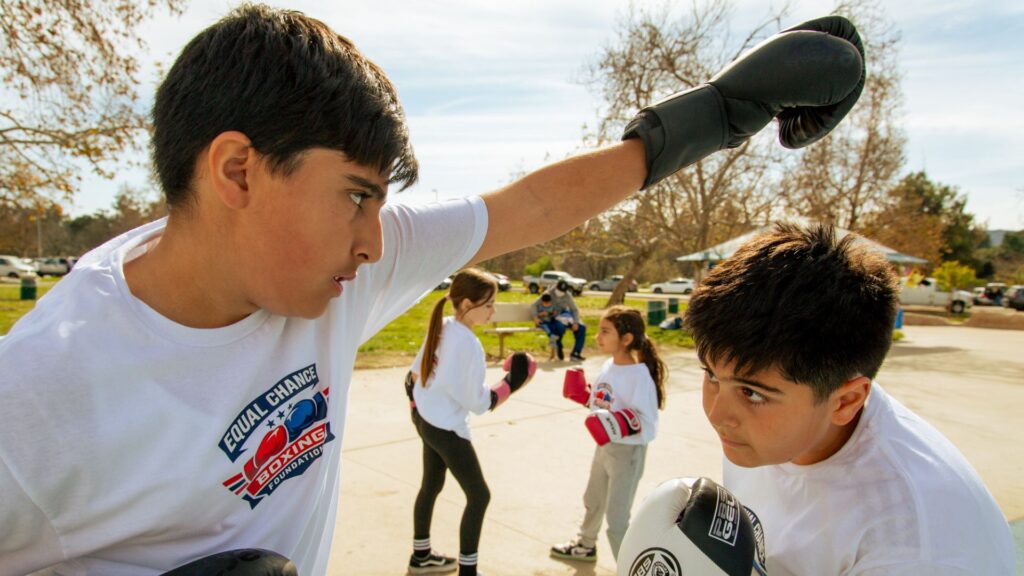
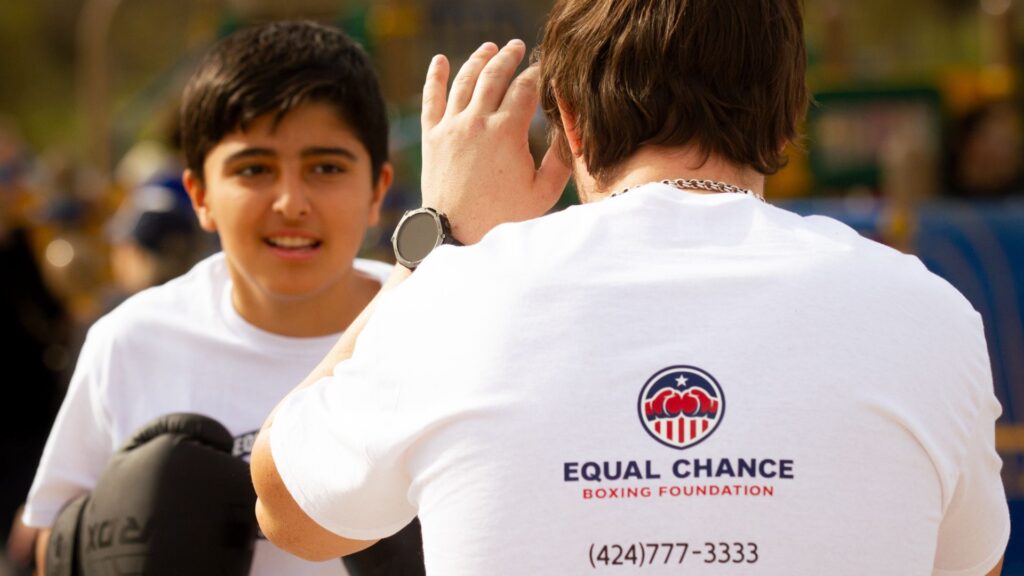
At the Equal Chance Boxing Foundation, we don’t give lectures on healthy habits. We put you in the ring.
When people ask about youth boxing and healthy habits—sleep, food, and routine—they usually think the sport is just about throwing punches. But the truth is, the fight is won long before you step through the ropes. Boxing acts as a brutal, honest mirror. If you ate garbage all day and slept for four hours, the heavy bag will expose you immediately.
In this comprehensive guide, we are speaking directly to the youth who are tired of feeling sluggish and want to take control of their physical machine, and to the adults who want to understand how combat sports can organically fix a teenager’s lifestyle. We will break down the science of recovery, the reality of athlete nutrition, and how our Head Coach, , builds unstoppable routines.
[ecbf_donate_banner_1]
The Routine Revolution: Freedom Through Discipline
For many teenagers, the word “routine” sounds like a prison. It sounds like school bells, curfews, and chores. But in the world of boxing, routine is the ultimate form of freedom.
Motivation is a Myth; Routine is Reliable
Most young people wait for “motivation” to strike before they do something hard. They wait until they feel like working out, or feel like eating right. The problem is, motivation is an emotion, and emotions change every five minutes.
Boxing teaches you to abandon the concept of motivation. When you commit to a training camp, you build a routine. You wake up at the same time, you train at the same time, and you recover at the same time. You don’t have to negotiate with yourself every afternoon about whether or not to go to the gym. The decision is already made. This removes the cognitive fatigue of constant decision-making and replaces adolescent chaos with powerful momentum.
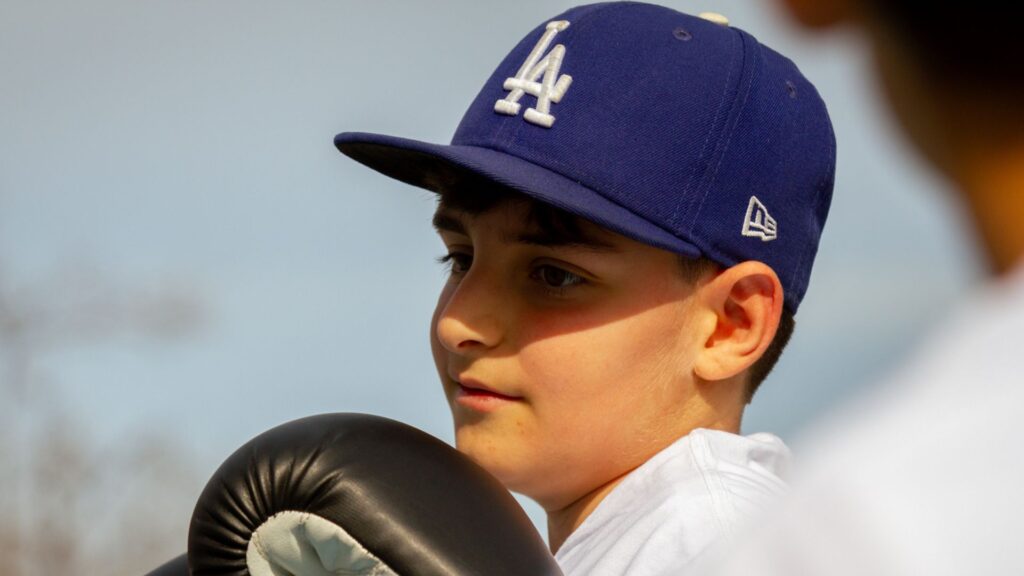
Earning the Right to Rest
When a youth spends all day lounging, rest feels meaningless. It just breeds more lethargy. But when a teenager follows a strict boxing routine—waking up, studying, hitting the gym for two hours of intense conditioning—their rest is completely transformed.
They earn their downtime. Sitting on the couch after a grueling workout feels like a victory, not a symptom of laziness. Routine structures a young person’s day so that both their work and their rest have deep, satisfying value.
Sleep: The Ultimate Performance Enhancer
In youth culture, staying up late is often seen as a badge of honor. Teenagers brag about surviving on three hours of sleep and an energy drink. But step into a boxing gym with that mindset, and you will be exhausted in the first round.
Rebuilding the Machine
Boxing destroys muscles. That is the point of training. You tear the muscle fibers down through intense exertion. But you do not get stronger in the gym; you get stronger in your bed.
When a teenager falls into deep REM sleep, their body releases human growth hormone (HGH). This is when the micro-tears in the muscles are repaired, making them faster and more explosive for the next session. If a young athlete cuts their sleep short to play video games, they are literally stopping their body from upgrading. Once a teenager realizes that sleep is the biological process of becoming stronger, going to bed early stops being a “parental rule” and becomes a personal athletic strategy.
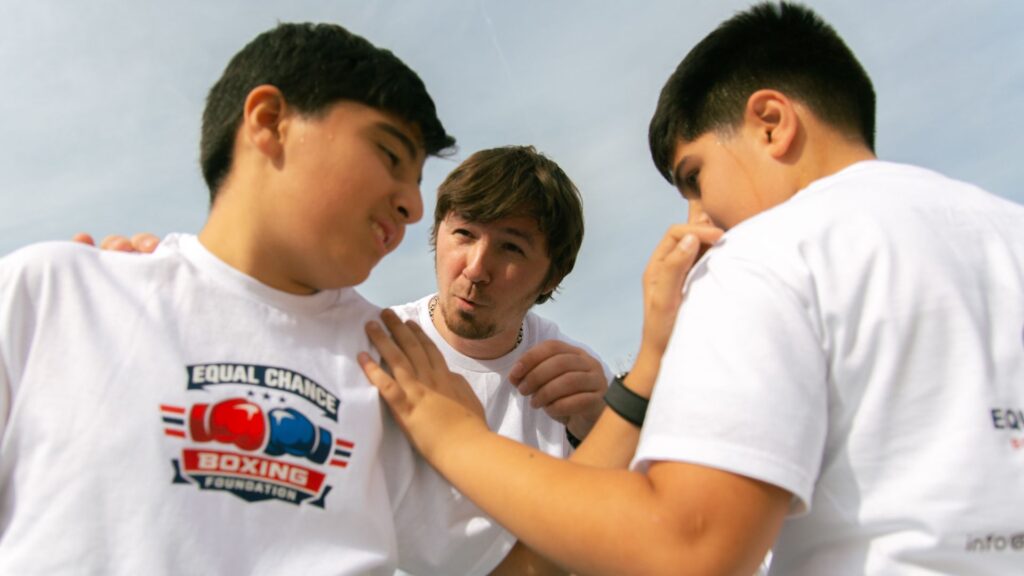
Mental Sharpness and Reaction Time
In the ring, reaction time is everything. A fraction of a second is the difference between slipping a jab and taking it on the chin.
Chronic sleep deprivation destroys a teenager’s central nervous system. It slows cognitive processing, clouds judgment, and increases anxiety. By prioritizing 8 to 9 hours of uninterrupted sleep, a youth athlete ensures their neurological wiring is functioning at peak capacity. They wake up focused, alert, and ready to react—not just in the ring, but in the classroom.
Fueling the Fighter: Nutrition as Tactical Energy
Teenagers are notorious for running on high-sugar, highly processed foods. When your body is young, you can temporarily get away with it. But combat sports require a level of sustained energy that a bag of chips and a soda simply cannot provide.
Food is Information, Not Just Calories
At the Equal Chance Boxing Foundation, we change the way youth look at food. We teach them that every meal is a set of instructions they are giving their body.
- Carbohydrates (Oats, Rice, Fruit): Tell the body to store fast-acting kinetic energy for high-intensity rounds on the heavy bag.
- Proteins (Chicken, Eggs, Beans): Tell the body to repair damaged tissue and build structural armor.
- Fats (Nuts, Avocados): Tell the brain to regulate hormones and maintain long-term stamina.When a teenager understands why they are eating, making healthy choices becomes an act of self-respect rather than a diet.

The Crash of the Sugar Spike
Many kids who feel misunderstood or anxious rely on sugar for quick dopamine hits. But sugar causes a rapid insulin spike followed by a devastating crash.
If a teenager tries to train on a sugar crash, their legs feel like lead, their lungs burn, and they feel weak. Boxing provides immediate, undeniable physical feedback. It only takes one terrible sparring session after a bad lunch for a young athlete to realize: “I can’t put cheap gas in a high-performance engine.”
Default Teenage Lifestyle vs. The Fighter’s Lifestyle
To see exactly how boxing organically forces the adoption of healthy habits, let’s look at a side-by-side comparison.
| Aspect of Life | The Default Teenage Lifestyle | The Fighter’s Lifestyle (Boxing Routine) |
| Sleep Schedule | Erratic. Stays up past 1 AM on screens; struggles to wake up for school. | Consistent. Sleeps by 10 PM to ensure physical recovery; wakes up energized. |
| Nutrition / Diet | Reactive. Eats whatever is available, usually processed sugar and fast food. | Tactical. Eats for fuel. Prioritizes protein for recovery and complex carbs for energy. |
| Hydration | Relies on energy drinks, sodas, and high-sugar coffees. | Carries a water bottle constantly. Understands dehydration leads to cramping and fatigue. |
| Response to Stress | Escapes through social media, video games, or isolation. | Channels stress into a heavy bag. Uses physical exertion to clear the mind. |
| Self-Discipline | Relies on parents or teachers to enforce rules and deadlines. | Self-regulated. Shows up to the gym on time because they respect the sport and themselves. |
The Standard: Living Like a Champion
You cannot teach these habits through theory alone. Youth need to see what an elite lifestyle looks like in practice. They need a mentor who lives the reality of the sport every single day.
Professional Accountability
At ECBF, our founder and Head Coach, professional boxer , sets an uncompromising standard. has fought on the world stage, and he knows that you cannot cheat the sport of boxing.
When looks at a young athlete who is dragging their feet, he doesn’t ask them if they want a break; he asks them what they ate for breakfast and what time they went to sleep. He holds them to a professional standard. This level of accountability is transformative. When an elite athlete treats a teenager like a serious fighter, the teenager automatically starts acting like one.
[ecbf_donate_banner_4]
Building Respect for the Machine
teaches our youth that their body is the most valuable asset they will ever own. You only get one.
Through intense physical conditioning and mentorship, shifts the mindset of our youth from self-destruction to self-preservation. He teaches them that drinking water, stretching, resting, and eating clean are not chores—they are the ultimate forms of self-respect. When a young person learns to respect their physical machine in the gym, that respect translates to every other area of their life.
To the Youth: Upgrade Your Operating System
If you are a young adult reading this, and you are tired of being tired—tired of feeling out of shape, unmotivated, and stuck in a loop of bad habits—it is time to upgrade your operating system.
Stop waiting for someone to motivate you. Stop looking for a shortcut. The only way to change how you feel is to change what you do. You have to take control of your sleep, your food, and your daily routine. And the fastest way to master all three is to start training.
We know that taking that first step is intimidating. That is why the Equal Chance Boxing Foundation has created an elite environment that is entirely free and accessible to you.
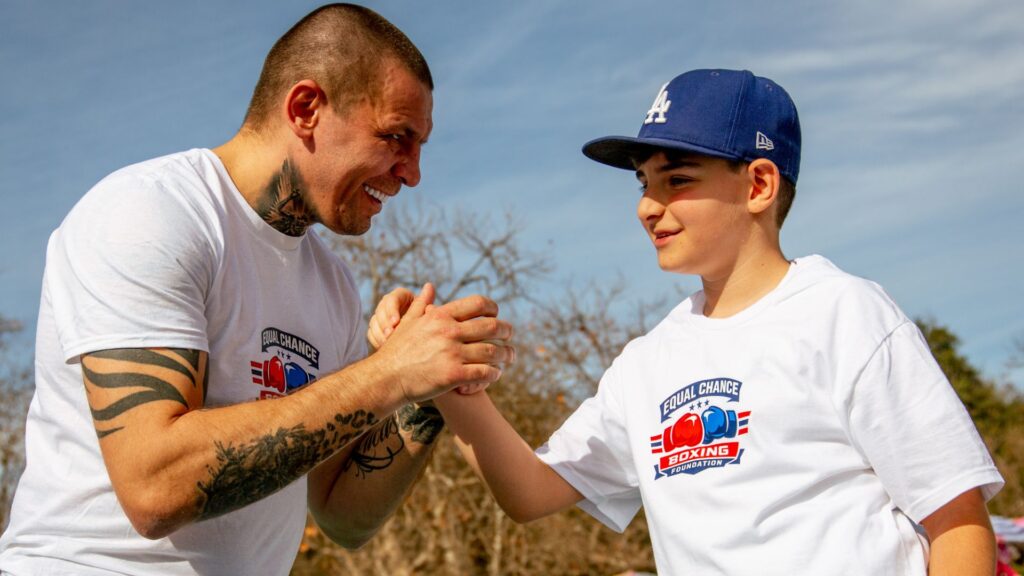
The Youth Boxing Program
Step into an environment that demands your best. We provide world-class coaching, top-tier equipment, and a community that will hold you accountable to your own greatness. No fees. No excuses.
START YOUR TRANSFORMATION. ENROLL IN OUR FREE YOUTH BOXING PROGRAM TODAY.
Training Where You Are: Community Initiatives
If getting to a gym is the reason you haven’t started, we are removing that barrier. Our mobile outreach programs bring the heavy bags, the gloves, and the discipline directly to your neighborhood.
FIND A CAMP NEAR YOU. EXPLORE OUR COMMUNITY TRAINING INITIATIVES.
To the Corner: Funding the Foundation of Healthy Youth
If you are a parent, an educator, or a community leader, you know how hard it is to force a young person to adopt healthy habits. You can preach about nutrition and sleep all day, but until the youth finds a reason to care, nothing changes.
Boxing provides that reason. It gives them a tangible, exciting “why.”
Operating a daily program that instills these critical life skills, provides a safe facility, and offers professional mentorship entirely for free is a massive logistical and financial undertaking. We rely on the strength of a community that understands that healthy teens become strong, capable adults.

For Individual Believers
When you donate to the Equal Chance Boxing Foundation, you are not just buying boxing gloves. You are funding the moment a teenager decides to put down the energy drink and drink water. You are funding the moment they decide to go to sleep early because they want to be sharp for sparring tomorrow. You are investing in their total lifestyle transformation.
FUEL THE CHANGE: DONATE TO THE FOUNDATION HERE.
For Corporate Leaders
A healthy, disciplined youth population is the backbone of a thriving local economy. By partnering with ECBF, your business takes a definitive stand for the physical and mental health of our next generation. Show your community that you invest in programs that create real, measurable lifestyle changes.
STAND IN THEIR CORNER: BECOME A CORPORATE SPONSOR TODAY.
Take the Wheel
How does boxing build healthy habits? It removes the option to fail passively.
You can fake your way through a lot of things in life. You can fake paying attention in class. You can fake being confident on social media. But you cannot fake physical stamina. You cannot fake a rested mind. The heavy bag does not care about your excuses.
When you start boxing, you realize very quickly that your daily choices have immediate physical consequences. You stop viewing food as entertainment and start viewing it as fuel. You stop viewing sleep as a bore and start viewing it as recovery. You stop viewing routine as a prison and start viewing it as the path to your own personal power.
Whether you are a young person looking to finally take the wheel and become the strongest version of yourself, or an adult looking to support a generation that desperately needs structure, the bell has rung.
At the Equal Chance Boxing Foundation, and our entire coaching staff are ready to help you rebuild your habits from the ground up. It is time to eat right, sleep deep, and hit hard. The ring is waiting.
Questions?
We’ve got answers.
Boxing isn’t just a workout; it’s a lifestyle. At the Equal Chance Boxing Foundation, youth learn that showing up to the gym is only part of the equation. To have the energy and focus needed for intense training, teens must organically adopt a structured daily routine. This discipline naturally spills over into their homework schedules and chores, creating a more organized, predictable, and successful daily life.
When a teen feels sluggish in the ring after eating poorly, the lesson is immediate and undeniable. Mentors like teach youth to view food as fuel rather than just a quick reward. Once they connect what they eat to how they perform on the heavy bag, they start making healthier choices on their own, opting for nutrition that sustains their energy and recovery rather than sugar that causes them to crash.
The physical exhaustion from a rigorous boxing workout is the perfect antidote to restless, screen-filled nights. Training heavily depletes nervous energy and lowers cortisol levels, making it much easier for the body to power down. Furthermore, knowing they have to face a tough workout the next day motivates teens to prioritize their rest, naturally fixing their sleep schedules and improving their overall recovery.
By mastering sleep, nutrition, and routine in their youth, teens are building a physiological blueprint for success. The discipline required to hydrate properly, eat clean, and rest isn’t just about winning a sparring session; it’s about respecting their own bodies. This holistic approach ensures that long after they leave the gym, they possess the ingrained, healthy habits necessary to handle the physical and mental demands of adult life.