Most community organizations operate alone most of the time. They have their own mission, their own schedule, their own group of people they serve, and enough work in front of them to fill every available hour. That is not a criticism; it is simply what running a program looks like. But it means that the moments when two organizations actually work side by side are worth paying attention to, because they tend to produce something neither one would have produced on its own.
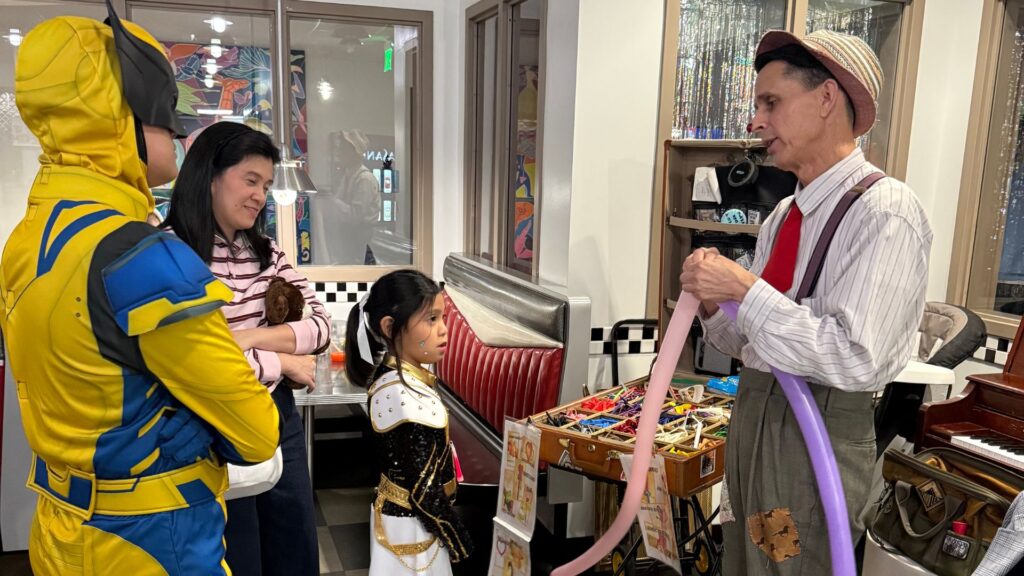
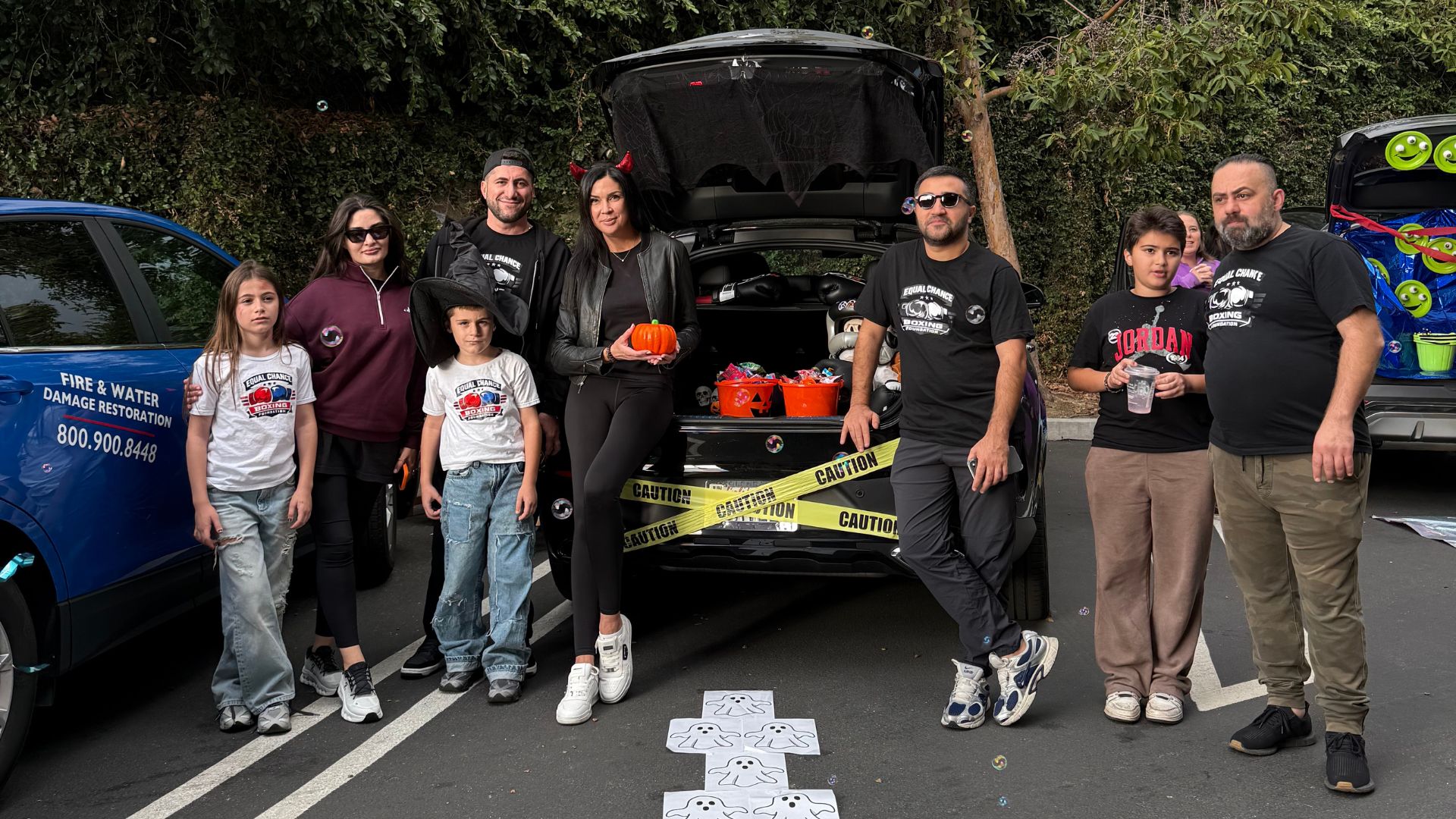
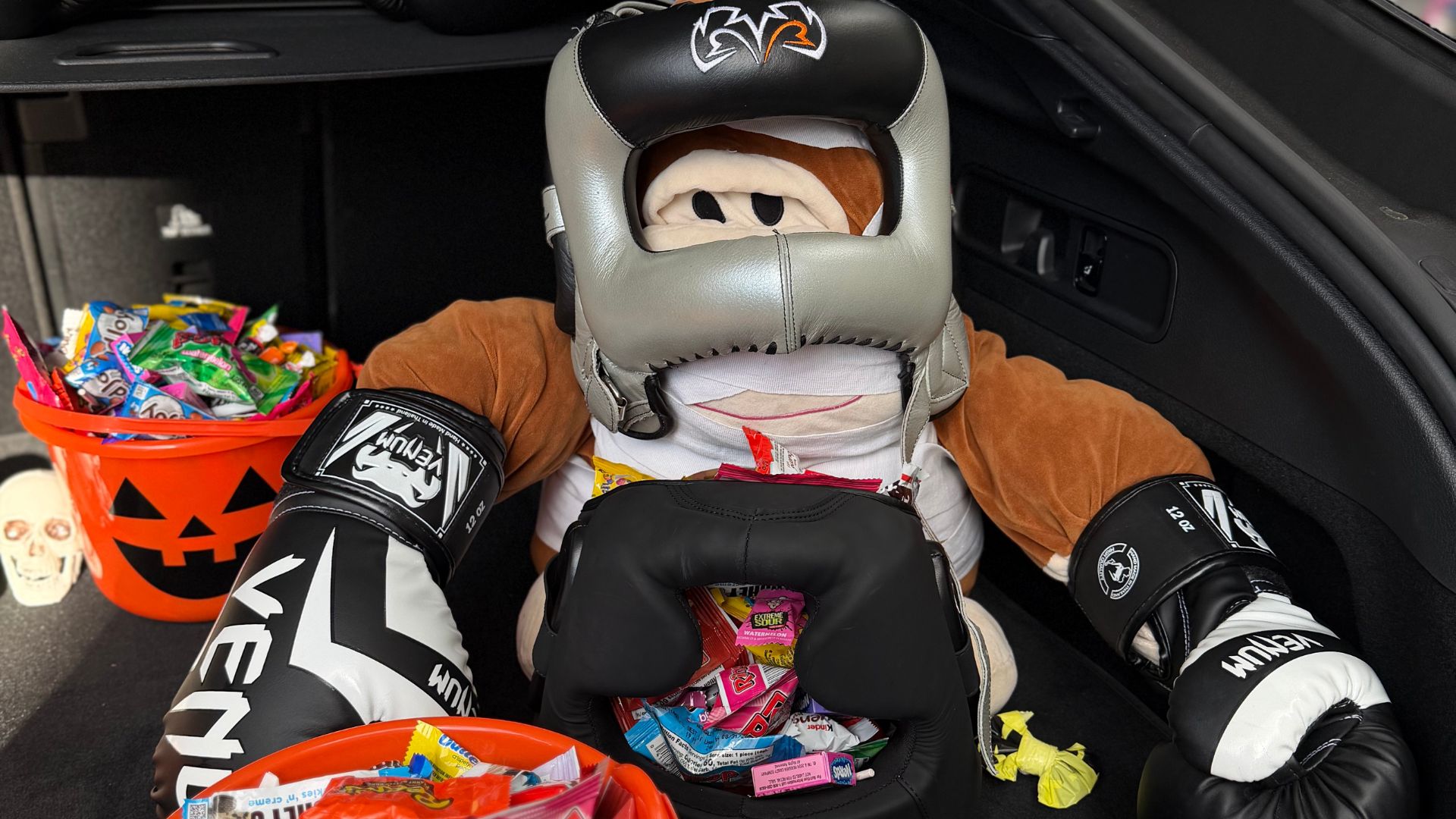
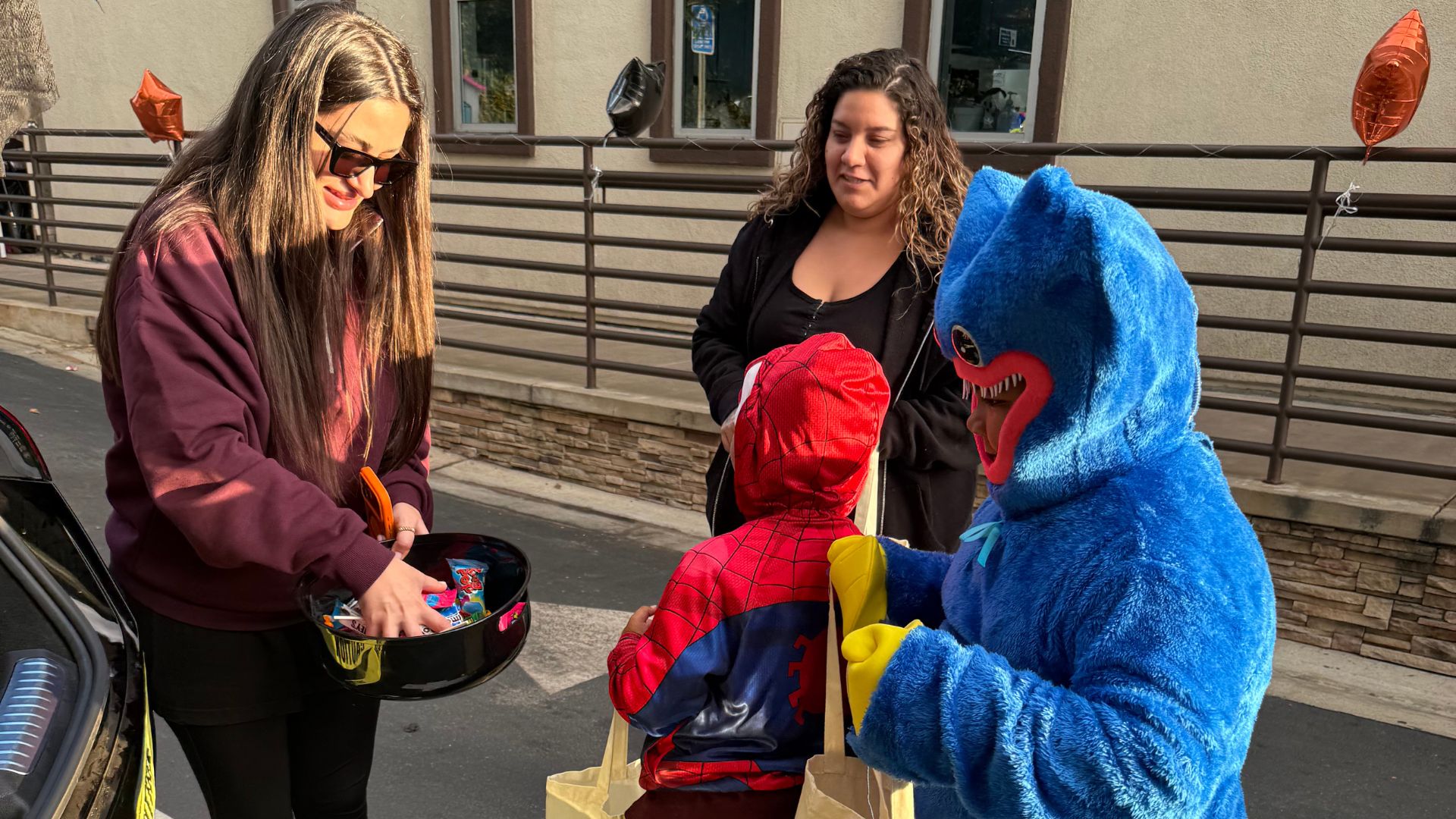
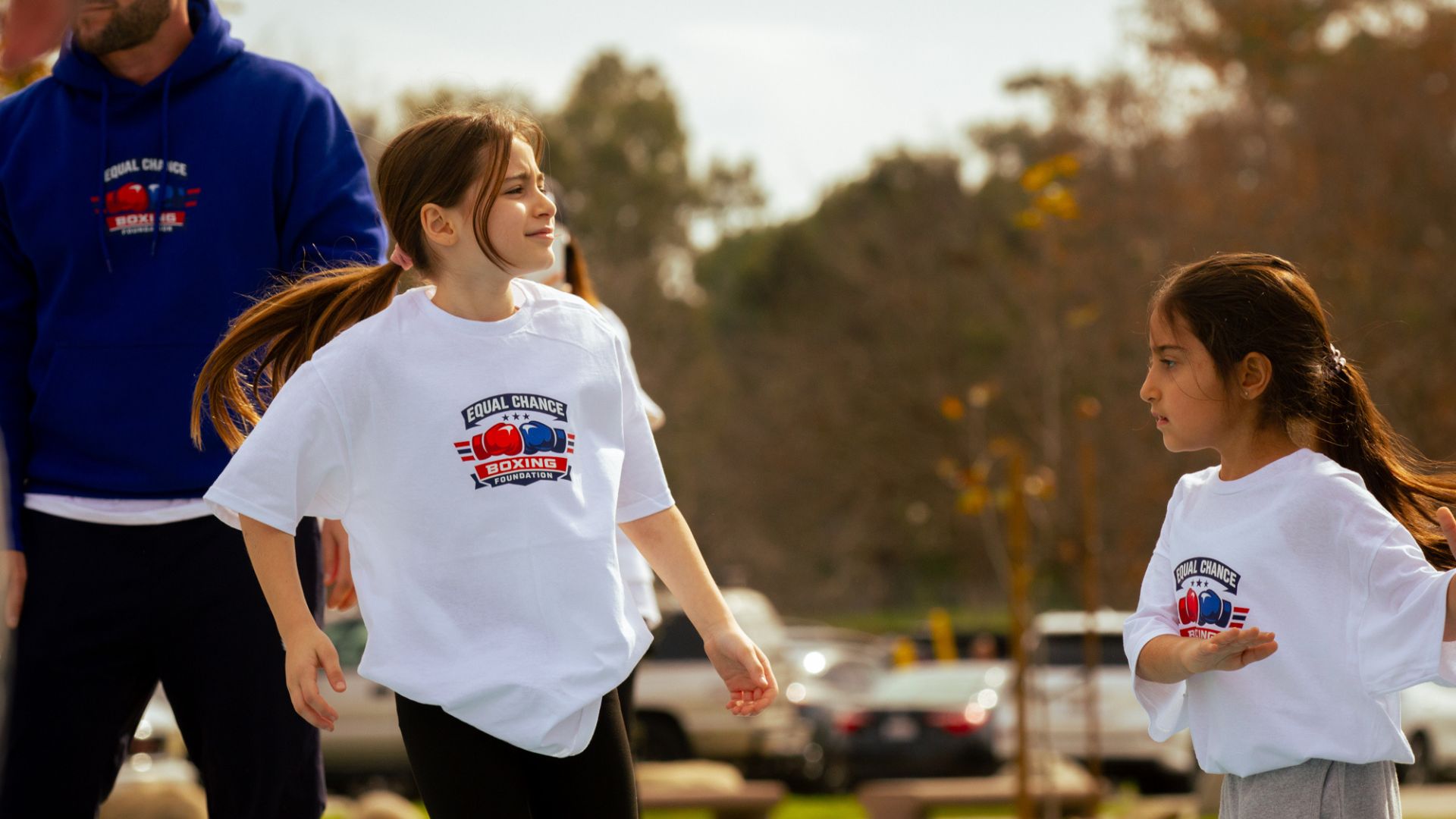
This autumn, Equal Chance Boxing Foundation and Ronald McDonald House came together around a community gathering for children and families, with a Halloween celebration serving as the occasion. The holiday was the setting. The partnership is the part worth writing about, because it reflects something the foundation has come to believe fairly firmly: supporting young people well is not something any single organization can do by itself.
Two Missions That Meet at the Same Doorstep
On paper, these are different organizations doing different things. Ronald McDonald House exists to support families during some of the most difficult stretches a family can face, keeping them close to their children and providing stability when ordinary life has been interrupted. Equal Chance Boxing Foundation runs free youth boxing and mentorship in the community, built around structure, coaching, and consistent adult presence.
In practice, the two missions converge, because families do not live their lives in categories. A household navigating a child’s medical situation also contains siblings who need somewhere to go after school. A young person who trains four afternoons a week also belongs to a family dealing with everything else happening in it. The categories exist for organizations, not for the people organizations serve, and the moment two groups notice they are describing the same households from different angles, collaboration stops being a nice idea and becomes the obvious one.
What Partnership Produces That Neither Side Produces Alone
It is tempting to describe partnership in terms of resources — two organizations pooling money, space, or staff. That happens, and it matters. But the more significant thing partnership produces is reach into relationships that neither organization has on its own.
Ronald McDonald House has trust with families that took years to build and cannot be transferred or shortcut. Equal Chance Boxing Foundation has a standing weekly program, coaches, and an open door that costs families nothing. Each of those is valuable. Together they mean that a family who already trusts one organization can be introduced to the other with that trust partially intact, which is an enormous practical difference compared to a cold flyer or an unfamiliar name.
There is also a quieter effect on the organizations themselves. Working alongside another group is one of the only reliable ways to learn how someone else solves problems you also have. How do they handle volunteers? How do they communicate with families? What do they do when something goes wrong at an event? None of that gets transmitted through a partnership agreement. It gets picked up by being in the same parking area on the same evening, watching how the other team operates.
What Families Experience When Organizations Coordinate
From a family’s point of view, the benefit of coordination is less abstract than any of this sounds. It mostly shows up as the absence of friction.
A family that has to independently discover every resource available to them, evaluate each one, and approach each as a stranger is carrying an administrative burden on top of whatever they are already managing. A family connected to one organization that knows and vouches for another skips most of that. They hear about something useful from someone they already trust, in a setting where they can ask a question casually rather than filling out a form.
The same logic applies in the other direction. A youth program that only ever recruits through its own channels reaches the families already inclined to look for it, which is a narrower group than the families who would benefit. Being introduced through a partner reaches households that would never have gone looking, often because they had no reason to think a free program applied to them. A surprising share of the gap between who a program serves and who it could serve is made of nothing more than that.
There is a second, less practical benefit that is harder to name but probably matters more. Families going through difficult periods often experience support as a series of disconnected encounters: one organization for this, another for that, each requiring its own explanation of the same circumstances. When organizations visibly know each other and work together, the experience changes. It starts to feel less like navigating a set of unrelated services and more like being inside a community that is paying attention. That shift in feeling is not a deliverable anyone can measure, but families notice it.
Community Engagement Is Part of Supporting Young People, Not Separate From It
Within youth work there is sometimes an implicit hierarchy, in which the “real” work is the structured program and everything else is outreach, marketing, or extracurricular. Equal Chance Boxing Foundation does not see it that way, and events like this one are a good illustration of why.
A young person’s wellbeing is not produced solely inside whatever program they attend. It comes from the overall density of positive, reliable things in their environment: a coach, yes, but also a neighborhood where organizations cooperate, where adults show up for community occasions, and where a child can see that the people running things are connected to each other. The Youth Boxing Program contributes one strong thread to that fabric. It cannot be the whole fabric, and a program that behaves as though it could will consistently overestimate its own reach.
This is also why community engagement is not a distraction from the foundation’s core work. Showing up to a shared event is how a program stays connected to the families it exists to serve, learns what is actually going on in the neighborhood, and remains a visible part of local life rather than a facility that happens to be located there.
How the Foundation’s Mission Extends Beyond the Gym
The most common assumption about a boxing foundation is that its work begins and ends with boxing. The sport is central to what Equal Chance Boxing Foundation does, and the training is serious. But the sport functions as a vehicle rather than a destination.
What the organization is actually trying to supply is a set of conditions: a dependable schedule, adults who know a young person’s name and notice when they are absent, a place where effort is recognized, and a path into the wider community that does not depend on a family’s income. Community Training sessions deliver those conditions through boxing. A community Halloween gathering delivers a slice of them through something else entirely. Programs like the Summer & Afterschool Mentorship Camp deliver them across a longer stretch of the year.
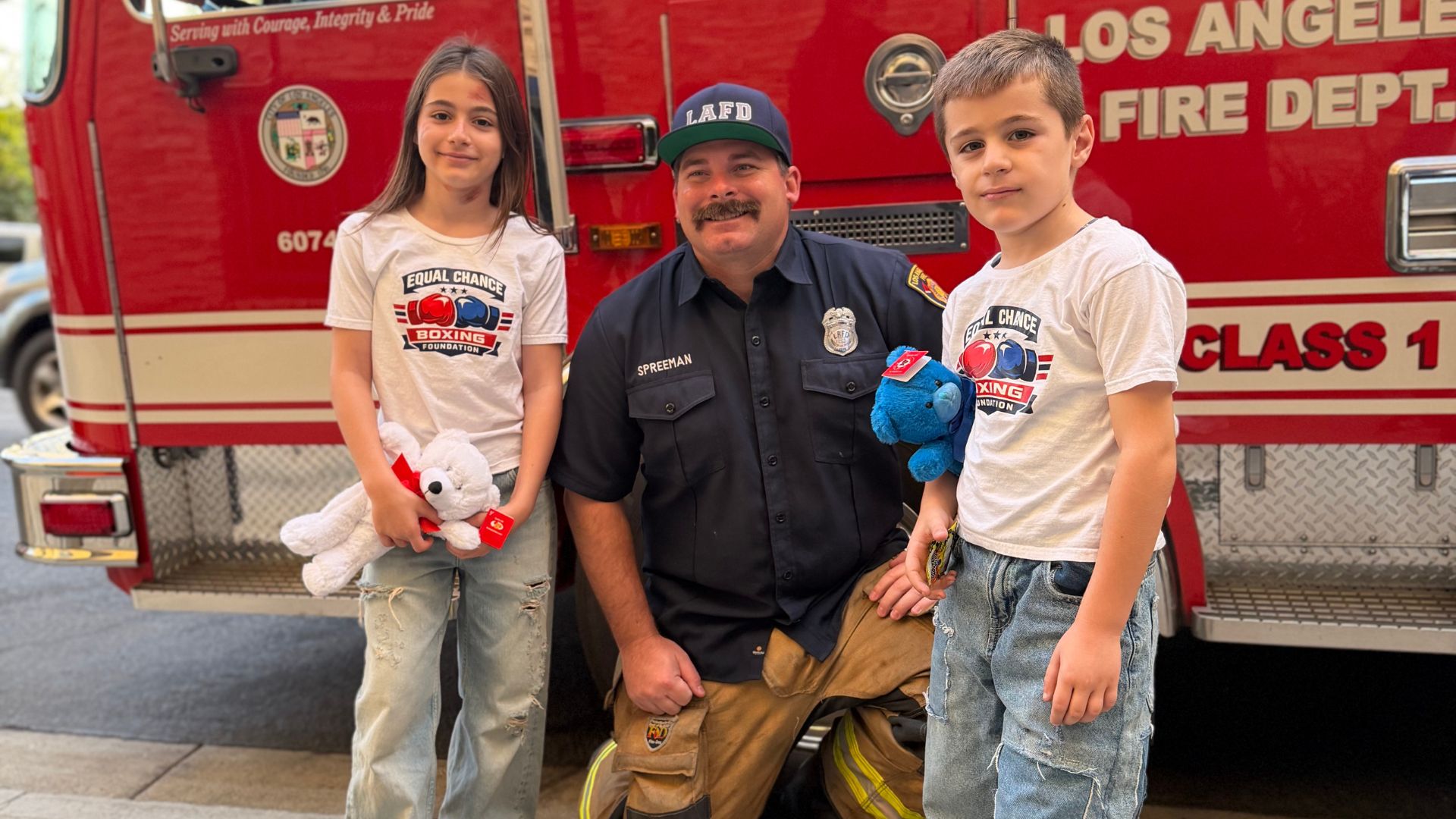
Seen that way, taking part in a partner organization’s community event is not a departure from the mission. It is the mission, carried out through a different mechanism on an evening when a different mechanism was the right one.
Why Smaller Organizations Benefit Most From Working Together
There is a structural reason partnership matters more for community organizations than for large institutions. A big organization can afford to be self-sufficient; it has departments, budgets, and enough staff to cover most of what it needs internally. A community nonprofit does not. It runs lean by design, and nearly every capability it lacks is one it will simply go without unless someone else supplies it.
That makes cooperation less of a philosophy and more of an operating necessity. One organization has space but not programming. Another has programming but nowhere to put it. One has volunteers on weekends; another needs hands on exactly those days. These gaps are extremely common and extremely solvable, but only if the organizations in a given area actually know what each other has and needs. Most of the time they do not, which is why so much potential cooperation never happens — not because anyone objects to it, but because nobody has the information.
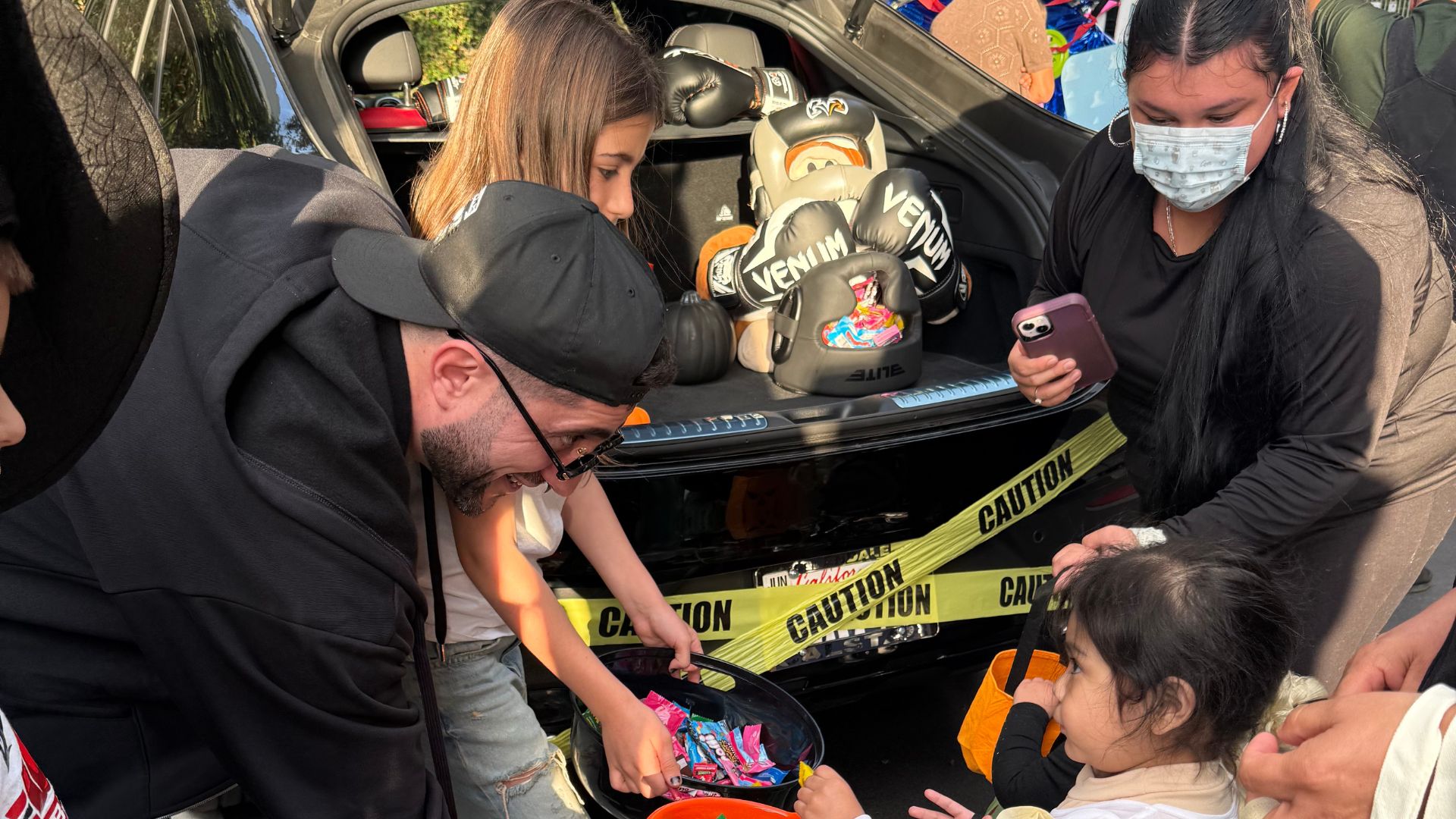
Shared events help solve that information problem almost as a side effect. Spending an evening working alongside another organization reveals, without anyone needing to ask, what that group is good at and where it is stretched. A fair amount of the value of this kind of collaboration is simply that both sides come away knowing who to call next time.
What Makes a Partnership Last
Plenty of partnerships are announced and then quietly do nothing. The ones that persist tend to share a few characteristics, none of them dramatic.
The first is that they begin small. A single shared event, handled well, teaches both organizations more about whether they can work together than any amount of planning. Equal Chance Boxing Foundation’s relationship with Ronald McDonald House developed this way; the two organizations previously came together for a Movie Night earlier in 2026, and that experience made this collaboration easier to arrange and more natural to carry out.
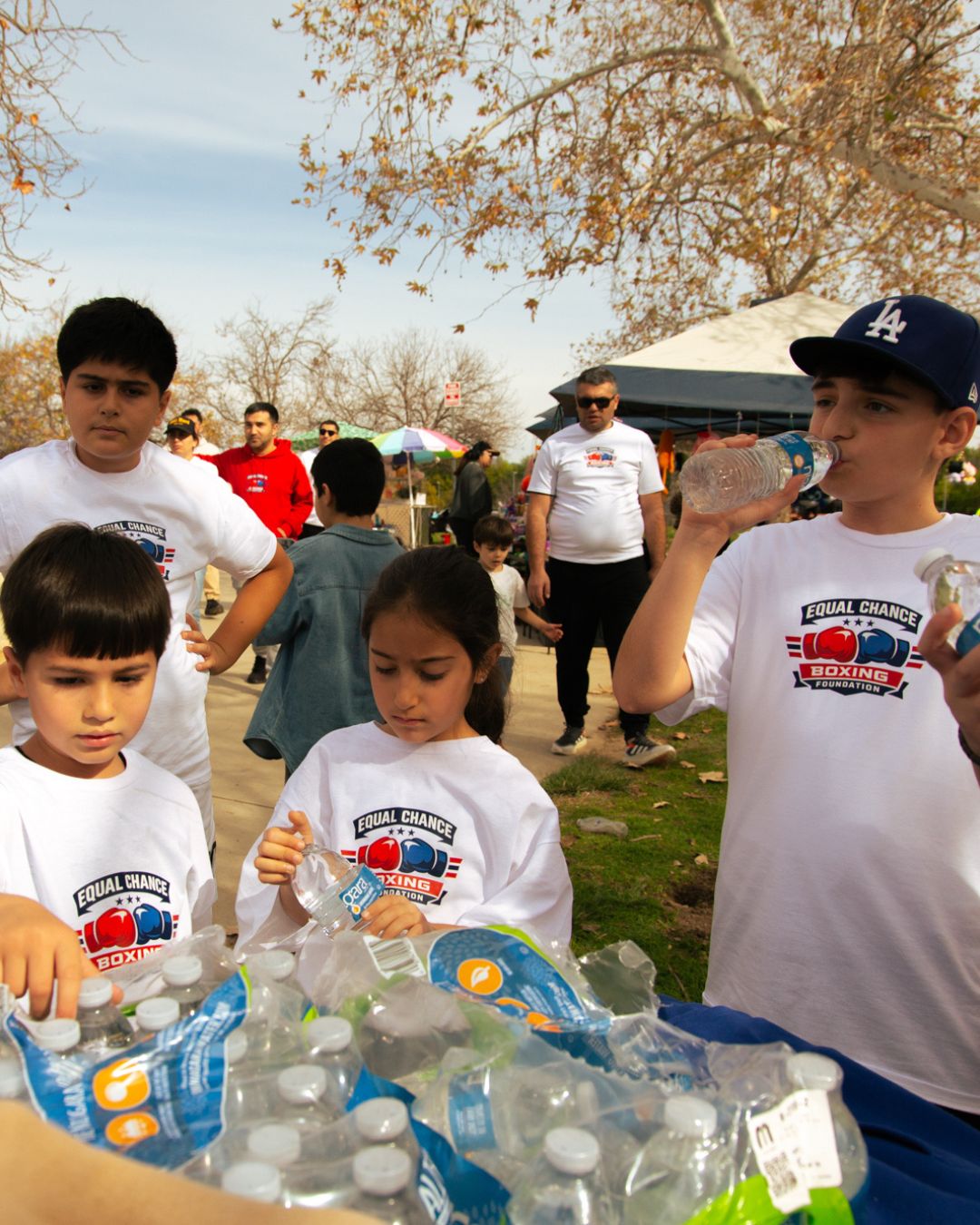
The second is clarity about who is leading. When one organization is hosting, the other’s job is to support the plan rather than reshape it. A partner that arrives with its own agenda creates work for the host instead of reducing it, which is the opposite of help.
The third is that both sides treat the relationship as ongoing rather than transactional. Organizations that only contact each other when they need something build a thinner relationship than organizations that stay in touch between occasions. That continuity is what turns a one-time collaboration into something a community can actually rely on.
Gratitude to Ronald McDonald House
Equal Chance Boxing Foundation is grateful to Ronald McDonald House for the invitation, the partnership, and the care that clearly went into planning an experience for children and families.
The work Ronald McDonald House does is demanding and largely unseen by anyone who has not needed it. Being welcomed into one part of that work is a privilege, and the foundation is glad to be a partner rather than simply an admirer of it. Organizations that serve vulnerable families well are rightly careful about who they bring into their space, and earning a place in that circle is not something to take for granted.
What Comes Next
The most useful outcome of a good partnership is usually just that the next one is easier. Two organizations that have worked together once know each other’s people, understand each other’s constraints, and can skip most of the introductory stage the second time around.
Equal Chance Boxing Foundation hopes to keep building this relationship, and hopes other local organizations and businesses will consider similar collaborations. The practical lesson from this event is not complicated: most partnerships that end up mattering start with one organization asking another a direct question, and one modest shared project that both sides take seriously. The infrastructure for supporting young people in a community already exists, scattered across the groups that serve them. What turns that into something stronger is simply the decision to connect it.
Step Into the Ring. Let’s Build Our Community Together.
For Parents
Equal Chance Boxing Foundation provides free training, coaching, and equipment for young people, on a consistent weekly schedule. Families are always welcome to reach out and ask how to get started.
ENROLL IN OUR YOUTH BOXING PROGRAM TODAY
For Supporters
Partnerships, community events, and free weekly programming are all sustained by people who choose to fund them. Contributions of any size help keep this work steady and available to the families who need it.
DONATE TO THE EQUAL CHANCE BOXING FOUNDATION
For Community Partners
If your organization or business is interested in working together on something for local children and families, we would genuinely welcome the conversation. Most lasting partnerships begin with one modest shared project.
LEARN ABOUT CORPORATE SPONSORSHIP
Frequently Asked Questions
What People Ask About Nonprofit Partnerships in Our Community
Because families do not experience their lives in categories. A household dealing with a child’s medical treatment also has siblings who need somewhere to go after school, and a young person in a training program also belongs to a family managing everything else. Organizations that coordinate can meet more of that picture than either could alone.
Mostly capacity, hands, and presence. When a partner organization already knows its families well and has designed an experience carefully, the most useful contribution is usually to add support to that plan rather than to arrive with a separate agenda of one’s own.
No. Outreach is part of it. Young people benefit from structure and coaching, and they also benefit from seeing that the adults around them participate in the wider life of their community. Events also put the program in front of families who would otherwise never hear about it.
Usually with one conversation. Most working partnerships begin with a single modest collaboration, and expand once both sides have seen how the other operates. Interested organizations can reach out through the Community Training or Corporate Sponsorship pages.