

When parents search for free boxing classes for kids in Los Angeles, they are often looking for more than a place where their child can exercise. They may be looking for structure after school, a safer environment, a mentor, a way to help their child build confidence, or simply a place where a young person can put their energy somewhere positive.
For many families, the word “free” matters because youth sports can become expensive very quickly. Monthly fees, equipment, transportation, private coaching, uniforms, and registration costs can make even a good program feel out of reach. But when it comes to children and teenagers, parents should look beyond price alone. A free program still needs to be organized, safe, respectful, and built around real youth development.
Boxing, when taught the right way, is not about fighting. It is not about teaching a child to be aggressive or intimidating. At its best, boxing is a school of discipline, emotional control, patience, respect, and self-awareness. It gives young people a place to work hard, make mistakes, listen, reset, and try again.
That is why choosing the right youth boxing program in Los Angeles matters. The right program can give a child more than a workout. It can give them rhythm, accountability, mentorship, and a healthy environment where they are guided instead of judged.
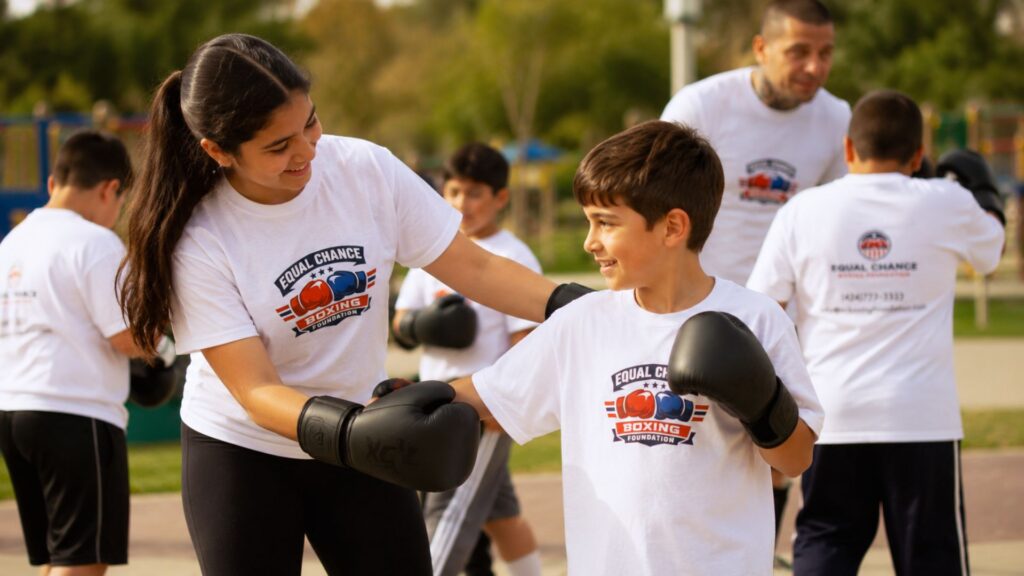
Free Boxing Should Still Feel Professional, Safe, and Serious
A program being free should never mean that parents have to lower their standards. Children deserve quality coaching whether their family pays a monthly fee or receives access through a nonprofit program. In fact, when a program serves children from underserved communities, low-income families, or families with fewer resources, the responsibility is even greater.
Parents should look for a place where the coaches are present, attentive, and clear. The environment should not feel random or chaotic. A child should not be thrown into training without explanation. There should be a warm-up, basic instruction, proper supervision, and a clear understanding of what beginners are expected to do.
A serious youth boxing program does not rush a child into sparring or contact. It starts with stance, balance, footwork, breathing, hand placement, coordination, and listening. These basics may look simple from the outside, but they are the foundation of both safety and discipline.
For a child who has never boxed before, the first few weeks are not about becoming tough. They are about learning how to follow instructions, control movement, respect the space, and build trust with the coach. That is where real growth begins.
[ecbf_donate_banner_1]
Parents Should Look for Discipline Without Cruelty
Many parents want their child to become more disciplined, but not every strict environment is a healthy one. There is a difference between discipline and humiliation. There is a difference between high standards and harsh treatment. Children need boundaries, but they also need adults who understand how to correct them without breaking their confidence.
A good boxing coach can be firm and respectful at the same time. They can tell a child to try again without making them feel worthless. They can correct lazy habits without insulting the child. They can demand focus while still remembering that young people are learning.
This balance is especially important for teenagers. A teen may walk into the gym already carrying pressure from school, family, social media, the street, or their own thoughts. Some teens hide insecurity behind attitude. Others shut down when they feel embarrassed. A strong coach understands that the goal is not to shame the child into obedience. The goal is to help them build control from the inside.
The right program gives young people standards. It teaches them that showing up matters, listening matters, effort matters, and respect matters. But it does this without cruelty. That is one of the clearest signs parents should look for.
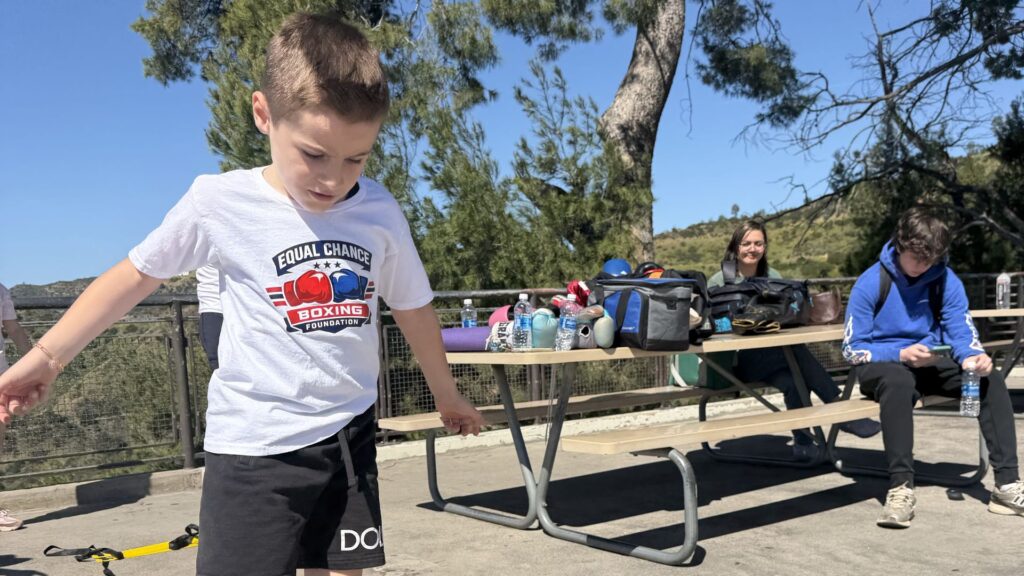
Boxing Is Not Fighting — It Is Learning Control
One of the biggest concerns parents may have is whether boxing will make their child more aggressive. That concern is understandable, especially when boxing is shown in movies or social media as something violent or dramatic. But responsible youth boxing should teach the opposite of uncontrolled aggression.
A child who learns boxing properly learns that power without control is useless. They learn that anger makes them sloppy. They learn that fear can be managed through breathing, posture, and repetition. They learn that the person across from them is not an enemy, but a training partner who also deserves respect.
This is why the culture of the gym matters so much. If the program celebrates ego, intimidation, or rough behavior, parents should be careful. But if the program teaches patience, humility, defense, timing, and respect, boxing can become a powerful tool for personal growth.
At Equal Chance Boxing Foundation, the focus of the Youth Boxing Program is not simply athletic training. The deeper goal is to give young people structure, mentorship, and a safer place to develop discipline. That kind of environment helps children understand that boxing skills belong inside a supervised setting, not on the street, not in school hallways, and not as a way to prove themselves through conflict.
The First Visit Tells Parents a Lot
Parents do not need to be boxing experts to understand whether a program feels right. The first visit often tells the truth. Watch how the coach speaks to the children. Watch how older students treat beginners. Watch whether the room feels supervised or careless. Watch whether students listen when the coach gives instructions.
A healthy gym has energy, but not chaos. Kids may be sweating, moving, laughing, getting tired, and making mistakes, but there should still be order. A coach should notice when a child is confused. They should correct unsafe movement. They should not ignore disrespect. They should not allow stronger or more experienced students to dominate beginners.
It is also important to notice how the program welcomes a child who is nervous. Not every child walks in confident. Some are shy. Some are overweight. Some are embarrassed because they have never done a sport before. Some teenagers try to act like they do not care, even when they are actually afraid of failing.
A good program makes room for those first-day emotions. It does not baby the child, but it does not mock them either. It gives them a place to begin.
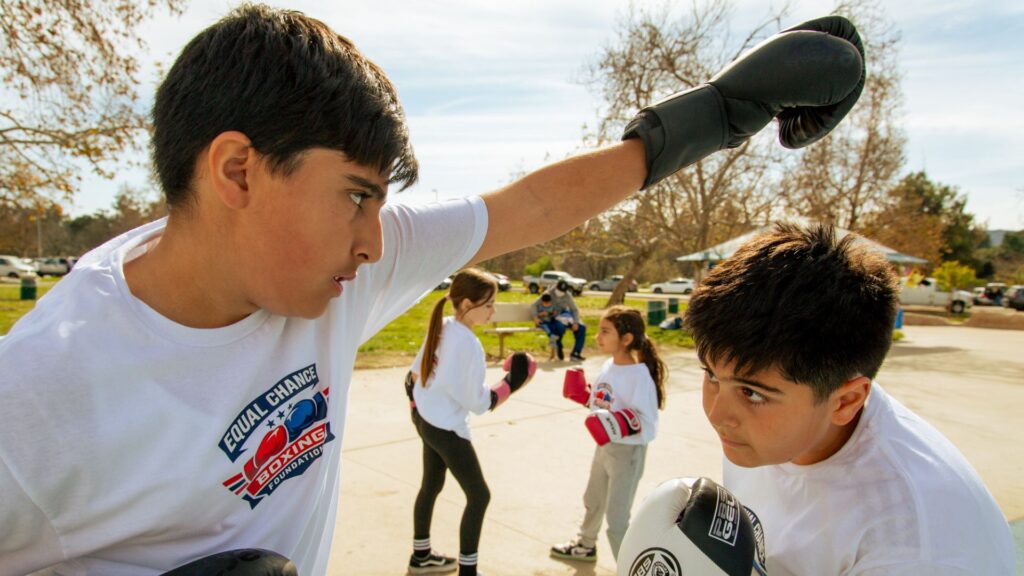
A Strong Youth Boxing Program Builds Routine, Not Just Motivation
Parents often hope that a new activity will motivate their child. Motivation can help at the beginning, but it usually does not last by itself. Teenagers have changing moods, busy minds, social pressure, school stress, and constant distractions. If a program depends only on motivation, many kids will quit as soon as the first difficult day comes.
What young people need is routine.
Boxing creates routine in a physical and practical way. A child arrives, prepares, listens, warms up, practices, repeats, gets corrected, rests, and comes back again. Over time, the routine becomes familiar. The child begins to understand that progress does not come from feeling excited every day. It comes from repetition.
This lesson can reach far beyond the gym. A teenager who learns to show up for training may begin to understand the importance of showing up in other areas of life. A child who learns to control their breathing during a difficult drill may slowly become more aware of how they react when frustrated. A young person who gets corrected by a coach and keeps going may begin to see mistakes differently.
Parents should not expect overnight transformation. Real growth is usually gradual. It may show up first in small ways: a child stands taller, listens a little longer, handles correction better, becomes more aware of their body, or starts caring about being on time. These small changes matter because they are signs that structure is beginning to take root.
Mentorship Is What Makes the Program Deeper
A boxing class can teach technique, but mentorship gives the training meaning. For kids and teens, the relationship with the coach can become one of the most important parts of the experience. A good coach does not replace a parent, teacher, counselor, or family member, but they can become another steady adult voice in the child’s life.
That voice matters.
Some young people do not respond well to long lectures. They may tune out when adults tell them what they “should” do. But in the gym, lessons are often short, direct, and connected to action. Keep your hands up. Breathe. Slow down. Try again. Respect your partner. Listen before you move.
Those words are about boxing, but they are also about life.
A mentor can notice when a teenager is distracted, angry, or unusually quiet. A mentor can push a child who is giving up too quickly. A mentor can also remind a young person that they are more capable than they think. This kind of consistent guidance can be especially valuable for youth who do not have enough positive structure around them.
That is why parents should ask not only what skills the program teaches, but who is teaching them and how they connect with the kids.
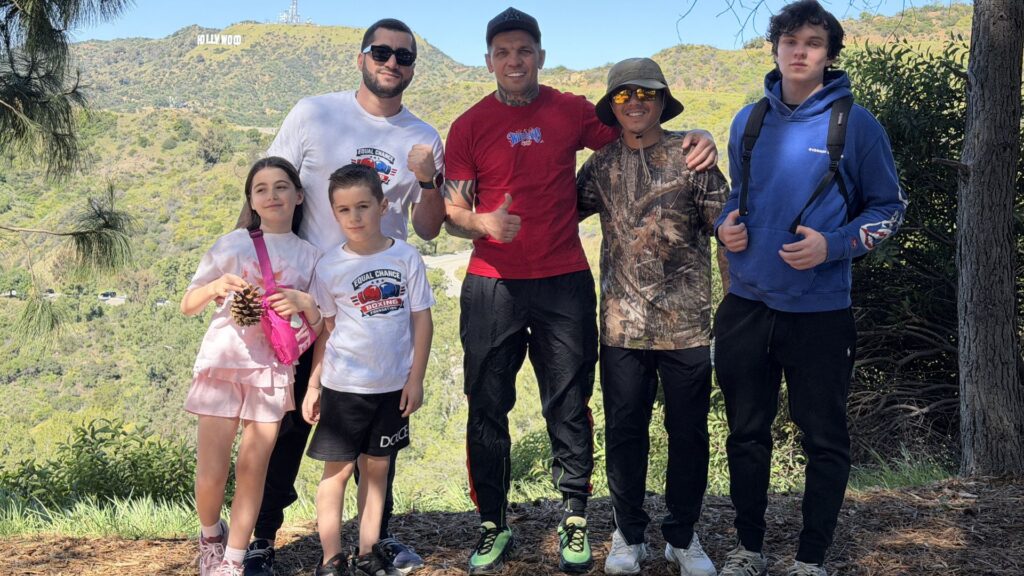
Los Angeles Families Need Accessible Youth Programs
Los Angeles is a city full of opportunity, but opportunity is not always easy to reach. Many families face real barriers when trying to place their children in positive activities. Some parents work long hours. Some do not have reliable transportation. Some children live in neighborhoods where safe afterschool options are limited. Some families want sports for their kids but cannot afford the cost of private programs.
This is where local nonprofit youth sports programs become important. They help close the gap between a child’s potential and a family’s ability to pay. They create access where access may not exist. They give young people something structured to do during the hours when they could otherwise drift toward isolation, screens, negative influences, or unsafe environments.
For families in Los Angeles, LA County, and nearby communities such as Studio City, community-based boxing can become more than a class. It can become a stable place in the week, a familiar group of adults, and a positive environment where a child is expected to grow.
Programs connected to Community Training help make that support more visible and more accessible. They show that youth development does not only happen inside a private gym. It can happen in the community, around families, mentors, supporters, and people who believe that children need more than words of encouragement. They need places to go and people who show up for them.
Free Access Can Remove the Shame Around Starting
For some children, the hardest part is not training. It is getting through the door.
A parent may want to enroll their child but worry about the cost of gloves, wraps, transportation, or program fees. A teenager may want to try boxing but feel embarrassed that their family cannot afford what other families can. These quiet barriers often stop kids before they even begin.
A free program can remove that pressure. It tells the child that they are welcome. It tells the parent that money will not be the reason their child is left out. It gives the family a chance to try something positive without the fear of a financial commitment they cannot maintain.
But free access still requires support. Coaches, equipment, space, outreach, and program organization all cost money. When donors support free youth boxing and mentorship, they are not just buying gloves. They are helping build a system around a child who needs consistency.
This is important for donors and sponsors to understand. The visible part may be a pair of gloves, a heavy bag, or a training shirt. The deeper impact is the child who now has somewhere to be after school, someone expecting them to show up, and a reason to believe that discipline can lead somewhere.

Parents Should Ask About the Program’s Bigger Purpose
Some programs teach sports only as sports. That can still be valuable, but for children and teenagers, the best programs often have a bigger purpose. They understand that a young person is not just a student in class for one hour. That child goes back to school, family pressure, social media, neighborhood influence, and personal struggles.
A strong youth boxing program should care about who the child becomes outside the gym. It should teach respect in a way that applies at home. It should teach discipline in a way that applies at school. It should teach self-control in a way that helps a young person pause before reacting.
Parents can ask how the program handles behavior, attendance, respect, and conflict. They can ask whether the coaches communicate with families. They can ask whether the program offers mentorship beyond basic training. These questions help parents understand whether the program is simply filling time or truly helping shape character.
When boxing is taught with purpose, the gym becomes more than a place to sweat. It becomes a place where young people practice becoming more focused, more patient, and more responsible.
Afterschool and Summer Structure Matter
The hours after school can be difficult for many families. Parents may still be working. Children may be tired, overstimulated, or left without structure. Teenagers may drift toward phones, video games, social media, or the wrong group of peers. Summer can create the same challenge on a larger scale, with long days and fewer routines.
This is why afterschool mentorship and summer programming can be so valuable. Young people need spaces where their time is organized in a healthy way. They need adults who expect them to participate, move, listen, and improve. They need a rhythm that does not disappear when school ends.
A program like the Summer & Afterschool Mentorship Camp can help families by connecting physical activity with mentorship and structure. For many children, that combination matters more than parents realize. It gives them something steady to return to and helps them experience discipline as a normal part of life, not as a punishment.
Parents looking for free boxing classes should think about the week as a whole. One good class can help, but consistent structure creates deeper change.
The Right Coach Teaches More Than Talent
In youth sports, talent can be exciting, but it should never be the only thing a program values. Not every child who enters a boxing gym will become a competitive fighter. That should not be the only measure of success.
For many kids, success may mean becoming more confident. For others, it may mean learning how to listen, becoming physically healthier, managing frustration better, or staying committed to something difficult. A good coach sees value in those steps.
can be used as an example here not because every child needs to become a professional athlete, but because boxing at a serious level teaches lessons that young people can understand. Discipline matters more than mood. Routine matters more than excuses. Losses can teach. Mistakes can be corrected. Respect for coaching is part of growth.
These lessons are powerful because they are honest. They do not promise easy success. They show young people that improvement takes time, and that time is not wasted when it is spent with purpose.
A Responsible Program Is Honest About Mental and Emotional Support
Many parents look for boxing because their child is dealing with stress, anger, anxiety, low confidence, or emotional pressure. Boxing may help many young people feel more grounded because it offers movement, structure, mentorship, and community. Physical training can give a teen a safe way to release energy and practice control.
At the same time, it is important to be honest. Youth boxing is not a substitute for professional medical or mental health care when a child needs it. A responsible program should not promise that boxing cures anxiety, depression, ADHD, trauma, or behavioral disorders.
What a good program can do is become part of a broader support system. It can give a young person a positive place to move their body, build routine, connect with mentors, and experience healthy expectations. For many families, that support can be meaningful, but it should be offered with care and honesty.
Parents should trust programs that speak responsibly. Big promises may sound attractive, but real youth development is usually built through patience, consistency, and a team of support around the child.

Corporate Sponsors Help Build the System Around the Child
When a local business supports a youth sports nonprofit, the impact goes far beyond a logo on a page. Corporate support can help create access for children who might otherwise be excluded from structured activities. It can help fund coaching, equipment, outreach, mentorship, and safe training opportunities.
For Los Angeles businesses, supporting youth boxing is not only about sports. It is about investing in healthier communities, stronger families, and young people who need positive direction. A child who learns discipline, respect, and self-control today becomes part of the community’s future.
That is why Corporate Sponsors play an important role in keeping programs accessible. They help make sure that cost does not decide which children receive guidance and which children are left without support.
A sponsor is not simply funding a class. They are helping place a steady adult, a safe environment, and a structured routine within reach of a young person who may need all three.
What Parents Should Feel Before They Say Yes
Before choosing a free boxing class for a child, parents should feel a sense of trust. Not perfection, because no program is perfect, but trust. They should feel that the adults in the room care about safety. They should feel that the program has structure. They should feel that children are being challenged without being humiliated.
The child should also feel that they can start from where they are. They should not need to already be athletic, confident, or experienced. A good beginner program welcomes the first step. It understands that walking into the gym may already be a brave moment for some kids.
Parents should look for a program where discipline feels steady, not angry. Where coaches correct behavior without insulting children. Where boxing is taught as control, not violence. Where free access does not mean lower expectations. Where mentorship is not an extra feature, but part of the heart of the program.
That is the kind of environment that can help a young person grow.
[ecbf_donate_banner_4]
Step Into the Ring. Let’s Build Our Community Together.
For Parents: Reclaim Your Teenager’s Future
Stop relying on fleeting motivation and give your teenager the gift of true discipline. Leave the financial stress behind — Equal Chance Boxing Foundation provides access to structured youth boxing, mentorship, coaching, and a safe environment where young people can begin rebuilding confidence one step at a time.
Take the first step toward their mental and physical growth.
ENROLL IN OUR YOUTH BOXING PROGRAM TODAY
For Supporters: Fund a Life-Saving Mentor
These programs remain accessible because people choose to stand in the corner of young people who need structure, guidance, and opportunity. When you support low-income youth sports programs, you are not simply funding equipment — you are helping provide the mentorship, discipline, and consistency that many children cannot access on their own.
Be the steady hand in their corner.
DONATE TO THE EQUAL CHANCE BOXING FOUNDATION
For Community Partners: Take the Mentorship Beyond the Gym
Community impact grows when local leaders, businesses, and families work together. Through outreach, community training, and sponsorship support, Equal Chance Boxing Foundation helps bring coaching, structure, and encouragement closer to the youth who need it most.
LEARN ABOUT CORPORATE SPONSORSHIP
Questions?
We’ve got answers.
Safety and the gym environment should be your top priorities. Look for a program that emphasizes non-contact drills, proper body mechanics, and an ego-free atmosphere over aggressive sparring. At the Equal Chance Boxing Foundation, the focus is on building a strong athletic foundation and strong character, ensuring kids feel safe, respected, and supported at all times.
Many sports programs advertise as free but quietly require expensive gear, uniforms, or registration fees. Parents should ask upfront about equipment policies. A truly accessible program, like ECBF, provides all necessary gear—including gloves and hand wraps—so that financial barriers are completely removed for Los Angeles families.
Parents should look for coaches who act as mentors, not just athletic trainers. Instructors like bring elite professional expertise but focus heavily on teaching life skills such as discipline, emotional regulation, and accountability. The right coaches will care just as much about your child’s personal development off the mat as their footwork on it.
Los Angeles is a fast-paced, sprawling city with many distractions and challenges for growing youth. A high-quality boxing program provides a predictable, disciplined routine. This structure helps youth develop focus and a strong internal framework, creating a positive, supervised physical outlet that keeps them engaged and away from negative after-school influences.