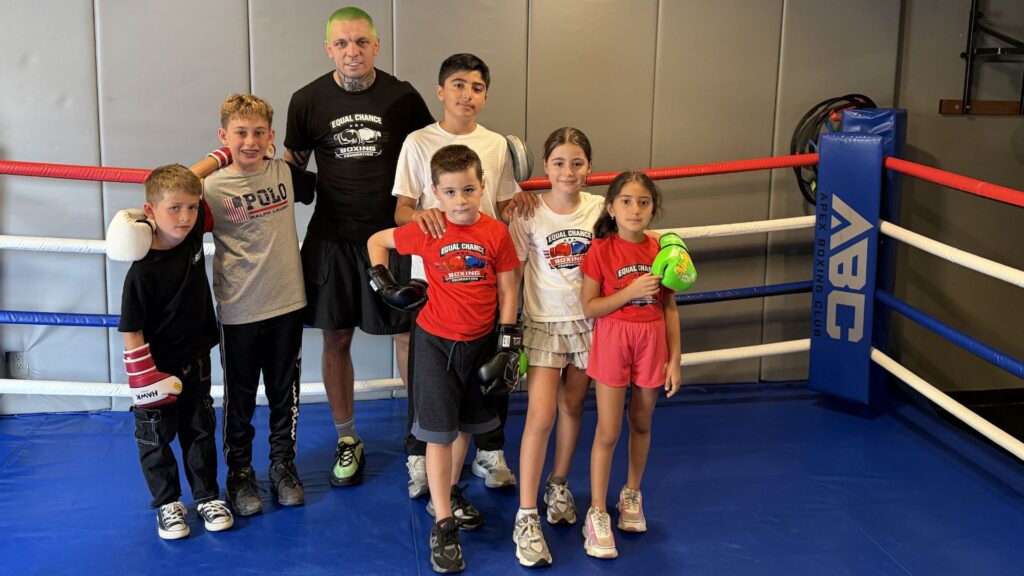
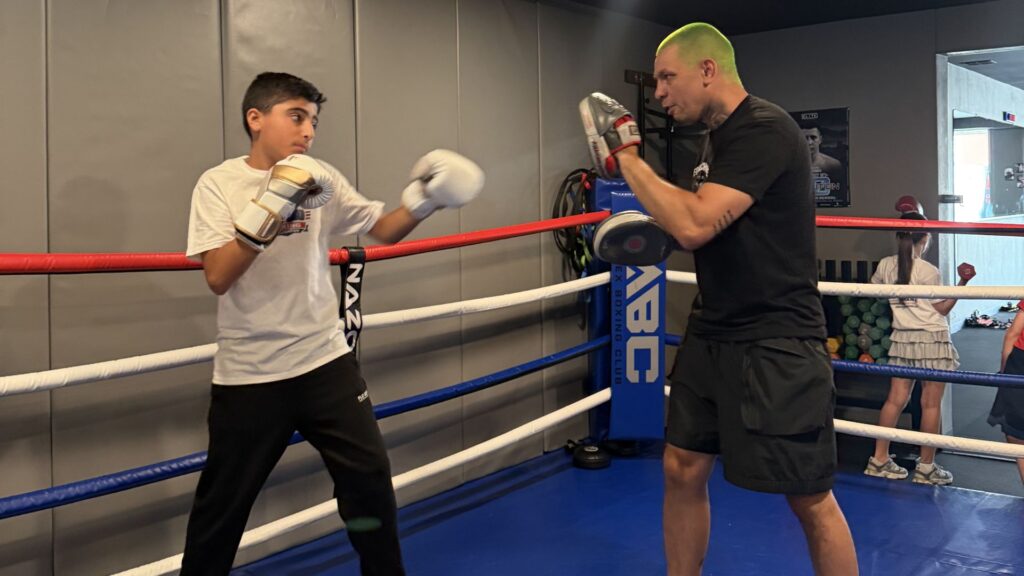
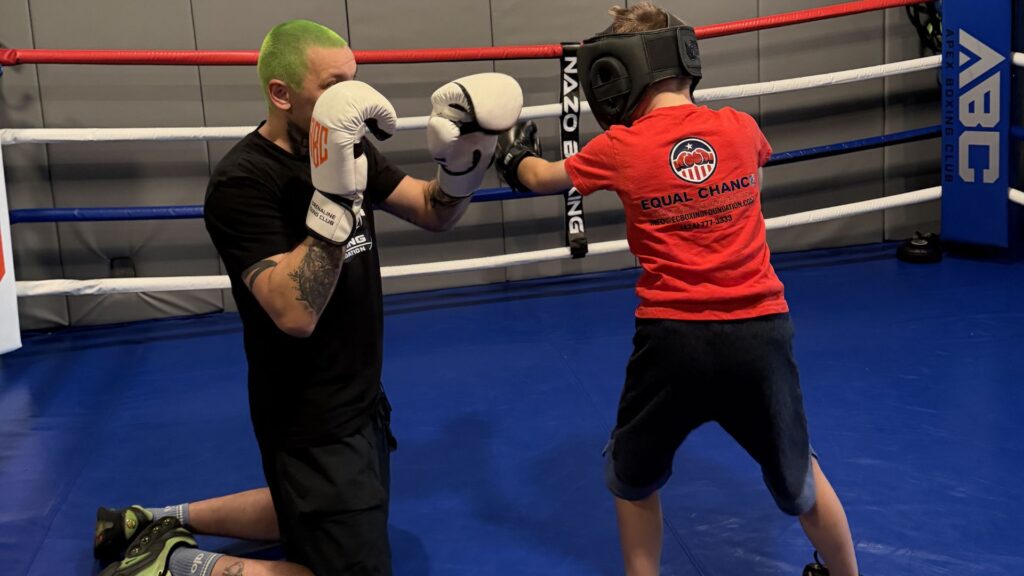
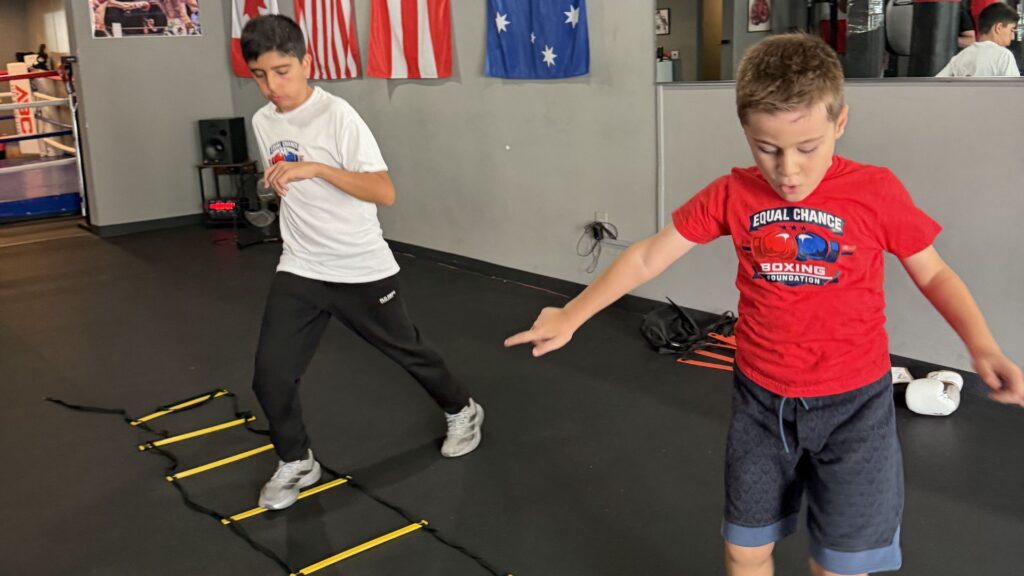
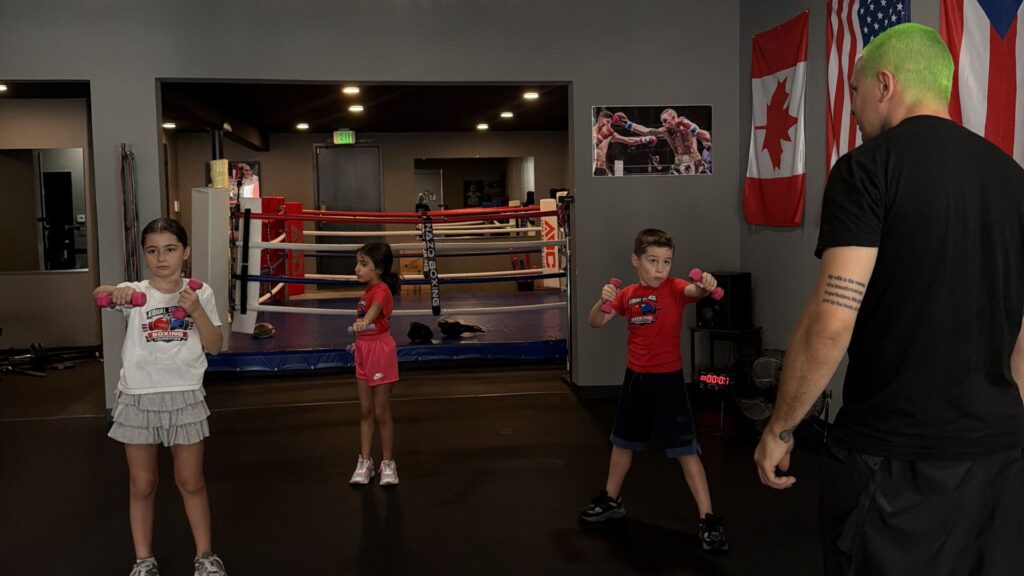
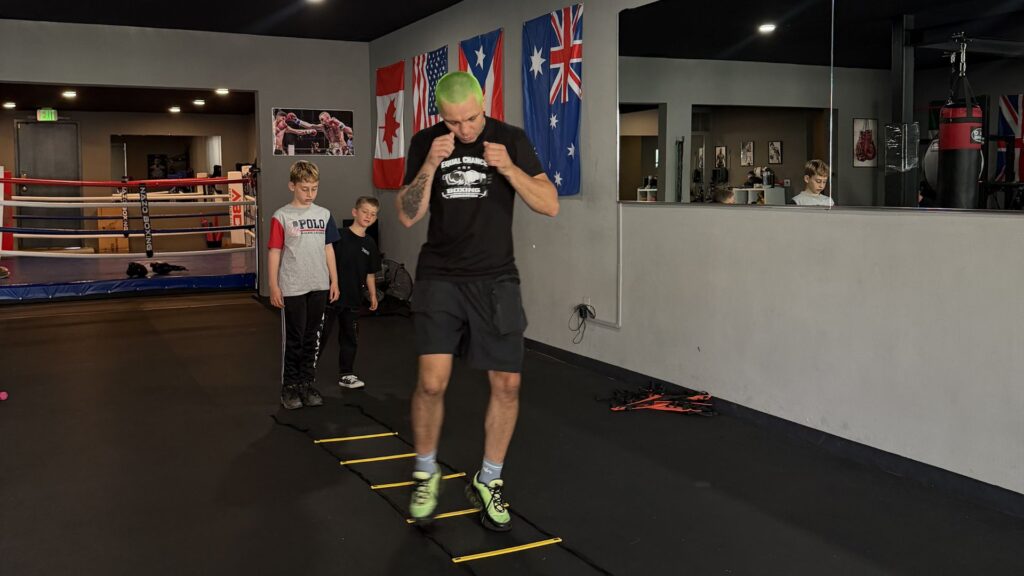
On June 12, 2026, Equal Chance Boxing Foundation hosted a free youth boxing training session led by professional boxer Ivan Redkach. For the young people who stepped into that training environment, the day was not only about learning boxing techniques. It was about access, discipline, mentorship, and the rare chance to be guided by someone who understands what it means to build strength through repetition, correction, and patience.
A free youth training session may look simple from the outside. A coach leads the group. Kids and teens move, listen, practice, get tired, and try again. But for many families in Los Angeles, opportunities like this carry a deeper meaning. They remove the cost barrier that often keeps young people away from structured sports. They create a safe place where energy can be directed instead of judged. They give parents a reason to believe that their child can be surrounded by better influences, stronger routines, and adults who expect growth without humiliation.
Equal Chance Boxing Foundation’s mission is not built around the idea that every child must become a fighter. The deeper purpose is to use boxing as a pathway into discipline, confidence, respect, mentorship, and community. A training session led by Ivan Redkach fits that mission because boxing at a serious level is not a story of easy success. It is a story of showing up when motivation fades, listening when correction is uncomfortable, learning from mistakes, and returning to the work again and again.
A Free Training Session Can Be the First Door a Young Person Walks Through
For many young people, the hardest part of joining a sport is not the training itself. It is getting through the first door. Cost can stop a family before the child ever begins. Fear can stop a teenager who does not want to look inexperienced. Lack of transportation, lack of equipment, lack of confidence, and lack of information can all become quiet barriers. A free youth boxing session helps remove at least one of those barriers by saying clearly that a young person’s opportunity should not depend only on what their family can afford.
That message matters in Los Angeles, where access to sports and mentorship is not evenly distributed. Some children grow up with private coaches, club teams, summer programs, and parents who can pay for extra development. Others have just as much energy, talent, and potential, but fewer places to put it. When a nonprofit creates free training opportunities, it is doing more than offering a class. It is helping open a pathway that may otherwise stay closed.
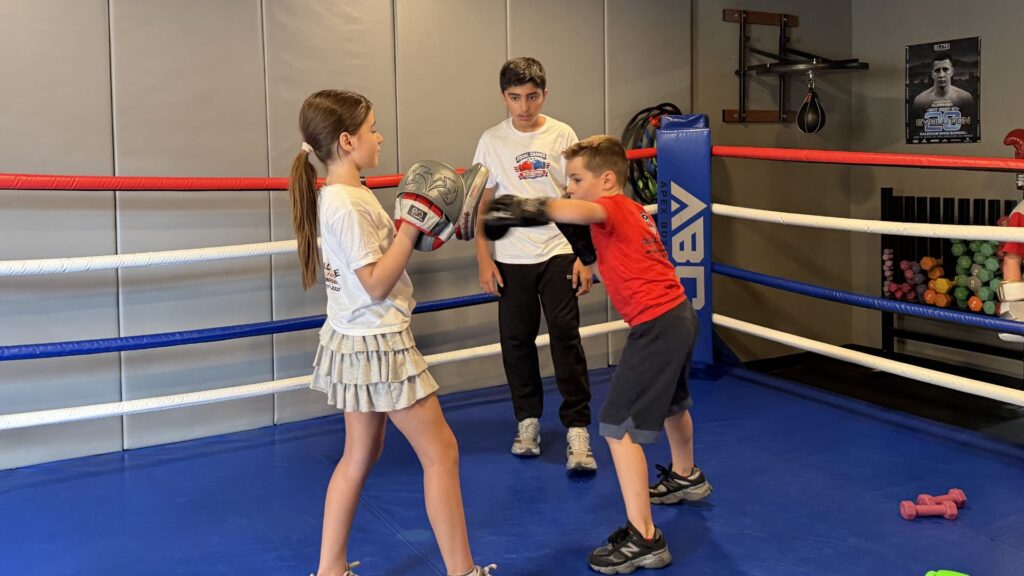
For a child or teenager, that first experience can be important even if they do not fully understand it yet. They may arrive nervous, distracted, excited, embarrassed, or unsure. They may not know how to wrap their hands, how to stand, how to move, or how to listen in a boxing environment. A strong coach does not shame that beginning. A strong coach gives the beginning structure. The student learns where to stand, when to listen, how to breathe, and how to try again after the first mistake.
This is why free access must still be serious. Free should never mean careless. Young people deserve safe coaching, respectful correction, and a program culture that treats them with dignity. Equal Chance Boxing Foundation’s Youth Boxing Program reflects this idea by focusing not only on boxing skills, but on mentorship, discipline, and a safe beginning for youth who need structure and guidance.
Ivan Redkach Brings More Than Technique Into the Room
When a professional boxer like Ivan Redkach leads a youth training session, the value is not only in the punches he can demonstrate. The deeper value is in the example behind the instruction. Young people often see athletes through highlights, photos, and public moments, but they rarely see the years of routine that make those moments possible. A coach with real boxing experience can help youth understand that progress is not built through talent alone. It is built through discipline over mood, routine over excuses, and the willingness to be corrected.
That lesson can be powerful for teenagers because many of them live in a world that rewards quick attention. Social media shows finished results, fast success, and dramatic moments. Boxing teaches a different truth. It shows that a person cannot fake balance, timing, conditioning, or control. If a student rushes, the movement falls apart. If they stop listening, they make mistakes. If they rely only on emotion, they lose focus. The sport teaches through the body what adults often try to explain through words.
Ivan Redkach’s role in this session should not be turned into a fantasy about easy success. That would miss the point. His presence matters because he represents the long path: training, setbacks, correction, recovery, and continuing forward. For young people, especially those who may feel discouraged or impatient, that example can help reframe failure. A missed combination is not the end. Getting tired is not the end. Being corrected is not rejection. It is part of learning.
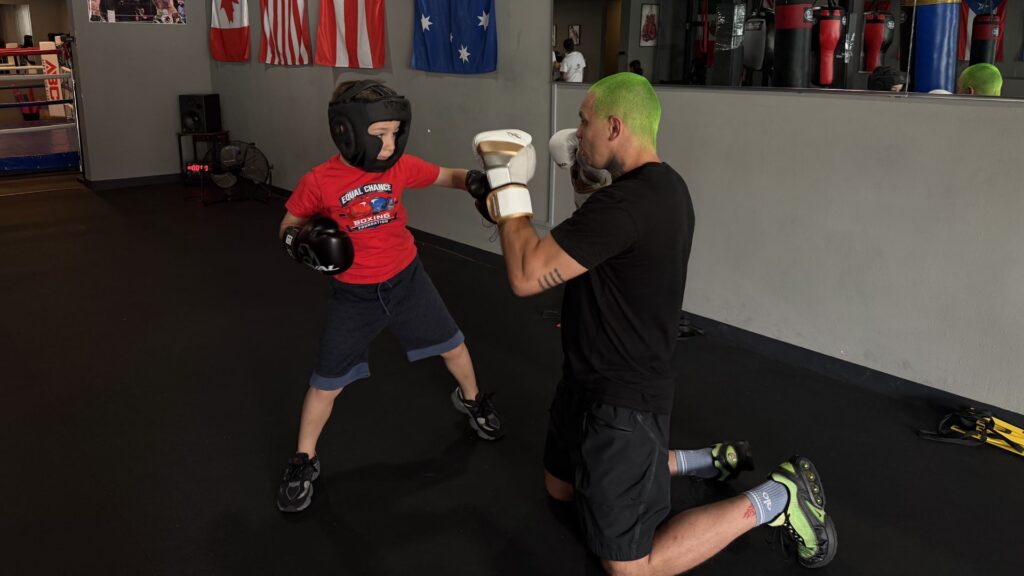
In a safe youth boxing environment, professional experience becomes most meaningful when it is translated into simple, practical lessons. Keep your hands up. Stay balanced. Breathe. Listen first. Respect the coach. Respect your partner. Try again. These instructions may sound basic, but they carry the foundation of something larger. They teach a young person that control is stronger than anger, that attention matters, and that progress comes from returning to the work.
Boxing Is Not Fighting — It Is a School of Control
One of the most important messages for parents and youth is that boxing, when taught responsibly, is not about encouraging violence. It is not street fighting, intimidation, or aggression. Real boxing requires discipline, patience, defense, respect, and self-control. A good youth program makes this clear from the beginning because young people need to understand the purpose of what they are learning.
A teenager may walk into a gym full of frustration, pressure, or restless energy. The goal is not to shame that energy or pretend it does not exist. The goal is to guide it. Boxing gives that energy rules. It gives it direction. It teaches a young person that power without control becomes sloppy, that anger can make movement worse, and that respect is part of strength.
This message matters for parents who may be worried that boxing will make their child more aggressive. In the wrong environment, any sport can be taught poorly. But in a safe and structured program, boxing can help young people practice the opposite of aggression. They learn when not to move. They learn how to listen before reacting. They learn that every action has consequences. They learn that discipline is not punishment, but a way to protect themselves and others.
A session like the one hosted on June 12, 2026, shows why supervised community-based training matters. Young people need places where strength is connected to responsibility. They need coaches who correct unsafe behavior, model respect, and explain that boxing skills belong inside the gym, under guidance, not on the street or in school conflict. That kind of training can help youth understand the difference between being powerful and being uncontrolled.
Why Free Community Training Matters for LA Families
Families in Los Angeles often face a difficult reality: good youth programs can be expensive, and the families who need support most may have the hardest time accessing it. Registration fees, equipment, transportation, private coaching, and recurring payments can quietly turn youth sports into something only certain children can afford. For a parent who already carries financial pressure, even a modest program cost can become a barrier.
Free community training helps protect opportunity from becoming a privilege. It tells young people that they do not need to prove their value with money before they are allowed to begin. It tells parents that support is possible without adding another financial burden. It tells the community that youth development should not be reserved only for families with extra resources.
Programs connected to Community Training are especially important because they make youth development visible outside of private spaces. Community training shows that mentorship and safe activity belong close to families, not hidden behind costs or complicated access. It creates a place where young people can move, learn, and connect with others under the guidance of adults who care about more than athletic performance.
For many teens, community training can also reduce isolation. A young person may spend hours online and still feel disconnected. They may have classmates, group chats, and constant digital noise, but not a real place where they feel seen. A training environment changes that because it requires presence. The teen must show up, listen, move, respond, and participate. Over time, they begin to recognize familiar faces. The coach remembers them. Other students become part of the routine. The room starts to feel less like a challenge and more like a place where they belong.
A Safe Training Environment Gives Parents Something They Can Trust
Parents are not only looking for activities. They are looking for trust. When they allow their child to enter a program, they want to know that the adults in the room are responsible, that the environment is supervised, and that the training is age-appropriate. They want their child to be challenged, but not humiliated. They want discipline, but not cruelty. They want structure, but not fear.
A trustworthy youth boxing program understands this balance. It teaches clear expectations while preserving the dignity of each child. It does not mock beginners for being new. It does not turn correction into shame. It does not confuse toughness with harshness. Instead, it teaches young people that discipline is something they can practice step by step.
This is especially important for teenagers who may already feel judged in other areas of life. Some teens carry insecurity behind attitude. Some hide nervousness behind silence. Some avoid trying because failure feels embarrassing. A safe program does not excuse poor behavior, but it also does not label the child as a problem. It gives them a path forward. It says, in practice, “You can begin here. You can learn. You can improve. But you must listen, respect others, and keep showing up.”
For parents, the signs of a safe environment often appear in small moments. A coach notices when a student is confused. A student is corrected before unsafe behavior continues. Beginners are given enough explanation to participate. Older students are expected to respect newer ones. The room has energy, but not chaos. These details matter because they show the culture of the program more clearly than any promotional message can.
Mentorship Is the Real Impact Behind the Gloves
A pair of boxing gloves may be the most visible symbol of a training session, but mentorship is often the most important part. Young people do not only need equipment. They need adults who can help them understand effort, failure, frustration, and responsibility. They need someone who can push them without humiliating them and correct them without giving up on them.
In youth boxing, mentorship often happens through simple repetition. A coach tells a student to reset. The student tries again. A coach corrects the stance. The student adjusts. A coach reminds the group to respect the space. The students learn that the gym has standards. These moments may not look dramatic, but they slowly teach young people how to respond to direction.
That matters because many teenagers struggle with correction. They may hear correction as rejection. They may shut down when they make mistakes. They may act like they do not care because caring feels risky. A mentor can help change that experience. In a healthy training environment, correction becomes part of growth, not a personal attack. The student learns that being corrected means someone still believes they can improve.
This is one of the reasons afterschool and summer mentorship are so valuable. The Summer & Afterschool Mentorship Camp reflects the need for structured support during the hours when young people can easily become disconnected. A free training session can introduce youth to that kind of support, but long-term mentorship is built through consistency, repeated contact, and adults who continue showing up.
The Social Problem Is Bigger Than One Training Session
The June 12 training session was one event, but the need behind it is ongoing. Many young people in Los Angeles need safe spaces after school. They need alternatives to too much screen time, isolation, negative influences, and unstructured hours. They need programs where they can move their bodies, build confidence, and experience healthy expectations. They need more than motivation. They need routine.
A single training session cannot solve every problem, and no responsible nonprofit should pretend it can. But an event like this can create an opening. It can introduce a young person to a sport they may not have tried. It can help a parent see that structured training is possible. It can connect families to a broader mission of mentorship and youth development. It can show donors and supporters what access looks like when it becomes real.
The deeper work happens when free access becomes consistent. Young people need repeated opportunities to train, return, improve, and build trust with mentors. Discipline is not formed in one day. Confidence is not built in one session. A child does not become more grounded because of one workout alone. Growth comes through repetition: showing up, being corrected, practicing, resting, and coming back.
This is why donor support matters. When people give to Equal Chance Boxing Foundation, they help sustain the programs that turn individual events into ongoing support. They help cover the real costs behind free access: coaching, equipment, training space, outreach, organization, and the consistency families need. The donation is not simply about funding a class. It is about helping create a system around a child.
Why Corporate and Community Support Make the Difference
Free youth programs do not remain free by accident. Behind every accessible program are people and partners who choose to invest in young people before they are in crisis. Local businesses, donors, sponsors, volunteers, and community leaders all play a role in making sure that families are not left alone to carry the full weight of youth development.
Corporate support can be especially powerful because it turns community concern into practical action. A business that supports youth training is not only helping an organization. It is helping create safer afterschool hours, healthier routines, positive mentorship, and access to structured activity for young people who may not otherwise have it. That kind of support reaches beyond the gym. It reaches families, schools, neighborhoods, and the future of the community.
Through Corporate Sponsors, businesses have the chance to stand behind programs that build discipline, confidence, and opportunity. Sponsorship should not be seen only as visibility. At its best, it is a shared commitment to youth development. It says that a community’s young people are worth more than concern from a distance. They are worth investment.
When supporters help keep programs accessible, they are not just buying gloves or funding one event. They are helping create a place where young people can be guided repeatedly. They are helping make sure that a teen who shows interest today has somewhere to return tomorrow. They are helping transform a moment of inspiration into a pathway of growth.
What Young People Can Take From a Day Like This
A free youth boxing training session can give young people more than a memory. It can give them a new way to understand themselves. A teen who thought they were simply angry may discover that their energy can be controlled. A child who felt unsure may learn that being a beginner is not something to be ashamed of. A young person who expected to be judged may experience correction that feels firm but fair.
These are small beginnings, but small beginnings matter. A student may leave the session with sore muscles, but also with a different feeling: the sense that they were capable of trying. That feeling can become the first step toward consistency if the opportunity remains open.
The most important lessons from boxing are often not the flashy ones. They are the ordinary lessons repeated until they become part of a young person’s thinking. Listen before moving. Keep your balance. Do not panic under pressure. Respect the person across from you. Protect yourself. Try again after a mistake. These lessons can follow a student beyond the gym because they are connected to everyday life.
Youth boxing may also support emotional regulation for many young people by giving them routine, movement, mentorship, and a safe outlet for energy. At the same time, it is important to be honest: boxing is not a substitute for professional medical or mental health care when a child needs it. A responsible program does not promise to cure anxiety, depression, trauma, ADHD, or behavioral challenges. It offers structure, community, and guidance as part of a broader support system around the young person.
A Day of Training Can Become a Door Into Community
Events like the June 12 training session matter because they help young people and families see that they are not alone. A parent may come looking for an activity and discover a community. A teen may come for boxing and discover mentorship. A donor may hear about the event and begin to understand that support is not abstract. It becomes visible in the faces of young people who now have access to something positive.
That is the heart of Equal Chance Boxing Foundation’s work. The foundation is not only creating programs around a sport. It is using boxing as a way to build trust, discipline, and connection in a community where many families need practical support. The gloves, bags, drills, and training sessions are tools. The deeper goal is youth development.
Ivan Redkach leading this free session gave the day a special meaning because it connected young participants to someone who knows the discipline of the sport from experience. But the lasting value of the event is not celebrity or attention. The lasting value is the message it sends: young people deserve access to strong mentors, safe training, and opportunities that help them grow.
A free training session is not the end of the story. It is an invitation. It invites a teen to return. It invites a parent to trust the process. It invites donors to support the next session, the next program, the next young person. It invites the community to see youth development not as someone else’s responsibility, but as shared work.
Building the Future One Session at a Time
The June 12, 2026 training session led by Ivan Redkach was a reminder that meaningful youth development does not always begin with a major announcement. Sometimes it begins with a room, a coach, a group of young people, and a simple decision to make opportunity free and accessible. From there, the deeper work begins.
A young person learns to stand differently. Then they learn to listen differently. Then they learn to try again. A parent begins to see that their child has somewhere positive to go. A coach begins to recognize a student’s effort. A donor begins to understand that access can change the direction of a week. A community begins to see that prevention, mentorship, and structured activity are worth supporting before problems become crises.
This is why free youth boxing matters. It gives young people a safe place to put their energy. It gives them contact with adults who can guide them. It gives them a rhythm that can grow into discipline. It gives families support without adding financial pressure. It gives communities a practical way to invest in the next generation.
Equal Chance Boxing Foundation’s work is not about promising quick transformation. It is about creating the conditions where growth becomes possible. Safe training. Patient mentorship. Respectful discipline. Community support. Free access. A reason to come back.
That is how a single training session can become part of something larger. Not because one day changes everything, but because one day can open the door to the next one.
Step Into the Ring. Let’s Build Our Community Together.
For Parents: Reclaim Your Teenager’s Future
Stop relying on fleeting motivation and give your teenager the gift of true discipline. Leave the financial stress behind — Equal Chance Boxing Foundation provides access to structured youth boxing, mentorship, coaching, and a safe environment where young people can begin rebuilding confidence one step at a time.
Take the first step toward their mental and physical growth.
ENROLL IN OUR YOUTH BOXING PROGRAM TODAY
For Supporters: Fund a Life-Saving Mentor
These programs remain accessible because people choose to stand in the corner of young people who need structure, guidance, and opportunity. When you support low-income youth sports programs, you are not simply funding equipment — you are helping provide the mentorship, discipline, and consistency that many children cannot access on their own.
Be the steady hand in their corner.
DONATE TO THE EQUAL CHANCE BOXING FOUNDATION
For Community Partners: Take the Mentorship Beyond the Gym
Community impact grows when local leaders, businesses, and families work together. Through outreach, community training, and sponsorship support, Equal Chance Boxing Foundation helps bring coaching, structure, and encouragement closer to the youth who need it most.
LEARN ABOUT CORPORATE SPONSORSHIP
Questions?
We’ve got answers.
The session, hosted by the Equal Chance Boxing Foundation, focused on introducing teens to the fundamentals of boxing in a highly supportive, non-intimidating environment. Rather than intense sparring, Ivan Redkach emphasized proper stance, discipline, and the importance of mental focus, ensuring every participant felt capable and welcomed.
Ivan Redkach leveraged his professional boxing background not to intimidate, but to inspire. He demonstrated elite techniques while breaking them down into easily digestible steps for beginners. More importantly, he shared personal stories of perseverance, showing the youth that champions are built through patience, hard work, and resilience on and off the mat.
The Equal Chance Boxing Foundation believes that financial constraints should never prevent a teenager from accessing high-quality mentorship and physical activity. By hosting this session for free, the foundation ensured that youth from all backgrounds across the community had an equal opportunity to experience the physical and mental benefits of professional-level boxing instruction.
For many teens, this event was a breakthrough moment. Working directly with a professional like Ivan Redkach boosted their self-esteem and provided a tangible sense of accomplishment. They walked away from the session not just with new boxing skills, but with newfound confidence, a sense of belonging to a supportive community, and an eagerness to continue their personal growth.