
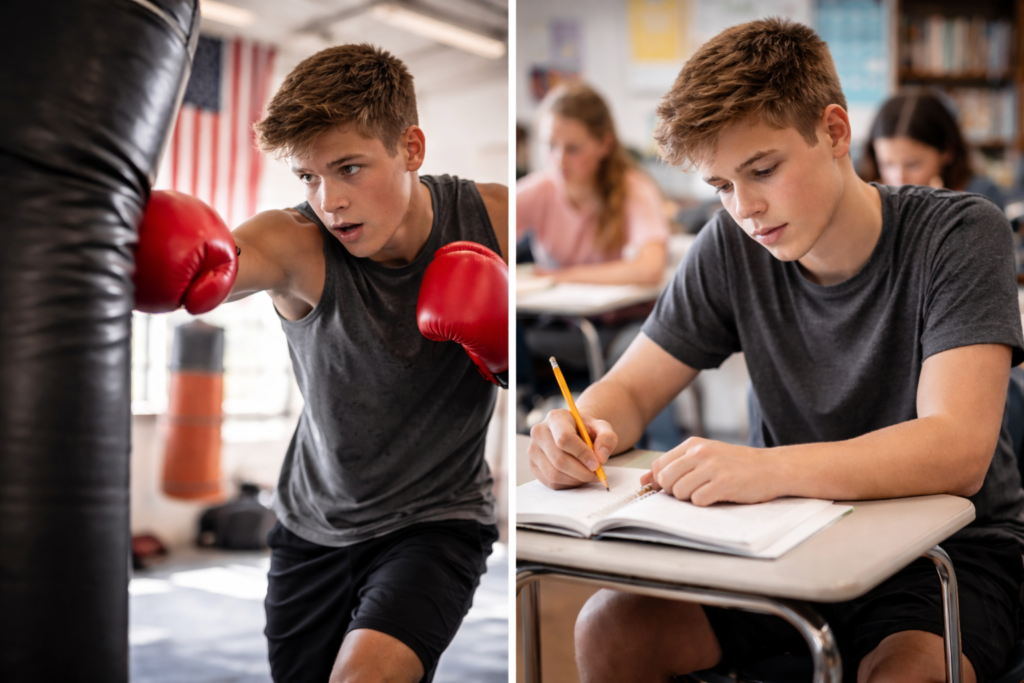
As a parent, the most stressful part of your day often happens before you even leave for work. It is the agonizing, daily battle of the morning routine. You knock on your teenager’s door, only to be met with a muffled groan. You return ten minutes later to find they have fallen back asleep. When you finally drag them out of bed, they move at a glacial pace, radiating apathy, irritation, and defiance. They miss the bus, you run late for work, and the entire house is enveloped in tension.
For parents dealing with a child who lacks direction, this morning friction is just the tip of the iceberg. The real nightmare begins when the school calls. You discover they are skipping first period, turning in assignments late, or cutting class altogether. When you confront them, they claim school is “boring” or that they “just can’t focus.” You try setting earlier curfews, taking away their phones, or offering rewards, but nothing seems to stick. They are trapped in a cycle of poor sleep, low motivation, and zero daily structure.
You are not failing as a parent; you are simply fighting a modern epidemic. Today’s teenagers are neurologically overwhelmed, sleep-deprived, and profoundly lacking in physical outlets. To fix their mornings, you cannot just tell them to wake up earlier. You have to completely reset their internal clock and their understanding of personal accountability.
At the Equal Chance Boxing Foundation, we specialize in exactly this kind of behavioral reset. We take teenagers who are failing classes and sleeping until noon, and we help them build bulletproof routines.
In this comprehensive pillar guide, we will answer the critical question: Can boxing improve school attendance and daily routine? We will explore the psychology of school refusal, explain how the intense physical demands of the boxing gym neurologically rewire a teenager for academic success, and reveal how our founder, professional boxer , enforces a strict standard of academic accountability that transforms truant youth into dedicated students.
[ecbf_donate_banner_1]
The Anatomy of Truancy: Why Teenagers Sabotage Their Routines
Before we can rebuild a teenager’s daily routine, we must understand why they are actively destroying it. School attendance issues rarely stem from a lack of intelligence. They are almost always the symptom of a chaotic internal environment.
The Digital Sleep Crisis
The primary destroyer of the teenage morning routine is the smartphone. Without strict physical exhaustion, teenagers lie in bed scrolling through endless short-form videos until 2:00 or 3:00 AM. This floods their brain with cheap dopamine and suppresses melatonin production. When their alarm goes off at 6:30 AM, they are not just tired; they are chemically and biologically dysregulated. They experience “sleep inertia,” a state of intense grogginess that makes the simple act of putting on clothes and walking to the bus stop feel like a monumental, impossible task.
The Apathy of the Overwhelmed
Many teenagers skip school because they lack the psychological resilience to face daily challenges. If they are behind on a math project, rather than asking for help or pushing through the discomfort of studying, their “flight” response triggers. They avoid the stressor entirely by skipping class. Because they have no structured environment outside of school teaching them how to process stress, their default reaction to difficulty is avoidance.
A Lack of Immediate Consequences
In many modern school environments, a missed assignment or a skipped class might not yield a consequence until the end of the semester when report cards are issued. For a teenager’s developing brain, which prioritizes instant feedback, a consequence that happens three months from now is invisible. They skip school because the immediate reward (sleeping in) feels far more real than the distant punishment (a failing grade).
The Neurological Reset: How the Gym Cures the Morning Struggle
Traditional interventions for poor attendance usually involve more talking: therapy, counseling, or parent-teacher conferences. While valuable, these do not address the physical dysregulation of the teenager. This is where the heavy bag becomes the ultimate intervention tool.
Physical Exhaustion vs. Digital Fatigue
When parents ask about sports that build confidence in kids, they often underestimate the profound biological benefits of true physical exhaustion. In our gym, a teenager undergoes intense cardiovascular and muscular conditioning. They jump rope, run miles, and hit the heavy bag until their shoulders burn. This is not the mental fatigue of staring at a screen; this is deep, biological weariness.
- The Result: When that teenager goes home, their body physically demands recovery. They don’t need to be told to put their phone away at 10:00 PM; their eyes will naturally close. Boxing cures insomnia by creating a legitimate physical deficit. Better, deeper sleep automatically translates to a teenager who wakes up easier, with a more stable mood and significantly reduced morning friction.
The Dopamine Replacement Strategy
Teenagers skip school because they are seeking dopamine elsewhere (video games, social media, sleeping). Through our safe boxing training for kids, we replace those cheap, passive dopamine hits with earned, high-quality dopamine. When a child completes a grueling boxing workout, their brain is flooded with endorphins. They feel a profound sense of accomplishment. Over time, they begin to crave the feeling of doing hard things. This neurological shift bleeds directly into their morning routine. They start waking up on time because their brain is no longer wired to seek the path of least resistance.
Translating Gym Discipline to Classroom Attendance
It is one thing to get a teenager out of bed; it is another to get them to sit in a classroom and pay attention. The structure of the Sweet Science provides a direct, one-to-one translation to academic success.
Showing Up is the Only Metric
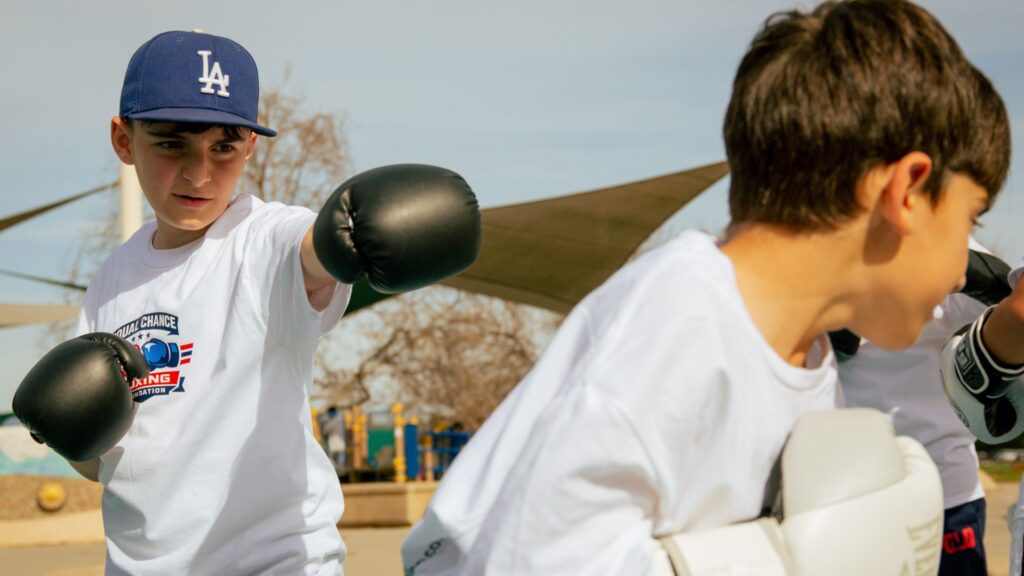
In boxing, talent is meaningless if you do not show up. You cannot practice sparring from your bedroom. You cannot hit the heavy bag virtually. The sport demands physical presence. We drill this concept relentlessly. We teach our youth that 80% of success in life is simply walking through the door, even when you are tired, sore, or unmotivated. Once a teenager builds the muscle memory of consistently showing up to a grueling boxing practice, the act of showing up to a geometry class suddenly feels incredibly manageable.
Routine as an Anchor
A chaotic teenager desperately needs a predictable schedule. Boxing thrives on extreme predictability. You wrap your hands the exact same way. The round is exactly three minutes. The rest is exactly one minute. This intense temporal structure helps organize a scattered teenage mind. They learn how to segment their time. When they leave the gym, that organizational framework stays with them. They begin to segment their evening: eat dinner, do homework for 45 minutes, relax, sleep. The gym acts as the architectural blueprint for their entire daily routine.
Respecting Authority
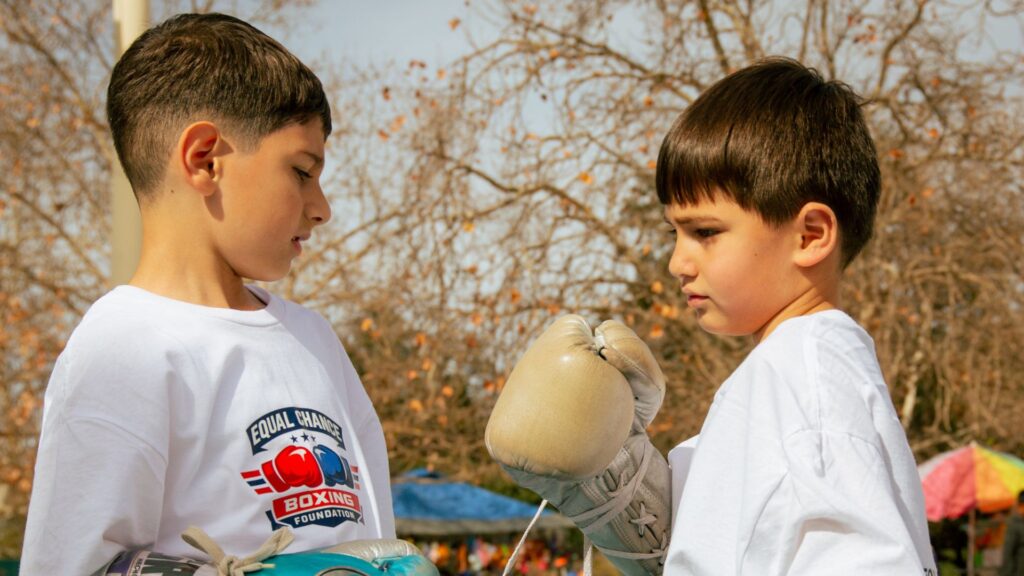
A child who disrespects their teacher will inevitably skip their class. In the boxing ring, disrespecting the coach is not an option. It is a safety hazard. We teach deep, unyielding respect for instruction. This behavioral conditioning changes how the child interacts with authority figures across the board, reducing behavioral referrals and classroom conflicts.
The Standard: “No Pass, No Play”
The physical benefits of boxing are immense, but transforming a chronically truant teenager requires more than just a heavy bag. It requires a mentor who actively monitors their life outside the gym.
At the Equal Chance Boxing Foundation, this academic accountability is spearheaded by our Head Coach and founder, professional boxer .
The Blueprint of a Professional
’s journey to the top of the professional boxing world was not paved with excuses. Growing up in the rigorous sports boarding schools of Ukraine, learned early on that athletics and academics were deeply intertwined. You were not allowed to train if you were failing your classes.
When mentors youth today, he brings this exact, uncompromising standard. He is widely respected as one of the most effective positive role models for at-risk youth because he does not let them compartmentally hide their failures. He bridges the gap between the gym and the classroom.
Earning the Right to Train
In our foundation, training is a privilege, not a right. implements a strict standard of academic and behavioral accountability.
- The Report Card Check: regularly checks in with parents regarding their child’s school attendance, grades, and behavior at home.
- The Consequence: If a teenager is skipping school, failing math because they refuse to do the homework, or being heavily disrespectful to their parents in the morning, they lose their privileges in the gym. They are not allowed to spar. They are not allowed to learn new techniques. They must stand on the side or do conditioning until their academic effort matches their athletic effort.
looks a defiant teenager in the eye and tells them the undeniable truth: “If you do not have the discipline to sit at a desk and learn, you do not have the discipline to survive in my ring.” Because the teenager desperately wants ‘s respect and wants to participate in the sport they love, they immediately correct their school attendance. Boxing becomes the ultimate leverage for academic compliance.

Removing the Excuses: Building a 360-Degree Athlete
To truly answer the question, can boxing improve school attendance and daily routine, we must look at how the sport addresses the “whole” child.
Nutritional Discipline
You cannot eat a diet entirely composed of junk food and energy drinks and expect to survive a boxing workout. We teach our kids the basics of athletic nutrition. They learn that food is fuel. When a teenager stops consuming massive amounts of sugar and caffeine, their energy levels stabilize. The afternoon “crashes” that lead to sleeping through classes disappear. They have the sustained energy required to navigate a full school day.
Boxing for Emotional Regulation
Many kids skip school because they cannot handle the social anxiety or the anger they feel toward their peers or teachers. We utilize boxing for anger management in kids by giving them a safe, constructive daily physical outlet. When a teenager leaves their stress and aggression on the heavy bag, they walk into school the next morning with a calm, clear, and regulated nervous system. They are no longer a ticking time bomb looking for a reason to walk out of class.
Elite Accountability Without the Financial Burden
When parents see their child failing school and realize that an intense, highly disciplined boxing program could save their academic future, they are often terrified of the cost.
Elite athletic mentorship, state-of-the-art facilities, and the necessary safety gear usually come with massive monthly price tags. This effectively locks underprivileged youth—who are statistically at the highest risk for truancy and high school dropout—out of the very environments that could save them.
The Equal Chance Boxing Foundation believes that a child’s academic and athletic future should never be dictated by their parent’s bank account. We are incredibly proud to offer a 100% free sports program for kids in the USA.
- No Monthly Dues: We eliminate all financial barriers. There are no registration fees or hidden club costs.
- Professional Gear Provided: To ensure strict adherence to our youth boxing safety guidelines, we provide all top-tier protective equipment—from wraps to headgear—at absolutely zero cost to the families.
[ecbf_donate_banner_4]
If your morning routine is a nightmare, and your child’s school attendance is plummeting, it is time to change their environment. Give them the structure they are desperately craving. ENROLL YOUR TEEN IN OUR YOUTH BOXING PROGRAM TODAY
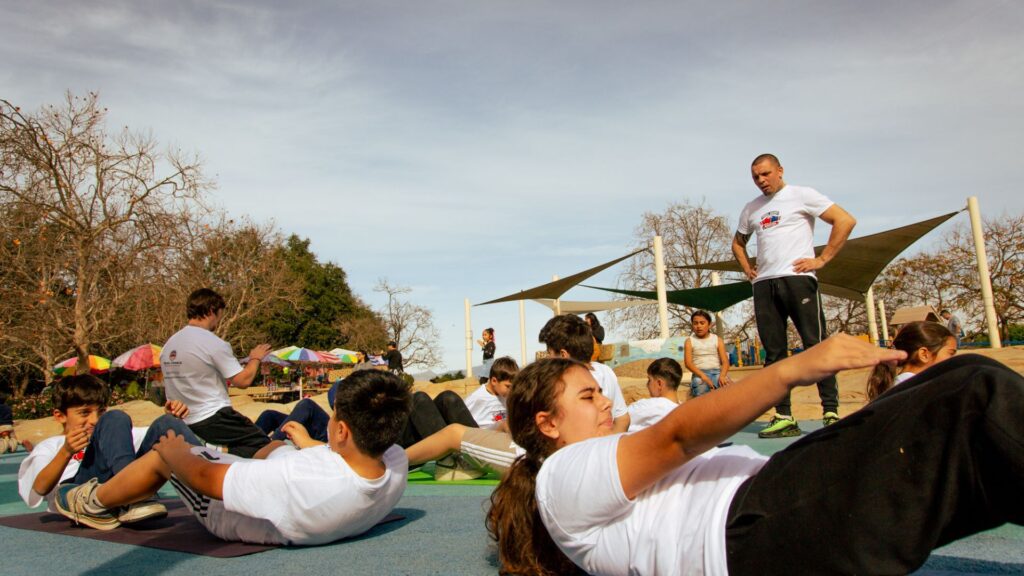
We also know that kids who skip school are often the ones who have the hardest time commuting to an after-school program. To ensure our standard of accountability reaches the youth who need it most, our Community Training initiative brings mobile boxing rings and our elite coaching staff directly to underserved neighborhoods, local parks, and community centers. We remove the commute, removing their last excuse not to show up.
Stand in Their Corner: How You Can Stop the Dropout Cycle
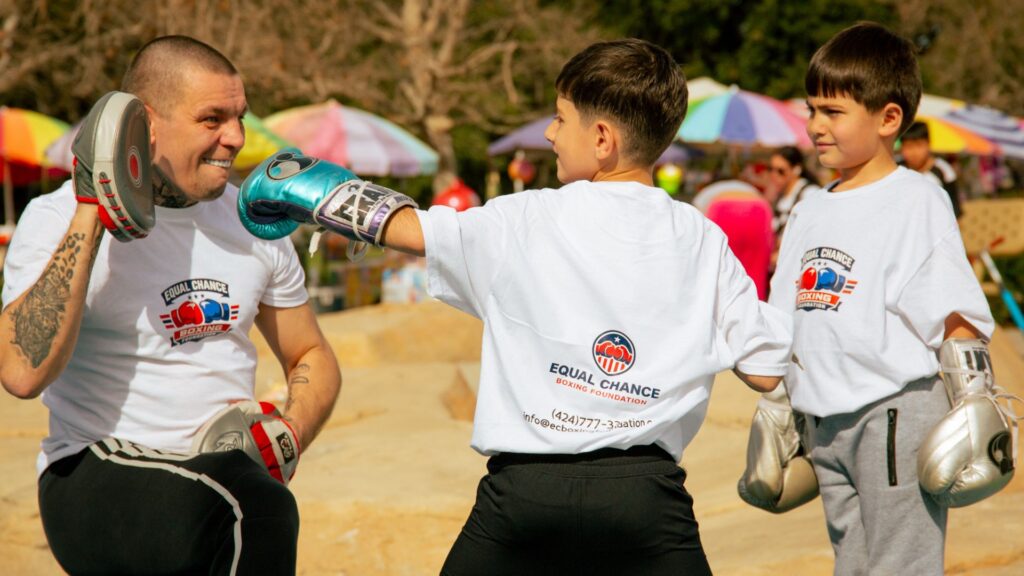
Providing a pristine athletic facility, elite protective gear, and the relentless, daily mentorship of world-class coaches like to hundreds of at-risk teenagers is a monumental undertaking.
We are not just teaching kids how to throw a jab; we are actively fighting the high school dropout crisis. We are transforming chaotic mornings into structured launchpads for success. But we can only maintain this standard of excellence through the radical generosity, vision, and compassion of our community.
When a child drops out of school, it affects the entire community. When you support the Equal Chance Boxing Foundation, you are actively intervening. You are funding the heavy bags that burn off their anxiety, the gloves that build their confidence, and the mentors that demand they show up to class.
Change a Life Today
For individual donors, your vital financial contribution directly ensures that our doors stay open and that our coaches can continue to check those report cards and hold these kids accountable. You are investing in their graduation day. DONATE TO THE EQUAL CHANCE BOXING FOUNDATION
Corporate Leadership and Systemic Impact
For businesses and local leaders looking to make a massive, measurable impact on the youth in our community, we offer comprehensive partnership opportunities. Align your corporate brand with academic success, unyielding discipline, and the empowerment of the next generation. BECOME A CORPORATE SPONSOR
The Bell Rings Every Morning
Can boxing improve school attendance and daily routine? Absolutely. It takes a teenager who is floating through life without consequences and places them in an environment where every action is measured, every drop of sweat matters, and every morning is a new opportunity to prove their resilience.
Boxing teaches a child that life does not care if they are tired. The bell is going to ring whether they are ready or not. By facing the physical and mental demands of the gym, they build the armor necessary to face the alarm clock, the bus ride, the math test, and the challenges of their future.
At the Equal Chance Boxing Foundation, and our dedicated coaching staff are ready to help your teenager rebuild their routine from the ground up. It is time to end the morning battles. It is time to stop hiding under the covers. It is time to step into the ring.
Questions?
We’ve got answers.
One of the biggest hurdles to school attendance is a poor sleep cycle. Boxing is a high-intensity workout that physically exhausts the body and mentally de-stresses the mind. This leads to deeper, more restorative sleep. When a student-athlete sleeps better, they wake up more refreshed and less likely to struggle with early school start times. We often find that our students become “morning people” because their bodies are primed for a high-energy routine.
Yes. Motivation for school often increases when it is part of a larger, rewarding routine. In the Equal Chance Boxing Foundation, we teach that training is a privilege earned through responsibility. When a teen has a boxing session to look forward to at 5:00 PM, they are more likely to push through the school day with a positive attitude. The gym acts as the “anchor” for their entire daily routine, preventing the aimless drifting that often leads to truancy.
Under ’s leadership, we emphasize that the “Athlete” cannot exist without the “Student.” We encourage a culture where academic success is celebrated just as much as a win in the ring. By checking in on how school is going and encouraging students to bring that same “championship effort” to their homework, we bridge the gap between sports and education. A student who feels proud of their progress in the gym is far more likely to take pride in their attendance and performance at school.
Many kids skip school due to social anxiety or a lack of confidence. Boxing builds a “social armor.” When a child feels physically strong and belongs to a supportive community like our foundation, their fear of social judgment decreases. They walk through the school hallways with their head held higher. This newfound confidence makes the school environment feel less threatening and more manageable, leading to a natural increase in daily attendance.