
As a parent, your day often begins and ends with the exact same exhausting battle. You wake up, walk past your teenager’s bedroom, and see a floor covered in laundry. You ask them to take out the trash, and you are met with an eye roll or an absent-minded “I’ll do it later.” You find yourself repeating basic instructions—clean your dishes, finish your homework, feed the dog—five, ten, or twenty times a day.
You do not want to be a drill sergeant in your own home. You want to be a parent. But when a child completely lacks a sense of household responsibility, you are forced into the role of a micromanager. It breeds deep resentment, constant friction, and a home environment that feels more like a battleground than a sanctuary.
When searching for solutions, parents often try chore charts, taking away screen time, or grounding. But these external punishments rarely create long-term behavioral change. Why? Because the child has not internalized the value of responsibility. They are simply trying to avoid punishment.
To permanently change a child’s behavior at home, you must change how they view themselves and their environment. This is exactly where the intense, uncompromising structure of elite athletics comes in.
At the Equal Chance Boxing Foundation, we speak with exhausted parents every single day. They bring us kids who are defiant, messy, and apathetic. And time after time, we watch those same kids transform into respectful, accountable young adults who make their beds without being asked.
In this comprehensive pillar guide, we will explore exactly how sports help kids become more responsible at home. We will unpack the psychology behind teenage defiance, explain how the strict routines of the boxing gym neurologically rewire a child for accountability, and highlight how our founder, professional boxer , leverages elite mentorship to bridge the gap between gym discipline and family harmony.
[ecbf_donate_banner_1]
The Root of the Friction: Why Teenagers Resist Responsibility
To solve the chore wars, we must first understand why a capable teenager fiercely resists contributing to their own household. It is rarely out of pure malice; it is usually a combination of modern environmental factors and developmental blind spots.
The “Safety Net” Syndrome
In a loving home, parents naturally want to provide for their children. However, this often translates into inadvertently doing everything for them. If a teenager leaves their dirty clothes on the floor and those clothes magically appear clean and folded in their drawer two days later, they learn a dangerous lesson: Someone else will always clean up my mess. They lack responsibility because they have never been allowed to experience the natural consequences of irresponsibility.

The Digital Disconnect
Modern teenagers live a vast majority of their lives in a digital, frictionless world. Video games and social media require zero physical maintenance. You do not have to “clean” an app or “organize” a digital avatar. Because their brains are conditioned by this frictionless environment, the physical reality of maintaining a home—washing a dish with soap and water, folding a heavy blanket, sweeping a floor—feels incredibly tedious and overwhelming. They lack the physical attention span required for domestic maintenance.
Viewing Parents as “The Enemy”
During adolescence, teenagers are biologically wired to seek independence. When a parent constantly nags them to do chores, the teenager views the parent not as a guide, but as an obstacle to their freedom. The chore itself becomes a battleground for control. They refuse to take out the trash simply because you told them to do it. They need an external, neutral authority figure to reset their perspective.
The Gym as a Mirror: Establishing the Foundation of Accountability
Team sports like soccer or basketball are wonderful, but a child can easily hide within the team dynamic. If the locker room is messy, the coach might yell at the whole team, allowing the individual child to avoid personal accountability.
Boxing is fundamentally different. It is a sport of radical, inescapable personal responsibility. Through safe boxing training for kids, we introduce an environment where every action—and every inaction—has an immediate, undeniable consequence.
Respecting the Equipment: The First Chore
When a teenager joins our program, the very first thing they learn is not how to punch; it is how to maintain their gear.
- The Routine: After every single training session, a boxer must wipe down their gloves, air them out, and neatly roll their hand wraps.
- The Consequence: If they shove wet hand wraps into their gym bag and leave them there, they will be ruined by the next day. If they do not clean their gloves, the leather deteriorates.
- The Lesson: This is the child’s first masterclass in domestic responsibility. They learn that their tools require maintenance. They learn that neglecting their equipment directly impacts their ability to train. This exact psychological framework is what eventually translates to understanding why they must wash their own dishes or do their own laundry.
The Rule of the Mat
In a professional boxing gym, you do not walk on the mats with street shoes. You do not leave your water bottle lying around. You do not leave puddles of sweat on the heavy bag. We enforce a strict code of environmental respect. Before the kids leave for the day, they sweep the gym. They wipe the bags. They respect the sanctuary that provides for them. This shatters their entitlement and teaches them that they are active contributors to their environment, not just consumers of it.
Translating Ring Mechanics to Household Harmony
How does wiping down a heavy bag translate to a teenager finally cleaning their bedroom? It comes down to rewiring the brain to appreciate structure over fleeting motivation.
Doing It Right the First Time
In the ring, sloppy technique is instantly punished. If a child throws a lazy, disorganized jab, they lose their balance. The sport demands meticulous attention to detail. We train kids to stop looking for shortcuts. When a child learns that wrapping their hands perfectly takes exactly four minutes of focused attention, they stop rushing the process. This meticulousness directly translates to the home. Instead of shoving all their clothes under the bed to “clean” their room quickly, they begin to take quiet pride in organizing their space properly. They learn that doing a job right the first time is easier than doing it poorly and being forced to do it again.
Respect for Authority and the Chain of Command
One of the greatest benefits of combat sports is the absolute reverence it builds for coaches. When a coach gives an instruction, the athlete says, “Yes, Coach,” and executes it immediately. There is no arguing. There is no eye-rolling. When we teach kids the concept of deep respect in the gym, we explicitly tie it back to their parents. We teach them that the respect they show their coach is completely hollow if they go home and disrespect their mother or father. We bridge the gap, making family respect a core tenant of their athletic identity.
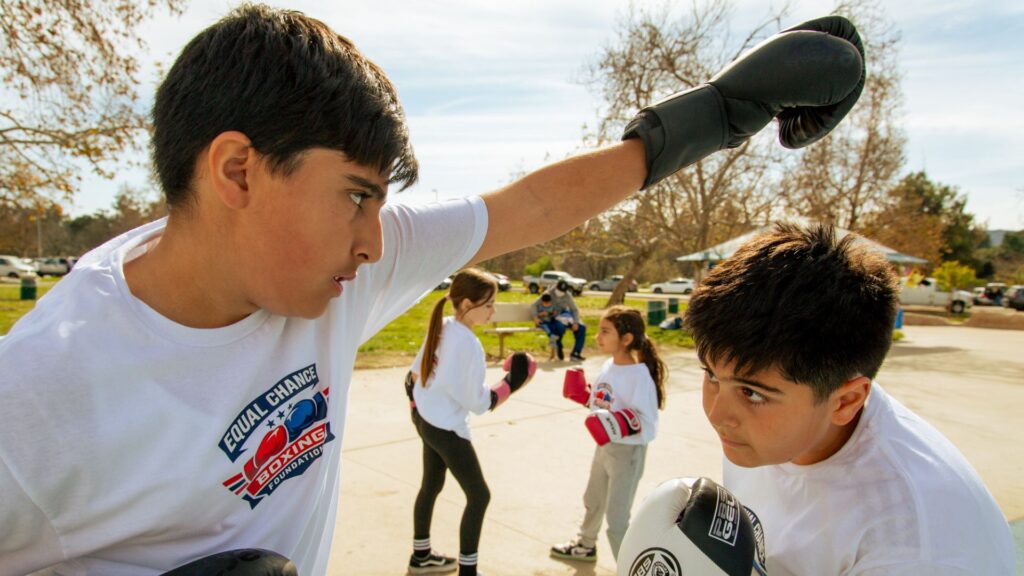
: Forging Character Through Uncompromising Standards
To effectively teach a defiant teenager the value of household responsibility, you cannot simply lecture them. You must provide them with a mentor whose authority is absolute, whose life experience commands respect, and whose standards are uncompromising.
At the Equal Chance Boxing Foundation, this culture of profound accountability is driven by our Head Coach and founder, professional boxer .
The Boarding School Standard
’s understanding of personal responsibility was not learned from a textbook; it was forged in the fires of the highly disciplined sports boarding schools in Shostka, Ukraine. In that environment, there were no parents to pick up after you. If you did not make your bed with military precision, clean your gear, and respect your elders, you were removed from the program.
When immigrated to the United States to fight professionally, he carried this uncompromising structure with him. He survived the chaos of moving to a new country, overcoming language barriers, and navigating the professional boxing world because his foundation of personal accountability was unshakable. He knew that nobody was going to save him, clean up after him, or do the work for him.
Mentoring the Whole Child
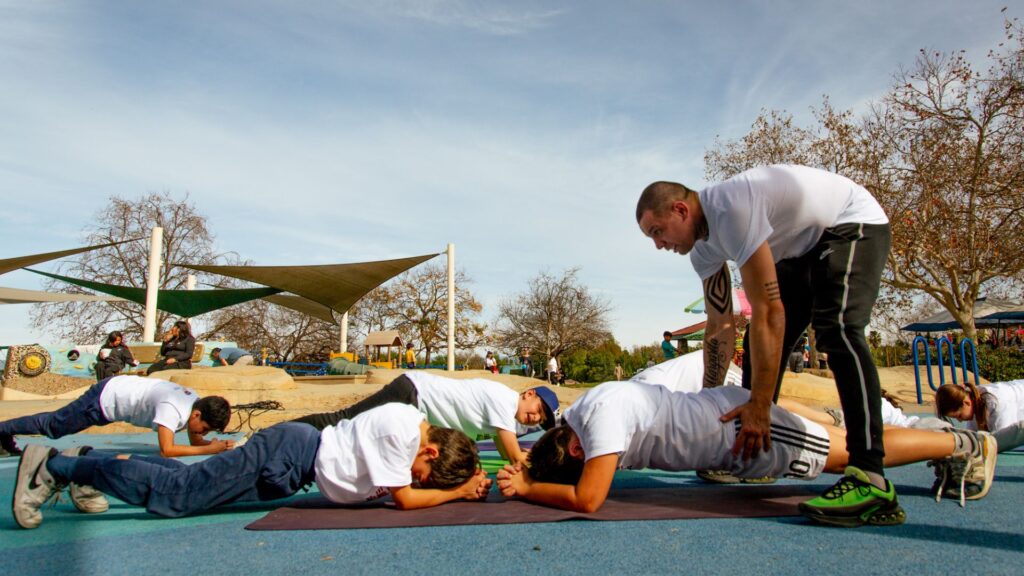
is widely recognized as an elite positive role model for at-risk youth because his mentorship does not stop at the gym doors. He cares just as much about what kind of son or daughter his athletes are as he does about their boxing technique.
If a parent informs that their teenager is being disrespectful at home, skipping chores, or causing chaos in the household, takes immediate action. A child who does not respect the rules of their own home loses the privilege to spar or train with the advanced groups.
looks these teenagers in the eye and teaches them a fundamental truth: “A true fighter protects their home and respects the people who feed them. If you cannot be trusted to take out the trash, you cannot be trusted in my ring.” This powerful, authentic intervention from an external, highly respected figure is often the exact catalyst required to permanently change a child’s behavior at home.
Removing the Friction: Elite Mentorship at Zero Cost
When exhausted parents realize that the structured, highly accountable environment of an elite boxing gym is the exact cure for their child’s irresponsibility, they frequently encounter a massive obstacle: the price tag.
Professional athletic programs, expert coaching, and the necessary safety gear are incredibly expensive. Monthly club dues effectively lock the most vulnerable populations—our underprivileged youth—out of the exact mentorship that could heal their families and save their futures.
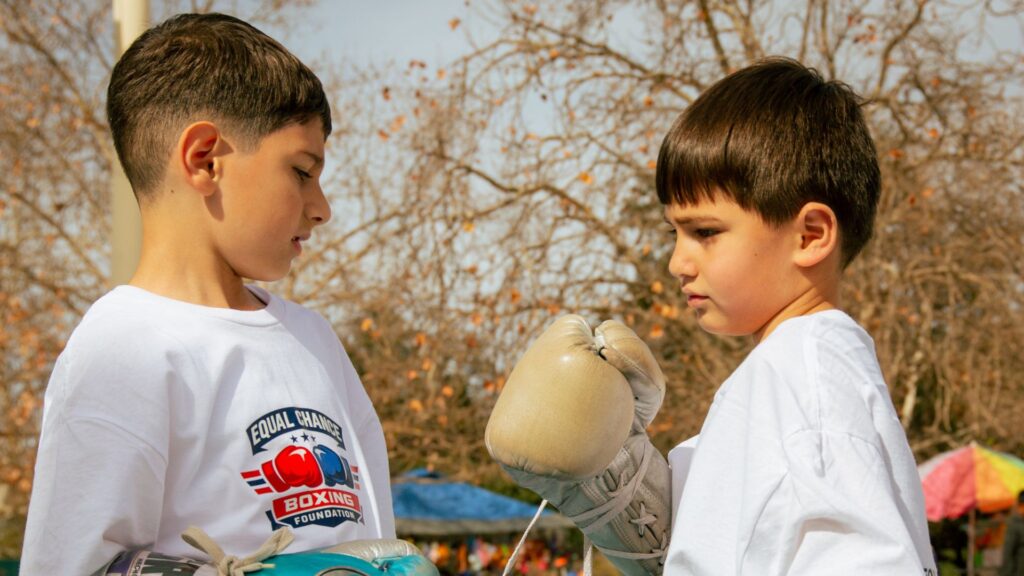
The Equal Chance Boxing Foundation firmly believes that learning respect, accountability, and discipline should never be a luxury. We operate a completely 100% free sports program for kids in the USA.
- No Financial Risk for Parents: We charge absolutely zero registration fees, no monthly tuitions, and no hidden costs. A family’s financial situation will never dictate their child’s access to our life-changing mentorship.
- Professional Gear Provided: To ensure our rigorous youth boxing safety guidelines are met, we provide all the elite, shock-absorbing safety equipment—including wraps, gloves, and headgear—at no cost to the athlete. By giving them ownership of this pristine equipment, we start their journey of responsibility on day one.
If you are tired of the daily chore wars and want to give your teenager an environment that will demand their best both inside the gym and inside your home, it is time to intervene. ENROLL YOUR TEEN IN OUR YOUTH BOXING PROGRAM TODAY
We also understand that an unmotivated, irresponsible teenager is unlikely to commute across town to find discipline. To ensure our mentorship reaches the communities that need it most, our Community Training initiative brings mobile boxing rings, safety equipment, and our elite coaching staff directly to local parks and underserved neighborhoods. We bring the structure straight to them.
[ecbf_donate_banner_4]
Partnering with Parents: How You Can Support the Mission
Providing a pristine athletic sanctuary, elite protective gear, and the relentless, holistic mentorship of world-class coaches like to hundreds of youths—all entirely for free—is a monumental undertaking.
We are not just building better boxers; we are actively healing households. We are turning chaotic, resentful home environments into spaces of mutual respect and shared responsibility. But we can only perform this vital work through the radical generosity, vision, and compassion of our community.
When you look at the stress facing modern families, you have the power to be a catalyst for peace. Your support ensures that our doors stay open and that our coaches can continue to teach the values of hard work and accountability to the next generation.
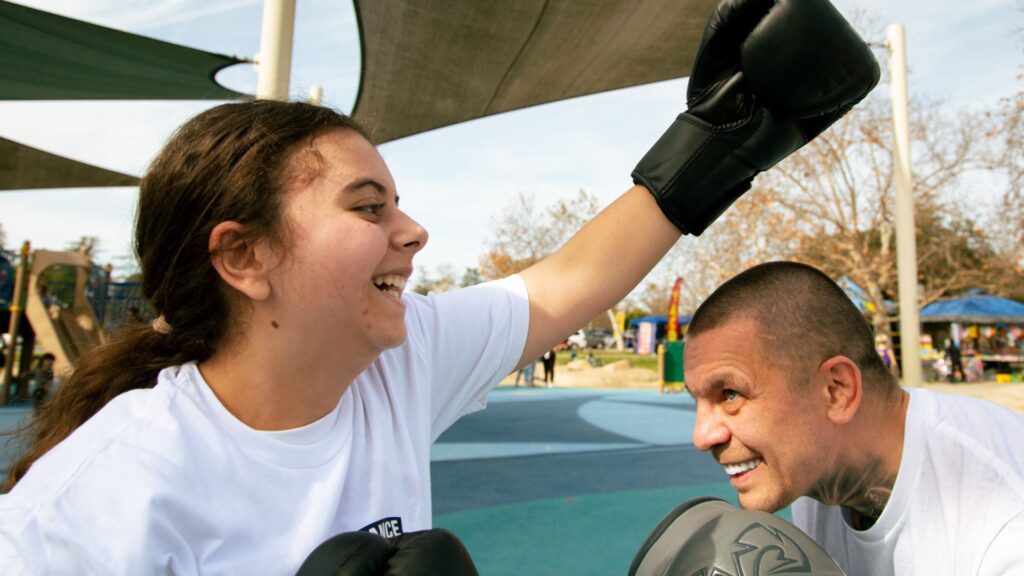
Be the Architect of Change
For individual donors, your vital financial contribution directly funds the gloves they wear, the facilities they clean, and the mentorship hours that teach them the value of respect. You are not just funding a gym; you are giving a parent their child back. DONATE TO THE EQUAL CHANCE BOXING FOUNDATION
Corporate Leadership and Systemic Impact
For businesses and local leaders looking to make a profound, systemic impact on the community, we offer comprehensive partnership opportunities. Align your corporate brand with the values of resilience, family harmony, and the empowerment of youth. BECOME A CORPORATE SPONSOR
Trading Entitlement for Accountability
How do sports help kids become more responsible at home? By taking them out of their comfort zone and placing them in a world where actions have immediate consequences.
The boxing gym strips away a teenager’s entitlement. It teaches them that they are not the center of the universe, but rather an active, capable participant in a community. It teaches them that respect is earned through action, that tools must be maintained, and that the ultimate sign of a strong character is how you treat the people who support you.
At the Equal Chance Boxing Foundation, and our entire coaching staff are dedicated to standing in the corner of exhausted parents. We are here to echo your values, reinforce your rules, and help your child discover the quiet pride that comes from taking responsibility for their own life.
It is time to end the chore wars. It is time to build character that lasts long after the final bell rings. Let’s get to work.
Questions?
We’ve got answers.
In boxing, your equipment is your responsibility. A student must air out their gloves, wash their wraps, and keep their gym bag organized. Under the guidance of our coaches, kids learn that maintenance is part of the sport. This habit naturally flows into their domestic life. When a child understands that they are the only ones responsible for their gear, they stop expecting parents to pick up after them in their bedroom or the kitchen.
Yes, because of mandatory time-blocking. To make it to a 5:00 PM session at the Equal Chance Boxing Foundation, a student must plan their afternoon. This creates a “positive pressure” that discourages procrastination. They learn to treat their homework as a “pre-training requirement.” Over time, the child stops seeing chores and schoolwork as burdens and starts seeing them as tasks that must be disciplined and completed to earn their time in the ring.
A boxing gym is a community where everyone helps clean the mats and support their partners. emphasizes that no one is above the work. This “we-not-me” mentality shifts the child’s perspective at home. They begin to see their family as a team, making them more likely to take initiative—like taking out the trash or helping with dinner—without being asked multiple times. They realize that a stronger household, like a stronger gym, requires everyone to pull their weight.
Absolutely. One of the greatest responsibilities is emotional self-governance. Boxing teaches youth to stay calm under pressure and listen to instructions even when they are tired or frustrated. This skill is directly transferable to difficult conversations with parents or siblings. Instead of “acting out” or slamming doors, a student-athlete is more likely to use the “cool head” they’ve practiced in the gym to communicate their needs respectfully.