When a local business first considers sponsoring a youth program, the conversation often starts in a predictable place: what does the business get in return. A logo on a banner at community events. A mention in a newsletter. Maybe a name on a t-shirt worn by kids at practice. These are reasonable things to ask about, and there is nothing wrong with a business wanting visibility for its support. But businesses that stop the conversation there, treating sponsorship purely as a line item in a marketing budget, tend to miss most of what a genuine partnership with a youth program actually offers, both to the community and, in ways that are easy to overlook, to the business itself.
Equal Chance Boxing Foundation works with a range of local sponsors, from small family-owned shops to larger regional businesses, and the difference between a sponsor who treats the relationship as pure marketing and one who treats it as genuine community investment shows up quickly. It shows up in how long the partnership lasts, how the business talks about the relationship internally, and how much the community actually notices and responds to that business’s presence. Understanding that difference is worth the time for any business weighing whether, and how, to get involved.
The Default Assumption: Sponsorship as a Marketing Line Item
It is easy to see why logo placement becomes the default way businesses think about nonprofit sponsorship. Marketing budgets are built around measurable visibility, and a banner at an event or a logo on a program’s website is about as measurable as community involvement gets. A business can point to it, photograph it, and report it up the chain as evidence that the sponsorship dollar did something concrete. None of that is unreasonable. Visibility matters, and nonprofits generally understand that sponsors need something tangible to show for their support.
The trouble is that logo placement, treated as the whole point of sponsorship, tends to produce a fairly shallow relationship on both sides. The business writes a check, the nonprofit provides a banner spot, and the two organizations interact only at renewal time. Corporate Sponsors partnerships built this way are not without value, but they leave most of what a real partnership could offer sitting on the table, unused by either side.

[ecbf_donate_banner_1]
What a Logo on a Banner Does Not Capture
A logo tells a passerby that a business supports a cause. It does not tell them why, and it does not give the business’s own employees, customers, or neighbors any real sense of what that support actually accomplishes. A parent walking past a banner at a community event learns that a business exists and that it gave some amount of money to something. That is a thin impression, and it fades quickly. It does not build the kind of trust or goodwill that turns a passerby into a loyal customer, and it does not give the business’s own team anything to feel proud of beyond a line in an annual report.
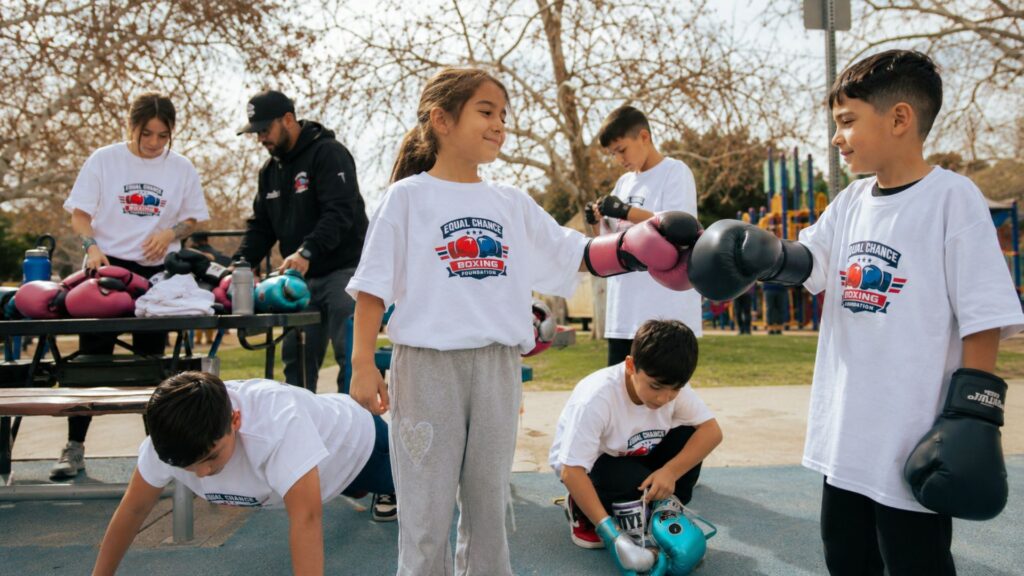
Contrast that with a business whose employees have actually volunteered at a training session, or whose owner shows up occasionally to watch practice and knows a few of the kids and coaches by name. That business’s support becomes a story people can tell, not just a name people glance past. Stories spread through communities in ways that logos do not. A parent who hears from another parent that a local hardware store donated the wood for the gym’s new equipment rack, or that a nearby restaurant caters the end-of-season celebration every year, remembers that in a way no banner placement achieves.
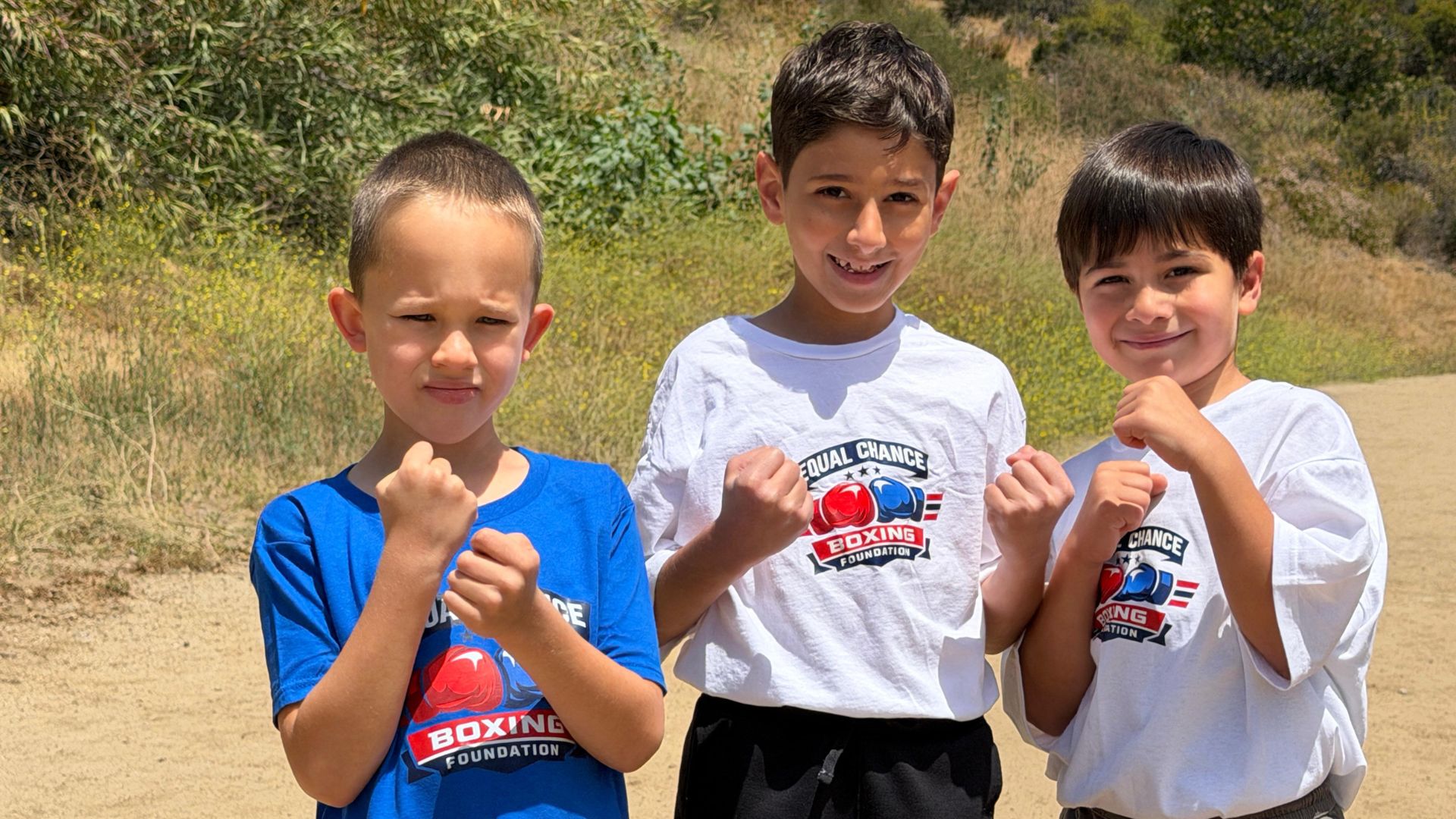
This does not mean visibility does not matter. It means visibility works best as a byproduct of genuine involvement rather than as the entire point of the relationship. A business that engages meaningfully with a program tends to earn more organic visibility, through word of mouth and community goodwill, than a business chasing visibility directly ever manages to capture through a banner alone.
Employees Notice Where a Company’s Name Shows Up
One of the more underappreciated effects of community sponsorship happens inside the business itself, among the people who work there. Employees generally know, at some level, where their employer’s name and money go. When that destination is a cause that feels disconnected from anything the team actually understands or cares about, sponsorship becomes just another budget line, invisible to the people doing the work every day. When the destination is something employees can see, understand, and occasionally participate in, it becomes something closer to a shared source of pride.
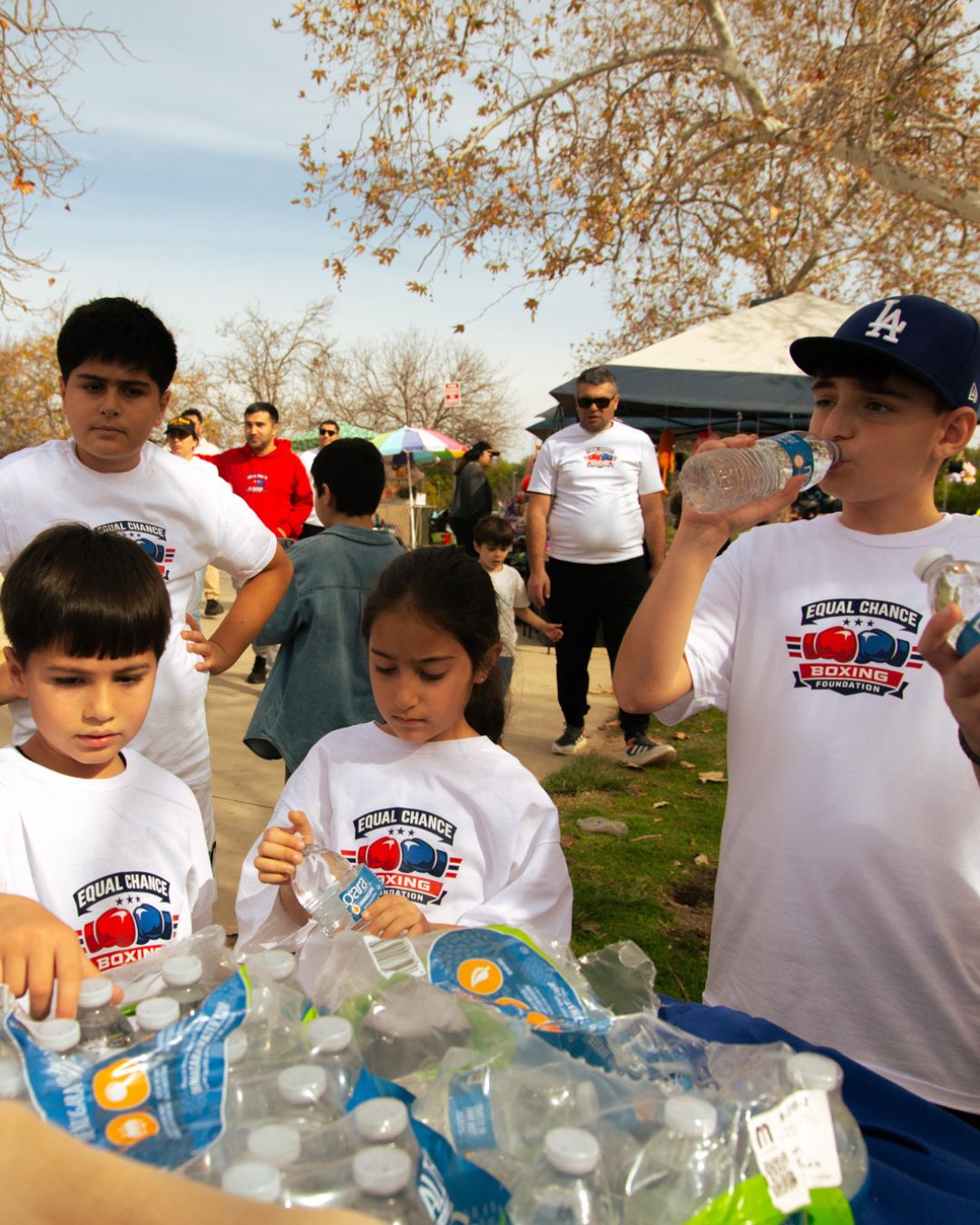
Businesses that have organized a volunteer day at a program like Youth Boxing Program sessions often report that the experience changes how their own team talks about the company, sometimes more than any internal communication effort could. Spending an afternoon helping set up equipment, watching kids work through a drill, or talking with a coach about what the program is trying to build gives employees a direct, human connection to the sponsorship dollars their employer is spending. That connection tends to translate into a stronger sense of workplace culture and a more genuine willingness to speak positively about the company outside of work, neither of which shows up on an invoice but both of which have real value to a business.
The Businesses That Get the Most Return Are Often the Ones Not Chasing It
There is a pattern worth naming here, even though it can sound counterintuitive: businesses that approach sponsorship primarily as a marketing transaction often get less durable value out of it than businesses that approach it as genuine community investment and let the marketing benefit follow naturally. A business fixated on maximizing logo exposure tends to negotiate hard over banner placement and mention frequency, treat the relationship transactionally, and reassess every year based narrowly on measurable visibility metrics. That approach is not wrong, but it tends to produce a thinner, more fragile partnership that ends the moment the numbers look less favorable.
A business that shows up consistently, gets to know the program and the people in it, and treats its support as an investment in the community it operates in tends to build something sturdier. That sturdier relationship produces its own visibility over time, through community goodwill, employee pride, and the kind of organic word-of-mouth that no banner placement can manufacture directly. It is a slower path to the same benefits a transactional sponsor is chasing directly, but it tends to arrive at a more durable version of those benefits, along with several others that a purely transactional relationship never generates at all.
[ecbf_donate_banner_4]
What Local Businesses Actually Gain From a Stable, Supported Youth Population
Businesses operate inside communities, and the long-term health of those communities affects businesses in ways that are easy to overlook in the short term but significant over time. A neighborhood with strong, accessible programming for young people tends to have a more stable, more engaged population overall. Fewer families are stretched thin by a lack of affordable structured activities for their kids. Fewer young people spend unsupervised hours without a positive place to be. None of this is guaranteed by any single program, and it would be an overstatement to claim a direct causal line from one sponsorship to neighborhood-wide outcomes. But businesses that support this kind of infrastructure are contributing to the same broad community stability that keeps their own customer base, workforce, and neighborhood healthy over the years.
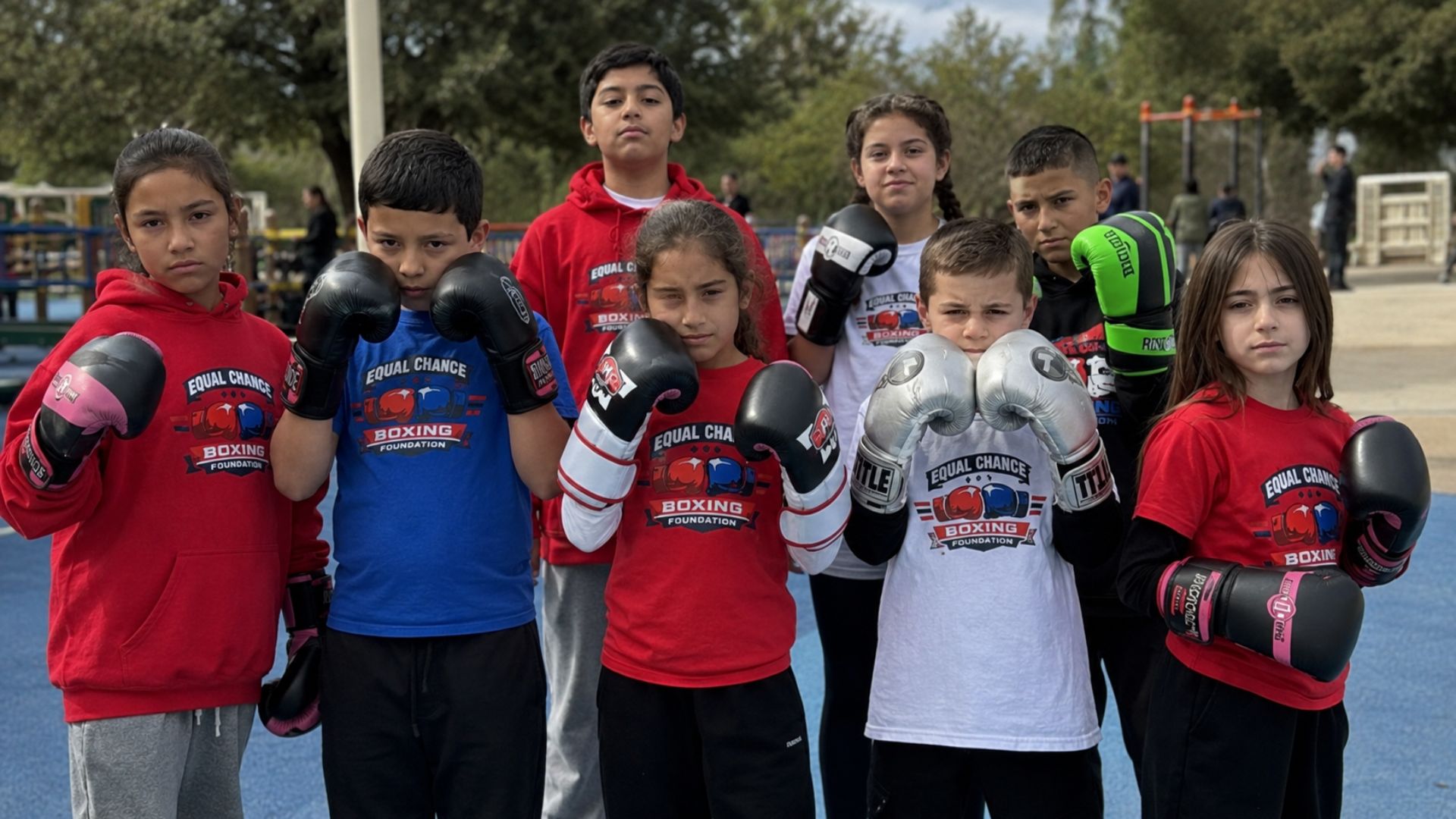
There is also a more direct connection worth naming: the young people in a program like this one grow up to be a community’s future employees, customers, and neighbors. A business that invests in their development today is, in a very literal sense, investing in the community it will continue to operate within for years to come. This is not a marketing angle so much as a basic recognition that businesses and the neighborhoods around them are not separate systems. A healthier community tends to be a better place to run a business, and youth programming is one of the more direct levers a community has for building that health over time.
Sponsorship That Goes Beyond the Check
The most valuable partnerships Equal Chance Boxing Foundation has built rarely stay limited to a financial contribution alone. A local print shop that donates banners and flyers at cost. A grocery store that provides snacks for weekend events. A gym equipment supplier that offers discounted or donated gear when older equipment wears out. A restaurant that hosts a fundraiser night and donates a percentage of sales. None of these contributions individually solve the program’s biggest needs, but together they represent something valuable: a network of local businesses that see themselves as part of the same community effort, rather than as separate entities writing occasional checks.
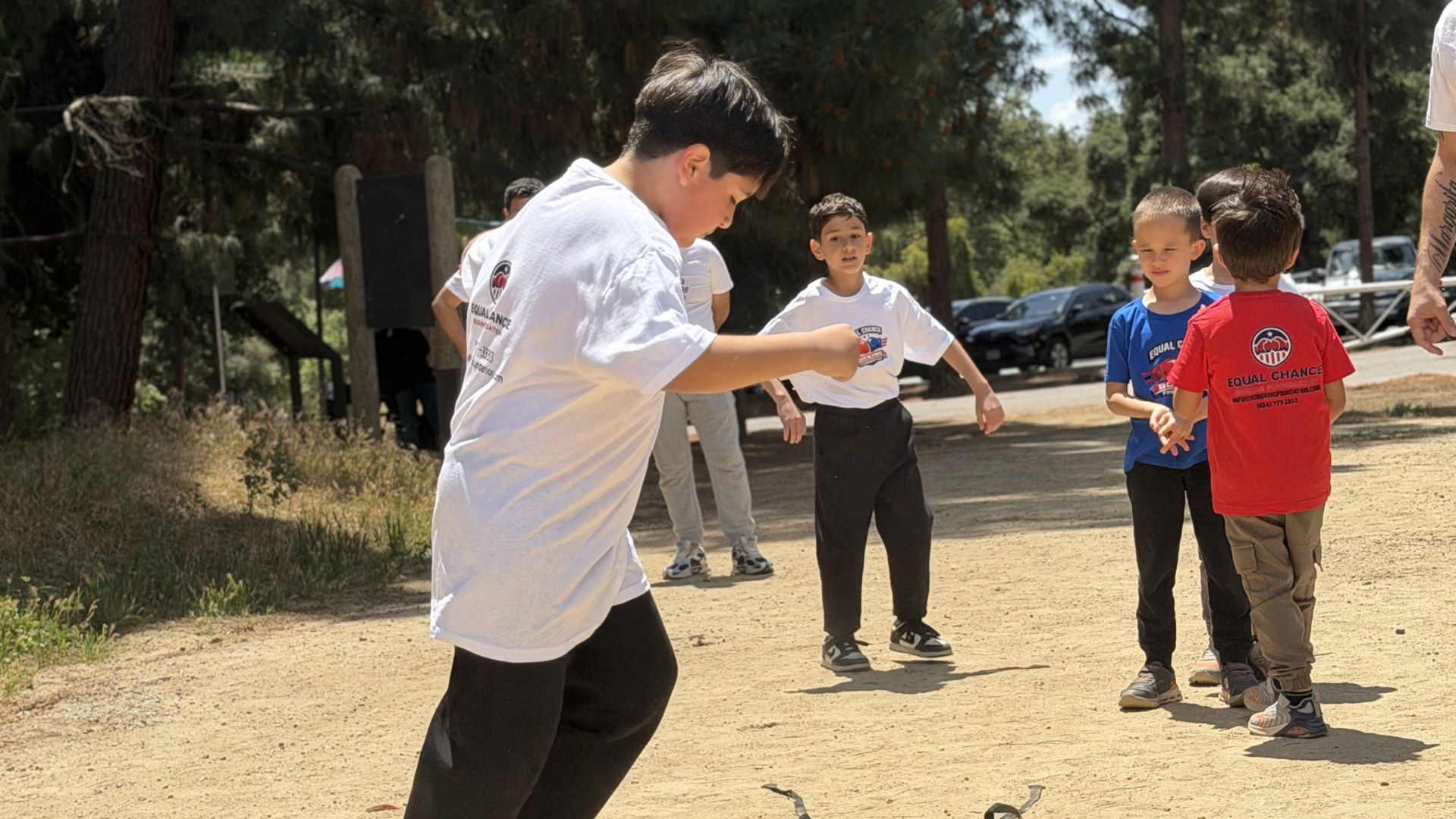
Community Training partnerships often grow this way, starting small and expanding as a business discovers new, natural ways to contribute beyond an initial financial commitment. A business that starts by donating equipment might later offer a job-shadowing opportunity for older teens in the program, or a volunteer mentorship connection between staff and participants. These deeper forms of partnership rarely show up in an initial sponsorship conversation focused on logo placement, but they are often where the most meaningful and mutually beneficial relationships end up.
This kind of gradual deepening tends to happen naturally once a business has a real point of contact within the program, rather than an anonymous donation processed once a year. A business owner who knows a coach by name, or who has met a few of the families whose kids train there, is far more likely to notice an opportunity to help in a new way than one who only interacts with the program through an annual invoice. Nonprofits that make this kind of ongoing contact easy, through regular updates, invitations to events, or simple check-ins, tend to see their sponsor relationships evolve this way more often than nonprofits that treat sponsors purely as a funding source to be renewed on schedule.
Why This Kind of Partnership Is Different From Traditional Advertising
Traditional advertising is built around reach: how many people see a message, how often, and at what cost per impression. Community sponsorship can be measured that way too, but doing so misses what actually makes it valuable. A sponsorship relationship, done well, is not primarily a channel for reaching an audience. It is a form of participation in the life of a community, one that produces trust, goodwill, and genuine relationships that advertising, by its nature, cannot generate. An advertisement asks people to notice a brand. A genuine community partnership gives people a reason to already feel good about it before they ever consciously notice the name at all.
This is part of why the businesses that get the most lasting value from sponsoring a program like this one tend to be the ones that stop measuring it purely by advertising standards. The value shows up in retained employees who are proud of where they work, in customers who choose a business partly because they know it shows up for the community, and in the quieter, harder-to-measure sense that a business belongs to its neighborhood rather than simply operating inside it. None of that fits neatly into a marketing spreadsheet, but all of it is real, and it tends to matter more over time than any single banner placement ever could.
It is worth adding that none of this requires a business to abandon the practical, measurable side of sponsorship altogether. A business can still track visibility, still report on its community involvement, and still expect a reasonable acknowledgment of its support. The point is not that measurement is wrong, but that a sponsorship relationship measured only in impressions and logo placements will always undersell what the partnership is actually capable of producing for everyone involved, including the business itself.
Step Into the Ring. Let’s Build Our Community Together.
For Parents
Structured, well-supported youth programming exists because businesses and individuals in this community choose to invest in it. If you are considering enrolling your teenager, know that this program is built to last because of partnerships exactly like the ones described here.
ENROLL IN OUR YOUTH BOXING PROGRAM TODAY
For Supporters
Individual donations and corporate partnerships work together to keep this program accessible and consistent. Every contribution, at any level, helps sustain what businesses and families in this community have built together.
DONATE TO THE EQUAL CHANCE BOXING FOUNDATION
For Community Partners
If your business is considering a sponsorship that goes beyond a logo on a banner, we would welcome the conversation. The most valuable partnerships are usually the ones that start small and grow as both sides discover what genuine collaboration can look like.
LEARN ABOUT CORPORATE SPONSORSHIP
Frequently Asked Questions
What Local Businesses Ask About Corporate Sponsorship
Sponsorships can include financial support, in-kind donations of goods or services, equipment contributions, or volunteer involvement, and they often combine several of these over time. The most valuable partnerships tend to grow beyond an initial financial commitment as a business discovers other natural ways to get involved.
Yes. Visibility remains part of every sponsorship relationship, but it tends to work best as a natural result of genuine involvement rather than the entire purpose of the partnership. Businesses that engage more directly with the program often find they earn more organic community recognition than logo placement alone provides.
Many of the strongest partnerships include employee volunteer opportunities, such as helping at a training session or a community event. Businesses often find this builds a stronger sense of shared purpose among their own team, beyond whatever the sponsorship accomplishes externally.
Most partnerships start with a simple conversation about what a business is able to offer and what the program currently needs. There is no minimum contribution required to start that conversation, and many meaningful partnerships have grown gradually from a modest first step.