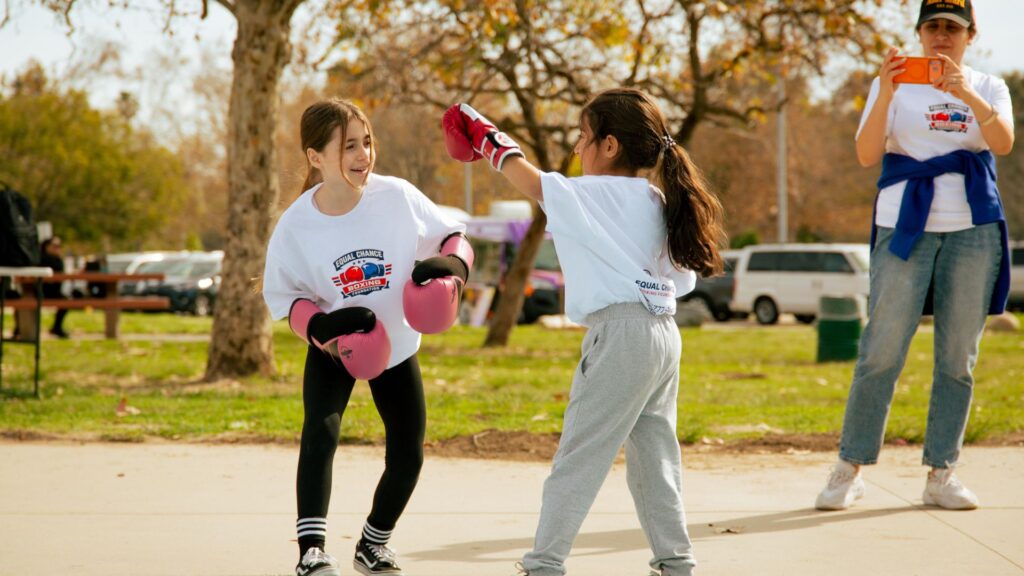
There is a specific moment that happens in gyms like this one, over and over, in almost exactly the same way. A child walks in, curious but uncertain, having heard from a friend or a parent or a flyer at school that there is a place nearby where kids can learn to box for free. They watch for a while before anyone asks them to join in. And then, at some point, a coach hands them a pair of gloves — not a loaner pair to be returned at the end of the hour, but a pair that is theirs to keep. That handoff looks small from the outside. It is not small to the child receiving it.
For a lot of families, the cost of entry into organized youth sports is the quiet reason a child never tries one. Registration fees, uniforms, specialized shoes, protective gear — the list adds up fast, and it adds up before a child has even had the chance to find out whether they like the sport at all. Boxing has its own version of that list, and gloves sit near the top of it. A pair of gloves is not expensive by the standards of many sports, but for a family already stretching a budget across rent, food, and everything else a household needs, even a modest cost can be the difference between a child who gets to try something and a child who watches from the doorway.
What Gloves Actually Represent for a Child Who Has Never Had a Pair
It is worth being precise about what is actually happening when a child receives their first pair of gloves, because the meaning of that moment is easy to underestimate if you only think about the object itself. Gloves are equipment, yes. But they are also the clearest possible signal a child can receive that they are now a participant rather than a spectator. Up until that moment, a child hovering at the edge of a gym is still deciding whether this place is for them. Once gloves are on their hands, that question has an answer. They are in.
This matters more than it might seem, especially for children who are used to being on the outside of things — the kid who could not afford the travel team, the kid who sat out gym class activities that required gear their family did not have, the kid who has learned, through repetition, to expect that certain doors simply are not going to open for them. A free pair of gloves does not undo that history in a single afternoon. But it does interrupt the pattern, and interrupting the pattern is where change usually starts. Youth Boxing Program sessions are built around exactly that interruption: removing the first and most obvious obstacle so a child can find out, on their own terms, whether this is something they want to keep doing.
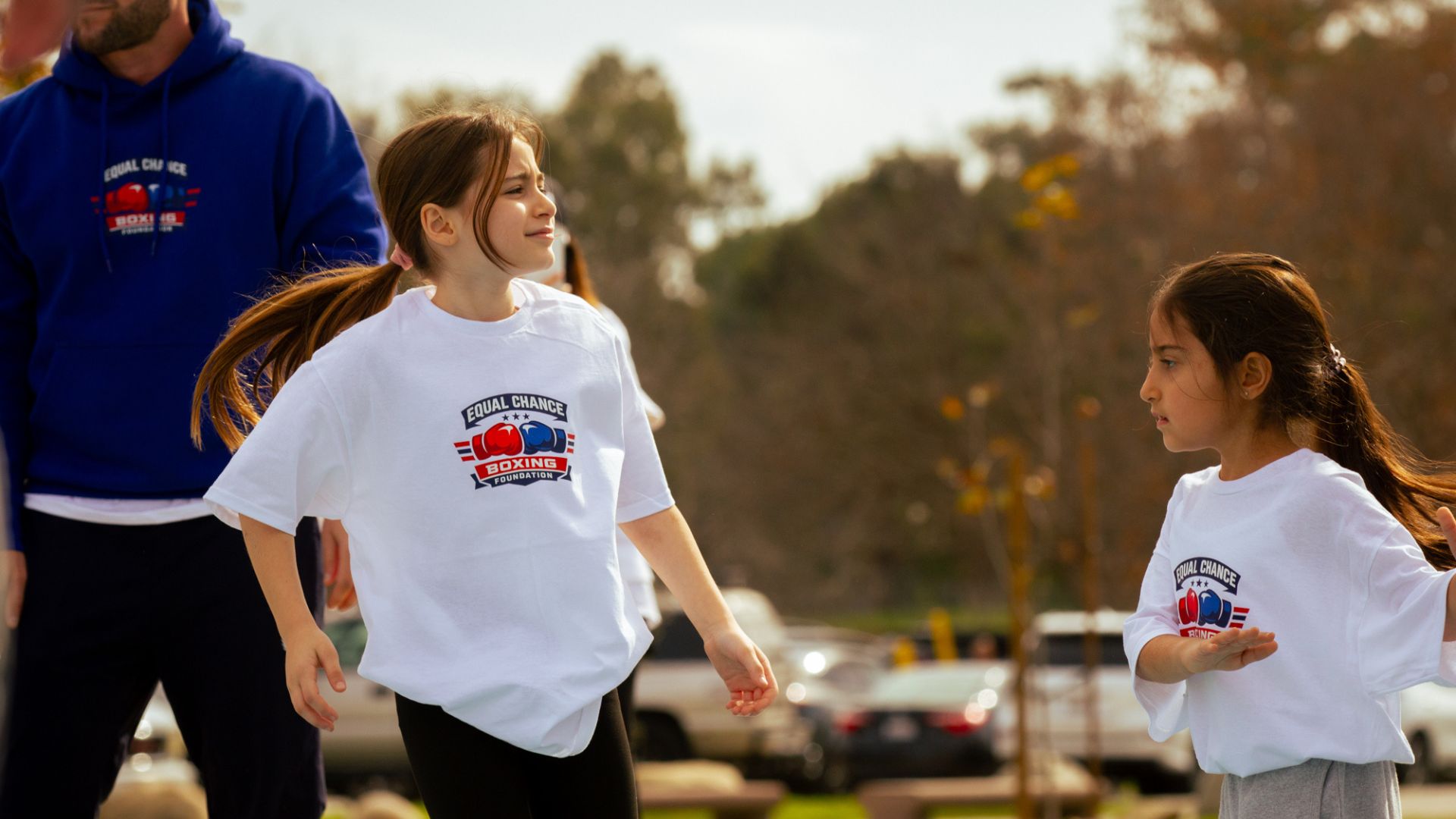
There is also a quieter form of dignity involved in owning your own gear rather than borrowing it. A shared pair of gloves passed from kid to kid at the end of each session sends an unintentional message: you are welcome to participate, but only temporarily, only here, only with equipment that belongs to someone else. A pair of gloves a child gets to take home sends a different message entirely. It says this is yours now. You belong to this in a way that does not depend on being handed something back at the door.
[ecbf_donate_banner_1]
The Distance Between Interested and Included
Plenty of children are curious about boxing before they ever set foot in a gym. They have seen it on television, watched an older cousin train, or simply noticed the confident way someone moves after months of consistent practice. Curiosity, though, is not the same as access, and the distance between the two is where a lot of potential quietly disappears. A child can be genuinely interested in trying something and still never take the first step, not because they lack motivation, but because the practical requirements standing between interest and participation feel, to their family, like more trouble or expense than it is worth to find out.
This gap shows up constantly in under-resourced communities, where parents are often managing multiple jobs, unpredictable schedules, and tight budgets that leave very little room for discretionary spending on a new activity that may or may not stick. It is not that these parents do not want their children to have opportunities. It is that the opportunity has to clear a series of practical hurdles before it can even be considered, and each hurdle is one more reason to say maybe later instead of yes. Community Training sessions exist to shrink that gap as much as possible, so that a family’s yes does not have to survive a gauntlet of costs before a child gets the chance to show up.
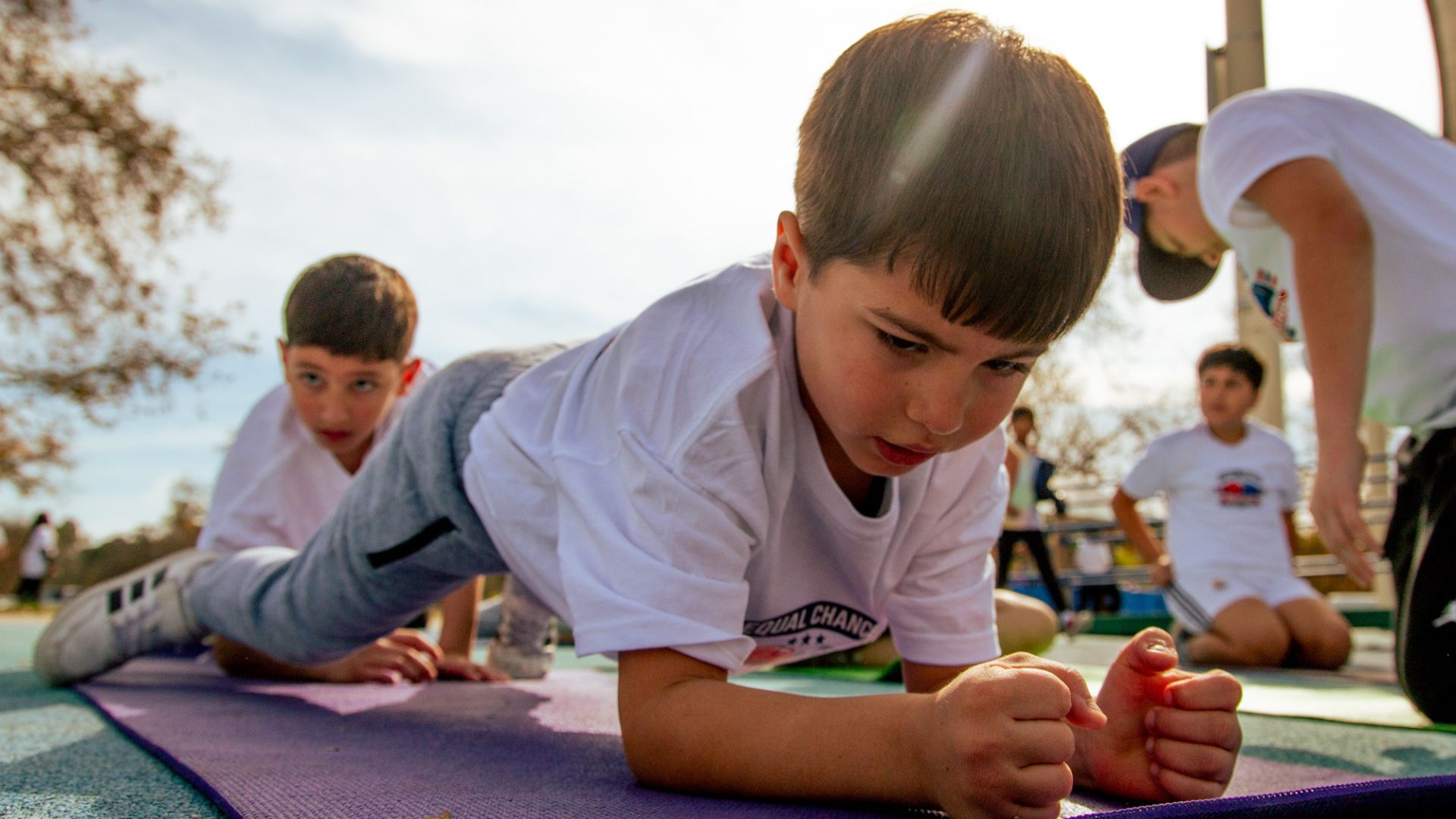
When the equipment barrier disappears, something interesting tends to happen: the child’s actual interest, rather than their family’s budget, becomes the deciding factor in whether they participate. That is a meaningful shift. It means a kid who is genuinely drawn to the discipline and structure of boxing gets to find that out directly, instead of the decision being made for them by circumstances that have nothing to do with their own curiosity or potential.
Why the First Session Matters So Much
Anyone who has ever tried something new in front of strangers knows that the first session of anything is disproportionately important. It is the session where a person decides, often within the first twenty minutes, whether this is a place they want to keep coming back to. A huge amount of that decision has nothing to do with the sport itself and everything to do with how included, capable, and comfortable a person feels in the room. For a child walking into a boxing gym for the first time, already unsure of themselves in an unfamiliar environment, having the right gear on from the very start removes one entire category of self-consciousness before it has a chance to take hold.
Picture the alternative: a child arriving without gloves, having to ask to borrow a pair, standing slightly apart from kids who clearly already belong there while a coach searches for equipment that fits. None of that is anyone’s fault, and coaches handle it with as much grace as possible when it happens. But it is not the ideal way for a child to begin. A child who arrives already equipped, already treated as a full participant rather than a guest who needs accommodating, gets to spend that crucial first session focused on the actual experience of training rather than on the discomfort of feeling like they do not quite belong yet.
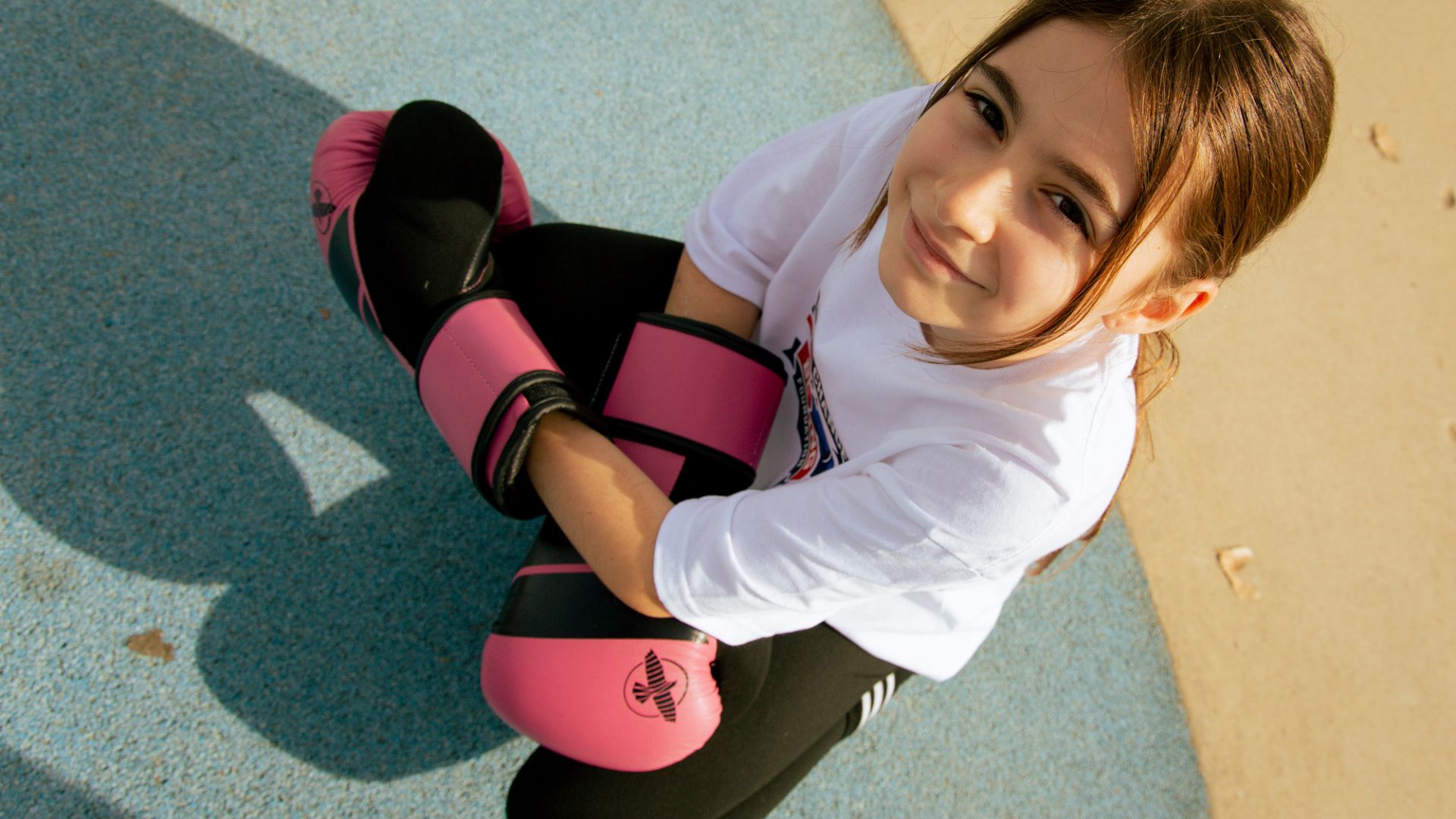
This is one of the reasons Equal Chance Boxing Foundation treats equipment access as a foundational part of the program rather than an afterthought. A first session that goes well because a child felt like a real participant from the opening minute is far more likely to become a second session, and a third, and eventually a habit that shapes the following months of that child’s life. A first session that starts with a child feeling like an outsider borrowing someone else’s equipment is a harder foundation to build consistency on top of.
More Than an Object: What a Coach Sees When a Child Puts on Gloves for the First Time
Coaches who have spent years working with young people in gyms like this one will often say that the moment a child puts on their own gloves for the first time is one of the more reliable turning points they see. Something shifts in posture, in attention, in seriousness. A child who was fidgeting and looking around the room a minute earlier tends to settle once the gloves are on. It is a small transformation, but coaches notice it because it repeats so consistently across different kids, different backgrounds, and different personalities.
Part of what is happening is simple physical readiness — gloves change how a child stands, how they hold their hands, how their body orients toward the bag or the pads in front of them. But part of it is psychological. Gloves are a visible marker of commitment. Putting them on is a small ritual that separates watching from doing, and children, like adults, tend to rise slightly to meet the moment when a ritual like that marks a transition. Coaches who understand this treat the handing over of a first pair of gloves as more than a logistical step. It is often the first real coaching opportunity of a child’s time in the program, a chance to welcome them formally into something rather than simply letting them drift into it.
[ecbf_donate_banner_4]
The Ripple Effect of One Small Act of Access
It would be easy to think of a donated pair of gloves as a self-contained gift that benefits exactly one child for exactly as long as they use them. In practice, the effects tend to spread further than that. A child who begins training regularly often brings a sibling along on a future visit, or mentions the program to a friend who has been curious but hesitant. A parent who sees their child settle into a structured, positive routine sometimes becomes more willing to explore other community resources they had not previously considered, simply because this one worked. None of these ripple effects are guaranteed or dramatic, and it would be irresponsible to promise them. But they are a realistic and common pattern in community-based youth programming, where access for one family often becomes visibility for others.
There is also a ripple effect inside the gym itself. A group of kids who all have their own gear tends to function differently than a group where some children are equipped and others are improvising. Shared ownership of the basics — everyone has gloves, everyone belongs, everyone is a full participant — tends to flatten some of the social hierarchies that can otherwise form around who has more and who has less. Champions of Hope reflects this same idea at a broader level: recognizing that the small, practical forms of support a program provides often matter as much to a child’s sense of belonging as the training itself.
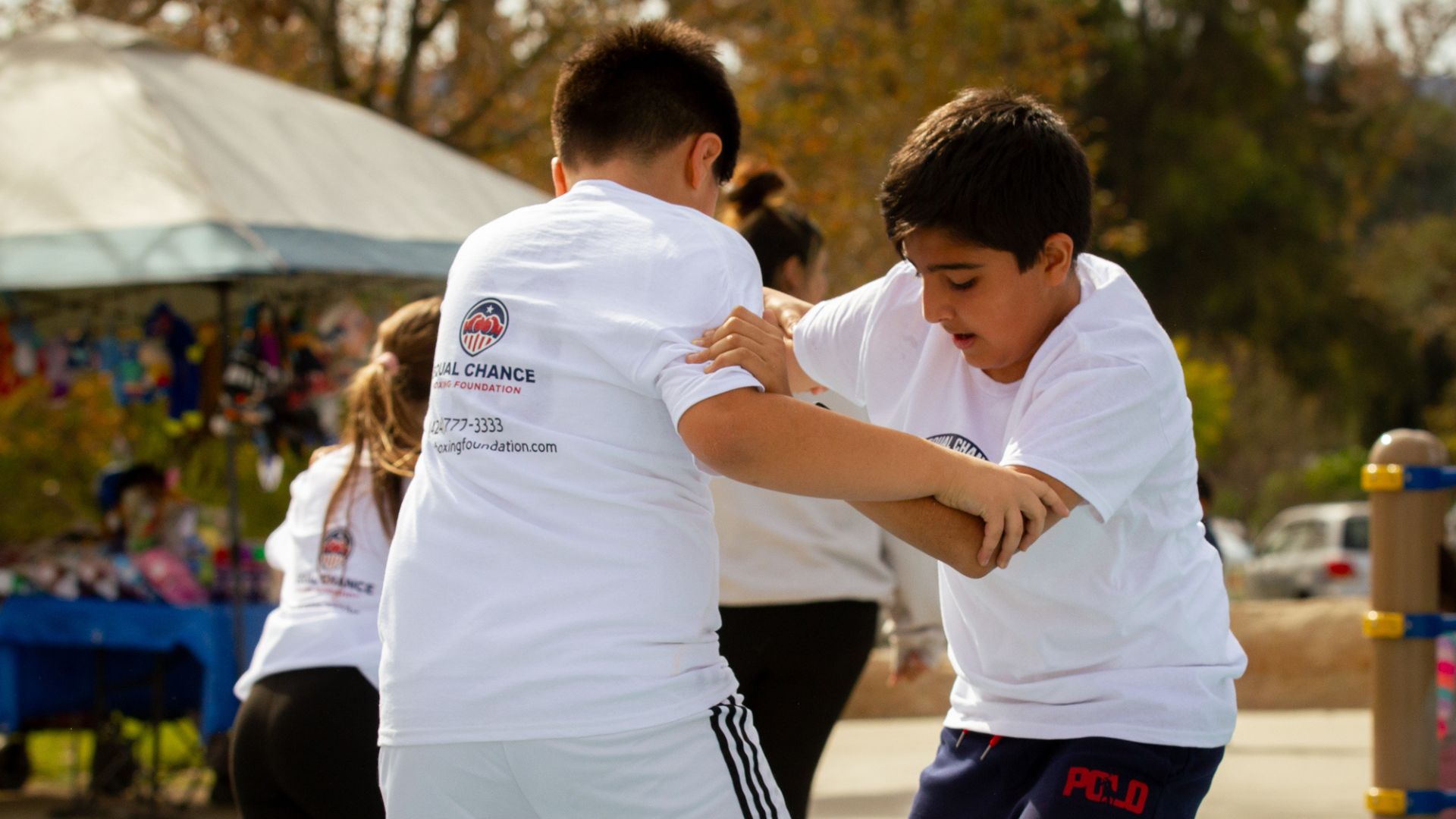
Why Equal Chance Boxing Foundation Starts With Removing This Barrier First
Every organization working with young people has to decide where to put its limited resources first, and that decision says something about its priorities. Equal Chance Boxing Foundation treats equipment access as a starting point rather than a secondary concern, because without it, everything else the program offers — the coaching, the mentorship, the structure, the community — never has the chance to reach the children who could benefit from it most. A brilliant coaching staff and a well-run gym do not matter to a child who never walks through the door because their family could not afford a pair of gloves.
This is part of why donor support directed toward equipment specifically tends to have an outsized effect relative to its cost. A modest donation that covers gloves, hand wraps, and basic gear for a group of new participants is often the single factor that determines whether those children ever get the chance to discover what the rest of the program has to offer. It is one of the more direct ways a supporter’s contribution translates into a specific, visible outcome: a child who now has what they need to start.
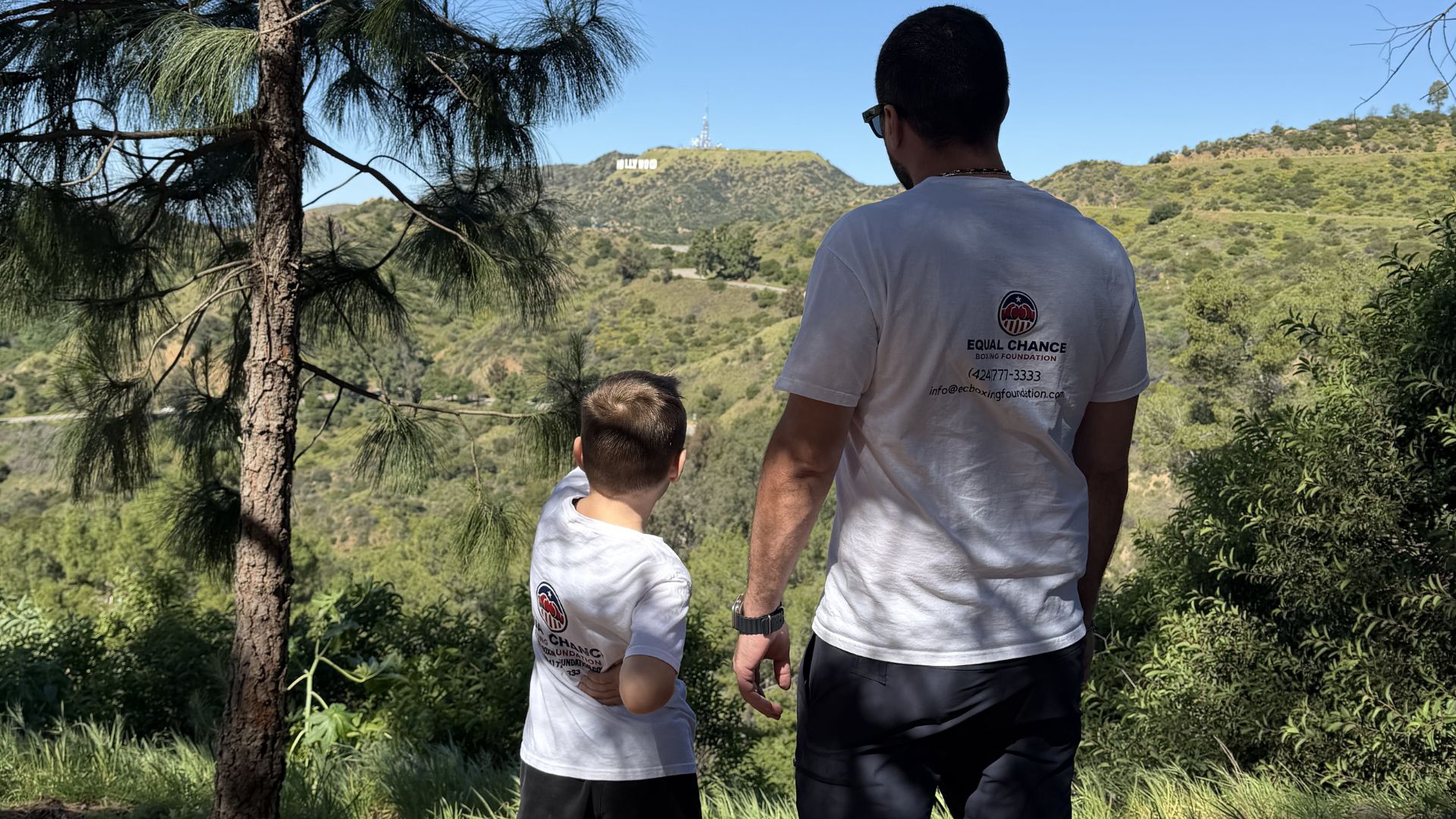
Programs like the Summer & Afterschool Mentorship Camp are built on this same principle throughout the calendar year, not only at enrollment. A child’s needs do not stay static across a season, and neither does a growing child’s equipment. Keeping access consistent, season after season, requires ongoing attention rather than a single one-time gesture, which is part of why sustained donor support matters as much as the first gift that gets a child in the door.
What a Small Investment Actually Buys
It can be tempting to measure a donation by its size, but the more useful question is what that donation actually makes possible. A relatively small contribution toward equipment does not just purchase an object. It purchases a child’s ability to say yes to an opportunity that was previously out of reach, and it purchases a first session that begins with inclusion instead of improvisation. It purchases the version of a child’s introduction to boxing where they get to focus entirely on the experience itself, rather than on the discomfort of not quite having what everyone else has.
Multiplied across dozens of children over the course of a year, that small investment becomes something larger: a consistent, reliable removal of one of the most common barriers standing between a curious child and a structured, positive activity. It is rarely the most visible or dramatic form of support a nonprofit can receive, and it does not come with the kind of story that makes for an easy headline. But for the specific child on the receiving end of that first pair of gloves, it is often the most important support they get, because it is the support that made everything after it possible.
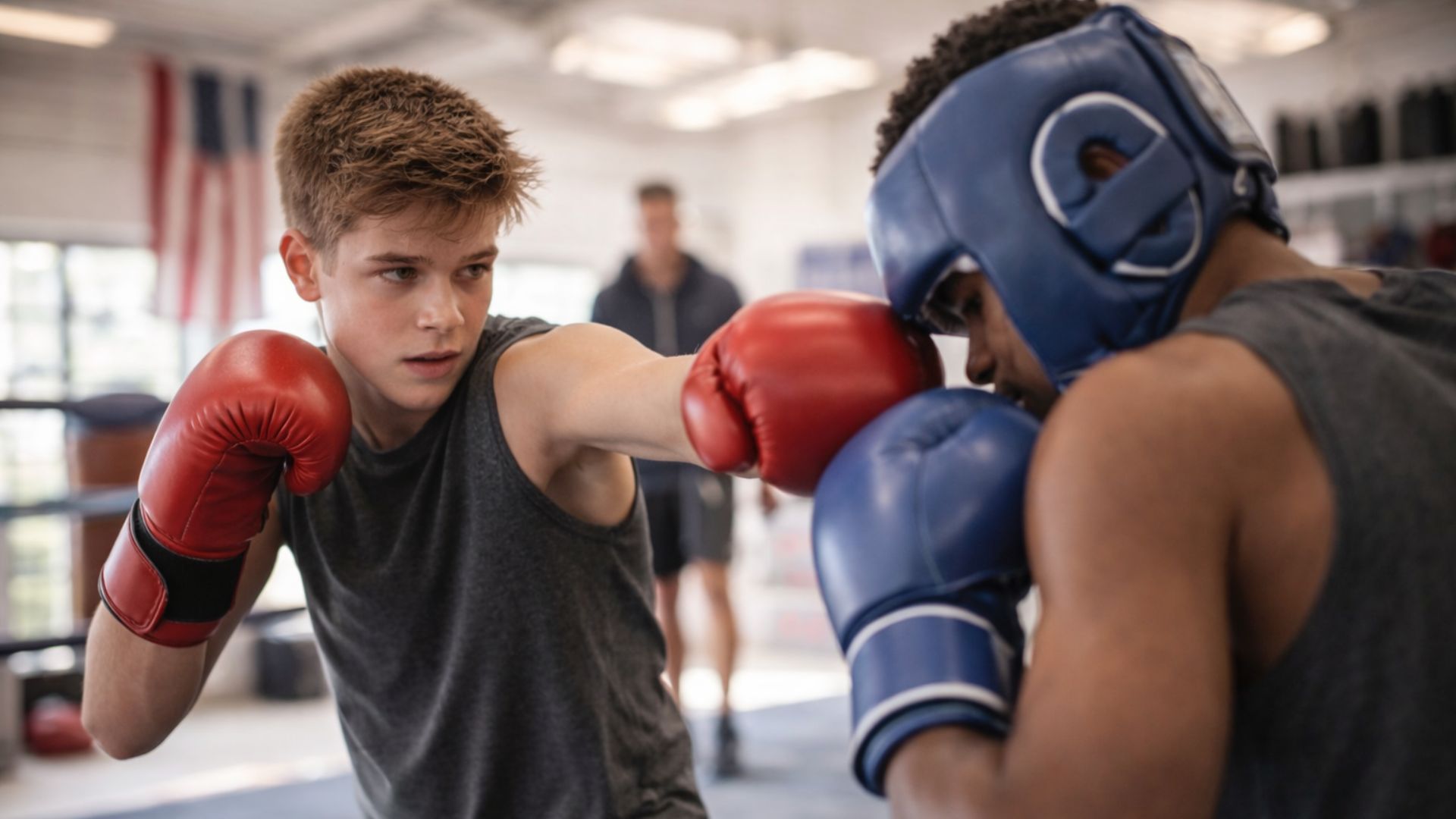
Step Into the Ring. Let’s Build Our Community Together.
For Parents
If cost has been the reason your child has not yet had the chance to try boxing, know that removing that barrier is exactly what this program is built to do. Equipment, coaching, and a safe place to start are all part of what is provided from day one.
ENROLL IN OUR YOUTH BOXING PROGRAM TODAY
For Supporters
A donation toward equipment is one of the most direct ways to affect a specific child’s ability to participate. It is rarely dramatic, but it is often the single factor that determines whether a curious child ever gets to start.
DONATE TO THE EQUAL CHANCE BOXING FOUNDATION
For Community Partners
Local organizations and businesses can help ensure that no child is kept from starting simply because of what they do not have. Every partnership helps keep that first door open for the next child who walks up to it.
Frequently Asked Questions
What Families and Supporters Ask About Equipment Access
Sharing equipment can work as a short-term solution, but owning a pair of gloves matters for more than practical reasons. It signals to a child that they are a full participant rather than a temporary guest, and it removes a source of self-consciousness during an already unfamiliar first experience. Equal Chance Boxing Foundation prioritizes providing gear so that new participants can start on equal footing with everyone else in the room.
Basic equipment like gloves and hand wraps is modest by the standards of many sports, but for families managing a tight budget, even a small cost can be the deciding factor in whether a child gets to try something new. That is exactly why covering this cost tends to have an outsized effect: it is a relatively small investment that determines whether a child’s interest ever gets the chance to become participation.
A child’s first experience in an unfamiliar environment strongly shapes whether they want to return. When a child arrives already equipped and treated as a full participant, they can focus on the actual experience of training instead of feeling like an outsider who needs to borrow someone else’s gear. That first impression often determines whether a child comes back for a second session, and a third.
Donations directed toward equipment and program access help ensure that cost never becomes the reason a curious child does not get to start. Every contribution, regardless of size, helps keep that first door open for the next child who walks up to it.