
When people think about donating to a youth sports program, they often picture the most visible outcome: a child who gets to play, a team that gets new equipment, a season that would not have happened otherwise. That picture is not wrong, but it leaves out the part of the story that matters most to the people who study how communities actually change over time. Funding a program like a free youth boxing gym is not simply an act of generosity aimed at a single season or a single child. It is a form of prevention, and prevention is one of the most difficult things for any community to fund, because its results are quiet, gradual, and almost never visible in the moment they are happening.
Prevention does not announce itself. Nobody sees a teenager avoid an unsafe situation because they were at practice instead. Nobody sees the argument that did not escalate because a young person had learned, through months of coaching, how to manage frustration before it turned into something worse. Nobody sees the school year that stayed on track because a student had a reason to get enough sleep, show up consistently, and belong to something that expected their best effort. Prevention works in the negative space of a young person’s life — in the problems that did not happen — and that is exactly why it is so easy to underfund and so important to understand correctly.
What “Investment in Prevention” Actually Means for a Youth Program
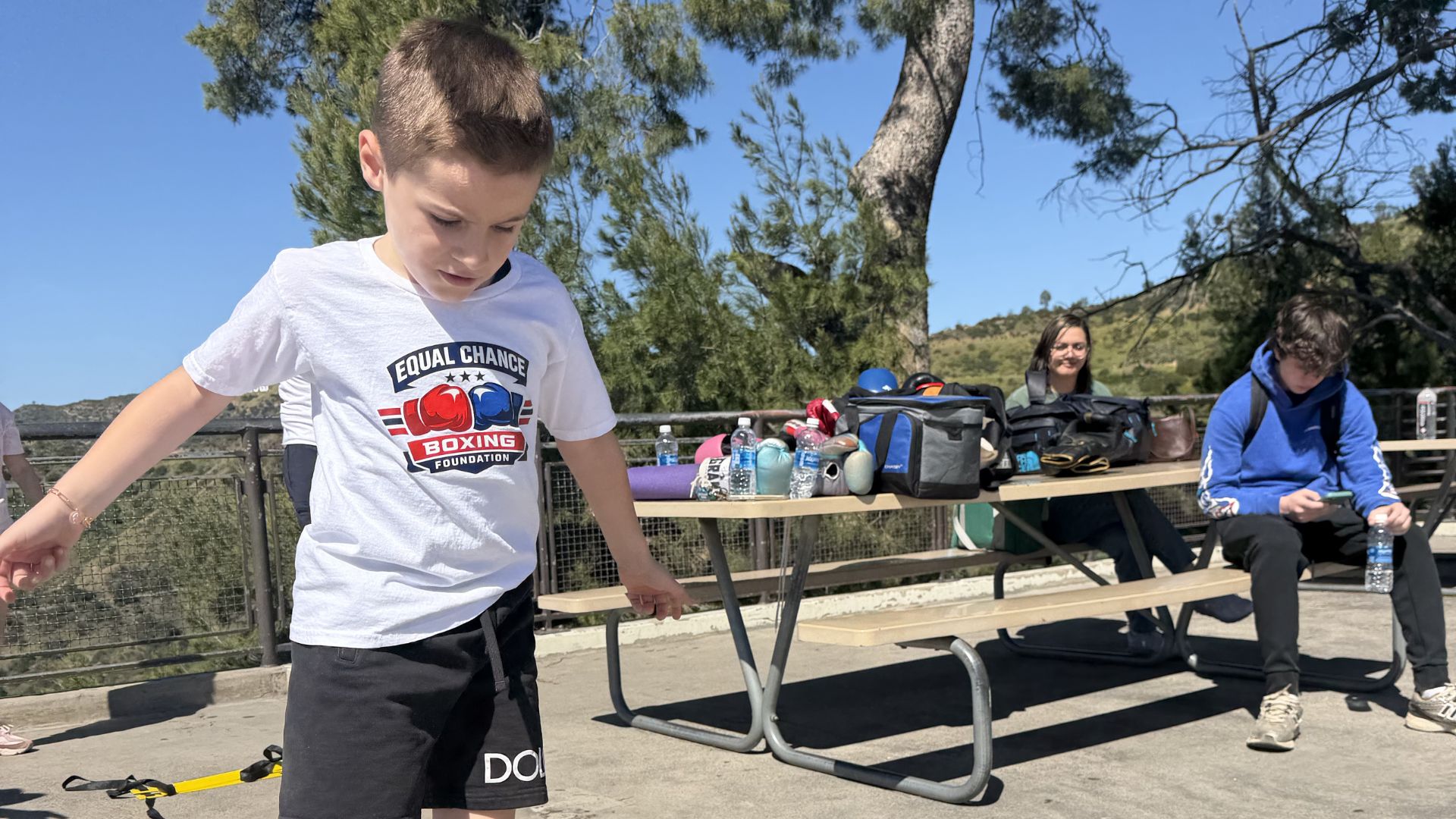
The word “investment” is used constantly in the nonprofit world, sometimes as a synonym for “donation” without much more meaning behind it. But in the context of youth development, investment has a more precise definition. An investment is money directed toward a structure that is expected to produce a return over time, even if that return is not immediate and not easily converted into a single number. When someone funds a Youth Boxing Program, they are not paying for a single class or a single session. They are helping sustain a structure that a young person can return to week after week, one that gradually shapes how that young person manages stress, handles setbacks, follows through on commitments, and relates to the adults and peers around them.
Prevention, in this context, does not mean the program is designed to stop one specific negative outcome, like a scared-straight message aimed at a single behavior. It means something broader and more realistic: consistent structure, positive mentorship, and physical activity reduce the number of hours a young person spends unsupervised, unstructured, or disconnected from a caring adult. Fewer of those hours generally means fewer opportunities for the kinds of situations that lead to real harm — not because boxing is magic, but because structure itself is protective. A young person who has somewhere to be, someone who expects them to show up, and a skill they are working to improve has fewer of the empty hours in which disengagement and risk tend to take root.
This is why funding youth sports functions differently than funding a single service or a single event. A one-time donation to a food drive solves a need on the day it is given. A donation that sustains a youth program solves a need every week that program continues to exist, because the structure itself is the thing being funded, not a single transaction.
[ecbf_donate_banner_1]
The Alternative to Structure Is Rarely Neutral
It can be tempting to think of “no structured activity” as a neutral default state for a teenager — nothing good happening, but nothing bad happening either. In practice, that neutral state rarely stays neutral for long. Adolescence is a period of significant change, and teenagers are naturally drawn toward stimulation, connection, and identity-building, whether or not a safe and structured place is available to provide it. When a positive outlet does not exist, or when a family cannot afford access to one, young people often find other ways to meet those same underlying needs: through unsupervised time online, through peer groups that may not have their best interests at heart, or simply through disengagement that compounds over months and years.
None of this means every young person without a structured activity is at risk, and a responsible youth program does not build its case on fear. But it does mean that access to a safe, consistent, mentor-led environment changes the odds in a young person’s favor during a period of life when those odds matter enormously. Community Training sessions exist precisely because unstructured time, especially for teenagers without an obvious next step after school, is not something that manages itself. It has to be filled with something, and what fills it shapes a great deal about how the following years unfold.

Donors who understand this distinction tend to think about their support differently. They are not simply funding a fun activity for a Tuesday afternoon. They are helping ensure that Tuesday afternoon, and the one after it, and the one after that, belongs to something structured, supervised, and oriented toward growth rather than being left open to whatever fills the gap on its own.
Why Prevention Is Harder to See Than a Building or a Program
One of the challenges facing any organization built around prevention is that its impact resists the kind of before-and-after storytelling that makes fundraising easy. A new building has a ribbon-cutting. A renovated gym has a grand opening. A meal program has a plate of food that a photograph can capture in a single frame. Prevention does not offer any of that. Its clearest evidence is an absence — the fight that did not happen, the dropout that did not occur, the year that stayed stable instead of spiraling — and absences are notoriously difficult to point to, let alone photograph.
This is part of why prevention-focused organizations often have to work harder to explain their value to potential supporters, even when the underlying case is strong. It is easier to ask someone to fund a visible outcome than to ask them to fund the ongoing conditions that make negative outcomes less likely. Equal Chance Boxing Foundation exists inside that harder conversation every day, and part of its work is helping donors, sponsors, and community partners understand that a season of consistent coaching, safe training space, and mentorship is not a smaller kind of impact than a single dramatic outcome. It is a different kind of impact, one that compounds quietly over time rather than announcing itself all at once.

Supporters who commit to funding this kind of work are, in effect, choosing to trust a slower and less visible form of change. That trust is well placed. Communities that maintain strong networks of free or low-cost youth programming consistently see benefits that extend well beyond the participants themselves, from stronger school engagement to fewer unsupervised gaps in a family’s week to a broader sense that young people in the neighborhood have somewhere positive to go. None of that shows up as a single statistic tied to boxing specifically, and a responsible organization does not claim it does. But the underlying logic — that structure, mentorship, and consistency reduce risk over time — is well established across youth development research, and it is the foundation on which programs like this one are built.
The Long Timeline of Prevention
Prevention does not work on the timeline of a single donation or a single season. A teenager who begins training this fall will not be a finished product by winter. The real value of a program like this one accumulates gradually: a young person becomes slightly more consistent, slightly more able to manage frustration, slightly more comfortable asking a coach for help instead of giving up quietly. None of those changes are dramatic on their own. Over a year, or two years, or three, they add up to something that looks very different from where the young person started.
This is precisely why ongoing, reliable funding matters more than occasional, one-time gifts, even though both are genuinely valuable. A program that can count on sustained support can plan further ahead — retaining experienced coaches, keeping training space available year-round, and building relationships with families that last through multiple seasons rather than starting over every few months. A program that has to rebuild its funding base from scratch on a regular basis spends energy on survival that could otherwise go toward deepening its work with the young people already showing up. When a donor commits to ongoing support rather than a single gift, they are funding the kind of stability that prevention actually requires: not a single moment of help, but a structure that is still standing, still consistent, and still trustworthy a year from now.
[ecbf_donate_banner_4]
What Community Partners and Corporate Sponsors Are Really Funding
Local businesses and corporate sponsors sometimes approach youth programs the way they might approach any other marketing or goodwill opportunity: a logo on a banner, a mention at an event, a modest and mostly symbolic gesture. There is nothing wrong with that kind of support, and every contribution matters. But businesses that take the time to understand what they are actually funding often come away with a different sense of the relationship. A Corporate Sponsors partnership with a program like this one is not just a marketing line item. It is a direct contribution to the stability of the young people in the surrounding community, many of whom will grow up to be the employees, customers, and neighbors that same business depends on for years to come.
Businesses have a practical stake in the long-term health of the neighborhoods where they operate, even when that stake is not always framed explicitly. A community with strong, accessible youth programming tends to be a community with fewer unaddressed gaps in supervision, more positive outlets for adolescent energy, and stronger informal networks between families, coaches, and local organizations. Supporting that infrastructure is not charity in the narrow sense of the word. It is closer to the kind of long-term community investment that thoughtful businesses have always recognized as being in their own interest, even when the return cannot be measured on a quarterly report.
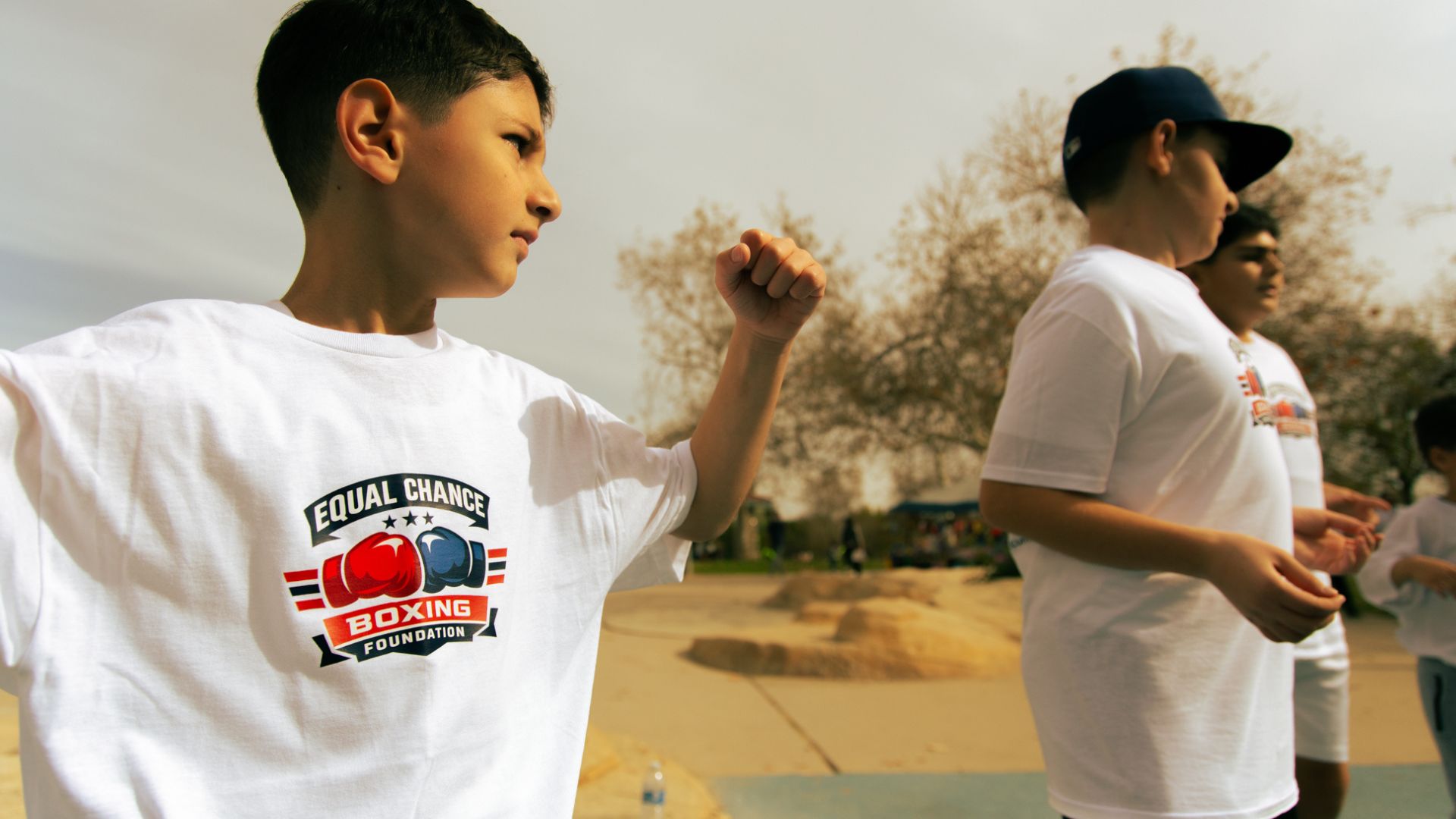
Sponsorship at this level also tends to be more durable than sponsorship built purely on visibility, because it is grounded in an understanding of why the work matters rather than only in what the sponsor gets back in recognition. Partners who see themselves as investing in prevention, rather than simply donating to a cause, tend to stay involved longer and advocate for the program more genuinely within their own networks.
Why LA County Needs More of This Kind of Investment
Los Angeles County is enormous, diverse, and unevenly resourced. Some neighborhoods have well-funded recreation centers, a wide range of after-school options, and families with the flexibility to enroll their children in multiple structured activities. Other neighborhoods have very little of that infrastructure, and the families living there are often the ones most affected by cost barriers, transportation limitations, and a lack of nearby programs that fit around a working parent’s schedule. Prevention-focused programming is not evenly distributed across the county, and that unevenness has consequences that compound over time in the neighborhoods with the least access.
A free program that removes cost as a barrier to entry is doing something that goes beyond convenience. It is closing a gap that would otherwise widen the distance between neighborhoods that have consistent access to structured youth activity and neighborhoods that do not. Every dollar directed toward keeping training free, transportation manageable, and coaching consistent is a dollar working against that widening gap, in a county large enough that the gap can otherwise go unnoticed by anyone not living inside it.
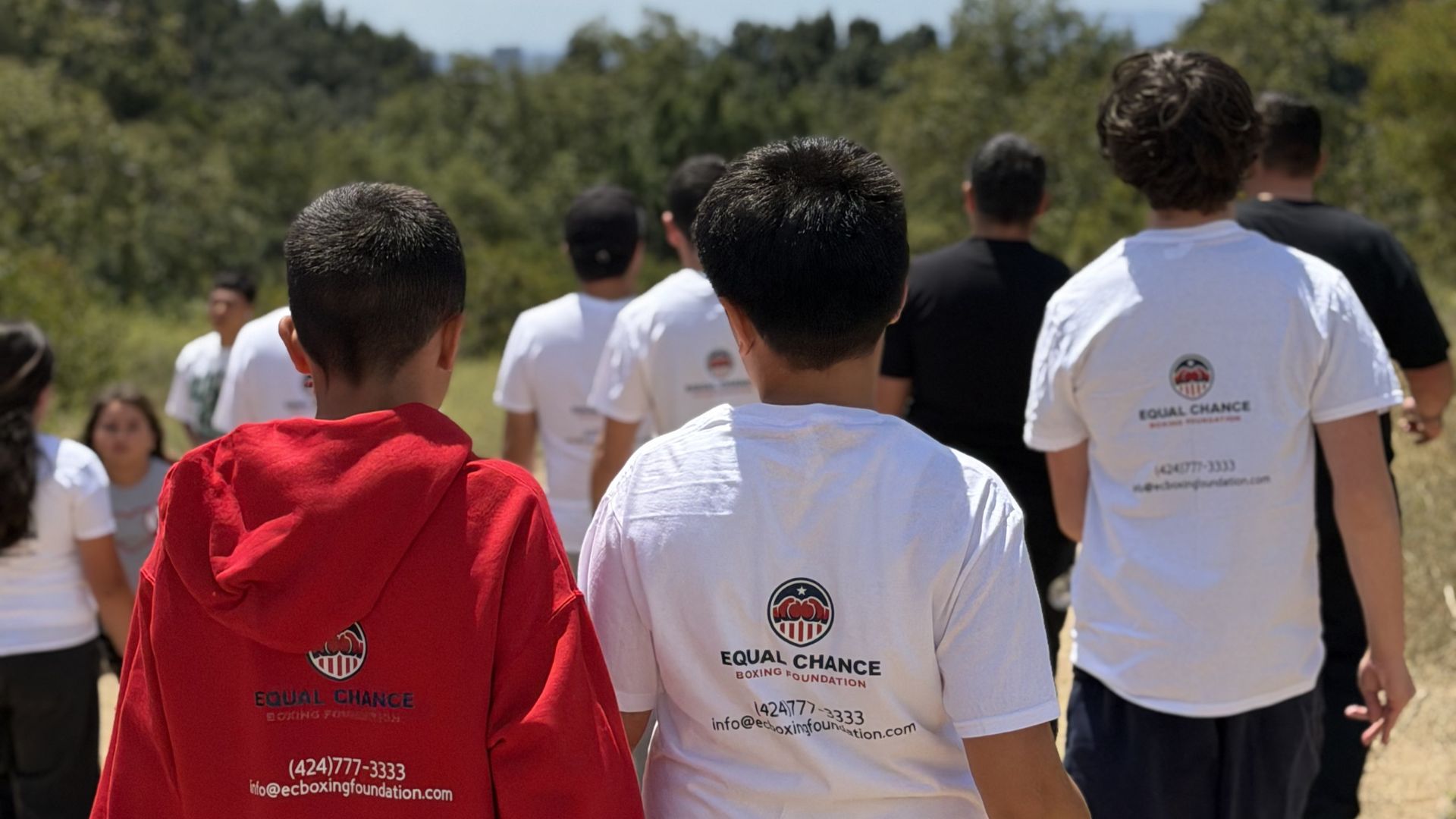
This is one of the reasons prevention-oriented funding deserves to be understood as county-wide infrastructure rather than a local convenience for the families who happen to live nearby. A safer, more stable outcome for a teenager in one part of Los Angeles County has ripple effects that extend well beyond that single household, shaping the broader sense of safety, opportunity, and connectedness across the surrounding community.
Measuring What Doesn’t Make Headlines
Every organization built around prevention eventually has to answer a difficult question honestly: how do you measure something whose clearest sign of success is that nothing bad happened? There is no perfect answer, and any organization that claims otherwise is overselling its own certainty. What can be said honestly is this: consistency of attendance, gradual improvement in a young person’s self-regulation, stronger relationships between coaches and families, and a program’s ability to keep the same young people coming back season after season are all reasonable, observable signs that the underlying structure is working as intended.
None of those signs are as dramatic as a single success story, and this article deliberately avoids inventing one, because responsible reporting on a program like this one means being honest about what is known and what is not. What can be said with confidence is that structure, mentorship, and consistency are well-supported protective factors in adolescent development, and that a program capable of offering all three, without cost as a barrier, is doing meaningful preventive work even when that work does not make headlines. Supporters who fund this kind of program are not funding a guaranteed outcome. They are funding the conditions that make good outcomes more likely, season after season, for as long as the program continues to exist.
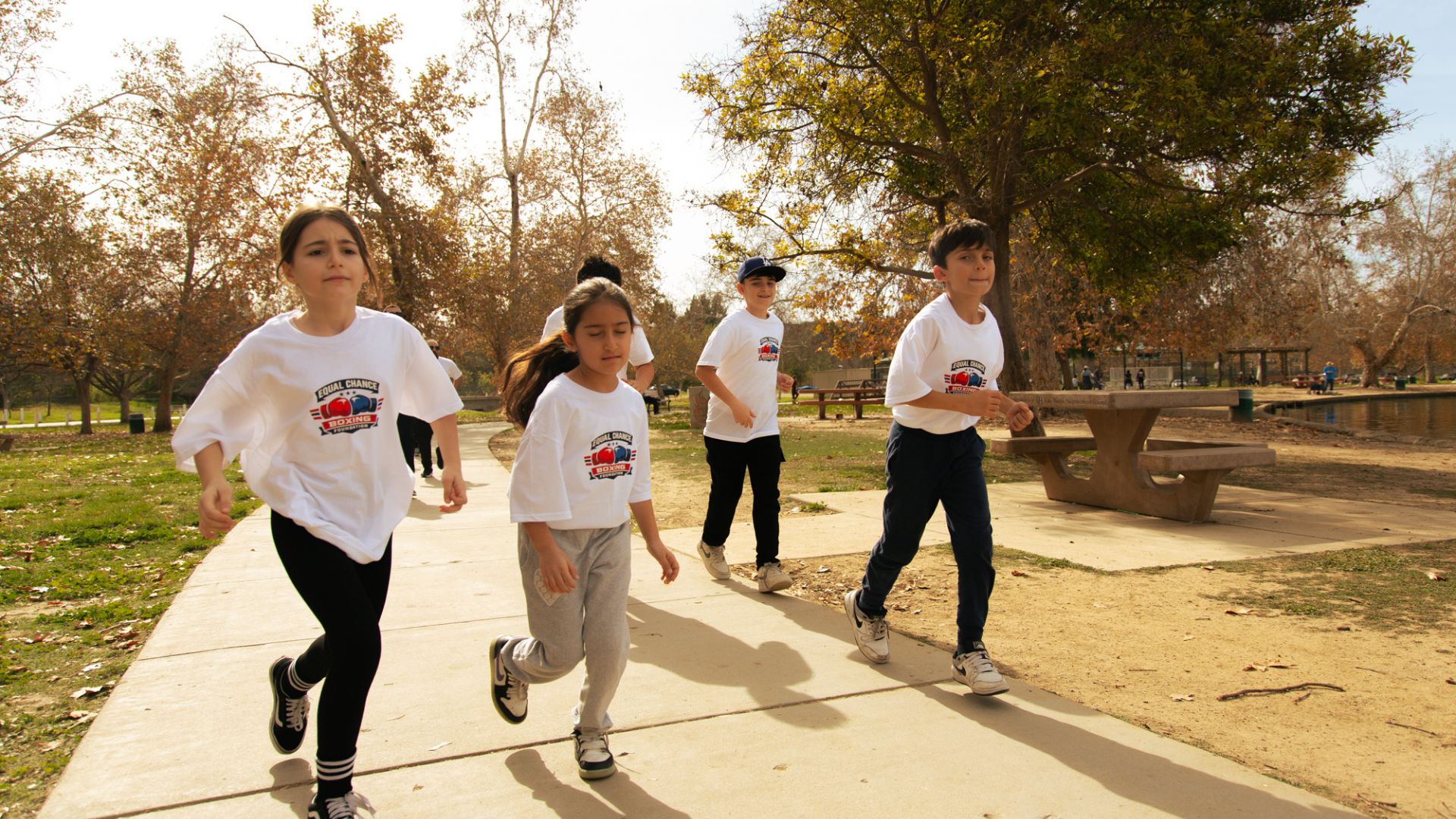
Step Into the Ring. Let’s Build Our Community Together.
For Parents
If you are weighing whether structured training and mentorship could be valuable for your teenager, know that the value is rarely immediate or dramatic. It tends to show up gradually, in a young person who arrives more consistently, handles frustration a little better, and has somewhere steady to put their energy each week.
ENROLL IN OUR YOUTH BOXING PROGRAM TODAY
For Supporters
Your donation does not fund a single moment. It helps fund a structure that stays standing week after week — consistent coaching, safe training space, and mentorship that gives a young person somewhere to belong and something to work toward.
DONATE TO THE EQUAL CHANCE BOXING FOUNDATION
For Community Partners
Local businesses and organizations that invest in youth programming are investing in the long-term stability of the neighborhoods they operate in. That kind of partnership pays off in ways that outlast any single season.
LEARN ABOUT CORPORATE SPONSORSHIP
Frequently Asked Questions
What Donors and Partners Ask About Funding Prevention-Focused Youth Programs
Because the underlying value goes beyond the sport itself. Consistent structure, mentorship, and a safe place to spend time reduce the number of unsupervised, unstructured hours in a teenager’s week. That reduction is protective over time, even though it is difficult to measure in a single moment. Calling it prevention reflects what the funding actually supports: the ongoing conditions that make positive outcomes more likely, not a one-time service.
Prevention rarely produces a single dramatic moment to point to, but it does produce observable signs over time: consistent attendance, young people returning season after season, and gradual growth in how they handle structure and setbacks. Equal Chance Boxing Foundation is honest about the limits of what can be measured, while remaining confident that structure, mentorship, and consistency are well-established protective factors during adolescence.
Prevention works on a long timeline. A young person’s growth happens gradually across months and years, not in a single season. Ongoing support allows the program to plan further ahead, retain experienced coaches, and maintain stability for families instead of rebuilding its funding base from scratch on a regular basis. Both one-time and recurring gifts matter, but recurring support is what makes long-term stability possible.
It means the partnership goes beyond visibility or goodwill. Businesses that fund this kind of program are supporting the long-term stability of the neighborhoods where they operate, which benefits the same community of employees, customers, and neighbors the business depends on. It is a form of community investment that tends to build more durable, meaningful partnerships than sponsorship based on recognition alone.