

When someone donates to a free youth boxing program, it is easy to picture the gift in fairly narrow terms: a pair of gloves, maybe a bag, perhaps a new set of hand wraps for a child who has never had gear of their own. That mental picture is not wrong, exactly, but it is incomplete in a way that matters. A donation to a program like Equal Chance Boxing Foundation is not really funding equipment. It is funding a system, one built from dozens of ordinary, unglamorous costs that have to be covered every single week so that a teenager can walk through the door, put on gloves, and trust that the same coach, the same space, and the same structure will be there the next time they come back.
Understanding what a donation actually supports changes the way it feels to give one. It stops being an abstract act of generosity and becomes something closer to what it really is: a direct investment in the specific, practical infrastructure that keeps a young person’s week stable, safe, and worth showing up for.
It Starts With Keeping the Doors Open to Every Family
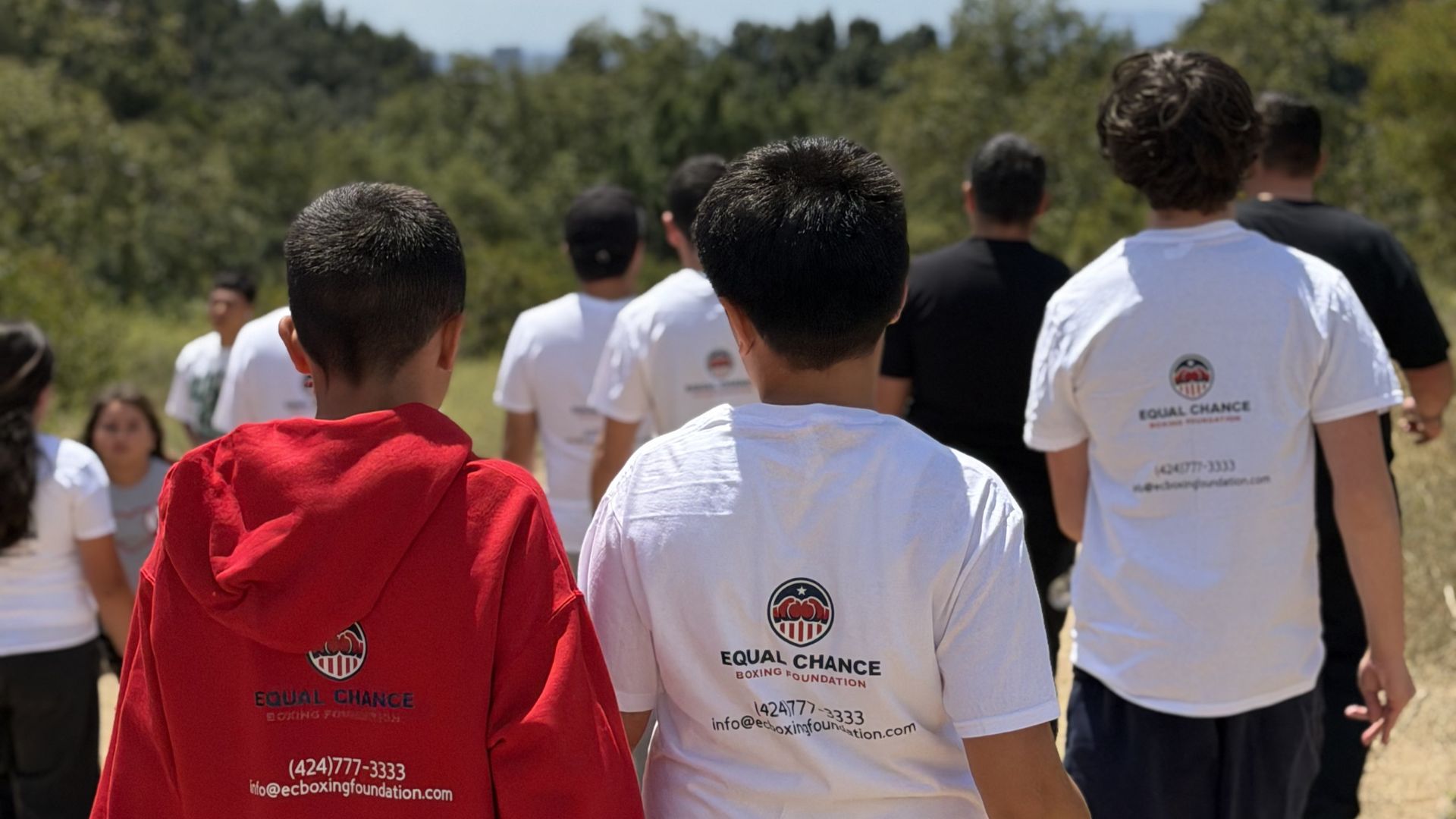
The most basic thing a donation supports is the simple fact that the program costs nothing for the families who use it. That sounds straightforward, but it represents a real and continuous financial commitment. Every session a child attends without paying a fee is a session someone else has already paid for, quietly, in advance, without their name attached to it. A donor’s gift is what makes it possible for a family’s income to have no bearing on whether their child gets to train, learn, and belong somewhere.
This matters because cost is one of the most common reasons young people never get the chance to try a structured sport in the first place. A family juggling rent, transportation, and everyday expenses cannot always absorb a monthly membership fee, even a modest one, on top of everything else. When a donation removes that fee entirely, it does not just save a family money. It removes a decision point where a child’s opportunity would otherwise depend on circumstances they did not choose. The Youth Boxing Program exists specifically because that barrier should not be the reason a young person misses out.
Coaching Is Not Volunteer Hours — It Is a Skill That Has to Be Paid For
A common misconception about nonprofit youth programs is that the coaching happens more or less for free, as a kind of community goodwill. In reality, effective youth coaching is a skill that takes years to develop, and the people who do it well deserve to be compensated for their time the same way any other skilled professional would be. A coach who can teach proper technique while also managing group dynamics, reading a teenager’s mood, redirecting disrespectful behavior, and building the kind of trust that keeps a young person coming back is providing something far more valuable than a workout plan.
Donations are what make it possible to bring in coaches with real training and real accountability, rather than relying entirely on whoever happens to be willing to show up unpaid. That distinction affects everything else that happens in the gym. A coach who is fairly compensated for their time can commit to a consistent schedule, invest in their own ongoing training, and treat the role as a genuine responsibility rather than an occasional favor. Consistency in coaching is one of the clearest things a donation buys, even though it rarely gets mentioned in a fundraising appeal.
This is also why Community Training is structured around a coaching staff rather than a rotating cast of volunteers. Young people, especially those who have experienced inconsistency from adults elsewhere in their lives, respond to coaches who are there because it is their job to be there, reliably, week after week.
[ecbf_donate_banner_1]
The Space Itself Costs Money Long Before a Session Begins

A training space does not become available by itself. Whether a session happens in a rented gym, a community facility, or an outdoor training area, there is a cost attached to securing that space, keeping it clean, keeping it safe, and making sure it is available at the same time every week. Insurance alone is a significant and often invisible expense. Any program that brings young people together for physical activity has to carry liability coverage that protects both the participants and the organization, and that coverage is not optional or inexpensive.
Utilities, basic maintenance, and the simple wear and tear of a space being used multiple times a week all add up as well. None of this is the kind of cost that shows up in a photo from a training session, but all of it has to be paid before that session can happen safely at all. A donation that seems to be funding “a place to train” is, more specifically, funding the insurance policy, the facility agreement, and the ongoing upkeep that make that place usable and safe in the first place.
Equipment Wears Out Faster Than People Expect
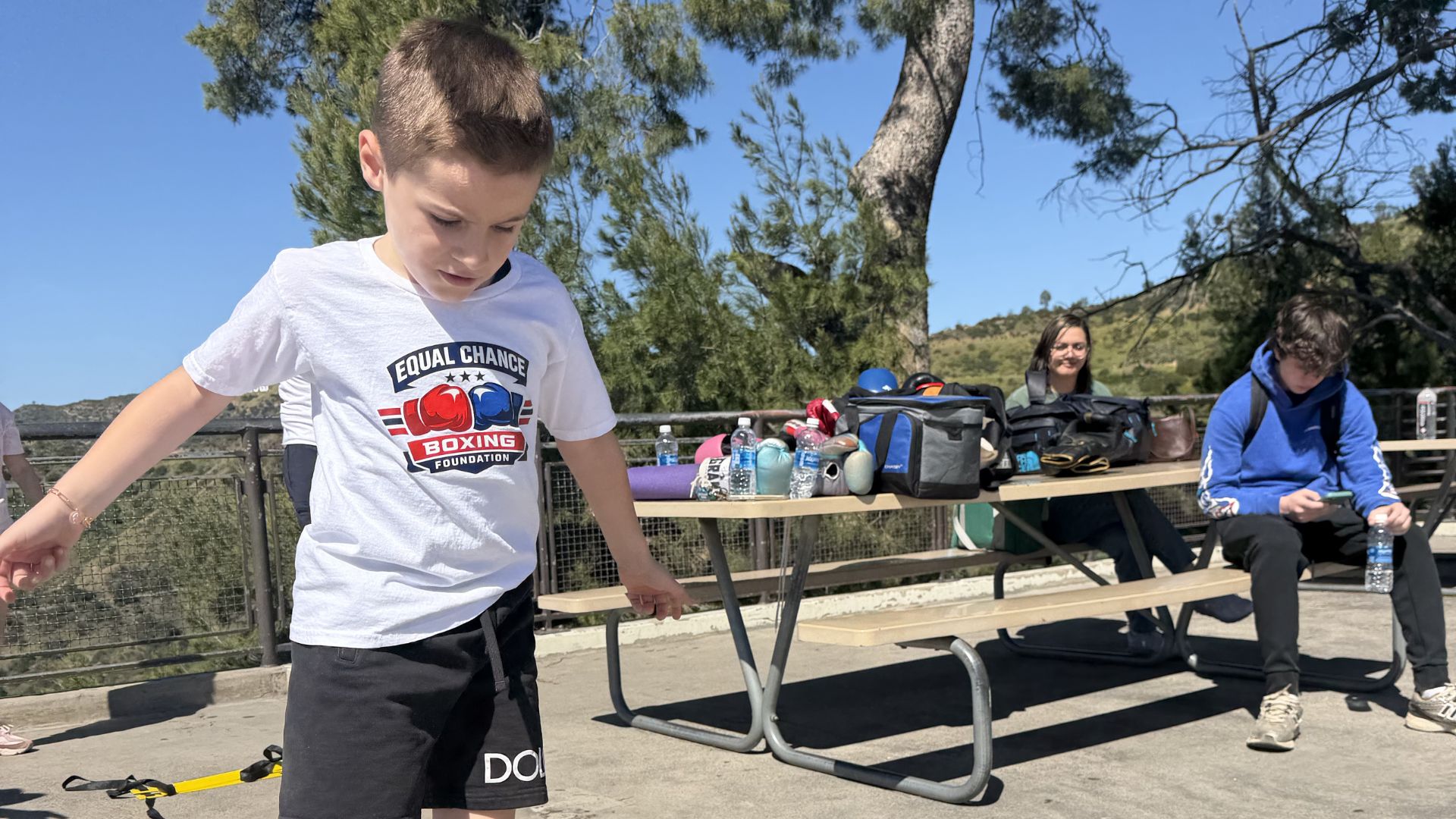
Boxing equipment takes a beating. Gloves lose their padding, wraps fray, bags develop weak seams, and mitts absorb thousands of strikes before they need to be replaced. A program serving a steady group of young people, many of whom are training multiple times a week, goes through equipment at a pace that would surprise most people who have never had to manage a gym’s inventory. Replacing worn gear is not a one-time purchase. It is an ongoing, recurring cost that has to be planned for continuously.
Donations fund that replacement cycle so that a teenager is never handed a pair of gloves that are falling apart, and so that safety equipment like headgear and mouthguards can be replaced before they wear out rather than after. This matters for more than comfort. Equipment that is properly maintained is equipment that actually does its job of protecting a young athlete during training. A donor who funds new gear is directly funding the physical safety of the young people using it, even if that connection is not always obvious from the outside.
What Donations Fund That Nobody Thinks to Ask About
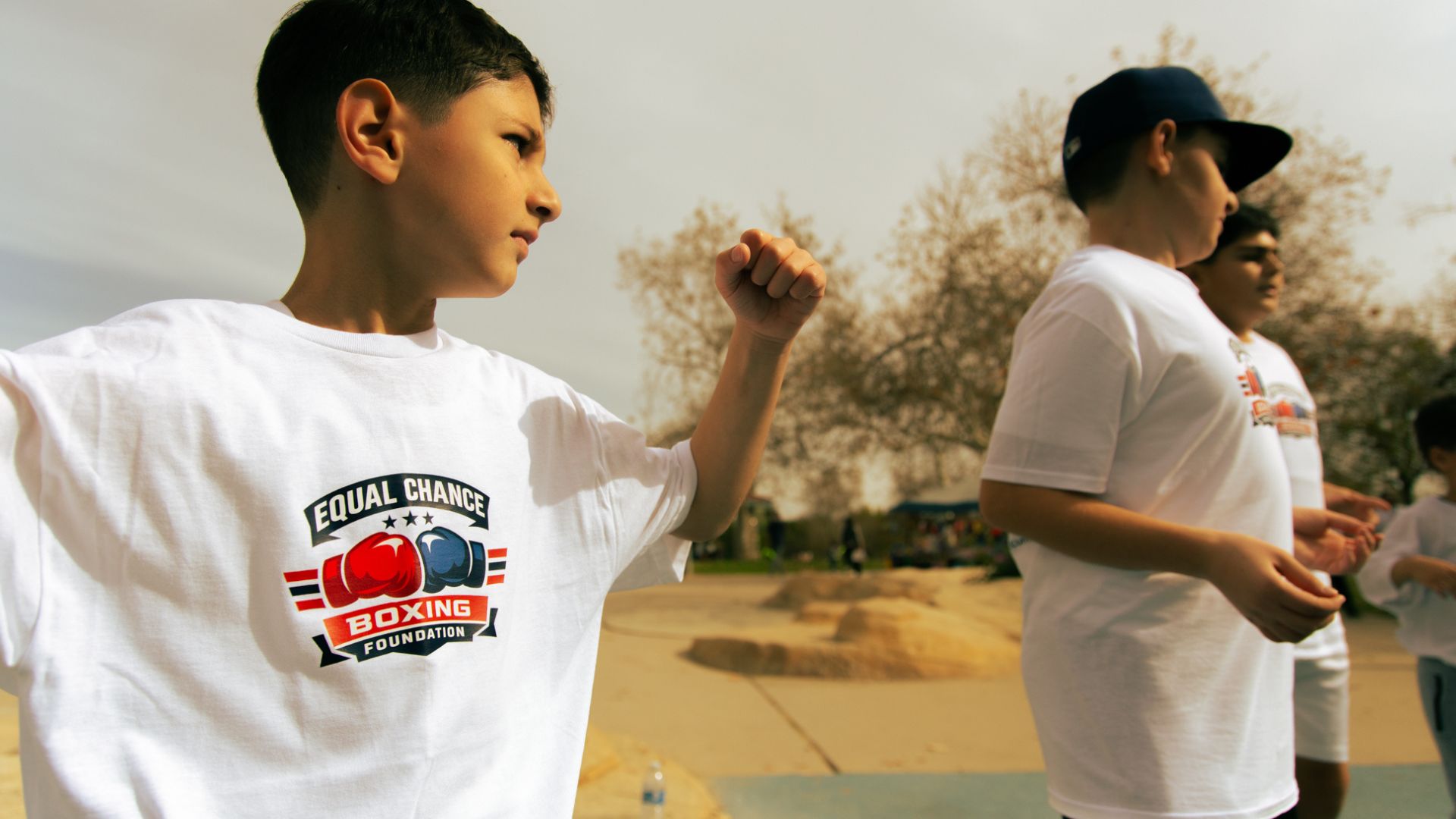
Some of the most important things a donation supports are the ones that rarely make it into a conversation about giving. Transportation is one example. Not every family has a reliable way to get their child to and from the gym, and a program that wants to be genuinely accessible has to think seriously about how young people without transportation are going to participate at all. Administrative work is another. Someone has to track attendance, communicate with families, manage scheduling, and handle the countless small logistical details that keep a program running smoothly, and that work takes real time from real people.
Mentorship time, specifically, is one of the least visible costs and one of the most valuable. A coach who stays fifteen minutes after a session to talk with a teenager about a rough week at school is not doing something that shows up on an equipment list, but that conversation may matter more than almost anything else that happens at the gym. Donations fund the ability for coaches and staff to have that kind of time built into their role rather than squeezed in as an afterthought. Programs like the Summer & Afterschool Mentorship Camp depend heavily on this kind of unglamorous, hard-to-quantify support, because mentorship cannot happen on a rushed schedule.
[ecbf_donate_banner_4]
The Difference Between a One-Time Gift and Ongoing Support
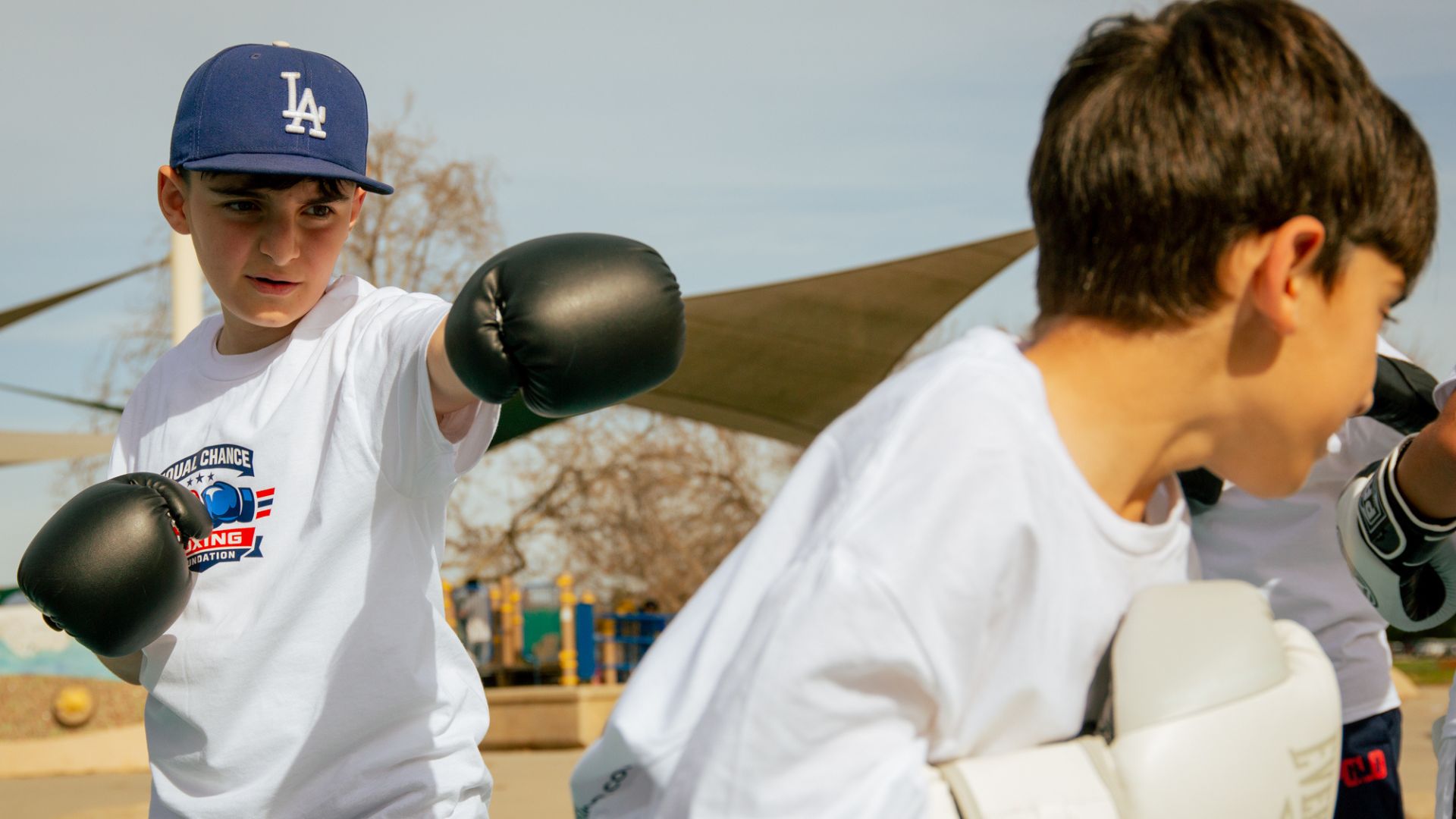
Every donation matters, but there is a meaningful difference between a single gift and a sustained commitment. A one-time donation can cover a specific, immediate need: a batch of new gloves, a season’s worth of insurance, a particular event. Ongoing support does something different. It allows the program to plan ahead with some confidence, to commit to a coach’s salary for the full year rather than one semester at a time, to sign a facility agreement without wondering whether the funding to honor it will still be there in six months.
That planning stability directly affects the young people in the program, even though they never see the budget spreadsheet. A program that can plan a full year ahead can promise a stable schedule, retain the same coaches, and avoid the kind of sudden disruption that would otherwise force a teenager’s one dependable weekly routine to change without warning. Recurring donors and long-term corporate sponsors are, in a very real sense, funding the predictability that makes the entire program trustworthy to the families who rely on it.
What a Donor Actually Sees Over Time
Donors who stay connected to a program over months and years tend to notice something specific: the effects of their giving rarely show up as a single dramatic before-and-after moment. Instead, they show up as steadiness. The same coaches remain in place season after season. The equipment stays in good condition instead of visibly deteriorating. The schedule does not collapse the first time a facility cost increases or a piece of equipment breaks unexpectedly. None of this is exciting in the way a single success story might be, but it is exactly what sustained donations make possible, and it is the foundation everything else is built on.
This is part of why Champions of Hope exists as a way to share honest accounts of what steady support has made possible over time, rather than relying only on single moments captured for a fundraising campaign. The real story of a donation is usually told in consistency, not in a single highlight, and that consistency is only visible to someone who is paying attention across an extended period rather than a single event.
Why This Matters More Than the Dollar Amount
It can be tempting to think of a donation’s value purely in terms of its size, but the more accurate way to think about it is in terms of what it makes possible that would not otherwise exist. A modest, recurring donation that helps cover a coach’s ongoing hours may do more for a program’s long-term stability than a larger one-time gift that gets spent quickly and cannot be relied on again. What matters most is not the size of any single contribution but the reliability of the support behind the program as a whole, because reliability is what allows coaches to plan, equipment to stay in good condition, and young people to keep returning to something that does not disappear.
Every dollar donated to Equal Chance Boxing Foundation moves through this same system: it becomes part of a coach’s paycheck, a facility’s insurance premium, a replacement pair of gloves, a mentor’s extra fifteen minutes after practice, or the gas money that gets a child to the gym in the first place. None of it is abstract. All of it is the quiet infrastructure that has to exist before a single session can happen, and all of it is what makes it possible for a young person to walk through the door and know, without having to think about it, that this place will still be here next week.
Step Into the Ring. Let’s Build Our Community Together.
For Parents
Every session your child attends is made possible by people who chose to invest in coaching, safety, and consistency long before your family ever walked through the door.
ENROLL IN OUR YOUTH BOXING PROGRAM TODAY
For Supporters
Your donation does not fund an abstract mission. It funds a coach’s salary, a facility’s insurance, a replacement pair of gloves, and the mentorship time that turns a training session into something young people trust.
DONATE TO THE EQUAL CHANCE BOXING FOUNDATION
For Community Partners
Businesses and organizations that commit to ongoing partnership help fund the exact infrastructure described here — coaching, space, equipment, and mentorship — that keeps this program dependable for families.
LEARN ABOUT CORPORATE SPONSORSHIP
Frequently Asked Questions
What Donors Ask About Where Their Support Actually Goes
Donations support the full system behind the program, including coaching compensation, facility costs and insurance, equipment replacement, transportation support, and mentorship time — not any single category on its own.
Recurring donations of any size are especially valuable because they allow the program to plan ahead, commit to coaching schedules, and maintain consistency for families — often more useful than a single larger gift that cannot be relied on again.
Coaches are skilled professionals whose time and expertise deserve fair compensation. Paying coaches fairly allows the program to retain experienced staff and maintain the consistency that families and young people depend on.
The clearest impact of sustained giving is stability — the same coaches remaining in place, well-maintained equipment, and a schedule that does not disrupt families. Stories of that long-term impact are shared through Champions of Hope.