
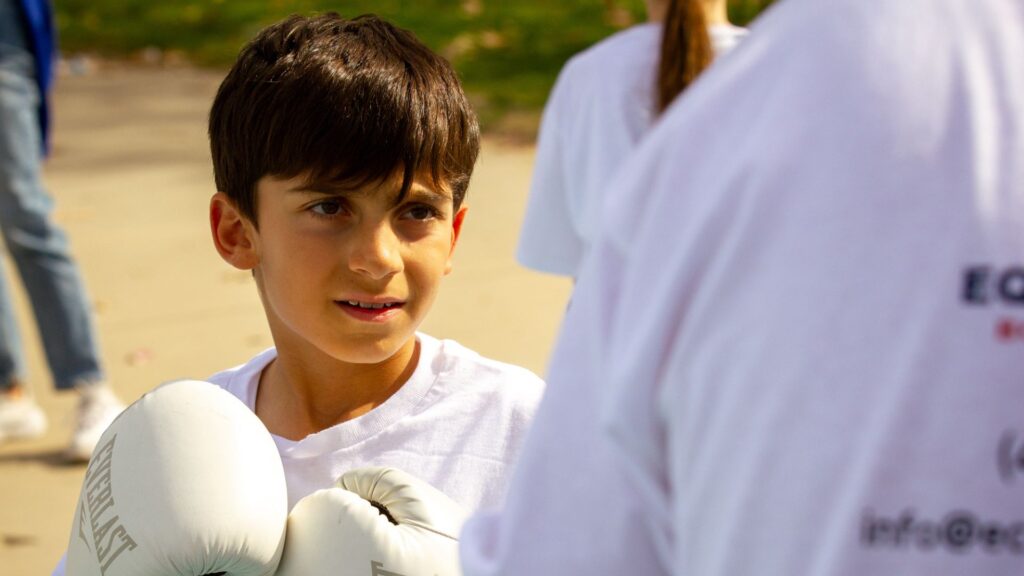
A youth boxing session may look simple from the outside. Young athletes arrive, wrap their hands, warm up, practice movement, work with bags or mitts, complete conditioning, and leave tired. Yet a responsible youth program is doing much more than organizing exercise. Every part of the session can become an opportunity to teach preparation, self-control, respect, persistence, and trust. What begins as one hour of physical activity can gradually become part of a wider support system around a child or teenager.
Equal Chance Boxing Foundation approaches youth boxing as more than a sequence of drills. Training provides the structure, but the people and relationships surrounding it give that structure meaning. A coach notices when a participant becomes discouraged. A mentor reinforces the importance of showing up after a difficult day. A parent helps the young athlete return consistently. Volunteers and supporters help maintain the environment where these relationships can continue. The session becomes a point of connection between the child, the family, the program, and the wider community.
The Support System Begins Before Training Starts
A meaningful training session begins before the first bell, drill, or instruction. Coaches prepare the space, check equipment, organize the plan, and consider the needs of the group. Families coordinate transportation, clothing, school responsibilities, meals, and arrival time. Young participants begin learning that preparation is part of participation.
These routines may appear ordinary, but they create stability. A child who knows where to go, what to bring, and who will be waiting has fewer uncertainties to manage. A teenager who has struggled with motivation may still resist leaving home, but a regular schedule gives the family something dependable to return to. The decision no longer has to be recreated every week.
Preparation also gives young people an opportunity to practice responsibility. At first, a parent may pack the training bag and remind the child about water. Over time, the young athlete can take over more of that process. Remembering equipment, arriving on time, and preparing mentally for training become small but meaningful acts of independence.
A support system is not created by doing everything for a young person. It is created by providing enough guidance for the young person to begin doing more for themselves. Coaches and families support the routine while gradually transferring responsibility to the participant.
The First Welcome Can Change How a Child Sees the Program
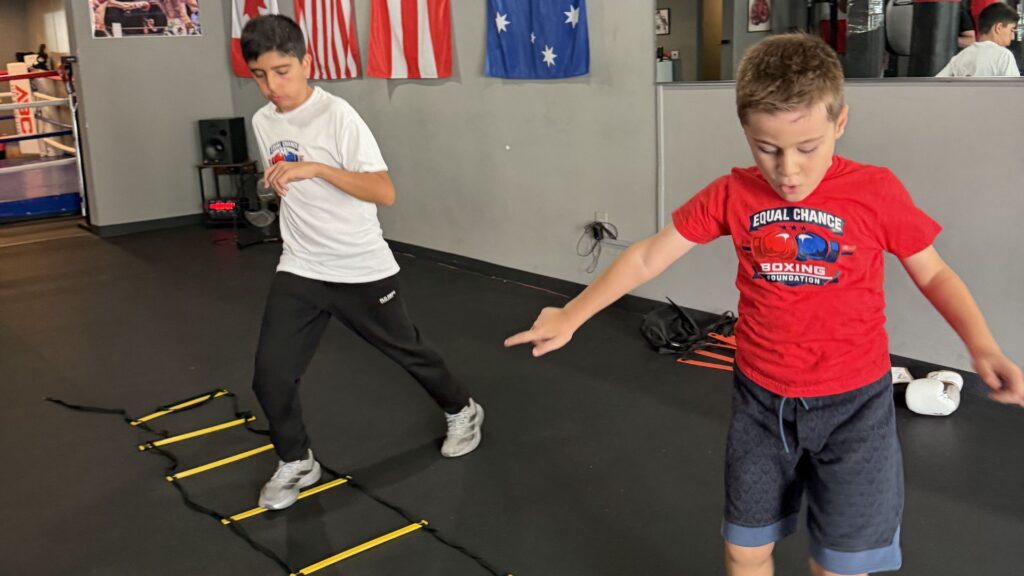
Walking into a boxing environment for the first time can be intimidating. A beginner may see experienced athletes moving quickly, hear the sound of gloves striking bags, and wonder whether everyone else already knows what to do. Some children admit that they are nervous. Others hide uncertainty behind silence, jokes, refusal, or an attitude suggesting they are not interested.
A safe welcome can prevent that nervousness from becoming a reason to leave. Coaches can explain the layout of the space, introduce the basic rules, and give the beginner one manageable task. The child does not need to prove toughness or athletic ability. The first goal is to enter, listen, and begin.
This moment is where training first becomes support. Instead of shaming the child for being uncertain, the program gives them direction. Instead of demanding immediate confidence, the coach creates conditions where confidence can develop. The young participant is shown that being inexperienced does not mean being unwelcome.
Through the Youth Boxing Program, young people can enter a structured environment where safety, instruction, and mentorship are connected. Progress does not begin with competition. It begins with learning how to stand, listen, move, and try again.
Warm-Up Creates More Than Physical Readiness
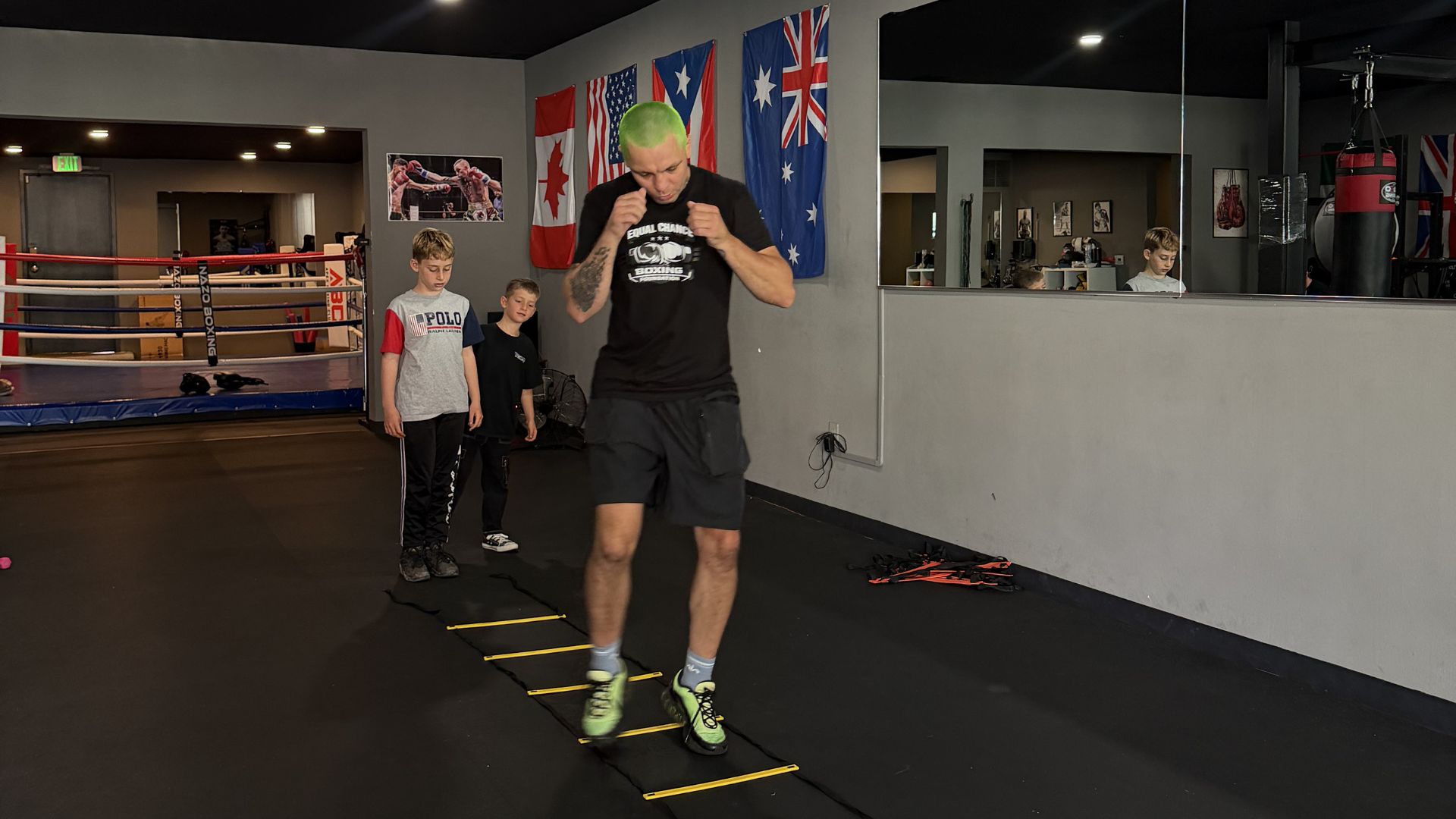
The warm-up prepares muscles, joints, breathing, and attention, but it also establishes the culture of the session. Young athletes learn that training begins with preparation rather than immediate intensity. They are asked to follow a sequence, respect personal space, listen for instructions, and move with control.
For some children, the warm-up may be the first challenge. Jumping rope, coordinating footwork, or maintaining steady movement can feel difficult. A young person who becomes frustrated quickly may want to stop. A teenager who compares themselves to more experienced participants may feel embarrassed.
The coach’s response matters. A mentorship-based coach does not pretend the difficulty is unimportant, but also does not turn it into a judgment of the student’s character. The participant may be encouraged to slow down, simplify the movement, and complete the next small step. The lesson becomes, “You are struggling, but you are still capable of continuing.”
These repeated experiences help young people understand that discomfort is not always danger and difficulty is not always failure. They learn how to remain present, receive guidance, and continue working without losing control.
Technical Instruction Gives Young People Clear Problems to Solve
Many children and teenagers hear general advice throughout the day: focus more, be responsible, control your emotions, or stop giving up. These messages may be well intended, but they can feel too broad to act on. Boxing instruction turns similar lessons into specific tasks.
A coach can say, “Keep your hands up,” “Slow the movement,” “Reset your feet,” or “Breathe before the next combination.” The young athlete immediately understands what needs to change. They can attempt the correction and feel the result.
This specificity is important for young people who have begun to view themselves through negative labels. A student may believe they are clumsy, lazy, or unable to focus. Training offers another interpretation. The problem is not the entire person. The problem may be one movement, one decision, or one moment of attention that can be corrected.
When a child completes the movement more successfully, they experience the connection between listening and improvement. Confidence grows from evidence rather than empty praise. The participant learns, “I made a mistake, I received help, and I improved.”
[ecbf_donate_banner_1]
Coaches Turn Correction Into Mentorship
A coach becomes a mentor not by giving constant speeches, but by remaining consistent in ordinary moments. Mentorship appears when an adult notices effort, corrects unsafe behavior, recognizes progress, and continues supporting the young person after a difficult session.
Young athletes watch how coaches respond under pressure. They notice whether rules are applied fairly, whether talented participants are allowed to ignore standards, and whether beginners receive meaningful attention. The adults in the room teach through behavior as much as through instruction.
A coach can be firm without humiliating a child. A student who stops listening may be required to repeat the drill. A participant who uses equipment carelessly should be corrected. A teenager who disrespects another person should be expected to take responsibility. These consequences become supportive when they are connected to learning and followed by another opportunity to do better.
Professional boxer can help young participants understand that progress requires routine, patience, respect for coaching, and recovery after setbacks. The lesson is not that every young person should pursue professional boxing. The lesson is that meaningful development rarely comes from one emotional promise. It comes from returning, practicing, and accepting correction.
Boxing Teaches That Power Requires Control
Young people may enter a boxing program expecting that strength and aggression will be the most important qualities. Responsible training quickly shows them something different. Balance, timing, patience, defense, and emotional control determine whether movement is effective.
A frustrated participant may swing harder but lose technique. A student who rushes may forget balance or stop listening. The coach can use these moments to demonstrate that uncontrolled energy does not create better performance. The young athlete begins to experience self-control as a practical advantage rather than an abstract rule.
This lesson matters outside the gym. Youth boxing should never encourage children to use physical skills during ordinary conflicts. The program must clearly teach that boxing belongs inside supervised training with rules and boundaries. Strength creates responsibility, not permission to intimidate others.
For teenagers carrying anger, restlessness, or pressure, physical training can provide a healthier direction for energy. The goal is not to release emotion without limits. The goal is to recognize emotion, remain within the structure, and continue making controlled decisions.
Training Partners Become Part of the Support System
Boxing may appear individual, but young athletes train around other people. They share equipment, follow the same instructions, practice in the same space, and influence the emotional atmosphere of the group. Participants gradually learn that their behavior affects everyone.
An experienced student can make a beginner feel welcome by demonstrating patience and respect. A teenager can help protect the culture by following instructions and refusing to mock someone who is struggling. A young participant who once needed encouragement may eventually be able to encourage someone else.
These interactions help children move from simply receiving support to contributing to the community. They begin to understand that belonging includes responsibility. The program supports them, but they also have a role in protecting the experience of others.
A strong youth program does not allow talented athletes to dominate or intimidate beginners. Skill should increase responsibility. Experienced participants should understand that how they treat others matters as much as how they perform.
Small Wins Create a Stronger Sense of Identity
A support system helps young people notice progress that might otherwise be ignored. The most meaningful improvement may not be winning a competition or completing an advanced combination. It may be arriving on time, staying focused for an entire drill, returning after wanting to quit, or accepting correction without becoming defensive.
These small wins give the participant a different story about themselves. A child who believed they always gave up now has evidence that they finished something difficult. A teenager who felt unable to learn discovers that repetition can produce improvement. A young person who expected to be judged finds adults who correct them without rejecting them.
Confidence built this way is quieter and more durable. It does not depend on constant praise or being the strongest person in the room. It grows from the repeated experience of facing a challenge, receiving support, and making progress.
The program does not need to promise an overnight transformation. Development is gradual. Some weeks will feel successful, while others will include frustration and setbacks. The support system remains valuable because it gives the young person a place to return.
The Session Gives Families Another Source of Support
Parents often carry concerns that are difficult to solve through conversation alone. They may worry about screen time, isolation, inconsistent routines, anger, school performance, or the influence of negative peers. Repeated lectures can create more tension without changing behavior.
A structured boxing session gives families another form of support. The parent is no longer the only adult reinforcing punctuality, effort, respect, and responsibility. A coach communicates similar values through action and immediate feedback. The teenager experiences the lesson in a different environment.
This does not mean the coach replaces the parent. The strongest relationship is one in which families and mentors understand their different roles. Parents support attendance and preparation. Coaches lead training and provide appropriate correction. Both sides communicate when important concerns arise.
Families may also begin noticing changes outside the gym. The young athlete prepares equipment with fewer reminders, speaks more confidently, or becomes more willing to accept responsibility. These changes should not be exaggerated, but they can show that the structure of training is beginning to influence the wider routine.
Afterschool Structure Can Protect Vulnerable Hours
The hours after school can be difficult for families. The structure of the school day has ended, parents may still be working, and teenagers can be mentally tired but physically restless. Without a clear plan, several hours may disappear into passive screen time, irregular sleep, unfinished responsibilities, or unhealthy social situations.
A regular training session gives those hours direction. The young person has somewhere to be, an adult expecting them, and a task that requires participation. The routine also creates practical responsibilities around transportation, clothing, food, and time management.
The foundation’s Summer and Afterschool Mentorship Camp reflects the importance of supporting young people beyond one isolated workout. Repeated structure gives teenagers more opportunities to practice consistency and build relationships with responsible adults.
The value is not simply that young people are kept busy. Meaningful programs combine activity with expectations, mentorship, and belonging. Time receives a purpose, and the participant becomes part of a community that notices whether they arrive.
Volunteers Help Turn the Session Into a Complete Program
A training session depends on work that may not be visible to young participants. Equipment must be prepared, spaces need to remain organized, schedules must be communicated, and families may need help understanding where to go or what to bring.
Volunteers support these practical responsibilities. They may help with events, equipment, registration, food, outreach, or communication. Their contribution allows coaches to focus more fully on supervision and instruction.
Volunteers also model community responsibility. Young people see adults contributing time and effort without needing to be the center of attention. They learn that supporting others can take many forms and that a person does not need to be a professional athlete to strengthen the program.
Through Community Training, the foundation can extend structured activity and mentorship beyond one regular group. Coaches, volunteers, families, and local partners help create a larger network around young people.
[ecbf_donate_banner_4]
Donors and Sponsors Make Consistency Possible
Mentorship depends on consistency, and consistency requires resources. Training space, coaching, equipment, supervision, insurance, outreach, and program organization all have costs. When families are not asked to carry the full burden, supporters help keep the opportunity accessible.
People who donate to Equal Chance Boxing Foundation are not simply purchasing gloves or funding one hour of exercise. They are helping maintain the system around the session. Their support helps ensure that a coach can return, equipment remains available, and young people have repeated opportunities to participate.
Corporate partners also strengthen youth development through sponsorship opportunities. Meaningful sponsorship connects businesses with the practical needs of families and community programs. It helps transform concern for young people into stable opportunities.
The impact may appear in ordinary moments. A child uses equipment their family could not afford. A teenager returns to the same coach week after week. A community event reaches families who had not known the program existed. These moments become possible because supporters help sustain the environment.
Community Events Help Relationships Grow Beyond the Gym
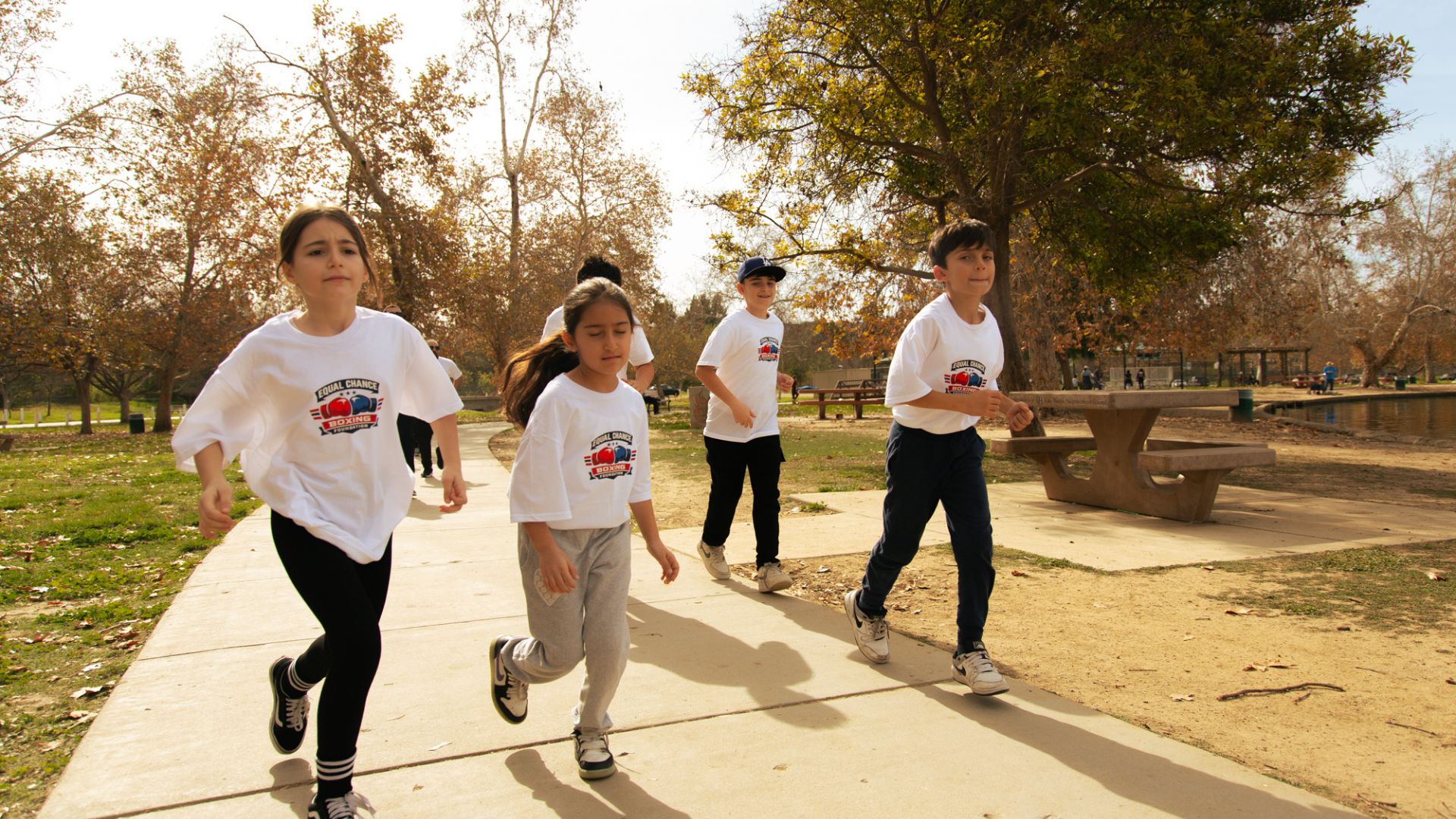
A support system becomes stronger when young people and families can connect with the program in different settings. Community events, open training opportunities, service activities, and outreach can introduce the foundation to families who may feel uncertain about entering a formal sports program.
A child may first meet a coach during a community event and later feel more comfortable attending training. A parent may observe how adults interact with young people before deciding whether the environment is right for their family. Trust can begin through one respectful interaction and grow through continued participation.
Community activities also help young athletes understand that boxing is connected to something larger than individual performance. The discipline practiced during training can be used to support others, participate responsibly, and contribute to shared activities.
Stories shared through Champions of Hope reflect the importance of people who choose to stand beside young participants. Coaches, families, volunteers, donors, and local partners each contribute something different to the support system.
Recovery and Reflection Extend the Session
The support system does not end when the workout stops. Young athletes still need hydration, food, rest, clean equipment, and time to process the experience. Families can help children understand that recovery is part of training rather than a reward for performing well.
The conversation after the session can also influence what the young person learns. Immediate questions about whether they were the best, strongest, or fastest can make training feel like another evaluation. Questions about what they practiced, what felt difficult, or what correction helped may encourage more honest reflection.
Parents do not need to solve every frustration. Sometimes the most useful response is to listen and help the child identify the next step. The young athlete may need more practice, better preparation, or a conversation with the coach.
Reflection turns experience into learning. A participant begins connecting choices with outcomes. Better sleep may improve concentration. Arriving early may reduce anxiety. Listening more carefully may make a difficult drill easier. These observations help young people take greater ownership of the process.
The Program Supports Growth Without Making Medical Promises
Structured youth boxing can support routine, physical activity, confidence, connection, and emotional regulation. A dependable training environment may help a young person feel more grounded and provide a positive place to direct energy.
However, boxing is not a substitute for professional medical or mental health care when that care is needed. A responsible program should never claim that sports cure anxiety, depression, ADHD, trauma, or behavioral disorders.
Coaches and mentors can notice changes, listen appropriately, communicate concerns to families, and provide structure within the program. They should also understand the limits of their role. When a child experiences serious emotional distress, major behavioral changes, self-harm concerns, or an immediate safety issue, qualified professional support may be necessary.
A healthy support system can include parents, teachers, coaches, medical professionals, mental health professionals, volunteers, and community organizations. The strength of the system comes from each person understanding what they can provide responsibly.
One Session Becomes Meaningful Because It Is Connected to the Next
A single training session can offer movement, encouragement, and a positive experience. A support system develops when that session is connected to another one. The young athlete returns to the same standards, the same relationships, and another opportunity to improve.
Consistency allows trust to grow. The teenager learns that the coach will still be present after a difficult day. The parent sees that their child is being challenged without being humiliated. The beginner understands that mistakes do not remove their place in the group.
This repeated structure is what turns training into something larger. The physical activity matters, but it becomes more powerful when surrounded by mentorship, family support, community involvement, and accessible opportunities.
Equal Chance Boxing Foundation does not turn a training session into a support system through one speech or one event. It happens through people consistently preparing the space, guiding young athletes, communicating with families, supporting access, and returning to the work. The session becomes the center of a network in which young people are expected to grow but are not expected to do it alone.
Step Into the Ring. Let’s Build Our Community Together.
For Parents: Give Your Child More Than a Workout
Young people need safe physical activity, but they also need dependable mentors, clear expectations, and a community that continues supporting them through both progress and difficult days.
ENROLL IN OUR YOUTH BOXING PROGRAM TODAY
For Supporters: Help Keep the Entire Support System Accessible
Your contribution helps provide coaching, equipment, safe training space, community outreach, and the consistency required for mentorship to grow.
DONATE TO THE EQUAL CHANCE BOXING FOUNDATION
For Community Partners: Extend Support Beyond the Training Floor
Businesses, organizations, and local leaders can help expand access to structured youth sports, afterschool mentorship, and community-based opportunities throughout Los Angeles.
LEARN ABOUT CORPORATE SPONSORSHIP
Questions About the Support System?
How one training session becomes something larger.
A structured session gives young people opportunities to practice preparation, listening, emotional control, responsibility, and recovery after mistakes. When these lessons are reinforced by dependable coaches, families, volunteers, and repeated attendance, the physical activity becomes part of a wider system of mentorship and community support.
A youth coach establishes standards, protects safety, notices effort, corrects behavior, and helps participants respond to challenges. Mentorship develops when coaches remain consistent, treat young people with dignity, and continue offering guidance after difficult sessions. The coach does not replace the parent or a professional counselor, but becomes one dependable adult within the child’s support network.
Families make consistent participation possible by supporting transportation, preparation, recovery, communication, and attendance. They can reinforce the routine without becoming the child’s technical coach. When families and program mentors respect one another’s roles, the young athlete receives clearer and more dependable guidance.
Supporters help sustain coaching, supervision, safe training space, outreach, program organization, events, and accessible opportunities for families. Equipment is one visible part of the program, but mentorship requires a dependable system that allows young people to return and build trust over time.