

Many young people do not wake up one morning and suddenly make a bad decision. Trouble usually has a beginning long before adults see the result. It may begin with boredom after school, too much time without structure, anger that has nowhere healthy to go, a growing distance from family, or the quiet belief that nobody expects anything better from them. By the time a teenager is labeled as “difficult,” “lost,” or “at risk,” the warning signs may have been present for months or even years.
This is why youth mentorship in LA County matters so much. Mentorship can reach a young person before the situation becomes a crisis. It can create a relationship before a teen fully shuts down. It can give structure before negative influences become the strongest voice in a child’s life. When mentorship is connected to sports, it becomes even more practical because the lesson is not only spoken. It is practiced through movement, repetition, correction, effort, and trust.
At Equal Chance Boxing Foundation, boxing is used as a doorway into mentorship. The sport gives young people a reason to walk into the room, but the deeper work is not only about gloves, footwork, or conditioning. The deeper work is helping teens build discipline, confidence, self-control, and connection before life pushes them toward choices that are harder to undo.
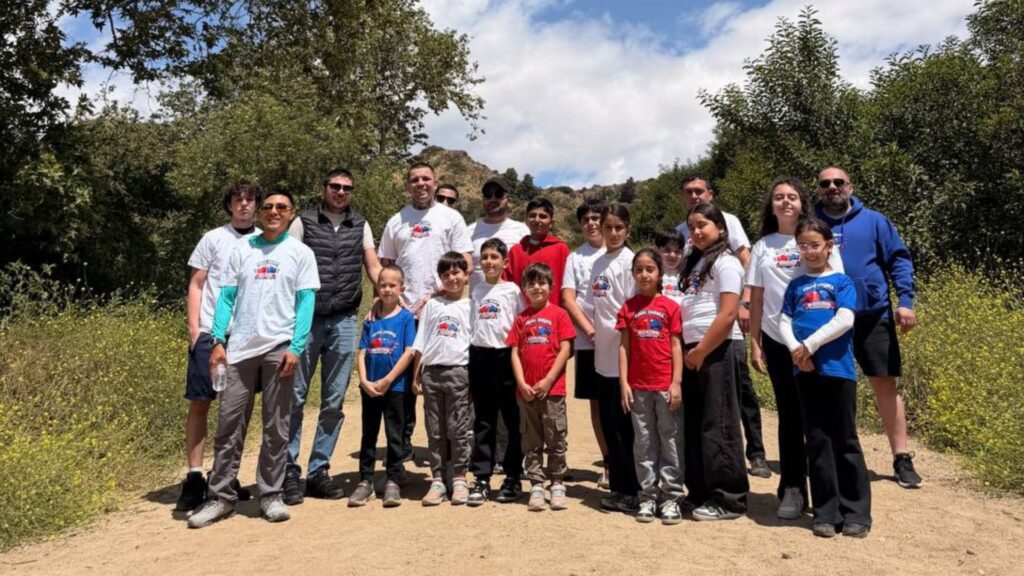
The Best Time to Support a Teen Is Before the Crisis
Communities often respond to young people after something has already gone wrong. A teenager gets suspended, starts failing classes, gets involved with the wrong crowd, becomes aggressive at home, or disconnects emotionally, and only then do adults begin searching for help. That response is understandable, but it is late. By that point, the young person may already feel judged, defensive, or convinced that adults only notice them when they make a mistake.
The better approach is to reach young people earlier. A teen does not need to be in trouble to need guidance. They may be doing “fine” on the outside while carrying pressure, confusion, anger, loneliness, or a lack of direction inside. They may still be going to school, still answering basic questions, and still appearing normal enough that adults do not realize how much support they need.
Youth mentorship works best when it enters before the pattern becomes too deep. A mentor can notice small changes. A coach can see when effort drops, when frustration rises, when a teenager begins testing boundaries, or when they need a stronger routine. In sports, these signs often appear naturally because training reveals attitude, focus, patience, and emotional control in a way that conversation alone may not.
A structured youth boxing program can create the kind of environment where these early signs are easier to see. Teens do not have to sit across from an adult and explain everything they feel. They can train, move, struggle, improve, and slowly allow trust to form. That is often how mentorship begins.
[ecbf_donate_banner_1]
Sports Can Reach Teens Who Resist Advice
Many teenagers resist direct advice, especially when it feels like another lecture. A parent may say the right thing, but the teen may hear criticism. A teacher may offer guidance, but the student may feel embarrassed or misunderstood. An adult may try to talk about choices, discipline, or responsibility, but the young person may shut down before the conversation begins.
Sports can reach teens differently because the lesson is not only verbal. In boxing, a teenager learns through the body. If they rush, they lose balance. If they stop listening, their technique breaks down. If they let frustration take over, they waste energy. If they stay patient and repeat the basics, they improve. The sport teaches cause and effect without turning every moment into a speech.
That physical honesty can lower resistance. A teen who does not want to talk about self-control can still learn it while practicing defense. A young person who rejects the word discipline can still begin developing it by showing up, listening, and correcting their form. A teenager who feels overwhelmed can learn to breathe, reset, and keep going inside a structured session.
This is one reason sports-based mentorship can be so powerful in LA County. It gives young people a way to receive guidance without feeling cornered. The coach does not need to force a deep conversation on the first day. The relationship can begin with training, and over time, training can create enough trust for deeper lessons to take root.
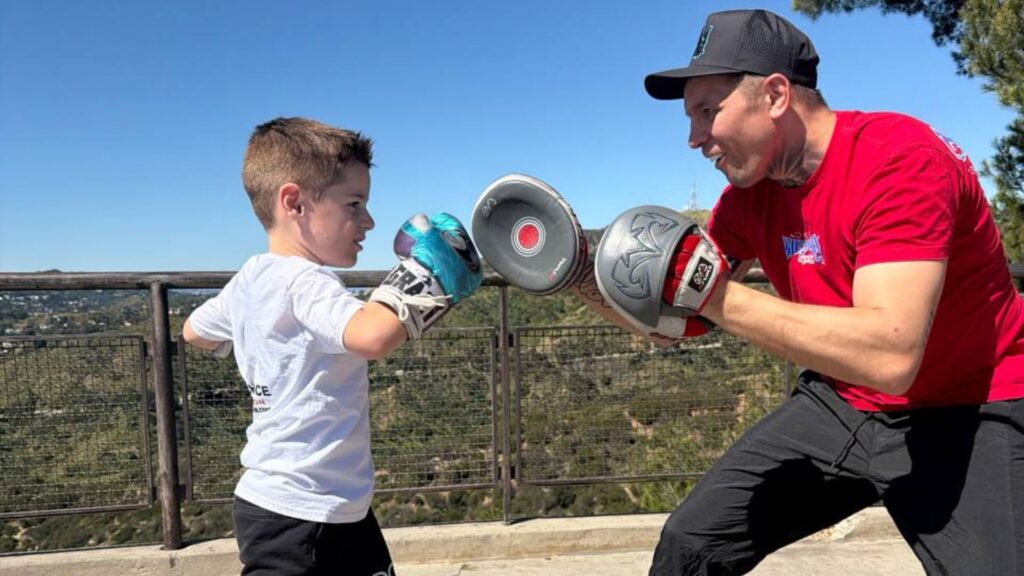
Trouble Often Grows in Unstructured Time
The hours when young people have the least structure can become some of the most important hours in their lives. Afternoons after school, long weekends, and summer breaks can either become time for growth or time for drifting. A teenager who has no positive place to go may fill that space with screens, isolation, unhealthy peer influence, or habits that slowly pull them away from responsibility.
This does not mean teens are naturally looking for trouble. Many are simply looking for belonging, excitement, identity, or relief from pressure. If a healthy environment is not available, the easiest environment often wins. That is why prevention cannot be only about warning young people what not to do. Communities have to give them somewhere better to go and someone better to follow.
Afterschool mentorship matters because it fills the gap between school and home with structure. It gives teens a rhythm. It gives them a place where adults expect effort. It gives them a reason to care about their body, their routine, and their choices. Programs like the ECBF Summer and Afterschool Mentorship Camp in LA County are important because they recognize that youth development happens outside regular school hours, not only inside the classroom.
For working families, this kind of support can be especially valuable. Parents may want to be present every afternoon, but work schedules, transportation, and financial pressure can make that difficult. A safe, structured youth program can help surround a teen with guidance during the hours when they may need it most.
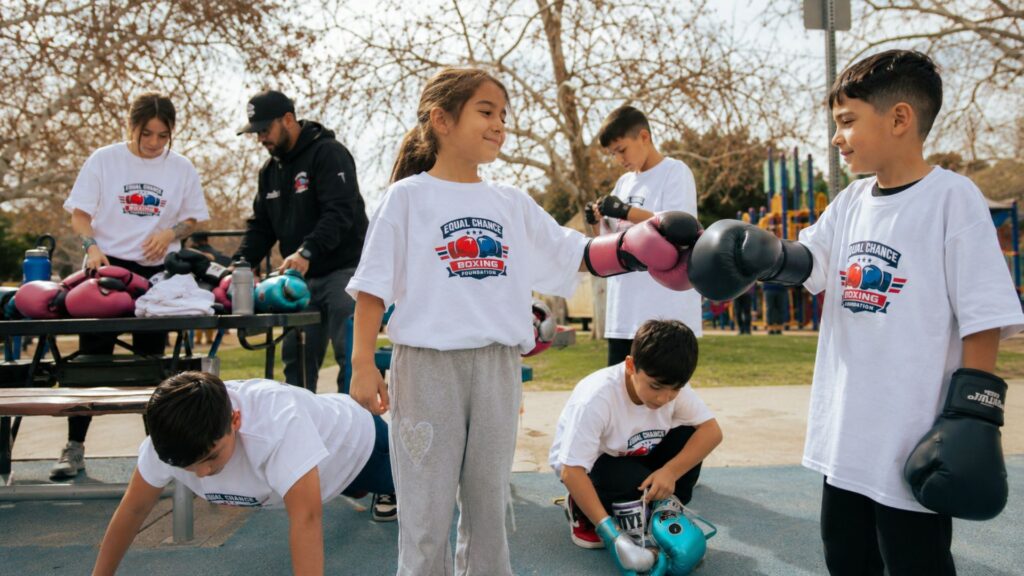
A Coach Can Sometimes Say What a Parent Cannot
Parents often know their children better than anyone, but that does not mean every message is received easily at home. A teen may resist a parent’s correction because of emotion, history, pride, or the normal struggle for independence. The parent may be right, but the teenager may still push back because the conversation feels personal.
A coach can sometimes reach a teen from a different angle. The coach is not replacing the parent. The coach is reinforcing the values the parent may already be trying to teach: respect, consistency, accountability, patience, and self-control. But because those lessons are connected to training, they can feel less like criticism and more like part of the process.
When a coach tells a teenager to reset their stance, breathe, listen, or try again, the instruction has an immediate purpose. The teen can feel the difference. Over time, that relationship can become a bridge. A young person may begin accepting correction in the gym, then slowly become more open to correction in other areas of life.
This is one of the quiet strengths of sports mentorship. It gives young people another trusted adult who can speak into their life without replacing the family. A strong mentor supports the parent, strengthens the child, and helps create a wider circle of accountability around the teenager.
Mentorship Is Not Soft — It Is Structured Accountability
Some people misunderstand mentorship as simply being nice to young people. Encouragement matters, but real mentorship is more than kindness. It is structured accountability. It is the ability to see a teenager’s potential while still telling the truth about their choices, habits, and effort.
A good mentor does not shame a teen for struggling, but they also do not pretend that behavior does not matter. They can be patient without being passive. They can be firm without being cruel. They can correct a young person while still making that young person feel valued. That balance is difficult, but it is exactly what many teens need.
Boxing creates a natural setting for this kind of accountability. The rules are clear. The coach gives instruction. The teen tries. Mistakes happen. Correction follows. The teen tries again. This process repeats until the young person begins to understand that correction is not rejection. It is part of growth.
For young people who have experienced discipline mostly as punishment, this can be a major shift. They begin to learn that structure is not something adults use to control them. Structure is something that helps them become more in control of themselves.

Why LA County Needs Prevention, Not Just Reaction
LA County is large, diverse, and full of families facing very different realities. Some young people have access to private programs, tutoring, sports clubs, and multiple layers of support. Others have fewer options because of cost, transportation, neighborhood access, or family schedules. These differences can shape what kind of guidance reaches a child and when.
Prevention means stepping in before a young person is defined by a mistake. It means creating spaces where teens can build discipline before they lose direction. It means giving families support before stress becomes crisis. It means making mentorship accessible, not only available to those who can afford private coaching or expensive programs.
Community-based sports can play a real role in prevention because they are practical. A teenager may not sign up for a program called “intervention,” but they may show up to train. They may not want to talk about emotional control, but they may learn it through boxing. They may not know how to ask for mentorship, but they may begin to trust a coach who keeps showing up.
Through community training, sports can move closer to the families who need connection and access. This matters because young people are more likely to engage when support feels real, local, and reachable. A community that brings positive programs to youth is sending a clear message: we are not waiting for you to fall. We are building something for you now.
Free Access Can Change Who Gets Mentorship
Mentorship is powerful, but only if young people can reach it. When youth programs are expensive, many families are left outside. A teen may need guidance, but the family cannot afford registration fees. A parent may want their child in sports, but equipment and transportation costs become too much. A child may have potential, but no realistic way to begin.
This is why free and low-cost programs are essential in youth development. Access is not a small detail. It determines who gets the chance to be guided, coached, challenged, and supported. If mentorship is only available to families with money, then the young people who may need it most are often the ones least likely to receive it.
Support through donations to Equal Chance Boxing Foundation helps remove that barrier. Donations help make it possible for families to say yes without carrying another financial burden. They help create access to equipment, coaching, safe training, outreach, and consistent programming.
When people support low-income youth sports programs, they are not simply funding an activity. They are helping place mentorship within reach. That can change the direction of a teen’s week, and sometimes the direction of much more than that.
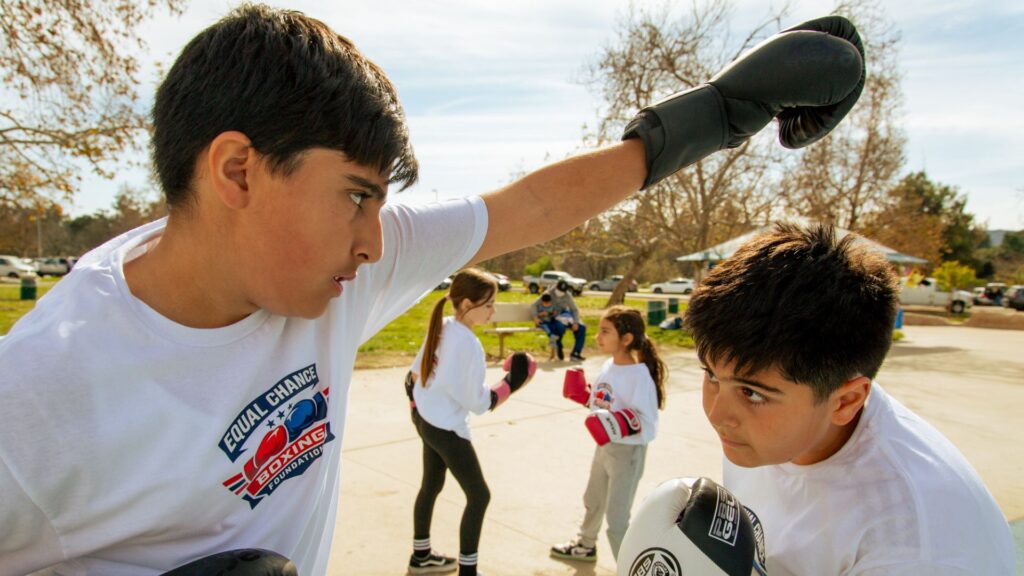
The Difference Between Keeping Teens Busy and Helping Them Grow
Not every activity is mentorship. A program can keep young people busy without helping them grow. Entertainment may fill time, but it does not always build character. A teen may leave amused, but not stronger. They may be occupied for an hour, but still lack direction when the hour ends.
A strong sports mentorship program does something deeper. It gives young people a standard to return to. It teaches them that improvement requires patience. It places them around adults who expect effort and peers who are also learning. It creates a culture where showing up matters, listening matters, and small improvements are noticed.
This distinction is important for families in LA County. Parents are not only looking for something to keep their child occupied. They want something that helps their child become more responsible, confident, respectful, and emotionally steady. They want a program that reinforces the values they are trying to build at home.
Boxing can serve that purpose when it is taught with the right culture. The goal is not to turn frustration into aggression. The goal is to teach young people how to manage energy, stay composed under pressure, and respect the process of improvement.
What Sports Mentorship Can Give a Teen Early
| What a teen may be missing | How sports mentorship can help |
|---|---|
| Consistent structure | Training creates a routine and clear expectations |
| Positive adult guidance | Coaches provide correction, encouragement, and accountability |
| Healthy belonging | Teens become part of a group built around effort and respect |
| A safe outlet for energy | Physical training channels intensity into controlled movement |
| Confidence through action | Progress comes from practice, not empty praise |
| Early prevention | Mentorship reaches youth before problems become deeper |
This is why sports can reach young people before trouble does. The program becomes a place where early needs are noticed and addressed through structure. A teen does not have to be labeled as a problem in order to receive guidance. They can enter as a beginner, a student, an athlete, or simply a young person who needs somewhere positive to grow.
For many teenagers, that early support can make a meaningful difference. It can help them build identity around discipline instead of chaos, effort instead of excuses, and connection instead of isolation.
[ecbf_donate_banner_4]
Mentorship Helps Teens Build Identity
Teenagers are still deciding who they are. They are influenced by school, friends, family, social media, neighborhoods, music, sports, and the adults who pay attention to them. If they do not have positive spaces where they feel seen, they may begin building identity around whatever gives them attention fastest.
A sports program can offer a healthier identity. A teen begins to see themselves as someone who trains, someone who improves, someone who can handle challenge, and someone who belongs in a room where effort is respected. That identity may start small, but it can become powerful over time.
This is one reason early mentorship matters. A young person who begins to identify with discipline may become less attracted to choices that pull them away from it. A teenager who feels respected in a positive environment may become less dependent on approval from unhealthy ones. A child who sees progress through effort may begin to believe that their choices can shape their future.
The stories and community spirit behind Champions of Hope reflect this deeper idea. Young people often need more than a program. They need a reason to believe that their future is worth building and that their community is willing to stand with them while they build it.

Businesses Can Help Reach Teens Before Problems Grow
Youth mentorship should not fall only on parents and coaches. A healthy community includes businesses, donors, volunteers, schools, families, and local leaders who understand that young people need support before they are in crisis. When businesses invest in youth programs, they are helping build prevention into the community.
Corporate sponsorship is not only about putting a logo on a website. It can help fund access, equipment, events, outreach, training space, and program stability. It can make the difference between a program that wants to serve more families and a program that actually has the resources to do it.
Through corporate sponsorship, local companies can support youth development in a practical way. They can help create more places where teens are guided, challenged, and encouraged before negative influences become stronger. For a business that cares about LA County, this is a direct investment in the next generation.
The impact of that support may not always be visible immediately. It may look like a teen showing up instead of drifting. It may look like a parent feeling relief. It may look like a coach having enough resources to keep the program steady. These are quiet outcomes, but they matter.
Mentorship Works Because It Is Built on Trust
A teenager may not trust a mentor on the first day. Trust has to be earned through consistency. Young people watch adults carefully, even when they pretend not to care. They notice who shows up, who listens, who corrects them fairly, and who disappears when things become difficult.
Sports mentorship builds trust through repeated contact. The teen returns. The coach is there. The session has structure. The expectations remain clear. The young person struggles, receives correction, and is still welcomed back. Over time, this pattern teaches something important: adults can be firm and still care.
That lesson may be new for some young people. If they have experienced discipline mostly through anger or punishment, they may expect correction to mean rejection. A good coach changes that expectation. They show that accountability can be connected to belief. They teach that a young person can be corrected because they are valued, not because they are being dismissed.
This kind of trust can open the door to deeper growth. Once a teen trusts the environment, they may become more willing to listen, ask questions, admit difficulty, and accept guidance. That is when mentorship becomes more than supervision. It becomes relationship.
Sports Can Help Teens Practice Pressure Safely
Life will put pressure on every teenager. They will face failure, embarrassment, conflict, disappointment, competition, and moments when they want to quit. The question is not whether pressure will come. The question is whether they will have practiced how to handle it.
Boxing provides controlled pressure. A young person gets tired, frustrated, corrected, and challenged, but within a supervised environment. They learn how to breathe when the body wants to panic. They learn how to return to basics when they feel overwhelmed. They learn that a mistake is not the end of the session. It is part of the session.
This matters because many teens do not need life to become easier. They need safe places to practice becoming stronger. A program that introduces pressure gradually and responsibly can help a young person build resilience without breaking confidence. That is very different from throwing a child into intensity before they are ready.
Youth boxing is not a substitute for professional medical or mental health care when a child needs that support. But a safe, structured, mentorship-based program can be a valuable part of a teen’s environment. It can help young people build routine, confidence, self-control, and the ability to stay grounded when things become difficult.

Reaching Teens Early Is a Community Choice
Trouble does not appear out of nowhere, and prevention does not happen by accident. Reaching teens early requires a community to build real options before negative options become stronger. It requires programs that are accessible, adults who are consistent, donors who understand the need, and families who are willing to take the first step.
Youth mentorship in LA County is not only about helping teenagers avoid mistakes. It is about helping them build a stronger identity before mistakes define them. It is about giving them a place where discipline becomes normal, where effort is respected, where correction does not feel like rejection, and where adults see potential before the world sees a problem.
Sports can reach teens before trouble does because sports can meet them where they are. A teenager may enter for the boxing, the movement, the challenge, or the curiosity. They may stay because they begin to feel seen. They may grow because mentorship turns training into something larger than exercise.
That is the deeper mission. Boxing is the tool, but the goal is a stronger young person, a more supported family, and a community that chooses prevention before crisis.
Step Into the Ring. Let’s Build Our Community Together.
For Parents: Reclaim Your Teenager’s Future
Stop relying on fleeting motivation and give your teenager the gift of true discipline. Leave the financial stress behind — Equal Chance Boxing Foundation provides access to structured youth boxing, mentorship, coaching, and a safe environment where young people can begin rebuilding confidence one step at a time.
Take the first step toward their mental and physical growth.
ENROLL IN OUR YOUTH BOXING PROGRAM TODAY
For Supporters: Fund a Life-Saving Mentor
These programs remain accessible because people choose to stand in the corner of young people who need structure, guidance, and opportunity. When you support low-income youth sports programs, you are not simply funding equipment — you are helping provide the mentorship, discipline, and consistency that many children cannot access on their own.
Be the steady hand in their corner.
DONATE TO THE EQUAL CHANCE BOXING FOUNDATION
For Community Partners: Take the Mentorship Beyond the Gym
Community impact grows when local leaders, businesses, and families work together. Through outreach, community training, and sponsorship support, Equal Chance Boxing Foundation helps bring coaching, structure, and encouragement closer to the youth who need it most.
LEARN ABOUT CORPORATE SPONSORSHIP
Questions?
We’ve got answers.
In Los Angeles County, teens face unique pressures from their environment, and traditional classroom lectures or interventions can often feel alienating. Sports-based mentorship at the Equal Chance Boxing Foundation reaches teens through action. By engaging them physically first, mentors build a foundation of mutual respect and trust that opens the door for profound, life-altering guidance.
Street life often appeals to vulnerable teens because it offers a twisted sense of belonging and respect. Boxing provides a healthier, far more powerful alternative. When a teen steps into the gym, they immediately experience a structured brotherhood. The grueling physical discipline and the genuine respect earned from their peers fulfill that deep need for identity, making the streets lose their appeal.
Teens who are headed toward trouble are often highly skeptical of traditional authority figures. A boxing coach operates differently. Because coaches like sweat alongside the youth, hold the pads, and demand accountability through shared physical effort, they are viewed as trusted partners rather than lecturers. This gritty, authentic dynamic breaks down defensive walls.
Reaching a teen before they make a life-altering mistake is crucial. Consistent sports mentorship interrupts negative patterns by replacing unstructured, vulnerable after-school hours with purpose and focus. Over time, the accountability, emotional regulation, and self-worth built in the boxing gym translate into better school performance and healthier life choices, entirely rewriting their future.