
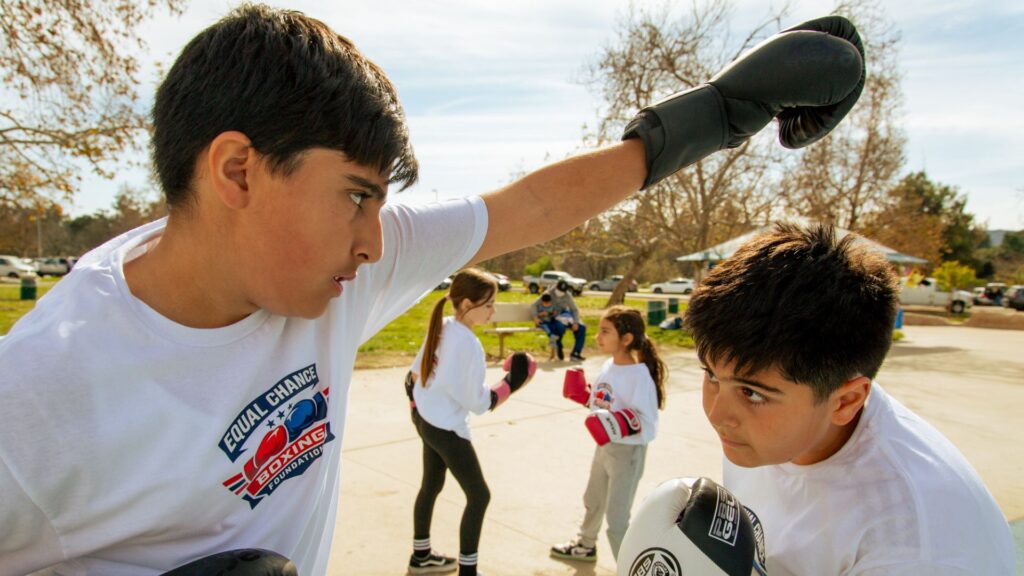
Parents often evaluate a youth boxing program by looking for visible results. They may ask whether their child is becoming stronger, learning combinations, losing interest in screens, or showing more discipline at home. These questions are understandable, especially when a family has invested time, transportation, and hope into a new activity. Yet the most important work during the first month often happens beneath the surface. A young person is learning whether the environment feels safe, whether the coach can be trusted, whether mistakes will be used for teaching or humiliation, and whether they are willing to return after the excitement of the first session disappears.
The first month is not usually about mastering boxing. It is about establishing the conditions that make long-term learning possible. A child begins understanding the rhythm of the training space. A teenager learns what to bring, when to arrive, how to listen, and what happens when a drill becomes difficult. Coaches begin seeing how the participant responds to pressure, correction, fatigue, and unfamiliar people. Families begin discovering whether the program can realistically become part of their weekly routine.
These early weeks matter because a young person is forming an opinion about more than the sport. They are deciding whether this is another place where adults will judge them, another activity they will quickly abandon, or a community where they can be challenged without being rejected. That decision may not be spoken aloud, but it influences everything that follows.
The First Month Is an Introduction to the Culture, Not Just the Sport
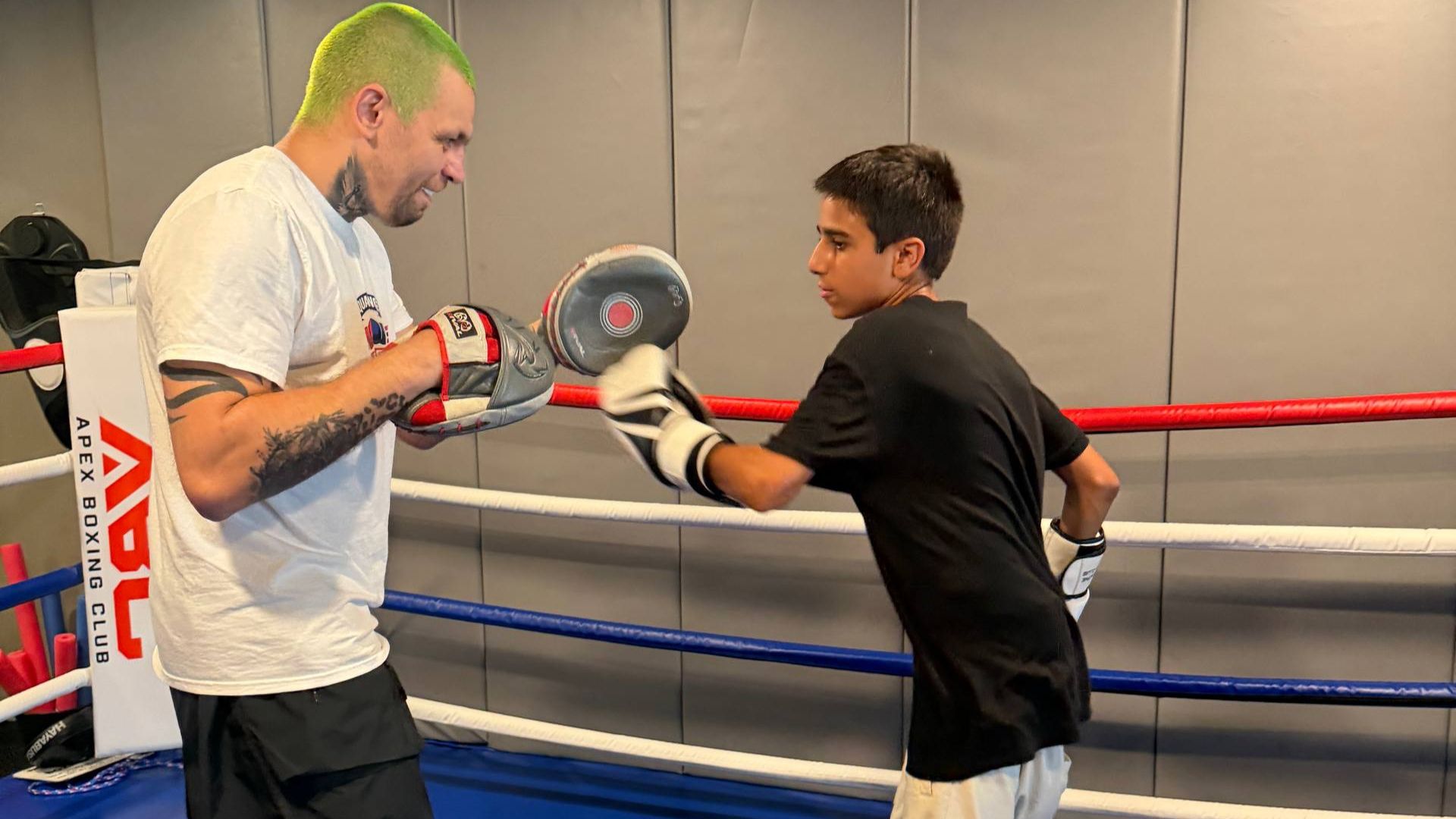
A beginner does not enter only a boxing class. They enter a culture with its own rules, expectations, sounds, relationships, and physical demands. The young participant has to learn where to place personal belongings, how the warm-up begins, when to listen, how close to stand to other athletes, and how equipment should be handled. Even before the first technical lesson, the child is processing a large amount of new information.
Parents may see a simple training session, but the beginner may experience it as an unfamiliar social environment. Other participants may appear more confident and coordinated. The coach may use terms the child does not yet understand. The sound of gloves striking bags can make the space feel intense. Some young people are excited by this atmosphere, while others need time before they feel comfortable.
A responsible program does not use that uncertainty as a test of toughness. Beginners should receive clear explanations, age-appropriate instructions, and a manageable starting point. The child should understand that being new is expected and that improvement will come through repetition. A safe boxing training environment introduces challenge gradually rather than expecting immediate performance.
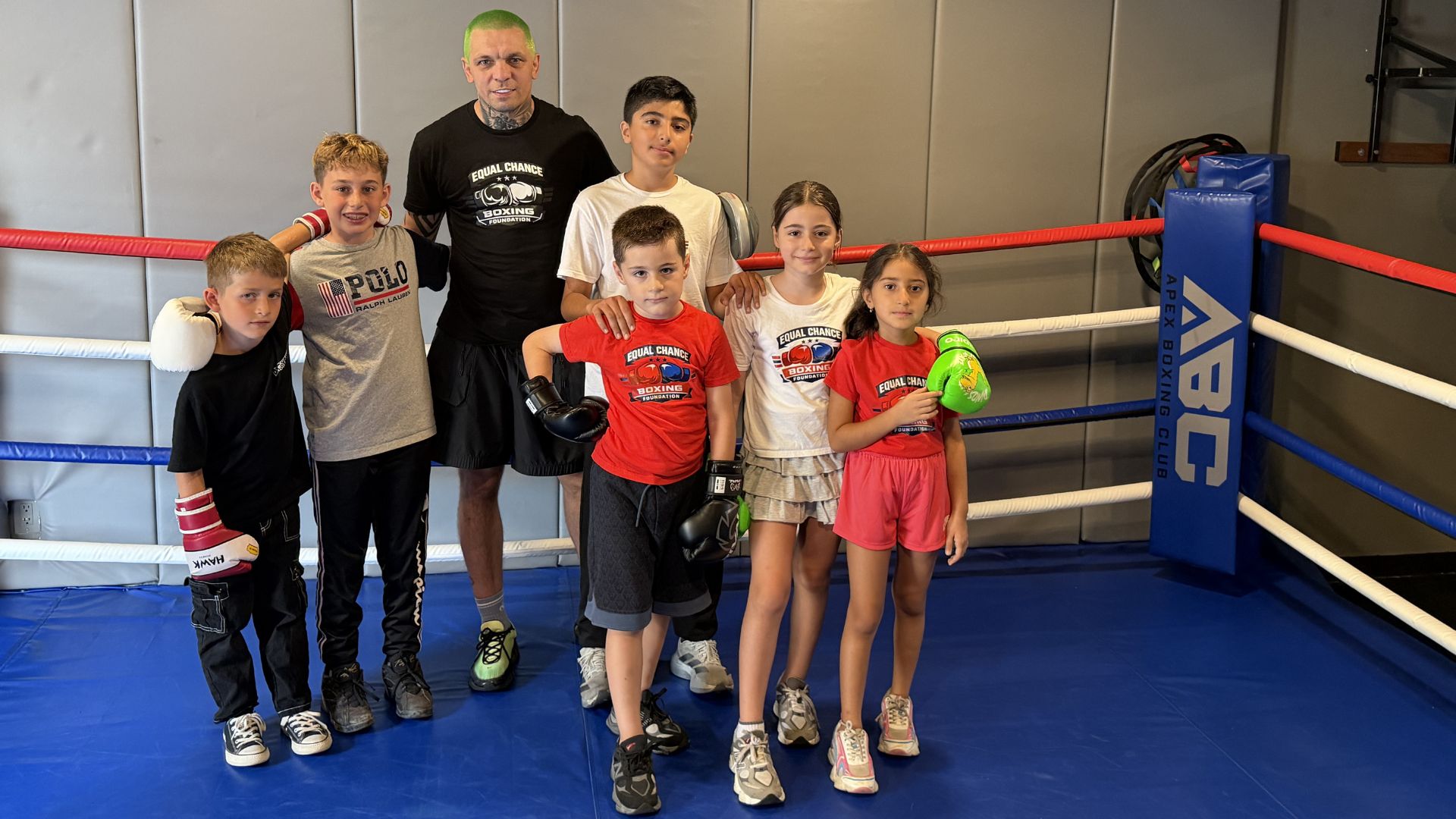
Through the Youth Boxing Program, Equal Chance Boxing Foundation connects basic athletic instruction with mentorship, structure, and responsible guidance. The purpose of the first month is not to determine which children are naturally talented. It is to help young participants learn how to enter the environment, follow the process, and begin building trust.
The First Week Reveals How a Child Responds to Being a Beginner
During the first week, many young people are highly aware of what they cannot yet do. They may struggle with stance, coordination, breathing, balance, or jumping rope. Even a simple movement can feel difficult when the child is trying to remember several instructions at once.
Some participants respond by working carefully. Others rush because they want to look experienced. A teenager may joke instead of concentrating because humor protects them from embarrassment. Another child may become quiet and avoid asking questions. These reactions do not necessarily reveal a lack of discipline. They often show how the young person protects themselves when they feel uncertain.
A skilled coach watches these reactions without immediately attaching negative labels. The child who rushes may need to slow down and focus on one detail. The quiet student may need a direct but respectful invitation to participate. The teenager who says the drill is boring may actually be afraid of performing it incorrectly.
This is one reason the first month matters so much. Coaches begin learning how the participant responds to discomfort, while the participant begins learning how the coach responds to mistakes. If correction is specific and respectful, the young person is more likely to remain engaged. If every mistake becomes a public judgment, the child may begin protecting themselves instead of learning.
Early Attendance Is Often More Important Than Early Performance
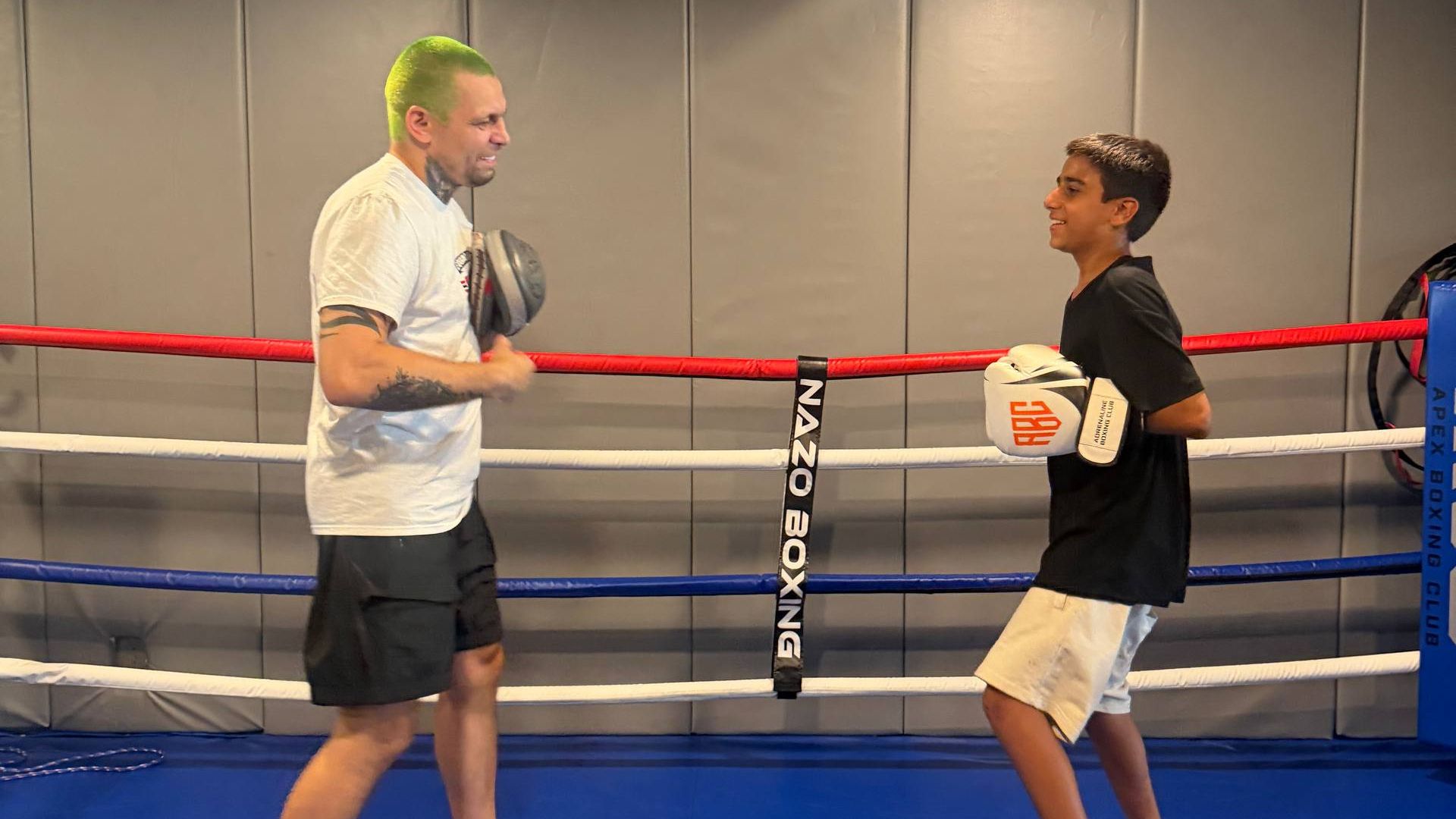
Parents may naturally focus on how well the child performs, but during the first month, attendance can be the more meaningful achievement. Returning after the first session requires the young person to move beyond novelty. They must prepare again, leave home again, enter the unfamiliar environment again, and face the possibility of making more mistakes.
A child may enjoy the first class because everything feels new. The second or third session can be more difficult because the young athlete now understands that progress requires effort. Conditioning feels tiring. The same movement must be repeated. The coach expects attention rather than entertainment. This is often the point when motivation begins to change.
Families should not interpret every complaint as proof that the program is wrong. Young people commonly resist activities when the initial excitement fades and real work begins. The important question is whether the environment remains safe, respectful, and appropriate. When those conditions are present, calm encouragement can help the child continue long enough to experience progress.
Showing up repeatedly teaches something that one successful session cannot teach. The young person begins understanding that commitment is not the same as constant enthusiasm. They can feel tired, uncertain, or frustrated and still make a responsible decision to attend.
The Second Week Often Tests the Family Routine
A youth sports program does not exist separately from the family’s daily life. Schoolwork, transportation, meals, work schedules, siblings, and other responsibilities all affect participation. The first month reveals whether the routine can be made realistic.
During the first week, parents may handle every detail. They prepare clothing, fill the water bottle, locate the hand wraps, and remind the child several times. By the second or third week, families often begin seeing which parts of the process create unnecessary stress. Equipment is forgotten. The family leaves too late. The child eats immediately before training and feels uncomfortable. A teenager stays awake too late and arrives unable to focus.
These moments can become lessons rather than arguments. The family can create a specific place for boxing equipment, prepare the bag the night before, or establish a clearer departure time. Younger children may still need significant help, but they can gradually take responsibility for one task. A teenager can be expected to manage more of the process.
Discipline develops through these ordinary routines. Remembering a water bottle is not a dramatic achievement, but it teaches preparation. Arriving on time shows respect for the coach and group. Cleaning equipment after training connects responsibility with participation. The first month gives these habits a chance to begin.
[ecbf_donate_banner_1]
The Third Week May Bring the First Real Frustration
Many young athletes reach a point when progress no longer feels immediate. A movement they expected to learn quickly remains difficult. Another participant appears to improve faster. Conditioning becomes more demanding, or the coach begins expecting greater attention because the beginner now understands the basic rules.
This stage is important because it reveals how the child responds when effort does not produce instant success. A young person who is accustomed to leaving difficult activities may begin talking about quitting. A teenager may blame the coach, the equipment, or the program because admitting frustration feels uncomfortable.
Parents should listen without immediately solving the problem or dismissing the feeling. The young athlete may need help identifying what is actually difficult. Are they physically tired? Embarrassed by mistakes? Uncomfortable around another participant? Confused by instructions? Experiencing unsafe pressure? Different problems require different responses.
When the program is responsible and the challenge is appropriate, the first serious frustration can become a valuable developmental moment. The child learns that difficulty does not mean the activity is impossible. They can ask for help, slow the task down, receive correction, and return to it.
A mentorship-based coach does not shame the young person for struggling. The coach also does not pretend effort is optional. The student is given a next step and expected to attempt it. This balance between support and accountability is one of the most important experiences the first month can provide.
The First Month Teaches the Meaning of Correction
Children often arrive at sports programs with different experiences of feedback. Some are comfortable being corrected. Others hear every correction as criticism of who they are. A teenager may become defensive because they believe admitting a mistake will make them look weak.
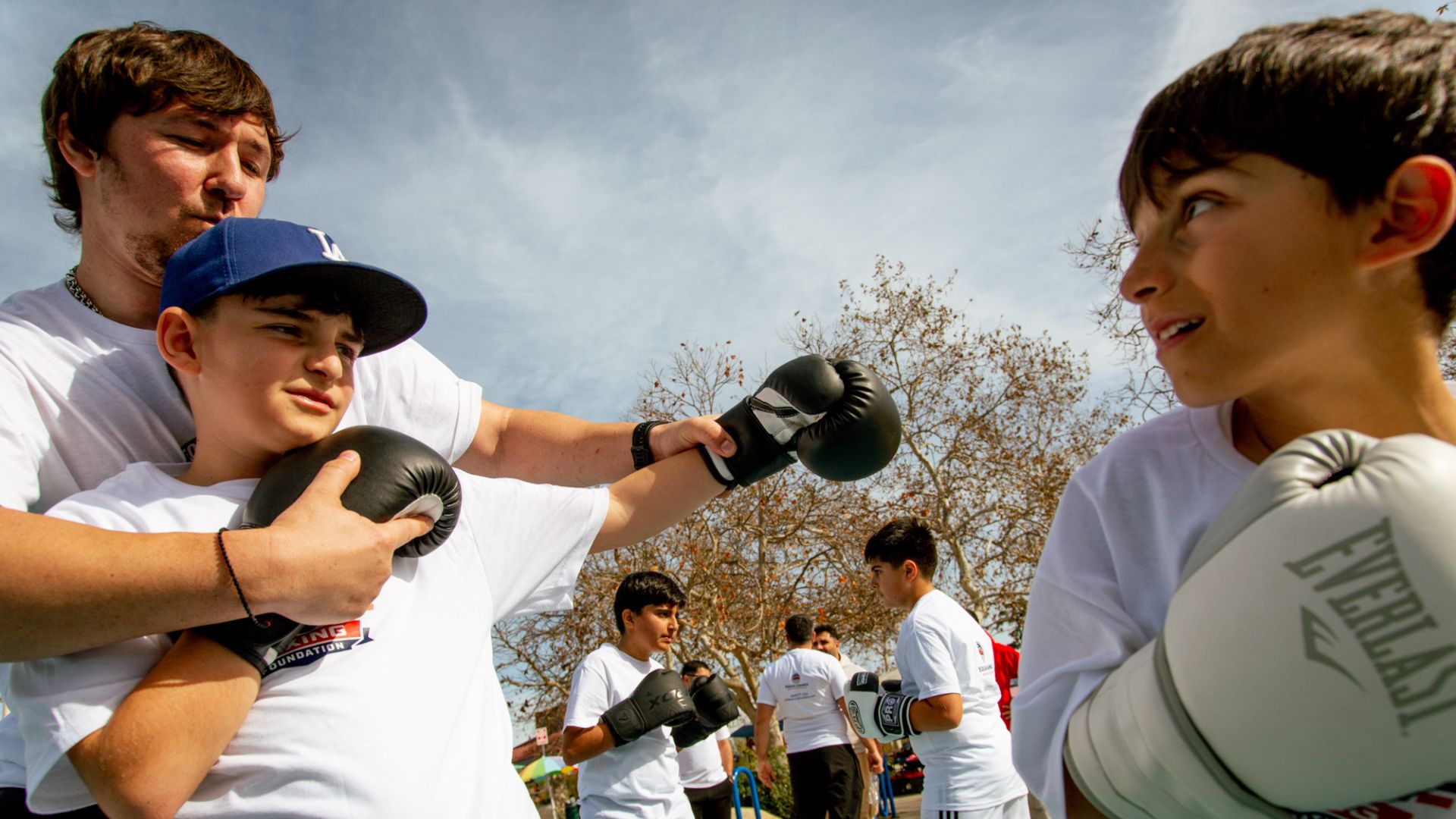
Boxing provides immediate feedback. Poor balance affects the movement. Rushing reduces control. Ignoring the instruction makes the drill harder. The coach can help the young athlete understand that feedback is information, not rejection.
Responsible correction is specific. The coach may ask the participant to move the feet, raise the hands, control the speed, or listen before beginning. The young person knows what must change. After attempting the correction, they can often feel the difference.
Harmful correction attacks the identity of the child. Labels such as lazy, weak, careless, or difficult do not teach technique. They may create embarrassment, fear, or resistance. Parents should pay attention to whether their child returns home understanding what they need to practice or simply believing they disappointed the coach.
By the end of the first month, a healthy shift may begin to appear. Instead of saying, “I am bad at boxing,” the young athlete may say, “I need to work on my balance.” That change in language shows that the child is beginning to separate a correctable skill from their personal value.
Coaches Begin Seeing the Child Beyond the First Impression
A first session provides only a limited picture of a young person. The child may be unusually quiet because they are nervous, unusually energetic because they are excited, or unfocused because they had a difficult day before arriving. Repeated attendance gives the coach more information.
Over several weeks, patterns begin to appear. The coach may notice that a participant listens well during individual instruction but becomes distracted in a group. A teenager may work hard physically but become defensive when corrected. Another young athlete may initially appear unmotivated but respond strongly to clear, short tasks.
This information helps mentorship become more personal. The coach can maintain the same standards while adjusting how guidance is delivered. One participant may need a firmer reminder to slow down. Another may need reassurance that mistakes are expected. A beginner may need more demonstration before joining a partner drill.
Professional boxer can offer young people an example of why long-term progress requires patience, routine, and respect for coaching. The message is not that children should train like professionals or pursue competition. It is that improvement is built through repeated preparation and a willingness to keep learning after setbacks.

Trust Is Usually Built Through Repetition, Not a Motivational Speech
Young people do not always trust an adult because that adult introduces themselves as a mentor. Trust develops when the coach’s behavior remains consistent. The participant watches whether rules are fair, whether beginners receive respect, and whether talented athletes are held accountable.
A child may test boundaries during the first month. They may arrive unprepared, ignore an instruction, or react poorly to correction. These moments give the coach an opportunity to show what kind of relationship the program offers.
A dependable mentor addresses the behavior without abandoning the student. The child may face a consequence, repeat the instruction, or repair the situation. Afterward, the path back into the group remains open. The young person understands that their choices matter but that one mistake does not erase their place.
This consistency is especially important for teenagers who have experienced unreliable adults or environments where approval changes quickly. A coach who remains calm and predictable can become an important part of the support system. The relationship does not need to become deeply personal in one month. It only needs to begin proving that the adult will act responsibly.
Parents Start Seeing the Difference Between Motivation and Structure
At the beginning, families may hope the child will become highly motivated. They may imagine that excitement about boxing will immediately improve school habits, sleep, behavior, or confidence. The first month often teaches parents that motivation is unstable.
A young person may be excited on Monday and resistant on Wednesday. They may talk enthusiastically about boxing after one session and insist they want to quit after the next. This emotional movement is normal, especially when the activity is new.
Structure provides something more dependable. Training happens at a known time. Equipment has a specific place. The coach expects the participant. The family has a transportation plan. The young person knows what must happen even when motivation is low.
Parents often discover that they need fewer speeches when the routine becomes clear. Instead of trying to convince the teenager to feel excited, they can calmly reinforce the existing commitment. The message becomes, “You do not need to love every part of today, but you do need to prepare and participate respectfully.”
This is how teen discipline begins to move from an abstract parental demand into a repeated experience. The child practices following a structure even when the emotional desire to participate is imperfect.
The First Month Helps Define What Safety Feels Like
Parents should never assume that discomfort means danger, but they should also never teach children to ignore genuine concerns. The first month helps young participants learn the difference between ordinary training difficulty and something that needs to be reported.
Normal effort may include tired muscles, frustration, nervousness, or the challenge of learning a new movement. A possible safety concern may involve significant pain, dizziness, inappropriate contact, humiliation, pressure to hide information, or being placed into an activity without adequate preparation.
A responsible program encourages communication. Young athletes should be able to say that something hurts, ask for clarification, or explain that they do not understand a drill. The coach can listen and still maintain expectations. Speaking up does not automatically end every difficult activity, but it should lead to a responsible response.
The child begins learning that courage is not silence. Responsible athletes pay attention to their bodies, protect training partners, and communicate when something is wrong. This lesson is especially important in boxing, where young people may otherwise believe that toughness requires ignoring every concern.
The Community Training approach can extend this safety culture by involving coaches, families, volunteers, and community partners in a shared understanding of responsible youth development.
[ecbf_donate_banner_4]
The Fourth Week Often Reveals the Beginning of Belonging
By the later part of the first month, the training environment may begin to feel more familiar. The child recognizes participants, understands the session structure, and knows where to go without waiting for a parent to lead every step.
Families may begin hearing names from the program. The young athlete mentions someone who helped demonstrate a movement, encouraged them during conditioning, or trained beside them. These relationships may still be new, but familiarity reduces the feeling of entering a room full of strangers.
Belonging can also increase accountability. The child begins understanding that their behavior affects the group. Arriving late interrupts the routine. Careless use of equipment creates work for others. Mocking a beginner damages the environment. Listening and preparation become part of being a responsible member of the program.
A strong youth sports nonprofit does not create belonging by removing standards. It communicates two messages at the same time: you are welcome here, and your choices matter. Young people need both. Belonging without accountability can become disorder, while accountability without belonging can become fear.
The first month is often when the child begins sensing that they are not merely visiting. They are becoming part of something that expects their participation and notices their absence.
Parents May Notice Small Changes at Home
Families sometimes expect dramatic behavioral improvement, but the first signs of growth are usually modest. The child begins preparing clothing earlier. A teenager becomes more aware of time because arriving late affects training. The young athlete may talk about a correction without becoming as defensive as before.
Some parents notice that the child is more willing to complete a difficult task after becoming frustrated. Others may see greater confidence in entering unfamiliar settings. These changes should be observed without being exaggerated. Youth boxing cannot be credited for every positive development, and progress will not appear in the same way for every participant.
The first month is better understood as the beginning of practice. Skills such as emotional control, responsibility, and persistence may appear in the gym before they transfer consistently to home or school. A teenager can demonstrate excellent focus during training and still struggle with homework. That does not make the progress meaningless. It means habits need more time and reinforcement.
Parents can support this transfer by noticing specific behavior. Instead of saying, “Boxing has completely changed you,” they might say, “I noticed you prepared your equipment without being reminded.” Specific recognition helps the young person understand what behavior is becoming stronger.
The First Month Helps Parents Evaluate the Program
The program is also being evaluated during these early weeks. Parents should observe not only how their child performs, but how the organization operates.
Are beginners welcomed respectfully? Are instructions clear? Does the coach maintain safety rules consistently? Can parents ask reasonable questions? Are children pressured into contact before they are ready? Are talented participants allowed to ignore standards?
Parents should also notice what happens when a child struggles. A responsible coach provides correction and another opportunity. The young person should not be humiliated, dismissed, or made to feel that their value depends on performance.
Clear communication matters. Families should understand the program’s schedule, equipment expectations, supervision, and contact policies. The organization does not need to provide a report after every session, but important concerns should not be hidden.
The first month gives parents enough repeated observation to move beyond a polished first impression. A program’s true culture becomes visible on ordinary days when someone is tired, frustrated, late, confused, or unsuccessful.
The First Month Is Not Enough to Promise Transformation
Youth development takes time. A responsible program should not promise that four weeks of boxing will permanently solve discipline problems, eliminate anger, improve every school habit, or create complete confidence.
The first month can establish a beginning. The child learns the environment. The family begins a routine. The coach starts understanding the participant. Trust begins forming. Small habits become visible.
These foundations matter precisely because they are realistic. Long-term progress usually grows from repeated experiences rather than one emotional breakthrough. A child learns that the coach will remain present. A teenager discovers that frustration can be survived. A parent sees that the routine can continue.
Families should value these beginnings without demanding immediate proof of a complete transformation. Excessive expectations can create pressure that makes the young person feel the activity exists only to fix them. Children benefit more when they are allowed to learn, struggle, and improve without carrying the burden of changing every part of their life at once.
Youth Boxing Can Support Emotional Regulation Without Replacing Professional Care
Structured movement, mentorship, physical activity, and a dependable routine may help young people feel more grounded. Boxing can provide a positive place to direct strong energy and practice making controlled decisions while tired or frustrated.
However, youth boxing is not a substitute for professional medical or mental health care when that support is needed. A program should never claim that training cures anxiety, depression, trauma, ADHD, or behavioral disorders.
Coaches can notice changes, provide appropriate encouragement, and communicate concerns to families. They should also understand the limits of their role. When a young person shows severe emotional distress, talks about self-harm, experiences major behavioral changes, or creates an immediate safety concern, qualified professional support may be necessary.
The healthiest support system may include parents, coaches, teachers, medical professionals, mental health professionals, volunteers, and community organizations. Boxing can become one meaningful part of that network without pretending to replace every other form of care.
Afterschool Structure Becomes More Valuable With Repetition
A single afterschool session can fill a few hours, but a repeated schedule gives those hours direction. The young person begins planning around the program. Homework may need to be started earlier. Food and transportation must be considered. Equipment needs to be prepared.
The foundation’s Summer and Afterschool Mentorship Camp reflects the value of consistent structure during times when families may need additional support. The purpose is not simply to keep children busy. Meaningful afterschool mentorship combines activity with responsible adults, expectations, safety, and community.
During the first month, the young participant learns that someone expects them to arrive. This can make the schedule feel more personal than an ordinary appointment. The coach recognizes the student, the group notices their presence, and the child becomes connected to a routine outside home and school.
This repeated connection can be especially valuable for teenagers who feel isolated or disconnected. The program does not need to force immediate friendship. Familiarity and dependable contact can create the first steps toward belonging.
Donors and Sponsors Support the Continuity That Makes the First Month Matter
The first month becomes meaningful only when a program can continue providing safe, consistent opportunities. Coaching, equipment, training space, supervision, outreach, and organization all require resources.
People who donate to Equal Chance Boxing Foundation help support more than one class or one piece of equipment. They contribute to the system that allows a young person to return repeatedly, build trust with a coach, and move beyond the uncertainty of the first visit.
Corporate partners can also help sustain accessible programming through sponsorship opportunities. Their involvement can help reduce barriers for families and strengthen community-based youth development.
Supporters may not see every small change they help make possible. They may not witness the child preparing independently, the teenager returning after a difficult week, or the beginner finally understanding a movement. Yet those ordinary moments are where long-term impact begins.
Low-income youth sports programs depend on people who understand that the value is not limited to equipment. Support helps provide consistency, and consistency allows mentorship to become real.
What Matters Most at the End of the First Month
At the end of the first month, the child may still be a beginner. Their stance may remain imperfect, conditioning may still feel difficult, and motivation may continue changing from one day to the next. None of this means the month was unsuccessful.
The more meaningful questions are different. Does the young person feel safer entering the environment? Do they understand the basic expectations? Can they receive correction and try again? Is the family beginning to develop a workable routine? Has the coach started building trust?
A successful first month may look like a child who continues despite uncertainty. It may be a teenager who admits that a drill is difficult instead of pretending not to care. It may be a parent who no longer needs to pack every item. It may be a coach who recognizes what kind of guidance helps the participant respond.
These are foundations rather than final results. The first month matters because it teaches the young person what returning feels like. They begin discovering that progress is not created by one perfect day. It grows from repeated preparation, responsible coaching, honest effort, and a community willing to keep showing up.
Step Into the Ring. Let’s Build Our Community Together.
For Parents: Give the First Month Time to Build a Foundation
Your child does not need to become an experienced boxer immediately. They need a safe place to begin, dependable coaches, clear expectations, and enough time to move from uncertainty toward trust and responsibility.
ENROLL IN OUR YOUTH BOXING PROGRAM TODAY
For Supporters: Help Young People Move Beyond the First Visit
Your contribution helps provide coaching, equipment, safe training space, community outreach, and the consistent access young people need to build lasting relationships and habits.
DONATE TO THE EQUAL CHANCE BOXING FOUNDATION
For Community Partners: Strengthen the First Steps of Youth Development
Businesses and community organizations can help expand access to structured sports, afterschool mentorship, and responsible youth programming throughout Los Angeles.
LEARN ABOUT CORPORATE SPONSORSHIP
Questions?
We’ve got answers.
The first month isn’t about throwing the perfect punch; it’s about breaking down defensive walls. At the Equal Chance Boxing Foundation, this crucial period is when teens transition from feeling intimidated or guarded to realizing the gym is a safe, ego-free sanctuary where they are respected and protected.
Boxing conditioning is grueling, and the first few weeks will test a teen’s resolve. Pushing through this early physical discomfort teaches a critical life lesson: resilience. When they realize they can survive and adapt to the tough workouts, it builds an unshakeable inner confidence that translates to overcoming challenges outside the gym.
Teens, especially those navigating difficult environments, are often highly skeptical of new authority figures. Mentors like use the first month to prove their consistency. By showing up, sweating alongside them, and demanding accountability without anger, coaches earn the deep trust necessary to provide meaningful life mentorship later on.
Parents shouldn’t just look for improved athletic fitness. The real victories in the first month are behavioral shifts: improved eye contact, a more disciplined daily routine, better emotional regulation after school, and a sense of belonging to a positive community. This 30-day window lays the foundational framework for lasting character changes.