
There is an invisible, suffocating perimeter that defines the life of almost every modern teenager. It consists of the four walls of their bedroom, the highly pressurized hallways of their high school, and, most powerfully, the glowing, four-and-a-half-inch border of their smartphone screen. If you are a young person reading this, you are intimately familiar with this intense claustrophobia. You are living in an era where your entire social existence, your academic worth, and your personal insecurities are perpetually trapped indoors and online. The multi-billion-dollar algorithms designed by tech monopolies feed on your physical isolation, offering a relentless stream of impossible standards, viral judgments, and artificial dopamine that leaves you feeling fundamentally exhausted and completely disconnected from your own physical body.
When the anxiety of this enclosed digital life peaks, the outside world often feels terrifying. The streets of your neighborhood, plagued by negative street influence, toxic peer groups, and the dangerous gravity of local gangs, offer a highly destructive alternative. They invite you outside, but only to pull you into a different kind of trap—one that demands conformity and punishes ambition. You are caught between the severe burnout of your bedroom and the unpredictable danger of the block.
If you are a parent watching this heartbreaking withdrawal, the pain is a heavy, physical weight carried through every grueling hour of your day. You sacrifice your sleep and your physical health working endless double shifts, desperately trying to provide a safe home. Yet, you watch your child slowly wilt like a plant deprived of sunlight, retreating deeper into their digital isolation. You desperately want them to step outside, to breathe, to find a sense of physical freedom and mental resilience. But the crushing economic reality of modern life sets in. The exorbitant costs of elite athletic clubs, private behavioral therapy, and specialized sports gear make it feel impossible to buy them a ticket out of their stagnation.
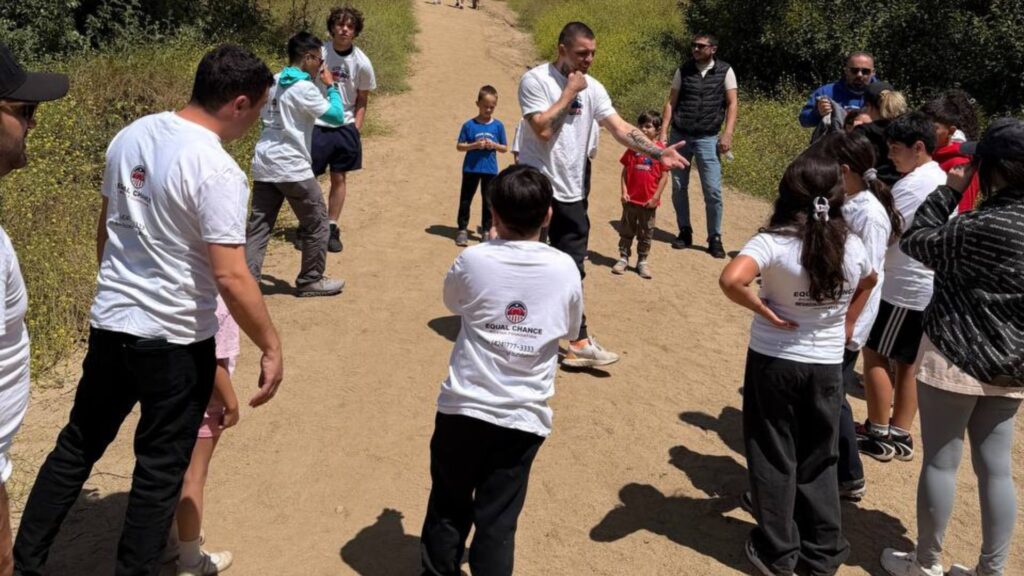
This is precisely why taking the training out of the traditional indoor gym and stepping directly into the elements is not a mere change of scenery. It is a radical, life-saving act of reclamation. When a structured athletic sanctuary removes its roof and moves into the local park, it initiates a profound biological and psychological awakening. Outdoor training does not just build cardiovascular fitness; it shatters the invisible walls, teaching vulnerable youth how to navigate the unpredictable storms of the real world.
[ecbf_donate_banner_1]
The Biological Awakening: Sunlight, Oxygen, and the Digital Detox
To truly understand the transformative power of the open air, we must look at the deeply compromised physiology of the modern, screen-addicted adolescent. The teenage nervous system is currently under constant, low-grade assault from artificial environments.
When a teenager spends the majority of their day indoors, bathed in the harsh fluorescent lighting of a classroom and the severe blue light of a smartphone, their biological clock—the circadian rhythm—becomes completely shattered. Their brain misinterprets the artificial light, suppressing the natural production of melatonin, the hormone strictly responsible for restful sleep. Consequently, they exist in a perpetual state of “fight or flight,” their prefrontal cortex flooded with cortisol, the primary stress hormone. They are physically exhausted but neurologically wired, leading directly to the severe mood swings, emotional volatility, and academic burnout that paralyze so many families.
Moving the training environment outdoors forces an immediate, powerful biological reset.
- The Oxygen Advantage: Indoor air is recycled, stagnant, and often thick with the anxiety of enclosed spaces. When a teenager engages in grueling cardiovascular conditioning in a local park, their lungs are forced to adapt to the raw, unconditioned atmosphere. The massive influx of fresh oxygen directly fuels the brain, clearing the severe mental brain fog induced by hours of doom-scrolling.
- The Circadian Reset: Training under the natural, unfiltered light of the late afternoon sun physically signals the brain to regulate its endocrine system. As the sun sets during the final rounds of focus mitts, the teenager’s biology naturally prepares for the deep, restorative sleep they have been missing for years.
- Forced Digital Hygiene: You absolutely cannot hold a smartphone while your hands are wrapped in hand-wraps and slipped inside 16-ounce leather gloves. You cannot check social media notifications while you are executing a complex defensive pivot on uneven grass. Outdoor training strictly enforces a mandatory, hour-long digital detox, proving to the teenager’s subconscious mind that the world continues to spin even when they are entirely disconnected from the digital matrix.
When a youth is successfully integrated into a strictly supervised youth boxing program, they are not merely learning athletic techniques; they are undergoing a comprehensive biological rehabilitation. They are learning to feel the wind, the sun, and the earth, grounding their chaotic emotional energy in the undeniable reality of the physical world.
The Standard: Embracing the Uncomfortable Elements
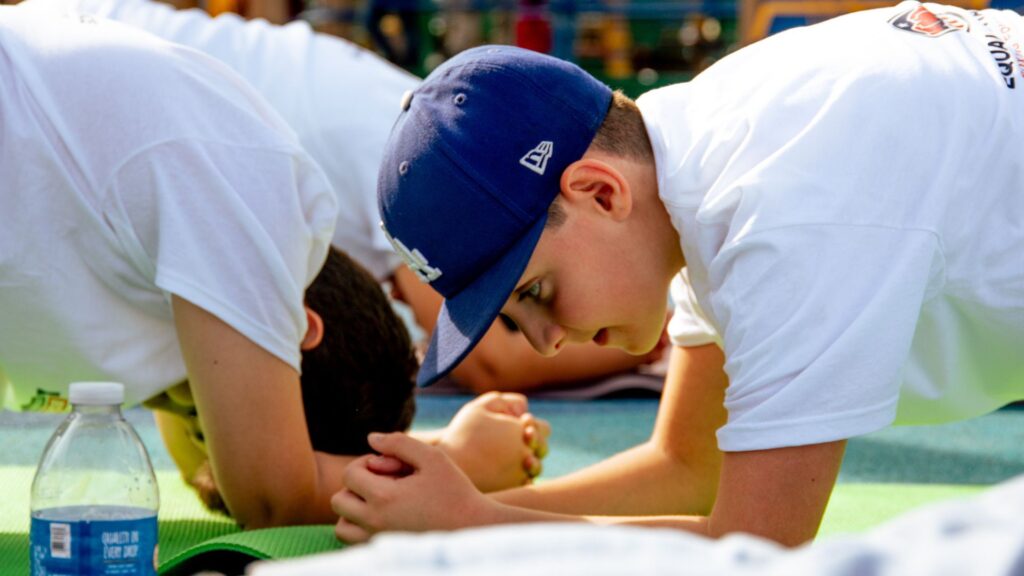
The modern fitness industry aggressively sells the illusion of comfort. It sells perfectly climate-controlled gyms, sanitized equipment, and padded floors. But true character is never, ever forged in comfort. To teach a teenager how to survive the brutal, unpredictable pressures of adult life, you must introduce them to controlled adversity.
To deeply understand this necessary grit, teenagers in our community are taught to study the raw, unvarnished blueprint of professional boxer and head mentor . His story is never used as a cinematic fairy tale of easy, overnight success or natural-born genius. Instead, ‘s career serves as a harsh, undeniable proof of concept: talent without the heavy, unglamorous anchor of daily, solitary suffering is a devastating tragedy just waiting to happen.
’s grueling journey to the upper echelons of professional boxing was forged entirely in the elements. Long before the bright lights of a televised arena, there were the brutal, freezing 5:00 AM outdoor roadworks.
Consider the agonizing, silent days immediately following a devastating physical defeat in the ring, or the deeply isolating aftermath of a severe sports injury. In these highly vulnerable, dark moments, a fighter’s fragile ego is shattered in front of harsh critics, the physical body is broken, and the mind actively, desperately begs the athlete to simply quit, hide indoors, and accept failure.
teaches the youth through his undeniable resilience that it is precisely in this dark, terrifying void where strict, outdoor habits literally save your life.
- The Autopilot of Endurance: did not need to feel emotionally “motivated” to tie his running shoes and step into the freezing rain the morning after a terrible loss. His physical conditioning required him to be on the pavement. He systematically trained his physical body to completely ignore his brain’s desperate, logical excuses to stay in a warm bed. When a teenager is asked to run sprints up a steep, muddy hill in the local park, their mind screams to stop. ’s reality sets the standard: you work even when the conditions are absolutely miserable.
- Analyzing Failure Without Ego: When you slip on wet grass during a footwork drill, you cannot blame the perfectly level floor of an indoor gym. The elements force absolute accountability. teaches that when you face a massive setback, you do not label yourself a failure. You sit in the quiet, meticulously analyze your own mechanical flaws with brutal honesty, and then you drill the precise corrections in the dirt until they bypass your conscious thought. Failure is a temporary mechanical error, not a permanent identity.
Mastering the Unpredictable: The Psychology of the Open Environment
There is a profound misconception that boxing is a chaotic street brawl. The reality is the exact opposite. Boxing is the ultimate school of profound emotional regulation. It is a highly intellectual endeavor, a high-speed game of physical chess. But when you move the chessboard outside, the rules of engagement completely change, elevating the psychological benefits exponentially.
An indoor gym is a highly controlled laboratory. The floor is perfectly flat, the lighting is entirely consistent, and the heavy bags hang at exactly the same height every single day. The real world, however, is a storm of unpredictability.
When mentors hold focus mitts for teenagers in the center of a public park, the youth must learn to navigate a massive influx of uncontrollable variables. The grass is uneven, requiring constant, hyper-vigilant adjustments to their kinetic chain to maintain balance. The wind alters the trajectory of their breathing. There are sudden noises, passing cars, and unpredictable weather shifts.
- Building Bulletproof Focus: To execute a flawless three-punch combination while pivoting on uneven terrain requires an immense, exhausting level of cognitive hyper-focus. By forcing the teenager to concentrate entirely on the microscopic geometry of their footwork despite the environmental distractions, the coaches actively starve the teenager’s anxiety of oxygen.
- Translating Skills to Real Life: This is the ultimate psychological breakthrough. When a young person learns to quiet their internal panic, control their heart rate, and execute a strategic plan while standing in the chaotic, unpredictable elements of a public park, they are secretly acquiring the exact psychological tools they need to balance their volatile emotions in the unpredictable environments of their high school, their future workplaces, and their personal relationships. They learn that they cannot control the storm, but they can completely control their stance within it.
The Neighborhood as a Witness: Reclaiming the Streets
Perhaps the most deeply profound impact of training outdoors is the sociological shift that occurs within the community itself. For decades, the local parks and street corners in underserved neighborhoods have been heavily dominated by negative street influence. Gangs and toxic peer groups claim these outdoor spaces, offering troubled youth a false sense of belonging built entirely on destructive behavior.
When a highly disciplined group of young athletes begins participating in structured community training in the center of the local park, they physically and psychologically reclaim the territory. They change the entire frequency of the neighborhood.
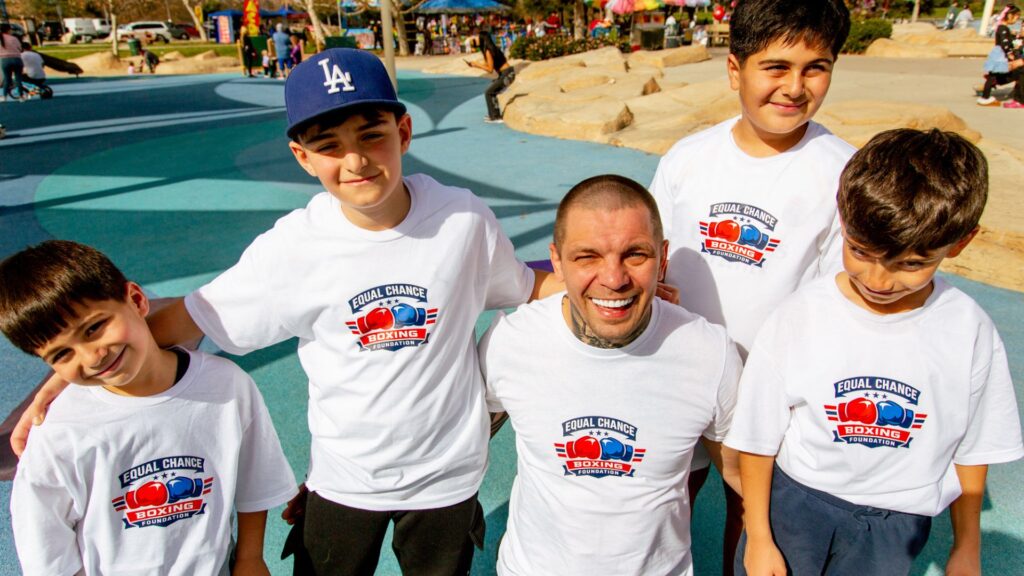
Suddenly, the younger children playing nearby are not watching local gang members; they are watching teenagers pushing past their physical limits, sweating profusely, and supporting each other through grueling conditioning drills. The teenagers training in the park become highly visible, undeniable beacons of resilience. They evolve from disconnected, angry individuals into true, proven champions of hope for their city blocks.
This public visibility creates an incredibly powerful form of positive peer pressure. When the young people standing to your immediate left and right are fiercely holding you accountable in full view of your community, immense focus becomes highly contagious. You do not have to pretend to be tough here; you just have to work. You realize that you already belong to a highly disciplined, legitimate, and fiercely loyal tribe, completely immunizing you against the manipulative pull of the streets.
Fueling the Outdoor Engine: The Shift in Habits
A teenager cannot survive the intense, unpredictable demands of outdoor athletic conditioning if they treat their body like a garbage disposal. The elements are highly unforgiving. Training under the hot sun or in the crisp evening air demands a radical, permanent shift in how the youth view their own biology.
The coaches do not need to issue long, boring lectures about diet; the uneven grass and the heavy focus mitts provide instant, undeniable physical feedback. A youth experiences the harsh reality of premature exhaustion, severe dehydration, and intense nausea when they attempt to train on a diet of highly processed junk food or heavy, artificial energy drinks.
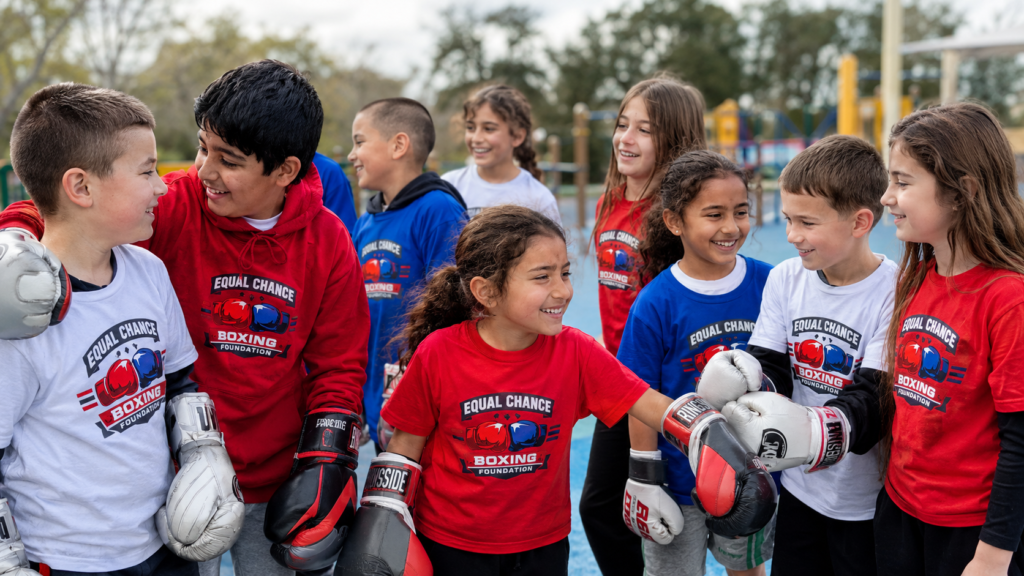
Visualizing the Environmental Transformation
The table below vividly illustrates the stark contrast between a youth governed by indoor apathy and a young athlete hardened by the discipline of outdoor training.
| The Daily Obstacle | The Indoor, Apathetic Mindset (Governed by Screens) | The Outdoor Athlete’s Mindset (Governed by Discipline) | The Ultimate Real-World Character Result |
| Morning Routine & Self-Image | Wakes up exhausted in a dark room. Immediately checks social media to numb anxiety. Hides from the daylight. | Steps out of bed the second the alarm rings. Seeks out morning sunlight to reset their circadian rhythm. Relies strictly on their prepared gym bag. | Secures an immediate psychological victory. Builds elite, uncompromising self-reliance before the challenging day even begins. |
| Navigating Diet & Hydration | Survives on artificial energy drinks and highly processed sugar while staring at a screen. | Views food strictly as high-octane fuel. Proactively hydrates to survive the outdoor elements. Prioritizes complex carbs and lean proteins. | Development of deep biological respect. The teenager takes complete ownership of their physical health, rejecting toxic diet culture. |
| Managing Emotional Frustration | Retreats to the bedroom. Suppresses anger or unleashes it destructively in digital echo chambers. | Channels the grief, anger, and anxiety entirely into the outdoor drills. Uses the physical elements to safely process trauma and exhaust the negative energy. | Profound emotional regulation. Parents see a teenager who stops, breathes, and thinks before reacting to stressful family situations. |
| Handling Failure & The Elements | Quits immediately when a task is uncomfortable or when the environment isn’t perfectly controlled. | Bites down on the mouthpiece and adapts to the uneven ground. Embraces the rain, wind, or heat as necessary resistance for mental growth. | Develops bulletproof mental toughness. Proves to their subconscious mind that their capacity for endurance is essentially limitless. |
For those highly vulnerable periods when the local school is not in session, such as the long, entirely unstructured months of summer break, the danger of retreating back into digital isolation or falling prey to the streets multiplies exponentially. The streets do not take a summer vacation. This is exactly why comprehensive, highly immersive outdoor environments like a professionally supervised summer and afterschool mentorship camp are so incredibly vital. They offer ongoing, trauma-informed mentorship, keeping the youth grounded in reality, physically active in the elements, and permanently severed from the toxic pull of their old habits.
[ecbf_donate_banner_4]
The Economics of Fresh Air and The Village Support
While the sunlight, the oxygen, and the local park grass are technically free, the brutal, unavoidable reality of facilitating this life-altering, outdoor mentorship is that it requires highly significant external infrastructure.
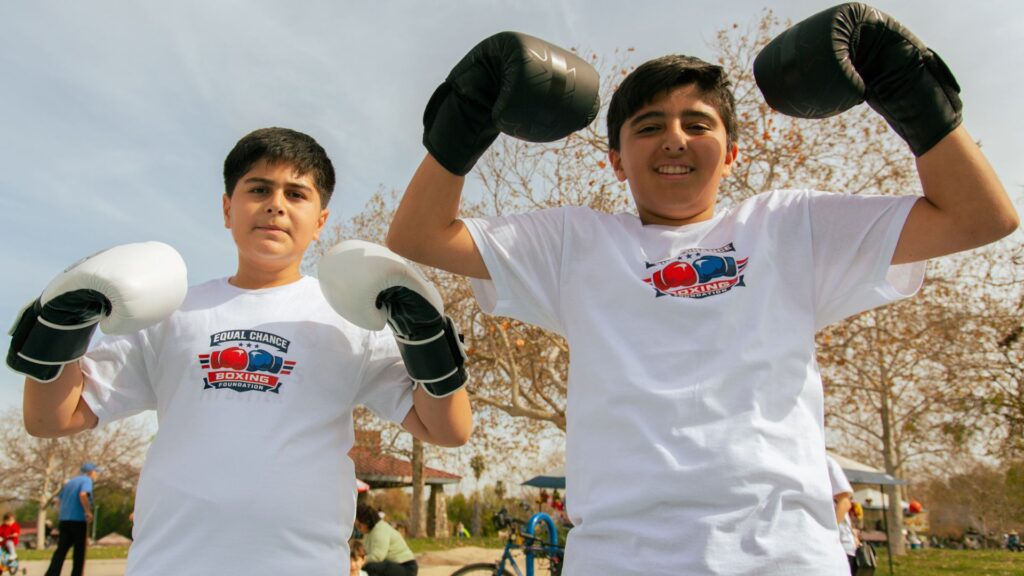
Bringing elite training out into the community requires coordinating dedicated mentors who deeply understand the unique psychology of an anxious teenager. It requires strictly ensuring that injuries are actively prevented through the continuous use of premium, medically approved protective gear, portable heavy bags, quality focus mitts, and reliable hydration stations.
The dangerous, destructive streets are always completely free and readily available to any teenager at any hour of the day or night. However, the long-term, devastating societal cost of losing a youth to those streets—through severe digital addiction, the juvenile justice system, or utterly wasted human potential—is absolutely incalculable. Alternatively, the outdoor boxing sanctuary offers a highly reliable moral compass, a burning sense of purpose, and a fiercely loyal surrogate tribe.
Access to this life-saving guidance should absolutely never be dictated by a family’s temporary financial struggles, economic inflation, or a teenager’s heartbreaking inability to afford a basic pair of boxing gloves or specialized outdoor training shoes. A child who has finally summoned the immense courage to step out of their bedroom, turn their back on their digital anxiety, and ask for help should never have to feel the crushing guilt of asking their overworked parents for sports equipment they know the family cannot afford.
This is exactly where the broader, established community must step up to become the ultimate coaching staff. When empathetic, visionary individuals consciously choose to donate, they directly and tangibly fund the vital protective equipment, the mobile training gear, and the expert mentorship that physically keeps vulnerable kids off the streets during the most critical hours. Choosing to contribute completely removes the heavy financial barrier to entry, allowing a troubled teenager to step onto the grass, learn to manage their chaotic energy from master coaches, and begin the incredibly hard, beautiful work of rewriting their future. By funding the gear, you are quite literally funding a family’s peace of mind.
This critical, urgent mission to aggressively build resilient, habit-driven young leaders out in the open air cannot possibly be sustained in isolation. It requires the active, proactive backing of the broader business community and local leadership. We rely heavily on forward-thinking organizations and corporate sponsors who actively choose to align themselves with our mission to build a healthier, more forgiving, and deeply resilient society.
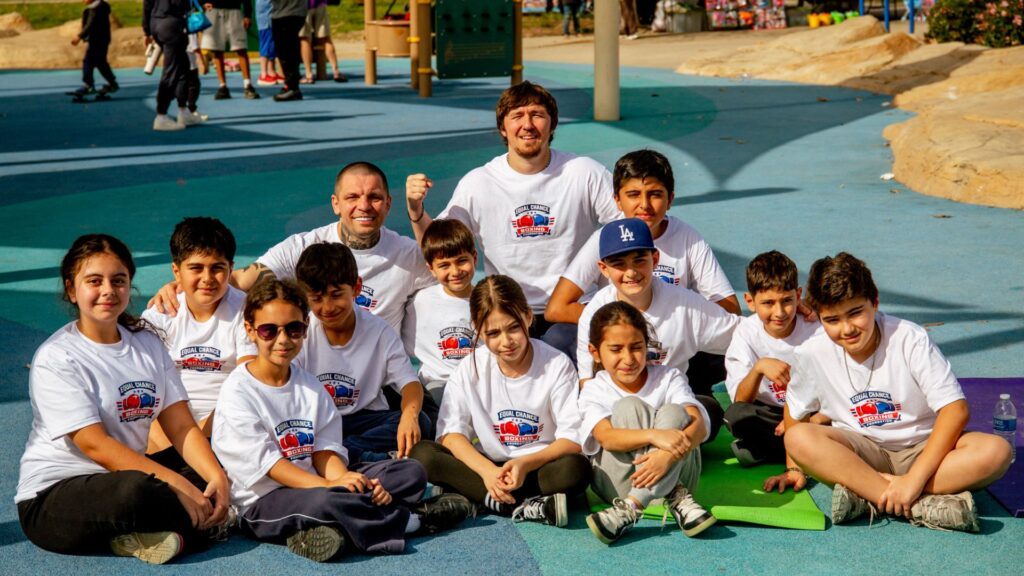
By becoming dedicated sponsors, these local organizations and businesses are absolutely not merely buying a logo placement; they are making a profound, highly measurable, and deeply impactful investment in the mental, physical, and moral resilience of the very next generation. They are effectively ensuring that our youth remain in the light, that experienced volunteer coaches remain in the parks guiding the teenagers to rebuild their lives safely, and that the quiet, incredibly unglamorous, but ultimately world-changing work of building a new legacy continues to thrive indefinitely into the future. It takes an athlete to learn the footwork, but it takes an entire community to provide the ground they walk on.
Step Into the Ring. Let’s Build Our Community Together.
For Parents: Reclaim Your Teenager’s Future
Stop relying on fleeting motivation and give your teenager the gift of true discipline. Leave the financial stress behind—we provide the state-of-the-art facility, the protective gear, and the elite coaching at absolutely no cost.
Take the first step toward their mental and physical transformation.
ENROLL IN OUR YOUTH BOXING PROGRAM TODAY
For Supporters: Fund a Life-Saving Mentor
We can only provide these world-class, 100% free mentorship programs because of the radical generosity of our donors. When you support our low income youth sports programs, you are not just funding a pair of boxing gloves; you are funding the coach who will use those gloves to teach a teenager how to survive and thrive.
Be the hero in their corner.
DONATE TO THE EQUAL CHANCE BOXING FOUNDATION
Take the Mentorship to the Streets
Discover how our outreach teams are breaking down geographical and financial barriers to bring true coaching directly to the youth who need it most.
Questions?
We’ve got answers.
Moving out of the gym removes the confinement of four walls, offering a fresh, open environment. For teens at the Equal Chance Boxing Foundation, training in nature reduces the intensity and intimidation sometimes felt in a traditional boxing gym, making the experience feel more like a community gathering than a strict, high-pressure regimen.
Outdoor training teaches adaptability. Uneven terrain, changing weather, and environmental distractions force youth to heighten their focus and remain present. Mentors like use these natural variables to teach teens how to maintain their composure and emotional regulation when the elements are out of their control—a direct metaphor for navigating life’s unpredictability.
Yes. For teens struggling with social anxiety, exercising in a local park normalizes being seen in a positive, active context. Because they are surrounded by their supportive ECBF peers and mentors, they learn to tune out the perceived judgment of onlookers. Over time, this builds profound self-confidence and a stronger sense of belonging in their broader community.
Outdoor sessions often involve partner drills, hill sprints, or group runs that rely heavily on collective encouragement. Without the mirrors of an indoor gym to focus on themselves, teens naturally turn their attention outward to support each other. This fosters a collaborative team spirit and deep bonds that go far beyond just improving physical fitness.