
There is a profoundly heavy, almost suffocating physical and emotional tension that settles into the walls of a working-class home as the late afternoon fades into the evening. If you are a teenager reading this right now, you likely know this quiet, invisible weight intimately. You walk through your neighborhood with your shoulders rounded, your neck craned forward toward the hypnotic, highly demanding glow of a smartphone screen, and your attention shattered into a thousand fragmented pieces. You are navigating the unpredictable, often highly dangerous blocks of a community that frequently lacks basic resources, carrying a heavy, invisible backpack full of academic and social expectations that feel entirely disconnected from your daily, harsh reality.
You see your parents working grueling, endless hours—sometimes frantically balancing two or three separate jobs—just to keep the electricity on, pay the constantly rising rent, and put basic food on the kitchen table. You deeply, fundamentally respect their massive daily sacrifice, but that quiet, worn-out apartment still leaves you entirely alone with your own racing thoughts, the crushing pressure of high school social hierarchies, and the relentless, highly addictive noise of the digital world.
You are currently growing up in a modern era that is scientifically, ruthlessly engineered by multi-billion-dollar tech companies to actively hijack your attention, systematically drain your physical vitality, and completely sever the crucial connection between your mind and your body. When the final school bell rings, and you have nowhere structured, physically safe, or intellectually demanding to go, the unpredictable streets of your neighborhood often present an incredibly magnetic, highly dangerous pull. The streets, and the negative peer groups that inhabit them, offer a false sense of belonging, an incredibly easy escape from the mounting anxiety of the future, and a highly destructive path of least resistance.
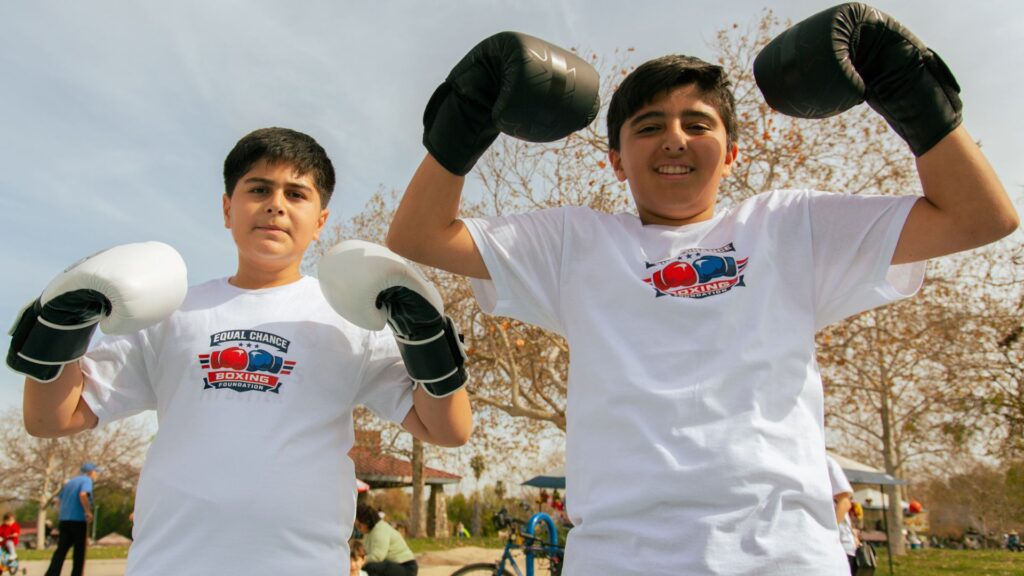
For the parents silently carrying the massive weight of this reality, the pain is equally profound and paralyzing. You sacrifice your sleep, your physical health, and your emotional energy to provide for your family, yet you watch in quiet terror as your child becomes increasingly disconnected from their own physical presence. They seem lost, emotionally volatile, unable to concentrate on a single task for more than a few minutes, and entirely ungrounded. You desperately want to give them an outlet that will anchor them to reality, teach them true, enduring discipline, and show them how to stand firm against the overwhelming pressures of modern life. You want them to build the physical and mental confidence required to simply survive and thrive in this world.
This is exactly why the existence of free, highly structured, community-based nonprofit sports programs is not merely a matter of after-school recreation; it is a matter of profound, urgent human development. However, when parents and teenagers think of a boxing gym, they almost always picture chaos. They picture aggressive sparring, overwhelming fear, and unregulated violence. They assume the sport is entirely about inflicting physical damage. But the raw, unvarnished truth of a legitimate training sanctuary is entirely different. Boxing is not a street fight; it is high-speed physical chess. It is a master-level school for managing emotions and energy. True mastery in the ring has very little to do with raw aggression, and everything to do with movement, timing, and relentless, calculated thinking.
[ecbf_donate_banner_1]
The Illusion of Violence: Why the Mind is the Ultimate Weapon
When a deeply frustrated, energy-filled teenager first steps off the chaotic streets and walks through the heavy doors of a gym, they bring all their misconceptions with them. They are fueled by cheap digital dopamine, viral highlight reels, and a completely distorted view of what combat sports actually entail. They immediately want to strap on the leather gloves and hit the heavy bag as hard as humanly possible, mistakenly believing that fighting is about unregulated aggression and physical dominance.
A masterful coach immediately strips this illusion away. They teach the youth that a punch thrown without thought is not just ineffective; it is a massive liability. In boxing, your hands are completely useless if your mind is chaotic and your feet are not securely anchored to the ground beneath you.
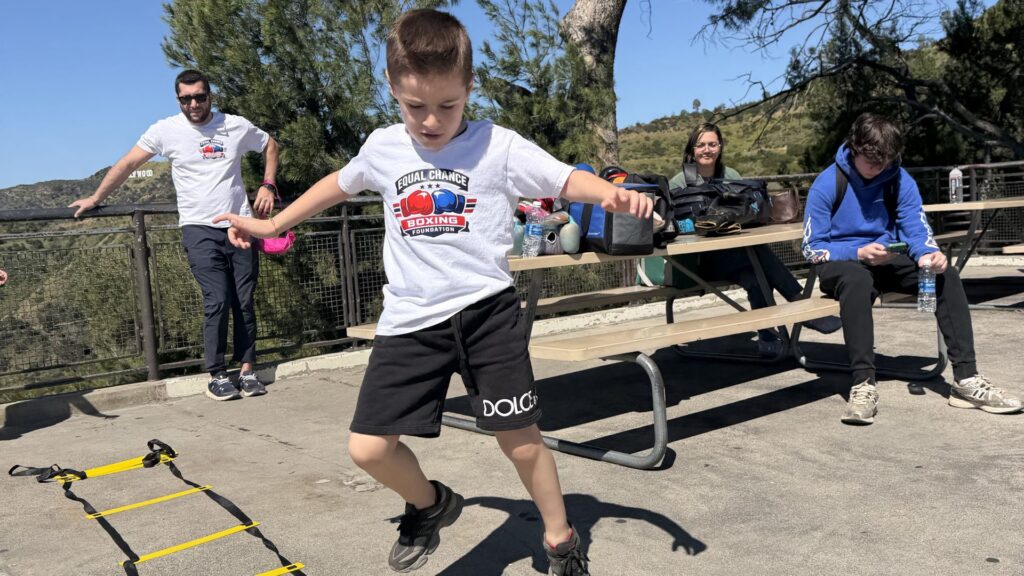
- The Art of Movement: Modern teenagers are losing their connection to physical space due to severe gadget addiction. They slouch, they stumble, and they lack coordination. Boxing forces a complete neurological reset. Before a beginner is ever allowed to strike, they must learn the geometry of the ring. They learn how to step, pivot, and glide. They learn that stepping off the centerline is far more effective than trying to absorb a blow. This teaches a profound life lesson: when facing overwhelming pressure or street influence, you do not always have to fight it head-on; sometimes, the smartest move is to change your angle, maintain your balance, and entirely remove yourself from the line of danger.
- The Science of Timing: We live in a culture of instant gratification. If a webpage takes three seconds to load, a teenager will swipe away. The streets operate on a similarly dangerous, impulsive frequency—reacting instantly with anger to any perceived disrespect. Boxing completely rewires this impulsivity. It teaches the science of timing. A young boxer learns to wait, to observe their opponent’s breathing, to read the microscopic twitch of a shoulder, and to strike only when the exact, perfect window opens. They learn that patience is not weakness; patience is the ultimate form of control.
- The Discipline of Thinking: A boxing match is a series of incredibly complex questions asked and answered at lightning speed. If I move left, what will he do? If I throw a jab, where does his right hand drop? It requires absolute, hyper-focused presence. You cannot think about a social media argument or a bad grade when you are calculating distance in the ring. This intense cognitive demand forces the teenager to develop a level of focus and strategic thinking that translates directly into improved academic performance and better real-world decision-making.
The Blueprint: Why Unrelenting Routine Always Beats Raw Talent
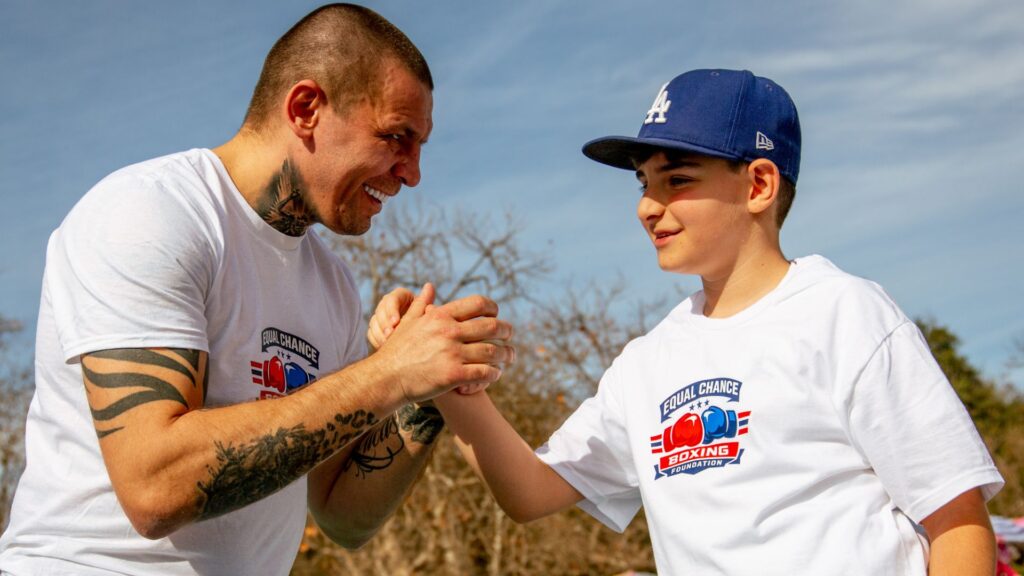
If you want to look far past the glamorous, highly edited highlight reels of modern sports media and understand the raw, unvarnished truth about what it genuinely takes to survive, adapt, and build an elite, thinking mind both in the gym and in the unforgiving real world, you must deeply study the turbulent, inspiring trajectory of professional boxer and head mentor . In the highly dangerous, fiercely competitive world of professional combat sports, raw, natural physical talent is actually an incredibly common commodity. Almost every local neighborhood gym across the country has a kid with naturally blinding fast hands or devastating genetic knockout power. However, talent without the heavy, unglamorous anchor of daily, suffering discipline and deep, analytical thinking is a devastating tragedy just waiting to happen.
’s grueling, arduous journey to the upper echelons of professional boxing was absolutely not a smooth, cinematic training montage set to an inspiring, upbeat soundtrack. His path was forged in the deeply uncomfortable, highly repetitive, and often incredibly lonely, silent daily grind of monotonous technical drills and relentless mental conditioning. For a young, aspiring athlete desperately looking for a way out of their current economic circumstances and searching for a proven blueprint for handling immense life pressure, ’s career stands as an undeniable masterclass in why an educated, disciplined routine will always, eventually beat temporary, fleeting motivation.
Consider the agonizing, silent days immediately following a devastating, high-profile physical defeat in the ring, or the painful, deeply isolating aftermath of a severe sports injury like a torn shoulder or fractured hand. In these deeply vulnerable, dark moments, a fighter’s motivation is practically non-existent. The fragile human ego is shattered in front of millions of harsh critics, the physical body is in immense, throbbing pain, and the mind is actively, desperately begging the body to simply quit, hang up the gloves forever, and find an easier, safer path in life.
teaches the youth through his own blood, sweat, and undeniable grit that it is precisely in this dark, terrifying void where strict, non-negotiable, analytical habits literally save your life and build your true, enduring character.
- The Unbreakable Autopilot of a Thinker: did not need to feel emotionally “inspired” or artificially “hyped up” to wake up at 5:00 AM for his grueling roadwork the freezing cold morning after a terrible loss. His physical conditioning and basic athleticism required him to be on the pavement. The habit was deeply, permanently hardwired into his central nervous system over a decade of brutal, unrelenting repetition. He systematically trained his physical body to completely ignore his brain’s desperate, logical excuses to stay in a warm bed when the pressure was highest.
- Embracing the Tedious Routine Over Ego: He did not need a rousing motivational speech from a coach to undergo tedious, highly painful physical rehabilitation for his injuries. He did not need to be physically forced to strictly adhere to a bland, meticulously measured diet while his peers were out partying, staying up late, consuming alcohol, and systematically destroying their long-term health. His iron discipline simply carried him through the necessary, repetitive mechanical motions of re-learning his technique until the emotional motivation eventually, slowly returned to his spirit.
- Analyzing the Failures Without Pride: True cognitive growth happens in the shadows. When faced a massive setback under the bright lights, he didn’t run from the painful footage or blame his environment. He sat in the quiet of the film room, meticulously analyzing his own defensive flaws, confronting his physical mistakes with brutal honesty. He evaluated his timing, recognized where his movement failed, and then drilled the precise corrections—repeating the exact same defensive slip—hundreds of thousands of times until it bypassed his conscious thought and became permanent muscle memory.
- The Ultimate Lesson for Today’s Youth: ’s story violently strips away the fake, highly marketed illusion of easy, overnight success. When a teenager complains that analyzing their footwork for the fiftieth time is “boring” because they want to spar, ‘s reality proves them entirely wrong. It vividly shows teenagers that true, undeniable greatness happens when you quietly put on your training shoes, meticulously wrap your hands in the silent locker room, and step onto the canvas to practice the most basic, monotonous steps on the exact, specific days when your brain and body would rather be absolutely anywhere else on earth.
The Neurobiology of Precision: Rewiring the Teenage Brain
To deeply understand why the obsessive practice of movement, timing, and strategy is so critically important for working families and their highly vulnerable teenagers, we must look closely at the basic physiology and neurochemistry of the adolescent brain. When a teenager is trapped in a vicious cycle of digital distraction, endless late-night scrolling through short-form videos, and a severe lack of intense physical movement, their brain is constantly flooded with “cheap dopamine.” This is an entirely unearned chemical reward that leads directly to severe lethargy, chronic anxiety, academic burnout, and a complete lack of internal discipline or motivation to tackle difficult, real-world tasks.
Furthermore, the prefrontal cortex—the highly evolved area of the brain located just behind the forehead, responsible for complex decision-making, generating willpower, anticipating consequences, suppressing dangerous impulses, and focusing intensely on long-term goals—is still actively, biologically developing during the teenage years. This biological reality makes adolescents highly susceptible to negative peer pressure, the dangerous influence of street gangs, and impulsive, highly destructive physical behavior.
When a teenager finally steps off the unpredictable streets, walks through the heavy doors of a highly structured gym, and is forced to coordinate their upper body movements perfectly with the microscopic shifts of their feet while simultaneously tracking a moving target, a massive biological and psychological negotiation begins inside their head. They are actively engaging in a scientifically proven process known as neuroplasticity. They are literally, physically rewiring the fragile neural pathways in their brain through intense repetition, enforced discipline, and extreme cognitive exertion under controlled stress.

Clean Fuel and the Physiology of True Cognitive Recovery
One of the most profound transformations that occurs when a teenager embraces the thinking aspects of combat sports revolves around how they learn to treat their own physical vessel. You simply cannot survive a rigorous combat sports training session, nor can your brain process high-speed strategic information, if you continue to treat your body like a garbage disposal.
- Nutrition as High-Octane Cognitive Fuel: A teenager who knows they have to endure three grueling, exhausting rounds of intense, highly strategic mitt work tomorrow will naturally begin to decline the greasy fast-food meal and the heavily caffeinated, artificial energy drinks. They quickly learn, often through the deep physical pain of premature exhaustion, mental brain fog, and severe nausea, that sudden sugar crashes lead directly to a total loss of focus and physical failure on the mats. They actively begin to seek out complex carbohydrates for sustained glycogen energy, lean proteins for microscopic muscle synthesis, and proactive daily hydration to keep their neural pathways firing rapidly. They learn to deeply, profoundly respect their own internal biology in a way that no high school health textbook, classroom lecture, or nagging parental advice could ever effectively teach them.
- Sleep as the Ultimate Intellectual Superpower: In a modern culture that foolishly glorifies staying up late, the constant “hustle,” and sacrificing necessary rest for screen time, young athletes quickly learn that sleep is the absolute only time their brain actually improves. They learn that the deep, uninterrupted phases of sleep are the only time the endocrine system actively releases human growth hormone (HGH) to repair the micro-tears in their muscle fibers and, crucially, to consolidate the complex technical memories and strategic timing they just learned. They begin to aggressively guard their sleep schedule, voluntarily practicing strict digital hygiene by turning off glowing smartphone screens an hour before bed to prioritize central nervous system regeneration. They learn the hard way that a lack of sleep destroys their reaction time, ruins their spatial coordination, shatters their strategic focus, and makes them highly emotionally fragile.

Managing Volatile Energy: Why the Ring is the Ultimate Classroom
There is a profound, incredibly common misconception that boxing is simply about unregulated anger. In reality, a properly supervised gym is the ultimate environment for learning how to strictly manage human energy. When a deeply frustrated, angry teenager steps up to the heavy bag and attempts to hit it with blind, unregulated rage, their athletic form and timing instantly fall apart. They overcommit, they cross their feet, they lose their balance, and they completely exhaust their oxygen supply within thirty seconds. The heavy bag provides instant, undeniable physical feedback without ever throwing a punch back. It forces the teenager to realize that reckless anger is a massive physical and intellectual liability.
By forcing the teenager to stop, breathe, and analyze their movement precisely and calmly, the coach is teaching the vital, life-saving art of pacing and grounding. As the teenager focuses on their kinetic chain and their timing, the anxiety about their math test, the anger at their peers, and the stress of their family’s financial situation slowly melt away. They are left with only the rhythm of their own breathing and the geometry of the ring. When you teach a teenager how to focus their physical body through strategic thinking, you are giving them the exact psychological tools they need to balance their volatile emotions at home and in the classroom. You are actively preventing that chaotic energy from being unleashed in destructive ways on the streets.
Visualizing the Shift: From Street Chaos to Strategic Discipline
To clearly illustrate the profound, holistic lifestyle transformation that occurs when a teenager adopts the precise, thinking mindset taught within these free community programs, we must look closely at the daily, microscopic choices they learn to navigate under pressure. The table below vividly illustrates the stark contrast between a teenager governed by environmental distraction and a teenager who has learned to conquer it through deeply ingrained, strategic discipline.
| The Daily Obstacle | The Default Mindset (Governed by Street & Digital Distraction) | The Thinking Athlete Mindset (Governed by Boxing Strategy) | The Ultimate Real-World Character Result |
| Morning Routine & Waking Up | Hits snooze repeatedly. Rationalizes needing “extra rest” due to staying up late on gadgets. Wakes up panicked, unfocused, and rushes out the door. | Steps out of bed the second the alarm rings, relying on ingrained routine. Relies on the prepared gym bag from the night before. | Secures an immediate psychological victory. Builds elite discipline and starts the day actively in control. |
| Post-School Vulnerability | Wanders the neighborhood aimlessly while parents work. Highly susceptible to the magnetic pull of negative street influences and short attention span traps. | Walks directly through the gym doors. Changes into gear, wraps their hands, and begins the repetitive warm-up routine mechanically. | Removes themselves entirely from the danger zone. Learns that positive, focused physical action generates safety and mental clarity. |
| Enduring Difficult, Tedious Tasks | Gives up halfway through a hard school assignment or physical drill when it becomes boring or mentally uncomfortable. | Bites down on the mouthpiece and breathes deeply. Focuses strictly on the strategy of the technique through the thousandth repetition even when the mind screams to stop. | Develops profound, bulletproof mental resilience. Proves to their subconscious mind that their capacity for sustained cognitive focus is much greater than they believed. |
| Handling Failure or Criticism | Uses initial failure as a built-in excuse to quit. Retreats inward, sulks, and acts out aggressively against parents and authority figures. | Takes the hits, accepts the physical exhaustion, and listens intently to the coach’s strategic corrections. Analyzes the error and repeats the drill to fix the flaws. | Sheds the fragile ego. Learns to view failure purely as a mechanical, fixable error and a necessary, beautiful opportunity for intellectual and physical growth. |
The Ecosystem of Support: Providing the Sanctuary Without the Price Tag
Understanding the intricate neuroscience of habit formation, the absolute biological necessity of emotional regulation, and the deep philosophy of character building is incredibly important. But practically, successfully applying these demanding cognitive and athletic principles in the highly distracting, financially stressful, and often deeply dangerous modern world is an entirely different battle. A teenager simply cannot build ironclad discipline or learn to think strategically in a complete vacuum, nor can they forge these vital character traits entirely alone in their bedroom while constantly worrying about their family’s mounting utility bills. Furthermore, parents cannot instill this discipline if they are entirely exhausted from working double shifts just to survive.
They desperately need a physical sanctuary—a dedicated, highly protected environment specifically engineered from the ground up to strip away digital distractions, strictly enforce high behavioral standards, and demand absolute, uncompromising accountability.
This is exactly where deeply structured, nonprofit community initiatives step in to fill the massive societal void left by a lack of government resources and underfunded school districts. When a working-class family simply cannot afford the exorbitant costs of specialized sports gear, private elite coaching, or massive monthly club fees, they often feel entirely helpless as they watch their child drift away. By actively removing the massive financial barrier to entry, we provide a safe haven during the exact hours when teenagers are most at risk of making life-altering, permanent mistakes, allowing their parents to work with absolute peace of mind.
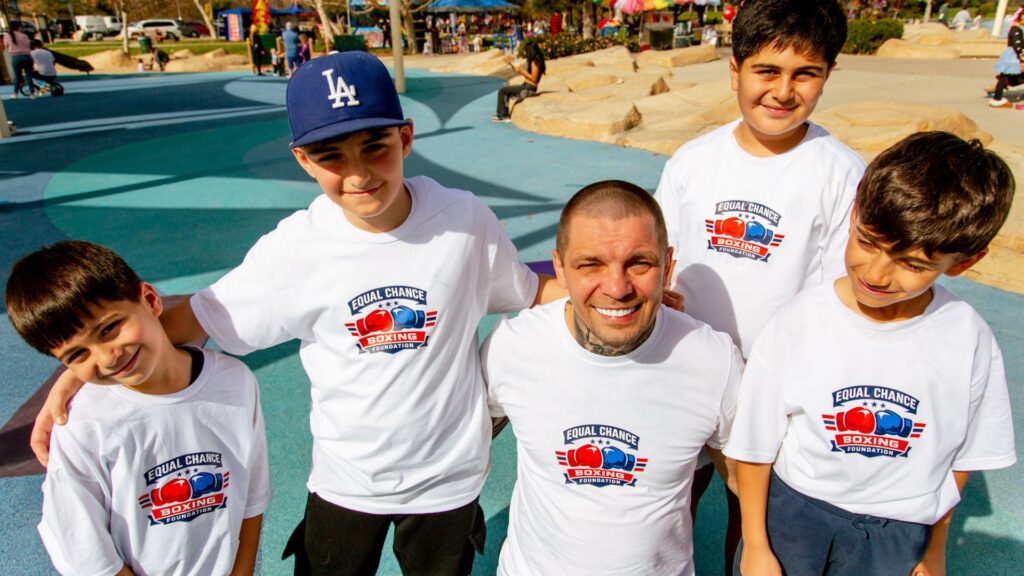
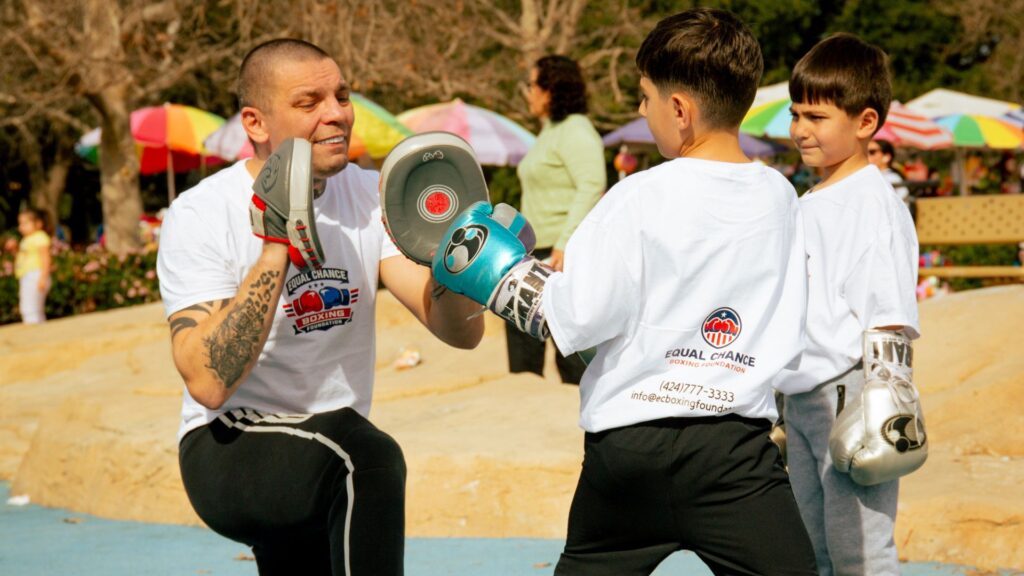
Within these walls, by organically integrating the youth into a highly structured youth boxing program, we absolutely do not demand that a teenager walks through our gym doors overflowing with inherent motivation, towering confidence, or pre-existing athletic skill. We fully expect them to be deeply tired, highly frustrated, intensely skeptical, and heavily defensive. We only demand one single thing: that they show up, step onto the mat, and be willing to learn. The carefully designed environment, the scent of the canvas, the presence of strong adult mentors who actually believe in their potential, and the relentless, rhythmic sound of the jump ropes do the rest of the heavy lifting. The structure of the program acts as an invisible scaffolding; through constant, grueling repetition of movement and timing, erratic, chaotic emotional energy is slowly, methodically, and safely forged into a sharp, focused, and powerful mind.
Forging the Tribe: How Shared Strategy Creates Belonging
The rapid, permanent development of this intense focus and strategic mastery is heavily accelerated by the ancient human concept of the “tribe.” It is incredibly, almost impossibly difficult for a highly vulnerable youth to maintain a strict athletic diet, practice digital hygiene, and adhere to an intellectually demanding training routine if their entire social friend group is actively mocking their dedication, wandering the streets, or engaging in highly destructive behaviors.
Finding the right peer group by actively participating in local community training initiatives provides an immediate, profoundly powerful solution to this problem. It physically surrounds the exhausted, struggling teenager with a positive, deeply supportive, and highly driven peer group. When the young people standing to your immediate left and right in these open sessions are sweating profusely, pushing far past their perceived limits, and fiercely holding each other accountable through grueling conditioning drills, the positive peer pressure makes immense focus highly contagious.
But this profound sense of belonging extends far beyond the teenagers themselves. For parents who often feel deeply isolated by the sheer, crushing exhaustion of working-class survival, the gym bleachers become a powerful community hub. As they watch their children transform—learning to stand tall, control their focus, build real strategic resilience, and ultimately succeed together without the devastating burden of equipment costs hanging over their heads—parents form deep, supportive bonds with one another. They share critical resources, offer rides, and provide the collective “village” that modern, isolated society so often lacks.
For those highly vulnerable periods when the local school is not in session, such as the dangerous late afternoons while parents are still at their second jobs, and the long, entirely unstructured months of summer break, the danger of the streets multiplies exponentially. This is exactly why comprehensive, highly immersive environments like a professionally supervised summer and afterschool mentorship camp are so incredibly vital to the neighborhood ecosystem. They do not just offer a place to practice repetitions to pass the time; they offer ongoing, trauma-informed mentorship, critical educational support, and a continuous, unbroken chain of positive adult influence.
Through this intense, caring mentorship, we watch at-risk youth actively transform their entire worldview. They evolve from distracted, ungrounded teenagers into true, proven champions of hope for their local neighborhoods. They return to their city blocks and their family dining tables not as victims of their economic circumstances, but as proven, highly focused thinkers who lead by quiet example, ultimately proving to their siblings and peers that a different, infinitely better path is actually possible.
[ecbf_donate_banner_4]
How Generosity Forges the Next Generation of Thinkers
The brutal, unavoidable reality of building and consistently maintaining this life-altering, highly focused educational environment is that discipline, while internally free to the dedicated youth, requires highly significant, massive external infrastructure to facilitate and sustain. Maintaining a safe, perfectly clean training facility, coordinating dedicated mentors who understand how to teach strategy and timing, and strictly ensuring that concussions and severe injuries are actively prevented through the continuous use of premium, medically approved protective gear requires massive, ongoing financial resources. The sheer cost of heavy bags, boxing rings, facility lighting, heating, and vital liability insurance is immense.
The dangerous streets, unfortunately, are always completely free and readily available to any teenager at any hour of the day or night. However, the long-term, devastating societal cost of losing a youth to those streets—through the juvenile justice system, severe addiction, or utterly wasted human potential—is absolutely incalculable. Alternatively, the boxing gym offers a highly reliable moral compass, a burning sense of purpose, and a fiercely loyal surrogate family that teaches unwavering strategic focus under pressure.
But access to this life-saving sanctuary should absolutely never, ever be dictated by a family’s temporary financial struggles, economic inflation, or a teenager’s heartbreaking inability to afford a basic pair of boxing gloves or a jump rope. A child should never have to feel the crushing guilt of asking their overworked parents for sports equipment they know the family cannot afford.
When empathetic, visionary individuals choose to consciously donate to provide necessary gear and support, they directly and tangibly fund the heavy bags, the vital protective equipment, and the facility lights that physically keep vulnerable, at-risk kids off the streets during the most critical, highly dangerous hours. Choosing to contribute completely removes the heavy financial barrier to entry, allowing a teenager to step inside the ropes, learn to manage their chaotic energy through deep thinking, and begin the incredibly hard, incredibly beautiful work of finding their own true character without placing an extra burden on their working parents. By funding the equipment and the space, you are quite literally funding a family’s peace of mind and a child’s ability to focus on their future.
This critical, urgent mission to aggressively build resilient, habit-driven, and highly focused young leaders cannot possibly be sustained in isolation. It requires the active, visionary, and proactive backing of the broader business community and local leadership. We rely heavily on forward-thinking corporate sponsors who are deeply invested in building a healthy society, who actively choose to step up to the plate and align themselves with our mission.
By becoming dedicated sponsors, these local organizations and businesses are absolutely not merely buying a logo placement on a gym banner; they are making a profound, highly measurable, and deeply impactful investment in the mental, physical, and moral resilience of the very next generation. They are effectively ensuring that the physical sanctuary remains permanently open, that the experienced, caring volunteer coaches remain on the gym floor guiding the youth to handle life’s complex timing, and that the quiet, incredibly unglamorous, but ultimately world-changing work of building a true thinking mind—one exhausted repetition, one grueling strategic drill, and one highly focused day at a time—continues to thrive indefinitely into the future. It takes an entire community to raise a champion, not just inside the ring, but in the arena of life.
Step Into the Ring. Let’s Build Our Community Together.
For Parents: Reclaim Your Teenager’s Future
Stop relying on fleeting motivation and give your teenager the gift of true discipline. Leave the financial stress behind—we provide the state-of-the-art facility, the protective gear, and the elite coaching at absolutely no cost.
Take the first step toward their mental and physical transformation.
ENROLL IN OUR YOUTH BOXING PROGRAM TODAY
For Supporters: Fund a Life-Saving Mentor
We can only provide these world-class, 100% free mentorship programs because of the radical generosity of our donors. When you support our low income youth sports programs, you are not just funding a pair of boxing gloves; you are funding the coach who will use those gloves to teach a teenager how to survive and thrive.
Be the hero in their corner.
DONATE TO THE EQUAL CHANCE BOXING FOUNDATION
Take the Mentorship to the Streets
Discover how our outreach teams are breaking down geographical and financial barriers to bring true coaching directly to the youth who need it most.
Questions?
We’ve got answers.
At the Equal Chance Boxing Foundation, youth learn early on that punching is only a fraction of the sport. The real art lies in movement. Mastering footwork, head movement, and positional awareness allows a boxer to dictate the pace and control the ring. Without superior movement to set up an angle or evade an incoming attack, even the most powerful punch is entirely useless.
A fast punch can be blocked, and a powerful punch can miss completely, but a perfectly timed punch lands with maximum impact. Boxing teaches teens to read rhythms, anticipate their opponent’s actions, and exploit momentary gaps in defense. Mentors show young athletes that patience and precision—striking at the exact right fraction of a second—will always outclass wild, untimed aggression.
Stepping into the ring requires hyper-active problem solving. It’s never about blind anger; it’s about calculated strategy. Mentors like teach youth to recognize patterns, set traps, and constantly adapt to new information under extreme pressure. This high-speed critical thinking trains the brain to remain calm, analytical, and highly observant even in deeply stressful situations.
The mental agility developed in boxing translates directly to everyday life. Knowing when to step back from a bad situation (movement), waiting for the right opportunity to speak or act (timing), and strategizing through complex personal or academic problems (thinking) are absolutely essential life skills. Teens leave the gym equipped with the emotional and mental intelligence needed to navigate the real world successfully.