
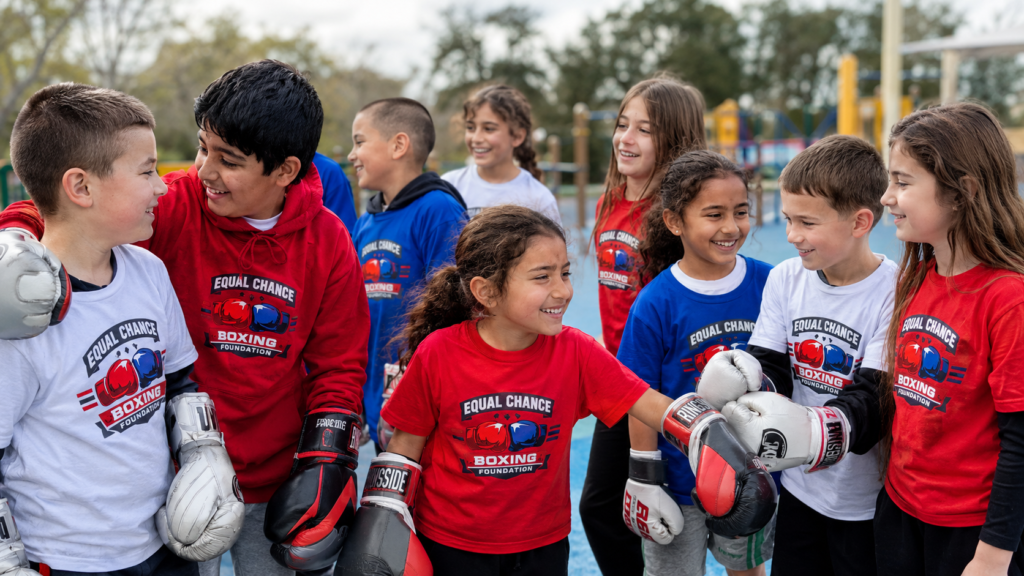
For many teenagers, home is supposed to be the place where they feel safe, understood, and supported. But growing up is not always that simple. A teen may have a loving family and still feel alone. They may have parents who care deeply and still not know how to talk about pressure, anger, fear, or disappointment. They may be surrounded by people at school and online, yet still feel like nobody really sees them.
This is why the right youth boxing program can become more than a place to train. It can become a second home. Not because it replaces family, and not because a gym can solve every problem in a young person’s life. It becomes a second home because it gives a teenager something many young people are missing: structure, belonging, accountability, mentorship, and a safe place to become stronger without pretending to be perfect.
At Equal Chance Boxing Foundation, the goal is not simply to teach young people how to throw punches. Boxing is used as a tool to teach discipline, emotional control, respect, confidence, and consistency. For a teenager who feels lost, restless, overlooked, or pulled in the wrong direction, that kind of environment can feel like the first place where their energy finally makes sense.
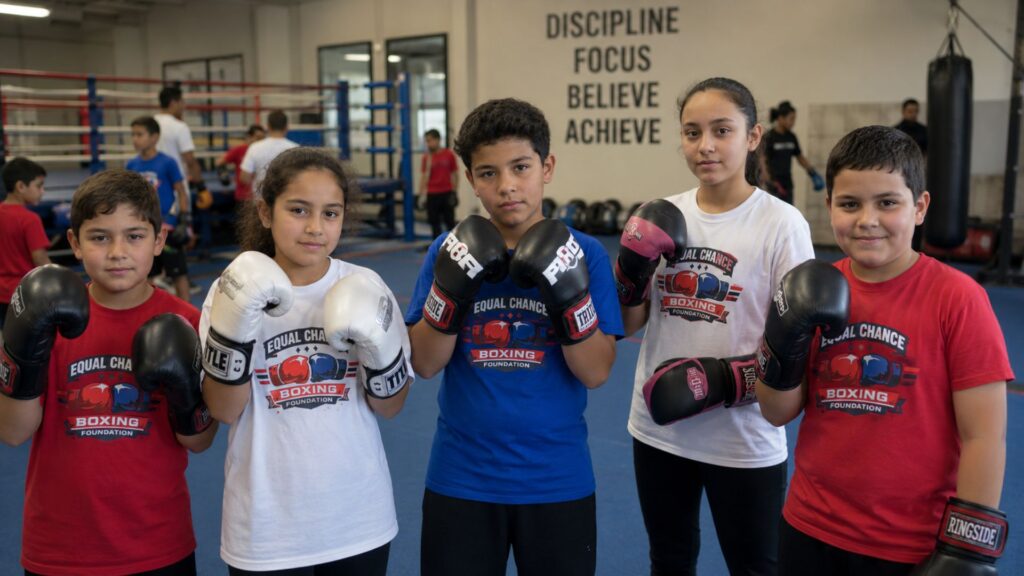
A Second Home Is Not Always Comfortable at First
When a teenager first walks into a boxing environment, they may not immediately feel at home. In fact, the first reaction may be the opposite. They may feel nervous, defensive, embarrassed, or unsure of where they fit. Some teens hide that discomfort by acting tough. Others stay quiet, avoid eye contact, or pretend they do not care. These reactions do not always mean disrespect. Often, they are the ways young people protect themselves when they are not sure if a place is safe.
A strong youth boxing program understands this. It does not expect every teenager to arrive confident, disciplined, and ready to listen. Many young people come in carrying pressure from school, family, social media, the street, or their own internal battles. Some are tired of being corrected. Some are tired of being compared. Some are tired of feeling like they are already labeled before anyone gives them a chance.
The first job of a good program is not to impress the teenager. It is to create enough trust that the teenager is willing to return. That first return matters. When a young person comes back after the first difficult session, something important has already begun. They are choosing to step back into an environment that challenges them, and that choice can become the first building block of discipline.
This is one of the reasons a structured youth boxing program can become so meaningful. It gives teens a place where they do not need to have everything figured out before they start. They can arrive with frustration, nervousness, low confidence, or too much energy, and the program gives them a way to begin shaping that energy into something productive.
[ecbf_donate_banner_1]
Teens Need More Than Motivation
Many adults tell teenagers to “try harder,” “make better choices,” or “stay focused.” Those words may be true, but they are not always enough. A teenager who is overwhelmed, distracted, discouraged, or surrounded by unhealthy influences may not know how to turn advice into action. Motivation can appear for a day and disappear the next morning. A teen may feel inspired after watching a video, hearing a speech, or making a promise to change, but without structure, that feeling often fades.
Boxing teaches something different. It teaches that progress is not built on mood. A young person does not improve because they feel motivated for one hour. They improve because they repeat the basics, listen to correction, show up when they are tired, and learn to respect the process. The gym becomes a place where effort has a rhythm. The bell rings, the drill starts, the coach gives instructions, and the teenager learns that growth comes through repetition.
That routine can be powerful for teens because adolescence often feels chaotic. Their emotions change quickly. Their social world can be intense. Their attention is constantly pulled by screens, pressure, comparison, and noise. A boxing program gives them something steady. It gives them a schedule, a coach, a standard, and a reason to focus on what is directly in front of them.
Over time, that consistency can feel like home. Not because it is easy, but because it is reliable. A teenager begins to understand that the gym will ask something of them every time they walk in. It will not flatter them, but it also will not give up on them. For many young people, that balance of challenge and support is exactly what they need.
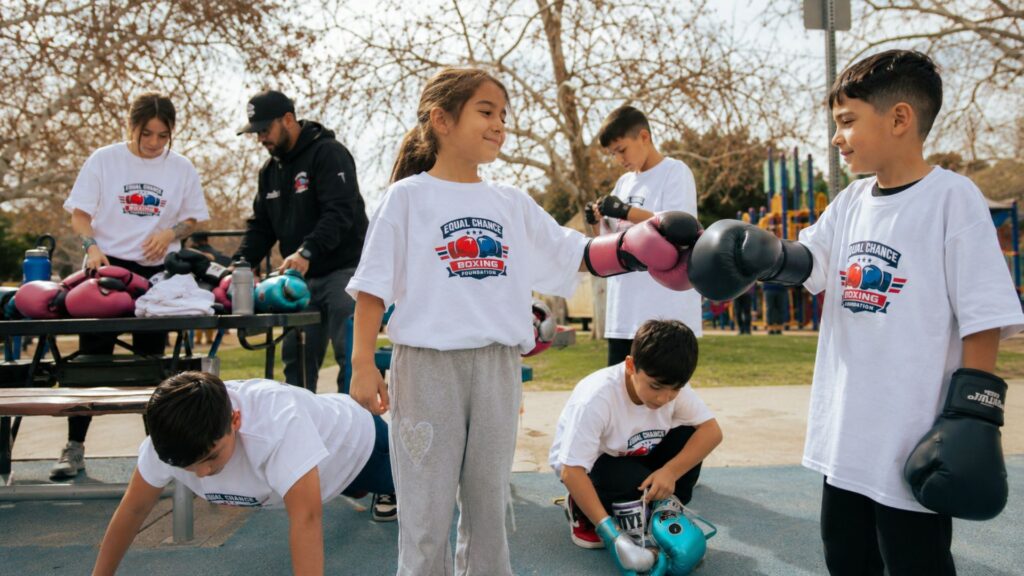
The Gym Becomes a Place Where Energy Has a Purpose
A lot of teenagers are misunderstood because adults see their energy only when it becomes a problem. Restlessness may look like disruption. Anger may look like disrespect. A need for attention may look like trouble. But underneath those behaviors, there is often a young person who does not know where to put everything they feel.
Boxing gives that energy a purpose. It teaches a teen that intensity does not have to become chaos. Power does not have to become aggression. Frustration does not have to become an argument. In a safe and supervised environment, a young person can learn how to move, breathe, focus, reset, and use their body in a way that builds control instead of creating damage.
This is one of the deepest lessons boxing can offer. It is not about teaching young people to fight in the street. It is about teaching them how not to lose themselves when pressure rises. A teenager learns that a strong stance requires balance. A clean punch requires timing. Defense requires patience. Improvement requires listening. These are athletic lessons, but they are also life lessons.
When a teen begins to experience that shift, the gym becomes more than a physical space. It becomes the place where their energy is not rejected, mocked, or feared. It becomes the place where their fire is guided. For a young person who has often been told to calm down without being taught how, that can feel like a major turning point.
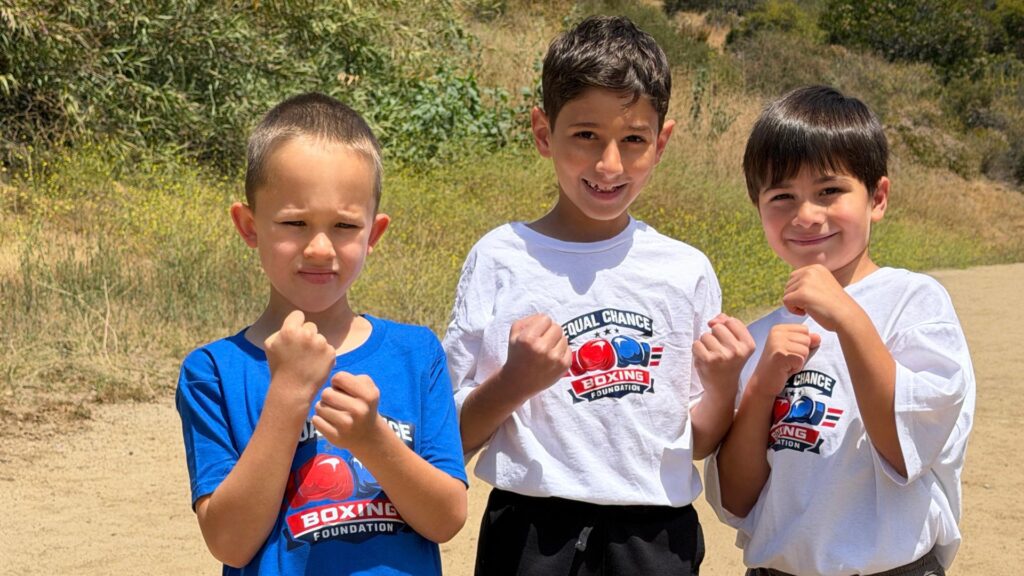
A Second Home Has Adults Who Notice
Many teens do not need more adults shouting instructions from a distance. They need adults who are present enough to notice them. A good coach or mentor sees more than performance. They notice when a teenager is unusually quiet. They notice when effort drops. They notice when a young person jokes to cover embarrassment or becomes defensive because correction feels personal.
This kind of attention matters because many young people feel invisible in their daily lives. They may be one student in a crowded classroom, one child in a busy family, or one profile among thousands online. At a boxing program, the right mentor can make a teenager feel seen in a way that is both firm and respectful. The coach may not excuse bad habits, but they also do not reduce the child to those habits.
For some teens, this is the first time they experience accountability without humiliation. They are corrected, but not shamed. They are challenged, but not rejected. They are expected to improve, but not expected to be perfect on the first day. That kind of environment builds trust, and trust is one of the reasons a program can become a second home.
Mentorship is not always dramatic. It may look like a coach reminding a teen to fix their stance, breathe before reacting, or finish the round even when they want to quit. It may look ordinary from the outside, but to a teenager who needs structure, those moments can become deeply important. They teach a young person that someone is paying attention and still believes they can do better.
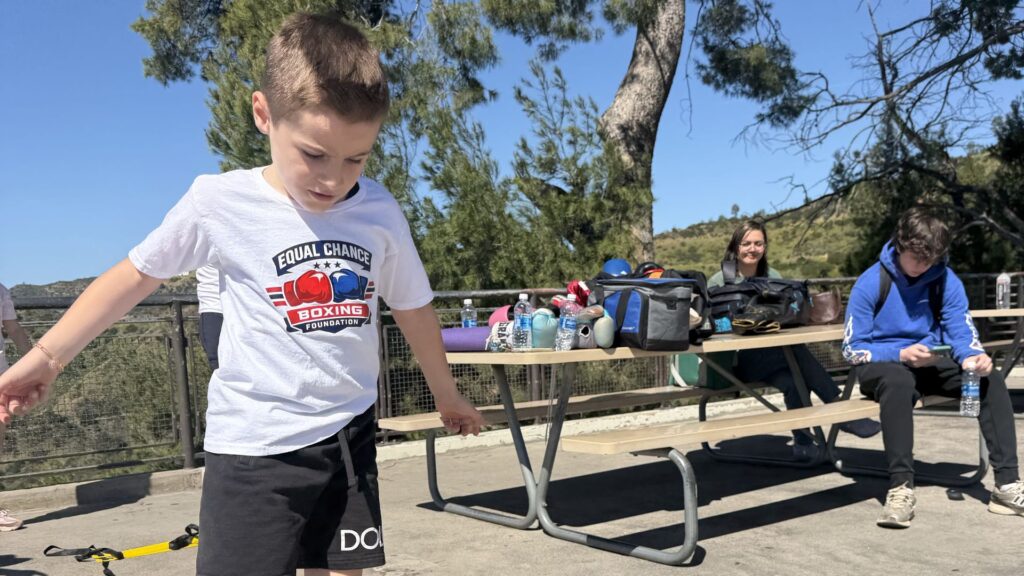
Belonging Can Change How a Teen Sees Themselves
Teenagers are deeply shaped by the places where they feel they belong. If they find belonging only in unhealthy environments, they may begin to copy the values of those environments. If they find belonging in a place built on discipline, respect, effort, and mentorship, they begin to see a different version of themselves.
This is why community matters so much. A young person does not only need individual instruction. They need to be surrounded by people who are also trying to grow. When teens train around others who are working hard, listening, making mistakes, correcting themselves, and coming back, they begin to understand that struggle is not shameful. It is part of learning.
Through community training, young people can experience positive group energy. They see that they are not the only ones who are nervous, tired, or learning from the beginning. They see that discipline is not something adults talk about from far away; it is something practiced in the room. This kind of environment can help replace isolation with connection.
A second home is not only a place where a teen feels comfortable. It is a place where they feel connected to something better than their worst habits. It gives them a group, a rhythm, and a standard. For a teenager who has been drifting, that sense of belonging can become one of the first reasons to choose a healthier path.
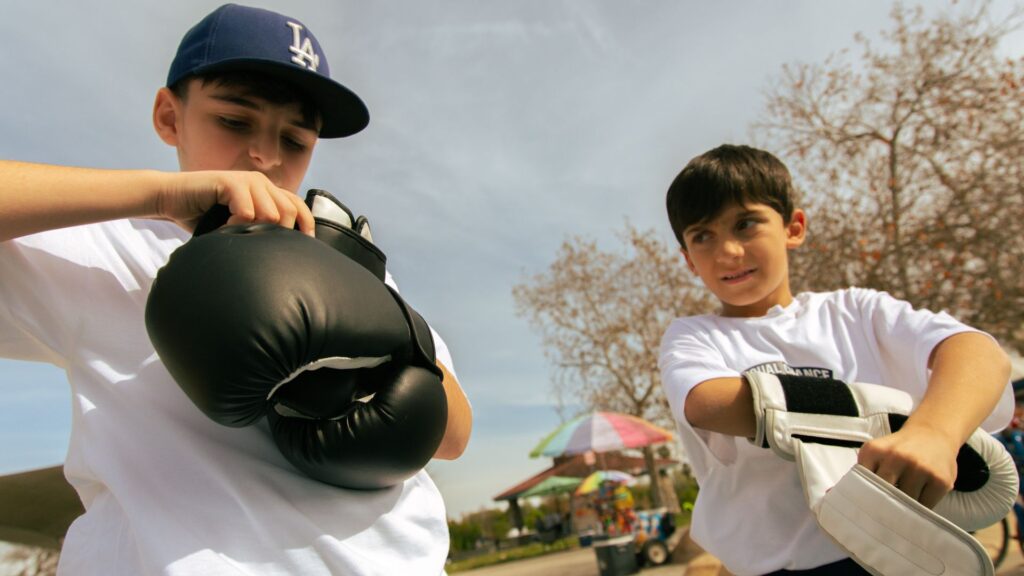
Parents Often See the Change at Home First
When a boxing program begins to matter to a teen, parents may notice the change before anyone else. It may not appear as a dramatic transformation. More often, it begins quietly. A teen may become a little more patient. They may sleep better after training. They may become more willing to listen. They may talk about a coach, a drill, or something they want to improve. They may begin to show pride in effort instead of only caring about results.
Parents often carry heavy concerns that they do not always say out loud. They worry about screen addiction, lack of discipline, negative influences, anger, low confidence, or a child becoming emotionally distant. They may not be looking for perfection. They may simply want their teenager to have a healthy place to go, a mentor they respect, and a routine that pulls them toward growth instead of trouble.
A strong boxing program can support parents by creating another layer of guidance around the child. It does not replace the family, but it helps reinforce values many parents are already trying to teach: respect, responsibility, patience, courage, and self-control. Sometimes teens receive these lessons differently when they come from a coach inside a structured environment.
That is part of why the “second home” idea matters. The program becomes a place that supports the first home. It gives parents another trusted space where their child can be challenged in a healthy way and surrounded by adults who care about their development.
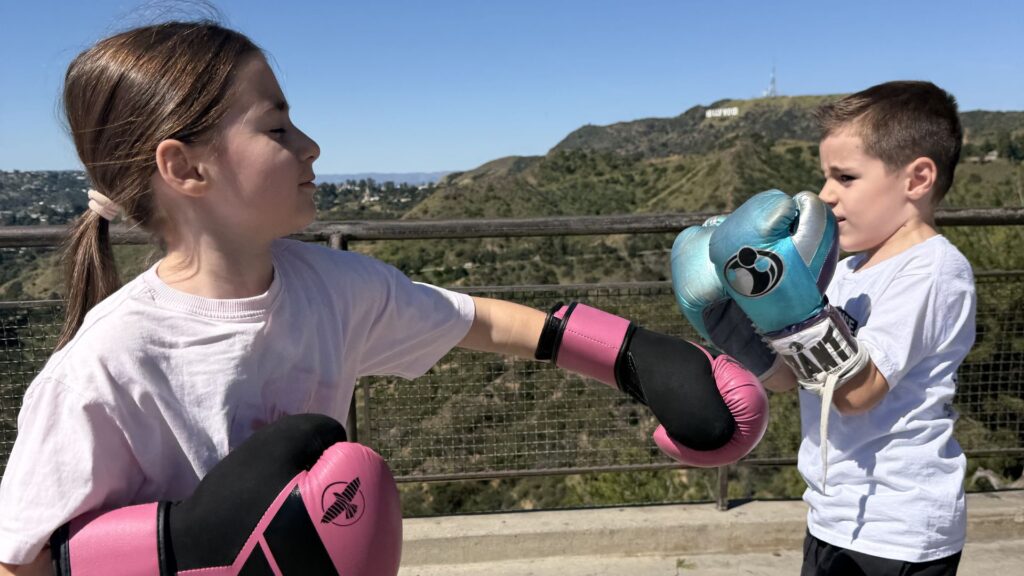
Access Matters Because Not Every Teen Gets the Same Door Opened
Many families would love to place their children in quality sports programs, mentorship programs, or afterschool activities, but cost can become a barrier. Private coaching, equipment, transportation, registration fees, and monthly memberships can put opportunity out of reach. For low-income families, this can mean that a child who needs structure the most may have the fewest options.
A free youth program can change that. It tells a teenager that their future is not limited by their family’s ability to pay for access. It tells a parent that cost does not have to be the reason their child misses out on mentorship, training, and a positive community. It tells the neighborhood that young people deserve support before they are in crisis, not only after.
This is why donations to Equal Chance Boxing Foundation matter. Supporters are not simply helping fund gloves, bags, or training space. They are helping build a second home for young people who need structure, encouragement, and access. They are helping make sure the door stays open for families who might otherwise be left outside.
When a donor supports a program like this, they are investing in consistency. That consistency may be the reason a teenager keeps coming back. It may be the reason a parent feels relief. It may be the reason a young person finds a mentor before they find the wrong influence somewhere else.
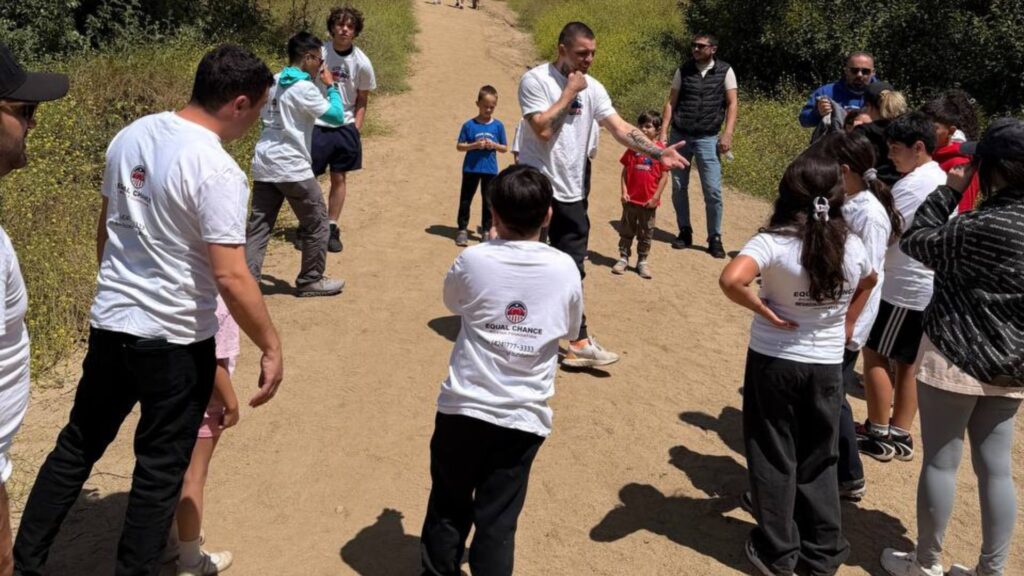
Businesses Can Help Build the Room Where Change Happens
A second home for teenagers does not appear by accident. It is built by coaches, volunteers, donors, families, and community partners who understand that youth development requires more than good intentions. It requires space, time, equipment, planning, safety, outreach, and long-term commitment.
Corporate sponsors have an important role in that work. When businesses support youth mentorship, they help create the conditions where young people can grow. They are not only supporting a sports activity. They are helping provide access to discipline, structure, positive adult relationships, and a safer environment for teens who need direction.
Through corporate sponsorship, local companies can invest in healthier communities in a practical way. Their support can help make programs more stable, accessible, and visible to families who need them. For a business that cares about the future of Los Angeles and LA County youth, this kind of partnership is not charity in the shallow sense. It is community responsibility.
A gym becomes a second home when the community chooses to protect it. Every sponsor, donor, volunteer, and supporter helps strengthen the room where a teenager might begin to see themselves differently.
What Makes a Boxing Program Feel Like a Second Home
| What a teen may need | How a strong boxing program can provide it |
|---|---|
| A place to belong | A consistent environment where young people train, learn, and grow together |
| Positive adult guidance | Coaches and mentors who correct, encourage, and hold teens accountable |
| A way to handle energy | Structured training that teaches control, focus, movement, and patience |
| Relief from pressure | A space where effort matters more than image, popularity, or online comparison |
| Discipline without shame | Clear standards taught through repetition, respect, and coaching |
| Access without financial pressure | Free or supported programs that remove cost as a barrier for families |
This is what many people miss when they look at boxing only as a sport. For a teenager, the gym may become the first place where discipline feels possible, where effort feels noticed, and where belonging is connected to something healthy. The equipment matters, but the environment matters more. The drills matter, but the relationships behind those drills often matter just as much.
A second home is not built by comfort alone. It is built by consistency. It is built when a young person knows that the same coach will expect effort again tomorrow, the same standards will be waiting, and the same room will welcome them back even after a hard day.
[ecbf_donate_banner_4]
The Role of Afterschool and Summer Mentorship
The hours after school and the long weeks of summer can shape a teenager more than many adults realize. When young people do not have structure during those times, they may drift into isolation, unhealthy screen habits, negative peer influence, or boredom that turns into trouble. This does not happen because teens are bad. It often happens because empty time pulls them toward whatever is easiest and closest.
A mentorship-based boxing program can turn those hours into something productive. It gives young people a place to go, a reason to move, and adults who expect them to grow. Programs like the ECBF Summer and Afterschool Mentorship Camp in LA County are important because they meet young people during the times when support can make a major difference.
Afterschool and summer programs do not only keep teens busy. At their best, they help young people build habits. They create routine. They reduce isolation. They offer mentorship before problems become deeper. They give parents peace of mind because their child is spending time in a structured and positive environment.
For a teen, this kind of program can become a second home because it fills a real gap. It gives them somewhere to be, someone to listen to, and something to work toward. Those three things can change the direction of a young person’s week, and over time, they can change much more than that.

and the Lesson of Discipline Over Mood
’s example matters because it shows young people that boxing is not built on easy success. Serious athletes do not rise because they feel motivated every day. They rise because they learn how to return to the work after fatigue, disappointment, mistakes, and losses. That lesson is valuable for teenagers because many of them are still learning how to stay committed when the first emotion fades.
A teen may enter the gym wanting fast confidence. Boxing teaches them that confidence is earned slowly. They may want power, but boxing teaches control first. They may want recognition, but the coach teaches footwork, defense, breathing, and patience. This can be frustrating at first, but it is also what makes the sport such a strong teacher.
The deeper message is that discipline protects a young person from being ruled by mood. A teenager does not have to feel perfect to make a good choice. They do not have to be naturally confident to begin. They do not have to be the most talented person in the room to improve. They need a place where the process is clear and the standards are consistent.
That is why a boxing program can become so important in a teen’s life. It teaches them that who they become is not decided by one bad day, one mistake, one emotion, or one difficult season. They can return. They can correct. They can rebuild. They can grow.
When a Teen Starts Calling the Gym “My Place”
There is a quiet moment that can happen after weeks or months of consistent training. A teenager stops seeing the program as something they “have to go to” and begins seeing it as their place. They know where to put their things. They recognize the coaches. They understand the rhythm of training. They may complain about hard drills, but they still show up. They may be tired, but they do not want to miss it.
That shift matters because it means the program has become part of their identity. They are no longer only a student, a kid at home, or someone trying to figure out where they fit. They are also a young person who trains. They are someone who is learning discipline. They are someone who has a coach, a routine, and a standard to return to.
This does not mean every teen will become a competitor. That is not the only measure of success. For some young people, success is learning how to stay calm under pressure. For others, it is building confidence, making better choices, or finding a positive place to spend time after school. For others, it is discovering that they are capable of more than they believed.
When a program becomes a second home, it gives a teenager more than activity. It gives them a healthier version of themselves to grow into.
A Second Home Can Help a Teen Carry Strength Back Into the First Home
The goal of a youth boxing program is not to separate a teenager from their family or community. The goal is to help them return stronger. A second home should support the first home by helping a young person develop habits and values that improve the way they show up in daily life.
When teens learn to respect a coach, they may become more open to guidance at home. When they learn to breathe through frustration in training, they may become better at handling conflict. When they learn that progress requires repetition, they may begin to understand school, chores, responsibilities, and relationships differently. These changes are not automatic, but they are possible when the environment is consistent.
Youth boxing is not a substitute for professional medical or mental health care when a child needs that level of support. But a safe, structured, mentorship-based program can be a powerful part of a teen’s support system. It can help them build routine, confidence, self-control, and connection in a way that feels real because they experience it physically and socially, not just through advice.
This is the heart of the work. A second home is not just a place where a teenager spends time. It is a place that helps them become more prepared for life outside its walls.
Step Into the Ring. Let’s Build Our Community Together.
For Parents: Reclaim Your Teenager’s Future
Stop relying on fleeting motivation and give your teenager the gift of true discipline. Leave the financial stress behind — Equal Chance Boxing Foundation provides access to structured youth boxing, mentorship, coaching, and a safe environment where young people can begin rebuilding confidence one step at a time.
Take the first step toward their mental and physical growth.
ENROLL IN OUR YOUTH BOXING PROGRAM TODAY
For Supporters: Fund a Life-Saving Mentor
These programs remain accessible because people choose to stand in the corner of young people who need structure, guidance, and opportunity. When you support low-income youth sports programs, you are not simply funding equipment — you are helping provide the mentorship, discipline, and consistency that many children cannot access on their own.
Be the steady hand in their corner.
DONATE TO THE EQUAL CHANCE BOXING FOUNDATION
For Community Partners: Take the Mentorship Beyond the Gym
Community impact grows when local leaders, businesses, and families work together. Through outreach, community training, and sponsorship support, Equal Chance Boxing Foundation helps bring coaching, structure, and encouragement closer to the youth who need it most.
LEARN ABOUT CORPORATE SPONSORSHIP
Questions?
We’ve got answers.
At the Equal Chance Boxing Foundation, the gym is designed to be an ego-free sanctuary. Unlike school or social circles where teens might feel judged for their clothes, background, or social status, the boxing gym strips all that away. When everyone puts on hand wraps and works through the same grueling drills, it creates an immediate, equalizing bond that makes teens feel they truly belong.
A boxing program operates on a foundation of strict respect, discipline, and clear boundaries. For teens coming from chaotic environments or dealing with bullying, this structured predictability is incredibly comforting. They know exactly what is expected of them, and they know that coaches and mentors will fiercely protect that safe space, allowing them to drop their guard and just be themselves.
Mentors like go far beyond teaching physical techniques; they offer consistent, non-judgmental support. For many teens, these coaches become surrogate parental figures or trusted older siblings. Because this mentorship is built on shared sweat and earned respect, teens feel comfortable opening up about their personal struggles, knowing they will be heard and supported.
Boxing may be an individual sport, but the training is deeply communal. Teens suffer through tough conditioning circuits together, hold heavy bags for one another, and celebrate each other’s breakthroughs. This shared physical and emotional journey forms a tight-knit “chosen family.” For a teen who feels isolated elsewhere, this fiercely supportive peer group is what turns a simple building into a true second home.