
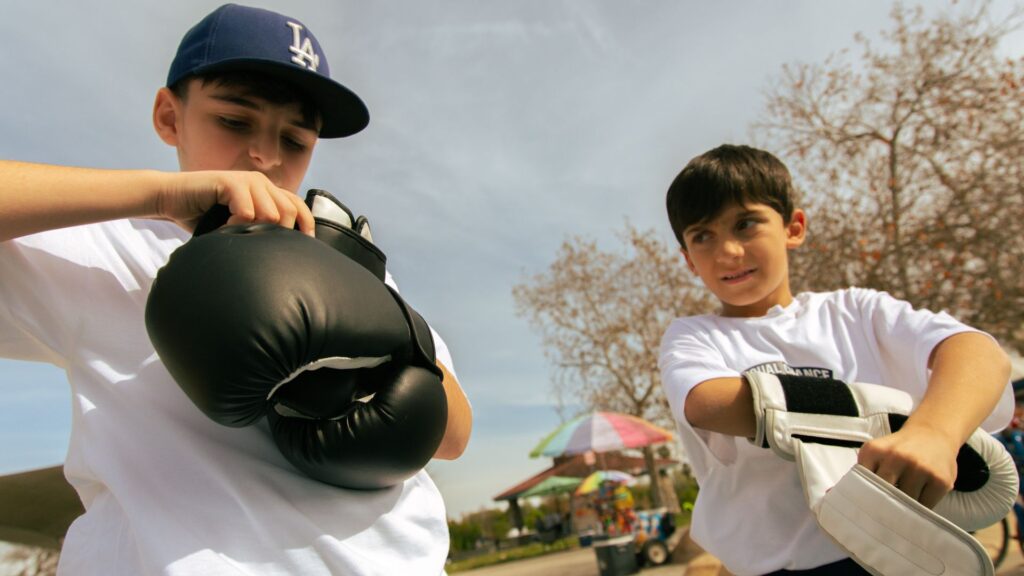
Sports are about much more than the medals, the trophies, or the fleeting moments spent standing on a podium while the crowd cheers. For a young athlete—whether a teenager stepping into a boxing gym for the very first time, unsure of themselves, or a child who has already dedicated several grueling years to their craft—sport becomes the ultimate, unfiltered school of life. In today’s fast-paced, hyper-connected world, where academic stress levels are unprecedentedly high, digital distractions are constant, and balancing schoolwork with physical exertion is incredibly challenging, understanding the deep, foundational processes of preparation and recovery is absolutely critical.
This comprehensive guide is designed not just as a manual for parents who want to protect their children from physical injuries, emotional exhaustion, and burnout, but as a direct, honest message to the young athletes themselves. If you are reading this right now, understand this undeniable truth: your ultimate success in the ring, on the field, or on the mats does not solely depend on how hard you can punch, how fast you can run, or how naturally gifted you are. It depends heavily on how intelligently you prepare your mind and body, and how deeply and purposefully you allow yourself to rest.
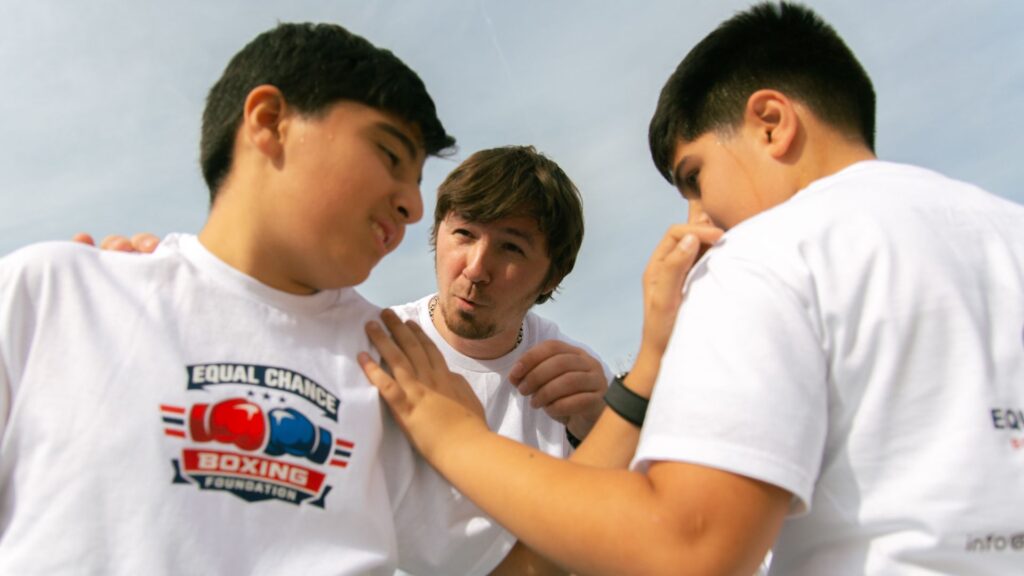
We often only see the final, glorious result—the raised hand of the victor, the tears of joy from the corner, the gold medal shining brightly under the arena lights. However, hidden in the shadows behind that glamorous facade are thousands upon thousands of hours of monotonous, agonizing, and often lonely work. Preparation and recovery are the yin and yang of both professional and amateur sports; they cannot exist without one another. Without a meticulously structured warm-up, muscles become brittle and highly prone to tearing. Without adequate, uninterrupted sleep, the central nervous system falters, slowing down reaction times when milliseconds matter. Without the right mental tuning and psychological resilience, even the most physically gifted, genetically blessed youth can shatter into pieces under the immense, crushing pressure of external expectations.
Loss of intrinsic motivation, the paralyzing, suffocating fear of failure in front of peers, and the debilitating exhaustion of overtraining—these are the real, tangible pain points that almost every teenager in competitive sports faces at some point in their journey. This is exactly why we place such a massive, unwavering emphasis on comprehensive, holistic character development. We do not just teach a teenager how to throw strikes or slip a jab; we teach them how to expertly manage their developing bodies, regulate their chaotic emotions, and harness their inner resources. In this extensive article, we will break down exactly why athletic preparation starts long before you ever walk through the gym doors, how proper nutrition and sleep directly and aggressively fuel your competitive results, and why taking time to rest is not a sign of weakness, but the deliberate, intelligent choice of true professionals.
[ecbf_donate_banner_1]
The Story: Resilience, Discipline, and the Right Approach
When we discuss the arduous nature of athletic preparation and the beautiful art of overcoming oneself, it is absolutely impossible not to highlight the turbulent but inspiring journey of . As a seasoned professional boxer, his long career serves as a vivid, undeniable, and raw example of how sheer grit, relentless persistence, and ironclad daily discipline can ultimately overcome raw, unrefined talent. was not handed international success on a silver platter; his grueling path to the upper echelons of professional boxing was paved with buckets of sweat, severe physical injuries, devastating, heartbreaking defeats, and phenomenal, crowd-roaring comebacks that defied the odds.
For young, aspiring athletes, ‘s story is not merely a sanitized fairy tale of success meant to make them feel good; it is a harsh, realistic, but profoundly honest lesson that real, high-level sports demand total, unwavering dedication of both the body and the soul. Teenagers today often chase rapid, instant results: they want to learn a complex combination on Monday, jump into hard sparring on Tuesday, and win a championship belt by the weekend. But proves through his lived, bloodied experience that the true, unshakable foundation of victory is laid precisely when absolutely no one is watching and no one is cheering.
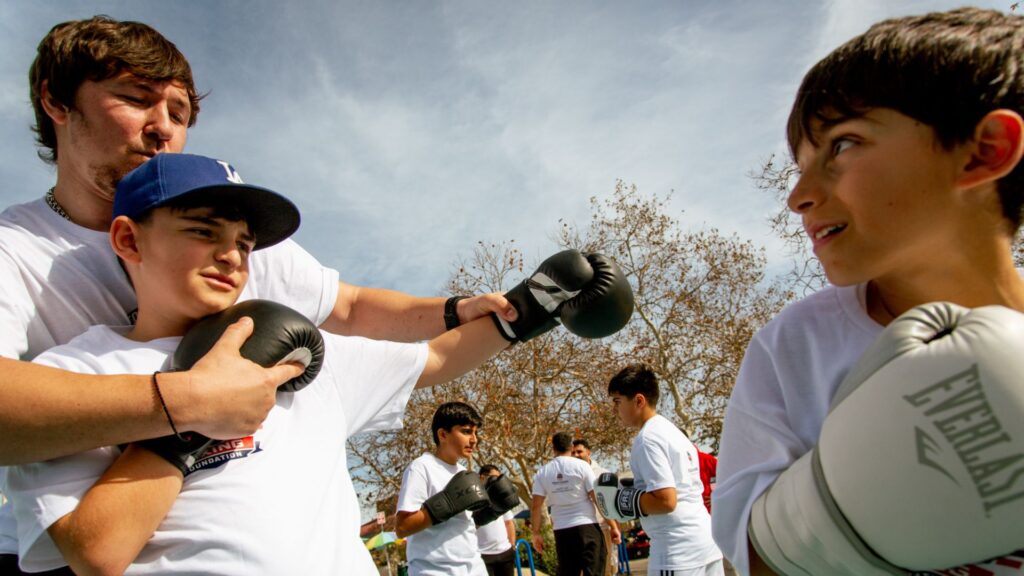
It is the lonely, miserable 5:00 AM runs in the freezing rain when your entire body begs you to stay under the warm blankets. It is the strict, uncompromising, day-by-day control over your sports nutrition, meticulously weighing out portions while your peers are carelessly enjoying fast food and soda. It is the countless, tedious, incredibly boring hours spent stretching tight hamstrings, mobilizing stiff joints, and carefully taping wrists and shoulders to ensure maximum injury prevention. profoundly understands that the massive chasm between an amateur and a true professional lies entirely in their attitude toward the monotonous, unglamorous daily routine.
Perhaps the single most crucial lesson young men and women can extract from ‘s storied career revolves around sports psychology and mental recovery. In the brutal sport of boxing, just as in the unpredictable arena of life, you are going to take heavy hits. You are going to fall down to the canvas. The only question that truly matters in that moment is whether you will find the deep, inner strength to stand back up before the referee counts to ten. teaches us, through action, that a bitter defeat is never the permanent end of the road; rather, it is incredibly valuable, actionable feedback. After a tremendously tough bout, the most important phase is not just physically healing the bruises and cuts, but aggressively analyzing tactical mistakes, unloading heavy psychological baggage, leaving the ego at the door, and returning to the gym on Monday morning with a cold, focused, and hungry mind.
Preparation: It Is More Than Just a Workout
The physical and athletic preparation of a young, developing body is fundamentally and biologically different from the training regimens of fully grown, mature adults. A teenager’s body is in a constant, highly volatile state of hyper-active growth: the skeletal system is still actively forming and lengthening, the hormonal landscape is constantly shifting and surging, and ligaments and tendons are actively stretching and strengthening. Blatantly ignoring these unique, critical physiological characteristics is a direct, one-way ticket to chronic, agonizing sports injuries that can permanently end a highly promising athletic career before it even truly begins.
The Physical Foundation: Warm-ups and Periodization
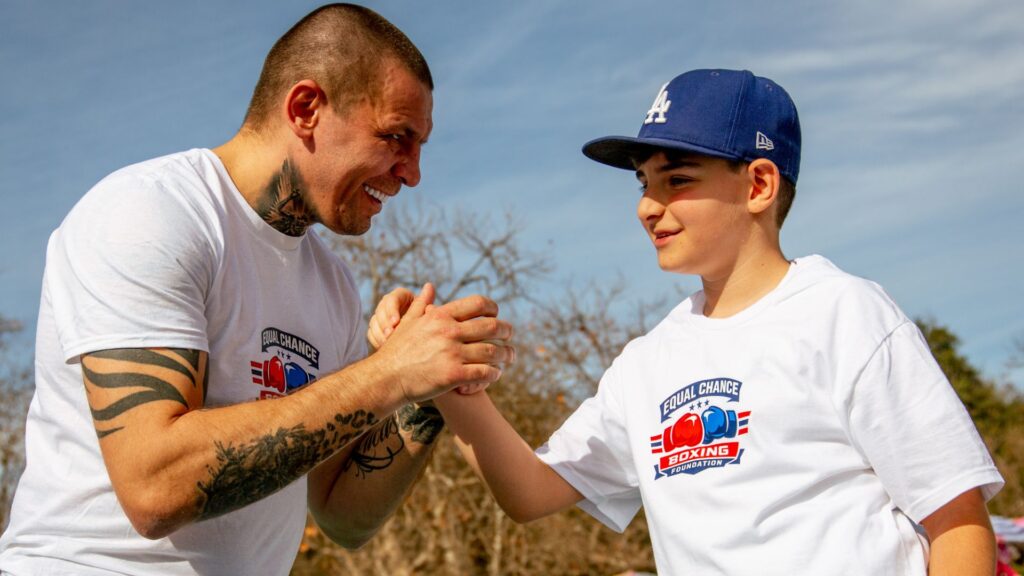
The very first foundational concept a young athlete must master is the absolute, non-negotiable necessity of the warm-up and the subsequent cool-down. A warm-up is not just a couple of lazy, half-hearted arm swings done merely to satisfy the gaze of a strict coach. It is a highly complex, necessary biomechanical process that accomplishes several crucial, performance-enhancing things:
- Raises core body temperature to prime the cardiovascular system, ensuring the heart and lungs are ready to deliver oxygen rapidly to working muscles.
- Improves the elasticity of muscles and connective tissues, transforming them from stiff, cold rubber bands into pliable, resilient springs.
- “Switches on” the central nervous system, firing up motor units and preparing the brain for explosive, high-intensity loads and complex coordination.
In youth boxing, where split-second reactions, spatial awareness, and sudden, violent bursts of speed dictate the entire pace of a round, dedicated joint mobility work and light cardiovascular priming can drastically reduce the risk of severe sprains, muscle tears, and joint subluxations.
The second major pillar of intelligent physical preparation is training periodization. Young, highly motivated, and passionate athletes often suffer from a dangerous condition known as youthful maximalism: they falsely believe that to be the absolute best, they must train at their absolute maximum physical intensity every single day, without fail. This is precisely where expert, educated coaching steps in to properly dose the physical load. Structuring the training calendar into balanced, scientifically backed cycles—alternating days of light, flowing technical sparring with days of heavy, grueling bag work and foundational general physical preparedness (GPP)—ensures the youth athlete peaks safely and effectively without falling into the destructive, depressive trap of systemic overtraining.

Building Mental Armor and Emotional Resilience
Modern youth competitive sports place an absolutely colossal, sometimes unbearable amount of pressure on the developing adolescent psyche. The heavy, often unspoken expectations of parents pacing the sidelines, the toxic, unavoidable habit of comparing oneself to seemingly “perfect,” highly edited peers on social media platforms, and the deep-seated, paralyzing fear of letting down a respected coach or a tight-knit team can all violently culminate in severe emotional burnout. Therefore, proactive mental preparation is never an optional extra or an afterthought; it is as strictly mandatory as physical conditioning and roadwork.
Young athletes must be actively taught the profound power of visualization—a proven sports psychology technique where they vividly, methodically, and repeatedly imagine their upcoming bout or competition, mentally rehearsing every single movement, defensive slip, and offensive counter-punch in high definition. This mental practice physically rewires the brain’s neural pathways to significantly lower pre-competition anxiety and stage fright. Furthermore, a vital, life-saving mental skill is learning to focus entirely and exclusively on the process rather than obsessing over the final result. Adopting the stoic mindset of “execute the game plan, control what is controllable, and let the results take care of themselves” helps teenagers shed the paralyzing fear of failure and allows them to rediscover the pure, unadulterated joy of the sport they originally fell in love with.
Recovery: The Secret Weapon of Champions
If the act of training is the deliberate, controlled process of micro-tearing muscle fibers, stressing the nervous system, and depleting the body’s stored energy reserves, then recovery is the magical, vital phase where true physical growth, neurological adaptation, and athletic progression actually occur. A young, ambitious athlete who stubbornly neglects their rest is exactly like a million-dollar, high-performance sports car trying to run a grueling endurance race on a completely empty gas tank: it might push forward on pure willpower for a little while, but eventually, the engine is going to catastrophically stall, and the damage will be severe.
The Unmatched Power of Deep Sleep
An athlete’s sleep is the single most powerful, legally performance-enhancing, and absolutely free recovery tool in existence. There is no supplement, ice bath, or massage gun that can replace it. It is exclusively during the deep, restorative phases of sleep that the pituitary gland aggressively releases human growth hormone (HGH), which is critically and biologically vital for repairing damaged cellular tissues, strengthening bone density, and stimulating lean muscle growth in rapidly developing teenagers.
A chronic, ongoing lack of sleep (defined as anything consistently less than 8 to 9 uninterrupted hours for a highly active adolescent) leads to a devastating cascade of negative effects:
- A severe, noticeable drop in cognitive concentration and tactical decision-making under pressure.
- A dangerous deterioration of physical reaction times by 15-20%, which in boxing can mean the difference between slipping a punch and sustaining a concussion.
- A massive, unnatural spike in cortisol (the body’s primary stress hormone).
Elevated cortisol aggressively breaks down hard-earned muscle tissue for energy and severely suppresses the immune system, leaving the overtrained athlete highly prone to common illnesses and infections. Youths who are truly striving for elite, national-level results quickly internalize a non-negotiable lifestyle rule: smartphones, tablets, and all blue-light-emitting screens are turned off strictly at least an hour before bed, the bedroom environment is kept cool, quiet, and pitch dark, and a strict, unwavering sleep schedule is maintained even throughout the weekends.
Nutrition and Hydration: Premium Fuel for a High-Performance Engine
Sports nutrition for teenagers is absolutely not about flashy, artificially flavored protein shakes, highly caffeinated pre-workout powders, or following the latest extreme fad diet promoted by influencers. First and foremost, it is about establishing a robust, balanced, and sustainable daily diet built entirely on whole, nutrient-dense, unprocessed foods. A heavily sweating, growing athlete requires a massive, steady stream of complex carbohydrates (like steel-cut oats, quinoa, brown rice, and sweet potatoes) to guarantee the liver and muscles have sufficient glycogen energy stores loaded up long before a grueling, two-hour training session begins.
They also require a consistent intake of high-quality, lean proteins (such as poultry, wild-caught fish, whole eggs, and cottage cheese) to provide the necessary amino acid building blocks for rapidly repairing the thousands of microscopic tears in muscle fibers generated during heavy lifting or bag work. And, contrary to outdated diet myths, they absolutely must consume ample amounts of healthy fats (abundantly found in almonds, walnuts, avocados, and extra virgin olive oil) to maintain a healthy, stable hormonal balance, support brain health, and properly lubricate heavily taxed, aching joints.
Hydration demands equally obsessive, daily attention. Water is the fundamental, non-negotiable medium for every single metabolic and cellular process in the human body. Losing just 2% of total body weight in fluids through heavy sweat during a hot summer workout can rapidly result in a catastrophic 10-15% plummet in both cardiovascular endurance and cognitive sharpness. Young athletes are rigorously taught to drink water proactively throughout the entire day—never waiting until they actually feel parched, because the physical sensation of thirst is a delayed biological alarm bell explicitly indicating that a state of performance-robbing dehydration has already set in.
Comparison of Recovery Methods
To fully grasp the comprehensive arsenal of recovery tools available to a modern athlete, review the structured, detailed comparison table below. It breaks down the most scientifically effective methods, their exact physiological purposes, and their relative importance for a developing youth athlete’s daily regimen.
| Recovery Method | Physiological Purpose | When to Apply | Importance Level |
| Full Sleep Cycle (8-10 Hours) | Maximum growth hormone production, CNS regeneration, deep memory consolidation of newly learned techniques. | Daily; absolute, strict bedtime consistency is required for circadian rhythm alignment. | Critical (10/10) |
| Balanced Whole-Food Nutrition | Rapid glycogen replenishment, rebuilding torn muscle tissue, vital hormone regulation. | Daily; heavily prioritized within the 45-minute anabolic window immediately post-training. | Critical (10/10) |
| Myofascial Release & Stretching | Alleviating painful muscle spasms, improving localized blood flow, increasing fascial tissue elasticity. | After every single intense training session (as the core of the Cool-down phase). | High (8/10) |
| Contrast Showers / Ice Baths | Rapidly reducing acute systemic joint inflammation, intense vasoconstriction, flushing out pooled lactic acid. | Exclusively following severely taxing physical loads, intense conditioning, or hard sparring days. | Medium (6/10) |
| Psychological Decompression | Proactively preventing emotional burnout, lowering generalized anxiety, reducing systemic cortisol levels. | 1-2 times per week (engaging in entirely non-sport hobbies, reading, or screen-free nature walks). | High (9/10) |
The Role of Equal Chance Boxing Foundation in Shaping Future Leaders
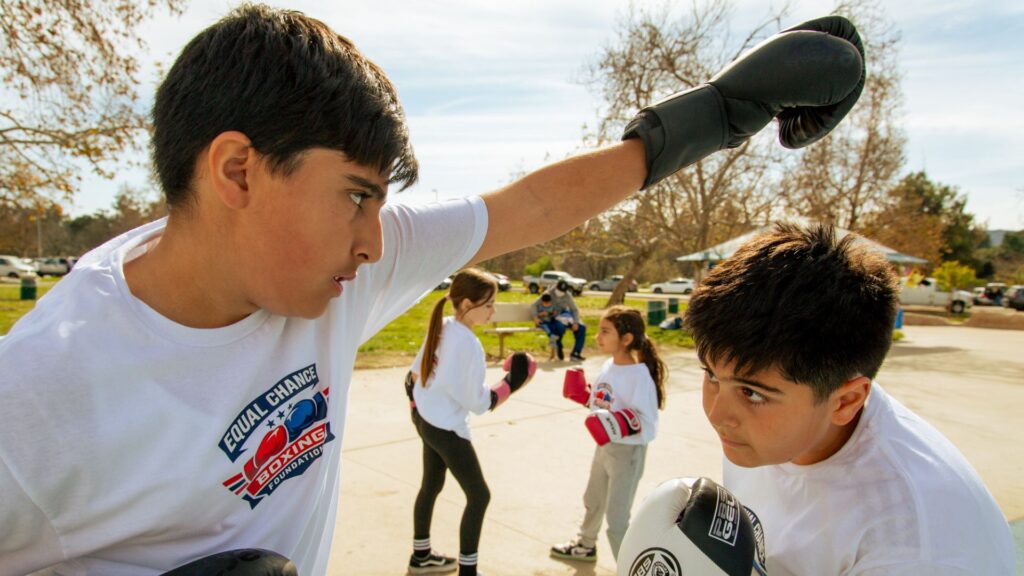
Theoretical knowledge without consistent, practical application is completely dead. All of these advanced, scientific concepts regarding physiological preparation, deep sports psychology, and metabolic recovery remain absolutely nothing more than fancy words on a digital page if a teenager fundamentally lacks a highly safe, deeply structured, and professionally supervised environment in which to actually apply them. Providing this exact, life-altering space is precisely why the Equal Chance Boxing Foundation exists, and it is the elite, fiercely supportive ecosystem we have meticulously built from the ground up.
We deeply empathize with, and intimately understand, the very real, very heavy anxieties of modern parents: the constant, gnawing fear for a child’s physical safety in a combat sport, the sheer lack of available hours for complex logistical transportation across the city to specialized gyms, and the incredibly significant, often prohibitive financial burdens associated with paying for premium, high-level coaching, monthly gym dues, and replacing high-quality protective equipment as a child grows. But equally, and just as importantly, we deeply understand the burning, raw ambitions of the teenagers themselves. These are youths who desperately, quietly need a sanctuary—a second home—where respected adults look them in the eye and genuinely believe in their limitless potential.
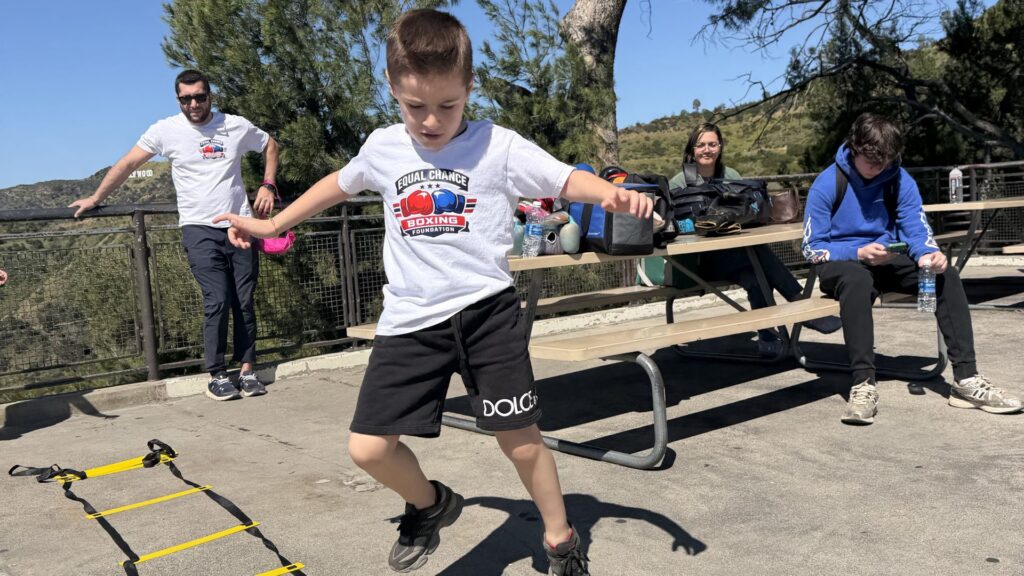
Our dedicated, expertly crafted initiatives are engineered with all sensitive adolescent developmental stages firmly in mind. We have a strict, unbreakable policy: we absolutely never throw raw beginners straight into the chaotic fire of hard sparring. The foundational training process is systematically, patiently built upon a bedrock of gradual instruction in perfect basic biomechanics, generalized physical preparation to strengthen joints, and, high above all else, ironclad, unwavering discipline. If you want to dive much deeper into exactly how we structure this transformative journey, the specific safety protocols we enforce, and the highly transferable life skills we instill in every student, we strongly encourage you to explore the comprehensive details of our Youth Boxing Program.
Furthermore, for those families and individuals in the local neighborhood who are actively seeking positive community support, mentorship, and healthy physical engagement outside the formal, intimidating ropes of the boxing ring, we step up to fill that void. We regularly organize highly accessible, deeply engaging outdoor training sessions and fitness boot camps. This serves as an incredible, entirely pressure-free opportunity for highly energetic teenagers to constructively release pent-up aggression and stress, forge incredibly healthy new friendships with positive, goal-oriented peers, and truly feel like an integral, valued part of a massive, wildly supportive sports family. You can easily find our upcoming schedules, event locations, and join our vibrant open sessions through our community-focused Community Training initiative.
[ecbf_donate_banner_4]
How We Change Destinies Together
The reality of operating a truly high-quality, flawlessly safe, and deeply impactful grassroots sports organization is that it requires immense, continuous financial backing. We refuse to compromise on the safety and development of our youth. Providing this elite training environment, routinely purchasing top-tier, medically approved protective boxing gear that actively prevents concussions and hand fractures, organizing heavily supervised local tournaments to build necessary self-confidence, and hosting visiting expert seminars on advanced sports nutrition and psychology—all of these highly impactful, life-altering activities require substantial, massive, and ongoing resources. The stark truth is that gym rent, facility maintenance, professional coaching salaries, and travel expenses for tournaments add up exponentially.
We operate entirely and exclusively thanks to the deep empathy, profound generosity, and proactive financial support of visionary individuals and forward-thinking businesses. These are partners who clearly understand one fundamental, undeniable truth: by boldly investing in structured youth sports today, we are directly, measurably investing in a much healthier, mentally stronger, and significantly more driven society for tomorrow. Every dollar injected into a community boxing gym yields an immeasurable return on investment in the form of reduced juvenile delinquency, higher high school graduation rates among participants, and the forging of resilient future leaders who know how to work hard.

Sport unequivocally saves destinies; it is not an exaggeration. A dedicated boxing gym physically pulls highly vulnerable teenagers off dangerous, unpredictable streets during the most critical hours of the afternoon. It radically injects their previously aimless lives with profound, burning purpose. It strictly teaches them to deeply respect their mentors, their peers, and themselves. Most importantly, it instills a lifelong, unshakable appreciation for the raw value of hard, unglamorous work. When a child learns that sweating for two hours results in mastering a new skill, that work ethic transfers directly to their academics and future careers.
If you share our deep-seated core values and genuinely want to step up and become an active, powerful catalyst for massive positive change in your community, your financial contribution could easily become the absolute decisive turning point in a child’s life. Right now, there is a young athlete sitting at home, possessing the heart of a lion and dreaming endlessly of wearing a championship belt, but who simply lacks the basic, fundamental financial means to afford the monthly gym fee or buy their very first pair of safe boxing gloves. You have the power to remove that barrier instantly.
Support our grassroots movement, stand shoulder-to-shoulder with our coaches, and help us forge the resilient champions of tomorrow. You can make a direct, transparent, and absolutely life-changing contribution right now by choosing to Donate to our cause; every single contribution directly outfits and supports a child. Furthermore, if your business or corporation is actively looking to make a lasting, highly visible community impact, fulfill corporate social responsibility (CSR) goals, and proudly align your brand with a powerful mission of youth resilience, grit, and empowerment, we warmly and enthusiastically invite you to stand with us. Let’s build the future together as one of our highly valued Corporate Sponsors.
Questions?
We’ve got answers.
In boxing, victories are secured long before the first bell rings. At the Equal Chance Boxing Foundation, youth learn that stepping into the ring unprepared is not an option. They discover that true preparation means meticulously wrapping their hands, completing proper warm-ups, and studying techniques. This teaches them that success in any area of life requires diligent, behind-the-scenes work before the main event.
Many teens believe that constantly pushing themselves is the only way to improve, but boxing teaches that muscles grow and the mind adapts during rest. Mentors like emphasize that stretching, hydrating, and prioritizing sleep are critical parts of training. Youth learn to listen to their bodies, understanding that deliberate recovery prevents burnout and injuries—a lesson that applies to mental exhaustion as well.
The meticulous routine of getting ready—packing the gym bag the night before, checking equipment, and mentally focusing on the way to the gym—builds a strong sense of personal accountability. Instead of just showing up and going through the motions, teens learn to approach their training with intent. This shift from a casual participant to a disciplined athlete naturally translates to better organization in their daily responsibilities and schoolwork.
Soreness and fatigue are guaranteed in boxing, but youth are taught not to just sit around when they hurt. Through active recovery—like light stretching, shadowboxing, or mobility work—they learn that the best way to heal is often to keep moving forward gently. This physical practice builds immense psychological resilience, showing them that when they face emotional or academic setbacks, taking small, positive steps is the best way to bounce back.