
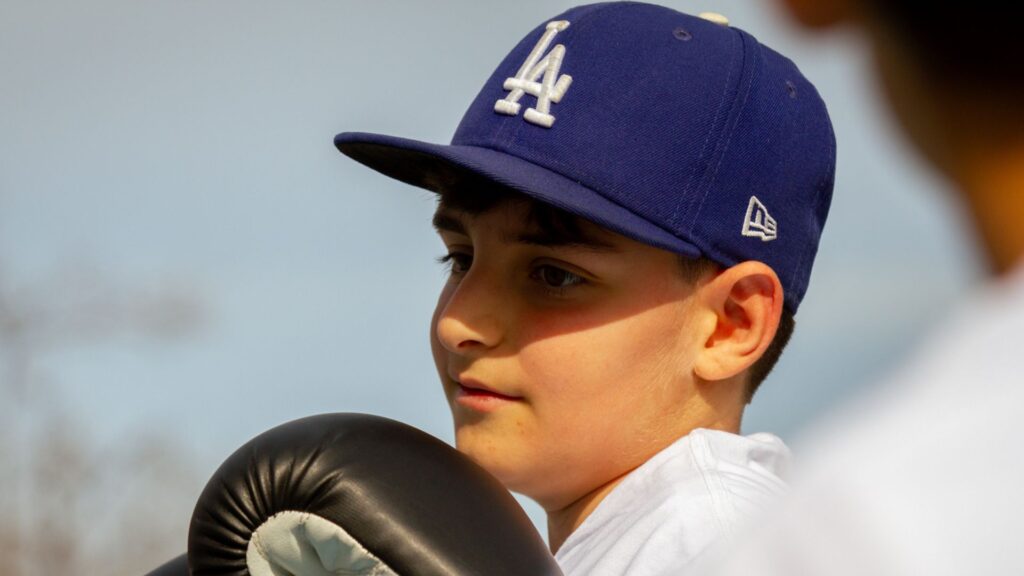
As a parent, your most fundamental instinct is to protect your child from harm. You spend their entire lives shielding them from physical danger, emotional trauma, and negative influences. So, when your teenager approaches you and says they want to start boxing—or when you begin searching for a physical outlet for their boundless energy, anxiety, or frustration—a massive red flag immediately goes up in your mind.
You picture the professional prize fights on television. You envision aggressive gyms, black eyes, and the terrifying prospect of head injuries. You ask yourself the most logical, urgent question a parent can ask: Is boxing actually safe for my child?
It is a completely valid fear. If youth boxing simply meant throwing a child into a ring to brawl, the answer would be a resounding “no.” However, true developmental combat sports are fundamentally different from what you see on television or in the movies.

At the Equal Chance Boxing Foundation, we engage with deeply concerned parents every single day. We understand your anxiety. We know that before you entrust us with your child’s physical and mental development, we must provide absolute, uncompromising proof that their safety is our highest priority.
In this comprehensive, pillar guide, we will completely deconstruct the stigma surrounding youth combat sports. We will pull back the curtain on the stringent youth boxing safety guidelines we employ, explore the profound psychological benefits of the sport, and explain how our founder, professional boxer , has built an environment where physical safety and elite mentorship go hand-in-hand.
The Stigma vs. The Reality of Youth Boxing
The greatest hurdle youth boxing faces is its portrayal in popular media. Society equates boxing with violence, aggression, and trauma. To understand why developmental boxing is safe, we must separate the sport from the stigma.
[ecbf_donate_banner_1]
Dispelling the “Fight Club” Myth
When an adolescent joins a professional developmental program, they are not joining a fight club. They are entering an academy.
- The Reality of the Gym: A properly managed boxing gym is one of the most highly structured, disciplined environments a teenager can experience. It is a classroom where the curriculum is biomechanics, cardiovascular endurance, and spatial awareness.
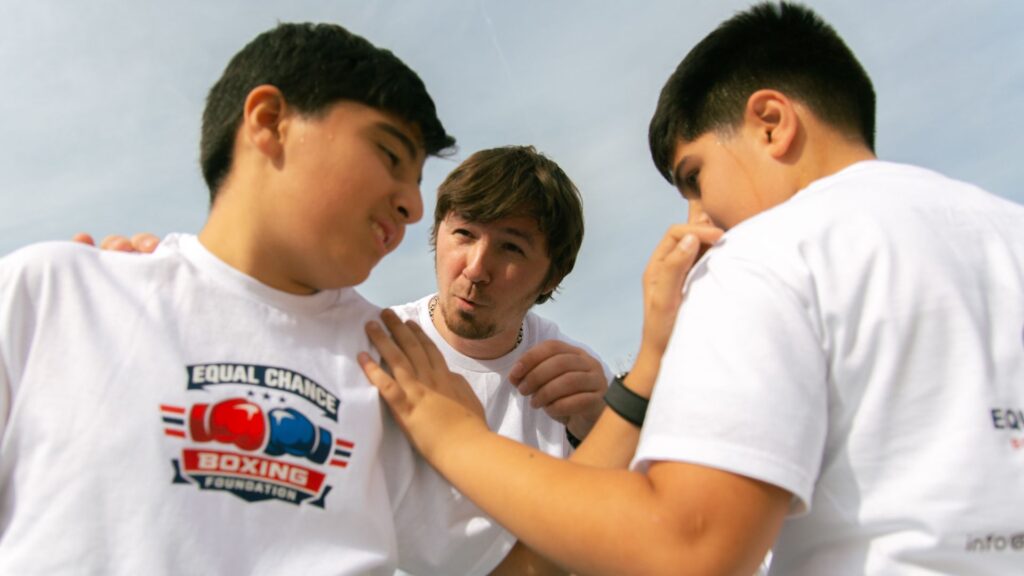
- Non-Violent Boxing Training for Youth: We teach a vital distinction from day one: the skills learned in the gym are exclusively for athletic excellence and self-defense, never for street violence, bullying, or ego. Any athlete who uses their training to intimidate others is immediately removed from our program. We teach martial arts, prioritizing the art of movement over the act of striking.
The Science of the “Sweet Science”
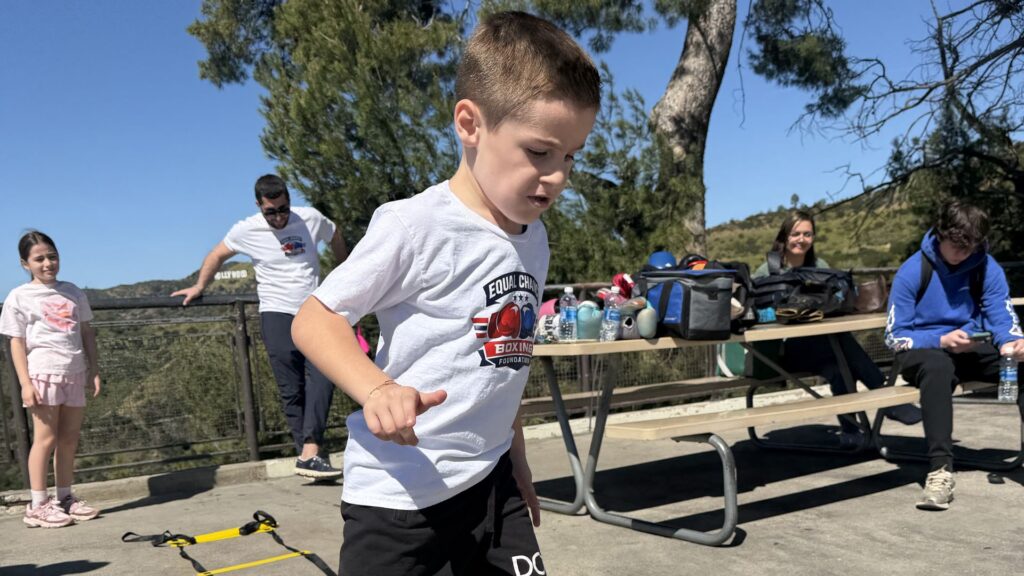
Boxing is famously called the “Sweet Science” because, at its core, it is about physics and geometry. It is physical chess. Parents seeking sports that build confidence in kids often overlook that boxing training is roughly 80% conditioning and technique, and only 20% controlled contact. A beginner will spend months jumping rope, shadowboxing, hitting the heavy bag, and learning how to properly pivot their feet before they ever face a live opponent. The focus is entirely on mastering their own body, not destroying someone else’s.
Our “Brain-First” Safety Philosophy
The primary fear for any parent evaluating a contact sport—whether it is football, soccer, or boxing—is the risk of concussion and neurological trauma. At the Equal Chance Boxing Foundation, we do not shy away from this reality; we confront it with a rigorous, uncompromising “Brain-First” safety philosophy.
Strict Progression Protocols: Earning the Right to Spar
In our facility, contact is a privilege that must be meticulously earned, not a right that is freely given.
- The Zero-Contact Phase: When a teenager enrolls, their first several months involve absolutely zero head contact. They are taught stance, balance, how to keep their chin tucked, and how to keep their hands up.
- Mastering Defense: We believe that safe boxing training for kids starts with defense. We do not teach a child how to throw a punch until they have thoroughly demonstrated that they know how to slip, block, and evade one. They must pass rigorous defensive evaluations before moving to the next level.
Supervised “Flow” Sparring
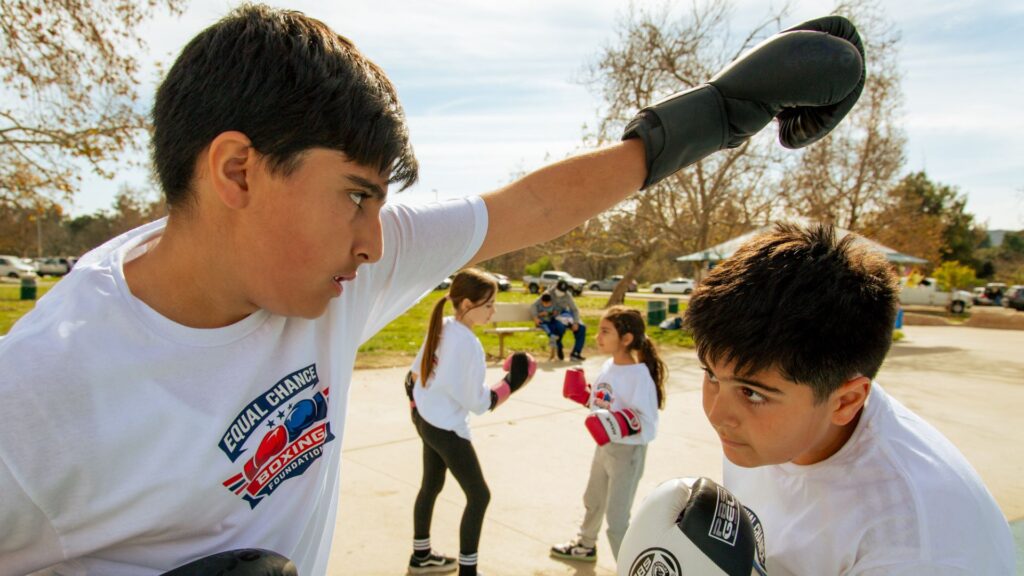
When an athlete is finally deemed emotionally mature and physically coordinated enough to engage in partner drills, they do not “fight.” They engage in “flow sparring.”
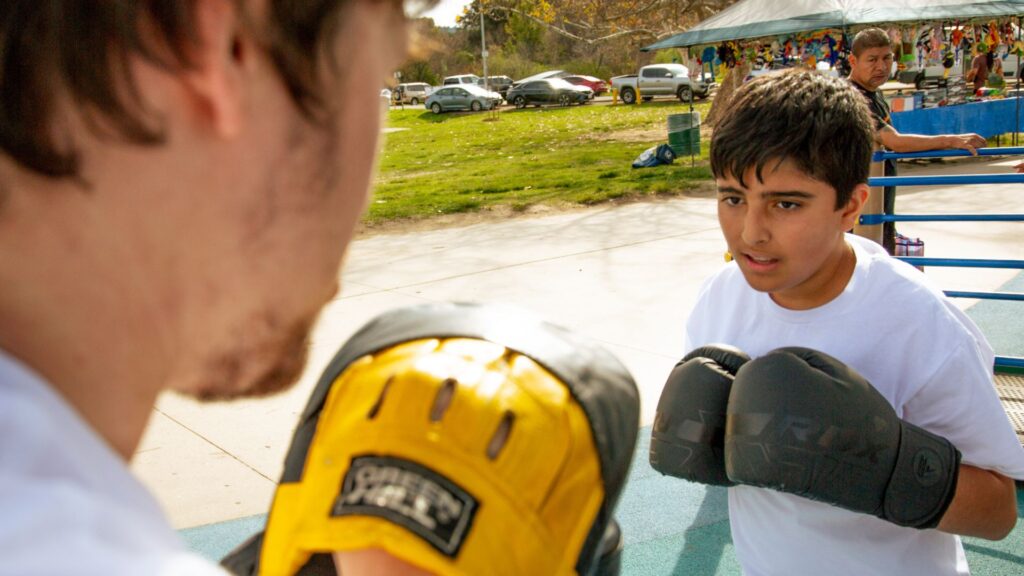
- Conditioned Responses: Flow sparring is conducted at 10% to 20% power. The goal is not to win or inflict pain; the goal is to practice keeping your eyes open when a glove is coming toward you and executing the defensive maneuvers you learned on the heavy bag.
- Absolute Supervision: Trusted youth boxing coaches are present inside the ring during every single second of partner drills. If an athlete’s form breaks down, or if they become overwhelmed or overly aggressive, the coach instantly halts the session. Fear and panic are carefully managed to ensure the teenager remains in a state of learning, not a state of survival.
Elite Protective Gear: The Non-Negotiable Standard
Even during light flow sparring, the physical protections we mandate are absolute.
- 16-Ounce Gloves: Unlike the small, highly impactful gloves seen in professional fights, our youth spar exclusively in heavily padded, professional-grade 16oz gloves designed to absorb impact, not deal damage.
- USA Boxing Approved Headgear: High-density foam headgear is strictly required to protect against accidental clashes and absorb shock.
- Custom Mouthguards: Proper dental and jaw protection is mandatory the moment an athlete steps onto the mat.
The Psychological Safety of the Boxing Gym
While physical safety is paramount, we must also address the severe psychological dangers teenagers face today. Depression, anxiety, and a profound lack of self-worth are at epidemic levels among adolescents. A truly safe environment protects a child’s mind just as fiercely as it protects their body.
A Sanctuary for Troubled Youth
For underprivileged youth or teens dealing with turbulent home lives, the world can feel incredibly unsafe and unpredictable. The boxing gym provides a vital “Third Space.” When a teenager wraps their hands and begins their workout, the chaos of their outside life fades away. The gym offers extreme predictability, clear rules, and immediate, objective feedback. It is a sanctuary where they are not judged by their past mistakes, their family’s income, or their academic struggles. They are judged solely by their willingness to work hard today.
Boxing for Anger Management in Kids
Many teenagers carry a massive amount of unexpressed anger. When this anger has no outlet, it becomes destructive. We provide a highly structured, scientifically proven release valve. Hitting a heavy bag burns cortisol and releases endorphins. More importantly, it requires intense focus. A teenager quickly learns that wild, angry swings exhaust them in seconds. To be powerful, they must calm their mind, regulate their breathing, and focus on technique. We teach them how to take the chaotic fire of their anger and forge it into the laser-focus of athletic discipline.

Building Intrinsic, Bulletproof Confidence
Parents constantly ask how boxing builds confidence in children and teenagers. It works because the confidence is intrinsically earned. We do not hand out participation trophies. When a shy, anxious teenager learns to step into a physically demanding environment, face their absolute deepest fears, and successfully execute a complex defensive slip under pressure, their brain registers a monumental victory. They learn that they are incredibly resilient. This intrinsic confidence acts as a psychological armor that protects them from bullying, peer pressure, and self-doubt long after they leave the gym.
The Mentor Makes the Difference: The Standard
A boxing program is only as safe as the adults who run it. The most sophisticated gear in the world cannot protect a child from a toxic, ego-driven coach.
At the Equal Chance Boxing Foundation, our safety protocols are authored and enforced by our founder and Head Coach, professional boxer .
Professional Pedigree Ensures Safety
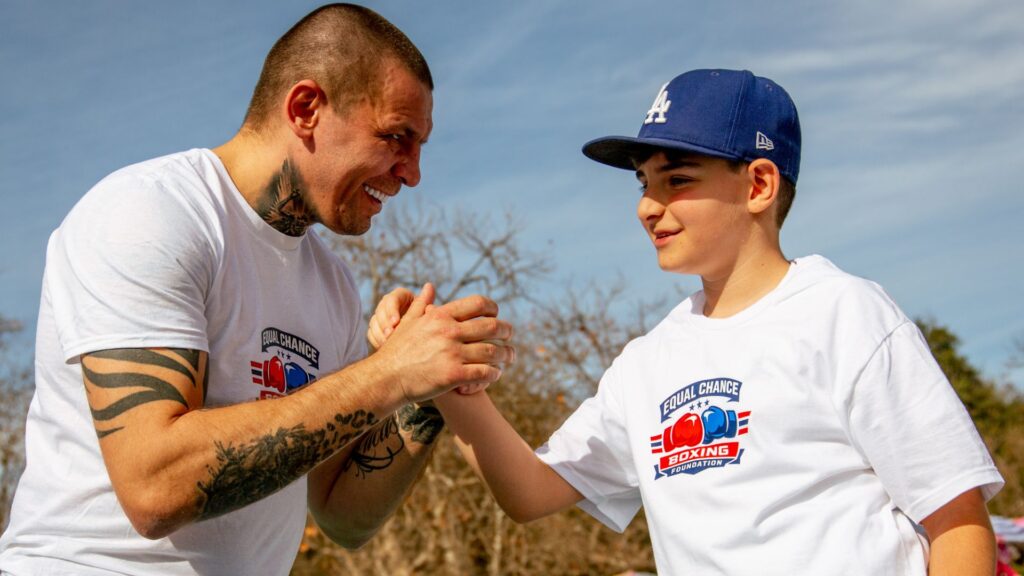
’s extensive background—including roughly 350 amateur bouts and a career representing Ukraine at the 2008 Olympic Games before turning professional—is the cornerstone of our safety program. Because has competed at the absolute highest, most dangerous levels of the sport, he possesses a profound respect for the damage the sport can do if not properly managed. He understands the biomechanics of defense better than anyone. He does not guess when a child is ready for contact; he knows exactly what microscopic flaws in their footwork could leave them vulnerable, and he corrects those flaws before contact is ever allowed.
Positive Role Models for At-Risk Youth
Beyond technical safety, ensures emotional safety. When he moved to the United States in 2009, he faced a brutal reality: severe language barriers, predatory management, and periods of terrifying poverty. He uses this lived trauma to connect with our youth. When an at-risk teenager feels misunderstood by the world, offers authentic, earned empathy. He ensures that our gym is a place of profound emotional safety, where a teenager can fail, struggle, and grow without fear of humiliation. He is the ultimate safety net for youth who feel like they are falling.
Physical Benefits That Protect Their Future
When practiced safely, the physical conditioning achieved in a youth boxing program acts as a long-term protective measure for a child’s overall health.
- Elite Cardiovascular Health: The intense intervals of jump rope, pad work, and heavy bag drills create a level of cardiovascular endurance that far exceeds most traditional youth sports. This fights the growing epidemic of childhood obesity and sedentary lifestyles.
- Coordination and Proprioception: Boxing demands that the upper body and lower body work in perfect, cross-lateral synchronization. This rapid development of coordination, balance, and spatial awareness protects teenagers from clumsiness and injuries in their everyday lives and other athletic pursuits.
Erasing the Financial Wall: Safety Should Not Be a Luxury
We have established that a highly structured, professionally mentored boxing program is not only physically safe but psychologically life-saving. However, we must address the final barrier to safety: Accessibility.
When high-quality sports programs charge exorbitant monthly fees, they inadvertently force lower-income families toward “backyard” boxing or unregulated, unsafe environments where kids actually do get hurt.
At the Equal Chance Boxing Foundation, we refuse to accept that physical safety and character development are luxury items. We operate a completely 100% free sports program for kids in the USA.
- Absolutely No Cost to Families: We have eliminated registration fees, monthly dues, and hidden costs. Your teenager receives world-class mentorship for free.
- Elite Safety Gear Provided: We supply every single piece of required protective equipment. We guarantee that no child will ever train in cheap, unsafe gear simply because their family could not afford the professional standard.
If you are a parent searching for a safe, structured, and profoundly supportive environment to help your teenager channel their energy and build their future, we are standing by. ENROLL IN OUR YOUTH BOXING PROGRAM TODAY
Furthermore, because we know transportation can be a hurdle, our Community Training initiative brings mobile boxing rings and our uncompromising safety standards directly into local parks and underserved neighborhoods, breaking down every conceivable barrier to safe mentorship.
[ecbf_donate_banner_4]
Frequently Asked Questions by Anxious Parents
To further put your mind at ease, here are the direct answers to the most common safety concerns we receive from parents:
Q: Will my child get hit in the head? A: Not during their developmental phase. Beginners spend months hitting bags and mitts. When (and if) they transition to sparring, it is strictly controlled, highly padded (16oz gloves + headgear), supervised flow-sparring focused on defense.
Q: Will boxing make my teenager more aggressive at home or school? A: The exact opposite is true. Unregulated anger makes a teenager aggressive. Boxing provides a structured outlet for that energy, teaching them discipline, respect, and deep emotional control. They leave the gym too exhausted and emotionally regulated to seek out conflict.
Q: Are there age limits for starting? A: We tailor our programs to the specific developmental stages of adolescence. Our coaches are trained to adjust the physical demands based on the biological age and maturity of the child, ensuring they are never pushed beyond safe physiological limits.
A Safe Haven for Your Teenager’s Future
Is boxing safe for children and teenagers? When guided by authentic mentors, protected by elite gear, and governed by a strict “Brain-First” philosophy, the answer is undeniably yes.
In fact, the greater danger lies in leaving an anxious, frustrated teenager without a structured outlet or a positive role model to help them navigate the turbulent waters of adolescence.
The Equal Chance Boxing Foundation and are deeply committed to providing the safest, most supportive, and most transformative environment possible. We are here to help your child build the intrinsic confidence, physical health, and emotional resilience they need to conquer their future—and we do it all at absolutely no cost to your family.
For Supporters: Fund the Safety of Our Youth Providing professional-grade 16oz gloves, USA Boxing approved headgear, and maintaining a state-of-the-art, safe facility for hundreds of teenagers is incredibly expensive. We can only provide these vital, 100% free low income youth sports programs because of the radical generosity of our donors.
When you donate, you are directly funding the safety equipment that protects a child’s brain, and the mentorship that protects their future. Be the hero in their corner. DONATE TO THE EQUAL CHANCE BOXING FOUNDATION
Questions?
We’ve got answers.
Statistically, amateur youth boxing has fewer injuries than many popular team sports. Unlike field sports where collisions are often accidental and high-speed, boxing is highly regulated. In a controlled gym environment, every movement is supervised. We focus on defensive mastery first, teaching children how to avoid contact entirely before they ever learn to initiate it.
Safety is non-negotiable. Every student is required to wear professional-grade protective gear, including custom-fitted mouthguards, hand wraps to protect small bones, and high-impact headgear. In our youth program, we also use “oversized” gloves (12oz to 16oz) which are specifically designed to disperse impact and ensure that safety remains the priority during any contact drills.
Yes. Many of our students participate in Non-Contact Recreational Boxing. This pathway focuses on the “Sweet Science”—bag work, mitt drills, footwork, and conditioning—without any sparring. It provides all the mental health and physical benefits of boxing in a 100% “zero-impact” environment. Contact or sparring is an optional progression that only happens when a parent, coach, and student all agree they are ready.
The Equal Chance Boxing Foundation follows strict USA Boxing regulations. This includes mandatory annual medical physicals and a “Passbook” system that tracks every athlete’s history. There are rigorous “rest periods” after bouts and zero-tolerance concussion protocols. Under the watchful eye of a professional like , we ensure that the intensity always matches the child’s developmental stage, prioritizing their growing brain and body above all else.