
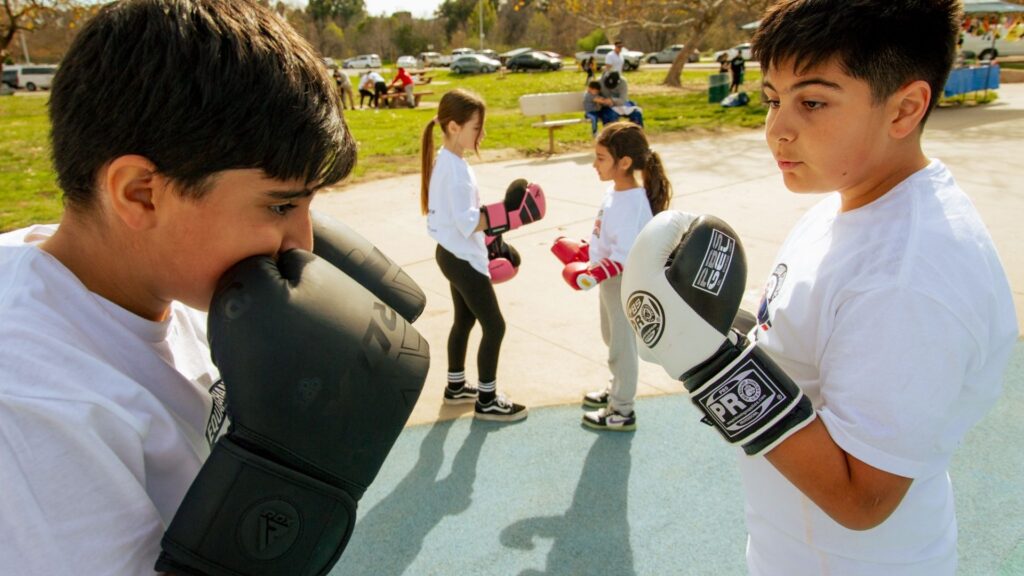
As a parent, few things are more frustrating—and quietly heartbreaking—than watching your child constantly give up. You know the cycle intimately: they beg to learn the guitar, you buy the instrument, they practice for two weeks, and then it gathers dust in the corner of their room. They sign up for a coding class with immense enthusiasm, only to quit the moment the material becomes challenging. You watch them set New Year’s resolutions, academic goals, or fitness targets, only to abandon them at the first sign of friction.
You are not alone in this struggle. Across the country, parents are battling an epidemic of unfinished business. We are raising a generation of intelligent, capable children who simply do not know how to follow through. When a teenager lacks the ability to commit to a long-term goal, they are not just failing a hobby; they are losing the opportunity to build self-trust. They begin to internalize a dangerous narrative: “I am a quitter.”
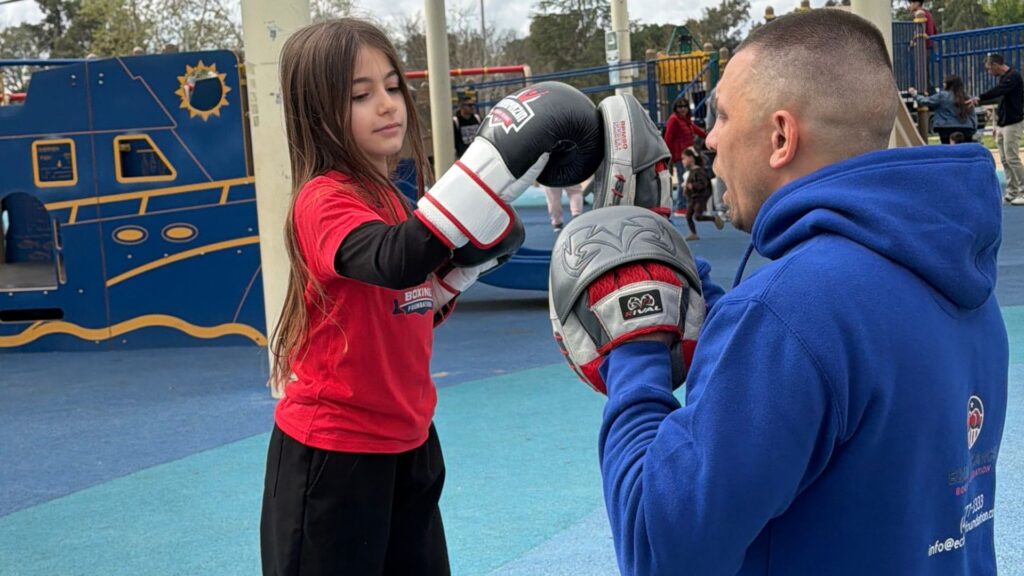
At the Equal Chance Boxing Foundation, we understand this profound parenting pain point. We work with teenagers every single day who arrive at our gym completely devoid of motivation and terrified of commitment. But within months, we watch those same youths transform into disciplined, focused athletes who know exactly how to set a target and relentlessly hunt it down.
In this comprehensive pillar guide, we will explore exactly how boxing helps kids set goals and actually follow through. We will dismantle the psychology of why children quit, explain how the uncompromising structure of the boxing gym neurologically rewires a teenager for perseverance, and highlight how our Head Coach, professional boxer , uses the Sweet Science to teach at-risk youth the ultimate life skill: finishing what you start.
[ecbf_donate_banner_1]
The Psychology of Quitting: Why Teenagers Abandon Their Goals
To teach a child how to follow through, we must first understand why they are so quick to give up. The inability to complete a goal is rarely due to laziness; it is almost always a symptom of environmental conditioning and emotional overwhelm.
The Curse of Instant Gratification
Modern teenagers live in a world where everything is available on demand. If they have a question, Google answers it in a millisecond. If they want entertainment, a streaming platform provides it instantly.
- The Problem: Because their brains are conditioned for immediate rewards, they approach real-world goals with the same expectation. When they realize that getting an ‘A’ in algebra or learning a new language takes months of boring, unglamorous effort, their brain’s reward center shuts down. They quit because the gap between effort and reward feels impossibly wide.
The Overwhelming “Macro” Goal
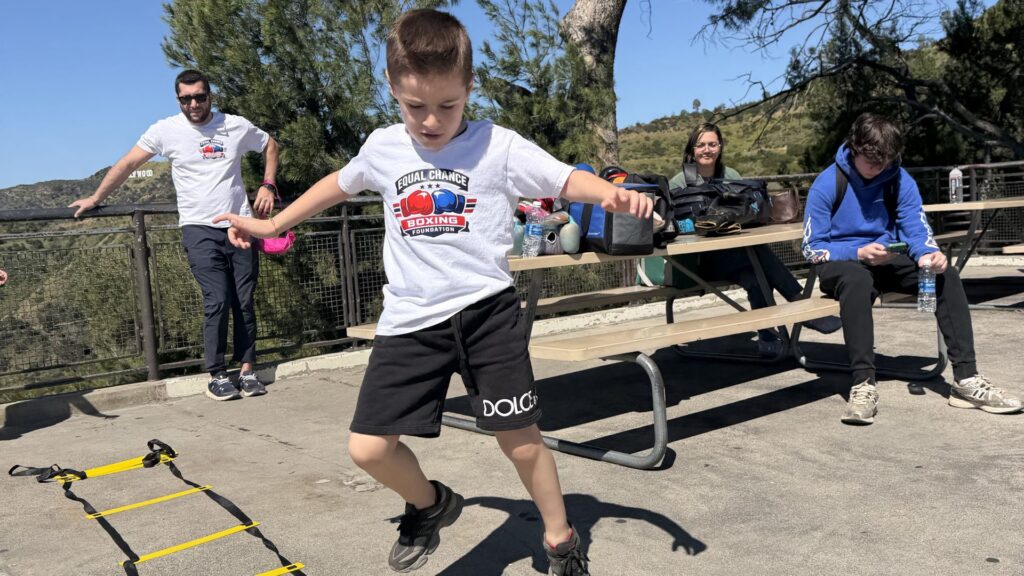
When teenagers are asked to set goals, they usually set massive, vague targets: “I want to be rich,” or “I want to make the varsity team.” * The Problem: A massive goal with no actionable roadmap is completely paralyzing. When a child looks at the top of the mountain without knowing where to place their first step, their “fight or flight” response triggers. They choose flight. They abandon the goal out of sheer anxiety and overwhelm.
The Fear of the “Ugly Phase”
Learning any new skill involves an “ugly phase”—a period where you are clumsy, slow, and frequently making mistakes. In an era curated by social media perfection, teenagers are terrified of looking foolish. If they cannot be naturally brilliant at something on the first try, they prefer not to try at all, preserving their ego at the cost of their growth.
The Sweet Science of Goal Setting: How Boxing Rewires the Brain
How do we break this cycle? We put the child in an environment where instant gratification does not exist, where goals are microscopic, and where failure is normalized as a fundamental part of the process. This is the magic of the boxing gym.
Through our strict, safe boxing training for kids, we do not just teach self-defense; we teach the architecture of achievement.
Breaking Down the “Macro” into the “Micro”
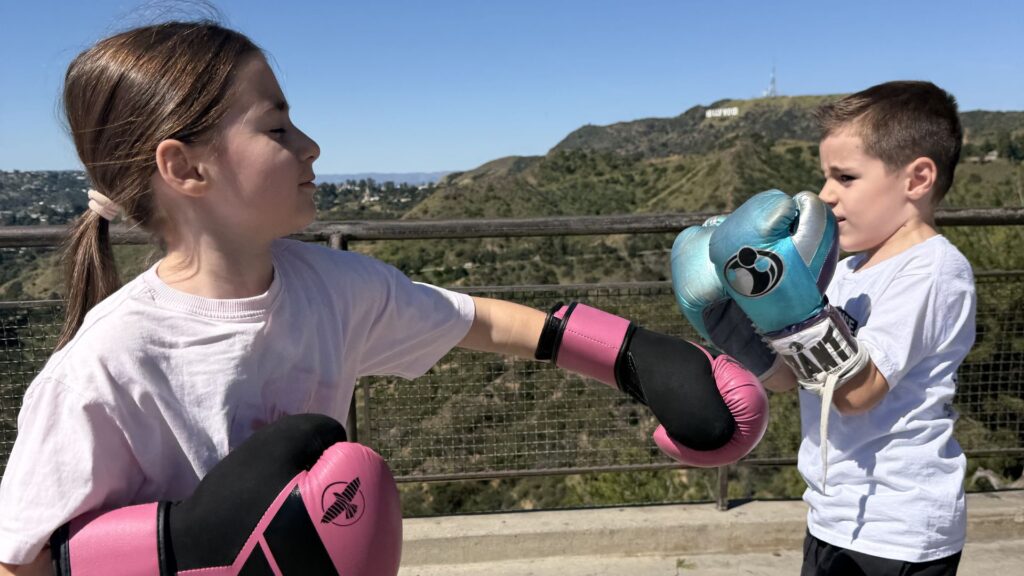
In boxing, you cannot set a goal to simply “be a great fighter.” You have to break it down. When a teenager walks into our foundation, we immediately shrink their focus.
- The Process: We give them a goal that takes exactly three minutes to achieve: completing one round of jumping rope. Once they achieve that, the goal becomes keeping their hands up for a three-minute heavy bag round.
- The Transformation: By slicing massive, intimidating challenges into tiny, bite-sized “micro-goals,” the child learns how to map out a journey. They stop worrying about the top of the mountain and focus entirely on the next step. This is how boxing builds confidence in children and teenagers—by manufacturing a relentless series of achievable victories.
Tangible Metrics of Progress
In academics, progress can feel abstract. A teenager might study for three weeks and still get a ‘C’ on a test, leaving them feeling completely defeated. Boxing offers raw, undeniable, physical metrics of progress.
- The Process: On day one, a teenager might only be able to hit the bag for thirty seconds before gasping for air. By day thirty, they can go three full minutes. They can literally feel their lungs expanding; they can hear the impact of their glove getting sharper.
- The Transformation: This undeniable physical evidence teaches the child that their hard work is actually doing something. It proves to their brain that effort equals adaptation. Once they make this neurological connection, their willingness to follow through skyrockets.
Radical Accountability
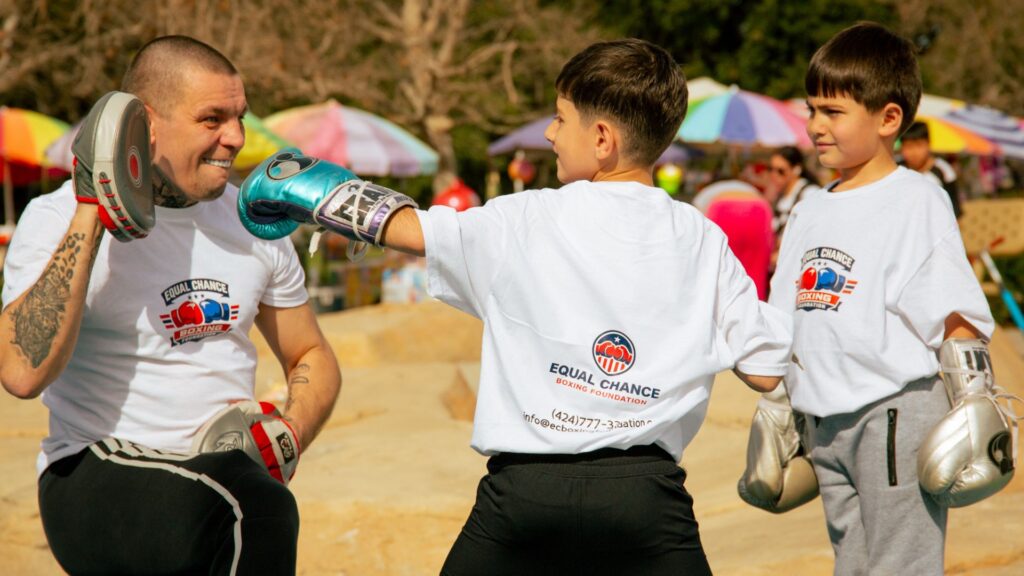
When a child sets a personal goal in their bedroom, nobody knows if they quit. In the boxing gym, quitting is public. If you drop your hands during a drill, the coach sees it. If you skip a conditioning circuit, your peers see it. We create a culture of positive, radical accountability. We teach our youth that when you commit to a drill, you finish the drill. You do not stop when you are tired; you stop when you are done.
The Method: Mentoring the Mindset
Teaching a child to push past their breaking point requires more than just heavy bags and jump ropes. It requires a mentor who commands absolute respect and who embodies the exact principles of goal setting they are teaching.
At the Equal Chance Boxing Foundation, this culture of unyielding perseverance is established by our Head Coach and founder, professional boxer .
A Blueprint Forged in Reality
’s understanding of goal setting was not learned in a corporate seminar; it was forged through survival. Growing up in the highly demanding sports boarding schools of Ukraine, learned early on that nobody was going to hand him a successful career. He had to map it out himself, day by day, rep by rep.
When he moved to the United States to fight professionally, he faced a mountain of obstacles: language barriers, financial instability, and the brutal reality of professional combat sports. did not survive by hoping for a lucky break. He survived by setting clear, uncompromising daily goals and executing them flawlessly, even when he was exhausted, homesick, or injured.
Earning the Right to Quit
is widely recognized as one of the most transformative positive role models for at-risk youth because he does not allow his students to romanticize the act of quitting.
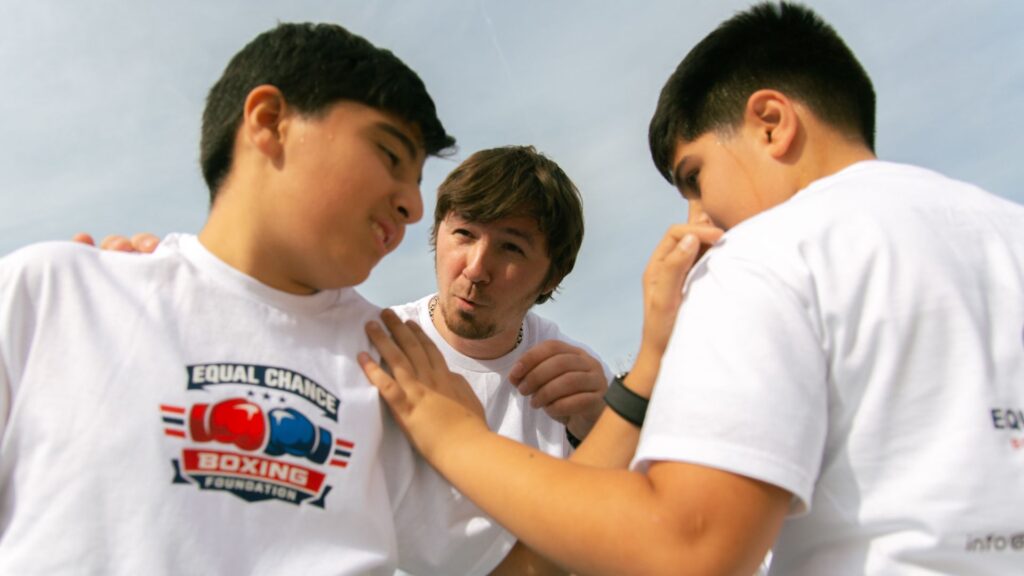
When a teenager in our program hits the “Frustration Wall”—that inevitable moment when the training gets incredibly difficult and they want to take off their gloves and walk out— is right there. He meets their frustration with profound empathy, but zero leniency.
“You are allowed to be tired,” tells them. “You are allowed to be frustrated. But you are not allowed to quit in the middle of the round. Finish the round, and then we can talk.”
By forcing the child to push through that immediate urge to quit, teaches them emotional regulation. They learn that the desire to give up is just a temporary feeling, not a permanent directive. They learn how to weather their own internal storms.
Translating Gym Discipline to Life Goals
The ultimate mission of the Equal Chance Boxing Foundation is to ensure that the goal-setting framework built in the ring is actively applied to the child’s life outside the gym.
The Academic Follow-Through
When a teenager learns how to break down a complex boxing combination into footwork, hip rotation, and hand extension, they are learning the exact project management skills required to write a high school term paper. A student who used to abandon their math homework because it looked too difficult now approaches it with a fighter’s mindset: I don’t have to understand the whole page right now; I just have to solve this first equation. The gym teaches them how to initiate action and sustain momentum.
Overcoming Apathy and Building Focus
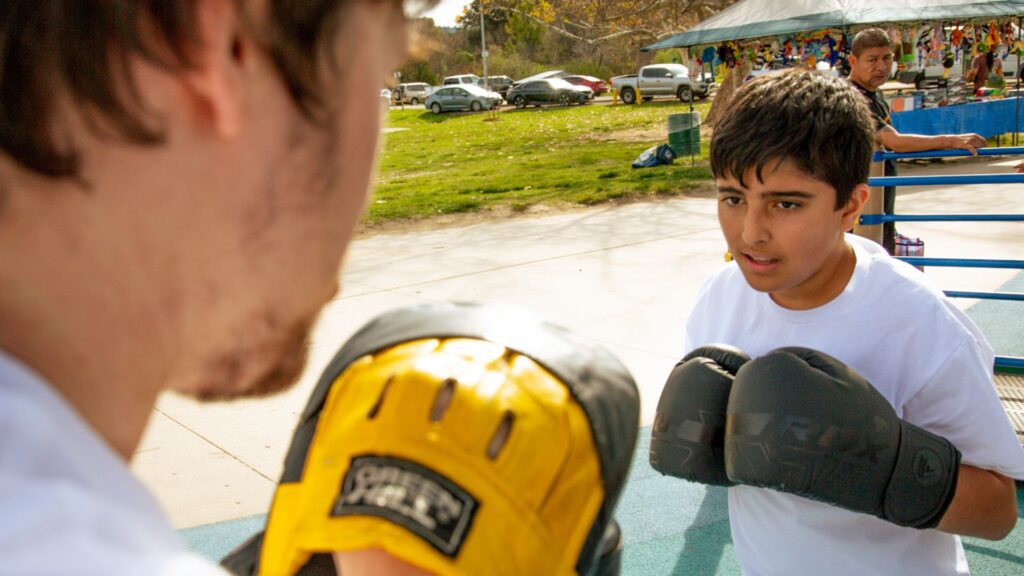
Parents often ask about boxing for anger management in kids, but the sport is equally effective for curing deep apathy. By giving a teenager a physical outlet that requires immense concentration, we burn off their anxious energy and teach them how to hyper-focus. A child who can maintain unbroken eye contact and rhythmic breathing during three minutes of intensive mitt work is a child who can sit at a desk and focus on a college application.
Removing the Friction to Entry: Empowering Youth at Zero Cost
When parents finally discover that the uncompromising structure of an elite boxing gym is the exact cure for their child’s lack of follow-through, they often face a devastating roadblock: the price.
High-level athletic mentorship, professional facilities, and safety gear are incredibly expensive. Traditional club fees often mean that the most vulnerable populations—our underprivileged youth—are locked out of the exact programs that could teach them how to build a successful future.
The Equal Chance Boxing Foundation firmly believes that learning how to set and achieve goals should not be a luxury. We operate a 100% free sports program for kids in the USA.
- Zero Financial Barriers: There are absolutely no registration fees, monthly dues, or hidden costs. We remove all financial friction so the child can focus entirely on their training.
- Professional Safety Equipment Provided: To guarantee the physical safety of our athletes and enforce our strict youth boxing safety guidelines, we supply all professional-grade protective gear—from custom hand wraps to shock-absorbing gloves—at completely zero cost to the families.
If you are tired of watching your child abandon their potential, and you are ready to put them in an environment that will demand they finish what they start, it is time to intervene. ENROLL YOUR TEEN IN OUR YOUTH BOXING PROGRAM TODAY
We also know that a teenager who lacks motivation will rarely agree to commute across town to find discipline. To ensure our goal-setting curriculum reaches the communities that need it most, our Community Training initiative brings mobile boxing rings, safety equipment, and our elite coaching staff directly to underserved neighborhoods and local parks. We bring the roadmap to them.
[ecbf_donate_banner_4]
Stand in Their Corner: How You Can Fuel the Journey
Providing a pristine athletic facility, elite protective gear, and the relentless, daily mentorship of world-class coaches like to hundreds of at-risk teenagers—all entirely for free—is a monumental undertaking.
We are not just teaching kids how to box; we are teaching them how to build their own futures. We are taking teenagers who are labeled as “quitters” and turning them into disciplined, resilient leaders. But we can only perform this life-saving work through the radical generosity, vision, and compassion of our donors and community partners.
When you look at the anxiety and lack of direction plaguing today’s youth, you have a choice. You can watch from the sidelines, or you can actively fund the solution. Your support ensures that when a teenager is ready to set a real goal, we have a heavy bag and a coach waiting for them.
The Power of Individual Impact
Your vital financial contribution directly funds the gloves they wear, the facilities they clean, and the hours of mentorship required to keep them on track. You are not just funding a gym; you are investing in a child’s ability to follow through on their life. DONATE TO THE EQUAL CHANCE BOXING FOUNDATION
Corporate Leadership and Systemic Change
For businesses and local leaders looking to make a profound, highly visible impact on the next generation, we offer comprehensive partnership opportunities. Align your corporate brand with resilience, goal setting, and the empowerment of youth. BECOME A CORPORATE SPONSOR
Finishing the Round
How does boxing help kids set goals and actually follow through? By placing them in an environment where the concept of “quitting” is replaced with the concept of “endurance.”
Boxing teaches a child that the path to success is rarely comfortable. It is filled with sweat, heavy breathing, and aching muscles. But it also teaches them that on the other side of that discomfort is profound, unshakeable confidence.
They learn that a goal is not a wish you make on New Year’s Eve; a goal is a promise you make to yourself, and you honor that promise through daily, disciplined action.
At the Equal Chance Boxing Foundation, and our entire dedicated coaching staff are waiting to help your child map out their future. It is time to stop giving up at the first sign of difficulty. It is time to learn how to finish the round. Let’s get to work.
Questions?
We’ve got answers.
A wish is passive; a goal is active. In the gym, a child might “wish” to hit the bag harder, but a coach helps them turn that into a measurable goal: mastering the weight transfer in their hips over the next two weeks. By making objectives technical and time-bound, boxing teaches youth that success isn’t something that happens to you—it’s something you build through specific, intentional actions.
Big goals can be overwhelming for a young mind. We use Micro-Goals—tiny wins achieved in a single round. Whether it’s keeping the chin tucked for three minutes or completing a specific footwork drill without a mistake, these small victories provide the dopamine hit necessary to stay motivated. This teaches a child that any large obstacle in life can be dismantled into small, manageable tasks.
In boxing, you cannot hide from your lack of preparation. If a student sets a goal to improve their stamina but skips their roadwork, the results are immediately visible during training. This radical honesty creates a high level of accountability. Under the mentorship of , kids learn that following through on their commitments isn’t about pleasing the coach—it’s about respecting themselves enough to do what they said they would do.
Every goal has a “boring middle” where the initial excitement fades. Boxing is built on this middle ground. By pushing through the repetitive nature of shadowboxing and bag work, youth develop mental grit. They learn that “boring” is where the mastery happens. This ability to stay the course when things get tough is the ultimate secret to following through on goals in college, career, and beyond.