
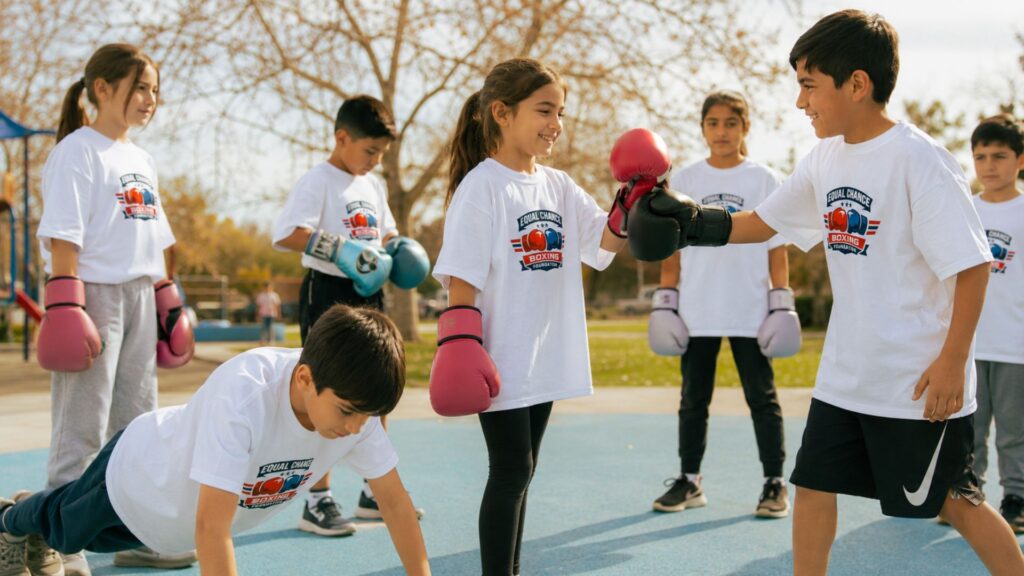
There is a highly specific, dangerously quiet hour in every working-class neighborhood. It happens around 3:30 in the afternoon, just after the final school bell rings and long before exhausted parents return home from their first or second shifts. If you are a teenager reading this, you know this hour intimately. It is the hour of the void. The heavy, invisible backpack of academic pressure, social anxiety, and the exhausting politics of high school is suddenly dropped on the floor, leaving you in a silent house or on a loud, unpredictable street corner.
You have a burning, undeniable internal fire and chaotic energy that desperately needs an outlet, but society has provided you with very few safe options. So, you retreat. You sink into the couch, round your shoulders, and surrender your attention to the hypnotic, relentlessly demanding glow of your smartphone screen. You fall into the vicious, inescapable trap of digital distraction. The multi-billion-dollar algorithms governing your feeds do not offer comfort; they immediately bombard you with a highly curated stream of impossible standards, feeding your insecurities and draining your physical vitality.
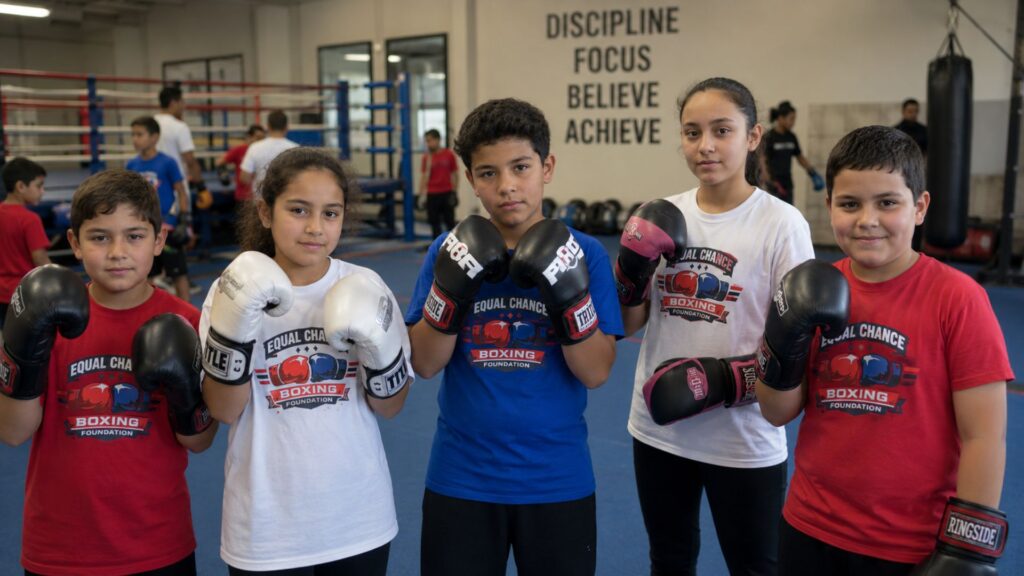
If you are a parent silently carrying the massive weight of this reality, the pain is an invisible, crushing burden. You sacrifice your sleep, your physical health, and your emotional bandwidth, working grueling hours just to keep the lights on and put basic food on the table. You desperately want your teenager to experience the profound joy of mastering a skill, to find a positive community, and to build the mental armor necessary to survive the modern world. But you watch in quiet terror as they are swallowed by severe gadget addiction or, worse, the magnetic pull of negative street influences. You want to offer them a lifeline, but the harsh economic reality of modern life sets in. The exorbitant costs of private athletic clubs and the sheer lack of money for specialized gear make it feel impossible to intervene. You cannot buy them a safe haven, and the guilt of that financial reality is paralyzing.
This is exactly why the existence of a free, highly structured community sports sanctuary ceases to be a recreational luxury and becomes a matter of urgent human survival. But what exactly happens behind the heavy doors of a legitimate training facility? It is not the chaotic, aggressive brawl that society often imagines. It is a highly calculated, deeply empathetic school of physical and emotional mastery.
Step inside and walk through a single afternoon with us. This is how erratic, anxious energy is systematically transformed into unbreakable confidence.
[ecbf_donate_banner_1]
4:00 PM: Crossing the Threshold and Leaving the Noise Behind
When a deeply frustrated, anxious teenager steps off the unpredictable streets and walks into the gym, they bring all of their suffocating misconceptions and daily trauma with them. They are expecting judgment. They are expecting the same toxic hierarchies they face in the school cafeteria.
The moment they commit to the youth boxing program, that illusion is permanently shattered. The very first rule of the sanctuary is absolute presence. Smartphones are silenced and buried deep inside gym bags. The relentless, dopamine-driven noise of the outside world is forcibly muted.
- The Ritual of the Wraps: Before a single physical exercise begins, the athlete must wrap their hands. This is not merely a safety precaution to protect the fragile bones of the wrist; it is a profound psychological ritual. As the long, cotton strips are tightly woven between their fingers, the teenager is forced to slow down, regulate their breathing, and become entirely present in their own physical body. It is a moving meditation. The anxiety of the school day is bound up and locked away, preparing the mind for the grueling work ahead.
4:30 PM: The Warm-Up and the Physiology of Focus
The sharp beep of the round timer cuts through the gym, signaling the start of the warm-up. This is where the biological rewiring begins. The prefrontal cortex—the highly evolved area of the brain responsible for complex decision-making, generating willpower, suppressing dangerous impulses, and focusing intensely on long-term goals—is still actively developing in these teenagers.
When a youth is trapped in a cycle of digital distraction, their nervous system is permanently locked in “fight or flight” mode, flooded with cortisol (the stress hormone). As they pick up the jump rope, a massive biological negotiation begins.
- Manufacturing Earned Dopamine: Bouncing on the balls of their feet, finding the rhythm of the rope, and synchronizing their breathing requires such an immense level of hyper-focus that there is simply no mental bandwidth left for social anxiety or digital withdrawal. The brain is forced to be entirely present in the physical world. The gym becomes a sanctuary where the teenager learns how to manufacture their own “earned dopamine” through extreme physical exertion, replacing the cheap, artificial dopamine of social media.
Fueling the Engine: The Demand for Clean Nutrition
About twenty minutes into the intense cardiovascular warm-up, a harsh biological reality sets in for the newer students. You simply cannot survive a rigorous combat sports training session if you treat your body like a garbage disposal.
A beginner who attempts to train on a diet of greasy fast food or heavily caffeinated, artificial energy drinks experiences the undeniable physical feedback of premature exhaustion, mental brain fog, and intense nausea. The gym does not need to lecture them; the heavy bag does the teaching. They actively begin to seek out complex carbohydrates for sustained glycogen energy, lean proteins for microscopic muscle recovery, and proactive daily hydration. They learn to deeply, profoundly respect their own internal biology, viewing clean food strictly as high-octane fuel required for survival and athletic performance.

5:00 PM: The Mirror and the Shadow
There is a profound, incredibly common misconception that boxing is simply about unregulated anger and hitting things as hard as possible. The middle of the session proves this entirely false. The athletes are instructed to face the mirrors for shadowboxing. There is no opponent. There is no heavy bag. There is only the athlete and their own reflection.
This is the ultimate crucible for the fragile teenage ego. They must execute complex combinations—stepping, pivoting, slipping, and striking—while maintaining perfect balance.
- Mastering the Internal Chaos: When an angry teenager tries to shadowbox with blind, unregulated rage born from neighborhood stress, their athletic form instantly falls apart. They overcommit, cross their feet, and lose their balance. By forcing the young athlete to stop, breathe, and analyze their movement precisely and calmly, the coaches teach the vital, life-saving art of pacing and grounding.
- The Blueprint of True Grit: Without relying on a single specific celebrity or public figure, the gym itself provides the ultimate role models. The senior athletes and the dedicated coaches demonstrate that true, undeniable confidence happens when you quietly put on your training shoes and practice the most basic, monotonous steps entirely by yourself. The teenagers learn that resilience is not a genetic gift; it is a daily, painful, deeply unglamorous routine. They learn to view physical failure purely as a mechanical, fixable error rather than a permanent attack on their self-worth.
6:00 PM: Partner Drills and the Power of the Tribe
A teenager cannot build ironclad discipline in a complete vacuum, nor can they successfully achieve a fresh start if they are completely isolated. As the session moves into partner drills, the concept of the “tribe” comes alive.
By actively participating in open community training, an insecure or troubled teenager finds the absolute perfect environment for genuine human connection. This environment physically surrounds the struggling youth with a positive, deeply supportive, and highly driven peer group.
When the young people standing to your immediate left and right are sweating profusely, pushing far past their perceived physical limits, and fiercely holding each other accountable through grueling conditioning drills, the positive peer pressure makes immense focus highly contagious. They bond over shared suffering and shared triumphs, creating a true, legitimate family built on genuine respect rather than the destructive, conditional loyalty of a street gang.

6:45 PM: The Cooldown and the Biological Shield of Sleep
As the final bell rings, the athletes collapse onto the mats for core conditioning and deep stretching. The frantic energy of the afternoon has been entirely burned away, replaced by a profound, exhausted peace. This is when the coaches discuss the most critical part of the training: recovery.
In a modern culture that foolishly glorifies a lack of sleep, these young athletes learn that rest is the absolute only time their body actually improves. They learn that the deep, uninterrupted phases of sleep are the precise physiological moments when the endocrine system actively releases human growth hormone (HGH) to repair the micro-tears in their muscle fibers.
Even more critically, deep sleep is when the brain consolidates the complex technical memories of the defensive movements they learned that afternoon. To protect this vital recovery window, these teenagers begin voluntarily practicing rigorous digital hygiene. They turn off their glowing smartphone screens an hour before bed, entirely rejecting the toxic digital noise. They learn the hard way that a lack of sleep destroys their reaction time and leaves their nervous system highly vulnerable to emotional collapse the next day.
Visualizing the Shift: The Path of the Street vs. The Path of the Sanctuary
To clearly illustrate the profound, holistic lifestyle transformation that occurs during these few critical hours, we must look at the stark contrast between a teenager left to the streets and a young athlete anchored by discipline.
| The Dangerous Afternoon Hour (3:30 PM – 7:00 PM) | The Trapped Mindset (Governed by Isolation & Streets) | The Reborn Athlete (Governed by Boxing Discipline) | The Ultimate Real-World Character Result |
| 3:45 PM – The Arrival | Wanders the neighborhood aimlessly. Highly susceptible to negative street influences and toxic peer groups offering a false sense of belonging. | Walks directly through the heavy doors of the gym. Wraps hands in silence, transitioning their mind from the chaos of school to absolute physical focus. | Removes themselves entirely from the danger zone. Realizes they already belong to a highly disciplined, legitimate, and fiercely loyal tribe. |
| 4:30 PM – Managing Frustration | Suppresses anger or unleashes it destructively through vandalism, digital bullying, or getting into unregulated street altercations. | Channels the grief, anger, and regret entirely into the jump rope and the heavy bag. Uses intense physical exertion to safely process trauma. | Develops profound emotional regulation. The teenager learns to control their own volatility, transforming chaotic energy into calculated power. |
| 5:30 PM – Handling Difficulty | Retreats inward or quits when a task becomes mentally or physically uncomfortable. Seeks the easiest digital distraction available. | Bites down on the mouthpiece and breathes deeply. Pushes through the hundredth solitary repetition, facing their own physical limits directly in the mirror. | Develops bulletproof mental toughness. Proves to their subconscious mind that their individual capacity for endurance is limitless. |
| 7:00 PM – The Evening Routine | Stays up late doom-scrolling, eating highly processed junk food, and dreading the next day. Wakes up exhausted and anxious. | Views food as high-octane fuel and sleep as a biological shield. Practices digital hygiene, turning screens off to allow their muscles and brain to recover. | Develops profound biological respect. Understands that physical strength requires elite nourishment and strict routine. |
7:00 PM: Returning Home Transformed (The Role of the Village)
When these teenagers finally walk out of the gym and back into the cool evening air, they are fundamentally different from the people who walked in three hours earlier. They carry themselves with a quiet, undeniable authority. They are too physically exhausted to engage in neighborhood drama, and their minds are too sharp to fall for the cheap dopamine traps of their smartphones.
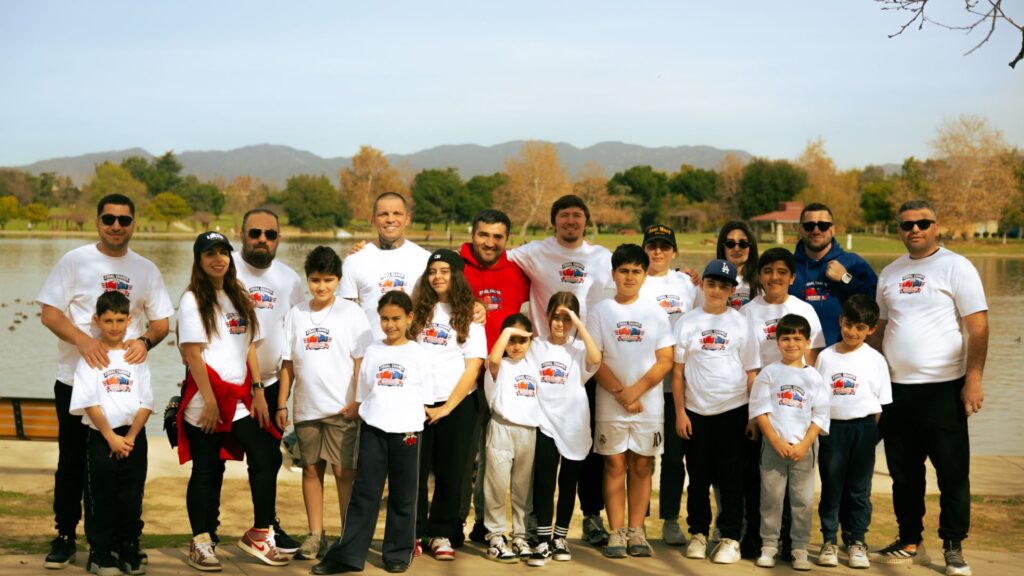
For those highly vulnerable periods when the local school is not in session, the danger of sliding back into old habits multiplies exponentially. The streets do not take a summer vacation. This is exactly why comprehensive, highly immersive environments like a professionally supervised summer and afterschool mentorship camp are so incredibly vital to the neighborhood ecosystem. They offer a continuous, unbroken chain of positive adult influence. Through this intense, caring mentorship, we watch at-risk youth evolve into true, proven champions of hope for their local neighborhoods.
But this profound, daily miracle cannot happen in a vacuum. The brutal, unavoidable reality of maintaining this life-altering sanctuary is that discipline, while internally free to the athlete, requires massive external infrastructure. The sheer cost of heavy bags, professional boxing rings, facility lighting, and vital liability insurance is immense. A child who has finally summoned the immense courage to turn their back on a toxic past should never have to feel the crushing guilt of asking their overworked parents for sports equipment they know the family cannot afford.
When empathetic, visionary individuals choose to consciously donate to provide necessary gear and support, they directly and tangibly fund the heavy bags and the facility lights that physically keep vulnerable kids off the streets. Choosing to contribute completely removes the heavy financial barrier to entry, allowing a teenager to step inside the ropes and begin the incredibly hard, incredibly beautiful work of wiping their slate clean without placing an extra burden on their working parents.
This critical, urgent mission requires the active, proactive backing of the broader business community. We rely heavily on forward-thinking corporate sponsors who actively choose to step up to the plate and align themselves with our mission. By becoming dedicated sponsors, these local organizations are making a profound, highly measurable investment in the mental and physical resilience of the very next generation. They ensure that the physical sanctuary remains permanently open, and that the quiet, incredibly unglamorous, but ultimately world-changing work of building a new legacy continues to thrive indefinitely into the future. It takes an entire community to raise a champion, not just inside the ring, but in the arena of life.
Step Into the Ring. Let’s Build Our Community Together.
For Parents: Reclaim Your Teenager’s Future
Stop relying on fleeting motivation and give your teenager the gift of true discipline. Leave the financial stress behind—we provide the state-of-the-art facility, the protective gear, and the elite coaching at absolutely no cost.
Take the first step toward their mental and physical transformation.
ENROLL IN OUR YOUTH BOXING PROGRAM TODAY
For Supporters: Fund a Life-Saving Mentor
We can only provide these world-class, 100% free mentorship programs because of the radical generosity of our donors. When you support our low income youth sports programs, you are not just funding a pair of boxing gloves; you are funding the coach who will use those gloves to teach a teenager how to survive and thrive.
Be the hero in their corner.
DONATE TO THE EQUAL CHANCE BOXING FOUNDATION
Take the Mentorship to the Streets
Discover how our outreach teams are breaking down geographical and financial barriers to bring true coaching directly to the youth who need it most.
Questions?
We’ve got answers.
Every session at the Equal Chance Boxing Foundation starts with a structured warm-up focused on discipline and mindfulness. Before anyone puts on gloves, youth engage in dynamic stretching, light jogging, and basic footwork drills. This crucial phase helps transition their minds from the stresses of school or daily life into a grounded, focused state ready for learning.
The core of the workout revolves around repetitive, non-contact drills designed to build muscle memory and a strong athletic foundation. Mentors guide the teens through rigorous rounds of shadowboxing, heavy bag work, and slipping drills. The emphasis is always on perfecting fundamental techniques, maintaining balance, and controlling breath, rather than engaging in physical combat or sparring.
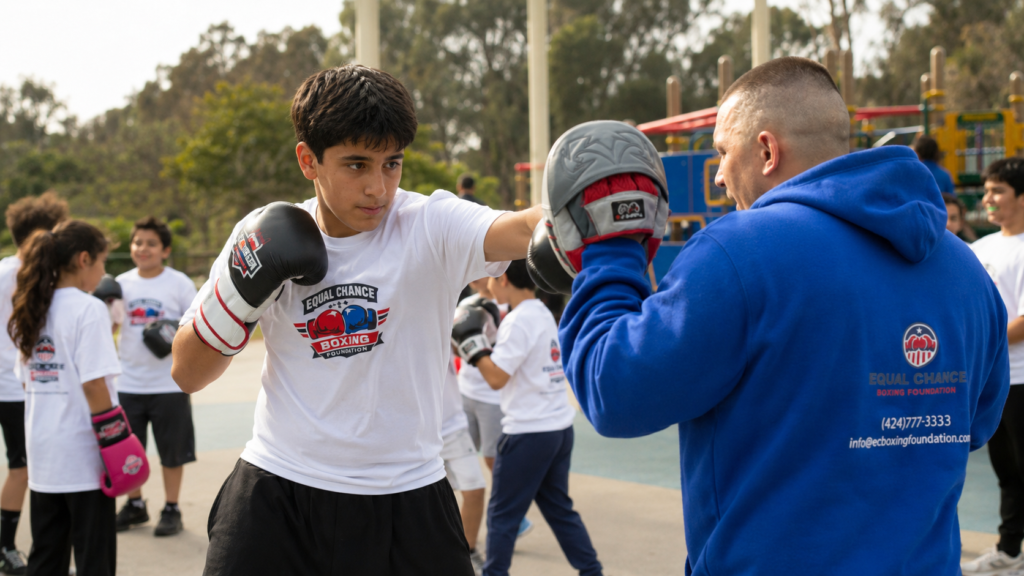
Mentors like are actively involved throughout the entire session, ensuring no one is left behind. They move constantly around the gym, holding focus mitts for individual teens, gently correcting body mechanics, and offering real-time encouragement. This hands-on guidance ensures every participant gets personal attention in a highly structured, safe environment.
Training concludes with a grueling core conditioning circuit followed by a cool-down and a brief group huddle. Mentors use this time to reflect on the day’s effort, reinforcing the connection between pushing through physical exhaustion in the gym and overcoming obstacles in life. The youth leave feeling physically drained but mentally clear, confident, and accountable to themselves and their peers.