

Getting a teenager to show up once is not particularly difficult. A curious friend, a slow weekend, a parent’s gentle push, or simple boredom can get almost anyone through a door one time. The much harder question, and the one that actually determines whether a youth program changes a young person’s life, is what makes that same teenager choose to come back the following week, and the week after that, without being told to. Attendance can be arranged. Return has to be earned, session by session, in ways that are often invisible to anyone standing outside the gym.
At Equal Chance Boxing Foundation, this distinction shapes almost everything about how a session is run. It is not enough to teach boxing technique well. A program can have excellent coaching and still watch teenagers drift away after a few weeks if nothing about the experience makes them want to keep choosing it over everything else competing for their time and attention. Understanding what actually brings a teenager back, deliberately and repeatedly, says a great deal about what separates a program that fills a schedule from one that becomes part of a young person’s identity.
A Place Has to Feel Different From Everywhere Else a Teen Has Been
Most teenagers spend their days moving through spaces that evaluate them constantly. School measures them against a curriculum. Social media measures them against a curated version of everyone else’s life. Even home, for many young people, can feel like a place where they are being watched for the next mistake rather than met with patience. When a teenager walks into a new environment, they are usually running a quiet, half-conscious test: is this another place where I will be judged, or is this somewhere different?

A gym built around returning teenagers has to pass that test early, and it has to keep passing it. That does not mean lowering standards or pretending mistakes don’t matter. Boxing is a discipline built on correction — footwork gets fixed, guard gets tightened, technique gets refined constantly. What makes the difference is the tone of that correction. A teenager can tell, often within a single session, whether a coach’s feedback is meant to build them up or tear them down. Correction delivered with respect, in a voice that assumes the teenager is capable of improving, registers completely differently than criticism delivered with irritation or contempt. Over time, a teenager who experiences the first kind of correction stops bracing for the second kind, and that shift alone can be the difference between someone who tries the gym once and someone who becomes a regular.
This is part of why the Youth Boxing Program is deliberately structured around coaching relationships rather than anonymous group instruction. A teenager who is one face in a large, rotating crowd rarely feels compelled to return for any particular person. A teenager who has a coach who remembers their name, their progress, and their particular struggles has a much stronger reason to walk back through that door.
Consistency Without Rigidity

There is a difference between a program that is consistent and a program that is simply rigid, and teenagers can usually tell the two apart within their first month. Rigidity says the schedule matters more than the person, that missing a week means falling permanently behind, that there is one acceptable way to show up and no room for anything else. Consistency says something different. It says the same coaches will be there, the same expectations will apply, and the same welcome will exist whether a teenager was here yesterday or has not been back in three weeks because life got complicated.
Teenagers, more than almost any other age group, are dealing with schedules and home situations that are often outside their control. A parent’s work shift changes. A younger sibling needs to be picked up. A family car breaks down. A program that treats every absence as a small betrayal will eventually lose the very young people who need consistency the most, because those are often the teenagers whose lives are the least consistent to begin with. A program that treats an absence as simply something that happened, and welcomes a teenager back exactly the same way regardless of how long they were gone, communicates something powerful: this place is not going anywhere, and neither is your place in it.
That balance is one of the reasons Community Training sessions are built around a steady, repeatable rhythm rather than a strict attendance requirement. The structure gives teenagers something dependable to return to. The flexibility gives them room to return on their own terms, without shame attached to the gap.
[ecbf_donate_banner_1]
Being Known Instead of Just Counted
One of the quieter but more important differences between a program teenagers merely attend and one they actually want to return to is whether they feel known or simply counted. Being counted means someone checks a name off a sign-in sheet. Being known means a coach notices when something seems off, remembers a small detail a teenager mentioned two weeks earlier, or picks up on the fact that a usually talkative kid has gone quiet during warm-ups. Teenagers are often highly sensitive to the difference, even when they would never say so directly.
This kind of attentiveness does not require dramatic gestures. It shows up in small, repeated moments: a coach asking how a test went that a teenager had mentioned dreading, someone noticing a new pair of shoes and saying something about it, a quick check-in after a rough week without making it into a big production. None of these moments look significant from the outside. Collected over months, they build a teenager’s sense that they are not interchangeable, that their presence in the room is specifically noticed rather than generically tolerated.
Coaches at Equal Chance Boxing Foundation are encouraged to treat this kind of attention as part of the actual coaching, not as something separate from it. Technical instruction teaches a teenager how to box. Being known teaches a teenager that this particular gym, with these particular people, is worth returning to even on the days when motivation for the workout itself is low.
Making Room for Bad Days Without Losing the Teen
Every teenager eventually shows up to the gym in a bad mood. They might be short-tempered, distracted, resistant to instruction, or simply unwilling to put in the effort they normally would. How a program responds to that moment often determines whether the teenager comes back at all. A program that treats a bad day as a discipline problem to be punished risks confirming exactly what many struggling teenagers already believe about themselves: that they are too much trouble, that adults lose patience with them eventually, that this place will turn out like every other place that gave up.
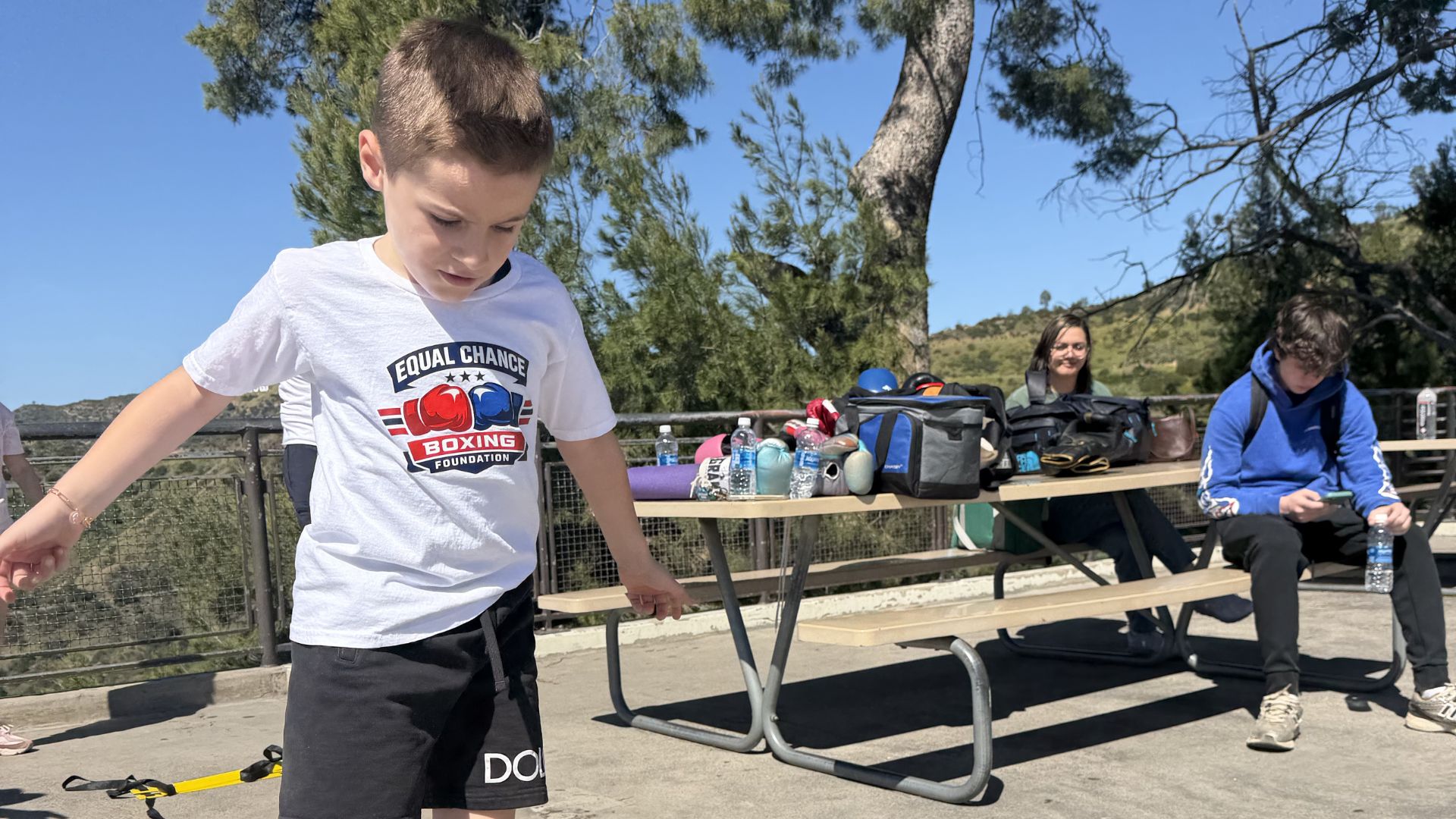
A program built around return instead treats a bad day as simply a bad day. The expectations do not disappear — a teenager who is being disrespectful still gets redirected, and safety rules still apply without exception — but the underlying relationship does not get revoked because of one difficult session. The teenager is still welcomed back the following week exactly as before, without a lecture about the previous incident hanging over the interaction. That consistency, tested and held through a hard moment rather than only during easy ones, tends to be some of the most convincing proof a teenager will ever receive that an adult’s commitment to them is not conditional on always being their best self.
This matters just as much for parents watching from the sidelines. A parent who sees a coach handle their child’s bad day with patience rather than punishment gains real confidence in the program, often more than any promotional material could provide. It becomes evidence, not a promise, and evidence is what actually earns trust over time.
How Peers Change the Equation
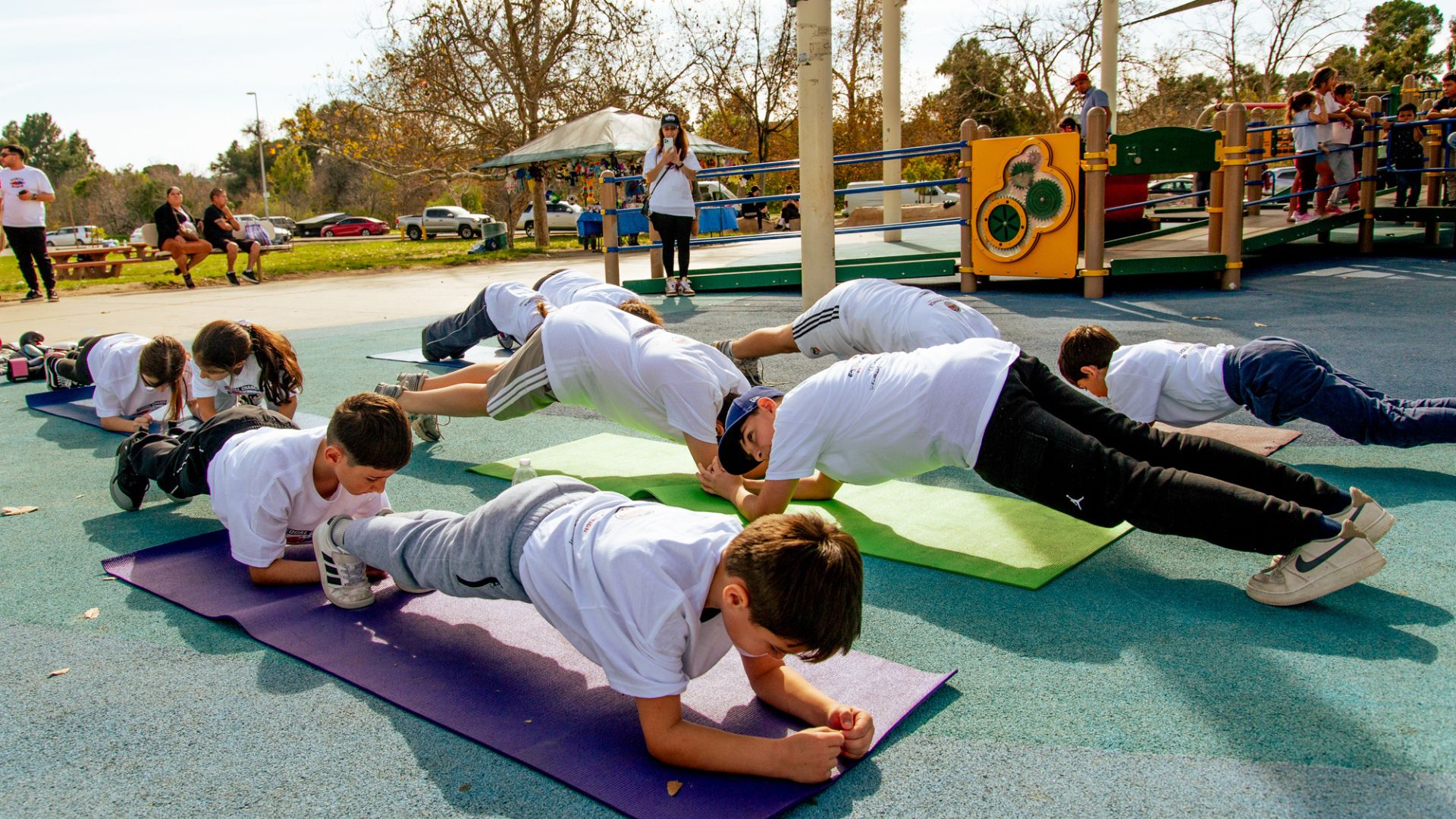
A teenager’s decision to keep returning to a program is rarely made in isolation. Who else is in the room matters enormously, sometimes more than the coaching itself. A gym filled with peers who take training seriously, encourage each other, and treat newer or less confident members with basic respect creates a social environment a teenager wants to be part of. A gym where cliques form, newer members get ignored, or a few dominant personalities set a harsh tone will push quieter or less experienced teenagers away regardless of how good the coaching is.
Building a positive peer culture does not happen automatically. It requires coaches who actively notice group dynamics, who make a point of pairing newer teenagers with encouraging training partners, and who address unkind behavior directly rather than letting it slide because the teenager causing it happens to be talented. Over time, a gym with a strong peer culture becomes somewhat self-sustaining: teenagers who were once the nervous newcomer become the ones who make the next nervous newcomer feel welcome, because that is the culture they were brought into themselves.
This is part of what the Summer & Afterschool Mentorship Camp is designed to reinforce outside of regular training hours. Extended time together in a structured but less intense setting gives teenagers more opportunities to form real friendships around a shared activity, rather than staying strangers who simply train in the same room.
[ecbf_donate_banner_4]
What Coaches Do Differently When They Want Teens to Come Back
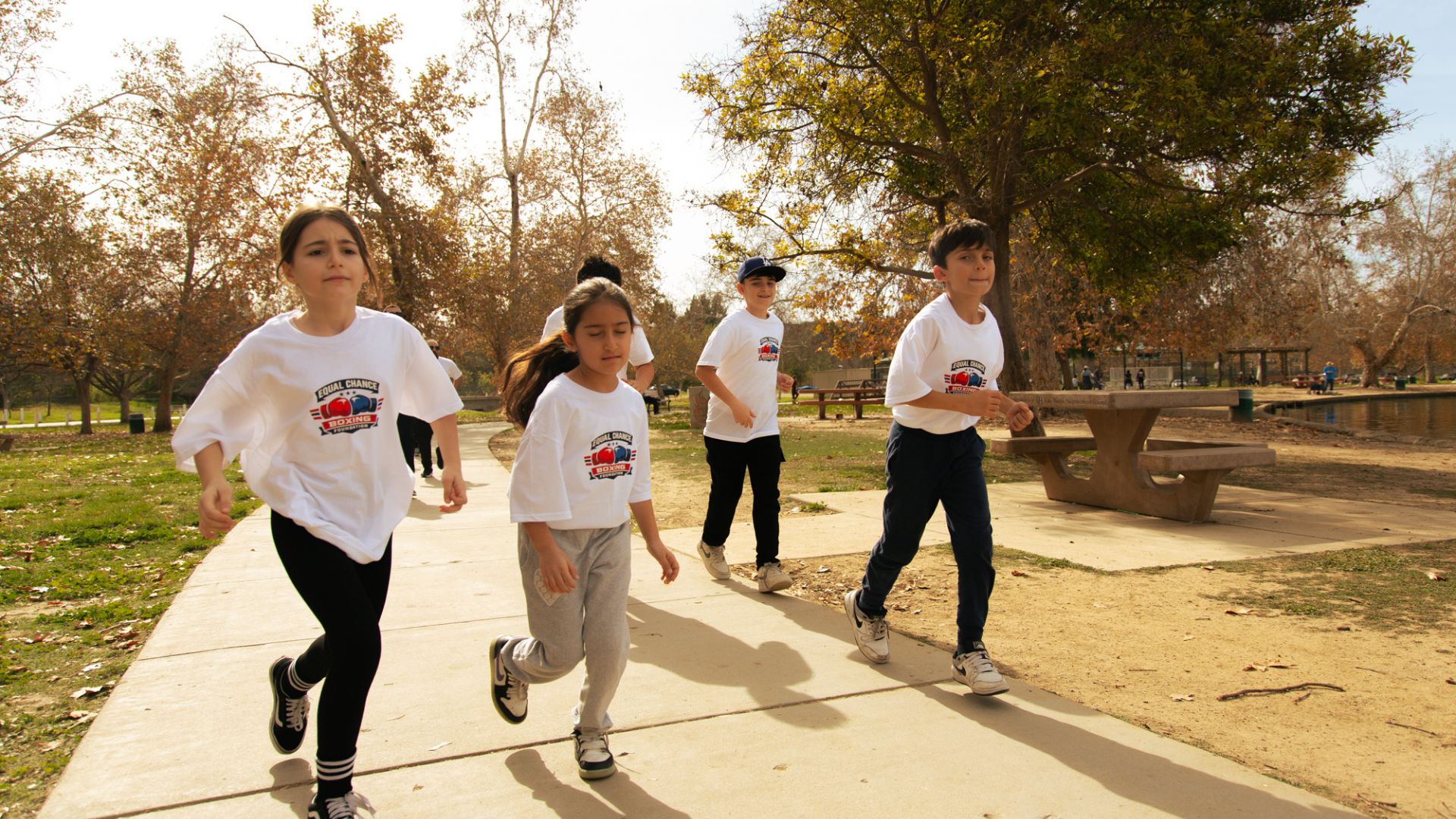
Coaches who are effective at retaining teenagers over the long term tend to share a set of habits that are rarely dramatic but consistently applied. They greet teenagers by name the moment they walk in, rather than waiting for the teenager to make the first move. They give specific, genuine praise rather than generic encouragement, because teenagers can usually tell the difference between a coach who actually watched their technique improve and one who says “good job” reflexively. They resist the urge to compare teenagers against each other, focusing instead on whether today’s effort improved on last week’s, since a teenager who is only measured against a more talented peer rarely stays motivated for long.
These coaches also tend to be comfortable admitting when they don’t have an answer, or when they made a mistake themselves, because teenagers respond to authenticity far more than they respond to an adult performing perfection. A coach willing to say “I got that wrong, let’s fix it” models exactly the kind of accountability the program is trying to teach in the first place. None of these habits are complicated on their own. What makes them powerful is that they are applied consistently, session after session, until a teenager stops testing whether this coach is different and simply trusts that they are.
Why Predictable Structure Matters in an Unpredictable Week
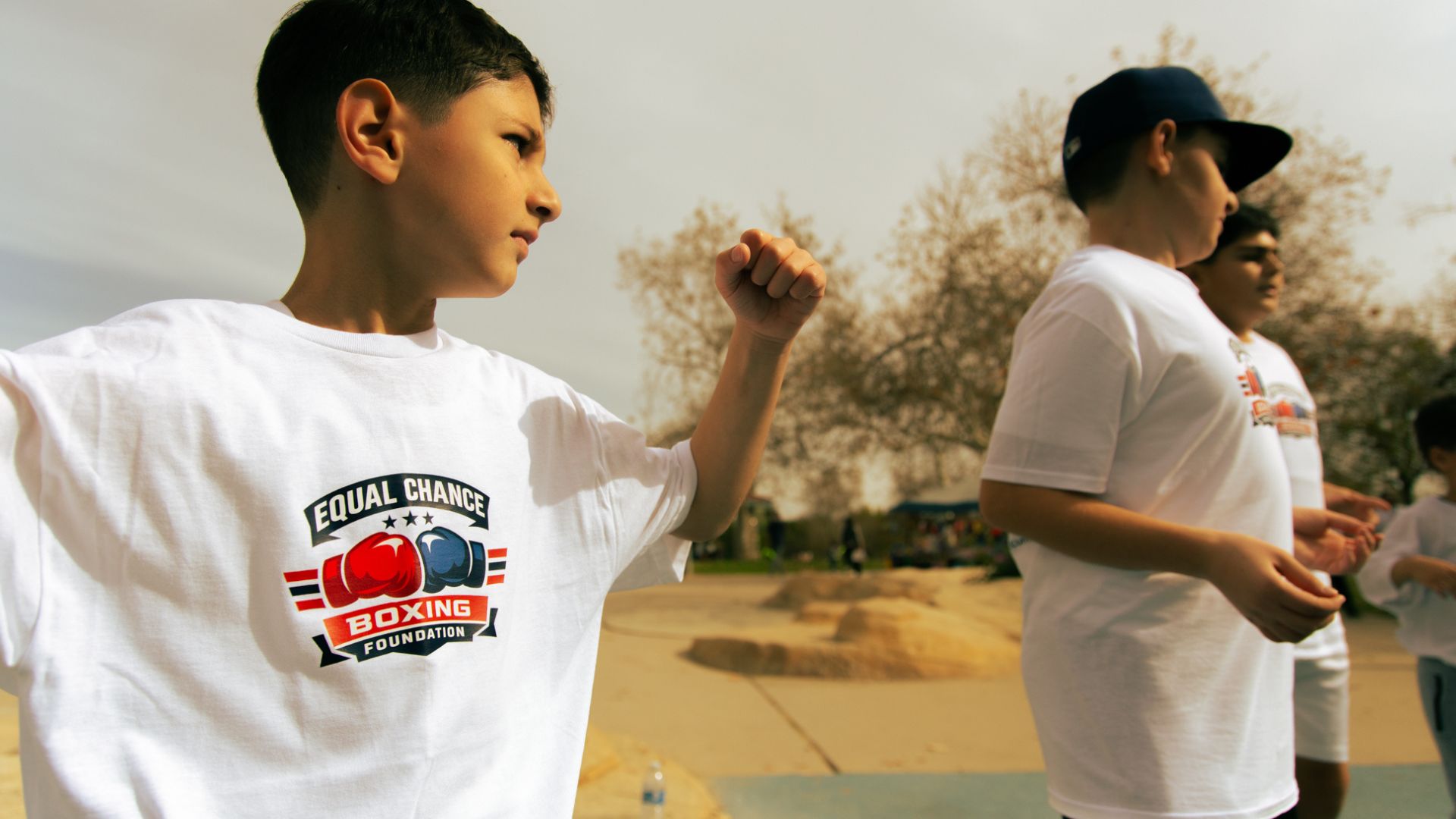
For many teenagers, especially those navigating difficult circumstances at home or at school, the week can feel genuinely chaotic. Plans change without warning. Moods at home can shift unpredictably. School can feel like a constant series of evaluations with little room for error. Against that backdrop, a training session that happens at the same time, in the same place, with the same expectations, can function as one of the few genuinely stable points in a teenager’s week.
That predictability is not glamorous, and it will never be the most exciting part of a program’s marketing materials. But it is often exactly what makes a teenager choose to return even when they don’t feel like training that particular day. They are not always coming back for the workout itself. Sometimes they are coming back because this is one of the only places in their week that behaves exactly the way they expect it to, and in a life full of uncertainty, that reliability becomes its own kind of relief.
Why Belonging Works Better Than Persuasion
No amount of encouragement, incentive, or persuasion reliably gets a teenager to keep returning to a program they do not feel they belong in. Belonging cannot be argued into existence. It has to be built through the accumulation of everything described above: respectful correction, consistency without rigidity, being known rather than counted, patience through bad days, a healthy peer culture, and coaches who show up the same way every time. When those elements are present together, a teenager stops needing to be convinced to come back. Returning simply becomes what they do, in the same unremarkable way someone returns to any place that has become genuinely theirs.
That shift, from persuaded attendance to genuine belonging, is the outcome Equal Chance Boxing Foundation is ultimately built around. It takes longer to create than a single motivational conversation, and it cannot be manufactured through a single great session. It is built the same way trust always is: one consistent, respectful, attentive session at a time, repeated for as long as it takes.
Step Into the Ring. Let’s Build Our Community Together.
For Parents
If you are hoping to find a place your teenager will actually want to return to, rather than one you have to convince them to attend, the answer usually comes down to whether they feel respected, known, and welcomed exactly as they are — including on the hard days.
ENROLL IN OUR YOUTH BOXING PROGRAM TODAY
For Supporters
Every donation helps fund the consistent coaching, safe training space, and steady scheduling that make it possible for a teenager to find a place worth returning to, week after week.
DONATE TO THE EQUAL CHANCE BOXING FOUNDATION
For Community Partners
Local businesses and organizations that commit to ongoing partnership help create the kind of stable, dependable environment that makes a lasting difference in a teenager’s life.
LEARN ABOUT CORPORATE SPONSORSHIP
Frequently Asked Questions
What Parents Ask About Keeping Teens Engaged Long Term
Many activities lose a teenager’s interest because the novelty fades once the routine sets in. Equal Chance Boxing Foundation is built around the opposite idea — a consistent coach, a stable peer group, and a sense of being personally known are what keep teens engaged once the initial excitement wears off, rather than relying on novelty alone.
They are welcomed back exactly the way they would be if they had never missed a session. Life circumstances often make consistent attendance difficult, and the program is built to accommodate that reality rather than penalize teens for it.
Coaches are trained to respond to a difficult day with patience rather than punishment, while still holding firm to safety and respect expectations. A hard session does not put a teenager’s place in the program at risk.
Coaches actively build peer culture by pairing newer participants with encouraging training partners and addressing unkind behavior directly. Over time, this creates a group environment where teens look out for each other rather than a room of strangers who happen to train together.