
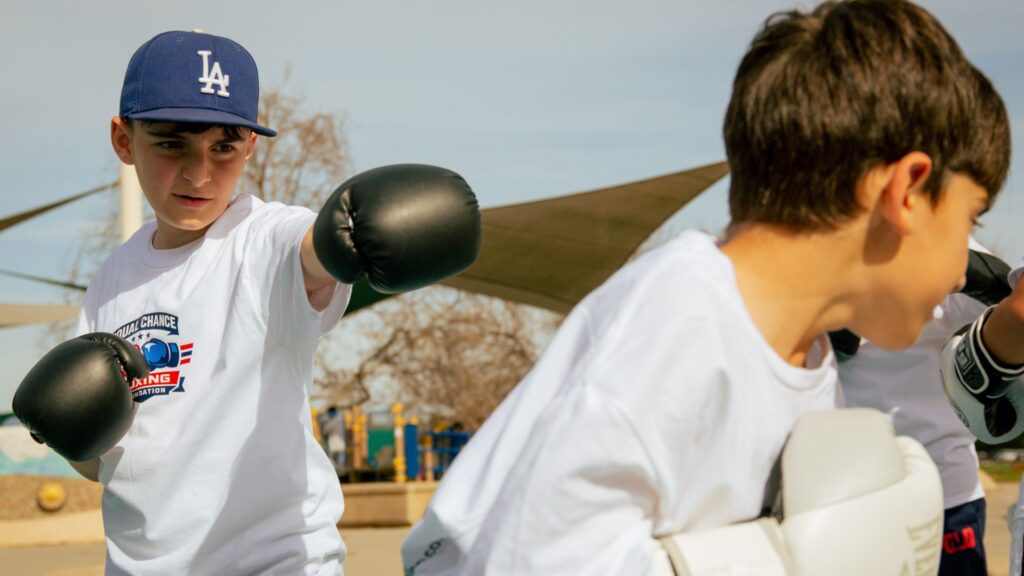
Choosing a boxing program for a child is not the same as choosing an ordinary fitness class. Parents are placing their child in an environment where coaching style, safety rules, supervision, emotional support, and program culture all matter. A good youth boxing program can provide structure, movement, discipline, mentorship, and a positive community. A poorly managed program can leave a young person feeling intimidated, ignored, or pushed beyond what is appropriate for their age and experience.
Parents do not need to understand every technical detail of boxing before making a decision. They do, however, need to ask clear questions. The goal is not to find the toughest gym or the most impressive-looking equipment. The goal is to find a place where a child can learn safely, be treated with respect, and develop at a pace that supports confidence rather than fear. A responsible program should welcome these questions because parents are not interfering when they ask about safety and supervision. They are doing their job.
Is This Program Designed Specifically for Children and Teenagers?
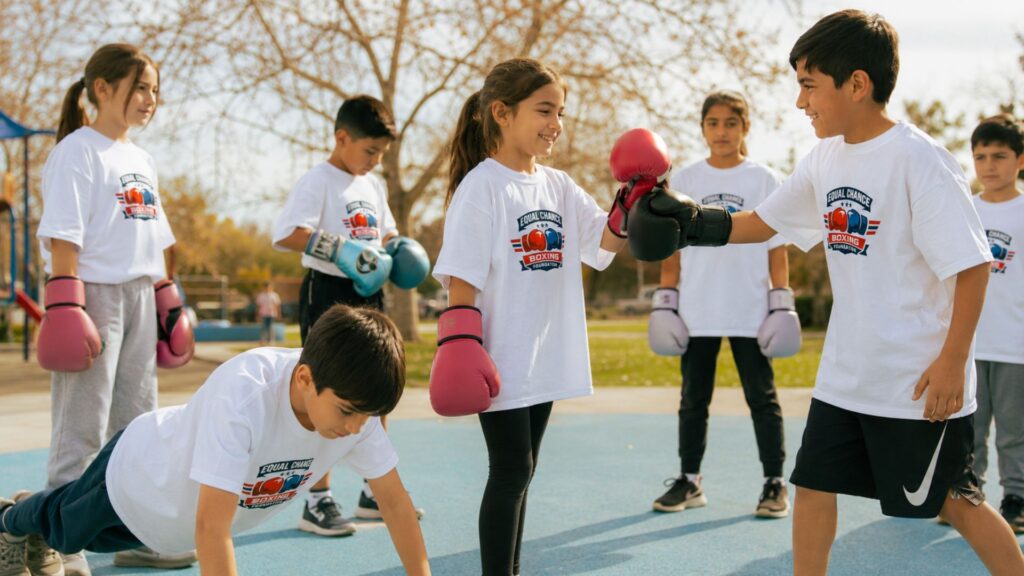
The first question parents should ask is whether the program was genuinely created for young people or whether children are simply being added to an adult training environment. Youth participants have different physical, emotional, and developmental needs. A child should not be expected to train like a professional adult boxer, and a teenager should not be placed into drills that ignore experience level, maturity, or safety.
A strong youth program should have clear beginner instruction, age-appropriate expectations, and coaches who understand how to communicate with children. The first sessions should focus on stance, movement, balance, listening, breathing, and basic coordination. Young athletes need time to become comfortable with the environment before being asked to perform difficult combinations or train under pressure.
Parents should also ask whether younger children and older teenagers are separated when necessary. A program does not always need a different class for every age, but coaches should understand the differences in strength, attention span, emotional maturity, and learning pace. The safest environment is one where the training is adjusted to the child rather than forcing every participant into the same routine.
The Youth Boxing Program at Equal Chance Boxing Foundation is built around structured instruction, mentorship, and safe access for young people. The purpose of a youth program should not be to prove how tough a child is. It should be to help the child learn, grow, and build discipline gradually.
Who Will Be Coaching My Child?
A program is only as trustworthy as the adults leading it. Parents should ask who will work directly with their child, what experience those coaches have with youth, and how the organization supervises its staff. A coach may understand boxing extremely well and still struggle to communicate effectively with children. Technical knowledge matters, but patience, judgment, and emotional awareness matter too.
Parents should observe how the coach speaks to beginners. Does the coach explain movements clearly? Are mistakes corrected without humiliation? Does the coach notice when a child is confused, anxious, or physically overwhelmed? Does the coach reward effort and listening, or only natural athletic ability? Children often remember how a coach made them feel long after they forget the details of a drill.
A responsible coach should be able to maintain authority without creating fear. Firm instruction is part of boxing, but shouting, ridicule, and public embarrassment should not be treated as normal methods of building discipline. Real discipline grows when young people understand the standard, receive specific correction, and are given another opportunity to try.
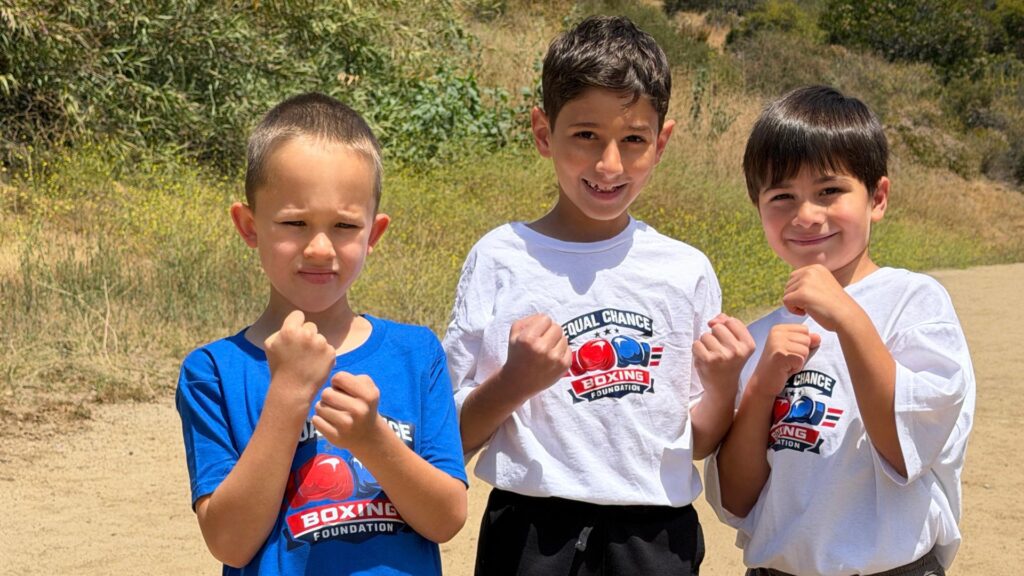
A mentor such as professional boxer can show young people that progress comes from routine, repetition, respect for coaching, and learning through setbacks. The value of an experienced boxer working with youth is not simply that the children are near a professional athlete. The value is in how that experience is translated into patient, responsible instruction.
What Safety Rules Are Followed During Training?
Parents should never feel uncomfortable asking detailed questions about safety. A good program should be able to explain how sessions are supervised, what equipment is used, how beginners are introduced, and what happens when a child feels pain, fear, or exhaustion.
The training area should be organized and free from unnecessary hazards. Equipment should be appropriate for the size and experience of the participants. Coaches should monitor how children use heavy bags, pads, jump ropes, and other training tools. Young people should not be left to copy advanced exercises without instruction.
Parents should also ask about warm-ups, hydration, rest periods, and injury response. Children sometimes try to hide discomfort because they do not want to look weak in front of others. A responsible coach should create an environment where a participant can speak up without being mocked or punished.
Safety is not only physical. Emotional safety matters as well. A child should not be pressured into contact drills, sparring, or competition before they are ready. Young athletes need to trust that the adults in the room will listen when something feels wrong.
Is Sparring Required?
Many parents associate boxing with sparring, but beginner youth boxing can include a great deal of valuable training without children exchanging punches. Footwork, conditioning, shadowboxing, mitt work, bag work, balance, coordination, reaction drills, and defensive movement can all be taught without immediate contact.
Parents should ask whether sparring is part of the program, when it is introduced, and whether participation is optional. They should also ask how the organization decides that a child is ready. Readiness should not be based only on how long the child has attended. It should include technical control, emotional maturity, listening skills, defensive ability, and a clear understanding of safety rules.
A child should never be placed into sparring simply because another student needs a partner. Participants should be matched carefully according to size, experience, skill, and temperament. Protective equipment and close supervision are essential, but equipment alone does not make an unsafe situation safe.
Parents should be cautious if a program treats fear as weakness or pressures beginners to prove themselves through contact. Boxing can teach courage, but courage is not the same as ignoring reasonable concerns. A trustworthy program builds readiness rather than forcing it.
[ecbf_donate_banner_1]
How Does the Program Teach the Difference Between Boxing and Fighting?
This is one of the most important questions a parent can ask. Boxing should never be presented to children as permission to use physical skills during arguments at school, at home, or in the community. A responsible program teaches that boxing is a controlled sport with rules, supervision, discipline, and respect.
Young people should learn that strength without control is dangerous. They should understand that anger usually makes timing, balance, and decision-making worse. A good coach teaches students to manage energy, listen under pressure, respect training partners, and leave conflict outside the gym.
Parents should listen carefully to the language used by coaches. Does the program talk about self-control, responsibility, and safety? Or does it glorify aggression, intimidation, and dominance? The culture of the gym shapes how young people understand the sport.
Boxing can provide a positive outlet for frustration when it is taught responsibly. It may help a young person direct restless energy into structured movement, but it should never encourage the belief that physical force is the answer to ordinary conflict. The strongest programs teach young people that control is a greater sign of strength than aggression.
How Are Beginners Introduced to the Program?
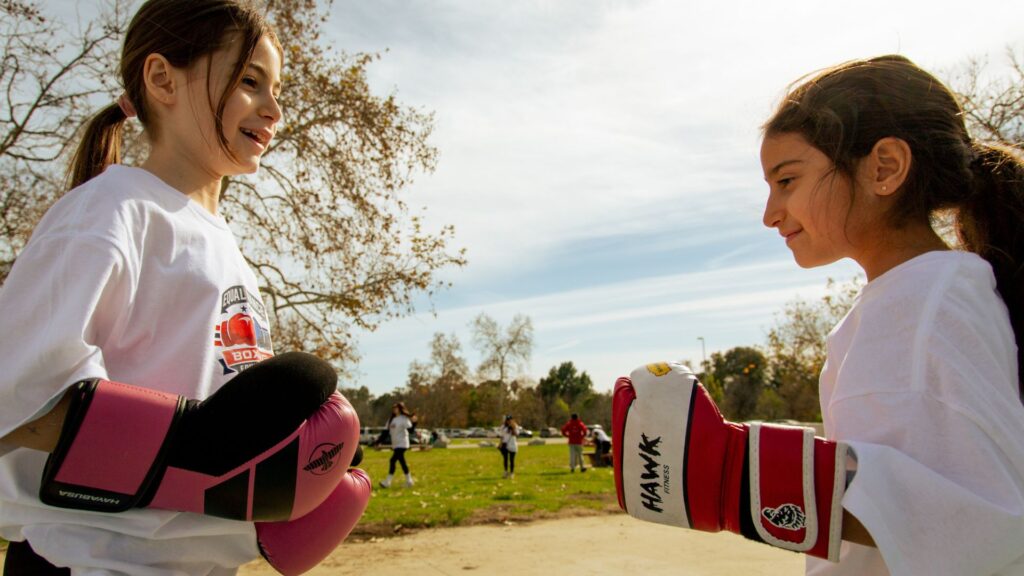
The first visit can determine whether a child feels curious or intimidated. Parents should ask what a beginner can expect during the first session. Will the child receive an introduction to the space and the rules? Will someone explain how to stand, where to place their hands, and how to move safely? Will the child be expected to keep up with experienced students immediately?
A good beginner experience should reduce fear without removing expectations. Children need to know that they are welcome, but they should also understand that the gym has standards. Listening, respecting equipment, following safety rules, and treating other participants properly should be introduced from the beginning.
Parents should be cautious if a program assumes that every child learns at the same speed. Some young people are physically confident but struggle to focus. Others listen carefully but feel nervous about movement. Some need to see a demonstration several times before trying. A patient coach adjusts communication while keeping the standard clear.
The purpose of the first session is not to discover whether the child is naturally talented. It is to help the child begin safely and understand what the program expects.
What Does Discipline Look Like in This Program?
The word discipline can mean very different things depending on the organization. Parents should ask how coaches respond when a child is distracted, late, disrespectful, or unwilling to participate. The answer can reveal whether the program views discipline as guidance or punishment.
Healthy discipline is connected to the behavior. A student who interrupts may be asked to stop, listen, and repeat the instruction. A child who uses equipment carelessly should be corrected and shown the proper method. A participant who treats another student disrespectfully should be required to take responsibility and repair the situation.
Humiliation is not discipline. Exhausting a child as punishment, insulting their character, or using fear to create obedience can damage trust. Children need consequences, but consequences should teach something. A strong youth program helps young people understand how their behavior affects safety, progress, and the group.
Parents should also ask whether the program communicates with families when concerns continue. Coaches and parents do not need to discuss every small mistake, but ongoing behavior issues should not be hidden. The best results often come when families and mentors reinforce the same values without turning every problem into a personal attack.
Will My Child Receive Individual Attention?
Even in a group class, a child should not become invisible. Parents should ask how many participants are typically in each session and how coaches make sure beginners receive appropriate guidance. Large groups are not automatically unsafe, but the number of coaches and the design of the session must allow for real supervision.
Individual attention does not mean one coach must stand beside one child for the entire class. It means the coach notices whether the student understands the drill, uses equipment correctly, and remains engaged. It means corrections are specific enough to help rather than general commands shouted across the room.
A child who repeatedly performs a movement incorrectly may become frustrated or develop unsafe habits if no one intervenes. A young person who feels anxious may quietly withdraw while appearing compliant. Coaches need to observe both physical technique and participation.
Parents can often learn a great deal by observing one class. Are coaches moving through the group? Do they learn students’ names? Do they notice when someone stops participating? Are experienced students allowed to dominate the room, or is every child treated as part of the program?
How Does the Program Handle Different Ability Levels?
Children enter boxing programs with different levels of fitness, coordination, confidence, and previous experience. A responsible program should not compare every beginner to the most advanced participant in the room. Parents should ask how exercises are adjusted and how progress is measured.
Some children may need to build basic endurance before completing longer rounds. Others may be physically fit but struggle with coordination. A child who learns slowly should not be treated as less valuable. Progress in youth boxing should be measured through improvement, consistency, listening, and effort—not only speed or power.
Parents should also ask whether the program creates a culture where experienced students support beginners. Young people learn a great deal from one another, but that influence must be guided. An older or more experienced student should not be allowed to intimidate someone who is new.
A healthy program makes room for gradual development. The child should feel challenged but not constantly defeated. The purpose of training is to help the student move forward from their own starting point.
What Equipment Will My Child Need?
The cost of equipment can become a barrier for families, so parents should ask what is required before enrolling. Some programs provide basic equipment for beginners, while others expect families to purchase gloves, hand wraps, protective gear, and training clothing.
Parents should request a clear list rather than buying expensive items immediately. A child may need time to decide whether they enjoy the program. The coach should also be able to recommend appropriate glove sizes and equipment based on the child’s age, size, and activity.
Shared equipment should be maintained and cleaned appropriately. Parents can ask how gloves, pads, and protective items are handled between participants. Cleanliness is part of safety, especially in a space where many people train and sweat.
Accessible youth programs recognize that equipment costs can prevent children from participating. Support from donors and community partners helps organizations create opportunities for families who may not be able to purchase everything at once. When people support Equal Chance Boxing Foundation, they are helping provide more than classes. They are helping make coaching, equipment, mentorship, and safe access possible.
What Are the Total Costs?
Parents should ask for the full cost of participation before committing. Registration may be only one part of the expense. Equipment, uniforms, competition fees, travel, private lessons, and special events may create additional costs.
A trustworthy organization should explain what is included and what is optional. Families should not feel pressured into spending money they did not expect. Parents should also ask whether scholarships, reduced-cost access, or free community opportunities are available.
Equal Chance Boxing Foundation works to expand access through youth programming and Community Training. The ability to participate should not depend only on whether a family can afford private coaching or expensive equipment.
Financial transparency is a sign of respect. Parents should be able to understand the commitment before their child becomes emotionally attached to the program.
[ecbf_donate_banner_4]
How Does the Program Communicate With Parents?
Parents should ask how they will receive schedule changes, updates, and information about their child’s participation. Clear communication is especially important when transportation, school schedules, and family responsibilities must be coordinated.
A program should explain who parents can contact with questions and how concerns are handled. Parents should not have to search for the right person after a problem appears. At the same time, families should respect that coaches may not be able to hold long conversations during active training sessions. A clear communication process helps everyone.
Parents may also ask whether the organization shares feedback about attendance, effort, or behavior. Not every session needs a detailed report, but ongoing concerns should be addressed. Positive progress can also be worth communicating, especially when a child is building confidence or taking more responsibility.
The best relationship is one where parents and coaches support the child without competing for control. Coaches should respect family boundaries, while parents should allow appropriate space for the mentor-student relationship to develop.
Does the Program Offer Mentorship Beyond Physical Training?
Boxing instruction can be valuable, but many families are looking for more than exercise. They want a safe environment where their child can learn consistency, receive guidance, and build relationships with positive adults.
Parents should ask whether the program’s mission includes mentorship and youth development. Does the coach care only about athletic performance, or also about attendance, respect, decision-making, and personal growth? Does the organization create opportunities for young people to participate in community activities or structured programs outside regular classes?
The Summer and Afterschool Mentorship Camp reflects the importance of giving young people dependable support during the hours when many families need it most. A child may enter because of boxing but remain because they feel connected to a community.
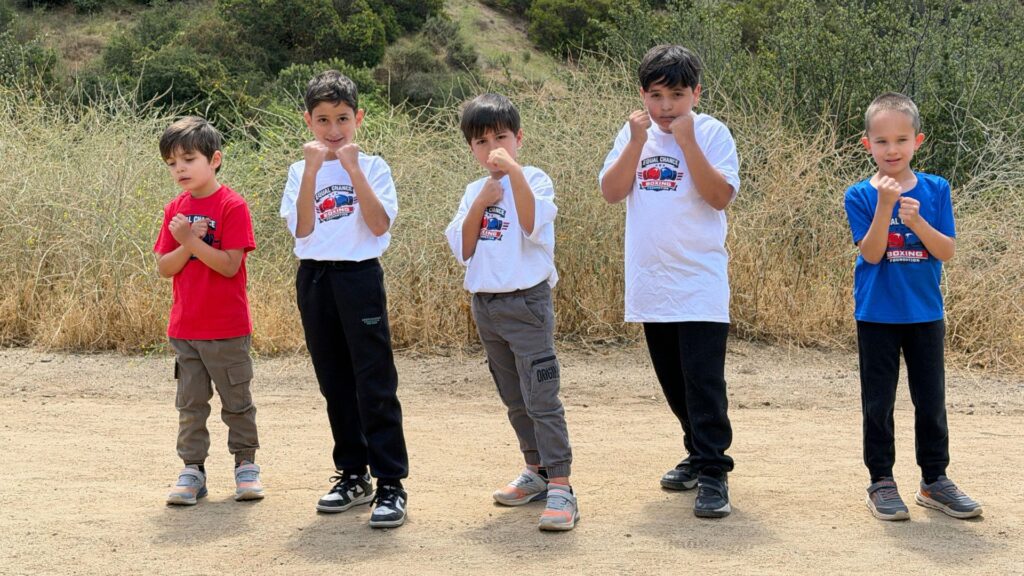
Mentorship should never become an unrealistic promise that one coach can solve every problem. Its value comes from consistency. A mentor notices effort, provides correction, models responsibility, and keeps showing up. Over time, that relationship can become an important part of the support system around a young person.
How Does the Program Respond to Emotional or Behavioral Challenges?
Parents should be honest about their child’s needs and ask how the program handles frustration, anxiety, attention difficulties, anger, or withdrawal. Coaches are not therapists, but they should know how to respond calmly when a child becomes overwhelmed.
A responsible program should avoid making medical promises. Boxing may support routine, physical activity, confidence, and emotional regulation for some young people, but it does not cure anxiety, depression, ADHD, trauma, or behavioral disorders. It is not a substitute for professional medical or mental health care when that care is needed.
Parents should ask whether the coach is willing to work with the family within reasonable limits. A child may need clearer instructions, a slower introduction, or a brief break when overwhelmed. These adjustments can support participation without changing the essential expectations of safety and respect.
If a child has a medical condition, previous injury, or significant emotional concern, parents should seek appropriate professional advice before beginning. The program should be informed of relevant needs so coaches can respond responsibly.
What Are the Red Flags Parents Should Watch For?
Parents should trust their judgment when something feels wrong. A gym may have impressive equipment and experienced athletes, but culture matters more than appearance. Red flags include coaches who mock beginners, dismiss injuries, pressure children into sparring, encourage hostility, or refuse to explain safety procedures.
Parents should also be cautious if supervision seems inconsistent. Children should not be left to use equipment without guidance, and older participants should not be allowed to control younger students. A program should know who is in the room and who is responsible for each group.
Another concern is secrecy. Parents should not be told that they are not allowed to ask questions about training methods, contact drills, or discipline. Some programs may limit where observers stand for safety or focus, but they should still provide clear information about what happens during sessions.
A child’s behavior after training can also provide information. Normal tiredness is expected, and beginners may feel frustrated while learning. But ongoing fear, humiliation, unexplained injuries, or strong resistance connected to a specific adult should be taken seriously.
What Positive Signs Should Parents Look For?
A strong youth boxing program often feels organized, calm, and purposeful. Coaches know the participants’ names. Beginners receive clear instruction. Students understand where to stand, what equipment to use, and how to move safely through the session.
Respect should be visible in every direction. Students respect coaches, but coaches also respect students. Experienced participants help rather than intimidate beginners. Mistakes are corrected without turning the child into the mistake.
Parents should also notice whether the program values consistency more than natural talent. A child who attends regularly, listens, and works honestly should receive recognition even if they are not the fastest or strongest. This communicates that progress belongs to everyone willing to learn.
The strongest sign may be that children feel both supported and accountable. They know that the adults care about them, but they also know that effort, safety, and respect are expected.
How Will Progress Be Measured?
Parents should ask what progress looks like in the program. Is success measured only through competition, or does the organization recognize improvements in attendance, technique, confidence, listening, and responsibility?
Most children will not become competitive boxers, and they do not need to. The value of youth boxing can appear in smaller changes. A child begins preparing equipment independently. A teenager accepts correction without shutting down. A student completes a difficult round without quitting. A young person learns to control frustration and return after a mistake.
Parents should be cautious of promises of rapid transformation. No responsible program can guarantee that a child will become disciplined, confident, or emotionally stronger within a fixed number of weeks. Development is gradual, and every young person responds differently.
The best programs create conditions where growth is possible: safe coaching, clear standards, consistent attendance, respectful mentorship, and opportunities to practice.
Does the Organization Have a Larger Community Mission?
Some parents want their child to participate in a program that connects training with service and community responsibility. They can ask whether the organization works with local families, creates free opportunities, or partners with others to expand youth access.
Community involvement can help children understand that boxing is not only about individual achievement. It can become a way to connect with others, learn responsibility, and participate in something larger than personal performance.
Stories highlighted through Champions of Hope show how supporters, mentors, and community members can stand beside young people. Businesses can also participate through corporate sponsorship, helping make training and mentorship accessible to families who may otherwise be excluded by cost.
A program’s mission should be visible in its actions. Parents can ask how the organization serves young people beyond promotional language. Real community work is built through consistent presence, responsible programming, and respect for families.
The Right Program Should Welcome Responsible Questions
Parents should not feel that asking questions makes them difficult. A child’s safety and development are too important for silent assumptions. A trustworthy boxing program should be prepared to discuss coaching, sparring, equipment, costs, discipline, supervision, and communication.
The right program will not necessarily be the largest gym or the one with the most trophies. It will be the environment where the child can begin safely, learn gradually, and feel both supported and accountable.
Parents should also listen to their child while remembering that nervousness does not always mean the program is wrong. Beginners often feel uncomfortable because everything is unfamiliar. The important distinction is whether the discomfort comes from learning something new or from being treated unsafely or disrespectfully.
A good program helps a child move through healthy discomfort without shame. It teaches that being a beginner is not a weakness. It gives young people a place where effort matters, mistakes can be corrected, and progress is built one session at a time.
Step Into the Ring. Let’s Build Our Community Together.
For Parents: Give Your Child a Safe Place to Begin
Choosing a boxing program should never be based only on toughness, competition, or appearance. Look for patient coaching, clear safety rules, age-appropriate instruction, and an environment where young people are guided with respect.
Equal Chance Boxing Foundation provides access to structured youth boxing, mentorship, and supportive coaching for children and teenagers who are ready to learn.
ENROLL IN OUR YOUTH BOXING PROGRAM TODAY
For Supporters: Help Keep Safe Youth Training Accessible
Strong programs require qualified coaching, safe equipment, reliable training space, and adults who can continue showing up for young people. Donor support helps families access these opportunities without carrying every cost alone.
DONATE TO THE EQUAL CHANCE BOXING FOUNDATION
For Community Partners: Invest in Responsible Youth Development
Businesses and community leaders can help expand access to structured sports, afterschool mentorship, and safe youth programming throughout Los Angeles.
LEARN ABOUT CORPORATE SPONSORSHIP
Questions Before Enrolling?
Important answers for parents.
A beginner youth boxing program should not require a child to arrive with advanced fitness, coordination, or boxing experience. Coaches should introduce movement gradually and adjust exercises according to age and ability. The most important qualities at the beginning are willingness to listen, follow safety rules, and practice consistently. Fitness and technique can develop over time.
Beginners can learn stance, footwork, defense, conditioning, bag work, and mitt work without immediate sparring. Contact should only be introduced after a child has developed sufficient control, understands safety rules, and feels ready. Parents should ask how readiness is evaluated and whether sparring is optional. A child should never be pressured into contact simply to prove toughness.
Firm coaching sets clear expectations, corrects unsafe behavior, and asks young people to complete appropriate work. Harmful coaching relies on humiliation, intimidation, insults, or fear. A strong coach can be demanding while still protecting a child’s dignity. Corrections should focus on the action that needs improvement rather than attacking the student’s character.
Progress may first appear through small changes rather than competition results. A child may begin preparing equipment independently, listening more carefully, attending consistently, accepting correction with less frustration, or showing greater respect for other participants. No program should promise an immediate transformation, but a safe and structured environment can give young people repeated opportunities to build confidence and responsibility.