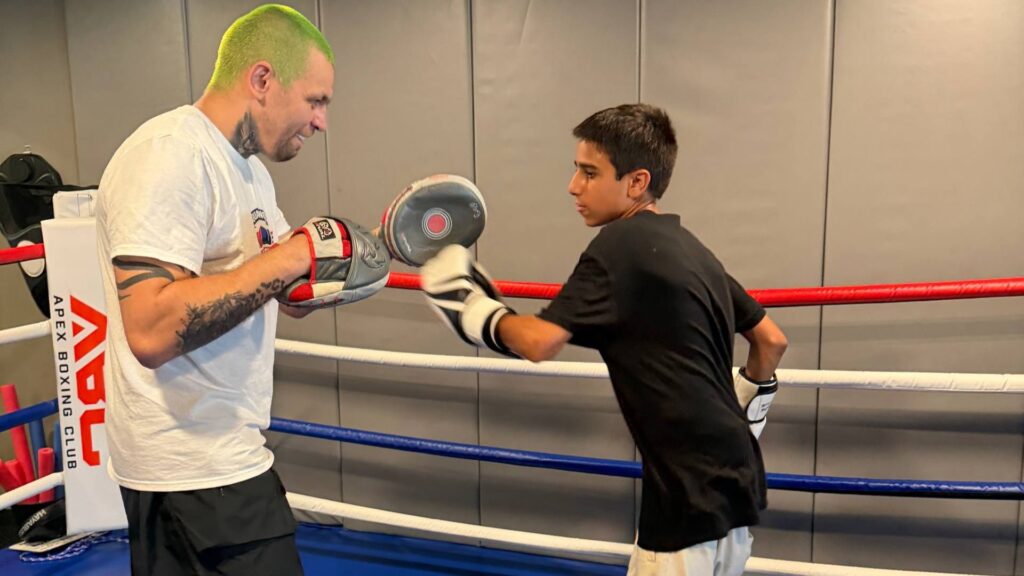
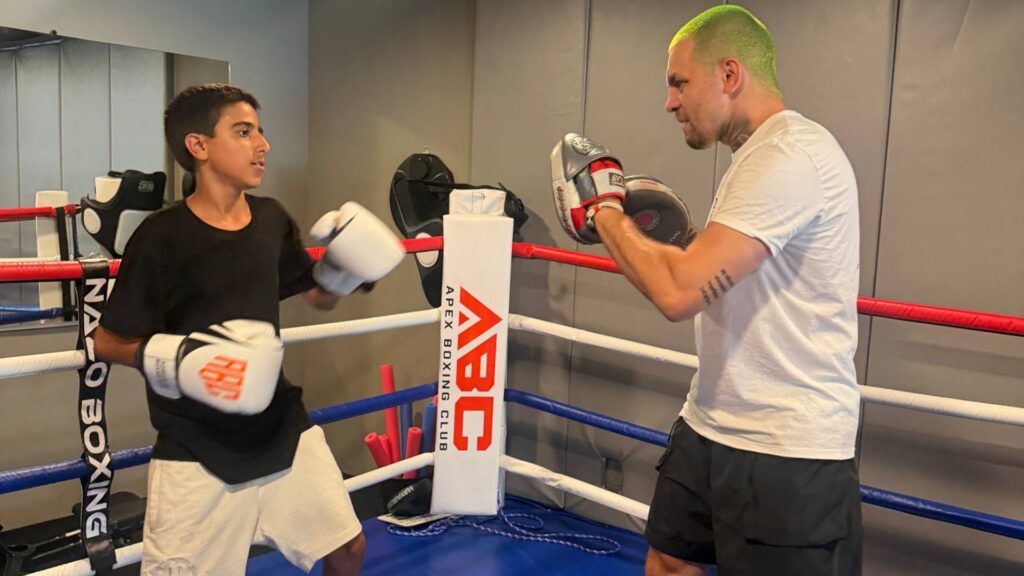
On July 19, 2026, Equal Chance Boxing Foundation hosted another free youth boxing training session led by professional boxer Ivan Redkach. For the young people who came to train, the session was more than a chance to move, sweat, and learn boxing skills. It was another opportunity to experience discipline in a safe environment, to be guided by a coach who understands the long road of the sport, and to see that boxing can be a place where energy becomes focus instead of frustration.
This training continued the same spirit as the previous free session led by Ivan Redkach. It reflected the foundation’s deeper mission: to make youth boxing accessible to children and teenagers who may not otherwise have the resources, structure, or mentorship needed to begin. For many families in Los Angeles, a free training session is not a small thing. It can remove the first barrier between a young person and a healthier routine. It can give parents a supervised space where their child is not only kept active, but also challenged, corrected, and encouraged with respect.
Equal Chance Boxing Foundation does not use boxing as a symbol of aggression. The purpose is not to teach kids to fight on the street or to prove themselves through anger. The purpose is to use boxing as a disciplined sport — one that teaches control, patience, respect, listening, body awareness, and the ability to keep working after mistakes. A session led by Ivan Redkach carries that message clearly because professional boxing is not built on talent alone. It is built through routine, repetition, coaching, setbacks, correction, and the decision to return to the work again and again.
A Second Training Session Shows the Value of Consistency
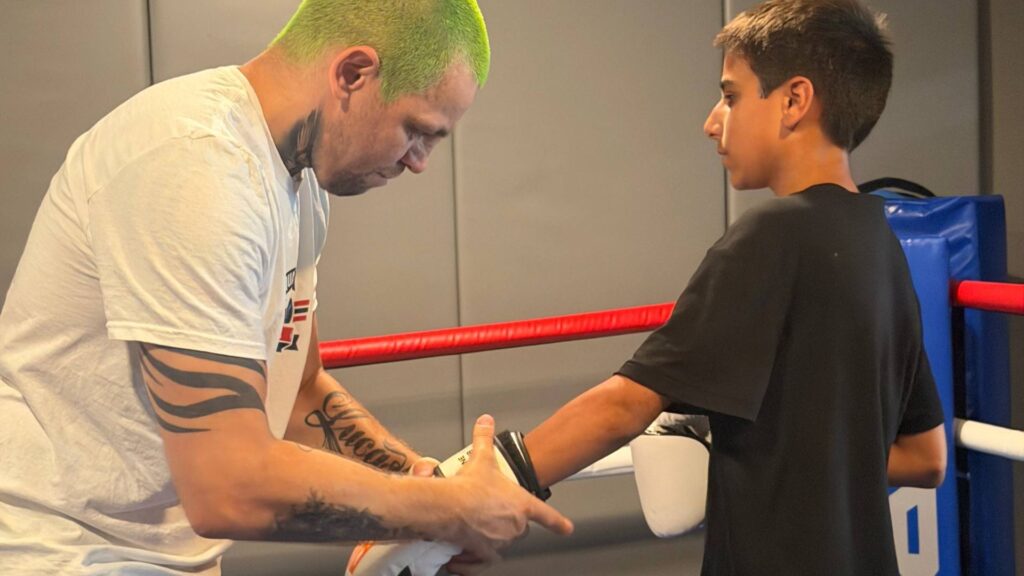
One free youth boxing session can open a door. A second one begins to show something even more important: consistency. Young people do not grow because they attend one event, hear one speech, or have one strong day. They grow when support returns. They grow when the same message is repeated in a different session, by the same kind of steady adults, inside an environment that expects them to listen, try, improve, and come back.
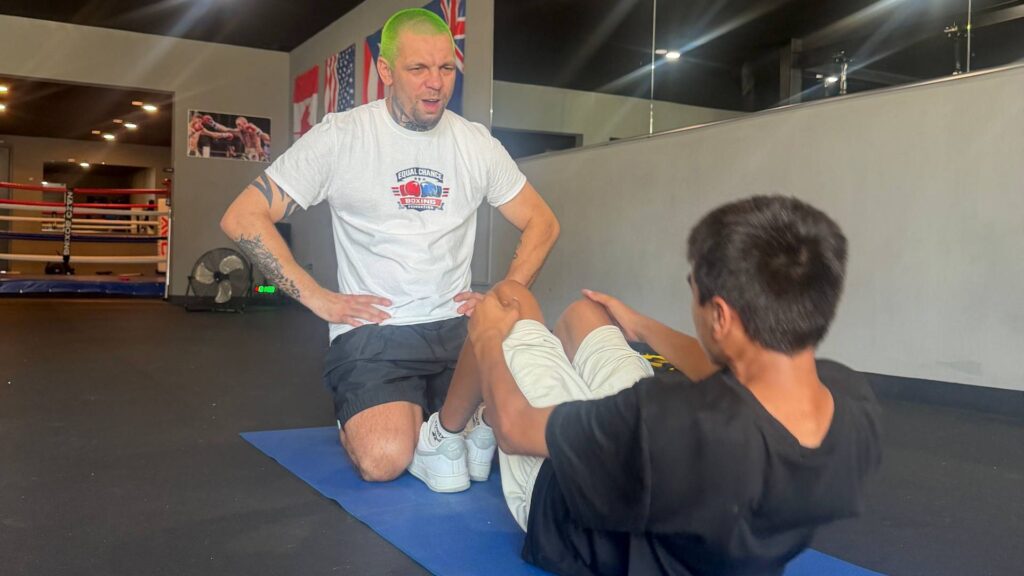
For teenagers, consistency matters because motivation is not always reliable. A teen may feel excited one day and disconnected the next. They may want to improve but still struggle with discipline. They may act like they do not care when they are really afraid of failing. A structured boxing session gives them a rhythm they can feel physically. They warm up, listen, move, practice, receive correction, reset, and continue. Over time, that rhythm can become more than training. It can become a lesson in how to approach difficulty.
The July 19 session mattered because it gave young people another chance to step into that rhythm. It showed that free youth boxing can be more than a one-time opportunity. It can become part of an ongoing pathway where young people are introduced to structure, mentorship, and the discipline of returning. For a young person who needs guidance, that return matters. It says, “This door is still open. The work is still here. You can keep building.”
This is the heart of the Youth Boxing Program at Equal Chance Boxing Foundation. The program is not only about teaching athletic technique. It is about creating a safe beginning where young people can learn discipline, respect, confidence, and consistency through supervised training and mentorship.
Ivan Redkach’s Role Goes Beyond Demonstrating Technique
When Ivan Redkach leads a youth boxing training session, his role is not only to show how a punch is thrown or how a movement should look. The deeper value is the example behind his instruction. A professional boxer understands that progress is not built in a single day and that the sport does not reward shortcuts for long. A young person can be naturally strong or fast, but boxing quickly reveals whether they can listen, stay patient, control their breathing, accept correction, and respect the process.
That lesson is important for kids and teenagers because many of them are surrounded by messages that celebrate fast results. Social media shows highlights, not repetition. It shows confidence, not the private work behind confidence. It shows success moments, not the long path of correction, loss, fatigue, and recovery. Boxing offers a different truth. It teaches that improvement is built one round, one drill, one mistake, and one reset at a time.
Ivan Redkach’s presence gives youth a living example of that long path. His role should not be turned into a story of easy success. The stronger message is that serious boxing requires discipline over mood, routine over excuses, respect for coaching, and the willingness to learn from setbacks. For young people, that can be more valuable than inspiration alone. It gives them a realistic picture of growth.
In a training session, those lessons often appear in simple instructions. Keep your hands up. Stay balanced. Breathe. Listen first. Do not rush. Respect the person in front of you. Try again. These words may sound ordinary, but in the right environment they begin to shape how a young person responds to pressure. The lesson is not only about boxing. It is about learning to stay present when something is difficult.
Boxing Gives Young People a Safe Place to Direct Their Energy
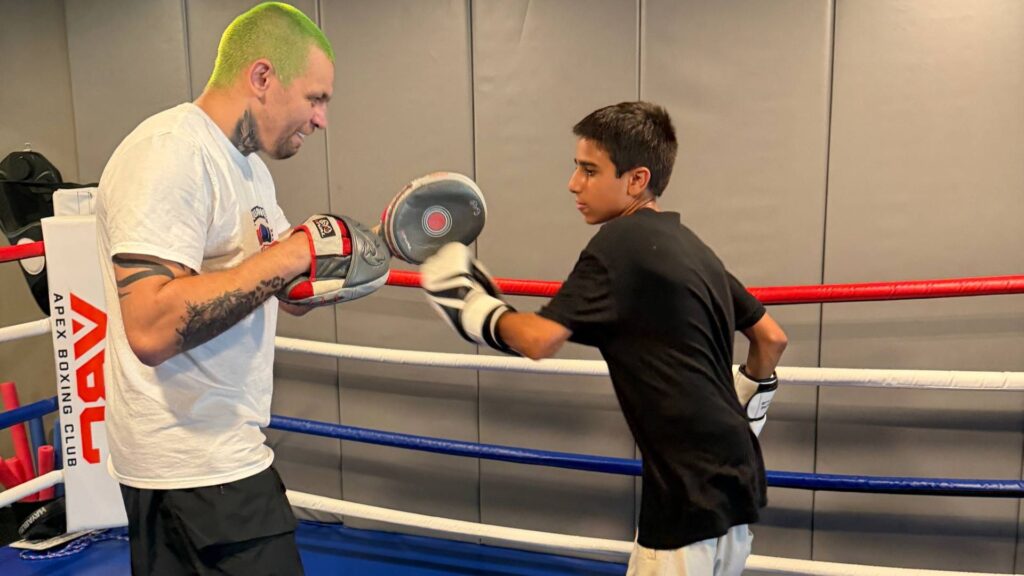
Many teenagers have more energy than they know how to manage. Sometimes that energy looks like restlessness. Sometimes it looks like anger, distraction, silence, attitude, or lack of motivation. Adults may focus on the behavior, but the deeper question is often where that young person is supposed to put what they are carrying. If there is no safe place for movement, no positive outlet, and no structured environment, that energy can easily turn into frustration.
Boxing can help guide that energy when it is taught responsibly. It does not shame a young person for being intense, emotional, or restless. Instead, it gives that energy rules. A coach helps the student understand that power without control does not work. Anger does not improve timing. Rushing does not create balance. Ignoring instruction does not build skill. The young person begins to learn that strength must be disciplined to become useful.
This is why youth boxing should never be confused with street fighting. Real boxing is not about uncontrolled aggression. It is a sport of control, defense, timing, listening, and respect. In a safe youth program, students learn that boxing skills belong inside supervised training, not in school conflict, not in the street, and not as a way to intimidate others. That message protects both the student and the community.
For parents, this distinction matters. Many families may hesitate when they hear the word boxing because they worry it will make a child more aggressive. The truth depends on the environment. In the wrong environment, any sport can be taught poorly. In the right environment, boxing can become a school of self-control. It teaches a young person to pause, listen, adjust, and use discipline before power.
Free Access Matters for Families in Los Angeles
For many families in Los Angeles and LA County, access to youth programs is not simple. Even when parents want their child to participate in something positive, the cost of sports can become a barrier. Registration fees, equipment, private coaching, transportation, summer programs, and afterschool activities can quickly become too expensive. A child may have energy and potential, but the family may not have the resources to open every door.
That is why free youth training sessions matter. They remove the first financial pressure. They tell families that their child can begin without money deciding whether they belong. They also reduce the quiet shame some young people feel when they know their family cannot afford the same opportunities other kids have. A free program gives them a chance to show up as they are and begin the process of learning.
But free access should never mean lower quality. Young people deserve safe coaching, clear structure, respectful discipline, and responsible supervision whether a family pays or not. Equal Chance Boxing Foundation’s work matters because the training is connected to a broader purpose: making youth boxing and mentorship accessible to young people who need structure, guidance, and a positive place to grow.
When supporters give through Donate, they help make free access possible. Their support is not only about gloves, equipment, or one training session. It helps sustain the system around a child: coaching time, safe space, outreach, program organization, mentorship, and the consistency that families need. The visible result may be a boxing class. The deeper result is a young person having somewhere meaningful to go.
The Session Was Part of a Larger Community Need
The July 19 training session was one event, but the need behind it is much larger. Many young people in Los Angeles need safe activities after school and during open hours when school structure is not enough. They need places where adults notice them, where their energy can move, where correction is fair, and where they are challenged without being humiliated. They need mentorship that is practical, not just motivational.
Community-based training helps meet that need because it brings youth development closer to families. A gym or training space becomes more than a place to exercise. It becomes a place where a teenager can be seen by adults outside the home and school. It becomes a place where they can practice discipline in a physical way. It becomes a place where they begin to understand that belonging can be built through effort and consistency.
Programs connected to Community Training are important because they reflect the belief that youth development is not only an individual responsibility. Families need support. Coaches need resources. Donors and sponsors need to stand behind the work. Local communities become stronger when young people have positive places to return to before they are isolated, discouraged, or pulled toward unhealthy influences.
For a teen, this kind of community support can be felt in small ways. Someone remembers their name. Someone corrects their stance. Someone notices when they are not focused. Someone expects them to respect the space. These moments may not look dramatic, but they can begin to build trust. And trust is often the beginning of growth.
Mentorship Is What Makes Training Last Beyond the Day
A youth boxing session can teach basic skills, but mentorship is what gives the session lasting meaning. A coach can show a young person how to move, but a mentor helps them understand why the work matters. A coach can correct a technique, but a mentor can help a teen learn how to receive correction without shutting down. That difference matters, especially for young people who have not always experienced guidance as something safe.
Many teenagers struggle with correction because they hear it as rejection. They may become defensive, embarrassed, or angry when an adult points out a mistake. A healthy training environment can change that experience. In boxing, correction is constant. Feet need to move. Hands need to stay up. Breathing needs to slow down. Balance needs to improve. Over time, a student can learn that correction is not personal failure. It is part of getting better.
That lesson can follow a young person outside the gym. A teen who learns to accept correction in training may begin to understand correction differently at school or at home. A student who learns to reset after a mistake may become less afraid of trying. A young person who once gave up quickly may start to see effort as something they can practice.
This is why afterschool mentorship and consistent programming matter. The Summer & Afterschool Mentorship Camp reflects the need for structured support beyond occasional events. A free session can open the door, but repeated mentorship helps young people keep walking through it.
Parents Look for More Than Activity
When parents bring a teenager to a youth program, they are rarely looking only for exercise. They may want their child to be more disciplined, more confident, more active, less isolated, or surrounded by better influences. They may be worried about screen time, attitude, low motivation, peer pressure, or too many empty hours after school. They may not say all of this out loud, but those concerns often sit behind the decision to look for a program.
A free youth boxing training session can give parents a glimpse of what a structured environment can offer. They can see whether the coach is attentive. They can see whether the room has order. They can see whether beginners are treated with respect. They can see whether the program teaches boxing as control rather than aggression. These observations build trust more than any marketing message can.
A strong youth program should make parents feel that their child will be challenged and protected at the same time. Too little structure can leave a teen unchanged. Too much harshness can cause a teen to shut down. The right environment gives standards without cruelty. It expects effort while preserving dignity.
The July 19 session reflected that kind of deeper purpose. It was not just another activity on a calendar. It was part of a larger effort to create safe, free, structured opportunities for young people who need more than a place to pass time. They need guidance. They need rhythm. They need adults who believe they can improve.
Youth Boxing Can Support Confidence Through Real Effort
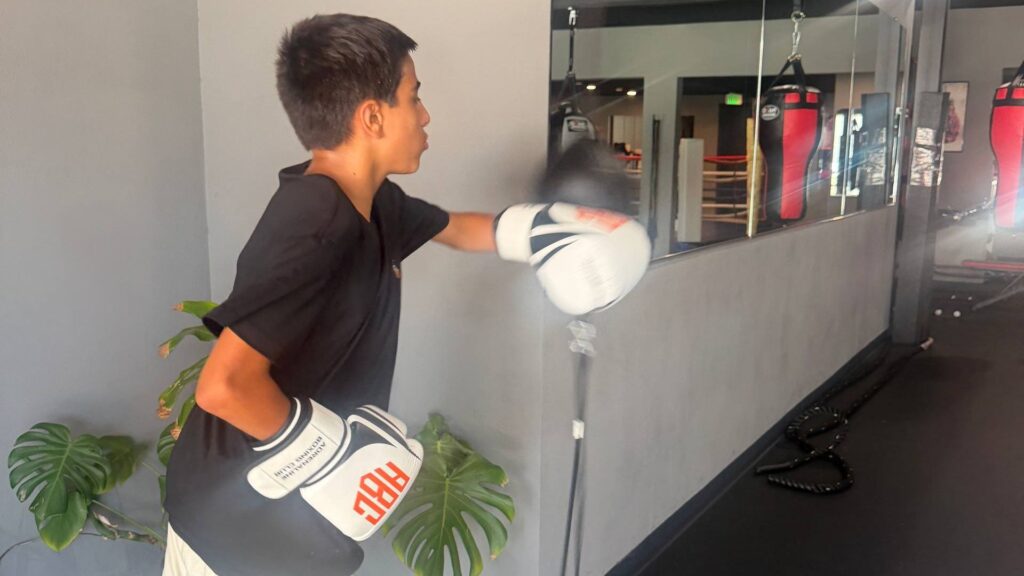
Confidence built through boxing is not the same as empty praise. A coach does not need to tell a young person they are amazing every minute. The sport itself gives feedback. A student feels when they are off balance. They feel when their breathing improves. They feel when they can finish a drill that once made them tired. They feel when a movement begins to make sense after repetition.
That kind of confidence matters because it is earned. A teenager who feels insecure may not believe compliments at first, but they can begin to believe progress they can feel. They can notice that they listened better than last time. They can notice that they stayed focused longer. They can notice that they did not quit when they became tired. These small signs can become powerful because they are real.
This kind of progress should not be exaggerated. No responsible program should promise that one session will transform a child. But a single session can introduce a young person to a new experience of effort. It can help them see that they are capable of trying something difficult. It can help them feel what it means to be guided through discomfort instead of avoiding it.
Youth boxing may also support emotional regulation for many young people by giving them movement, routine, mentorship, and a safe place to release energy. At the same time, boxing is not a substitute for professional medical or mental health care when a child needs it. Equal Chance Boxing Foundation’s role is to provide structure, safe training, mentorship, and community support — not to make medical promises.
Community Support Turns a Training Session Into a Pathway
A free youth boxing session requires more than a coach and a room. It requires people who believe the work is worth supporting. Every accessible program depends on resources: equipment, training space, staff time, outreach, planning, safety, and follow-up. When families are not asked to carry the full cost, the community must help carry the mission.
This is where donors, volunteers, and sponsors become part of the story. Their support makes it possible for youth to experience training without financial barriers. It helps the foundation continue offering programs that connect young people with mentors and safe activity. It allows the impact to move from one session into something more consistent.
For local businesses, Corporate Sponsors is a way to invest directly in youth development. Sponsorship is not only about public recognition. It is about helping build safer afterschool hours, healthier routines, and stronger community support around children and teenagers. When a business supports this work, it is helping create conditions where young people can be active, connected, and guided.
A single training session can inspire a young person, but ongoing support gives them somewhere to return. That is the difference between a moment and a pathway. Equal Chance Boxing Foundation’s work depends on people who understand that youth development is not built in one day. It is built through repeated opportunities and a community willing to keep the door open.
Why July 19 Matters
The July 19, 2026 training session matters because it showed that the foundation’s work is continuing. It was another opportunity for youth to train under Ivan Redkach, another chance for families to see free boxing mentorship in action, and another reminder that access to structured youth sports should not depend only on income.
For young people, days like this can become reference points. They may remember how it felt to be corrected by a professional boxer. They may remember the difficulty of the drills. They may remember feeling tired but still finishing. They may remember that the coach expected them to listen and try again. These memories can become part of how they understand discipline.
For parents, the session may represent hope in a practical form. Not vague hope, but something visible: their child in a safe training environment, moving, learning, listening, and being guided. For donors and sponsors, it shows what support can make possible. The mission becomes visible when youth are actually in the room, receiving the kind of training that would not be accessible to every family without community support.
This is why free youth programs matter. They take values like opportunity, discipline, mentorship, and community and turn them into real experiences. They make support visible. They create a place where young people can begin, return, and grow.
Building the Future One Training Session at a Time
Equal Chance Boxing Foundation hosted the July 19, 2026 free youth boxing training session as part of a larger commitment to youth development in Los Angeles. Led by Ivan Redkach, the session reflected what boxing can offer when it is taught with purpose: structure, discipline, respect, movement, and mentorship.
The lasting value of the session is not only what happened in one day. It is what that day represents. It represents a door opened to young people who may need access. It represents a parent seeing that safe training is possible. It represents a professional boxer giving back through instruction and example. It represents a nonprofit continuing to build community support around youth who need more than encouragement from a distance.
Young people need places where they can practice becoming stronger — not only physically, but in how they listen, how they respond to pressure, how they handle correction, and how they return after mistakes. Boxing can become one of those places when the environment is safe, the coaching is respectful, and the mission is bigger than sport.
A single training session does not solve every challenge facing youth in Los Angeles. But it can become part of the solution when it connects young people to routine, mentorship, and community. It can be the beginning of a habit. It can be the first step toward confidence. It can be the day a teen realizes that discipline is not something they either have or do not have. It is something they can build.
That is why the July 19 session matters. It was not only a free boxing training. It was another step in building access, trust, and opportunity for the next generation.
Step Into the Ring. Let’s Build Our Community Together.
For Parents: Reclaim Your Teenager’s Future
Stop relying on fleeting motivation and give your teenager the gift of true discipline. Leave the financial stress behind — Equal Chance Boxing Foundation provides access to structured youth boxing, mentorship, coaching, and a safe environment where young people can begin rebuilding confidence one step at a time.
Take the first step toward their mental and physical growth.
ENROLL IN OUR YOUTH BOXING PROGRAM TODAY
For Supporters: Fund a Life-Saving Mentor
These programs remain accessible because people choose to stand in the corner of young people who need structure, guidance, and opportunity. When you support low-income youth sports programs, you are not simply funding equipment — you are helping provide the mentorship, discipline, and consistency that many children cannot access on their own.
Be the steady hand in their corner.
DONATE TO THE EQUAL CHANCE BOXING FOUNDATION
For Community Partners: Take the Mentorship Beyond the Gym
Community impact grows when local leaders, businesses, and families work together. Through outreach, community training, and sponsorship support, Equal Chance Boxing Foundation helps bring coaching, structure, and encouragement closer to the youth who need it most.
LEARN ABOUT CORPORATE SPONSORSHIP
Questions?
We’ve got answers.
Consistency is the cornerstone of growth. By hosting another free session, the Equal Chance Boxing Foundation reinforces a stable, supportive routine for local youth. Regular access to these events ensures that the life skills taught by Ivan Redkach—like discipline, punctuality, and focus—become deeply ingrained habits rather than fleeting lessons.
Yes. As the teens’ foundational skills continue to improve, Ivan introduces new challenges. This latest session focused more heavily on defensive maneuvers, footwork, and situational awareness. By progressively layering these techniques, the youth learn the value of continuous self-improvement and adaptability in the face of new obstacles.
We are seeing a remarkable shift toward leadership and mentorship among the youth themselves. Teens who attended previous sessions are naturally stepping up to guide newcomers, holding the bags and offering encouragement. This creates a self-sustaining culture of mutual respect and camaraderie that extends well beyond the gym.
The momentum of these sessions relies heavily on community backing. Supporters can ensure these events remain completely free by donating, volunteering their time, or partnering with the foundation. Every contribution directly funds the equipment, facility space, and resources needed to keep our youth active, safe, and inspired.