
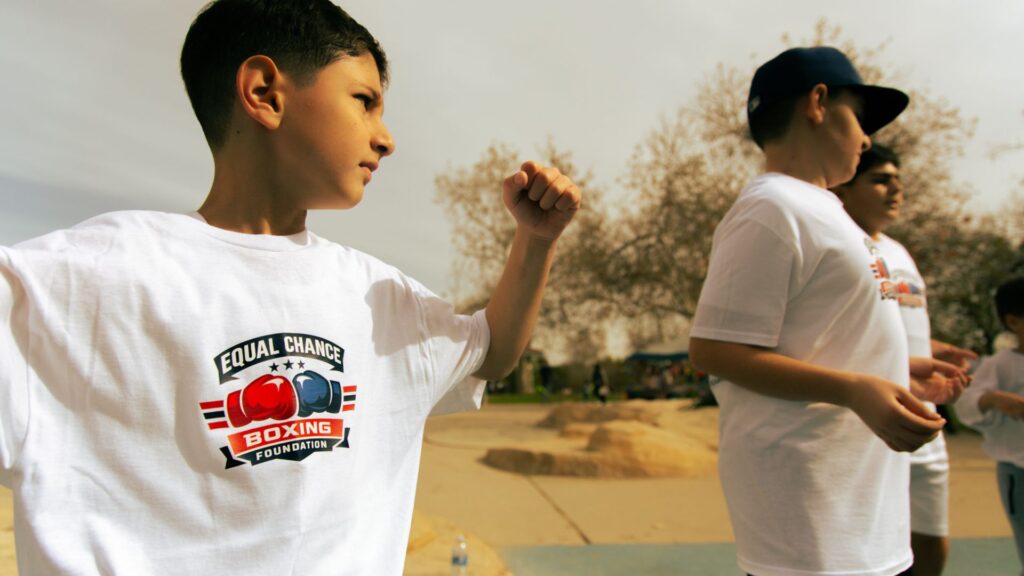
Most people notice the visible parts of a youth boxing program first. They see gloves, bags, footwork drills, jump ropes, coaches giving instructions, and young athletes trying to keep their hands up when they are tired. From the outside, it can look like a sports program built around movement, discipline, and physical training.
But volunteers often see something deeper. They see the quiet moments before confidence appears. They notice the teenager who walks into the gym with his shoulders tight and his eyes lowered. They notice the child who jokes too much because silence feels uncomfortable. They notice the parent who stands near the entrance and watches carefully, hoping this place might offer something their child has been missing.
At Equal Chance Boxing Foundation, volunteers are not only helping with a program. They are standing close enough to witness the small changes that most people would overlook. They see how a safe environment, consistent coaching, and real mentorship can slowly change the way a young person carries themselves. Those changes may not look dramatic at first, but they matter because they often begin in the places where a child has been struggling quietly.

Volunteers See the Story Before the Training Begins
Before a young person learns a proper stance or throws a clean jab, there is already a story in the room. A volunteer may notice how a teenager enters the space, whether they move with confidence or hesitation, whether they look around with curiosity or suspicion, whether they seem excited or guarded. These details matter because many young people do not explain what they are carrying. They show it through posture, energy, resistance, silence, or the way they respond to correction.
Some kids arrive with too much energy and no clear place to put it. Others arrive withdrawn, careful, and unsure if they belong. Some teenagers act tough because they have learned that looking unbothered is safer than admitting they are nervous. To someone passing by, that behavior might look like attitude. To a volunteer who pays attention, it may look like a young person testing whether this environment is safe enough to trust.
This is why a structured youth boxing program can matter so much. The first victory is not always a perfect combination or a strong round on the bag. Sometimes the first victory is simply showing up, listening for a few minutes longer than last time, or accepting guidance without shutting down. For many children and teenagers, that is already a meaningful step.
Volunteers often understand that growth does not begin when a child becomes impressive. Growth begins when a child feels safe enough to try. That is something most people miss when they only look at the sport from the outside.
[ecbf_donate_banner_1]
They Notice the Children Who Pretend Not to Care
One of the most common things volunteers see is the young person who acts like nothing matters. They may shrug when a coach gives instructions, laugh when they feel embarrassed, or pretend they are not interested because trying seriously feels risky. Many teenagers protect themselves this way. If they do not care, they cannot fail. If they do not try, nobody can say they were not good enough.
A boxing gym gently challenges that defense. It does not do it by humiliating the child or forcing them to “be tough.” It does it through rhythm, routine, and honest repetition. The timer starts whether a young person feels motivated or not. The fundamentals remain the same whether someone wants quick success or not. Footwork improves through practice. Breathing improves through awareness. Confidence grows through small, repeated moments of effort.
Volunteers see the shift when a child who once acted indifferent starts asking questions. They notice when a teenager who used to avoid correction begins listening more closely. They see when “I don’t care” becomes “Can I try that again?” That change may seem small, but for a young person who has been hiding behind indifference, it can be the beginning of a new relationship with effort.
This is one of the quiet strengths of boxing. It gives young people a place where effort has a visible result. They can feel improvement in their body. They can see the difference between rushing and focusing. They can learn that discipline is not a punishment from adults, but a tool they can use to become more in control of themselves.
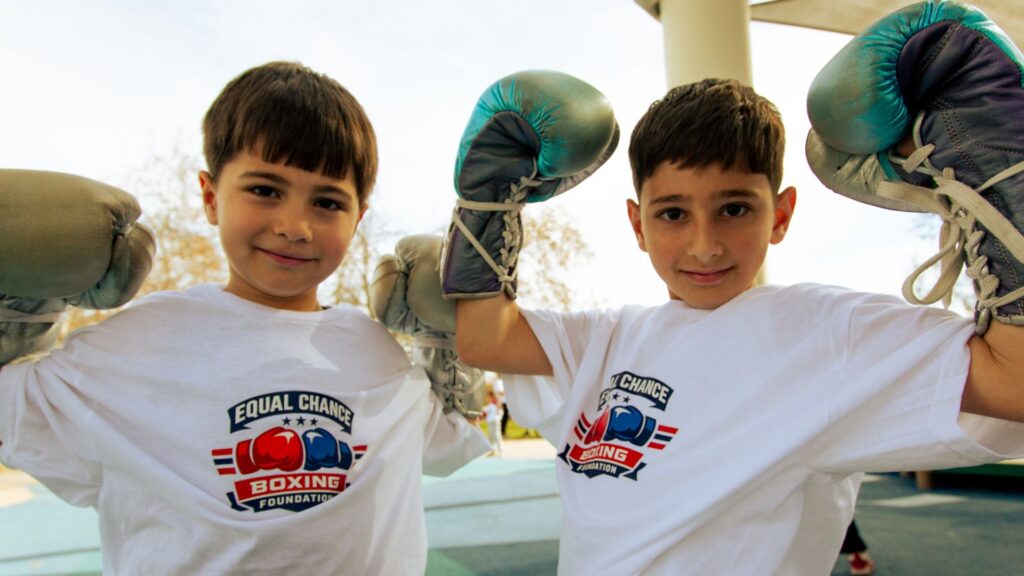
They See Parents Carrying Questions They Do Not Always Say Out Loud
Volunteers also see the parents. A parent may ask practical questions about schedules, safety, equipment, or whether prior experience is required. But underneath those questions, there is often a deeper concern. Many parents are worried about where their child is headed, who is influencing them, how much time they spend on screens, whether they are losing motivation, or whether they are becoming harder to reach emotionally.
Parents may not always say these worries directly because they do not want to sound desperate. They may simply ask if the program is free, if their child needs gloves, or if a beginner can join. A volunteer who has been around youth programs long enough can hear what is behind those questions. Sometimes a family is not just looking for an activity. They are looking for structure, guidance, and another trusted adult who can speak into their child’s life.
This is where the work of Equal Chance Boxing Foundation becomes larger than sport. A strong youth program does not replace the role of a parent, but it can support the family by creating a consistent environment where a child is challenged in a healthy way. The gym becomes a place where standards are clear, effort matters, and young people are expected to respect themselves, the coach, the space, and the person training beside them.
For parents, that kind of environment can feel like relief. They are not simply watching their child exercise. They are watching their child enter a system that teaches patience, control, accountability, and respect. Those lessons do not always appear overnight, but volunteers often see the first signs before anyone else does.
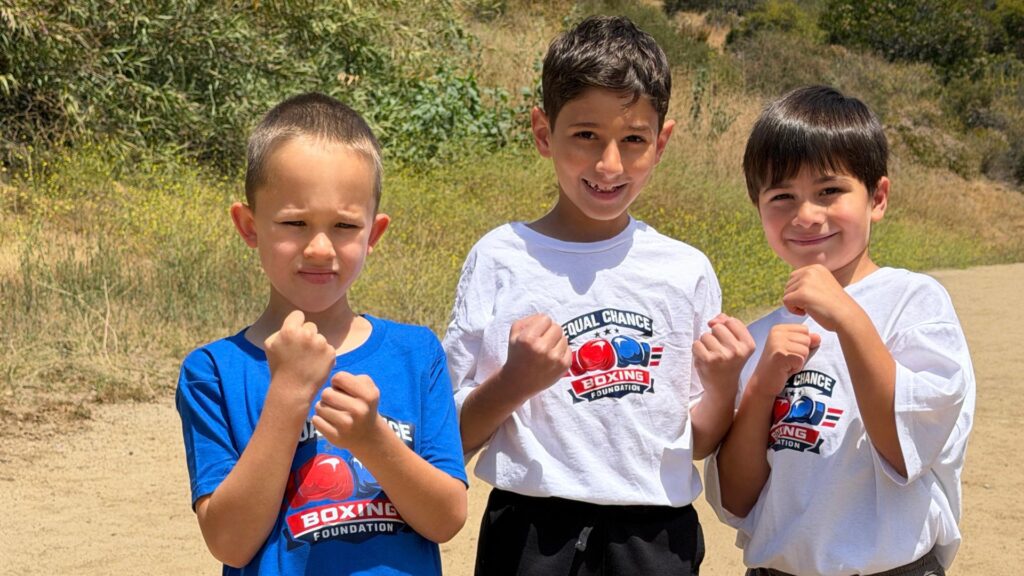
They See That Free Programs Are Never Truly Free to Provide
To families, free access can remove a major barrier. It means a child may be able to train even if the family cannot afford private coaching, monthly fees, equipment, or extra programs after school. For many low-income families, that difference matters. Opportunity should not depend only on whether a parent can pay for it.
But volunteers see the other side of that reality. They understand that a free program still requires real resources. Gloves wear down. Wraps, bags, cleaning supplies, insurance, space, outreach, transportation challenges, administrative work, and coaching time all carry a cost. A program may be free for the family, but it is never free to build, maintain, and protect.
That is why support through donations to Equal Chance Boxing Foundation is not simply about buying equipment. It helps create access. It helps keep the door open for a child who might otherwise be left out. It supports the structure around the young person: the coaching, the mentorship, the safe environment, and the consistency that many children need long before they are in crisis.
Volunteers often see this clearly because they see what happens when access is real. They see the child who could not have joined a private gym but now has a place to train. They see the parent who is relieved that cost will not be the reason their child misses out. They see the difference between talking about helping youth and actually removing the barriers that keep them away from support.
They Understand the Difference Between Energy and Trouble
A lot of young people are misunderstood because adults only see the disruption, not the need underneath it. A teenager with restless energy may be labeled as difficult. A child who seeks attention may be treated as a problem. A young person who argues may be seen only as disrespectful. But volunteers often notice that the same energy causing problems in one environment can become strength in another when it is redirected properly.
Boxing gives that energy a structure. A child who struggles to sit still may become focused when asked to move, reset, breathe, and repeat. A teenager who wants attention may begin earning it through effort instead of disruption. A young person who carries anger may learn that power without control is not strength. In the right environment, intensity does not need to be crushed. It needs to be guided.
This is one reason community training is so important. When young people train in a positive group setting, they experience something different from the chaos that often surrounds them. They see other kids working hard. They see adults who are present. They see that strength can exist without bullying and discipline can exist without shame. They begin to understand that a strong person is not the loudest person in the room, but the one who can stay composed when things become difficult.
Volunteers are often the ones who notice these shifts first because they are watching the details. They see how a child responds after being corrected. They notice whether a teenager comes back after struggling. They pay attention to the difference between a young person who is simply tired and one who is learning not to quit. These details may not look like major success from the outside, but they are often the foundation of real change.
They See the Power of Routine When Motivation Fades
Motivation is easy to recognize at the beginning. A young person may come in excited, inspired by a fighter they saw online, or eager to hit the bag and feel strong. But motivation is not enough to build a life. Volunteers see what happens after the excitement fades and the real work begins.
The early lessons in boxing are not glamorous. A beginner must learn stance, balance, breathing, footwork, distance, defense, listening, and control. Many teenagers want to skip ahead to the impressive parts, but boxing does not reward shortcuts. It teaches, sometimes very quickly, that the basics are not optional. The same lesson applies outside the gym. Sleep, nutrition, school responsibilities, emotional control, and respect for guidance may not feel exciting, but they are the foundation that keeps a young person steady.
’s story can be understood through this lens. His journey is not valuable to young people because it suggests that success is easy. It is valuable because it shows the opposite. Talent matters, but discipline matters more. Routine matters. Recovery matters. Learning from losses matters. Listening to coaching matters. The ability to return to work after disappointment is often what separates a temporary dream from a serious path.
Volunteers see how this idea begins to reach young people. A teenager may not talk about discipline in big words, but they begin to show it when they arrive on time, stay focused a little longer, or take correction without giving up. That is not just athletic growth. It is character being built through repetition.
They See Mentorship That Cannot Be Replaced by a Screen
Many young people today are surrounded by information but still missing guidance. They can watch endless videos, hear endless opinions, and compare themselves to endless images, but a screen cannot notice when they are about to quit. A screen cannot look them in the eye and calmly say, “Try again.” A screen cannot correct their form, remember their name, or recognize when their attitude is covering up frustration.
Volunteers see how much young people still need real human presence. They need adults who are consistent, not perfect. They need mentors who can be firm without being cruel. They need someone who sees their potential without pretending their behavior does not matter. That balance is difficult, but it is one of the most important parts of youth development.
Programs like the ECBF Summer and Afterschool Mentorship Camp in LA County matter because they create more than activity. They create structure around the hours when many children and teenagers need support the most. Afterschool time, summer breaks, and unstructured afternoons can either become empty space or an opportunity for growth. The difference often depends on whether the community steps in with something real.
Mentorship is not always dramatic. Sometimes it is a coach reminding a child to breathe. Sometimes it is a volunteer noticing that a teenager returned after a difficult week. Sometimes it is a young person realizing that someone expected them to show up and was glad when they did. Those moments may seem ordinary, but they can become deeply important to a child who is used to feeling unseen.
They See Community Impact Before It Becomes a Success Story
Public success is easy to celebrate once it is visible. People notice the confident teenager, the disciplined athlete, the smiling parent, or the child who has clearly improved. Volunteers often see the earlier version, before the change is obvious. They see the uncertainty, the resistance, the frustration, and the first small signs that something is beginning to shift.
This is why community support matters. A child’s progress is rarely the result of one person alone. It often comes from a circle of support: parents, coaches, volunteers, donors, sponsors, and community partners who decide that young people deserve access before they are in trouble, not only after. When businesses support youth development through corporate sponsorship, they are helping build that circle around children who may not have enough structure in their daily lives.
A sponsor may see a program, but volunteers see the faces inside it. They see the young person who needed gloves. They see the parent who needed cost not to be a barrier. They see the coach spending extra time with a beginner. They see the room where discipline becomes normal, where effort is respected, and where a child begins to believe that their future can be shaped by choices rather than circumstances.
That is the kind of impact that does not always fit into a simple headline. It is built slowly, through trust, access, and repeated moments of showing up. Volunteers see it because they are present for the process, not just the outcome.
What Volunteers Often Notice First
| What others may see | What volunteers often notice |
|---|---|
| A teenager acting tough | A young person trying not to look nervous or embarrassed |
| A child who talks back | A child testing whether adults will give up on them |
| A quiet participant | Someone slowly deciding whether this environment is safe |
| A parent asking about cost | A family trying to access opportunity without financial pressure |
| A boxing drill | A lesson in patience, listening, rhythm, and self-control |
| A free program | A community effort supported by coaches, donors, volunteers, and sponsors |
This is the difference between watching a program and understanding one. Volunteers often learn to look beyond the surface. They do not ignore behavior, but they also do not stop at behavior. They ask what a young person may be trying to communicate through their energy, silence, resistance, or effort.
That perspective is one of the reasons volunteers are so valuable. They help create an environment where children are noticed in the right way. Not judged. Not excused. Not overlooked. Not reduced to one bad day or one difficult habit. Seen.
[ecbf_donate_banner_4]
They See Hope While It Is Still Quiet
Hope does not always enter the room loudly. Sometimes it looks like a child coming back for a second session. Sometimes it looks like a teenager accepting correction without walking away. Sometimes it looks like a parent relaxing slightly because they can tell their child is being treated with respect. These moments are easy to miss if someone is only looking for big success stories.
Volunteers see hope while it is still forming. They understand that young people do not usually change all at once. A child who has been discouraged may need time before they trust encouragement. A teenager who has been corrected harshly may need time before they believe discipline can be fair. A family that has faced barriers may need time before they believe a program will truly remain accessible.
This is why the work of Equal Chance Boxing Foundation matters. The foundation is not only creating athletes. It is creating a place where young people in Los Angeles and LA County can experience structure, mentorship, movement, and belonging. For some, that may become a serious athletic path. For others, it may simply become the place where they learned how to breathe under pressure, listen when corrected, and keep going when something felt difficult.
Youth boxing is not a replacement for professional medical or mental health care when a child needs that support. But a safe, structured, mentorship-based program can be an important part of a young person’s environment. It can help them build routine, confidence, discipline, and connection. Volunteers see that reality not as theory, but as something that unfolds one session at a time.
For those who want to understand the heart of this work, the stories behind Champions of Hope reflect the same idea: real change often begins when a community chooses to stand beside young people before the world has fully recognized their potential.
Step Into the Ring. Let’s Build Our Community Together.
For Parents: Reclaim Your Teenager’s Future
Stop relying on fleeting motivation and give your teenager the gift of true discipline. Leave the financial stress behind — Equal Chance Boxing Foundation provides access to structured youth boxing, mentorship, coaching, and a safe environment where young people can begin rebuilding confidence one step at a time.
Take the first step toward their mental and physical growth.
ENROLL IN OUR YOUTH BOXING PROGRAM TODAY
For Supporters: Fund a Life-Saving Mentor
These programs remain accessible because people choose to stand in the corner of young people who need structure, guidance, and opportunity. When you support low-income youth sports programs, you are not simply funding equipment — you are helping provide the mentorship, discipline, and consistency that many children cannot access on their own.
Be the steady hand in their corner.
DONATE TO THE EQUAL CHANCE BOXING FOUNDATION
For Community Partners: Take the Mentorship Beyond the Gym
Community impact grows when local leaders, businesses, and families work together. Through outreach, community training, and sponsorship support, Equal Chance Boxing Foundation helps bring coaching, structure, and encouragement closer to the youth who need it most.
LEARN ABOUT CORPORATE SPONSORSHIP
Questions?
We’ve got answers.
While spectators might focus on the physical punches, volunteers see the subtle, quiet moments of growth. They notice the teen who once stood silently in the corner now holding the heavy bag for a peer, or the kid who used to stare at the floor now making direct, confident eye contact. These small shifts in body language are the true, lasting indicators of a changing life.
To an outsider, the Equal Chance Boxing Foundation might just look like a place to sweat. To our volunteers, it is clearly a sanctuary. They recognize that for many teens, the gym is the only place in their week where they feel entirely safe, seen, and free from the intense pressures of school, neighborhood politics, or family struggles.
Most people see the physical coaching, but volunteers see the profound emotional mentoring. They witness the quiet, supportive conversations after a frustrating drill, the high-fives that validate a struggling teen’s effort, and the way mentors like use boxing to teach emotional regulation and respect without ever raising their voices in anger.
Volunteers often arrive expecting only to give back, but they quickly realize they are receiving just as much in return. Seeing the raw grit of these teens and the profound impact of a supportive, ego-free community deeply moves them. It fundamentally changes their own perspectives on resilience, empathy, and the massive hidden potential within every young person.