

There is a profoundly heavy, terrifying physical sensation that occurs when a young person places their hand on the cold metal doorknob of a boxing gym for the very first time. If you are a teenager reading this, you likely know the overwhelming weight of that exact moment. You are standing on the threshold, carrying an invisible, suffocating backpack filled with the agonizing pressures of modern adolescence. You are exhausted by the toxic social hierarchies of your high school, burnt out by relentless academic expectations, and deeply isolated by the hypnotic, demanding glow of your smartphone screen. You have been told by society that you are a “problem,” that you lack focus, or that you are simply too apathetic to succeed.
You feel an intense, chaotic energy burning inside your chest, but you have absolutely no safe place to release it. The unpredictable streets of your neighborhood, plagued by negative street influence and the dangerous pull of local gangs, offer a highly destructive path of least resistance. You are desperate for a way out, desperate for a blank slate, but the fear of stepping into the unknown is paralyzing.
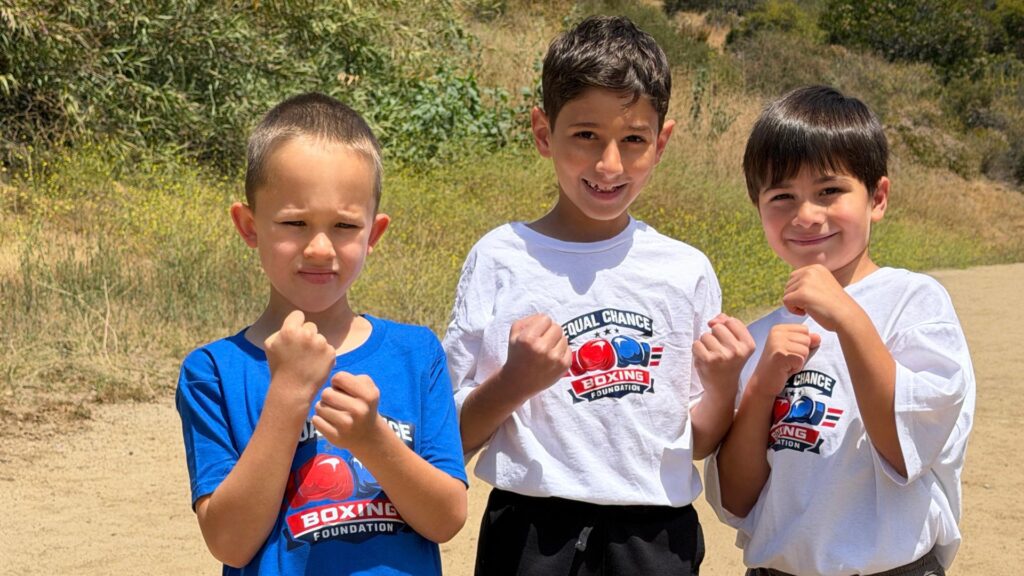
For the parents standing a few steps behind, watching their child hesitate at the door, the emotional pain is an invisible, crushing burden. You sacrifice your sleep, your physical health, and your emotional bandwidth, working grueling double shifts just to keep the lights on and put basic food on the table. You desperately want your child to experience the profound joy of mastering a skill, to find a positive community, and to build the mental armor necessary to survive the modern world. But the harsh economic reality of working-class survival quickly sets in. The exorbitant costs of private athletic clubs, specialized behavioral therapy, and the sheer lack of money for elite sports gear make it feel impossible to intervene. You cannot afford to buy them a fresh start, and the guilt of that financial reality is absolute.
Yet, when that heavy gym door finally swings open, the world entirely shifts. What happens over the next several months is not a cinematic montage of instant, glorious victory. It is a slow, methodical, deeply biological, and psychological rebuilding process. It is the journey from profound apathy to absolute self-mastery. This is the anatomical breakdown of that metamorphosis, from the terrifying first visit to the undeniable first breakthrough.
[ecbf_donate_banner_1]
Day One: Stripping the Illusion and Crossing the Threshold
When a deeply frustrated, anxious teenager steps off the unpredictable streets and walks into the facility, they bring all of their suffocating misconceptions with them. They expect a chaotic, hyper-masculine environment filled with unregulated aggression and neighborhood brawling. They expect to be judged, humiliated, or physically intimidated.
The immediate reality of the sanctuary completely shatters this toxic illusion. The gym is not a place for street fighting; it is a master-level academy for emotional regulation and high-speed physical chess. The very first lesson a newcomer learns is that the canvas does not care about their past.
- The Surrender of the Ego: Before a single punch is ever thrown, the teenager is instructed to stand in front of a mirror and focus entirely on the geometry of their feet. They are taught to adopt a wide, balanced stance. They are physically instructed to plant their feet, distribute their weight evenly, and occupy space with absolute discipline. This simple mechanical adjustment initiates a powerful process of neuroplasticity. The teenager realizes that boxing is not about raw, chaotic power; it is about microscopic, calculated control.
- The Eradication of Digital Noise: The gym enforces a strict, uncompromising rule: smartphones are silenced and buried deep inside gym bags. The relentless, dopamine-driven noise of the outside world is forcibly muted. For the first time in months, or perhaps years, the teenager is forced to be entirely present in their own physical body, listening only to the rhythm of the jump rope and the sharp instructions of the mentor.
When a youth enrolls in a highly structured youth boxing program, they are not just signing up for a workout; they are stepping into a comprehensive system of accountability that demands their absolute best, fundamentally changing their trajectory from day one.
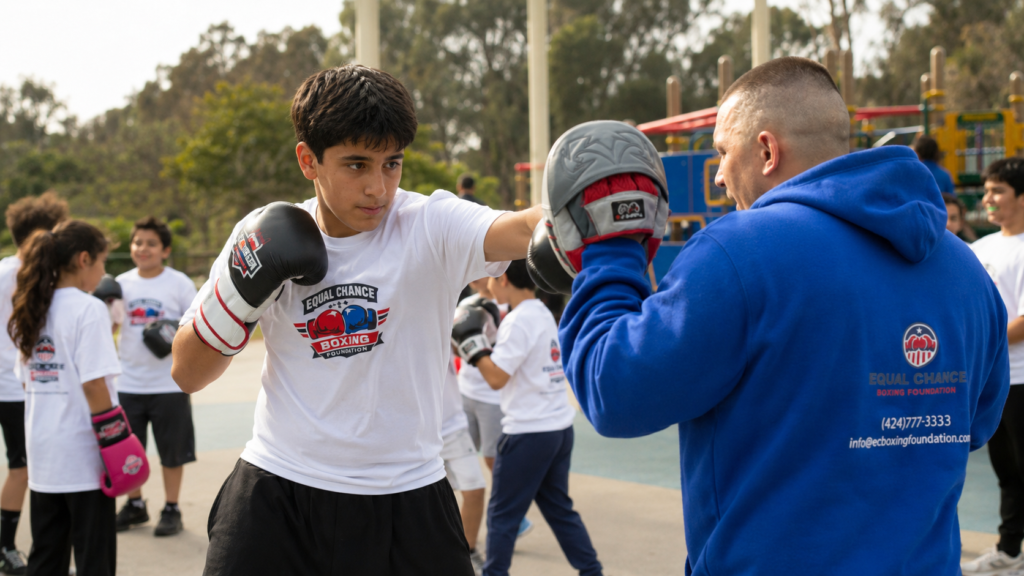
Weeks 1 to 4: The Biological Shock and the Demand for Clean Fuel
During the first month of training, the teenager’s body and mind enter a state of severe biological rebellion. The prefrontal cortex—the highly evolved area of the brain responsible for complex decision-making, generating willpower, suppressing dangerous impulses, and focusing intensely on long-term goals—is suddenly pushed to its absolute limits.
When a teenager is trapped in a cycle of digital distraction, their nervous system is permanently locked in “fight or flight” mode, flooded with cortisol (the primary stress hormone). Boxing forces a complete, uncompromising reversal of this neurological trauma. Executing a complex defensive slip or a multi-punch combination requires such an immense level of hyper-focus that there is simply no mental bandwidth left for social anxiety, body dysmorphia, or severe gadget addiction.
However, this intense neurological and physical demand requires fuel. This is where the teenager faces their first crucial realization outside of the ring.
Clean Nutrition as Kinetic Power
A beginner who attempts to survive a rigorous combat sports training session on a diet of greasy fast food, heavily processed snacks, or artificial, highly caffeinated energy drinks experiences a brutal awakening. The heavy bag provides undeniable physical feedback. The teenager experiences premature exhaustion, severe mental brain fog, and intense nausea. The gym does not need to lecture them about diet; their own failing biology does the teaching.
Suddenly, parents notice a radical shift at the family dinner table. The teenager actively begins to seek out complex carbohydrates for sustained glycogen energy, lean proteins for microscopic muscle recovery, and proactive daily hydration. They stop treating food as a casual comfort mechanism to cope with the trauma of academic burnout, and begin viewing it strictly as high-octane fuel required for survival and athletic performance. They learn to deeply, profoundly respect their own internal biology, entirely rejecting the toxic diet culture pushed by social media.

Month Two: Hitting the Wall and The Blueprint
Around the six-week mark, the initial novelty of the gym wears off. The physical reality of the sport sets in. The drills become harder, the conditioning becomes agonizing, and the teenager inevitably hits the “wall.” Motivation, which is always a fleeting, unreliable emotion, completely evaporates. This is the precise moment when, in the past, the teenager would have quit, retreating back to the comfort of their bedroom and their smartphone.
To survive this critical phase, the teenager must transition from motivation to ironclad discipline. To understand how to achieve this, they do not look at flawless influencers or naturally gifted prodigies. They study the raw, unvarnished truth of professional athletic grit, specifically the turbulent, deeply inspiring trajectory of professional boxer and head mentor .
’s career is not utilized as a fairy tale of easy, overnight success. It is utilized as a brutal, necessary proof of concept. In the fiercely competitive world of combat sports, talent without the heavy, unglamorous anchor of daily, solitary suffering is a devastating tragedy just waiting to happen.
Consider the agonizing, silent days immediately following a devastating, high-profile physical defeat in the ring, or the painful, deeply isolating aftermath of a severe sports injury. In these deeply vulnerable, dark moments, a fighter’s ego is shattered in front of millions of harsh critics, the physical body is broken, and the mind actively, desperately begs the athlete to simply quit and accept failure as a permanent identity.
teaches the youth through his own blood, sweat, and undeniable grit that it is precisely in this dark, terrifying void where strict, non-negotiable habits literally save your life.
- The Autopilot of Endurance: did not need to feel emotionally “inspired” to wake up at 5:00 AM for his grueling roadwork the freezing cold morning after a terrible loss. His physical conditioning required him to be on the pavement. He systematically trained his physical body to completely ignore his brain’s desperate, logical excuses to stay in a warm bed. When a teenager wants to quit during a heavy bag drill, ‘s reality sets the standard: you work even when your mind screams to stop.
- Analyzing Failure Without Ego: When faced a massive setback, he did not label himself a failure. He sat in the quiet of the film room, meticulously analyzing his own defensive flaws, confronting his physical mistakes with brutal honesty, and then drilling the precise corrections hundreds of thousands of times until they bypassed his conscious thought. He teaches the youth that failure in the ring—and in life—is purely a mechanical, fixable error, not a permanent attack on their worth.

Month Three: The Architecture of Recovery and Digital Hygiene
As the teenager pushes past the wall of fatigue and embraces the standard of discipline, they must learn to master the final, most crucial element of athletic performance: recovery. You cannot build a resilient, disciplined mind inside a biologically failing body.
In a modern culture that foolishly glorifies a lack of sleep and relentless screen time, the young athlete learns that rest is the absolute only time their body actually improves. They learn that the deep, uninterrupted phases of sleep are the precise physiological moments when the endocrine system actively releases human growth hormone (HGH) to repair the micro-tears in their muscle fibers.
Even more critically, deep sleep is when the brain consolidates the complex technical memories of the defensive movements they learned that afternoon. To protect this vital recovery window, these teenagers begin voluntarily practicing rigorous digital hygiene. They turn off their glowing smartphone screens an hour before bed, entirely rejecting the toxic digital noise and the fear of missing out. They learn the hard way that a lack of sleep destroys their reaction time, ruins their spatial awareness, and leaves their nervous system highly vulnerable to emotional collapse the next day.
Visualizing the Metamorphosis: A Biological and Mental Timeline
To clearly illustrate the profound, holistic lifestyle transformation that occurs from the first visit to the cusp of a breakthrough, we must look at the microscopic daily choices the teenager learns to navigate.
| The Daily Obstacle | The Pre-Gym Mindset (Governed by Apathy & Screens) | The Disciplined Athlete (Governed by Boxing Mechanics) | The Ultimate Real-World Character Result |
| Morning Routine & Self-Image | Wakes up dreading the day. Immediately checks social media to numb anxiety, reinforcing a profound lack of control over their life. | Steps out of bed the second the alarm rings. Knows their physical progress depends entirely on their daily routine. Relies on the prepared gym bag. | Secures an immediate psychological victory. Builds elite, uncompromising self-reliance before the challenging school day even begins. |
| Handling Physical or Mental Fatigue | Retreats inward or quits when a task becomes mentally or physically uncomfortable. Seeks the easiest digital distraction available to escape. | Bites down on the mouthpiece and breathes deeply. Pushes through the hundredth solitary repetition, facing their own physical limits directly in the mirror. | Develops bulletproof mental toughness. Proves to their subconscious mind that their individual capacity for endurance is essentially limitless. |
| Managing Emotional Frustration | Suppresses anger or unleashes it destructively on family members or toxic peers. Uses explosive behavior to mask deep insecurity. | Channels the grief, anger, and regret entirely into the heavy bag. Uses the coaches’ pacing techniques to safely process trauma and reset their nervous system. | Develops profound emotional regulation. The home remains a peaceful sanctuary because explosive, toxic energy is managed safely in the gym. |
| Navigating the Social Environment | Gravitates toward negative street influences that offer a false sense of belonging without demanding any real effort or accountability. | Walks into the gym with their head held high. Uses shared suffering on the mats to build genuine, highly respectful relationships with disciplined peers. | Develops an impenetrable shield against street influence. Realizes they already belong to a highly disciplined, legitimate, and fiercely loyal tribe. |
The First Breakthrough: Mastering the Internal Panic
The true breakthrough in a youth boxing journey rarely looks like a cinematic knockout punch. The real breakthrough happens quietly, internally, usually during an intense session of conditional sparring or an exhausting mitt-work drill.
It happens when the teenager takes a solid punch to the nose, or when their lungs are burning so intensely they feel they might collapse. In the past, this exact level of physical and emotional stress would have triggered a total meltdown, a surge of unregulated anger, or an immediate surrender.
But this time, the teenager stops. They reset their feet. They bring their gloves back to their cheekbones. They control their breathing, lowering their heart rate in the middle of a chaotic storm, and they execute a flawless, calculated defensive pivot.
Boxing is not about learning how to fight other people; it is about learning how to master the panic inside yourself. When a teenager achieves this physical emotional regulation under extreme duress, they experience their first genuine breakthrough. They realize that they possess a deep, terrifying well of physical and mental power, and more importantly, they realize they are entirely in control of it. The chaotic, self-destructive energy that once threatened to ruin their life has been permanently forged into a sharp, calculated, and undeniable confidence.
They cannot achieve this milestone in isolation. By actively participating in community training, the teenager finds the absolute perfect environment for genuine human connection, physically surrounded by a deeply supportive, highly driven collective of peers who hold them accountable to their own greatness.
[ecbf_donate_banner_4]
The Role of the Village: Erasing the Financial Barrier
When a teenager reaches this incredible milestone, they evolve from a disconnected, anxious youth into one of the true, proven champions of hope for their local neighborhood. They lead by quiet, undeniable example. For those highly vulnerable periods when the local school is not in session, comprehensive, immersive environments like a professionally supervised summer and afterschool mentorship camp remain incredibly vital to ensuring this breakthrough is permanent, offering a continuous, unbroken chain of positive adult influence.
However, the brutal, unavoidable reality of facilitating this life-altering journey is that discipline, while internally free to the dedicated athlete, requires highly significant, massive external infrastructure. Maintaining a safe, clean training facility, coordinating dedicated mentors, and strictly ensuring that injuries are prevented through the use of premium protective gear requires massive, ongoing financial resources.
The dangerous streets are always completely free and readily available to any teenager at any hour of the day or night. But access to a life-saving sanctuary should absolutely never be dictated by a family’s temporary financial struggles or a teenager’s heartbreaking inability to afford a basic pair of boxing gloves. A child who has finally summoned the immense courage to cross the threshold of the gym should never have to feel the crushing guilt of asking their overworked parents for sports equipment they know the family cannot afford.
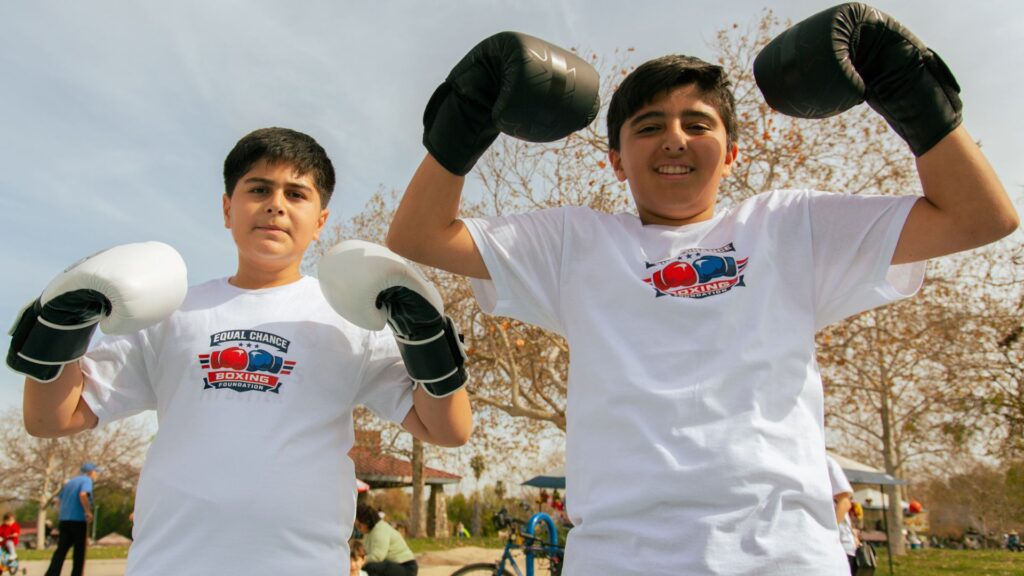
This is exactly where the broader, established community must step in to protect and uplift its most vulnerable members. When empathetic, visionary individuals choose to consciously donate, they directly and tangibly fund the heavy bags, the vital protective equipment, and the facility lights that physically keep vulnerable kids off the streets during the most critical hours. Choosing to contribute completely removes the heavy financial barrier to entry, allowing a teenager to begin the incredibly hard, incredibly beautiful work of discovering their true potential without placing an extra burden on their working parents.
This critical mission requires the active, visionary backing of the broader business community. We rely heavily on forward-thinking organizations and corporate sponsors who actively choose to align themselves with our mission to build a healthier, more resilient society. By becoming dedicated sponsors, these local organizations are making a profound, highly measurable investment in the mental, physical, and moral resilience of the very next generation. They ensure that the physical sanctuary remains permanently open, and that the quiet, incredibly unglamorous, but ultimately world-changing work of building a new legacy continues to thrive indefinitely into the future. It takes an athlete to throw a punch, but it takes an entire community to raise a champion.
Step Into the Ring. Let’s Build Our Community Together.
For Parents: Reclaim Your Teenager’s Future
Stop relying on fleeting motivation and give your teenager the gift of true discipline. Leave the financial stress behind—we provide the state-of-the-art facility, the protective gear, and the elite coaching at absolutely no cost.
Take the first step toward their mental and physical transformation.
ENROLL IN OUR YOUTH BOXING PROGRAM TODAY
For Supporters: Fund a Life-Saving Mentor
We can only provide these world-class, 100% free mentorship programs because of the radical generosity of our donors. When you support our low income youth sports programs, you are not just funding a pair of boxing gloves; you are funding the coach who will use those gloves to teach a teenager how to survive and thrive.
Be the hero in their corner.
DONATE TO THE EQUAL CHANCE BOXING FOUNDATION
Take the Mentorship to the Streets
Discover how our outreach teams are breaking down geographical and financial barriers to bring true coaching directly to the youth who need it most.
Questions?
We’ve got answers.
Walking into a boxing gym for the first time is often intimidating. At the Equal Chance Boxing Foundation, the first visit is designed to break down those fears. Mentors greet new youth warmly, introduce them to the gym’s rules of respect, and focus purely on absolute basics—learning the proper stance, hand positioning, and breathing. It’s about feeling welcome and safe, not proving toughness.
The initial weeks are physically and mentally exhausting. Teens are forced to coordinate their bodies in entirely new ways while building the stamina required just to hold their hands up for three minutes. Frustration is common, but mentors carefully guide them through this learning curve, teaching them that true resilience is built by showing up consistently, even when the drills feel impossible.
The turning point often arrives subtly during pad work. When a teen finally executes a complex combination flawlessly—feeling the crisp snap of the mitts and hearing the mentor’s genuine approval—a profound mental shift occurs. They transition from thinking “I don’t belong here” to realizing “I am capable of mastering this.” This “lightbulb” moment is the spark that ignites lasting self-belief.
A breakthrough isn’t about winning a sparring match. For mentors like , a true breakthrough is seen in a teenager’s posture and attitude. It’s when a kid who used to look down at the floor walks in with their head held high, shakes the coach’s hand confidently, and tackles a grueling conditioning circuit without complaining. It’s the moment the discipline of the gym becomes the discipline of their life.