

There is a profound and silent exhaustion sweeping through today’s youth. If you take a moment to look closely at a teenager navigating the complexities of modern life, you will very often see someone who is profoundly drained before the day has even truly begun. Between the crushing, ever-present weight of academic expectations, the relentless, fragmented, and highly addictive noise of social media, and the natural, chaotic anxiety of simply figuring out their own identity, a young person’s energy is constantly being pulled in a hundred different, competing directions.
The modern digital world is brilliantly, almost ruthlessly engineered to hijack a teenager’s attention and systematically drain their vitality. Countless hours are lost to the hypnotic glow of screens, where dopamine is spiked artificially and constantly. Natural sleep cycles are continuously interrupted by late-night notifications, blue light exposure, and the fear of missing out. Furthermore, convenience often dictates a daily diet built entirely on highly processed fast food, refined sugars, and artificial energy drinks. In this perpetual state of overstimulation and under-nourishment, young people often feel like mere passive passengers in their own bodies. They do not truly respect their physical health because they have never been forced or encouraged to test its absolute limits. They do not deeply value their internal energy because they have never actually needed to conserve it for a moment of critical, highly demanding physical or mental performance.
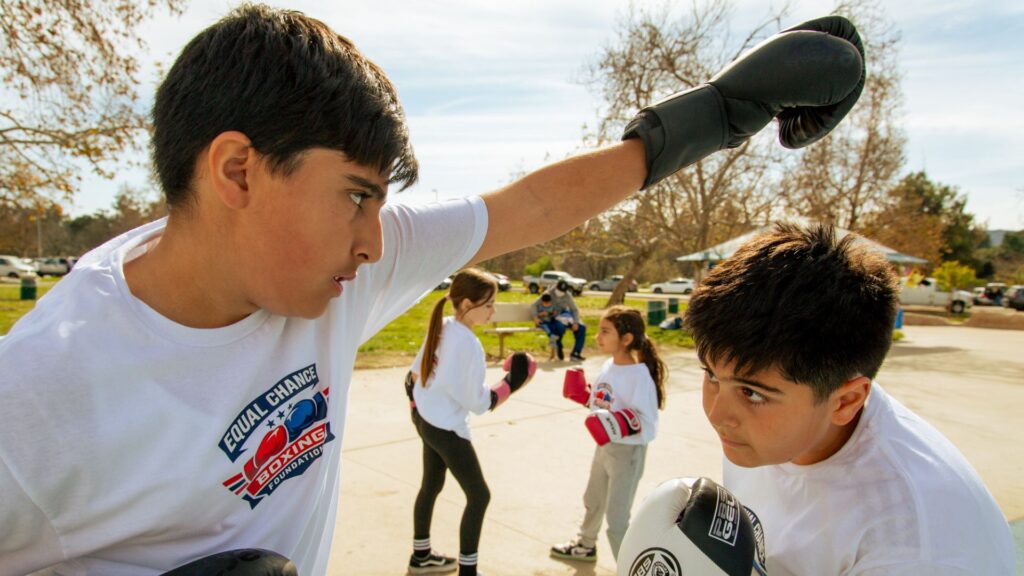
But there is a powerful, proven antidote to this modern lethargy and disconnection. It is not found in downloading yet another digital self-help app, enduring another repetitive parental lecture, or enforcing a stricter grounding policy. The most effective, entirely transformative school for learning exactly how to manage human energy, build unbreakable physical resilience, and deeply, genuinely respect one’s own body is found inside the painted lines of a sports arena, on the rubber of a running track, or within the four tightly wound ropes of a boxing ring. Sports do not just build muscle tissue and improve cardiovascular health; they fundamentally rewire a young person’s entire relationship with their own vitality. They teach teenagers the harsh but necessary truth that their energy is a finite, incredibly valuable currency, and how they deliberately choose to spend it dictates the entire trajectory of their lives.
The Blueprint: Surviving the Deep End
To truly comprehend what it means to respect your body and master your energy, you have to look closely at those rare individuals who have survived the absolute hardest, most unforgiving environments imaginable. The story of professional boxer serves as a raw, unfiltered, and deeply inspiring masterclass in grit, perseverance, and the harsh realities of extreme physical discipline. ’s arduous journey to the elite levels of professional boxing was not paved with easy, guaranteed victories, convenient shortcuts, or sheer, unearned genetic luck; it was a grueling, uphill battle forged through literal buckets of sweat, devastating physical and emotional setbacks, and phenomenal, crowd-roaring comebacks that defied all the odds.
[ecbf_donate_banner_1]
For a young, aspiring athlete looking for a real-world, battle-tested blueprint, represents the ultimate, undeniable truth about competitive sports: your physical body is your only true asset in this world. In the chaotic, high-stakes, and deeply dangerous environment of professional boxing, learned very early on that you absolutely cannot cheat the grind. The sport strips away all excuses. You cannot stay up until 3:00 AM staring at a phone, fuel your body with dietary garbage, skip your grueling 5:00 AM morning roadwork, and then somehow expect your reflexes to miraculously save you when you are standing face-to-face with a highly trained opponent who has prepared flawlessly.
teaches us that the profound, life-altering transition from a mere dreamer to a true, disciplined professional happens entirely in the quiet, unglamorous, unseen moments. It happens when you deliberately choose a simple glass of water and a nutrient-dense, home-cooked meal over a brightly colored, sugary energy drink that promises a fake high. It happens when you force yourself to turn off the phone, ignore the group chat, and go to sleep because you know tomorrow’s heavy sparring session requires one hundred percent of your neurological capacity and physical reaction time. He survived heavy, concussive hits and grueling championship title fights not just because he knew how to throw a devastating, technically perfect punch, but because he meticulously managed his recovery periods, listened intimately to his body’s subtle pain signals, and treated his overall health with a level of deep reverence that demands absolute respect.
When teenagers look at a demanding, roller-coaster career like ’s, a profound psychological realization clicks into place: your personal energy is a weapon. If you dull the blade of that weapon with bad daily habits, poor nutrition, and toxic influences, you will lose the battle—not just in the boxing ring, but in the college classroom, in your future professional career, and in life itself.
Rewiring the Mindset: Energy as a Premium Currency
When a teenager fully commits to a demanding, physically exhausting sport, a massive psychological shift occurs almost organically. They slowly stop viewing their body as just a passive vehicle meant to carry their head around, or a billboard for fast fashion, and they start viewing it as a finely tuned, high-performance machine that strictly requires premium fuel and expert, daily maintenance.
Understanding the Concept of the “Gas Tank”
In endurance and combat sports, there is a universal, highly respected concept known as “emptying the gas tank.” If a young, highly emotional, and inexperienced boxer walks into the ring and throws wild, angry, maximum-power punches in the first thirty seconds of a bout, they will be completely exhausted, physically defenseless, and desperately gasping for air by the second minute of the round. Sports teach the incredibly vital art of pacing. They teach a young person that you cannot go full-speed, at maximum emotional and physical capacity, all the time without completely burning out and collapsing.
This profound physical lesson translates directly and seamlessly to adolescent mental health and the heavy burden of academic pressure. A youth athlete eventually learns to step back and ask themselves critical, mature questions: Is getting emotionally involved in this trivial online drama actually worth my limited energy? Is staying up late arguing on social media worth feeling sluggish, weak, and uncoordinated during tomorrow’s championship game? They begin to fiercely protect their internal peace and their physical energy, naturally and ruthlessly cutting out toxic habits, energy vampires, and negative influences that drain their internal “gas tank.” They learn that saying “no” to distractions is saying “yes” to their own potential.
Food as High-Octane Fuel, Not Just Flavor
Without the demanding, rigid structure of competitive sports, teenagers very often eat purely for entertainment, emotional comfort, or sheer convenience. A family-sized bag of chips and a liter of soda is an incredibly easy, cheap fix for afternoon boredom or stress. But when that exact same teenager knows they have to run three miles the next morning at dawn, or endure a grueling, hour-long heavy bag workout, they suddenly feel the devastating, undeniable physiological consequences of that poor dietary choice. They feel the heavy sluggishness in their legs, the sharp cramp in their side, and the foggy lack of focus in their brain.
Sports provide immediate, harsh, but entirely honest physical feedback. Eat poorly, and you will feel sick, slow, and devastatingly weak under the gym lights. Eat clean, complex carbohydrates (like oats and sweet potatoes), lean proteins (like chicken and fish), and stay proactively hydrated throughout the day, and you will feel powerful, sharp, and highly resilient. This instantaneous biological feedback loop teaches teenagers to respect their internal biology and the chemistry of digestion in a way that a thousand boring health class lectures never could. They begin to look at a plate of food and see it for what it truly is: fuel for tomorrow’s victory.
Sleep: The Ultimate, Unmatched Superpower
Perhaps the single greatest, most life-altering lesson sports impart is the absolute, non-negotiable sanctity of sleep. In a modern, hyper-connected culture that foolishly glorifies the “hustle,” the grind, and staying up late to prove dedication, young athletes quickly learn that sleep is the only time their body actually improves. It is the only time their broken-down, micro-torn muscle fibers actually rebuild, and the only time their overtaxed central nervous system recovers its necessary sharpness.
They experience firsthand, often through bitter failure in the gym, that a severe lack of sleep destroys their reaction time, ruins their complex motor coordination, and makes them emotionally fragile and highly prone to frustration. Valuing and aggressively protecting their sleep schedule—treating their bedtime with the same respect as a training appointment—becomes the ultimate form of self-respect and athletic maturity.
Visualizing the Shift: From Drainers to Builders
To clearly illustrate the profound, holistic lifestyle transformation that occurs when a teenager deeply adopts an athletic mindset, we must look closely at the daily, microscopic choices they learn to navigate. Below is a detailed breakdown of how sports systematically shift a teenager’s daily habits from highly destructive patterns to highly constructive, empowering routines.
| Habit Category | The Default Mindset (Energy Drainers) | The Athletic Mindset (Energy Builders) | The Real-World Result |
| Daily Nutrition | Relying heavily on highly processed fast food, refined sugars, and heavily caffeinated energy drinks for a quick, artificial, and fleeting spike in mood. | Prioritizing nutrient-dense whole foods, complex carbohydrates for sustained energy, lean proteins for muscle repair, and consistent, proactive daily water intake. | Sustained, reliable physical energy, complete elimination of afternoon brain fog, and highly stable, predictable moods throughout the day. |
| Rest & Recovery | Viewing sleep as an annoying afterthought, a punishment, or something to avoid; doom-scrolling on glowing digital screens until 2:00 AM. | Guarding the sleep window fiercely; intentionally aiming for 8-9 hours of deep, restorative rest in a cool, dark, and entirely quiet environment. | Accelerated, pain-free muscle recovery, vastly sharper cognitive focus in the school classroom, and drastically reduced baseline anxiety levels. |
| Mental Focus | Reacting wildly and emotionally to every minor daily inconvenience, negative social media comment, or instance of intense peer pressure. | Controlling the controllables; deliberately focusing mental energy strictly on personal growth, mastering physical technique, and the next immediate training goal. | High emotional resilience, significantly decreased daily stress, and the rare, highly valuable ability to perform calmly under heavy pressure. |
| Physical Activity | Maintaining a strictly sedentary lifestyle; sitting for hours on end playing video games with poor, hunched posture and shallow chest breathing. | Engaging consistently in structured, high-intensity workouts, dynamic stretching routines, and dedicated, preventative joint mobility work. | A robust, highly active immune system, natural and undeniable physical confidence, and a deep, lifelong respect for the capabilities of the human body. |
Finding Your Corner: The Environment of Growth
All of this profound personal growth—the development of iron discipline, the sudden, exhilarating realization of one’s own physical power, the deep, abiding respect for holistic health—does not simply happen magically in a vacuum. A teenager cannot usually cultivate this mindset alone in their bedroom. They desperately need a physical sanctuary to practice and embody these demanding principles. They need a dedicated space where the chaotic, stressful noise of the outside world fades entirely away, where they are surrounded by experienced mentors who demand greatness and refuse to accept mediocrity, and where they can safely, under expert supervision, test the absolute limits of their own physical and mental energy.
[ecbf_donate_banner_4]
Providing this exact, life-altering, and highly structured environment is the core philosophy and driving force behind our work. We deeply, intimately understand the burning, often misdirected and chaotic energy of youth, and the profound, universal human desire to belong to something real, demanding, and rewarding. The ultimate goal is to safely and strategically guide youth through this critical period of transformation, teaching them not just the mechanical techniques of a combat sport, but the fundamental mechanics of living a highly disciplined, honorable, and purposeful life.
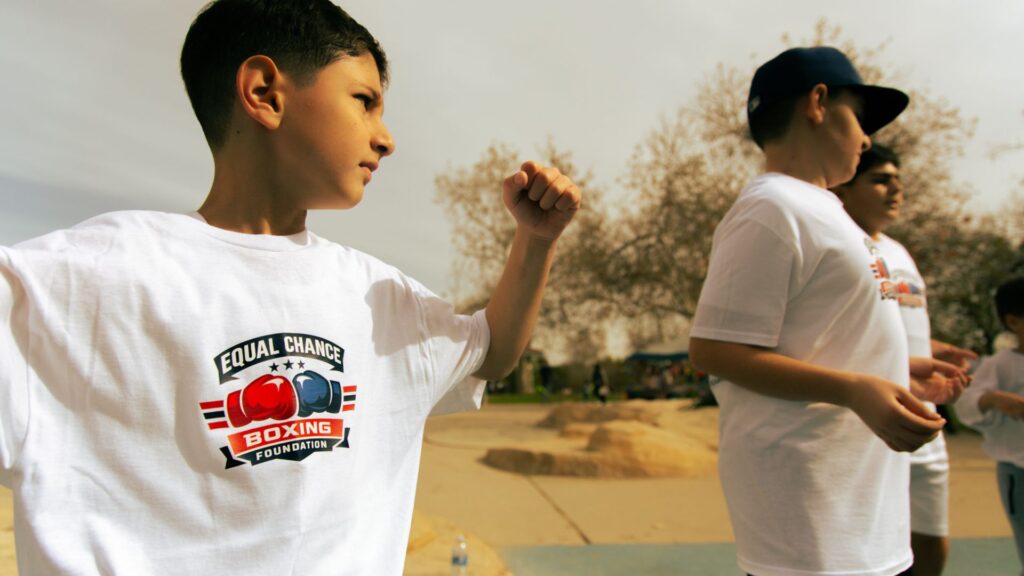
When a teenager steps off the street and into a highly structured environment like our Youth Boxing Program, they are immediately introduced to a completely new world of absolute accountability. They learn the intricate biomechanics of their own bodies, how to generate power from the ground up, the strict, unwavering rules of sportsmanship, and the undeniable, universal truth that focused, relentless hard work yields undeniable, measurable results. They learn to safely channel their daily frustrations, anxieties, and anger into the heavy bag rather than into destructive life choices or harmful relationships, effectively transforming negative emotion into sharp, athletic focus.
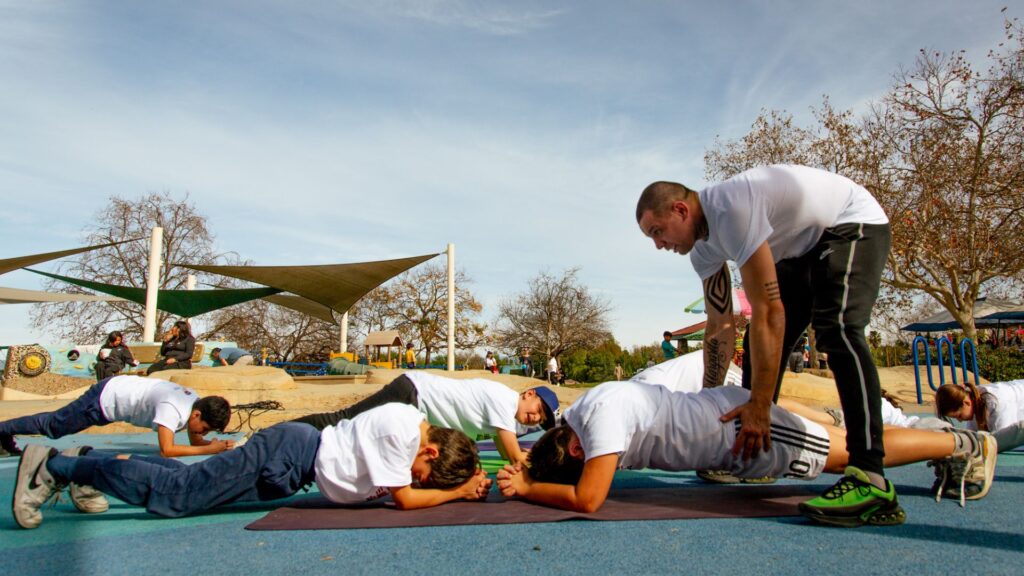
Furthermore, for those who are looking to harness their physical energy in a more open, inclusive, and group-oriented setting, bringing the intense discipline of the boxing gym out under the open sky is incredibly powerful. Engaging in our local Community Training initiatives creates highly accessible, high-energy outdoor fitness sessions that are fundamentally about building a positive, uplifting tribe. These community gatherings give young people a highly motivated peer group, a massive, healthy rush of natural endorphins, and a safe, professionally supervised space to completely exhaust their physical energy so their racing minds can finally find profound peace and mental clarity.

Fueling the Transformation
Creating, maintaining, and continually expanding this kind of vital environment—where a vulnerable, lost teenager can walk in off the street, systematically learn to respect their health, master the flow of their own energy, and ultimately build the unbreakable, resilient mindset of a true champion—requires a highly dedicated and generous community. Providing elite-level quality coaching, purchasing safe, medically approved protective equipment to prevent injuries, maintaining clean, professional facilities, and, most importantly, ensuring the vital ability to keep the gym doors wide open for kids who simply cannot afford basic gear are all sustained entirely by people who possess the vision to see the bigger picture.
When a local community actively invests in youth sports, it is doing much more than funding a hobby. It is actively and aggressively pulling teenagers away from the dangerous, energy-draining, and often fatal traps of the modern world and handing them a highly reliable moral and physical compass for life. It is fundamentally about forging strong young men and women who will inevitably grow up to be highly disciplined, healthy, focused, and empathetic leaders in society, precisely because they learned early on in the gym how to fight fiercely for their own well-being and the well-being of their teammates.
This continuous, beautiful cycle of mentorship, physical education, and character building thrives entirely on shared human values. For those who deeply understand the critical, societal importance of teaching the next generation exactly how to respect their physical and mental health, and wish to actively, tangibly fuel this ongoing mission, choosing to Donate directly and immediately impacts the resources available to these young, developing athletes. Every contribution puts gloves on hands and keeps kids off the streets.
Furthermore, when local businesses, corporations, and community organizations choose to step into the corner as official Corporate Sponsors, they ensure that the financial foundation of this youth resilience program remains unshakably strong. This corporate partnership allows our coaches to focus entirely on what matters: ensuring that every single teenager who puts on the gloves and steps onto the mat leaves the building with the quiet confidence, the boundless energy, and the supreme physical health required to conquer absolutely whatever challenges life decides to throw their way.
Questions?
We’ve got answers.
In boxing, energy is a finite resource. At the Equal Chance Boxing Foundation, teens quickly learn that if they waste their energy outside the gym on poor habits or lack of sleep, they have nothing left for the heavy bag. This immediate cause-and-effect teaches them to treat their physical energy like a bank account—spending it wisely and protecting it from being drained by unhealthy choices.
You cannot fake good health in the ring. When a teen tries to train after eating junk food or staying up all night, their body betrays them. Mentors like don’t have to lecture them about diet; the sport itself demands it. Once teens feel the difference between being properly fueled versus running on empty, they naturally start respecting their bodies enough to choose better nutrition and hydration.
Society often teaches teens to judge their bodies by how they look in a mirror or on social media. Boxing completely changes this narrative. Teens start viewing their bodies as powerful instruments rather than ornaments. When they see their body accomplish a grueling workout, they develop a profound respect for what it can do. This shift in perspective is the ultimate foundation for lifelong health and body positivity.
Boxing is an intense sport, and the physical toll is real. Youth learn that pushing hard is only half the battle; knowing when to stop and recover is just as crucial. By prioritizing stretching, rest days, and proper sleep, they learn that true strength requires taking care of themselves. This habit of self-preservation protects them from burnout, teaching them to respect their health as a lifelong priority.