

As a parent, your deepest instinct is to protect your child from harm while simultaneously preparing them for the harsh realities of the adult world. When you watch your teenager struggle with unchanneled energy, academic stress, or a quick temper, you know they need a physical outlet. You want them to build unshakeable self-esteem, so you begin researching sports that build confidence in kids. Inevitably, your search leads you to combat sports.
But the moment you consider enrolling your child in a boxing gym, a massive wave of parental anxiety hits you. It is the single most common, and most valid, question we hear: Does boxing make kids more aggressive? If I teach my teenager how to punch, am I just teaching them how to become a bully?
It is completely natural to fear that placing a frustrated adolescent in a combat environment will only amplify their anger. You see the chaotic street fights on social media or the manufactured drama of professional pay-per-view weigh-ins, and you worry that this is the culture your child will absorb.
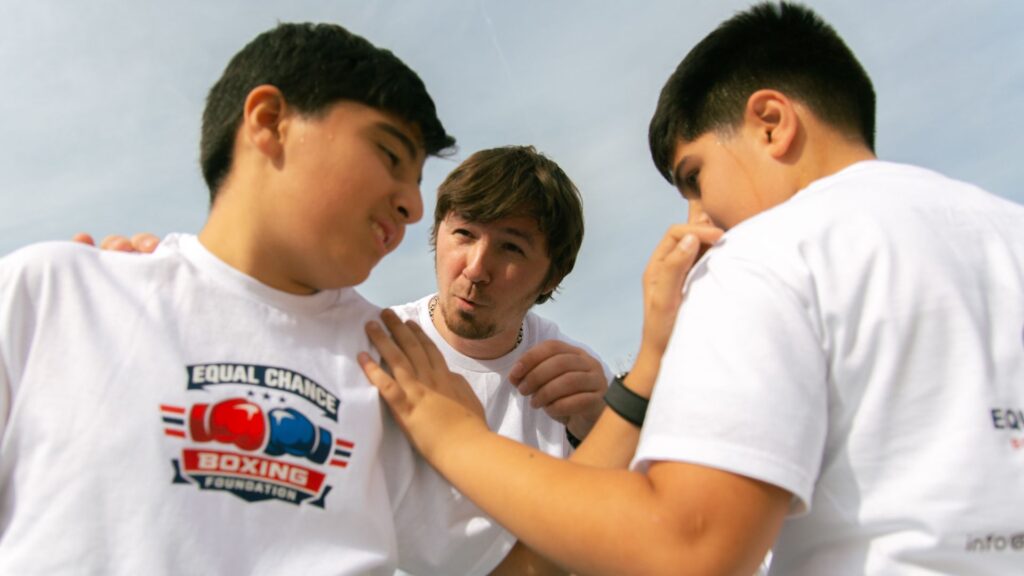
At the Equal Chance Boxing Foundation, we want to address this fear head-on with absolute transparency. The short answer is this: Unstructured, unsupervised fighting makes youth aggressive. However, highly structured, deeply mentored, and professional boxing training does the exact opposite. It is one of the most powerful tools on earth for forging profound emotional self-control.
In this comprehensive, pillar guide, we will dive deep into the psychology of adolescent aggression. We will explore exactly why hitting a heavy bag under the strict guidance of a mentor drastically reduces a teenager’s desire to act out, how our founder uses his elite experience to teach restraint, and why we provide this life-changing discipline to our community absolutely free of charge.
[ecbf_donate_banner_1]
The Root of Adolescent Aggression: Understanding the Teenage Brain
To understand why boxing is the ultimate antidote to aggression, we must first understand where a teenager’s anger actually comes from.
Aggression as a Byproduct of Anxiety
Many parents mistake their teenager’s sudden outbursts, slammed doors, and defensive attitudes for pure anger or a desire to dominate others. In reality, adolescent aggression is almost always a mask for deep-seated anxiety, fear, and a feeling of powerlessness.
- The Chaos of Modern Youth: Today’s teens are navigating a relentlessly stressful environment. They face immense academic pressure, the constant, toxic comparison engine of social media, and a rapidly changing world.
- The “Fight or Flight” Trap: When a teenager—especially underprivileged youth dealing with financial or family instability—feels entirely out of control of their environment, their nervous system gets stuck in a permanent “fight or flight” loop. Without the mature emotional vocabulary to express this fear, it violently erupts as aggression. They push back against authority because it is the only way they know how to exert control over their lives.
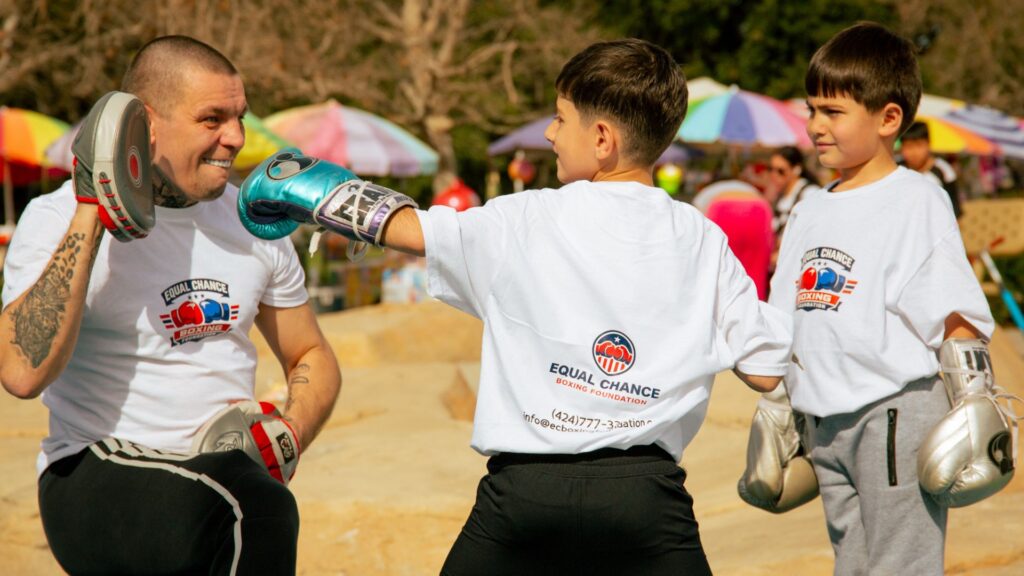
The Hollywood Myth of the “Angry Boxer”
Pop culture has done a massive disservice to the sport of boxing. Movies often portray boxers as brooding, angry individuals who use the ring to unleash their uncontrollable rage. This is a cinematic myth. In the real world of professional, high-level combat sports, an angry fighter is a losing fighter. Anger makes you tense, it exhausts your cardiovascular system within minutes, and it gives you extreme tunnel vision, leaving you completely vulnerable to your opponent.
At the Equal Chance Boxing Foundation, we do not teach kids to fight with anger. We teach them that anger is their greatest enemy, and that true power lies in absolute, cold discipline.
The Science of the “Sweet Science”: Why Boxing Calms the Mind
Boxing is often referred to as the “Sweet Science” because it is a sport of physical chess, requiring profound intellectual focus and emotional regulation. Here is exactly how the environment of a professional boxing gym rewires a teenager’s brain to be less aggressive.
Boxing for Anger Management in Kids
When a teenager walks into our facility carrying the heavy burden of a stressful day at school or an argument at home, their body is flooded with cortisol, the primary stress hormone.
- The Physiological Reset: We do not ask them to sit in a circle and talk about their feelings; we ask them to hit the heavy bag. The intense, explosive cardiovascular exertion required in boxing burns through that excess cortisol and triggers a massive release of endorphins and dopamine.
- The Exhaustion of Aggression: By the end of a grueling 60-minute training session, the teenager is physically incapable of maintaining their anger. The aggression has been safely “swept out” of their nervous system. They leave the gym feeling calm, grounded, and internally quiet.

The Paradox of Relaxation
As mentioned, a tense, angry boxer cannot succeed. One of the very first lessons our trusted youth boxing coaches teach a beginner is how to relax their shoulders and control their breathing. To throw a proper, fast jab, the arm must act like a whip—completely relaxed until the final millisecond of impact. This requires intense neurological focus. A teenager realizes very quickly that if they lose their temper on the bag, they lose their technique. They literally practice letting go of their anger hundreds of times per session. This practice of “finding calm in the chaos” directly translates to how they handle a stressful math test or a confrontation in the school hallway.
Forging Empathy and Discipline: The Antidote to Bullying
Parents often worry that teaching a child how to punch will turn them into a bully. The psychological reality is the exact reverse. Bullies are created through deep insecurity and a desperate need to feel powerful at the expense of someone weaker. Boxing systematically destroys this mindset.
Zero Tolerance for Ego: Non-Violent Boxing Training for Youth
The culture inside a legitimate boxing gym is one of supreme humility. When an arrogant teenager walks into our foundation acting tough, they are immediately humbled—not through violence, but through the sheer difficulty of the sport.
- They quickly realize how exhausting it is to keep their hands up for three minutes.
- They realize how difficult it is to jump rope with the rhythm of our advanced athletes. This physical reality check strips away their false bravado. We enforce strict youth boxing safety guidelines that dictate the skills learned in the gym are for self-mastery and athletic excellence, never for intimidation. Any display of bullying or gym aggression results in immediate disciplinary action.

Empathy Through Shared Vulnerability
There is a reason professional boxers embrace each other after trying to knock each other out for twelve rounds. The sport breeds radical empathy. When a teenager progresses far enough to engage in light, highly supervised technical sparring, they learn a profound lesson: Getting hit is scary, and it hurts. Once a teenager understands the physical vulnerability of being in the ring, they lose all desire to inflict that vulnerability on an innocent person outside the gym. They no longer want to be the aggressor on the street because they deeply respect the physical consequences of violence. They become protectors, not predators.
Authentic Mentorship: The Standard
A boxing gym is only as safe and effective as the person running it. The transformation from an aggressive teen to a disciplined young adult requires an authentic mentor who commands absolute respect.
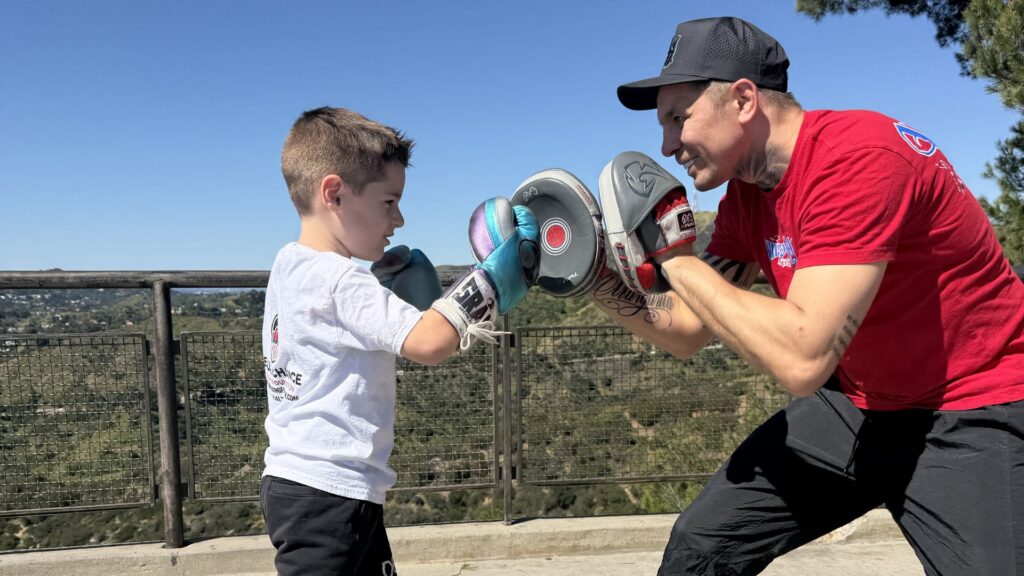
At the Equal Chance Boxing Foundation, our youth are guided by our founder and Head Coach, professional boxer . is the living blueprint for how controlled discipline overcomes chaotic aggression.
Turning Hardship into High Standards
’s journey is not one of inherited privilege; it is one of extreme survival. Born in Ukraine and raised within the incredibly demanding Soviet-style sports boarding school system, learned early that discipline was the only way forward. When he moved to the United States to turn professional, he faced a brutal reality: no money, a severe language barrier, predatory management, and times when he literally could not afford to eat.
He had every right to be angry at the world. He had every right to let aggression consume him. Instead, he channeled every ounce of that hardship into laser-focused, unrelenting discipline.
Positive Role Models for At-Risk Youth
When an angry, defiant teenager walks into our gym, does not yell at them to calm down. He looks them in the eye with the earned empathy of a man who has survived the absolute bottom. He tells them: “Your anger is useless here. It will only make you tired. Show me your focus. Show me your discipline.”
Because has survived the brutal realities of life and the professional ring, teenagers cannot use their standard defensive walls against him. They respect him completely. Through our youth sports mentorship programs, teaches them that true toughness is not screaming or throwing the first punch; true toughness is having the emotional control to walk away from a street fight because you know exactly what you are capable of in the ring.
Uncompromising Safety: Protecting the Brain First
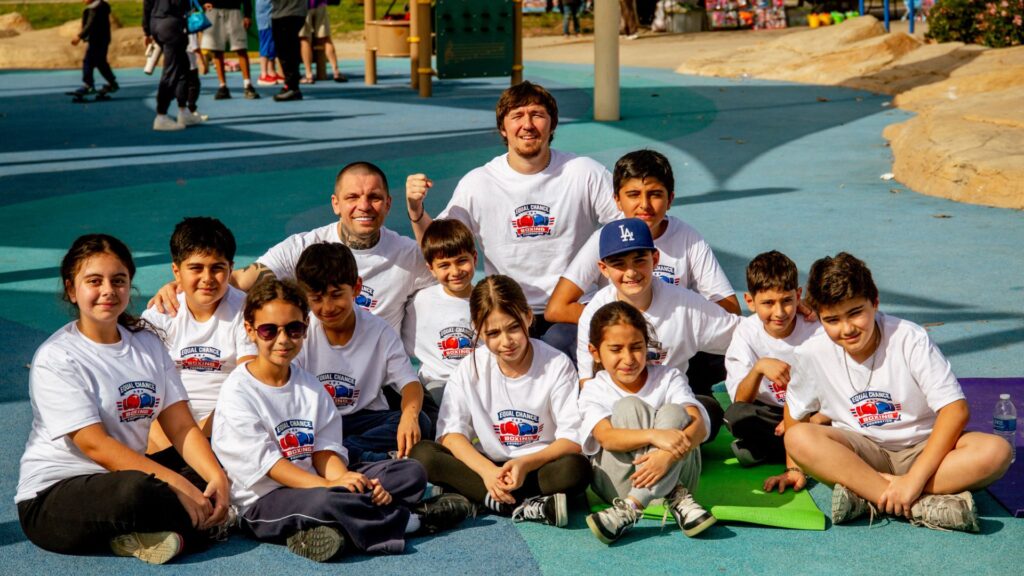
We understand that you cannot teach discipline if a child does not feel entirely, physically safe. As a parent, you must be assured that “boxing” does not mean your child is being thrown into an unregulated brawl.
The “Brain-First” Philosophy
At our foundation, we practice strictly supervised, safe boxing training for kids. A beginner will not even see the inside of the sparring ring for months.
- The Foundation: The first phase of training is entirely non-contact. Teenagers focus on cardiovascular conditioning, footwork, balance, and shadowboxing in front of a mirror. They must master the biomechanics of the sport before they are ever allowed to hit a heavy bag.
- Controlled Progression: Once they demonstrate extreme self-control and technical proficiency on the bag and focus mitts, they may be invited to participate in defensive drills.
Elite Protective Equipment
If an athlete eventually desires to participate in flow sparring, it is conducted under the most rigorous safety protocols in the industry.
- Athletes wear professional-grade, highly padded 16oz gloves designed to absorb impact.
- Elite, specialized headgear and custom mouthguards are mandatory.
- Sparring is strictly focused on technical defense (slipping, rolling, and distance management), heavily supervised by and our coaching staff to ensure the environment remains educational, never aggressive.

Erasing the Financial Wall: Discipline Cannot Be a Luxury
We have clearly established that highly structured boxing mentorship does not create bullies; it creates deeply disciplined, emotionally regulated, and highly confident young adults. It is the ultimate psychological intervention for a struggling teenager.
However, a devastating reality exists in modern youth sports: the families who most desperately need access to this level of mentorship are almost always the ones priced out by exorbitant club fees and costly equipment.
At the Equal Chance Boxing Foundation, we refuse to allow a family’s financial situation to dictate a child’s character development. We believe that every teenager, regardless of their zip code, deserves the opportunity to learn self-control and resilience.
Therefore, we operate a 100% free sports program for kids in the USA.
- Absolutely No Cost to Parents: We have completely eliminated registration fees, monthly dues, and hidden contracts.
- Elite Gear Provided for Free: We supply the professional 16oz gloves, the hand wraps, and the world-class facility. Your teenager’s transformation costs your family nothing but their time and dedication.
If you are a parent watching your child struggle with their temper, their confidence, or their direction in life, stop worrying and start taking action. Give them a safe, structured outlet where they can forge their future. ENROLL YOUR TEEN IN OUR YOUTH BOXING PROGRAM TODAY
Furthermore, because we know that simply getting to a gym is an impossible hurdle for many families, we refuse to wait behind our facility doors. Through our Community Training initiative, we bring mobile boxing rings, professional gear, and our elite coaching staff directly to local parks and underserved neighborhoods. We are breaking down every geographic and financial barrier to bring discipline directly to the youth who need it most.
[ecbf_donate_banner_4]
Be the Hero in Their Corner: How You Can Fuel the Mission
Providing a state-of-the-art facility, elite safety equipment, and the unbroken attention of world-class mentors like to hundreds of teenagers—all for absolutely free—is a monumental, daily undertaking.
We can only provide these life-saving low income youth sports programs through the radical generosity of our community and our donors.
When you read the statistics about juvenile delinquency, high school dropout rates, and adolescent mental health crises, it is easy to feel helpless. But you are not helpless. You have the power to directly intervene. When you support our foundation, you are actively funding the exact environment that turns aggressive, at-risk teens into disciplined, capable future leaders.
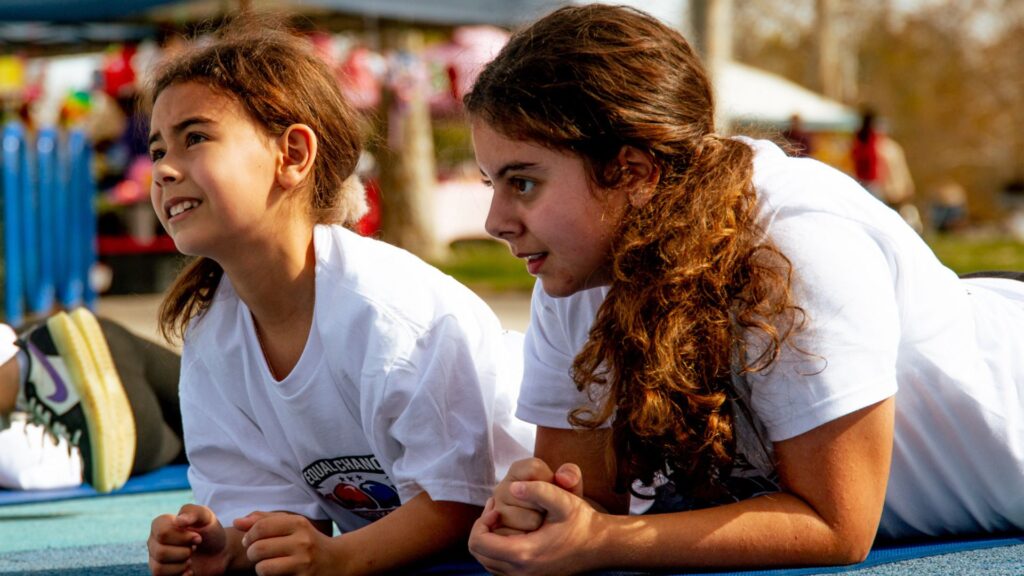
Your vital financial support directly ensures:
- An Open Sanctuary: Keeping our facility doors open, fully staffed, and 100% free for every single child who needs a safe place to process their daily stress.
- Elite Safety Standards: Supplying the high-quality, professional protective equipment that allows us to maintain our uncompromising, brain-first safety protocols.
- Street-Level Mentorship: Fueling the outreach vans and mobile equipment necessary to take our coaches directly into the neighborhoods that need us most.
Do not let another teenager fall victim to their own unchanneled anger. Help us teach them the sweet science of self-control. DONATE TO THE EQUAL CHANCE BOXING FOUNDATION
Building a Shield, Not a Sword
Does boxing make kids more aggressive? If done incorrectly, without supervision, yes. But when executed with the profound care, strict discipline, and authentic mentorship found at the Equal Chance Boxing Foundation, it is the greatest tool for peace a teenager can possess.
We do not teach children how to build a sword to hurt others; we teach them how to forge an unbreakable shield of self-confidence and emotional regulation. We teach them that the most powerful person in the room is not the one who yells the loudest or throws the first punch, but the one who has the absolute discipline to remain calm in the storm.
We are here to stand in your family’s corner. We are ready to help your teenager transform their anxiety into ambition, and their anger into undeniable success.
Questions?
We’ve got answers.
Statistically, the opposite is true. Boxing acts as a “pressure valve.” Aggression often comes from pent-up energy and a lack of emotional outlets. In the gym, children exhaust their physical energy in a controlled, safe way. Once they realize how much effort it takes to throw a proper punch, they lose the desire to use that skill recklessly. They develop a “quiet confidence” that removes the need to prove themselves through street fighting.
Discipline is built through strict rules and ritual. In our program, every action has a consequence. If a student loses their temper, they are removed from the drill. They learn quickly that “hot-headedness” leads to failure in the ring, while “cool-headedness” leads to success. This constant practice of emotional regulation is the very definition of discipline—choosing a focused response over an impulsive reaction.
At the Equal Chance Boxing Foundation, we teach that a boxer’s hands are registered “tools” for the gym only. and our coaching staff emphasize that using boxing skills outside the gym is a betrayal of the sport’s values. This “sacred space” mentality creates a clear boundary: aggression stays on the heavy bag, while respect and self-control are carried out into the world.
For a child with a short fuse, boxing is transformative because it teaches stress inoculation. By putting them in a high-intensity (but safe) environment, we help them practice staying calm while their heart rate is high. Over time, the situation that used to make them “explode” at school feels manageable because they’ve practiced maintaining self-control under much greater physical stress in the gym.