
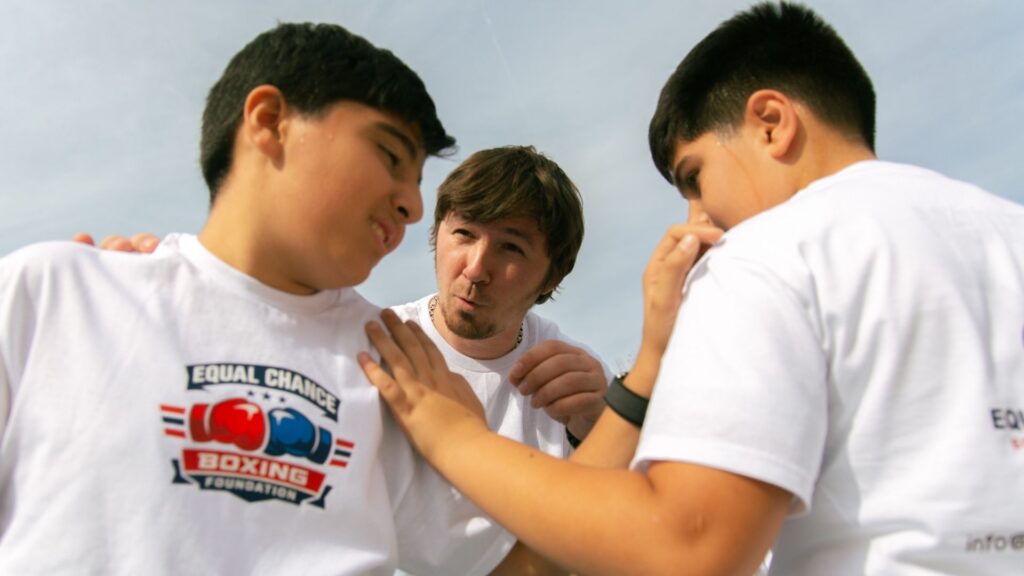
Picture this moment: You are sitting at a desk, staring at an exam that will determine your final grade. Or perhaps you are on a field, and the entire game depends on your next move. Or maybe you are just standing in a hallway, caught in an intense, uncomfortable confrontation with a peer.
Suddenly, your mind goes completely blank. Your chest tightens. The world around you sounds like it is underwater. You know you should speak, move, or take action, but your body simply refuses to cooperate. You have completely shut down.
If you are a young adult reading this, you are not alone. That terrifying sensation of being paralyzed by stress is incredibly common. It makes you feel weak, and it often leads to a cycle of avoiding difficult situations altogether.
If you are a parent or mentor watching this happen, it is agonizing. You know your child is intelligent, capable, and talented. But the moment the pressure spikes, they retreat. They quit the team, they drop the challenging class, or they isolate themselves in their bedroom. You want to help them push through, but telling a panicked teenager to “just calm down” or “try harder” almost never works.
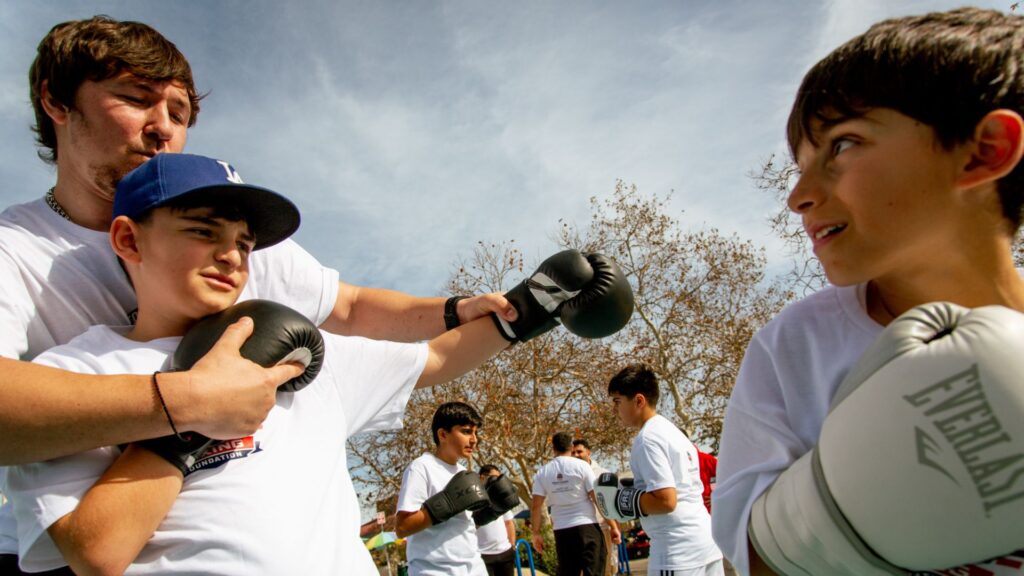
We are dealing with a generation that is facing unprecedented levels of academic, social, and digital pressure. To survive it, youth do not need another lecture on resilience; they need a physical environment where they can practice handling stress without the fear of real-world ruin.
When people ask, “Can boxing help kids who shut down under pressure?” they often assume the sport is just about physical strength. But at the Equal Chance Boxing Foundation, we know that boxing is actually a masterclass in extreme emotional regulation.
In this comprehensive pillar guide, we are speaking directly to you—the teenager trying to find their voice, and the adult trying to support them. We will break down the neuroscience of the “freeze” response, explain how the intense but controlled environment of the boxing gym rewires the nervous system, and show how our founder, professional boxer , mentors youth to step out of paralysis and into their true power.
[ecbf_donate_banner_1]
The Anatomy of Paralysis: Why the Brain “Freezes”
Before you can fix the problem, you have to stop blaming yourself for it. Shutting down under pressure is not a character flaw, a sign of laziness, or a lack of bravery. It is a biological survival mechanism that has simply misfired.
The Fight, Flight, or Freeze Mechanism
When you encounter a highly stressful situation, a part of your brain called the amygdala sounds an alarm. It floods your body with adrenaline and cortisol. In the ancient world, this prepared humans to either fight a predator or run away from it.
But there is a third option: Freeze. When the brain perceives a threat that is too overwhelming to fight and too fast to escape, it shuts the body down to protect it. Today, the “predator” is not a wild animal; it is the fear of public failure, social rejection, or academic collapse. Because you cannot punch a bad grade, and you cannot physically run away from a social media rumor, the modern teenager’s brain defaults to freezing.
The Devastating Cycle of Avoidance
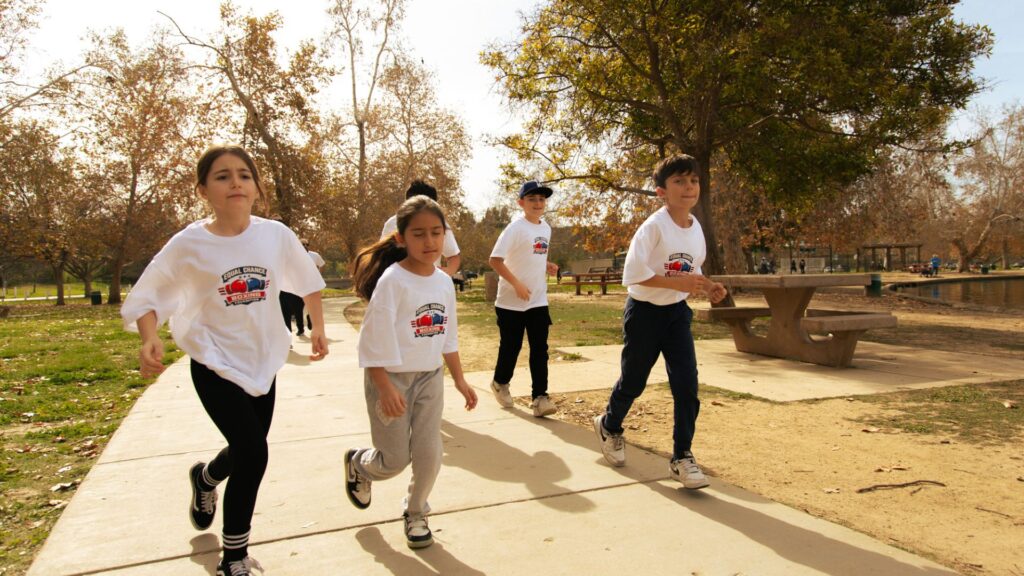
When a youth shuts down, the immediate aftermath is profound relief—the situation is over. However, the brain remembers this. It learns that quitting is the fastest way to relieve anxiety.
- A teen freezes during a math test, so they decide they are “just bad at math” and stop studying.
- They panic during a basketball tryout, so they decide sports aren’t for them.
- They feel overwhelmed by a social event, so they stay home and scroll through their phone instead.
Slowly but surely, their comfort zone shrinks until it is no larger than their bedroom. To break this cycle, you must introduce a new environment where the stress response is triggered, but quitting is not the default option.
Rewiring the Nervous System: How Boxing Cures the “Freeze”
You cannot learn to swim by reading a book about water, and you cannot learn to handle pressure by talking about it in a quiet room. You have to get in the water. The boxing gym is the ultimate simulator for real-world stress.
Here is exactly how the “Sweet Science” dismantles performance anxiety and teaches a young person to act under pressure.
Micro-Dosing Stress
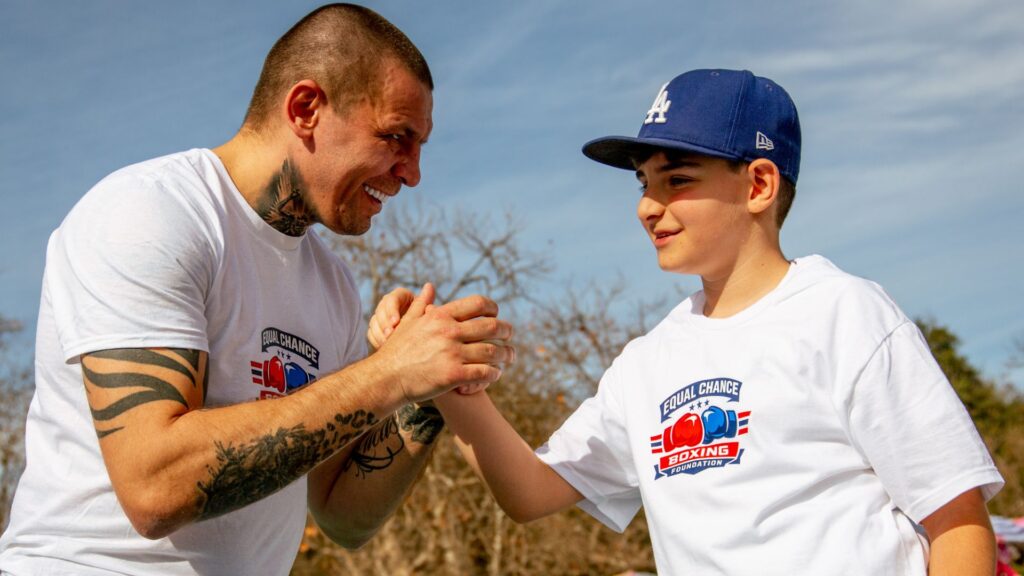
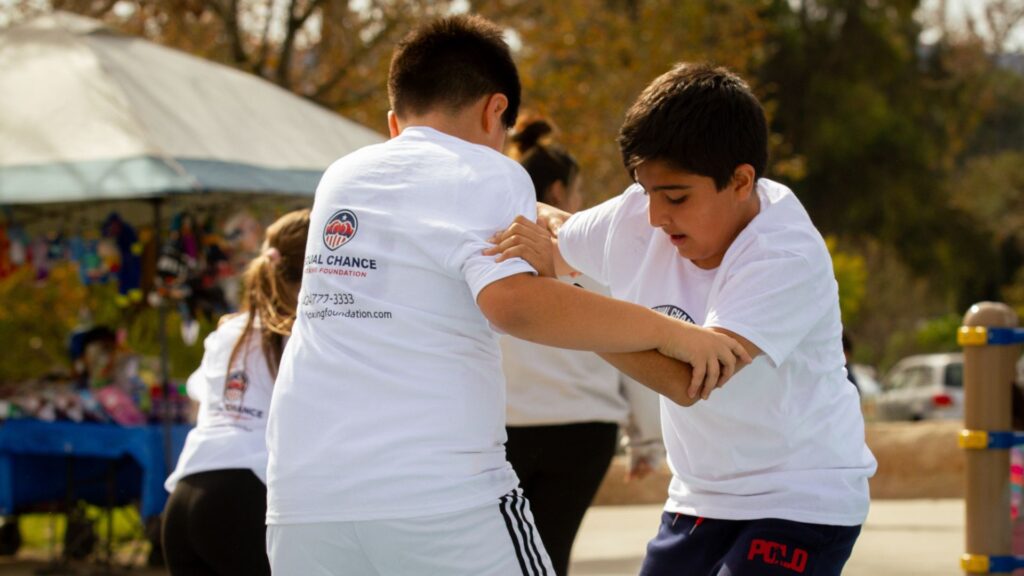
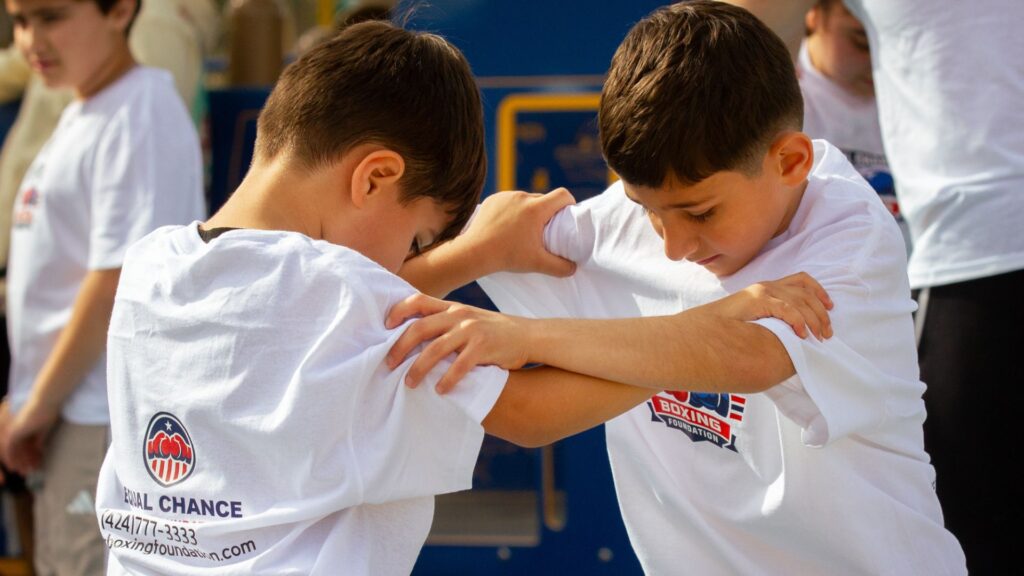
In a boxing gym, we do not throw a beginner into the ring to fight on their first day. That would only reinforce their trauma. Instead, we “micro-dose” the pressure. When a young athlete learns to hit the focus mitts with a coach, they are placed in a moderately stressful, fast-paced situation. The coach calls out combinations quickly: “Jab, cross, hook!” The athlete has to process the information, move their feet, and throw the punches in real-time. If they freeze, the coach doesn’t yell or shame them. They simply stop, reset, and start again. The athlete learns that they can experience the spike of adrenaline, make a mistake, and the world does not end. They are safe. This systematically raises their threshold for panic.
The Power of the Reset: Breathing Under Fire
When a teenager shuts down, the first thing they do is hold their breath. This deprives the brain of oxygen and accelerates the panic. In boxing, breathing is not optional—it is the core of the technique. You are taught to sharply exhale with every single punch you throw. This biological rhythm forces oxygen back into the brain, actively combatting the body’s natural urge to freeze. When an athlete gets overwhelmed in the gym, they learn a physical anchor: step back, bring your hands up to your guard, take one deep breath, and step back in. This physical “reset button” becomes an automatic reflex. Soon, when that same teenager faces a blank exam paper or a stressful confrontation, their body remembers the drill. They take a breath, set their stance, and tackle the problem.
Forced Forward Momentum
When you are jumping rope, hitting the heavy bag, or doing footwork drills for a three-minute round, you will hit a wall of physical exhaustion. Every fiber of your being will want to shut down and quit. But the timer is ticking. The gym environment demands that you keep moving, even if it is ugly, even if it is slow, and even if you are exhausted. You learn that you do not have to be perfect to survive the round; you just have to keep your hands up and keep moving forward. Boxing teaches youth that action cures anxiety.
From Paralysis to Power: Replacing Anxiety with Action
For a young person crippled by the pressure to perform, boxing shifts the entire paradigm of what it means to be successful.
Shifting Focus from the Outcome to the Process
Most performance anxiety comes from obsessing over the final result. “What if I lose? What if I look stupid? What if I fail?” Boxing narrows your focus to the immediate present. When you are slipping a jab or focusing on the rotation of your hips, you do not have the cognitive bandwidth to worry about the future. You are entirely locked into the current millisecond. We train youth to stop worrying about winning the whole fight and start focusing on winning the next step. Just throw the jab. Just move your head. By breaking an overwhelming challenge down into tiny, manageable, physical tasks, the paralysis evaporates.
Building the “I Survived That” Muscle
Confidence is not something you are born with; it is an evidence-based trait. If a teenager has no evidence that they can survive a highly stressful situation, they will always freeze. Boxing provides that evidence daily. When a young adult looks back and realizes they survived a grueling conditioning circuit, pushed through the exhaustion of the final round, and learned how to take a hit without crumbling, they build an ironclad reservoir of self-belief. They look at the pressure of a school presentation or a social conflict and think, “I have survived the heavy bag. I can survive this.”
The Standard: Elite Mentorship for the Anxious Mind
Overcoming the freeze response requires more than just a heavy bag; it requires a guide. A young person needs a mentor who has faced paralyzing pressure on the world’s biggest stages and knows exactly how to navigate it.
At the Equal Chance Boxing Foundation, our methodology is forged by our Head Coach and founder, professional boxer .
Mastering the Chaos of the Ring
As a professional fighter who has competed at the absolute highest levels of the sport, knows the feeling of pressure better than anyone. He knows what it is like to walk into an arena with thousands of screaming people, under the bright lights of national television, with everything on the line.
teaches our youth that courage is not the absence of fear. Courage is feeling the intense, paralyzing fear, acknowledging it, and stepping forward anyway. He did not build his resilience overnight; he built it through years of grueling discipline in the sports boarding schools of Ukraine and the unforgiving gyms of the United States. He knows the “freeze” response intimately, and he knows exactly how to coach a young mind out of it.
[ecbf_donate_banner_4]
A Safe Corner to Fail and Grow
is recognized as an elite positive role model for youth because he provides a perfect balance of intense pressure and absolute safety.
When a teenager freezes during a drill in our gym, does not let them quit. He doesn’t let them walk out the door. But he also doesn’t scream at them. He steps into their line of sight, lowers his voice, and anchors them to reality. “Breathe. Look at me. Hands up. Try again.” By holding them to a high standard but providing a safety net of empathy, teaches youth that they are capable of handling far more stress than their anxiety tells them they can.
Step Into the Ring: Free Solutions for Real-World Resilience
If you are a young adult reading this, and you are tired of feeling like anxiety dictates your life—tired of quitting, tired of freezing, and ready to find out what you are truly capable of—the ring is waiting. If you are a parent or community leader searching for a tangible, real-world intervention for a youth who is struggling, the solution is here.
However, we understand that elite athletic training is often locked behind expensive gym memberships and high equipment costs. These financial barriers leave the youth who need this emotional regulation the most out in the cold.
The Equal Chance Boxing Foundation believes that learning to manage stress and overcome anxiety is a fundamental right. We are incredibly proud to operate a world-class, 100% free athletic and mentorship sanctuary.
The Youth Boxing Program
We completely remove the financial friction so that the only thing you have to fight is your own self-doubt.
- Zero Cost to Train: There are absolutely no registration fees, monthly dues, or hidden costs.
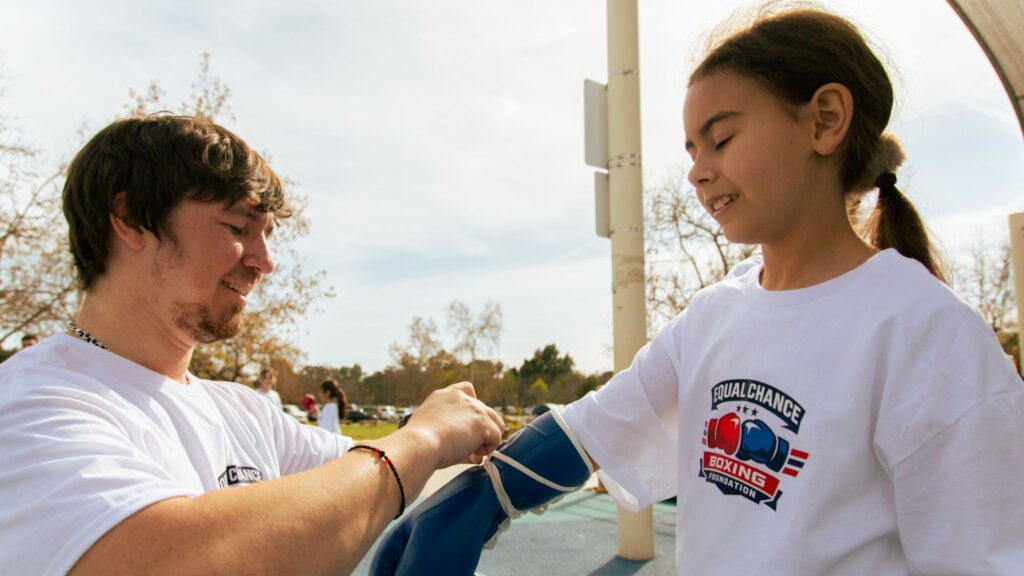
- Elite Protective Gear Provided: We supply all the necessary, professional-grade safety equipment entirely for free, ensuring every athlete trains safely. If you are ready to break the cycle of freezing and start taking action, step through our doors. START YOUR JOURNEY: ENROLL IN OUR FREE YOUTH BOXING PROGRAM TODAY
Breaking Logistical Boundaries: Community Training
We know that getting to a gym isn’t always feasible. To combat this, our mobile outreach programs bring the heavy bags, the safety gear, and our elite coaching staff directly to underserved neighborhoods, local parks, and schools. We bring the tools for stress management right to your doorstep. DISCOVER OUR MOBILE COMMUNITY TRAINING INITIATIVE
Stand in Their Corner: How Your Support Builds Unbreakable Youth
Running a massive daily operation that provides a state-of-the-art facility, elite protective equipment, and thousands of hours of life-changing mentorship to youth—all entirely for free—is an immense and costly undertaking.
We are only able to maintain these vital youth sports mentorship programs through the incredible generosity, vision, and dedication of our donors and corporate partners.
When you see a generation paralyzed by anxiety, academic pressure, and the fear of failure, you have the power to intervene. When you support the Equal Chance Boxing Foundation, you are not just buying boxing gloves. You are funding the exact environment that teaches a child how to breathe through panic, overcome their internal barriers, and reclaim their future.

For Individual Donors
Be the support system a young athlete needs. Your financial contribution directly funds the facility that keeps them safe and the programs that build their minds. Ensure that when a teenager is finally ready to face their fears, our doors remain open to them. EMPOWER THE NEXT GENERATION: DONATE TO THE FOUNDATION TODAY
For Corporate Sponsors
Local businesses have a unique opportunity to shape the mental health and resilience of the community. By partnering with ECBF, your brand aligns itself with the core values of grit, mental health advocacy, and profound youth development. Show your community that you invest in building strong, capable future leaders. LEAD BY EXAMPLE: BECOME A CORPORATE SPONSOR
Don’t Freeze. Fight Forward.
Can boxing help kids who shut down under pressure? Absolutely. It is one of the most effective, visceral methods on earth for teaching a young mind how to navigate the storm.
The pressure of the modern world is not going to disappear. Exams will always be stressful, social conflicts will always be uncomfortable, and the fear of failure will always whisper in the background. But when you wrap your hands, establish your stance, and learn to breathe under fire, you stop being a victim of your own adrenaline.
You learn that you do not have to be fearless to succeed. You just have to be willing to take one more step forward when everything inside you is screaming to stop.
Whether you are a young person looking to forge an iron mind and break free from paralysis, or an adult looking to support the mental fortitude of the next generation, it is time to take action.
At the Equal Chance Boxing Foundation, and our entire coaching staff are ready to help you trade your anxiety for unshakeable internal power. It is time to step into the ring, take a deep breath, and discover exactly what you are made of.
Questions?
We’ve got answers.
The “freeze” response happens when the brain gets overwhelmed by stress and doesn’t know how to react. In everyday life, this looks like shutting down during a test or a conflict. At the Equal Chance Boxing Foundation, training safely simulates high-stress environments. By practicing fundamental movements repeatedly, teens train their bodies to react instinctively rather than overthinking, actively breaking the cycle of paralysis.
This is a common worry, but training under mentors like is highly progressive. Kids do not jump straight into intense situations. They start with focus mitts, heavy bags, and controlled drills. They learn how to manage their breathing through adrenaline drops and keep their eyes open under pressure, teaching their nervous system that they are safe and capable even when challenged.
Boxing is essentially continuous physical problem-solving. When a teen feels the instinct to freeze, the structured environment of the ring forces them to take a step, slip, or counter. This repetition rewires the brain to associate high-pressure moments with taking deliberate, calculated action. They learn that doing *something* is always better than freezing, a lesson that powerfully translates to real-world obstacles.
Once a teenager realizes they can maintain their composure, breathe, and execute a strategy while physically exhausted and under pressure in the gym, everyday stressors shrink in comparison. The resilience built here translates directly into a calmer, more focused mindset when facing academic deadlines, standing up to peer pressure, or speaking up for themselves in difficult social situations.