
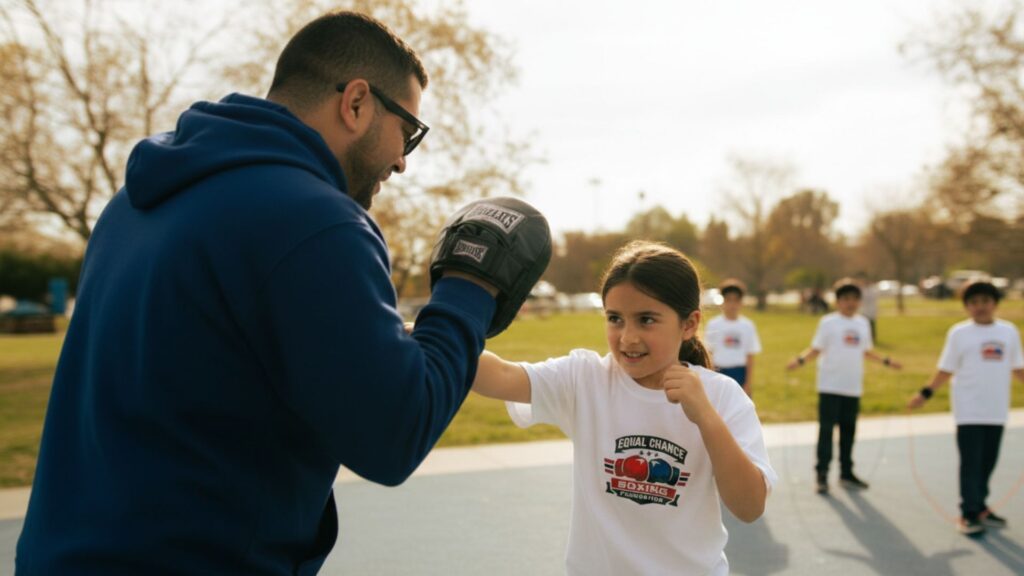
When a parent hears that their child is being picked on at school, the instinctual reaction is a mix of heartbreak and protective anger. Often, the first thought is: “I need to teach them how to defend themselves.”
This is where the misconception begins. Many people believe that putting a child in boxing is about teaching them to punch back. They fear that by teaching a child how to fight, they are accidentally raising a bully.
At the Equal Chance Boxing Foundation, we teach the exact opposite. We believe that the most effective way to “bully-proof” a child is not by increasing their aggression, but by building a level of internal confidence so high that they no longer look like, act like, or feel like a target.
Bully-proofing is about the mind, the posture, and the presence. Here is how boxing training transforms a child from a potential victim into a self-assured leader, without ever needing to throw a punch outside the gym.
The Language of the Body: Posture as a Shield
Bullying often starts with a “vibe” or a visual cue. Predators (and bullies) look for signs of vulnerability: slumped shoulders, avoided eye contact, and a hesitant gait.
Boxing fundamentally changes how a child carries themselves.
- The Foundation Stance: In the gym, we spend hours on the “base”—feet shoulder-width apart, weight balanced, head up. This isn’t just for balance in the ring; it becomes a permanent part of the child’s muscle memory.
- Non-Verbal Communication: A child who boxes learns to look their opponent (or training partner) in the eye. They stand tall because their core is strong.
- The Result: When a child walks down a school hallway with their head up and shoulders back, they project an aura of “I am not an easy target.” Most bullying ends before it begins simply because the bully chooses a different path of least resistance.
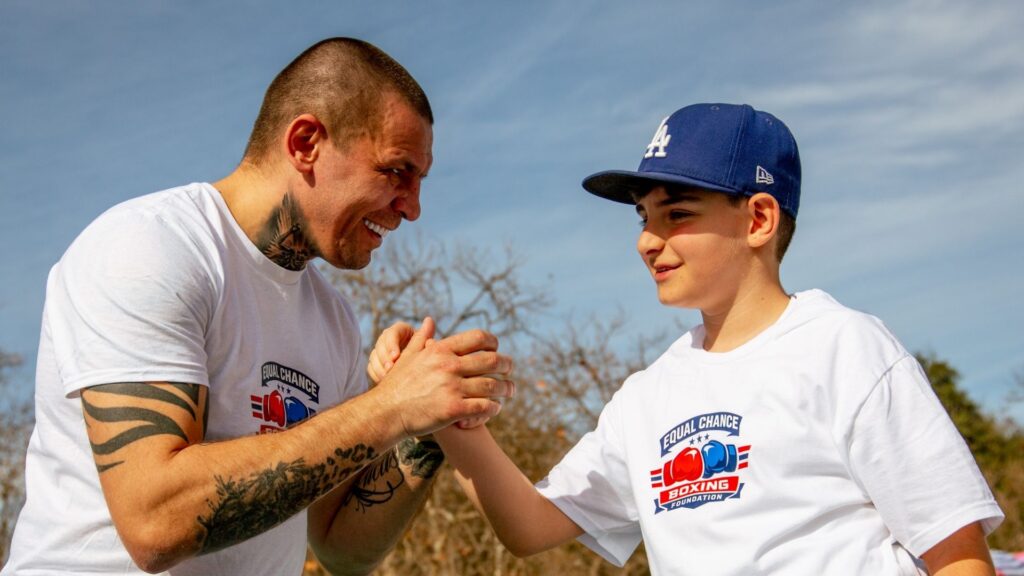
The “Knowing” Factor: Why the Trained Child Rarely Fights
There is a psychological phenomenon in combat sports: the more capable you are of causing damage, the less likely you are to actually do it.
When a child is untrained, they are often terrified of physical conflict. This fear manifests in two ways: they either cower (inviting more bullying) or they overreact with panicked, dangerous aggression.
Boxing replaces fear with knowledge.
- The Internal Anchor: Our athletes know they can throw a proper jab. They know they have the stamina to go three rounds. They know they can take a hit and keep their cool.
- The Lack of Ego: Because they test themselves against the heavy bag and in controlled drills every day, they have nothing to prove to a “tough guy” in the cafeteria. A bully’s insults lose their power when the child’s self-worth is rooted in their actual physical capabilities, not in the opinions of others.
The truly “bully-proof” child is the one who can smile at an insult and walk away, because they know they have the “big stick” in their back pocket—and they have the maturity not to use it.
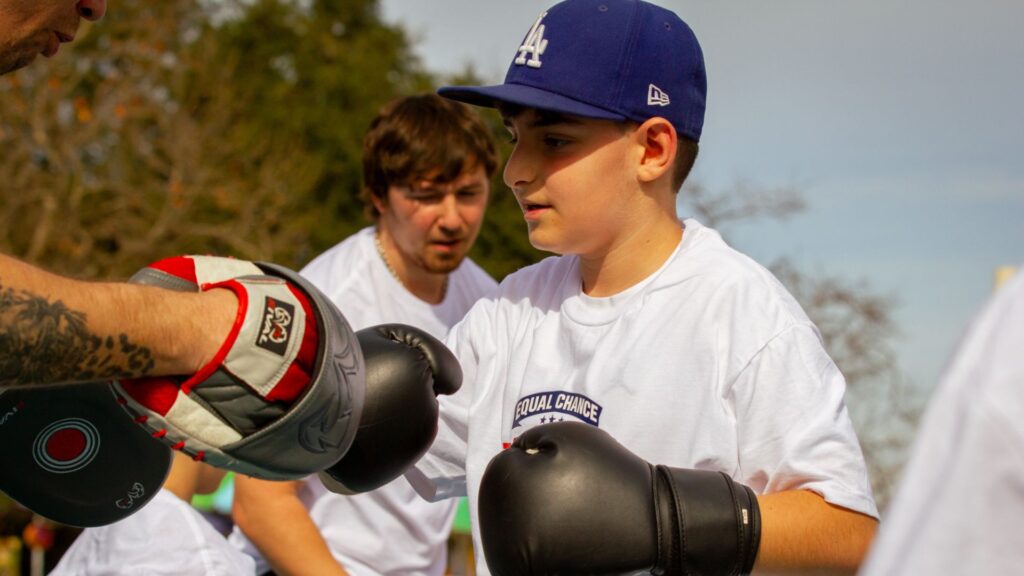
Emotional Regulation: Keeping the Cool Under Pressure
Bullying is designed to provoke a reaction. The bully wants the tears, the anger, or the frantic lashing out.
Boxing is a masterclass in emotional regulation.
- Stress Inoculation: When a child is doing a difficult drill while a coach is shouting encouragement and they are physically exhausted, they are learning to function under stress.
- The “Slow-Motion” Effect: In the gym, we teach kids to breathe when things get intense. We teach them that “panic is the enemy of performance.”
- Real-World Application: When a bully corners them, the child’s nervous system doesn’t go into a total “red alert” meltdown. They have been in high-pressure situations before (in the gym). They can stay calm, speak clearly, and think logically about how to de-escalate the situation.
The Ethical Code: Boxing Stays in the Gym
At Equal Chance, we have a zero-tolerance policy. The skills we teach are “concealed weapons.”
We instill a strict ethical framework in every young athlete:
- Boxing is a Sport, Not a Weapon: We repeatedly emphasize that using boxing skills to initiate a fight is a betrayal of the gym and the coaches.
- The Responsibility of Power: We teach that being stronger comes with the responsibility to protect those who are weaker. We encourage our older students to stand up for others, not by fighting, but by being a presence of authority and kindness.
- The Sanctuary: The gym is where we fight. The world is where we lead.
By framing boxing as a specialized skill that belongs in a specific arena, we draw a clear line in the child’s mind. They don’t become aggressive; they become disciplined.
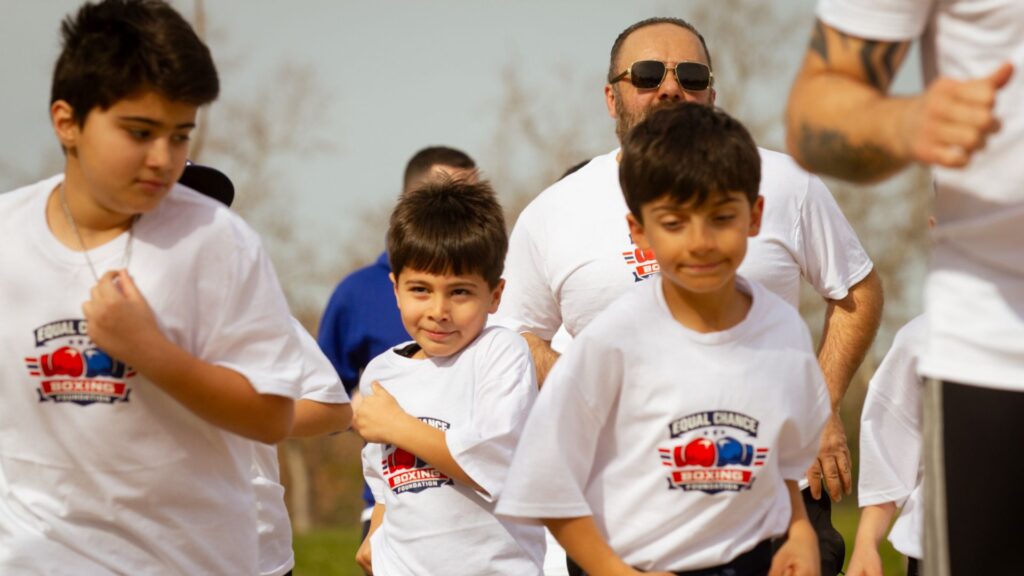
Social Belonging: The “Tribe” vs. The Outcast
Isolation is a bully’s greatest tool. Children who feel they have no one to back them up are the most vulnerable.
The Equal Chance Boxing Foundation provides an immediate “tribe.”
- Shared Identity: When a child joins our foundation, they are no longer “that quiet kid.” They are a boxer. They belong to a team.
- Mentorship: Our coaches aren’t just teaching hooks; they are watching for signs of trouble. They talk to the kids about their lives. This support network acts as a safety net.
- The Confidence of Belonging: Knowing that you have a “corner”—a group of people who respect you for your hard work—provides a psychological shield that makes the barbs of a bully feel insignificant.
The Mission: Building Better Citizens
We are not in the business of creating professional fighters. We are in the business of creating resilient, confident, and empathetic human beings.
Bully-proofing is a byproduct of our core mission: giving every child an Equal Chance to develop their potential. When a child learns to box, they aren’t learning how to hurt people; they are learning how to value themselves. And a child who values themselves is very difficult to bully.
How You Can Help Us Protect the Youth
Maintaining a safe, structured environment where this kind of character-building can happen requires resources. To keep our programs accessible to the families who need them most, we rely on the community.
Your support helps us:
- Train Mentors: We need coaches who understand child psychology as well as they understand boxing.
- Provide Gear: Every child deserves a pair of gloves that fits, ensuring they can train safely and with pride.
- Keep the Doors Open: We provide a sanctuary where kids can go after school, staying off the streets and away from trouble.
Be a part of the solution. Help us bully-proof the next generation.
Together, let’s build champions—not just in the ring, but in life.
Questions?
We’ve got answers.
Absolutely not. Our program emphasizes that martial arts are for protection and self-development, never for intimidation. We teach that true strength lies in self-control. Children with high self-esteem and genuine confidence rarely feel the need to bully others; bullying is often a result of insecurity, which boxing actively combats.
It works by changing a child’s physical presence. Bullies typically look for “easy” targets who appear timid or unaware. Through boxing, children develop strong posture, direct eye contact, and a calm, assertive energy. This “projected confidence” acts as a natural deterrent, signaling to potential bullies that this child is not a victim.
We prioritize de-escalation and awareness. Before any physical technique is needed, we teach children verbal assertiveness—how to use their voice to set boundaries firmly. They learn to recognize danger signs early and avoid physical altercations whenever possible, understanding that physical defense is strictly a last resort for safety.
Yes, it is often the best environment for them. We foster a supportive community where advanced students help beginners. Shy children progress at their own pace, celebrating small victories like mastering a combo or improving agility. This gradual accumulation of success provides tangible proof of their capability, effectively building their self-worth from the ground up.