

There is a highly specific, deeply agonizing transition that occurs in almost every working-class household as a child enters their teenage years. If you are a parent reading this, you know the exact moment the shift happens. The vibrant, communicative child who once filled the living room with energy suddenly disappears behind a closed bedroom door. The lively conversations at the dinner table devolve into brief, defensive, monosyllabic responses. You watch in quiet terror as your teenager becomes increasingly swallowed by the hypnotic, demanding glow of a smartphone screen, completely detached from the physical reality of the household.
If you are a teenager reading these words, you know exactly why that bedroom door is closed. You are carrying a heavy, invisible backpack overflowing with suffocating academic pressure, the toxic social hierarchies of high school, and a creeping, undeniable sense of burnout before your adult life has even begun. You retreat into the digital world because the real world feels entirely overwhelming. But the algorithms engineered by multi-billion-dollar tech companies offer no true comfort; they feed directly on your insecurities, bombarding you with impossible standards and draining your emotional vitality. When this digital anxiety peaks, the unpredictable streets of your neighborhood—with their negative street influence and local gangs—often present a dangerous, magnetic pull. They offer a false sense of belonging to youth who are desperate for an escape from their own minds.
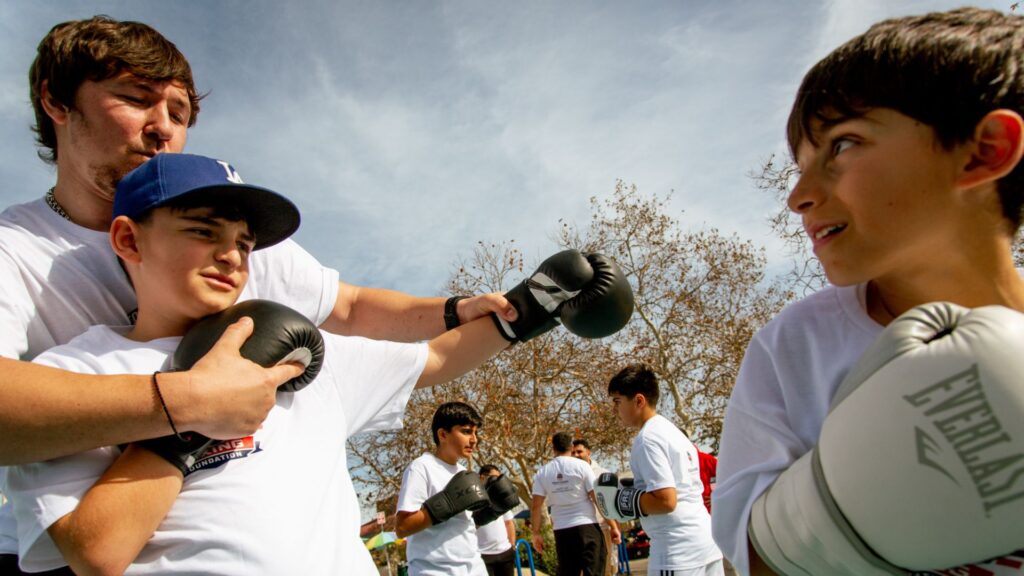
For the parents standing on the outside of that locked bedroom door, the sheer helplessness is paralyzing. You sacrifice your sleep, your physical health, and your emotional bandwidth working double shifts just to keep the lights on and provide a safe home. You desperately want to intervene, to equip your child with the mental armor necessary to survive, but the crushing economic reality of modern life sets in. The exorbitant costs of elite sports academies, private behavioral therapy, and specialized gear make it feel impossible to buy them a fresh start.
When families in this exact state of crisis finally step into a legitimate, structured community boxing sanctuary, they are usually driven by sheer desperation. They arrive expecting a miracle, but fearing a chaotic, violent environment. What they actually experience over the next ninety days completely shatters their worldview. The transformation does not happen overnight. It is a slow, methodical, deeply biological, and psychological rebuilding process. This is the timeline of that metamorphosis, told through the eyes of the parents watching their children return to life.
[ecbf_donate_banner_1]
Weeks 1 to 3: The Collision of Two Worlds and the End of Apathy
During the first few weeks of training, parents often report a state of absolute shock. The teenager, who previously could not be motivated to take out the trash or finish a simple homework assignment without a screaming match, is suddenly voluntarily subjecting themselves to intense, grueling physical discomfort.
Initially, the teenager brings all their heavy, suffocating street attitude and digital apathy into the gym. They expect the coaches to tolerate their lack of focus, just as society often does. But the moment they are integrated into a strictly supervised youth boxing program, a massive psychological collision occurs.
- The Shock of Accountability: The gym operates on a strict, beautiful meritocracy. The heavy bag does not care about your social media follower count. The focus mitts do not care about your sarcastic attitude. The coaches do not yell, but they demand absolute presence. Parents watch from the bleachers as their teenagers are told to stand in front of a mirror and simply focus on the geometry of their feet. For the first time in years, the teenager is not being judged on their appearance or their test scores; they are being judged solely on their effort.
- The Detox Phase: Parents describe these first three weeks as a severe detox. The teenager comes home physically exhausted, their muscles aching from the unfamiliar discipline of the kinetic chain. But parents notice something profoundly beautiful: the teenager is too tired to argue. The chaotic, unregulated, argumentative energy that used to poison the living room has been entirely left on the canvas.
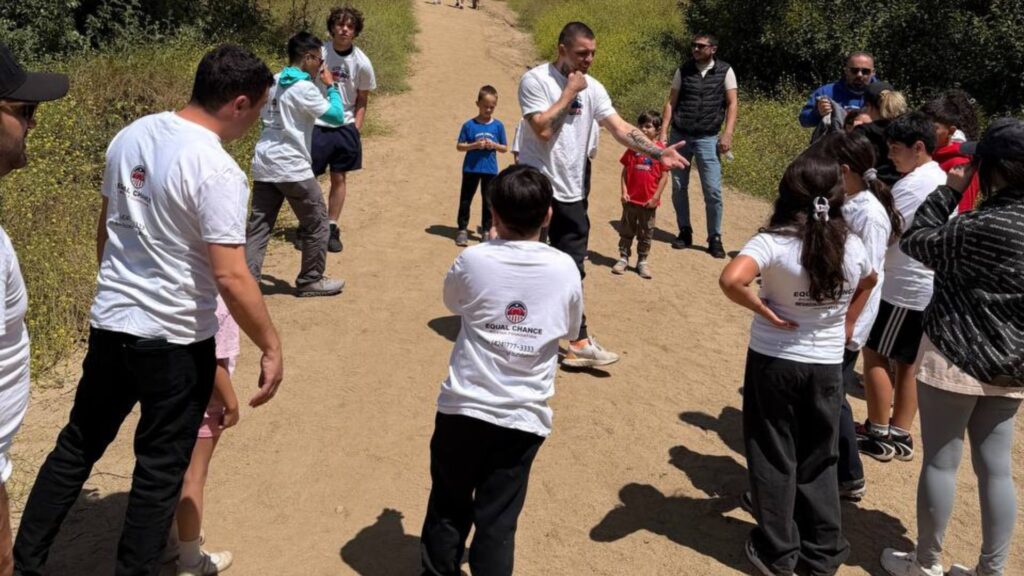
Week 4: The Standard and the Death of the Fragile Ego
Around the one-month mark, the initial novelty wears off, and the physical reality of the sport sets in. The drills become harder. The conditional sparring reveals the teenager’s flaws. This is the precise moment when, in traditional school sports, the overlooked or frustrated teenager would normally quit, blaming the coach or their teammates to protect their fragile ego.
In the boxing sanctuary, however, quitting is replaced by a masterclass in resilience, modeled directly by the mentors who lead the room. To understand how teenagers learn to survive their own failures, they are pointed toward the raw, unvarnished truth of professional athletic grit, specifically the turbulent, deeply inspiring trajectory of professional boxer .
Parents watch in awe as their children learn that talent without the heavy, unglamorous anchor of daily, solitary suffering is a devastating tragedy just waiting to happen. ’s grueling journey to the upper echelons of professional boxing was not a smooth, cinematic training montage. It was forged in the deeply uncomfortable, lonely daily grind.
When a teenager fails a drill, they are taught ‘s blueprint for handling immense life pressure. Consider the agonizing days following a devastating physical defeat in the ring, or the deeply isolating aftermath of a severe sports injury. The fragile human ego is shattered in front of harsh critics, the physical body is broken, and the mind desperately begs the athlete to simply quit.
teaches the youth through his undeniable grit that it is precisely in this dark, terrifying void where strict, non-negotiable habits literally save your life and build your true character.
- Analyzing Failure Without Self-Hatred: Parents notice a distinct change in how their children handle bad grades or social rejections. Instead of retreating to their bedrooms to sulk, they begin to process failure mechanically. They learn from that when you face a massive setback, you do not label yourself a “failure.” You sit in the quiet of the film room, meticulously analyzing your own defensive flaws with brutal honesty, and then you drill the precise corrections hundreds of thousands of times until they bypass your conscious thought.
- The Autopilot of Discipline: systematically trained his physical body to completely ignore his brain’s desperate, logical excuses to stay in a warm bed at 5:00 AM after a terrible loss. Parents see this mirrored at home. The teenager starts waking up when their alarm goes off, packing their own gym bag, and stepping into their responsibilities not because they are “motivated,” but because they have built the autopilot of discipline.

Weeks 5 to 8: The Biological Reset at the Kitchen Table
As the second month unfolds, parents describe a radical, permanent shift in the physical biology of their children. The teenager realizes that they are the sole engine of their own athletic journey. You simply cannot survive a rigorous combat sports training session if you treat your body like a garbage disposal.
To deeply understand this shift, we must look at the neurochemistry of the adolescent brain. The prefrontal cortex—the area responsible for complex decision-making, generating willpower, and anticipating consequences—begins to aggressively mature when subjected to strict, physical routine.
Clean Nutrition as High-Octane Fuel
Parents are often stunned when the teenager voluntarily declines the greasy fast-food meal or the heavily caffeinated, artificial energy drinks they previously survived on. The heavy bag provides undeniable physical feedback; a teenager quickly learns through the deep physical pain of premature exhaustion, mental brain fog, and intense nausea that sudden sugar crashes lead directly to a total loss of focus on the mats.
Suddenly, the parents notice their child actively seeking out complex carbohydrates for sustained glycogen energy, lean proteins for microscopic muscle recovery, and proactive daily hydration. They stop treating food as a casual comfort mechanism to cope with the trauma of academic burnout or social media anxiety, and begin viewing it strictly as high-octane fuel required for survival and peak performance. They learn to deeply, profoundly respect their own internal biology, entirely shifting the dynamic of the family kitchen.

Sleep as the Ultimate Biological Shield
In a modern culture that foolishly glorifies a lack of sleep and relentless screen time, the teenager learns that sleep is the absolute most critical component of their transformation. They discover that the deep, uninterrupted phases of sleep are the precise physiological moments when the endocrine system actively releases human growth hormone (HGH) to repair the micro-tears in their muscle fibers.
Even more critically, deep sleep is when the brain consolidates the complex technical memories of the defensive movements they learned that day. To protect this vital recovery window, teenagers begin voluntarily practicing rigorous digital hygiene. Parents report the miraculous sight of their children turning off their glowing smartphone screens an hour before bed, entirely rejecting the toxic digital noise, and prioritizing their central nervous system over digital FOMO (Fear Of Missing Out).
Visualizing the Shift: A Parent’s Perspective
To clearly illustrate the profound, holistic lifestyle transformation that occurs over these three months, we must look closely at the daily, microscopic choices parents witness in their own homes.
| The Daily Obstacle | Month 1: The Disconnected Teenager (Governed by Screens & Anxiety) | Month 3: The Empowered Athlete (Governed by Boxing Discipline) | The Ultimate Real-World Parental Observation |
| Morning Routine & Waking Up | Hits snooze repeatedly. Wakes up exhausted, angry, and dreading the school day. Leaves a mess in their room. | Steps out of bed the second the alarm rings. Knows that their physical progress depends on their daily routine. | The morning battlefield is eliminated. The home starts with a baseline of quiet, self-reliant purpose instead of screaming matches. |
| Handling Emotional Frustration | Suppresses anger or unleashes it destructively on siblings. Uses explosive, unregulated behavior to mask deep insecurity. | Channels the grief, anger, and anxiety entirely into the heavy bag. Uses the coaches’ pacing techniques to safely process trauma. | Profound emotional regulation. Parents see a teenager who stops, breathes, and thinks before reacting to stressful family situations. |
| Navigating Diet & Nutrition | Skips meals or binges on highly processed junk food while staring at a screen. | Views food strictly as high-octane fuel. Prioritizes clean nutrition and hydration to ensure their body recovers for the next training session. | Development of deep biological respect. The teenager takes ownership of their physical health, entirely rejecting toxic diet culture. |
| Navigating the Social Environment | Gravitates toward negative street gangs or toxic online echo chambers that validate destructive behavior. | Uses shared suffering on the mats to build genuine, respectful relationships. Seeks out peers who share their work ethic. | An impenetrable shield against street influence. Parents relax, knowing their child belongs to a highly disciplined, legitimate, and fiercely loyal tribe. |
Weeks 9 to 12: Mastering the Internal Panic and Finding the Tribe
By the third month, the most dangerous phase of a teenager’s life—the empty, unsupervised afternoon hours—has been completely reclaimed. Parents observe that boxing is not at all about learning how to fight other people; it is about learning how to master the panic inside yourself.
When a teenager learns to focus their physical body through strategic, controlled thinking, they are secretly acquiring the exact psychological tools they need to balance their volatile emotions at home, in the classroom, and in future professional environments. They are actively preventing that chaotic, self-destructive energy from being turned inward into severe depression, or unleashed in dangerous ways on the streets.
Furthermore, they cannot build this ironclad discipline in a complete vacuum. They desperately need a highly protected physical sanctuary that demands absolute accountability. Finding the right peer group by actively participating in structured community training provides an immediate, powerfully effective solution to the dangers of their old life. It physically surrounds the struggling, rebuilding teenager with a positive, deeply supportive, and highly driven collective.

When the young people standing to their immediate left and right are sweating profusely, pushing far past their perceived physical limits, and fiercely holding each other accountable through grueling conditioning drills, the positive peer pressure makes immense focus highly contagious. They bond over shared suffering and shared triumphs, creating a true, legitimate family built on genuine respect rather than the destructive, conditional loyalty of a street gang.
For those highly vulnerable periods when the local school is not in session, such as the dangerous late afternoons while parents are still at their exhausting jobs, and the long, entirely unstructured months of summer break, the danger of sliding back into old habits multiplies exponentially. This is exactly why comprehensive, highly immersive environments like a professionally supervised summer and afterschool mentorship camp are so incredibly vital to the neighborhood ecosystem. They offer ongoing, trauma-informed mentorship, critical educational support, and a continuous, unbroken chain of positive adult influence.
Through this intense, deeply caring mentorship, we watch at-risk, previously written-off youth actively transform their entire worldview. They evolve from disconnected, angry individuals into true, proven champions of hope for their local neighborhoods. They return to their family dining tables not as victims of their past mistakes, but as proven, highly focused leaders who lead by quiet, undeniable example.
[ecbf_donate_banner_4]
The Economics of the Miracle: The Role of the Village
As parents reflect on this miraculous three-month transformation, a sobering reality always sets in. The brutal, unavoidable truth of building and consistently maintaining this life-altering, highly focused athletic sanctuary is that discipline, while internally free to the dedicated athlete, requires highly significant, massive external infrastructure to facilitate and sustain.
Maintaining a safe, perfectly clean training facility, coordinating dedicated mentors who deeply understand the unique psychology of a teenager seeking redemption, and strictly ensuring that concussions and severe injuries are actively prevented through the continuous use of premium, medically approved protective gear requires massive, ongoing financial resources. The sheer cost of heavy bags, professional boxing rings, facility lighting, heating, and vital liability insurance is immense.
The dangerous streets, unfortunately, are always completely free and readily available to any teenager at any hour of the day or night. However, the long-term, devastating societal cost of losing a youth to those streets—through severe addiction, the juvenile justice system, or utterly wasted human potential—is absolutely incalculable. Alternatively, the boxing gym offers a highly reliable moral compass, a burning sense of purpose, and a fiercely loyal surrogate tribe that teaches unwavering personal focus under pressure.
Access to this life-saving sanctuary should absolutely never, ever be dictated by a family’s temporary financial struggles, economic inflation, or a teenager’s heartbreaking inability to afford a basic pair of boxing gloves, specialized training shoes, or a jump rope. A child who has finally summoned the immense courage to turn their back on a toxic past and ask for help should never have to feel the crushing guilt of asking their overworked parents for sports equipment they know the family cannot afford.
This is exactly where the broader, established community must step in to protect and uplift its most vulnerable members. When empathetic, visionary individuals choose to consciously donate to provide necessary gear and support, they directly and tangibly fund the heavy bags, the vital protective equipment, and the facility lights that physically keep vulnerable kids off the streets during the most critical, highly dangerous hours.
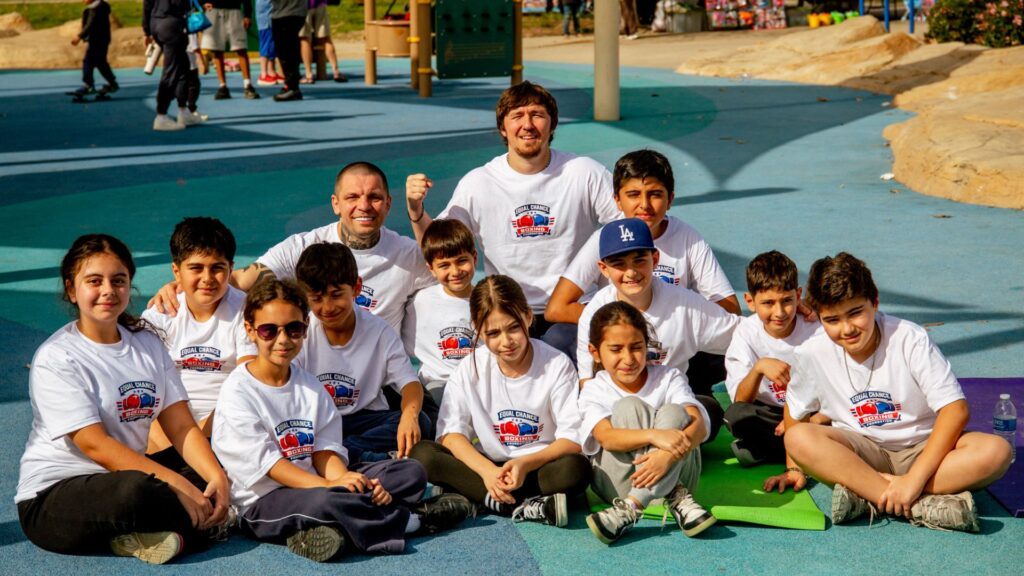
Choosing to contribute completely removes the heavy financial barrier to entry, allowing a troubled teenager to step inside the ropes, learn to manage their chaotic energy through repetition, and begin the incredibly hard, incredibly beautiful work of wiping their slate clean without placing an extra burden on their working parents. By funding the equipment and the space, you are quite literally funding a family’s peace of mind, transforming the silent, disconnected household back into a home.
This critical, urgent mission to aggressively build resilient, habit-driven, and highly focused young leaders out of previously discarded youth cannot possibly be sustained in isolation. It requires the active, visionary, and proactive backing of the broader business community and local leadership. We rely heavily on forward-thinking organizations and corporate sponsors who actively choose to step up to the plate and align themselves with our mission to build a healthier, more forgiving, and deeply resilient society.
By becoming dedicated sponsors, these local organizations and businesses are absolutely not merely buying a logo placement on a gym banner; they are making a profound, highly measurable, and deeply impactful investment in the mental, physical, and moral resilience of the very next generation of citizens. They are effectively ensuring that the physical sanctuary remains permanently open, that the experienced, caring volunteer coaches remain on the gym floor guiding the youth to rebuild their lives safely, and that the quiet, incredibly unglamorous, but ultimately world-changing work of building a new legacy—one exhausted repetition, one grueling stance drill, and one highly focused day at a time—continues to thrive indefinitely into the future. It takes a coach to teach a combination, but it takes an entire community to raise a champion, not just inside the ring, but in the living room of every home.
Step Into the Ring. Let’s Build Our Community Together.
For Parents: Reclaim Your Teenager’s Future
Stop relying on fleeting motivation and give your teenager the gift of true discipline. Leave the financial stress behind—we provide the state-of-the-art facility, the protective gear, and the elite coaching at absolutely no cost.
Take the first step toward their mental and physical transformation.
ENROLL IN OUR YOUTH BOXING PROGRAM TODAY
For Supporters: Fund a Life-Saving Mentor
We can only provide these world-class, 100% free mentorship programs because of the radical generosity of our donors. When you support our low income youth sports programs, you are not just funding a pair of boxing gloves; you are funding the coach who will use those gloves to teach a teenager how to survive and thrive.
Be the hero in their corner.
DONATE TO THE EQUAL CHANCE BOXING FOUNDATION
Take the Mentorship to the Streets
Discover how our outreach teams are breaking down geographical and financial barriers to bring true coaching directly to the youth who need it most.
Questions?
We’ve got answers.
Parents consistently report a significant increase in their child’s self-discipline and accountability. The structured environment at the Equal Chance Boxing Foundation—where punctuality, respect, and hard work are non-negotiable—naturally translates to their life at home and school. Teens start taking responsibility for their tasks without being constantly reminded, showing a maturity that often surprises their families.
Many parents describe a “calming effect.” Teens who previously struggled with frustration or quick tempers gain a healthy, constructive outlet for their emotions in the gym. By the time they finish a session, that pent-up energy is channeled into productive focus, leading to less friction at home and a much more composed, thoughtful approach to handling stress.
Absolutely. Parents frequently remark on how their child stands taller and speaks with more certainty. Whether the child was previously shy, socially anxious, or feeling overlooked, the sense of accomplishment from mastering technical skills and physical conditioning provides a foundational confidence. They no longer feel the need to hide; they carry themselves with the quiet strength of someone who knows what they are capable of.
Parents often note a breakthrough in communication. Because mentors like treat the youth with genuine respect and high expectations, teens learn that adults can be partners in their growth rather than just authority figures to clash with. This shifts the dynamic significantly, as teens start bringing the same level of openness, listening, and respect to their interactions with parents and teachers.