
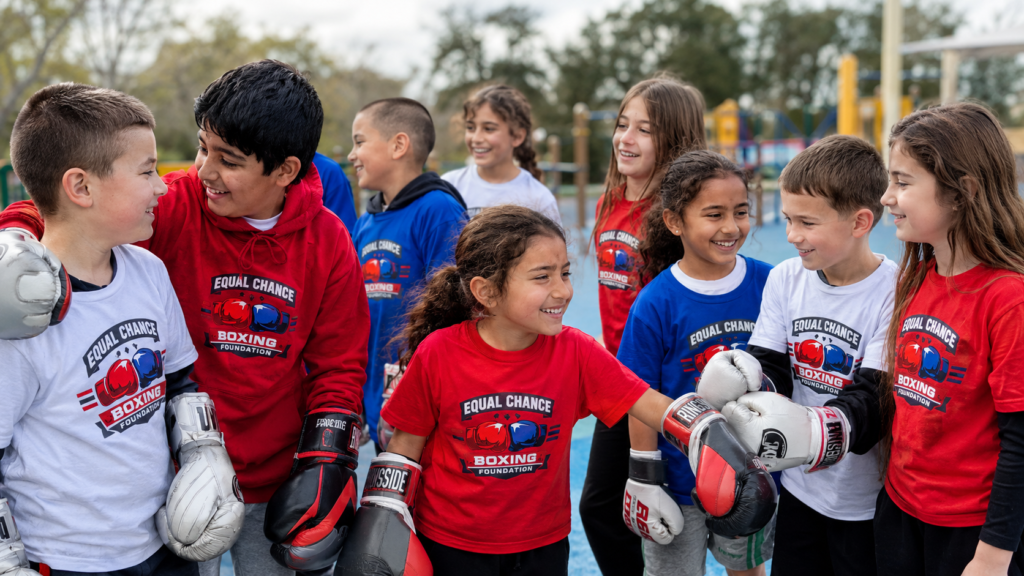
There is a profound, deeply isolating silence that surrounds a teenager when they step into a world where they do not speak the language, understand the unspoken cultural rules, or recognize the faces staring back at them. If you are a young person who has recently arrived in a new country, a new city, or a completely unfamiliar neighborhood, you know this specific, suffocating sensation better than anyone. You walk through the crowded hallways of a new high school, and the conversations around you sound like rushing water—loud, continuous, and entirely incomprehensible. You are carrying a heavy, invisible backpack filled not just with standard academic pressures, but with the immense, unspoken weight of your family’s sacrifices, the grief of leaving your old life behind, and the terrifying pressure to assimilate quickly.
To cope with this overwhelming sense of alienation, you retreat. You round your shoulders, avoid eye contact, and dive headfirst into the only place that still feels like home: the digital world. You sink into the hypnotic, highly demanding glow of your smartphone screen because the algorithms speak your native language. But this digital sanctuary is a brilliant, vicious trap. It feeds your severe gadget addiction, keeping you entirely disconnected from your new physical reality. The multi-billion-dollar tech companies engineer your feeds to provide a false sense of connection, leading directly to chronic anxiety, severe burnout, and an overwhelming lack of internal discipline to face the terrifying new world outside your bedroom door.
When you feel completely misunderstood by your new environment, and the isolation becomes too heavy to bear, the unpredictable streets of your new neighborhood often present an incredibly magnetic, highly dangerous pull. The streets do not require a perfect accent. Negative street influence, local gangs, and toxic peer groups actively prey on newcomers. They offer a highly destructive path of least resistance and a false sense of “family” to a young mind desperate to belong anywhere.
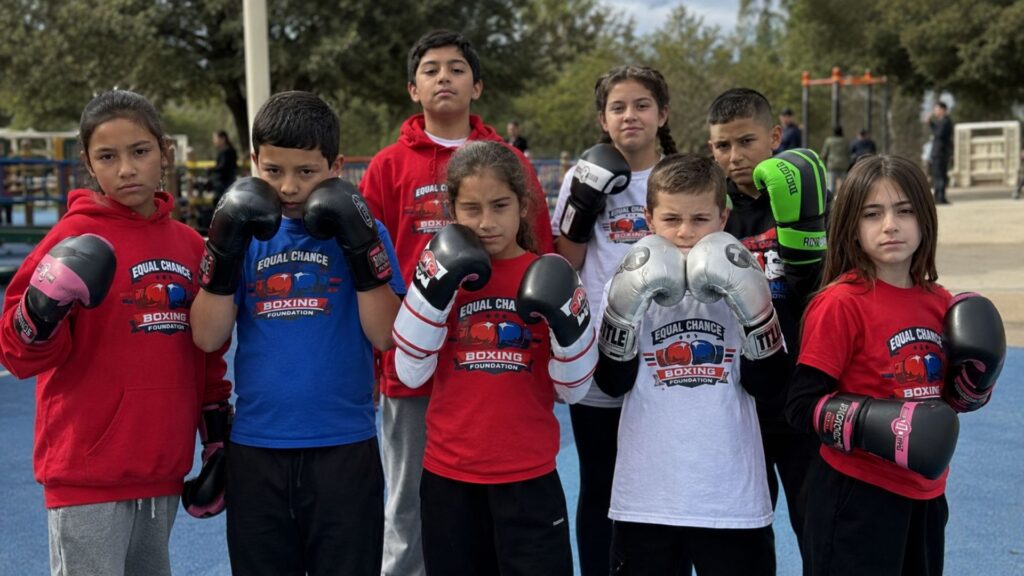
For the parents silently observing this slow, heartbreaking withdrawal, the pain is an invisible, crushing weight carried through every grueling hour of the day. You left everything familiar behind to give your child a better future. You sacrifice your sleep, your physical health, and your emotional bandwidth, often working entry-level, exhausting double shifts because your previous professional degrees are not recognized here. You desperately want your teenager to integrate, to make friends, and to build the mental armor necessary to survive in this new society. But the harsh economic reality of starting over quickly sets in. The exorbitant costs of private athletic clubs, integration camps, and the sheer lack of money for specialized sports gear make it feel impossible to give your child a fair chance at fitting in. You cannot buy their social acceptance, and the guilt of that financial reality is paralyzing.
This is exactly why the existence of a free, highly structured community sports sanctuary ceases to be a recreational luxury and becomes a matter of urgent human survival and cultural integration. However, when society speaks about assimilation and building athleticism, the traditional image of a boxing gym often terrifies immigrant parents. They fear it is a place of unregulated aggression, chaos, and neighborhood brawling.
The raw, unvarnished truth of a legitimate training sanctuary is entirely the opposite. Boxing is not a street brawl; it is high-speed physical chess, a master-level academy for emotional regulation, and the single most welcoming environment on earth for a newcomer. The canvas does not demand that you speak the language perfectly; it only demands that you are willing to work.
[ecbf_donate_banner_1]
The Vocabulary of Sweat: Bypassing the Language Barrier
The most radical, transformative element of a dedicated boxing gym for an immigrant or newcomer teenager is its absolute, uncompromising reliance on physical mechanics rather than verbal fluency. When a deeply frustrated, anxious teenager steps off the unpredictable streets and walks through the heavy doors, they bring all of their suffocating cultural insecurities with them. They expect to be judged on their broken accent, their unfamiliar clothing, or their lack of local knowledge.
A masterful coach immediately and permanently strips this toxic illusion away. The heavy bag does not care where you were born. The focus mitts do not ask for your passport or your visa status. The gym operates on a strict, beautiful, universal meritocracy.
By integrating a nervous, isolated young person into a strictly supervised youth boxing program, a massive psychological paradigm shift organically occurs. A teenager does not need to speak fluent English to understand the geometry of a proper stance. When a coach physically adjusts their feet, taps their elbow to keep their guard up, and demonstrates the kinetic chain of a perfect cross, communication happens on a primal, biological level. Sweat has no accent. Discipline requires no translation.
This environment teaches the newcomer that their body is not an awkward, out-of-place entity destined to be judged; it is a highly capable kinetic engine waiting to be properly calibrated. They realize that respect in this new country can be actively earned through hard work, effectively completely bypassing the agonizing language barrier that haunts them in the school classroom.

The Blueprint: The Ultimate Immigrant Work Ethic
To genuinely understand what it takes to build elite, bulletproof physical confidence and integrate into a new, unforgiving environment, young newcomers do not need to look at filtered social media influencers or naturally gifted local athletes; they need to study the raw, unvarnished truth of the immigrant hustle. The turbulent, deeply inspiring trajectory of professional boxer and head mentor serves as the ultimate blueprint for resilience.
’s grueling, arduous journey to the upper echelons of professional combat sports is a profound testament to the power of the immigrant spirit. He did not arrive with a perfectly paved path or immediate cultural fluency. In the fiercely competitive, highly political world of professional boxing, talent without the heavy, unglamorous anchor of daily, solitary suffering and rigorous discipline is a devastating tragedy just waiting to happen.
His path was forged in the deeply uncomfortable, highly repetitive, and often incredibly lonely, silent daily grind of monotonous technical drills far from his original home. For a young, insecure newcomer desperately searching for a proven blueprint to navigate their new life, ’s career stands as an undeniable masterclass in why relentless personal routine will always, eventually beat local advantages.
Consider the agonizing, silent days immediately following a devastating, high-profile physical defeat in the ring, or the painful, deeply isolating aftermath of a severe sports injury. In these deeply vulnerable, dark moments, a fighter’s motivation is practically non-existent. The fragile human ego is shattered in front of millions of harsh critics. The physical body is broken, and the mind actively, desperately begs the athlete to simply quit, hide away, and return to the comfort of what they used to know.
teaches the youth through his own blood, sweat, and undeniable grit that it is precisely in this dark, terrifying void where strict, non-negotiable habits literally save your life and build your true, enduring character.
- The Autopilot of the Outsider: did not need to feel emotionally “inspired” or entirely comfortable in a new culture to wake up at 5:00 AM for his grueling roadwork the freezing cold morning after a terrible loss. His physical conditioning required him to be on the pavement. The habit was deeply, permanently hardwired into his central nervous system over a decade of brutal, unrelenting repetition. He systematically trained his physical body to completely ignore his brain’s desperate, logical excuses to stay in a warm bed.
- Analyzing Failures Without Deflection: True cognitive growth happens when you stop blaming your environment. When faced a massive setback, he did not blame his status as an outsider. He sat in the quiet of the film room, meticulously analyzing his own defensive flaws, confronting his physical mistakes with brutal honesty, and then drilling the precise corrections hundreds of thousands of times until they bypassed his conscious thought and became permanent muscle memory.
- The Ultimate Standard for the Newcomer: ’s story violently strips away the fake, highly marketed illusion of easy assimilation. When an immigrant teenager complains that they feel too far behind to catch up, ‘s reality provides the ultimate standard. It vividly shows them that true, undeniable confidence happens when you quietly put on your training shoes, meticulously wrap your hands in the silent locker room, and step onto the canvas to practice the most basic, monotonous steps entirely by yourself on the exact, specific days when your anxious mind would rather be absolutely anywhere else on earth.
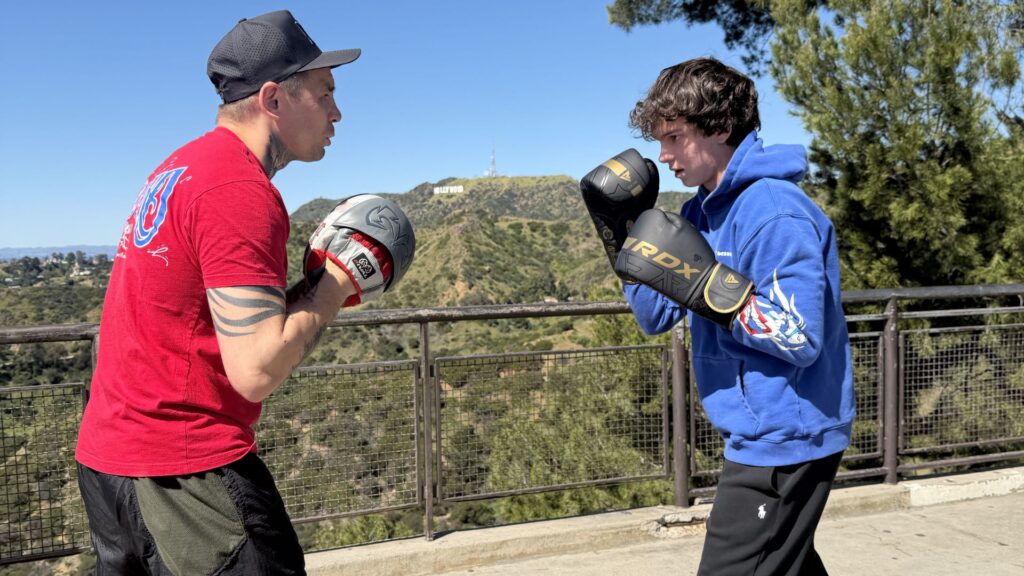
The Physiology of Cultural Shock: Rewiring the Nervous System
To deeply understand why the obsessive practice of combat sports is a critical medical and psychological intervention for immigrant families, we must look closely at the basic physiology and neurochemistry of the adolescent brain under extreme stress.
When a teenager is uprooted from their home country and dropped into a foreign environment, their brain exists in a permanent state of hyper-vigilance. The constant effort of trying to understand a new language, navigate new social norms, and process the grief of leaving loved ones behind floods their developing nervous system with cortisol—the primary stress hormone. This leaves the teenager in a perpetual state of “fight or flight,” exhausting their adrenal system and leading directly to severe burnout.
Boxing forces a complete, uncompromising reversal of this neurological trauma. Executing a complex defensive slip or a multi-punch combination requires such an immense level of hyper-focus that there is simply no mental bandwidth left for cultural anxiety, homesickness, or digital distraction. The brain is forced to be entirely present in the physical world.
Clean Nutrition as the Foundation of Adaptation
An immigrant athlete who knows they must independently face three grueling rounds of footwork and defensive drills tomorrow will naturally and voluntarily begin to alter how they treat their physical vessel. They quickly learn, often through the deep physical pain of premature exhaustion, mental brain fog, and intense nausea, that relying on cheap, highly processed junk food or heavy, artificial energy drinks leads directly to a total loss of focus and physical failure on the mats.
They actively begin to seek out complex carbohydrates for sustained glycogen energy, lean proteins for microscopic muscle recovery, and proactive daily hydration. They stop treating food as a casual comfort mechanism to cope with the trauma of displacement, and begin viewing it strictly as high-octane fuel required for survival and athletic performance. They learn to deeply, profoundly respect their own internal biology, recognizing that a strong, healthy body is their greatest asset in navigating a challenging new world.
Sleep as the Ultimate Tool for Language and Memory Consolidation
In a modern culture that foolishly glorifies a lack of sleep and relentless screen time, the newcomer athlete quickly learns that sleep is the absolute most critical component of their integration. They discover that the deep, uninterrupted phases of sleep are the precise physiological moments when the endocrine system actively releases human growth hormone (HGH) to repair the micro-tears in their muscle fibers.
But for the immigrant teenager, sleep serves an even more vital purpose. Deep sleep is when the brain consolidates new memories. It is when the boxing combinations learned in the gym—and the new vocabulary words learned in the classroom—are permanently hardwired into the brain. To protect this vital recovery window, these teenagers begin voluntarily practicing rigorous digital hygiene. They turn off their glowing smartphone screens an hour before bed, entirely rejecting the toxic habit of doom-scrolling news from their home country, prioritizing their central nervous system over digital noise.
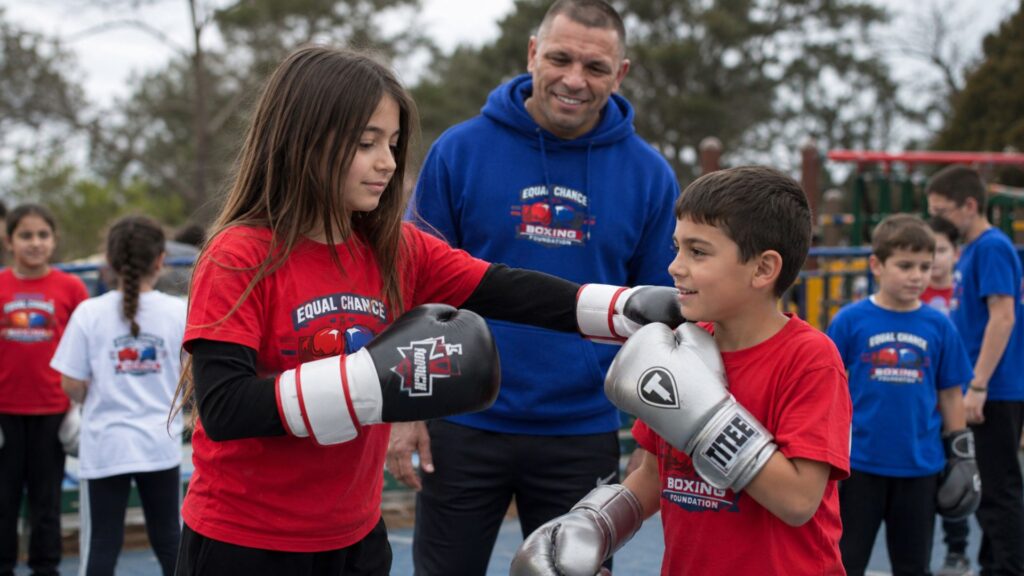
Visualizing the Shift: The Isolated Outsider vs. The Integrated Athlete
To clearly illustrate the profound, holistic lifestyle transformation that occurs when a newcomer teenager adopts the precise, disciplined mindset taught within these free community programs, we must look closely at the daily, microscopic choices they learn to navigate. The table below vividly illustrates the stark contrast between an immigrant who feels entirely lost and a young athlete who has learned to construct their own physical and social capability through deeply ingrained discipline.
| The Daily Obstacle | The Isolated Newcomer (Governed by Fear & Screens) | The Integrated Athlete (Governed by Boxing Discipline) | The Ultimate Real-World Character Result |
| Morning Routine & Self-Image | Wakes up dreading the language barrier. Immediately checks social media to connect with their home country, reinforcing their sense of physical isolation here. | Steps out of bed the second the alarm rings. Knows that their physical progress speaks a universal language. Relies on the prepared gym bag. | Secures an immediate psychological victory. Builds elite, uncompromising self-reliance before the challenging school day even begins. |
| Managing Emotional Frustration | Suppresses the anger and grief of displacement until it explodes in the home, directing toxic emotional energy at exhausted parents. | Channels the grief and frustration entirely into the heavy bag. Uses intense physical exertion to process trauma and reset their nervous system. | Develops profound emotional regulation. The home remains a peaceful sanctuary because explosive energy is managed safely in the gym. |
| Handling Failure or Mistakes | Retreats inward when they make a language or cultural mistake. Views failure as confirmation that they will never belong in this new country. | Takes the hit, accepts the physical reality, and owns the mistake entirely. Returns to the heavy bag to drill the precise correction without shame. | Sheds the fragile ego. Learns to view failure purely as a mechanical, fixable error, rapidly accelerating their cultural and athletic integration. |
| Navigating the Social Environment | Hides from peers. Highly susceptible to local gangs or negative street influences that prey on disconnected immigrant youth. | Walks into the gym with their head held high. Uses shared suffering on the mats to build genuine, respectful relationships with local peers. | Develops an impenetrable shield against street influence. Realizes they already belong to a highly disciplined, legitimate, and protective tribe. |
Mastering the Internal Panic: The Ring as a Therapist
Parents often express a deep, understandable fear that introducing their already stressed, displaced teenagers to combat sports will teach them to be violent or aggressive. The reality is the exact opposite. The gym is the premier environment for learning how to strictly manage human energy.
When an anxious, deeply frustrated newcomer steps up to the heavy bag for the first time and attempts to hit it with blind, unregulated rage born from culture shock or academic pressure, their athletic form instantly falls apart. They overcommit, cross their feet, lose their balance, and completely exhaust their oxygen supply within thirty seconds. The heavy bag provides instant, undeniable physical feedback without ever throwing a punch back. It forces them to realize that reckless, unguided emotion is a massive physical and intellectual liability.
By forcing the young athlete to stop, breathe, and analyze their movement precisely and calmly, the coach is teaching the vital, life-saving art of pacing and grounding. As they focus on their kinetic chain, ensuring their power travels from the ball of their foot, through their hip, and into their glove, the profound anxiety about their lack of language skills, the toxic drama from school, and the deep, silent stress of their family’s financial situation slowly melt away. They are left with only the rhythm of their own breathing and the strict geometry of the ring.
Boxing is not about learning how to fight other people; it is about learning how to master the panic inside yourself. When you teach a newcomer teenager how to focus their physical body through strategic, controlled thinking, you are giving them the exact psychological tools they need to balance their volatile emotions at home, in the ESL classroom, and in future professional environments. You are actively preventing that chaotic, self-destructive energy from being turned inward into severe depression, or unleashed in dangerous ways on the streets.
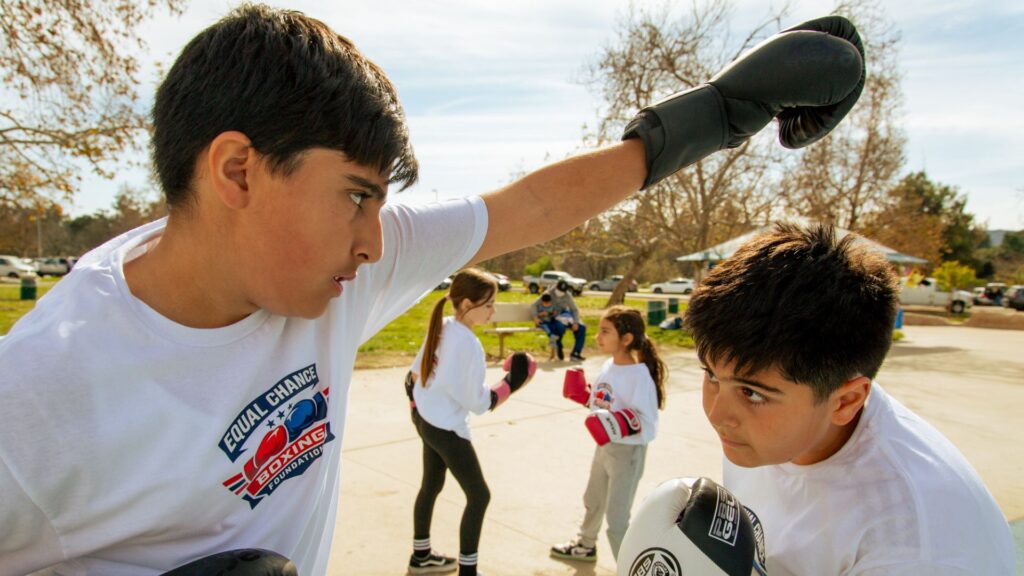
The Bleachers as the New Village: Supporting the Parents
One of the most beautiful, unintended consequences of a thriving youth boxing program is what happens on the periphery of the canvas. While the teenagers are sweating, bleeding, and building an unbreakable bond of mutual respect, their parents are sitting on the bleachers.
For an immigrant parent who works two jobs and has zero time for traditional socialization, the gym bleachers become the ultimate community center. By bringing their children to community training, these exhausted adults finally find a place to breathe. They sit next to local parents and other immigrant families. They share job leads. They trade advice on navigating the complex public school system. They help each other translate confusing government documents.
The gym breaks down the cultural barriers for the adults just as effectively as it does for the teenagers. The parents bond over the shared, universal experience of watching their children work hard, overcome adversity, and build discipline. The isolation of the immigrant experience is systematically dismantled, replacing the lonely struggle with a powerful, interconnected village of support.
For those highly vulnerable periods when the local school is not in session, such as the dangerous late afternoons while parents are still at their exhausting jobs, and the long, entirely unstructured months of summer break, the danger of the streets multiplies exponentially. The streets do not take a summer vacation, and they actively recruit youth who lack supervision. This is exactly why comprehensive, highly immersive environments like a professionally supervised summer and afterschool mentorship camp are so incredibly vital to the immigrant neighborhood ecosystem. They offer ongoing, trauma-informed mentorship, critical educational support, language immersion, and a continuous, unbroken chain of positive adult influence.
Through this intense, caring mentorship, we watch at-risk, displaced youth actively transform their entire worldview. They evolve from disconnected, insecure outsiders into true, proven champions of hope for their local neighborhoods. They return to their city blocks, their classrooms, and their family dining tables not as victims of their economic circumstances or their immigrant status, but as proven, highly focused leaders who lead by quiet, undeniable example.
[ecbf_donate_banner_4]
Erasing the Final Barrier: The Economics of Integration
The brutal, unavoidable reality of building and consistently maintaining this life-altering, highly focused athletic sanctuary for newcomer families is that discipline, while internally free to the dedicated athlete, requires highly significant, massive external infrastructure to facilitate and sustain. Maintaining a safe, perfectly clean training facility, coordinating dedicated mentors who deeply understand the unique psychology of the immigrant teenager, and strictly ensuring that concussions and severe injuries are actively prevented through the continuous use of premium, medically approved protective gear requires massive, ongoing financial resources.
The dangerous streets, unfortunately, are always completely free and readily available to any teenager at any hour of the day or night. However, the long-term, devastating societal cost of losing a youth to those streets—through severe addiction, the juvenile justice system, or utterly wasted human potential—is absolutely incalculable. Alternatively, the boxing gym offers a highly reliable moral compass, a burning sense of purpose, and a fiercely loyal surrogate tribe that teaches unwavering personal focus under pressure.
But access to this life-saving sanctuary should absolutely never, ever be dictated by a newly arrived family’s temporary financial struggles, economic inflation, or a teenager’s heartbreaking inability to afford a basic pair of boxing gloves, specialized training shoes, or a jump rope. A child who has finally summoned the immense courage to step out of their comfort zone and confront the terrifying reality of a new country should never have to feel the crushing guilt of asking their overworked, stressed parents for sports equipment they know the family cannot afford.
This is exactly where the broader, established community must step in to protect and welcome its newest, most vulnerable members. When empathetic, visionary individuals choose to consciously donate to provide necessary gear and support, they directly and tangibly fund the heavy bags, the vital protective equipment, and the facility lights that physically keep vulnerable kids off the streets during the most critical, highly dangerous hours. Choosing to contribute completely removes the heavy financial barrier to entry, allowing a newcomer to step inside the ropes, learn to manage their chaotic energy through repetition, and begin the incredibly hard, incredibly beautiful work of assimilating and finding their own true physical power without placing an extra burden on their working parents. By funding the equipment and the space, you are quite literally funding an immigrant family’s peace of mind and an individual child’s ability to confidently claim their space in a new world.
This critical, urgent mission to aggressively build resilient, habit-driven, and highly focused young leaders cannot possibly be sustained in isolation. It requires the active, visionary, and proactive backing of the broader business community and local leadership. We rely heavily on forward-thinking organizations and corporate sponsors who actively choose to step up to the plate and align themselves with our mission to build a healthier, more integrated, and resilient society.
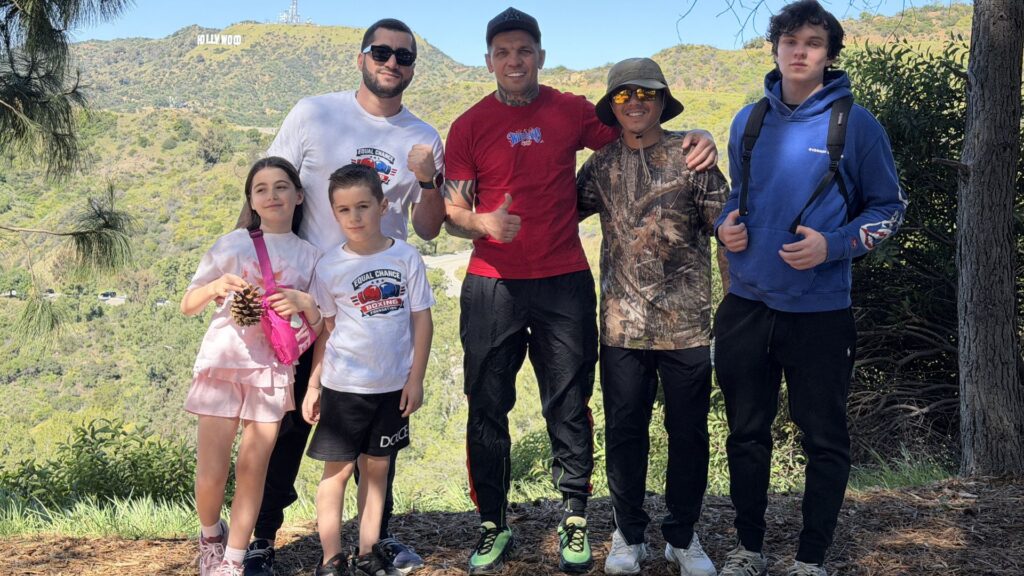
By becoming dedicated sponsors, these local organizations and businesses are absolutely not merely buying a logo placement on a gym banner; they are making a profound, highly measurable, and deeply impactful investment in the mental, physical, and moral resilience of the very next generation of citizens. They are effectively ensuring that the physical sanctuary remains permanently open, that the experienced, caring volunteer coaches remain on the gym floor guiding the uncoordinated youth to find their balance safely, and that the quiet, incredibly unglamorous, but ultimately world-changing work of building true integration—one exhausted repetition, one grueling stance drill, and one highly focused day at a time—continues to thrive indefinitely into the future. It takes an entire community to raise a champion, not just inside the ring, but in the arena of life.
Step Into the Ring. Let’s Build Our Community Together.
For Parents: Reclaim Your Teenager’s Future
Stop relying on fleeting motivation and give your teenager the gift of true discipline. Leave the financial stress behind—we provide the state-of-the-art facility, the protective gear, and the elite coaching at absolutely no cost.
Take the first step toward their mental and physical transformation.
ENROLL IN OUR YOUTH BOXING PROGRAM TODAY
For Supporters: Fund a Life-Saving Mentor
We can only provide these world-class, 100% free mentorship programs because of the radical generosity of our donors. When you support our low income youth sports programs, you are not just funding a pair of boxing gloves; you are funding the coach who will use those gloves to teach a teenager how to survive and thrive.
Be the hero in their corner.
DONATE TO THE EQUAL CHANCE BOXING FOUNDATION
Take the Mentorship to the Streets
Discover how our outreach teams are breaking down geographical and financial barriers to bring true coaching directly to the youth who need it most.
Questions?
We’ve got answers.
Sports are a universal language. At the Equal Chance Boxing Foundation, youth don’t need to speak perfect English to understand hard work, respect, and physical mechanics. Training together breaks down communication barriers instantly, allowing newcomer teens to build friendships and earn respect purely through their dedication and effort in the gym.
Arriving in a new country can feel profoundly isolating. A boxing gym offers an immediate, tight-knit community with a shared purpose. When a teen puts on the same hand wraps and sweats through the same grueling drills as their peers, they instantly become part of a team. The gym serves as a safe, welcoming second home where everyone is treated as equals.
Navigating a new culture and economy is incredibly stressful for newcomer parents. Free programs relieve the heavy financial burden of extracurriculars while providing a safe, structured environment for their children. Furthermore, the gym acts as a community hub where parents can meet other families, share local resources, and build their own support networks.
Representation matters immensely. When newcomer teens train with mentors like , who have navigated the challenges of building a career and life in a new country themselves, they see a living blueprint for success. It reinforces the belief that through resilience, discipline, and community support, they too can overcome cultural obstacles and achieve greatness.